


Attention to detail
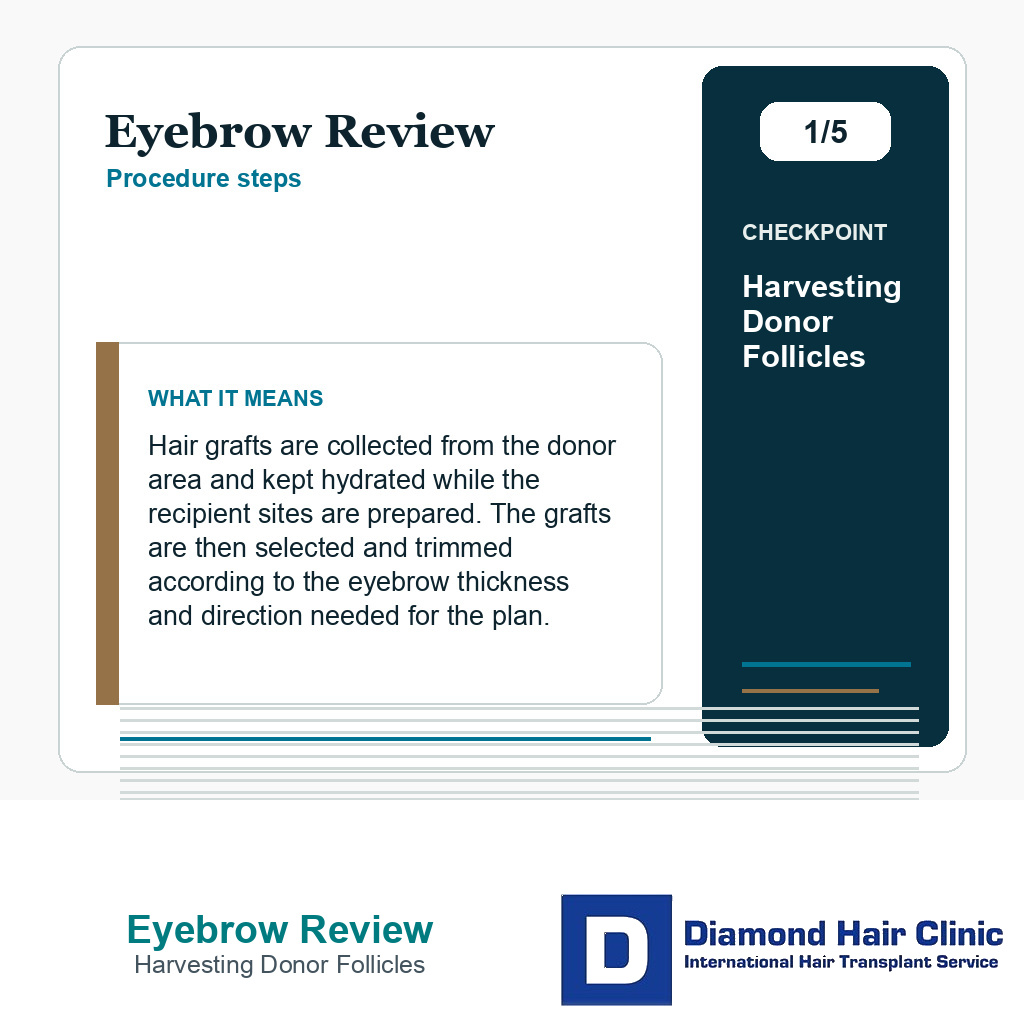
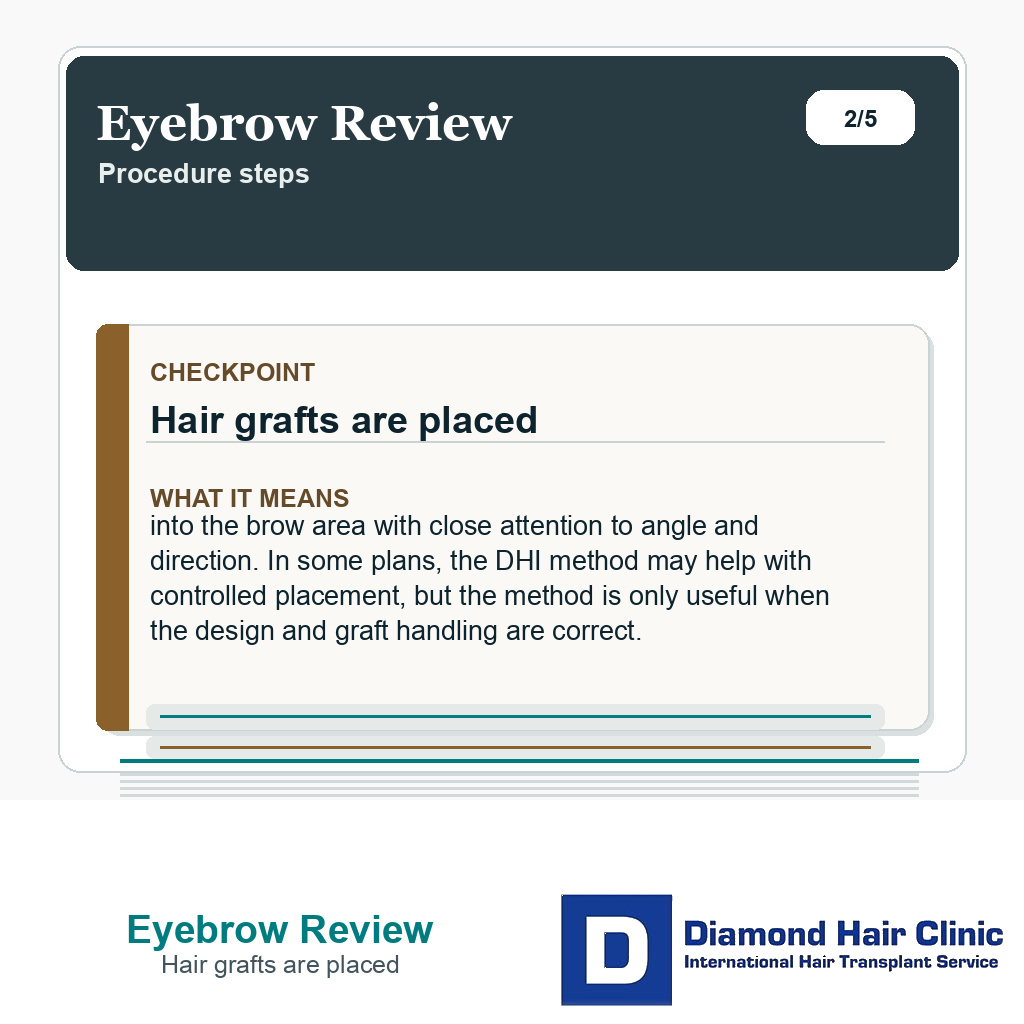
Meticulous Placement Of Hair Grafts
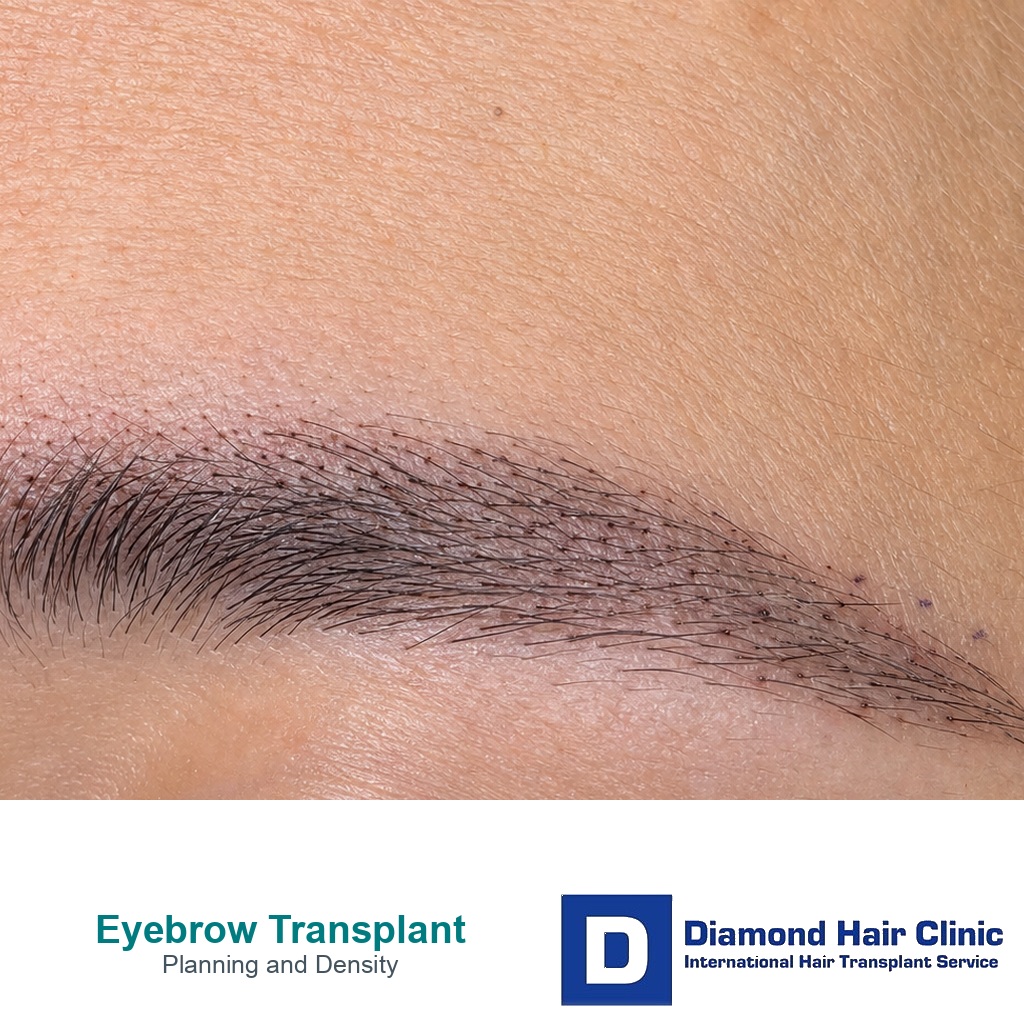
Achieving natural looking eyebrows requires a keen eye for the angle, orientation, and direction in which the hair grafts are placed.
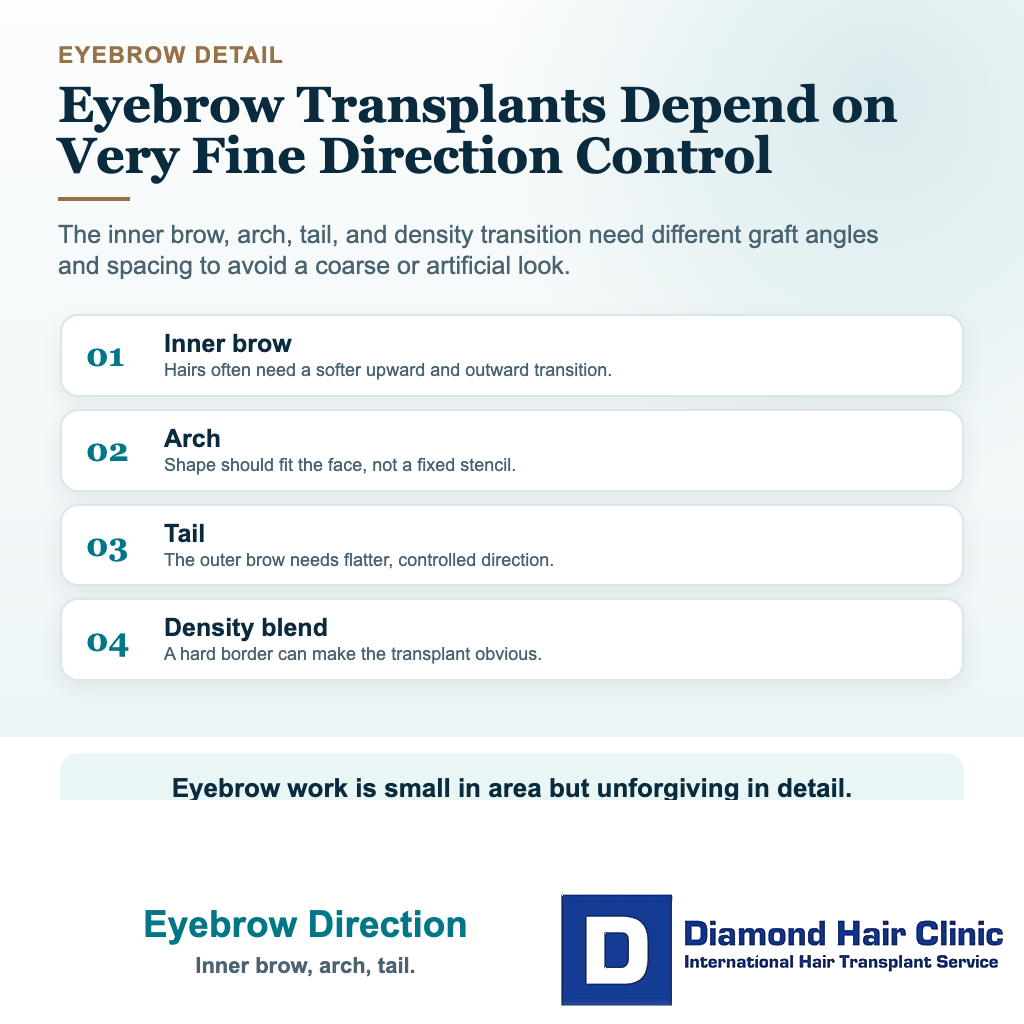
Surgeons must ensure donor hair follicles align with existing hairs, considering the natural direction of eyebrow growth. That provides a more authentic appearance that avoids a “plugged” or artificial look.
Examples Of Poor Eyebrow Transplant Planning
While most eyebrow transplants are successful, poorly angled grafts and unnatural appearances show why the first plan matters.
If a previous eyebrow transplant already looks unnatural, I do not treat reversal as one simple step. I first separate the visible problem across hair direction, density, graft size, scarring, skin texture, tattoo or microblading pigment, and how much brow hair the patient is willing to lose. Removal, softening, camouflage, or staged correction are different plans, and each needs direct examination before another graft is added.
Poor Hair Orientation Example
In one instance, a patient underwent an eyebrow transplant where the surgeon failed to correctly orient the hairs according to the natural direction of eyebrow growth. This resulted in a peculiar appearance, with the follicles growing in a markedly different order from the natural eyebrows. It looked artificial and posed difficulties in grooming and maintaining the eyebrows.
Overcrowded Placement Example
Another example involved the overcrowded placement of hair grafts. The surgeon placed too many grafts in a small area, leading to an overly dense and unnatural appearance. Rather than mimicking the subtle variation in natural eyebrows, the result was a distinct, “plugged” look that drew unwanted attention.
Mismatched Hair Type Example
Mismatched hair types in the donor and recipient areas can also result in failed procedures. In one case, a patient with thin eyebrow hairs received grafts from a donor area with thick hairs, creating a stark contrast that diminished the natural look of the eyebrows.
Financial considerations
Cost Factors
The cost of an eyebrow transplant can range from $5,000 to $10,000, influenced by factors such as surgeon expertise and geographical location.
Additional Costs
Besides the initial procedure cost, there may also be additional costs to consider. Follow-up visits or later refinements may add to the total cost. These visits are generally not included in the initial quote and can range from $100 to $500 per visit.
Insurance Coverage
Most insurance providers categorize eyebrow transplants as cosmetic treatments, which typically fall outside the scope of coverage. That said, it’s advisable to consult your insurance company to explore potential options for partial financial support or patient financing plans.
Hidden Fees
Some clinics may also charge additional fees not included in the initial quote. These hidden fees can include lab tests, anesthesia, or facility fees. Therefore, requesting a comprehensive breakdown of all charges is essential before proceeding.
Geographic Variations
Geographical location can significantly impact the cost of an eyebrow transplant. In urban areas with a high cost of living, prices can be much higher than in less populated regions. Always consider this factor when reviewing potential surgeons or clinics.
Recovery and growth timeframe
Procedure Duration
Expect to spend 3 to 5 hours for the surgery, including time for local anesthesia. It can change depending on the number of grafts and the complexity of the procedure.
Recovery Insights
Typically, patients experience a one to two week recovery period marked by mild swelling and scabbing. During this period, abstaining from strenuous activities is necessary to ensure successful healing. Still, some clinics may recommend over-the-counter pain medications and antibiotics to reduce swelling and speed up the healing process.
Eyebrow aftercare can differ from scalp aftercare, especially for washing and crust removal. Follow the plan your clinic gave you for the procedure.
Final Results
Following an eyebrow transplant, you can expect the initial growth of hair to begin around the three month mark. However, this initial growth is often uneven and sparse. It is advisable to start grooming and shaping the eyebrows at this stage, using specialized products such as brow wax or gel. Sparse growth at six months does not, by itself, establish an individual’s eventual result. A case series of eyebrow restoration reported sparse growth during the first six months in 17 of 352 patients who later felt satisfied. That cohort finding cannot predict an individual patient’s outcome.
The process reaches its culmination at around 12 months, when the transplanted hairs should fully populate the brow area. Removing stray hairs and trimming longer strands to achieve the desired shape is appropriate during this period. While the process may seem lengthy, patience is crucial for achieving optimal results.
If a transplanted eyebrow first fills in and then becomes sparse again, I do not call it normal shedding or failed grafts from the timeline alone. I compare the transplanted hairs with the original brow hairs, examine the skin, and review why the brow was thinning before surgery, along with any illness, treatment, or medication changes. Eyebrow loss can have several causes. A growth serum should not replace follow-up with the surgeon and, when needed, a dermatologist.
Risks and complications
Infections, Scarring, And Anesthesia Effects
While rare, risks such as infections and scarring exist and should be thoroughly discussed before the procedure. Moreover, it is essential to be aware of the possible side effects of local anesthesia. These can sometimes include numbness, tingling, and even nerve damage.
Permanent Hair Loss
Another potential risk of eyebrow transplants is permanent hair loss around the transplant area. This occurs when the grafts fail to take root or are rejected by the body.
Risk Reduction Measures
To minimize these risks, the surgeon can prescribe stringent post-op instructions involving saline sprays and medications.
It is also important to take preemptive measures by consulting with a doctor to ensure you are a suitable candidate for an eyebrow transplant. This means discussing the existing medical history, such as any allergies or existing conditions, and informing your surgeon about current medications you may be taking.
Possible problems in eyebrow transplant surgery
Potential complications in eyebrow transplant surgery can include infection, scarring, poor growth, unnatural density, and hair growing in the wrong direction. Sterile technique, careful donor harvesting, and correct graft angle reduce these risks, but they cannot remove risk completely.
Local anesthesia reactions are uncommon but should still be discussed before surgery. Realistic expectations also matter, because emotional distress is more likely when a patient expects perfect symmetry, instant density, or brows that need no trimming. Rare allergic reactions to topical products or medicines should be disclosed before the procedure.
Success means growth and natural direction
Eyebrow transplant success depends on surgeon experience, donor hair quality, skin condition, graft survival, and how well the hair direction matches the face. Growth alone is not enough. The brow also has to look natural, be groomable, and fit the patient’s expression. For eyebrow work in Turkey, review the surgeon’s specific eyebrow experience, patient photos, complication policy, and reviews from former patients before surgery.
Patients who may benefit most from eyebrow transplant procedures
Medical Conditions And Psychological Factors
Individuals suffering from specific conditions such as Trichotillomania, Alopecia, or trauma scarring stand to benefit substantially from eyebrow transplant surgeries.
The psychological effects of these conditions are often as powerful, if not more so, than the physical symptoms.
By restoring lost eyebrow hair and committing to a lifelong maintenance routine, patients can regain confidence in their appearance and social lives.
If brow loss comes from active pulling, ongoing alopecia, or inflamed skin, I do not treat the empty area as only a number of grafts. The cause should be stable enough that new hairs are not placed into the same cycle that removed the old ones.
Nutritional Imbalances
This procedure can also correct hair loss due to hypervitaminosis A, mainly when dietary imbalances are addressed.
Alternatives before eyebrow transplant
Microblading As A Semi Permanent Solution
Before I add grafts, I first decide whether unevenness comes from missing hair or from excess hair outside the intended border. Temporary shaping can test the design. If permanent removal of a few follicles is being considered, electrolysis should be performed by an experienced practitioner because poor technique can cause burns, infection, scarring, or pigment change. Microblading uses tattoo pigment to imitate fine eyebrow hairs. It can be useful for some patients, but it is not permanent and usually needs maintenance every one to three years.
Topical Brow Serums And Treatments
Available over the counter, these treatments offer subtle improvement in fullness and appearance, but they fall short of the dramatic transformation that surgical interventions can provide.
Cosmetic Brow Products As A Temporary Fix
For those seeking a short-term remedy, cosmetic items like brow pencils and gels afford an immediate but fleeting improvement, necessitating daily reapplication.
Trade Offs, pros and cons
Microblading stands out for its minimally invasive approach, yet it comes with the caveat of continual upkeep.
Topical serums, while convenient, often yield less dramatic results. Cosmetic makeup, on the other hand, provides instant gratification but lacks longevity.
Moving from microblading to an eyebrow transplant
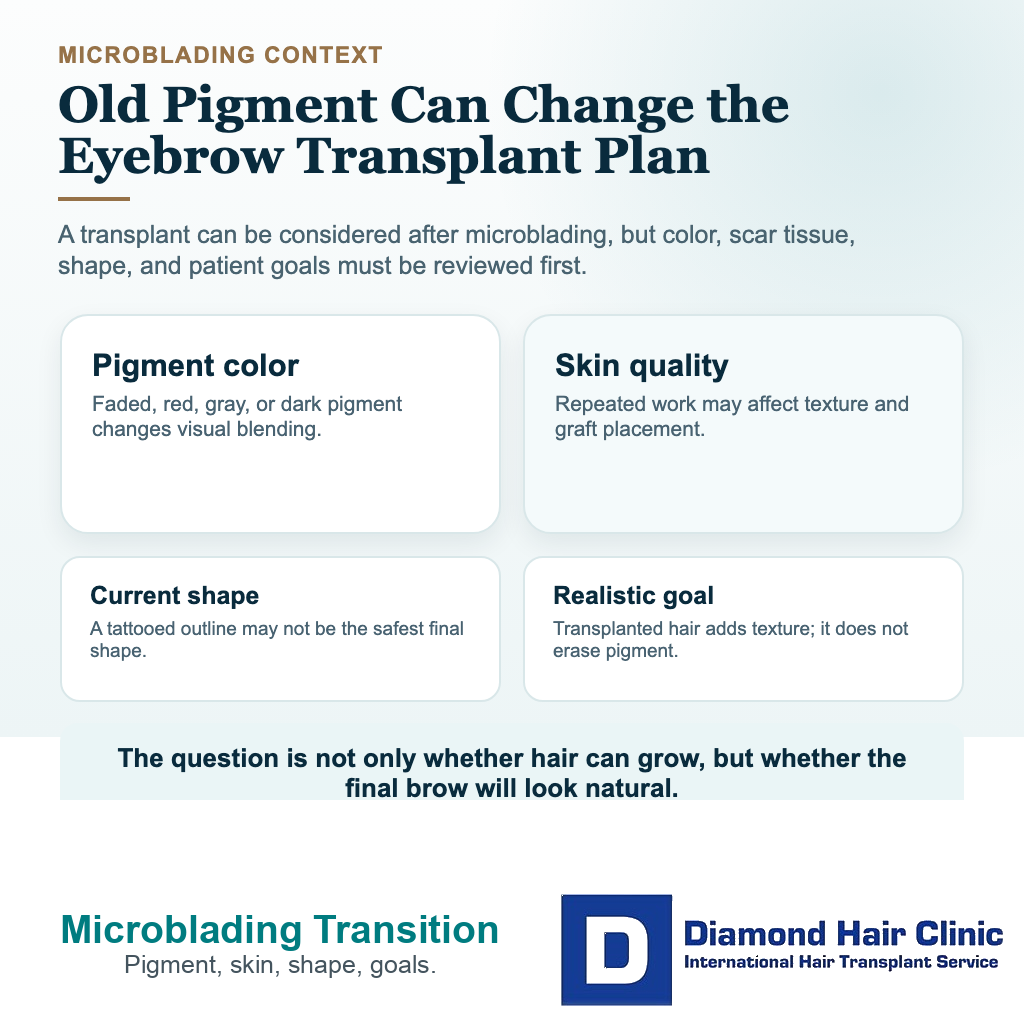
Making the shift from microblading to an eyebrow transplant is feasible and manageable with meticulous preparation.
Essential factors include the residual ink deposits from microblading, a tattooing technique that is not permanent. These ink traces may remain inconspicuously beneath the newly transplanted eyebrow hairs, potentially affecting the final aesthetic outcome.
To optimize the success of the eyebrow transplant, a detailed consultation with your surgeon is important. This discussion helps schedule preliminary treatments, such as laser tattoo removal, and create a clear timeline for the subsequent transplantation process.
Long-term viability of eyebrow transplants
Anticipated Outcomes
Most patients experience significant satisfaction in the initial two years following their eyebrow transplant. Yet, periodic refinements may become necessary, as the transplanted follicles are subject to gradual thinning.
Procedure Longevity And Statistics
Research findings reveal that between 80 and 90% of patients continue to enjoy enduring benefits beyond five years after the procedure, attesting to the commendable long-term efficacy of eyebrow transplants.
Medical reasons can change the recommendation
In rare cases, eyebrow loss can create practical problems, such as sweat or moisture reaching the eyes more easily. Insurance coverage depends on the patient’s policy, diagnosis, and local rules, so it should be checked directly before surgery.
Seasonal and lifestyle factors
Climate, Lifestyle, And Eyebrow Transplant Longevity
Dry skin, strong sun exposure, sweating, and friction can irritate the area during healing, so aftercare should be adjusted to the patient’s lifestyle.
Lifestyle Specific Maintenance Guidance
Active patients may need clearer instructions about exercise, sweating, washing, sun exposure, and grooming during the early healing period. Moisturizers or topical products should be used only if the clinic approves them, because the goal is to protect healing skin and transplanted hairs, not to add unnecessary products.
Instructions and styling after the procedure
Maintenance Techniques And Styling Guidance
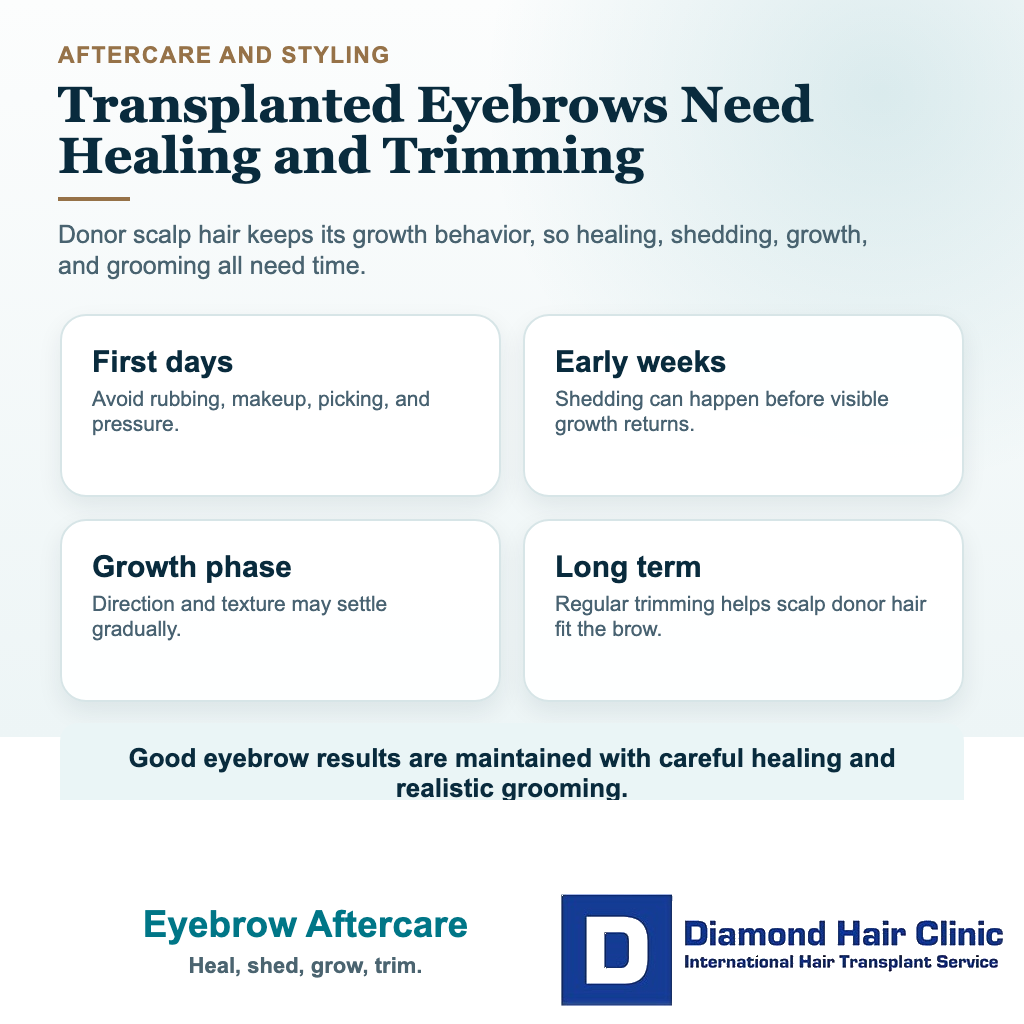
Regular trimming is indispensable to sustain the health and appearance of your transplanted eyebrows. This is because the growth rate for these newly transplanted hairs closely mirrors your existing scalp hair.
For added control over the shape and styling of your brows, eyebrow gels are an excellent tool, as they provide hold and structure.
Suggested Grooming Products For Long Term Maintenance
Long term maintenance is usually simple but not optional. Small scissors, a clean brow brush, and grooming products approved by the clinic can help keep the transplanted hairs controlled without irritating the skin.
Insights For Better Upkeep
Use serums and oils carefully after surgery. Some products may help styling later, but none should be used early unless the clinic approves them.
Summary of eyebrow transplant
Eyebrow transplantation is a procedure to regrow patchy, uneven, or missing brows. It uses scalp hair follicles for natural looking results. Eyebrows serve functional roles such as directing sweat away from the eyes and helping express emotions. In 2020, the procedure was the third most popular among men and second among women, according to the International Society of Hair Restoration Surgery (ISHRS).
Follicular Unit Extraction (FUE) technique is employed to harvest individual hair follicles from the back/sides of the scalp. Local anesthesia is administered to mitigate pain or discomfort during the surgery. For a natural look, the surgeon must consider various factors like the angle, direction, and hair density in different regions of the eyebrows. Suitability for the procedure extends to people with conditions such as trichotillomania, physical trauma, chemotherapy effects, and certain medical conditions.
Before choosing a clinic, potential candidates should ask surgeons about credentials, experience, complication rates, and patient satisfaction. Do not stop or change prescribed anticoagulants on your own. The prescribing clinician and surgical team should agree on their management before surgery. Stop smoking at least 7 days before and at least 7 days after surgery. Follow the clinic’s instructions about alcohol and facial treatments that could irritate the skin. The procedure involves drawing new eyebrow shapes, shaving the donor area, using FUE to extract follicles, and transplanting them into the eyebrows.
Recovery is generally an outpatient process. Some pain and scabbing are expected, and final results are visible after a full year. aftercare includes keeping the head upright, avoiding makeup and activities that cause sweating, and following a specific cleaning regimen. Potential side effects may include crusts, bleeding, swelling, tenderness, and redness. Risks include physical trauma damaging the implants, hair growing in the wrong direction, and the development of infections.
Alternative treatments like microblading and additional procedures like PRP (Platelet Rich Plasma) injections are also discussed.
Read this review excerpt
He was very thorough in every little detail and I never felt pressure to do anything I wasn’t sure of.