


Turkey Hair Transplant Cost From $5,000 to $10,000
A serious hair transplant in Turkey usually costs around $5,000 to $10,000. For surgeon-led Istanbul clinics that work with lower daily volume, a realistic package that includes the main travel and clinic steps is often closer to $7,000 to $10,000. If a quote is far below that range, I would not treat it as a bargain until I know who evaluates the case, what donor limit was seen, how the graft number was chosen, what is included in writing, and who follows the patient after travel.
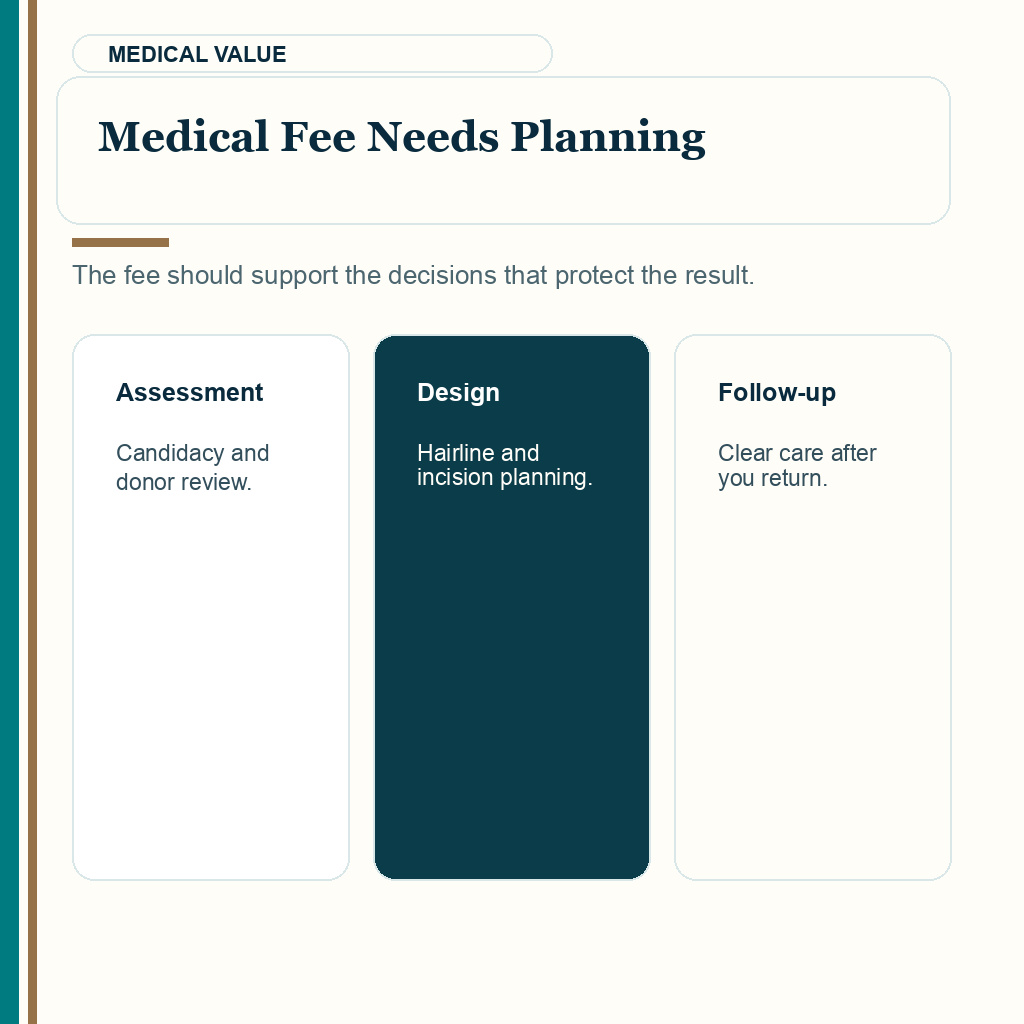
That number is only the starting point. The fee should protect the medical parts of the plan. Case selection, donor area assessment, hairline design, graft handling, recipient area incisions, aftercare, and follow-up all affect the final value. If those parts are weak, the saving can disappear later. Two quotes can include the same hotel and transfer while buying very different levels of planning time, graft handling, and follow up access.
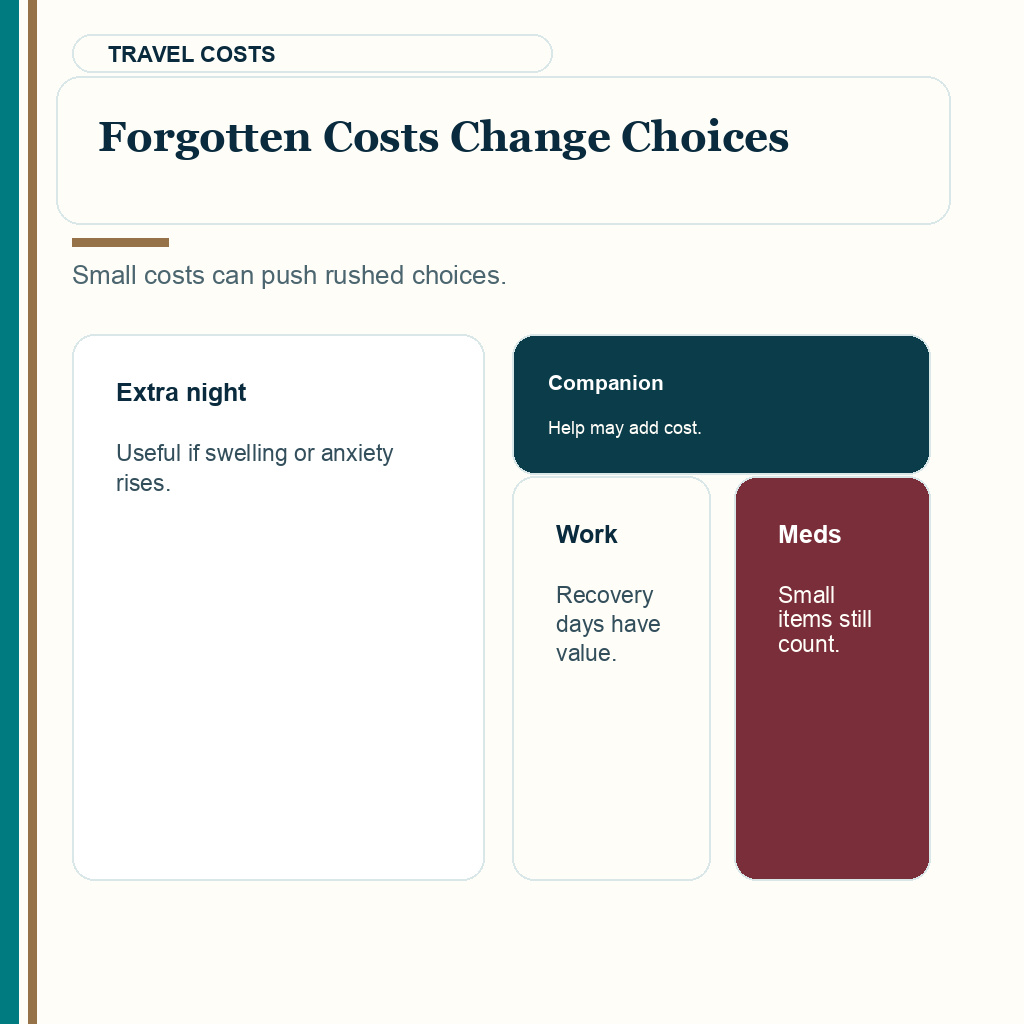
The real budget also includes the parts patients often remember only after comparing quotes. These include consultation depth, medication plan, travel changes, extra hotel nights, time away from work, follow up access, and the possibility that a staged plan is safer than one rushed trip. For tightly curly cases, the budget for Afro or tightly curly hair also needs room for curl review before the package feels complete. A free consultation is useful only if it gives enough medical clarity to avoid a more expensive mistake.
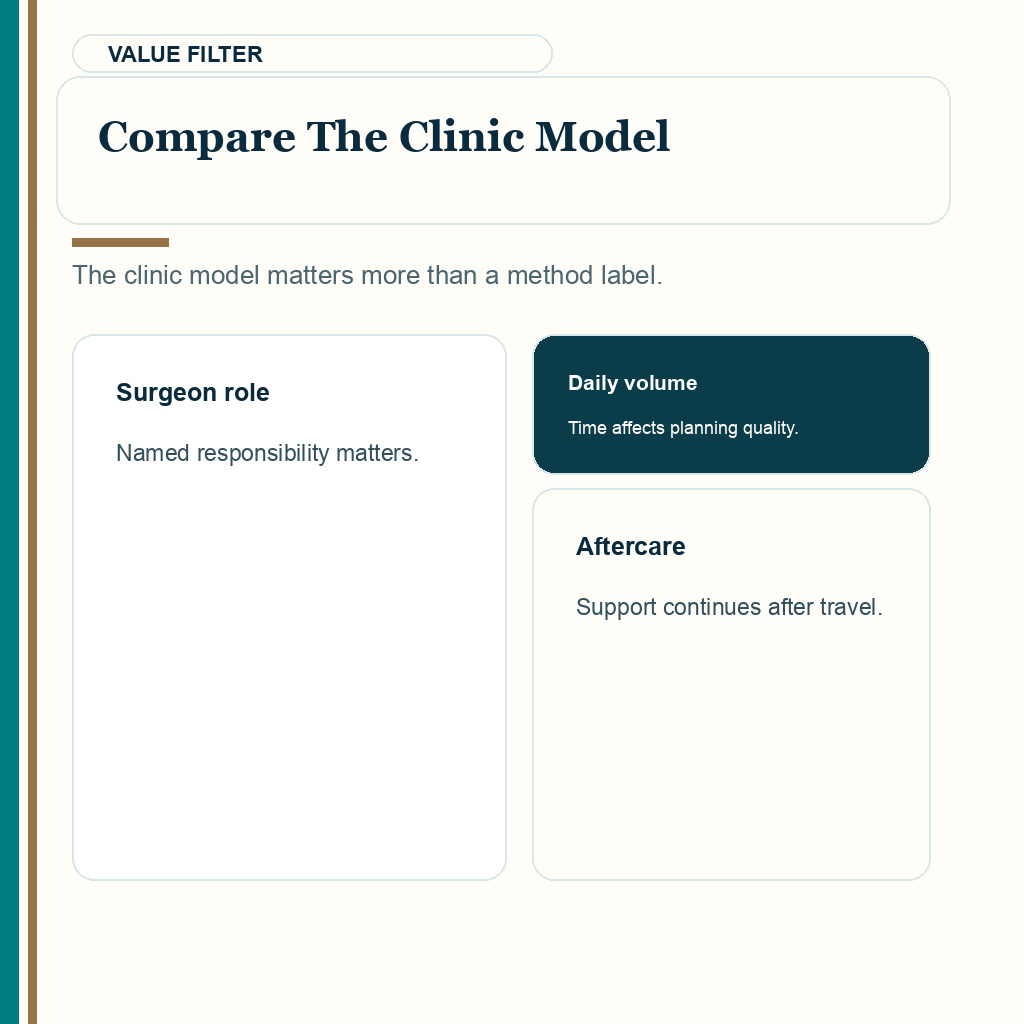
Do not judge a Turkey price only by asking whether it is cheap. Ask what clinic model the price is paying for, who is medically responsible, and whether the plan protects the donor area for the future.
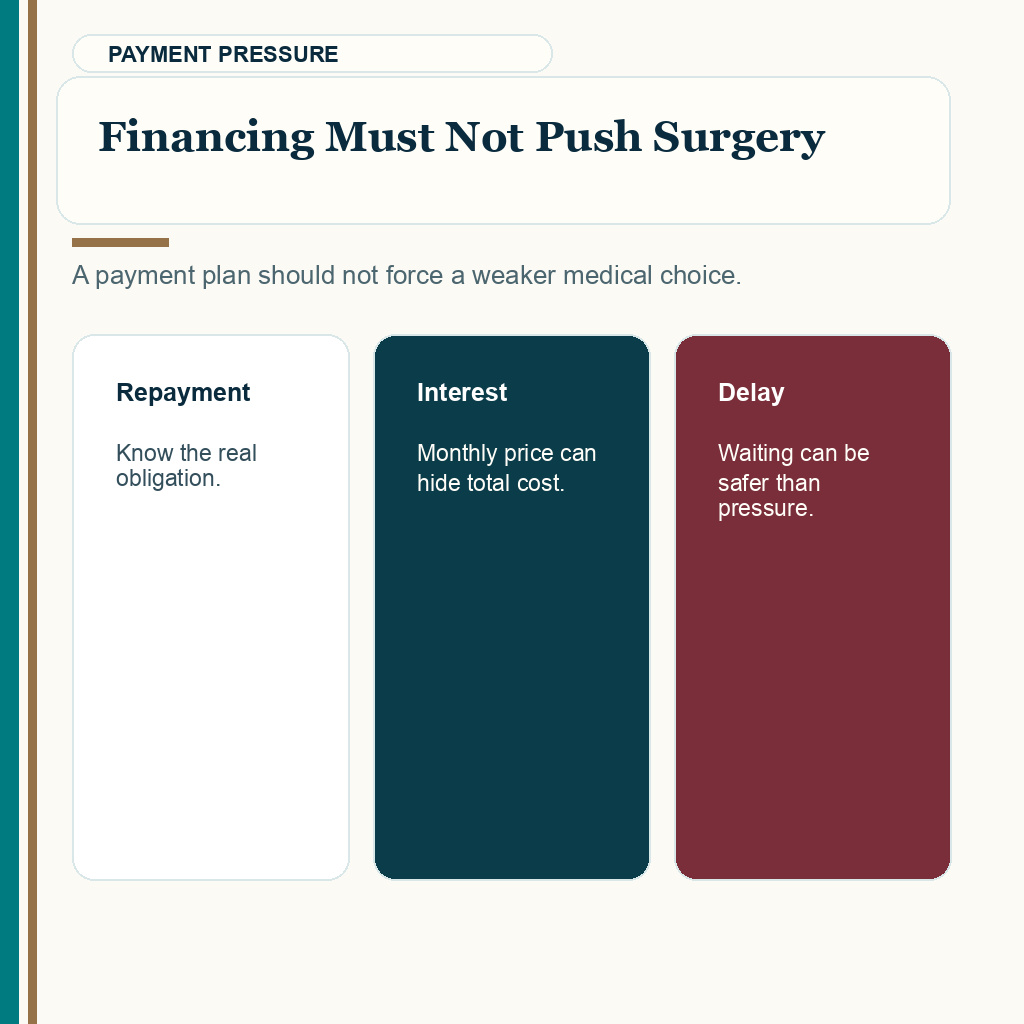
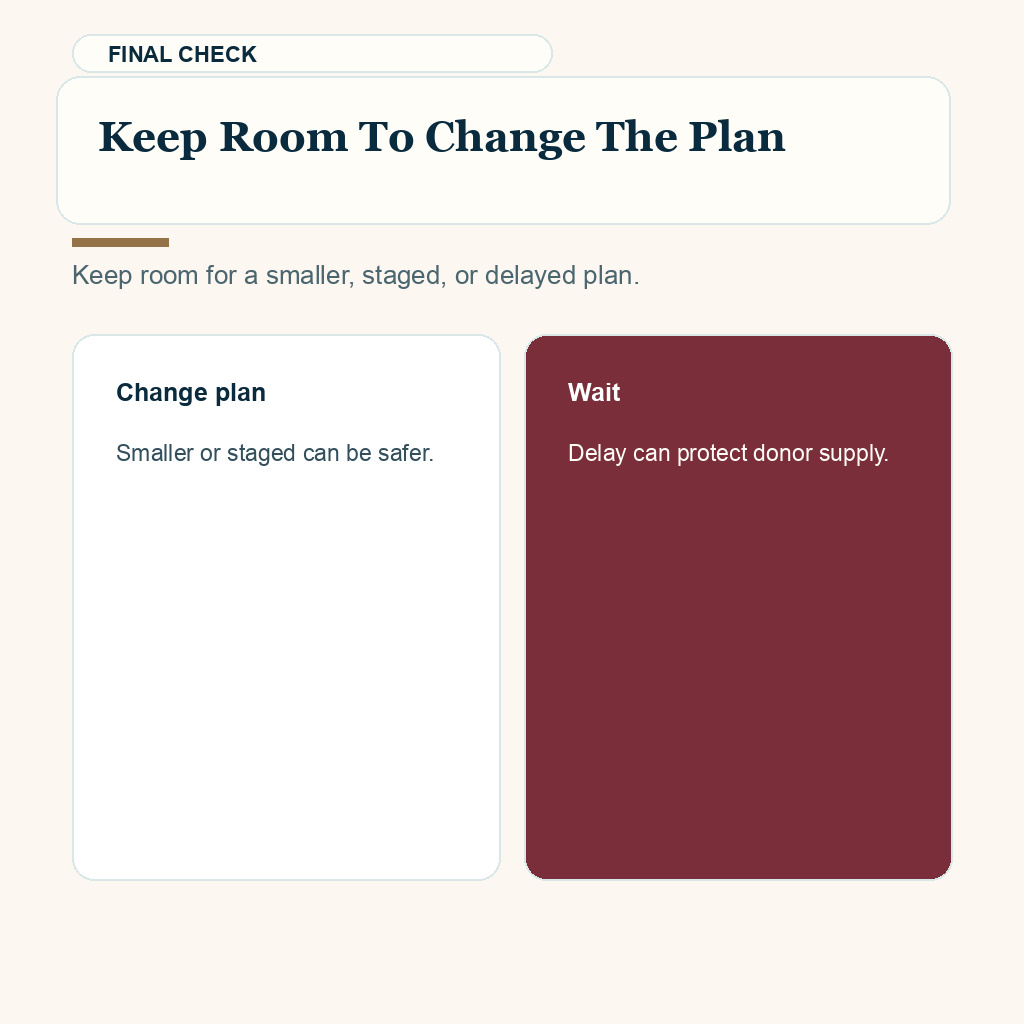
Cost planning needs a medical and financial rule for a lower safe graft number after the in person donor review. The quote should not pressure the surgeon to chase the original total, and a smaller plan still needs a clear medical explanation.
Typical hair transplant price range in Turkey
The usual serious range is $5,000 to $10,000. I use this range when comparing clinics that are trying to provide proper medical planning rather than only a low headline price.
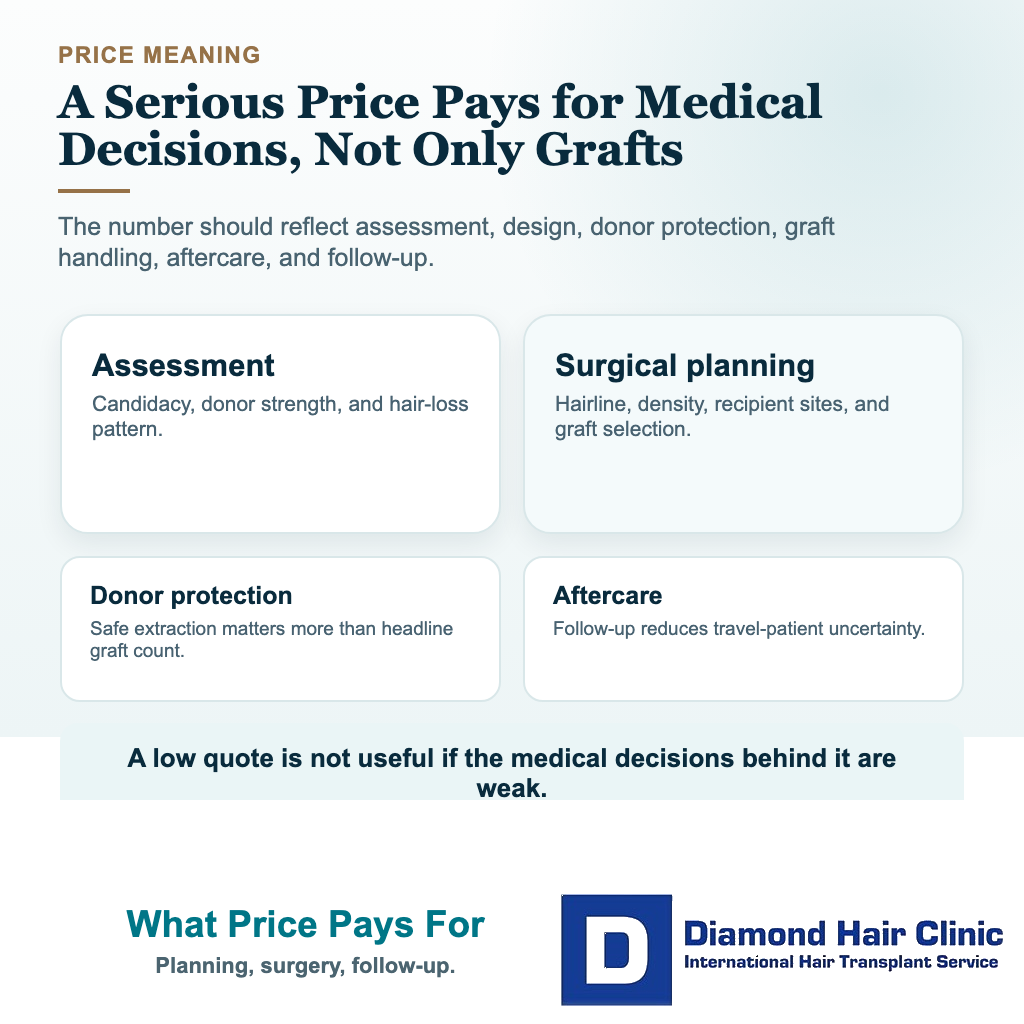
Within that range, $7,000 to $10,000 is more typical for a surgeon-led Istanbul clinic that works with lower daily volume and includes hotel accommodation, transfers, medication, aftercare products, and direct follow-up.
If two clinics quote very different prices, compare the clinic model before comparing the number. The questions in how to choose a hair transplant clinic in Turkey matter behind the package price.
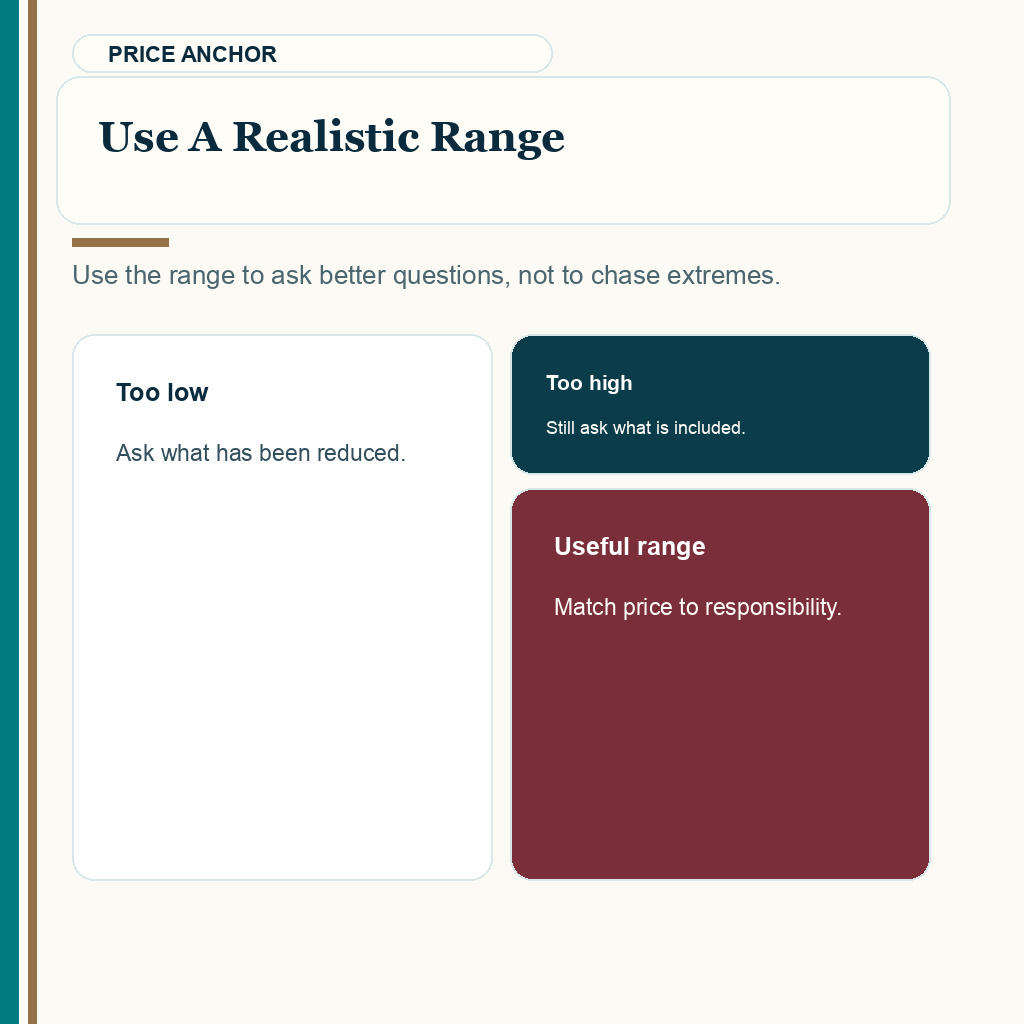
Prices below $5,000 exist, and some patients will be attracted to them. The question is what has been removed to make that price possible. It may be surgeon time, proper planning, donor protection, graft handling quality, aftercare, or accountability after the patient returns home. Use old patient price posts only as rough context, because exchange rates, clinic volume, package contents, and medical involvement can change what the quote actually means.
Cost is only one part of hair transplant in Turkey. Clinic choice, safety, travel, and recovery all change the real value of the quote.
Country comparison graphics can explain why people compare destinations, but they should not decide the case. Exchange rates, clinic models, surgeon involvement, and package details change. A useful comparison still has to leave room for surgeon review, donor limits, and a medically responsible operation.
When I do not let price decide the plan?
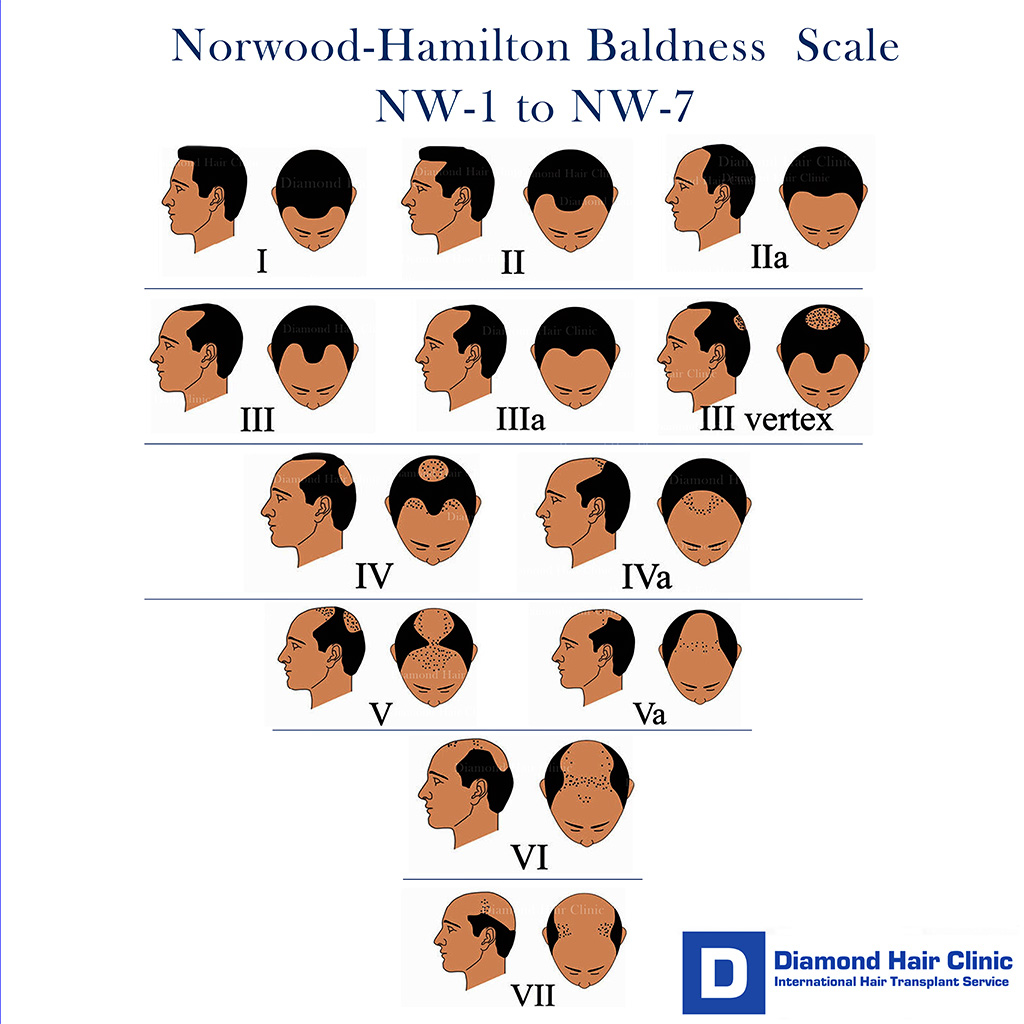
When I review a patient, I do not start from the package price. I first look at donor strength, hair loss pattern, recipient size, the requested hairline, and whether the patient may need donor reserve for later.
A lower price is not safer if it pushes the plan toward too many grafts, unclear surgeon responsibility, or a hairline that spends donor hair too early. In those cases, the price may look attractive while the surgical risk is being hidden.
Before a patient compares cost, the written plan should make clear who reviewed the case, what graft range is proposed, which area has priority, what may be left untreated, and what would make me reduce, delay, or refuse surgery.
Per graft pricing can mislead
Pricing per graft can be useful for rough comparison, but it can also mislead patients. A low price per graft can make surgery sound simple, as if the patient is buying units from a shelf. Hair transplantation does not work that way.
One graft in a strong donor area is not the same as one graft taken aggressively from a weak donor area. One graft placed into a carefully planned hairline is not the same as one graft placed at the wrong angle or in the wrong zone.
A price per graft is meaningful only when the clinic explains how the graft range was calculated, who made that decision, and how the fee changes if the safe number is lower after the examination in person. How a surgeon calculates graft numbers belongs in the consultation, not in a sales formula.
Turkey prices compared with Western countries
Turkey is usually less expensive than the United States, Canada, the United Kingdom, and many Western European countries. Lower operating costs, a large medical tourism market, and strong competition all affect price.
But lower national cost is different from unsafe discounting. A clinic in Turkey can be less expensive than a comparable clinic in the West while still allowing time for assessment, sterile practice, skilled staff, careful graft handling, and surgeon responsibility. A very cheap clinic may be cheaper because those safeguards are weaker.
A lower Turkey price can reflect local operating costs, a different clinic model, and a larger medical tourism market rather than weaker surgery. A higher price may also be reasonable when it reflects surgeon time, one patient per day focus, donor planning, a reviewable track record, and accountable follow-up. Price alone is not proof. The fee matters only when you can see what the money is paying for.
Compare clinic models, not only countries. Turkey can offer strong value, but only if the lower cost does not come from rushed or poorly supervised surgery. Be especially careful when you are tempted to travel abroad for a cheaper hair transplant before the medical plan is clear.
Very cheap prices need extra caution
A price that seems too good to be true should make you slow down. Offers around $2,000 to $3,000 for surgery, hotel, transfers, and a high graft number may sound efficient, but you need to ask how the clinic can provide safe surgery at that level.
The concern is not only poor growth. It can be an unnatural low hairline, wrong direction, visible scarring, infection, necrosis, or donor area overharvesting. These problems can affect the patient for years.
A cheap package can also create late pressure. On surgery day, the quote may suddenly grow because more grafts, special anesthesia, PRP, vitamins, or extra products are presented as necessary. The financial structure needs to be settled before travel, not negotiated when the patient is already committed.

The cheapest option can become the most expensive
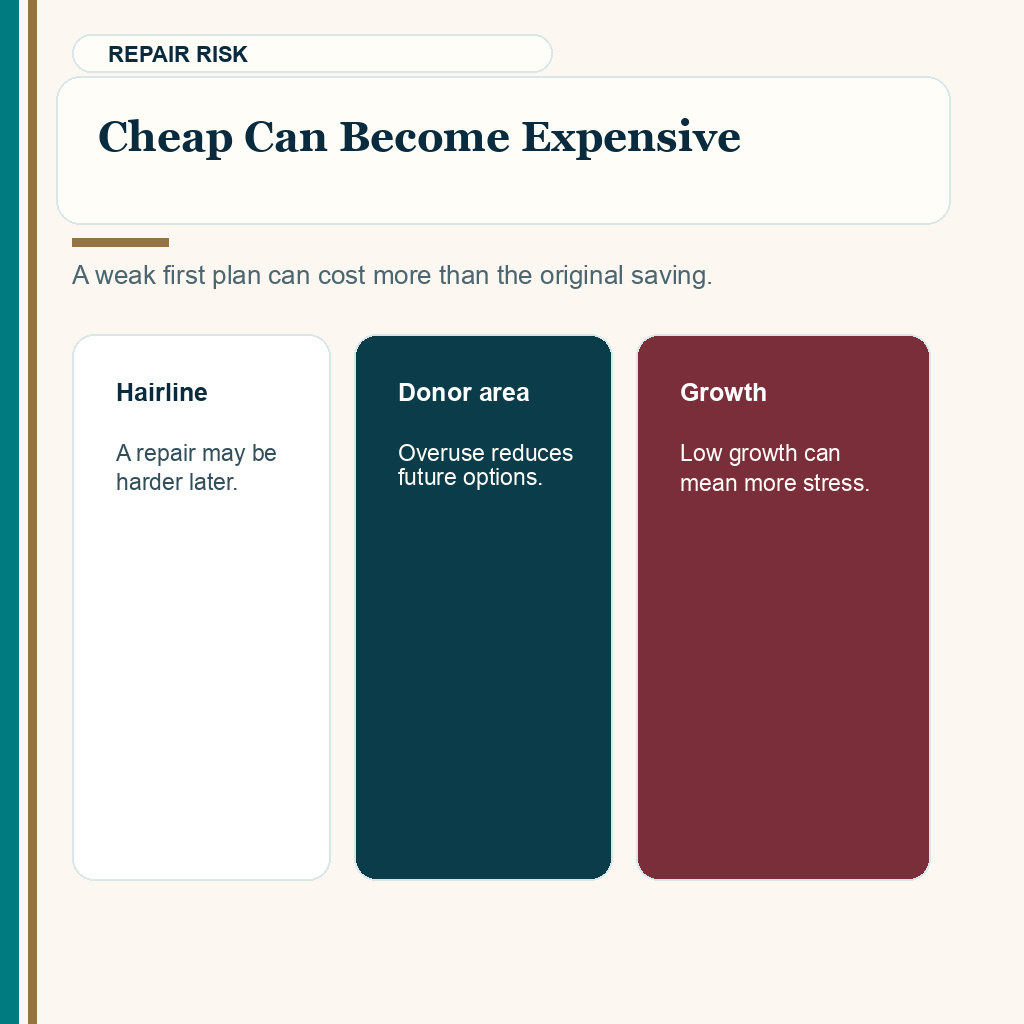
A poor first surgery can cost more than doing the first surgery properly. Repair surgery is usually more complex than a first operation because the surgeon must work around scar tissue, badly angled grafts, unnatural hairline placement, depleted donor supply, and patient anxiety.
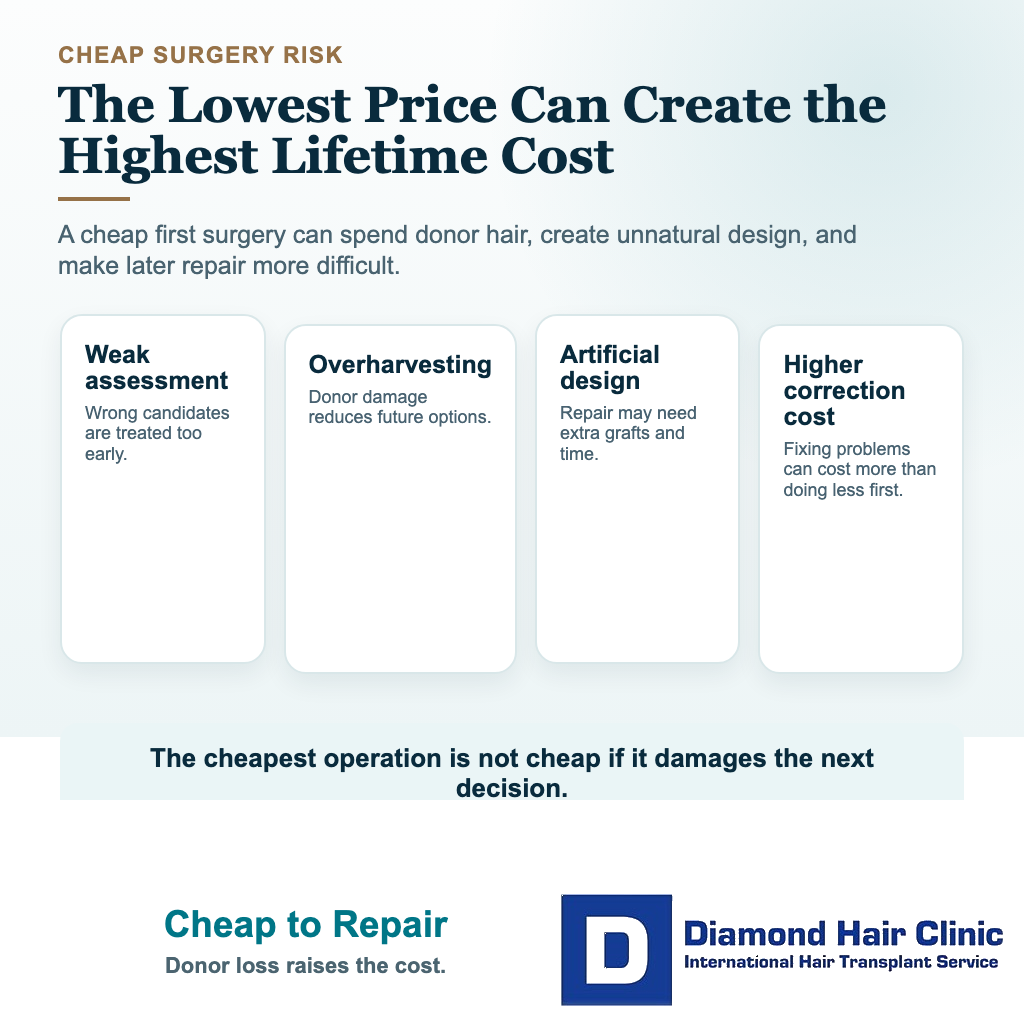
If the donor area has been overused, the patient may not have enough safe grafts left for a full correction. This is the part many patients do not realize when comparing prices. Donor hair is a limited lifetime resource. Once it has been removed badly, it cannot simply be replaced.
The real cost difference is easy to miss. A smaller, well planned first surgery can protect the future. A cheap, aggressive first surgery can use limited donor hair before the patient understands what has been lost.
Free correction is not free if it requires new flights, more time away, and another use of limited donor hair. Price comparison should include the cost of fixing a weak plan, not only the first invoice.
When a low price has already led to a poor result, bad hair transplant repair usually has to work with less donor reserve and less freedom than a first surgery.
Main reasons prices vary in Turkey
Much of the price difference comes from the clinic model. Some clinics work with high patient volume and a more commercial structure. Others work with fewer patients and more direct surgeon involvement. These two models cannot cost the same if they are truly different.
A surgeon-led clinic must allow time for assessment, planning, donor evaluation, hairline design, recipient area incision creation, team coordination, and follow-up. A high-volume clinic can reduce the price by spreading attention across many patients in one day.
Ask what the price includes in medical responsibility, not only what it includes in travel convenience.
The cost point to remember
A serious hair transplant in Turkey is usually around $5,000 to $10,000. Surgeon-led packages that include the main clinic and travel steps in Istanbul are often closer to $7,000 to $10,000.
A lower price is not unsafe by itself, but a very low price needs careful questioning. The graft number needs to come from donor capacity and design, not from sales pressure, and fixed pricing only helps when it reduces financial pressure during surgery.
The cheapest first operation can become expensive if it creates a repair problem. Good value means a natural result, protected donor supply, and a plan that still makes sense later.

Read this review excerpt
He was very thorough in every little detail and I never felt pressure to do anything I wasn’t sure of.
Read this review excerpt
I waited two days for a full report from Dr Mehmet Demircioglu that was in-depth, unlike other clinics.
Main factors that influence hair transplant cost
The price can change because of the technique, graft range, number of sessions, surgeon involvement, clinic model, donor strength, hair loss pattern, whether the case is a repair, whether the crown is included, and what is included in the package.
FUE, Sapphire FUE, DHI, and FUT are often priced differently, but the method name should not distract from the surgical responsibility behind the quote. A useful comparison identifies who performs the critical steps, how the donor area will be protected, and how the hairline will be designed.
FUT may also be priced differently, but the patient still needs to know how they will be followed after surgery.
If a clinic presents DHI and FUE as if one is automatically superior, it is worth reading a careful DHI and FUE comparison before treating the method name as proof of quality.
Additional treatments such as PRP, supplements, medication plans, or special shampoos can also affect total cost. They should be explained clearly, with a simple distinction between what is medically needed, what is optional, and what is only being sold as an extra.
First and second surgery costs are not always the same
Not always. A first surgery is usually priced around the full treatment plan. A planned second stage, a small correction, or a crown focused operation may cost less if fewer grafts and less time are needed. But it still needs case by case judgment.
A small correction is not a casual extra. Even a smaller correction uses donor hair and should have a clear reason. Do not keep adding grafts simply because every small gap feels annoying.
A planned second session is different from a repair. It can be reasonable when the first operation intentionally protected donor reserve and left another area, often the crown, for later. It is less ideal when the second session is needed because the first plan was weak.
Repair surgery can cost more than standard surgery
Usually, yes. Corrective surgery often needs more time, more planning, and more surgical judgment than a first operation. The surgeon may need to remove or soften old grafts, redesign the hairline, work around scar tissue, and use the remaining donor area very carefully.
Repair is not only a price issue. It is a donor reserve issue. If the first clinic already damaged or depleted the donor area, the repair plan may be limited even if the patient is ready to pay.
These 10 slides connect Turkey hair transplant cost with graft planning, clinic standards, travel, and repair risk. Swipe across the image, use an arrow, or pick a number below the carousel.



Fixed packages and per graft pricing in Turkey
Many Turkish clinics use fixed package pricing, especially for international patients. Some clinics charge by graft. Both models can be accurate or not responsible depending on how they are used.
In a fixed package model, the patient usually knows the total surgery fee before travel. This can reduce stress and avoid a feeling that every medical adjustment is linked to extra money.
When a clinic charges by graft, the patient may feel that the clinic has a financial reason to increase the graft number. Do not read that as every clinic that prices by graft is unsafe, but you need to understand the possible conflict.
The disadvantage of pricing by graft
At that point, a medical plan can start to feel too much like shopping. If the graft number rises mainly because the price structure rewards a bigger package, donor planning can lose priority. If the surgeon reduces grafts to protect the donor, the clinic may earn less.
A better environment lets the graft number change for medical reasons without making the patient feel punished by the bill. The plan should protect the donor area first, not the invoice.
This matters especially when the donor area looks weaker in person than it looked in photos. Reducing grafts can be the right decision. The pricing model should not punish that decision.
Budget for the whole trip, not only the operation
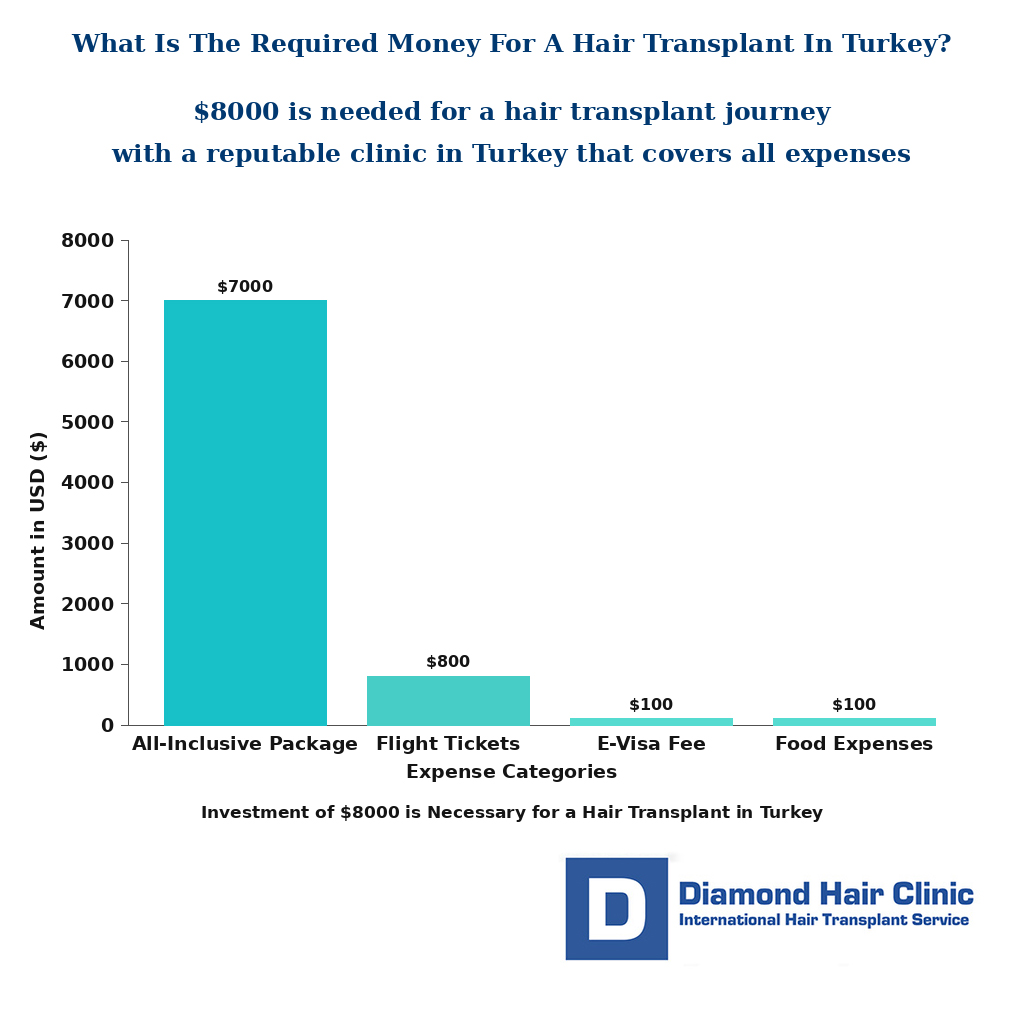
The surgery package is not always the full cost of the trip, especially when flights, payment method, extra nights, or aftercare items are unclear. The budget should also include flights, meals outside the package, travel insurance for a planned hair transplant abroad, extra nights if needed, personal expenses, and any visa or entry requirement that applies to the passport.
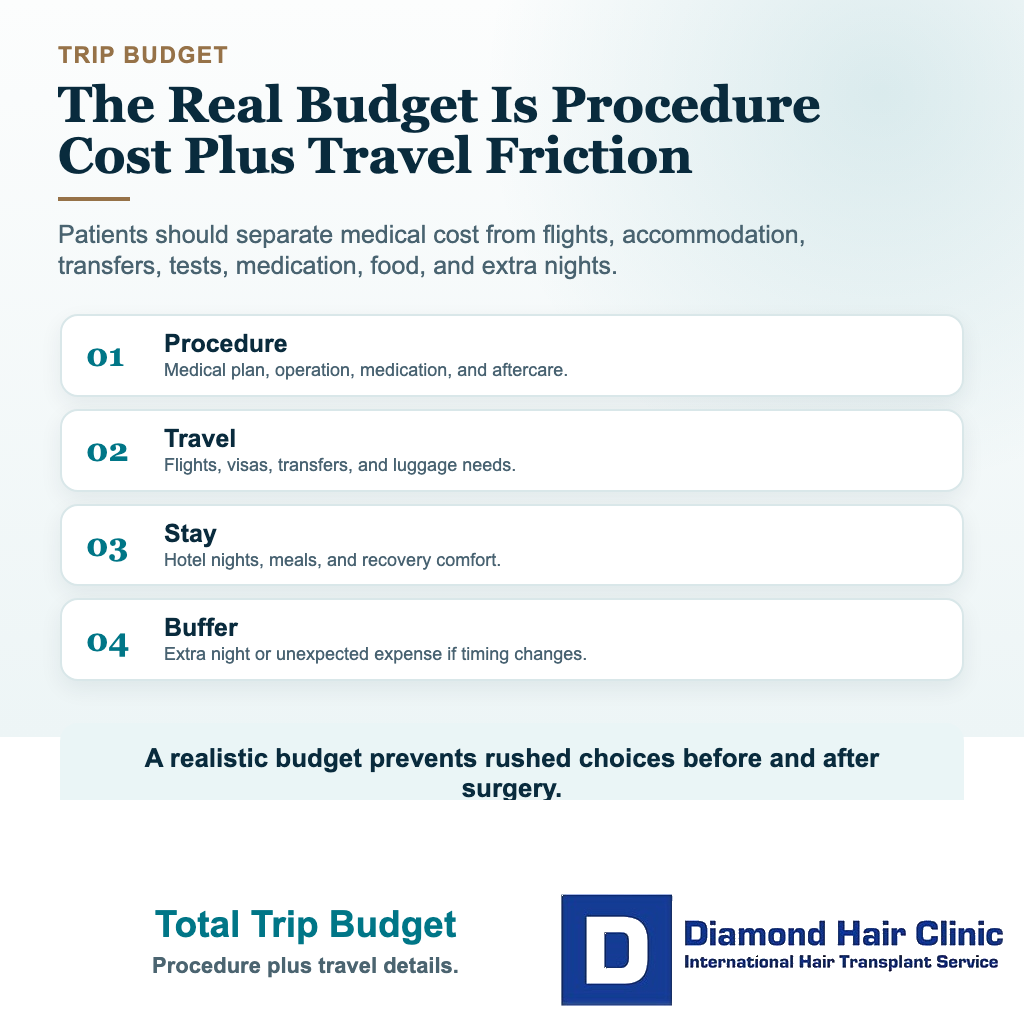
For many people choosing a reputable surgeon-led clinic, the practical total budget is the package price plus travel expenses. Because flights and visa rules change, I do not build the decision around one fixed travel number. Confirm the clinic plan first, then check flights and official entry rules before committing.
Do not spend the whole budget on the operation alone. A small reserve is sensible in case travel dates change, an extra hotel night is needed, or more comfortable recovery arrangements become useful. Financial planning for hair transplant cost in Turkey can be part of the medical decision, not only the travel budget.
Transfers and hotel costs need separate checking
In many packages, hotel accommodation and transfers between airport, clinic, and hotel are included. Still check the number of nights, hotel standard, room type, breakfast, distance from the clinic, and whether extra nights cost more.
The hotel is not only a travel detail. After surgery, the patient needs a clean, quiet place to rest, sleep safely, and follow washing instructions. A cheaper hotel far from the clinic can make recovery more stressful.
When I look at hair transplant packages in Turkey, I start with the medical plan behind the package, not only hotel nights, transfers, or a fixed graft promise.
Payment methods to confirm before travel
Each clinic has its own payment policy. Some accept cash, some accept card, some accept bank transfer, and some require a specific currency. Ask this before you travel.
The price terms should be written clearly, including taxes, card fees, payment timing, package details, and whether the amount is fixed before the medical examination in person.
Payment should not become unclear on the day of surgery.
Health insurance usually does not cover hair transplant cost
In most cases, no. Hair transplantation is usually treated as an elective cosmetic procedure, so ordinary health insurance often does not cover it.
There may be rare exceptions after burns, trauma, scalp injury, or medically complex hair loss, but the patient must ask the insurer directly. Coverage rules vary by country, policy, and diagnosis.
Do not travel for surgery assuming insurance will reimburse the cost unless the insurer has confirmed it in writing.
Diamond Hair Clinic package inclusions
The Diamond Hair Clinic package is designed to make the travel side easier while keeping the medical decision personal. The package can include the hair transplant procedure with Dr. Mehmet Demircioglu, needle free local anesthesia support, hotel accommodation, transfers, blood tests before surgery, postoperative medication, washing products, a neck pillow, and the Greft Plus six month hair care set.
The package does not usually include flights, travel insurance, meals outside the stated hotel or clinic arrangements, or personal expenses.
What matters here is that package convenience does not decide candidacy. I still need to judge the donor area, hair loss pattern, expectations, medical history, and long-term plan before surgery makes sense.
Before a quote becomes useful
A quote helps only when I can connect the price to the case. I need the patient age, pattern of loss, donor density, hair caliber, previous surgery, scalp condition, medication history, and the size of the area that truly needs work.
Then I decide what the first operation can responsibly do. A young patient with active loss may need a smaller front plan and reserve for later. A patient with advanced baldness may need a staged plan. A crown request may need to wait if it would spend grafts needed for the hairline and mid scalp.
The price becomes meaningful after that reasoning is in writing. If the number does not explain why the graft range was chosen, what remains untreated, and what would make me reduce or refuse the plan, the patient is still comparing marketing, not surgery.
Written price proof before payment
A fair price is easier to judge when the quote explains what the money is paying for. The amount alone does not show whether donor supply is protected or whether the surgeon is truly involved.
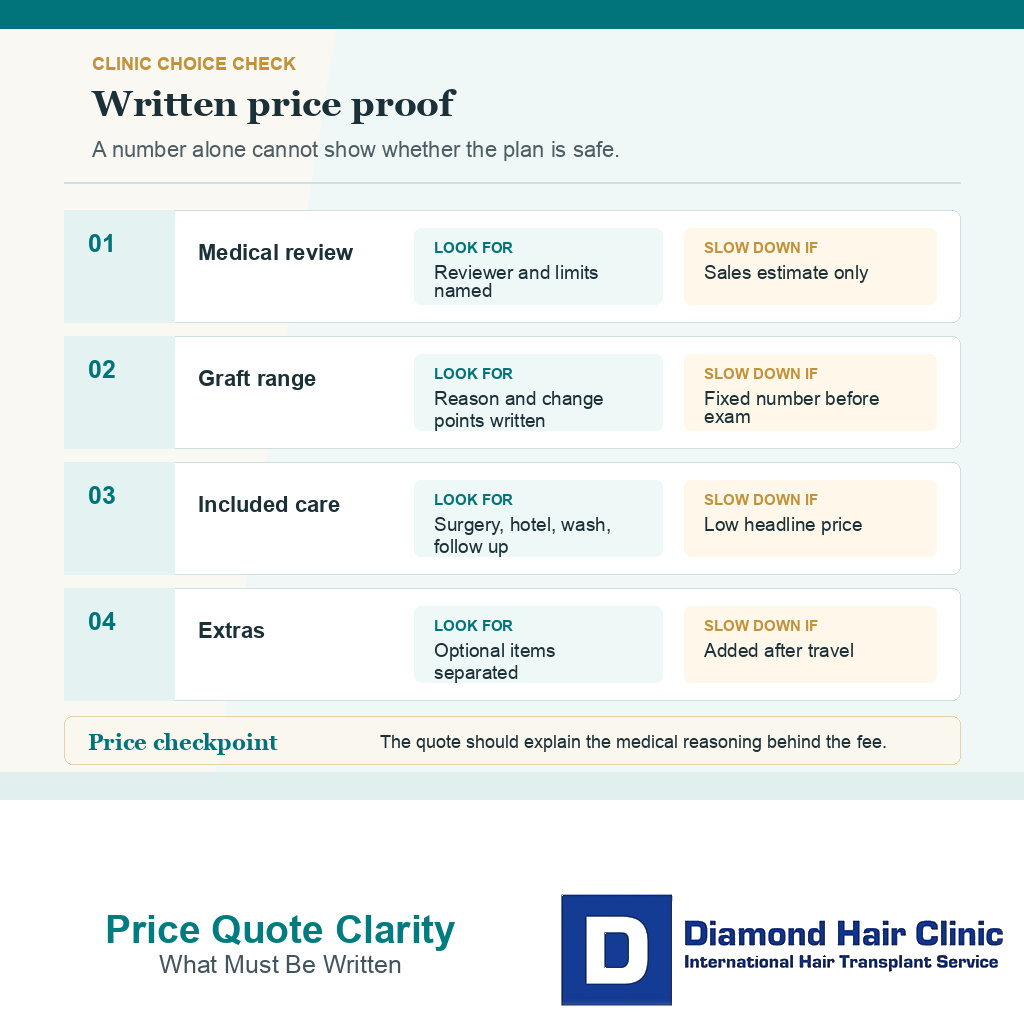
If these points cannot be written clearly, the patient is not comparing cost. He is comparing a number with an unknown medical process.

Read this review excerpt
The consultation took about an hour where the doctor explained the entire process, took my blood sample, drew the line on my head, and inspected my donor area.
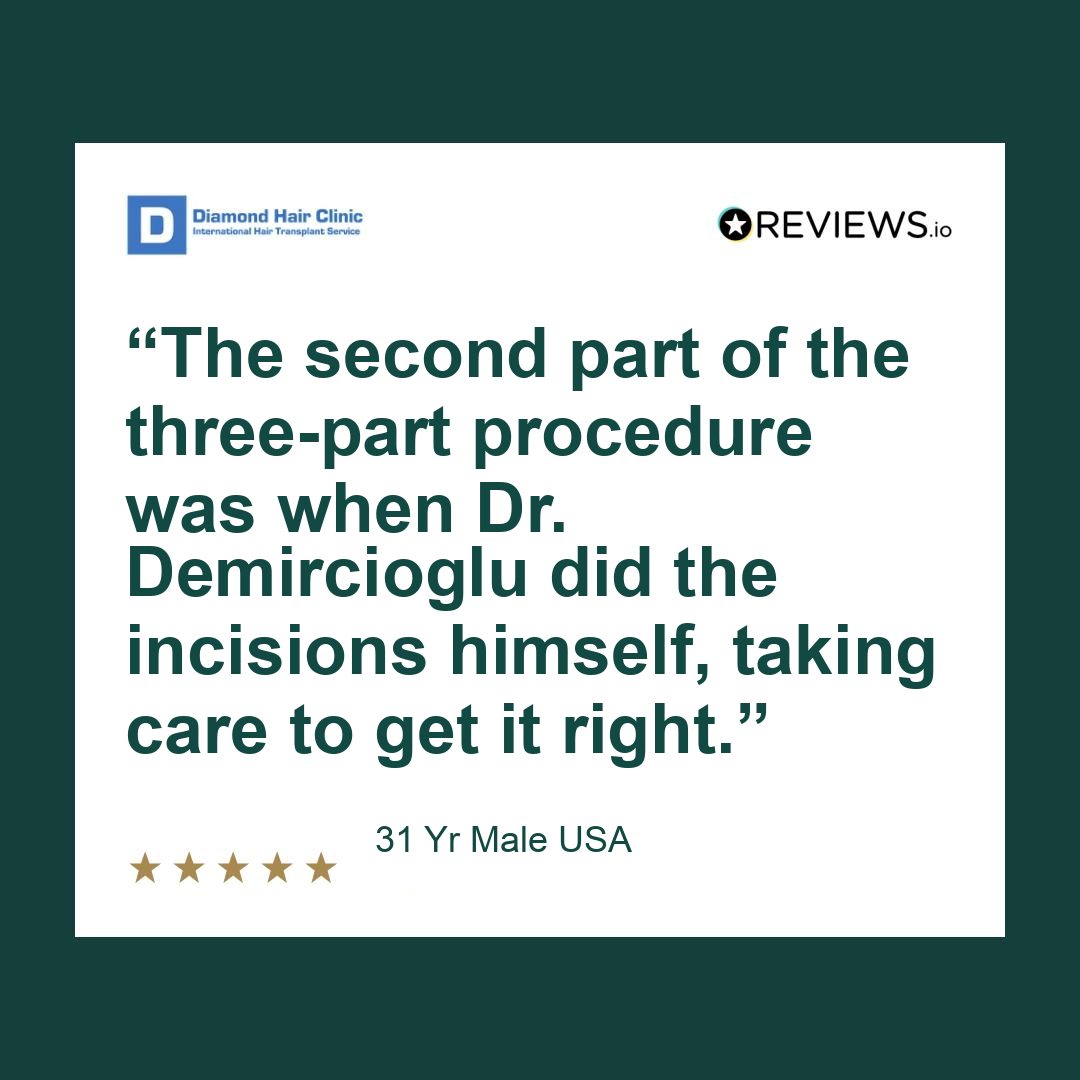
Read this review excerpt
The second part of the three-part procedure was when Dr. Demircioglu did the incisions himself, taking care to get it right.
Hidden costs to watch for
Hidden costs are common in clinics that advertise a very low starting price. Later, the patient may be asked to pay extra for more grafts, pain reduction options, PRP, vitamins, special shampoos, extra hotel nights, airport changes, or post-operative products.
Some optional extras may be useful in selected cases. The difficulty is when they are presented late, under pressure, or as if the patient has no real choice.
Before committing, ask what is included, what is optional, what could change the price, and whether a surgery day graft adjustment changes the fee.
If the examination at the clinic changes the graft number, staging plan, or suitability for surgery, the financial terms should already explain what happens to the deposit and unused package elements. The cancellation, refund, and repricing rules should be in writing before you travel, including who decides that surgery should not proceed.
Consultation cost in Turkey
Many Turkish clinics offer free online consultations because most international patients begin from photos. Some clinics charge a small fee. The fee itself is less important than the quality of the assessment.
A useful consultation should review photos, donor area, hair loss pattern, age, medical history, medication use, expectations, and whether surgery is truly suitable. It should not be a template message that gives a high graft number to secure a booking.
The online consultation is free. Its purpose is to help the patient understand whether surgery is suitable before travel or payment pressure begins.
A fair price needs medical context
A fair price is not the lowest number. It is the price that fits the medical quality, surgeon involvement, donor protection, facility standard, aftercare, and realistic result potential.
When you compare offers, the medical review should show who examined your photos and medical history, who decides the graft number, who designs the hairline, who creates the recipient area incisions, and how many patients the clinic treats in one day.
The quote also needs to explain what happens if donor strength is lower than expected, what follow up exists after you fly home, and what exactly is included in the package. If those answers are missing, the price may look organized while medical responsibility remains vague.
Optional expenses to budget for
Optional expenses may include extra hotel nights, meals, taxis outside the clinic transfers, travel insurance, shopping, sightseeing before surgery, or a more flexible flight ticket.
Plan tourism before surgery, not immediately after. After surgery, focus on rest, washing, sleeping safely, avoiding trauma, and avoiding heat, sweat, alcohol, swimming, and unnecessary sun exposure.
If sightseeing is important, keep that budget separate from the medical decision. A hair transplant trip should not become so packed that recovery is treated like an afterthought.
Price helps when the clinic model is clear
A price range becomes useful only after the clinic explains what is included medically. The quote should connect the graft range, surgeon role, donor protection, hairline design, aftercare, and what happens if the plan changes after examination.
A low price needs an explanation of what has been removed from the surgical day. A higher price needs a clear account of the medical value being added. The number alone does not show whether the donor area is being protected.
For me, the better value is the operation that gives a natural improvement without spending grafts carelessly. A cheaper surgery that creates repair risk can become the most expensive choice.