


Medication Instructions Matter After Surgery
The essential medicines after a hair transplant are the ones chosen for your specific recovery, not a fixed package copied from someone else’s recovery plan. In a typical plan, the early medicines may include an antibiotic when infection risk needs coverage, a short steroid course for swelling, pain relief if needed, and stomach protection when the full medication mix makes it sensible. Aspirin, finasteride, dutasteride, minoxidil, vitamins, PRP, and supplements belong to different decisions. I also separate optional treatments such as mesotherapy after transplant surgery or dutasteride injections after hair transplant from medicines prescribed for a clear recovery need.
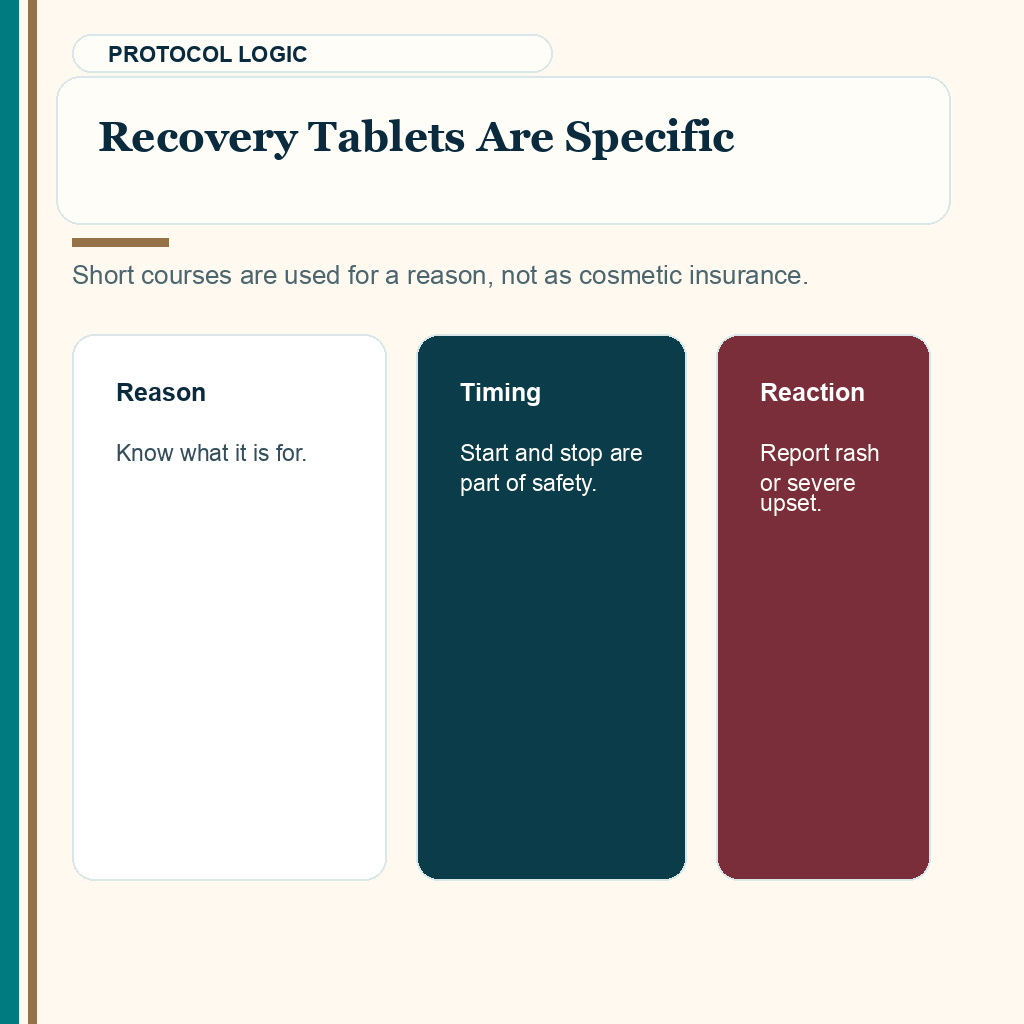
Another patient’s tablet count does not mean your plan is incomplete. Each medicine needs a clear purpose, timing, and side effect threshold so the patient knows when clinic contact is necessary.
A safer medication plan is short, specific, and tied to your medical history. The right plan depends on allergies, bleeding risk, stomach history, blood pressure, heart history, cholesterol medicine, ADHD medication or stimulant sensitivity, liver or kidney issues, smoking, diabetes, vaccine side effects, the number of grafts, the size of the operation, and the clinic’s surgical protocol. Medication can make healing safer and more comfortable. It cannot hide poor surgery or replace proper aftercare.
At Diamond Hair Clinic, medication is explained together with hair transplant aftercare, because tablets alone do not protect grafts. Clean surgery, gentle washing, swelling control, avoiding trauma, and direct follow-up matter just as much as the prescription list.
Medicine categories after surgery
The word essential needs caution. Some medicines are part of the immediate healing plan. Others are comfort medicines. Others are for long range native hair preservation. Mixing these categories is where many patients become confused.
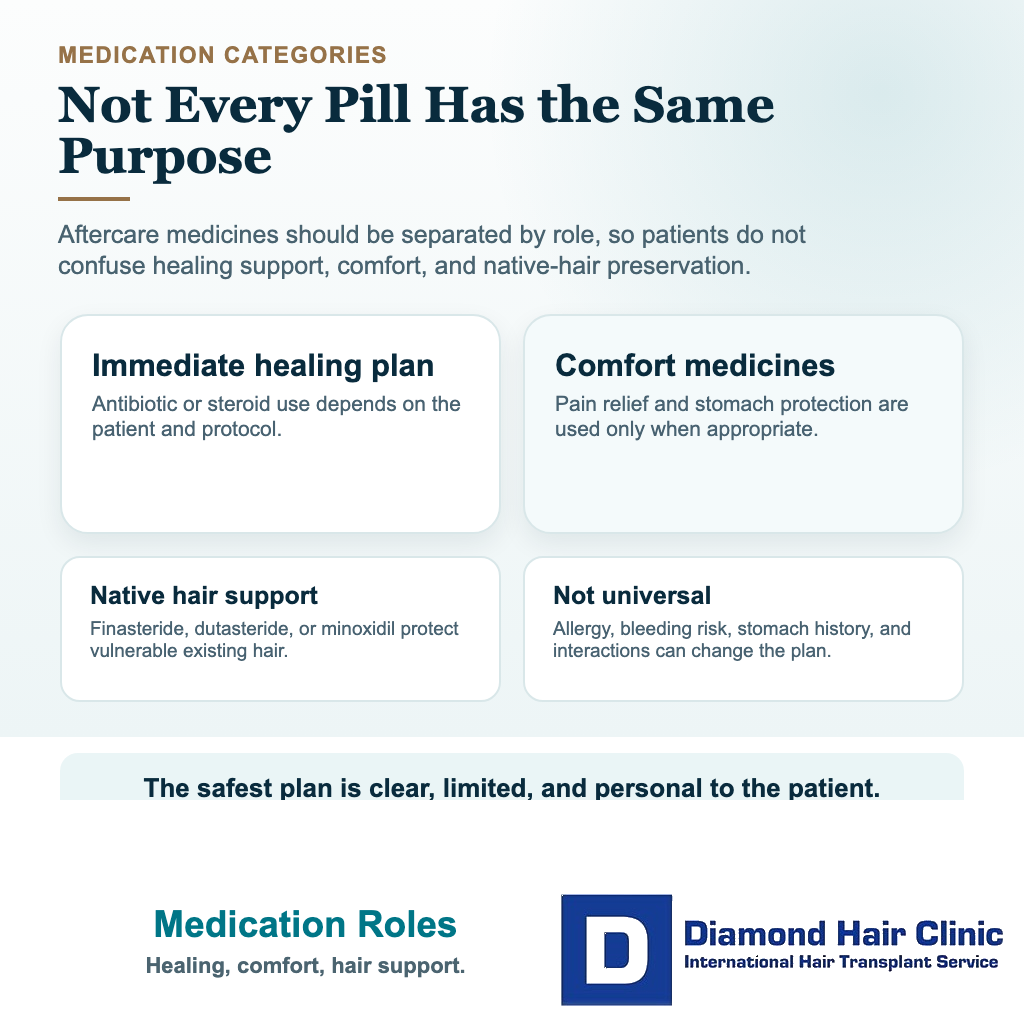
An antibiotic, if prescribed, is for infection risk coverage. A steroid, if prescribed, is usually for swelling and inflammation. Pain relief is for comfort and must not silence a symptom that needs review. Stomach protection is useful in selected patients. Hair growth medicines such as finasteride, dutasteride, minoxidil, or topical finasteride are a separate discussion because they mainly protect vulnerable native hair, not the survival of properly handled grafts.
Before leaving the clinic, you need to know what each medicine is for, when to start it, when to stop it, what to avoid mixing with it, and which symptom requires contact with the clinic. A clear medication plan is easier to follow than a long list with no explanation. Keep a photo of the written plan on your phone, because tired travel days make small timing instructions easy to mix up. Kratom products should be reviewed before they are added to recovery medicines or used to interpret pain, sleep, nausea, or withdrawal.
Read this review excerpt
Dr Mehmet Demircioglu did exactly that – broke down all the steps into simple to follow instructions. He was kind enough to write it all down for me, especially the instructions regarding the postoperative medications.
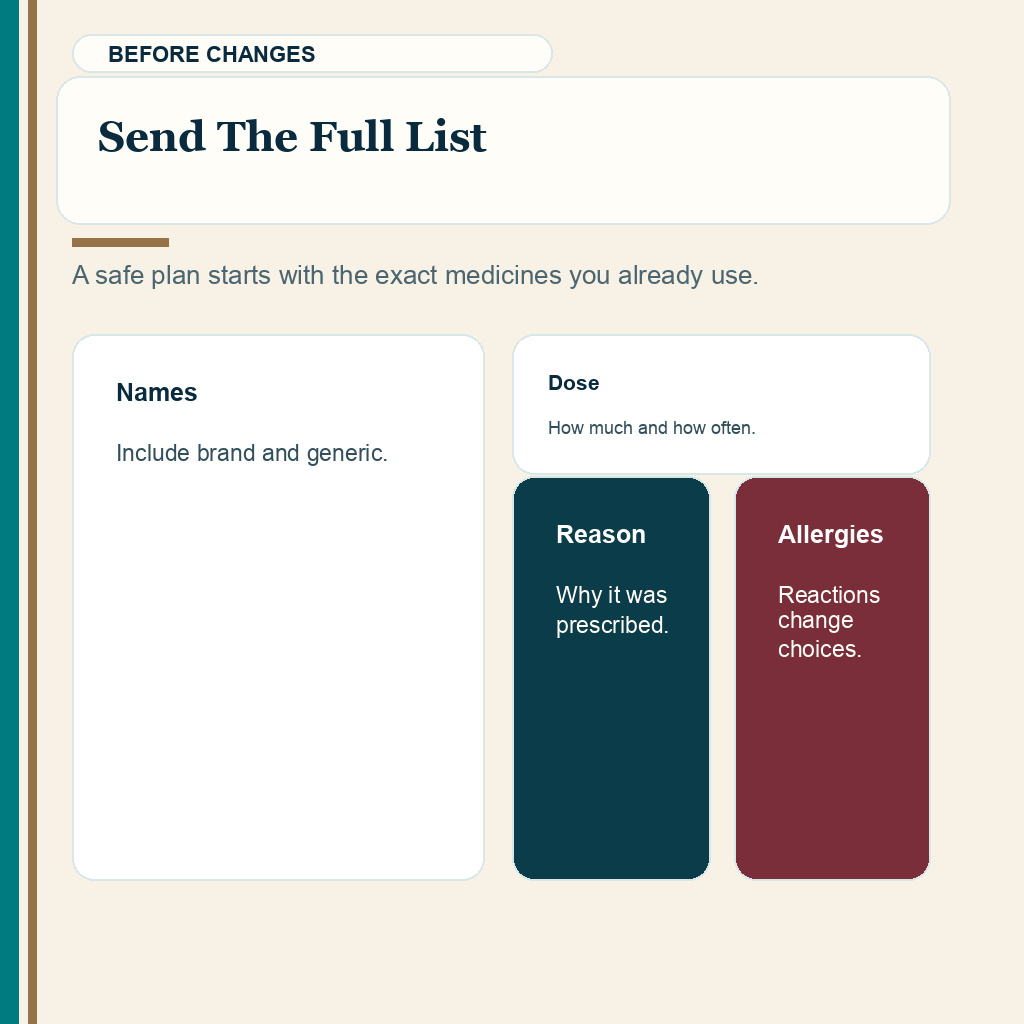
I also separate clinic provided medicine from medicine you already use. Blood pressure tablets, diabetes medicine, antidepressants, heart medicine, blood thinners, supplements, sleep tablets, migraine tablets, and erectile dysfunction medicine can all change the aftercare advice. A safe plan starts before surgery, when you give a complete medical history. If a dentist prescribes antibiotics or painkillers near surgery, I review dental work before or after a hair transplant before changing the medication plan.
Antibiotics are chosen by risk, not cosmetic insurance
Infection after a hair transplant is uncommon, but it matters when it happens. Some surgeons prescribe antibiotics routinely. Others reserve them for selected patients. The tablet itself is not the whole protection. Sterile technique, clean handling, correct washing, and avoiding scratching are also part of infection prevention.
In my protocol, an antibiotic such as ciprofloxacin 500 mg may be used for 5 days when I decide it fits the case. This is not a universal prescription. Allergy history, stomach reactions, previous C. diff infection, kidney or liver disease, and drug interactions can change the choice. Antibiotics after a hair transplant need individual judgment.
Antibiotics are useful only when the reason, dose, and duration are clear. If an antibiotic is prescribed, take it exactly as instructed unless a concerning reaction occurs and you have contacted the clinic or a doctor. Rash, breathing difficulty, facial swelling, severe diarrhea, or repeated vomiting is a medical issue, not a normal recovery inconvenience.
Antibiotics also do not replace hygiene. Clean hands, gentle washing, clean pillowcases, and no scratching still matter. If the recipient area is repeatedly touched, rubbed, or exposed to dirty environments, a tablet cannot undo every risk.
Steroids are for swelling control
A short steroid course may be used to reduce forehead or eyelid swelling, especially after frontal work. Swelling after hair transplant surgery can move downward with gravity and may worry patients when it reaches the eyes. The aim of the steroid is comfort and swelling control, not graft growth.

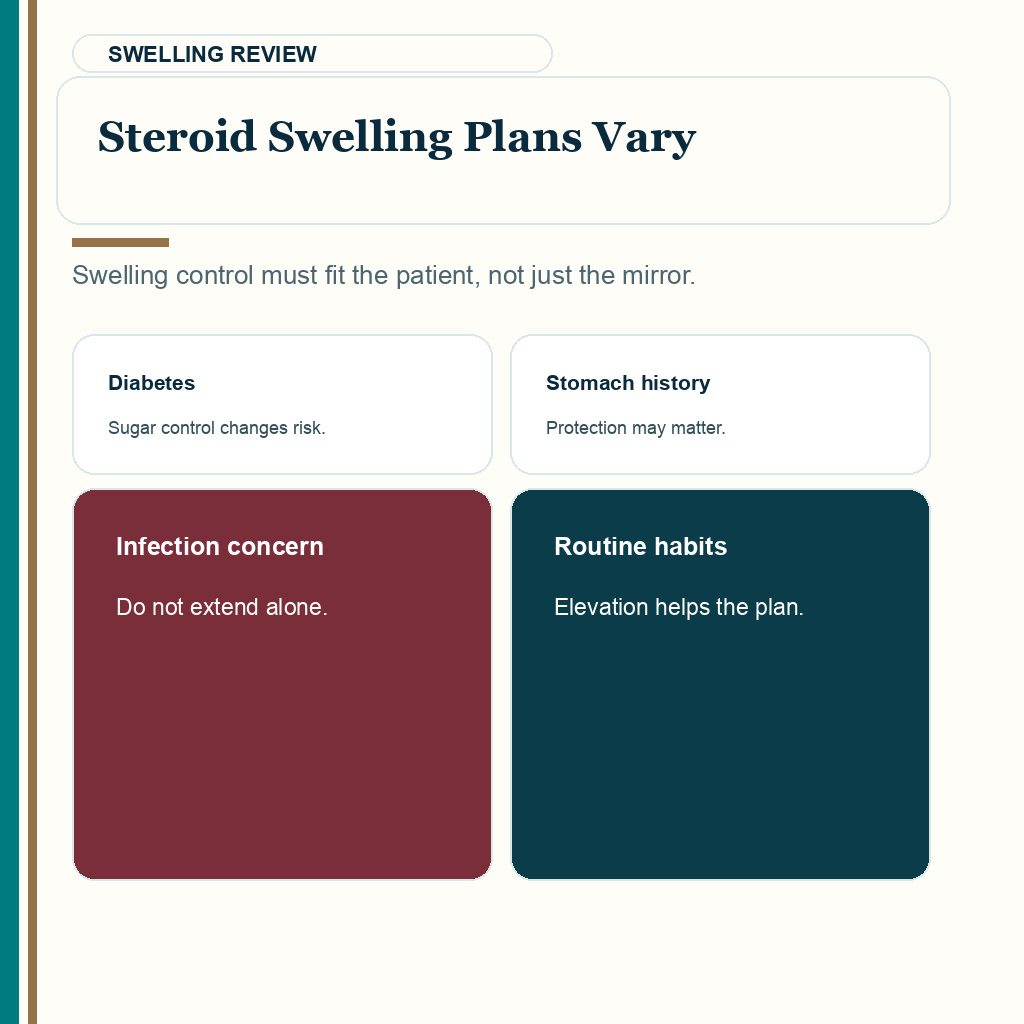
In my protocol, methylprednisolone, known by many patients as Prednol, may be used as a short course in selected patients. The exact dose and number of days should come from the written plan, because steroid use still has to respect the patient’s medical history. Diabetes, stomach ulcer history, uncontrolled blood pressure, immune problems, infection concern, and other medicines can change the decision.
Do not extend a steroid course because swelling looks dramatic in the mirror. Swelling can be normal. Worsening pain, hot redness, fever, pus, or swelling with breathing difficulty is different and needs review.
Swelling control is also helped by behavior. Sleeping with the head elevated, avoiding alcohol, avoiding heavy exercise, and not bending repeatedly in the first days can reduce the urge to chase swelling with extra medicine. Medication works best when the recovery routine is also respected.
Aspirin depends on bleeding and medical history
Aspirin is not a casual aftercare supplement. It affects platelets and bleeding. In some patients, a low dose plan may be used after surgery when I believe it is appropriate. In my protocol, Coraspin 100 mg may be started the day after surgery for about 10 days in suitable patients.

That point does not mean everyone needs aspirin after a hair transplant. Bleeding risk, aspirin allergy, stomach bleeding history, active ulcer disease, clotting problems, or existing blood thinner treatment require individual medical coordination. Hair transplant and blood thinners cannot be guessed.
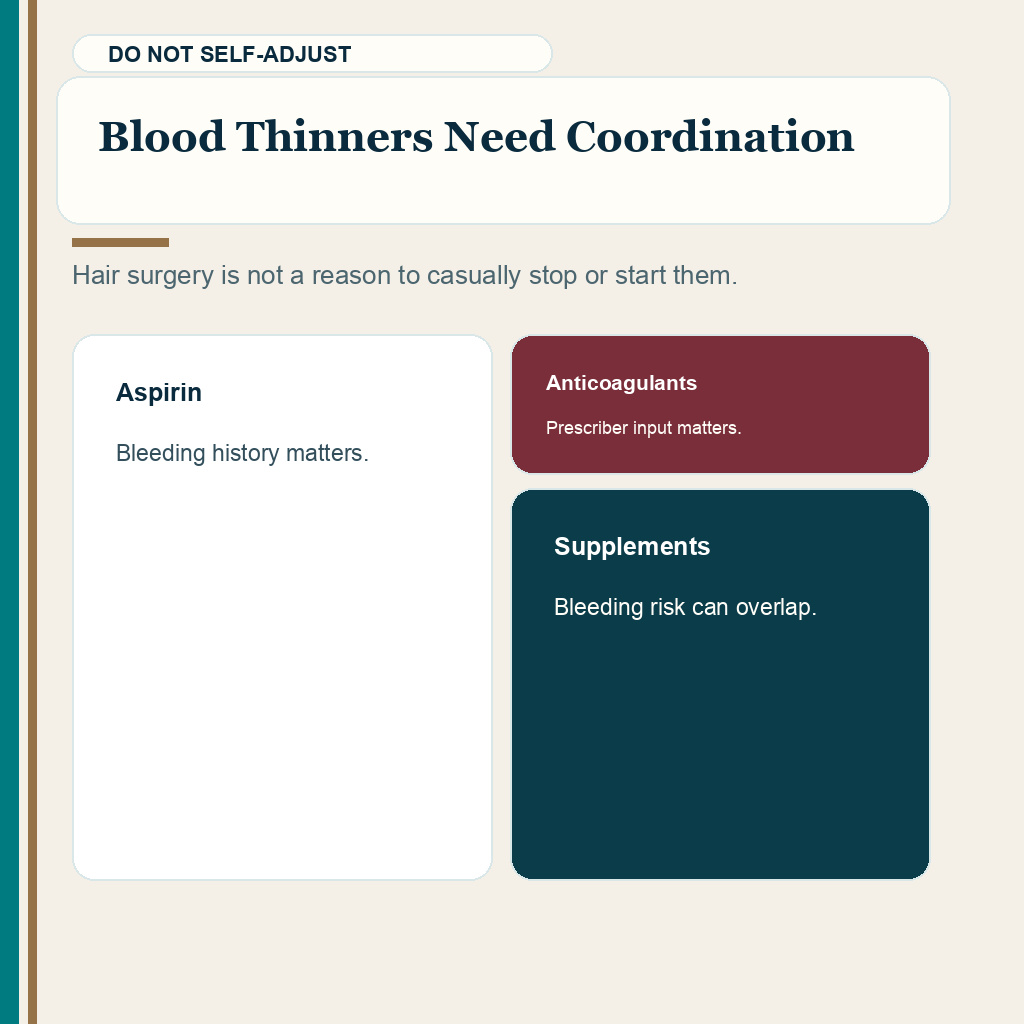
If a patient is taking prescribed anticoagulants or antiplatelet medicine for a heart stent, rhythm problem, clot, stroke history, or valve issue, the transplant plan must be coordinated with the prescribing doctor. Hair transplant surgery must never be the reason a patient casually stops or starts a blood thinner.
Bleeding risk can also be affected by painkillers, fish oil, high dose supplements, alcohol, and nicotine products. Nicotine pouches after a hair transplant or Viagra/Cialis timing need direct advice because blood pressure, bleeding, and swelling concerns can overlap.
Pain relief should not hide warning symptoms
After FUE, many people need little or no pain medicine. Mild tightness, soreness, or donor area tenderness can happen for a few days. When pain relief is needed, paracetamol, also called acetaminophen in some countries, is often the simplest option when it is medically safe.
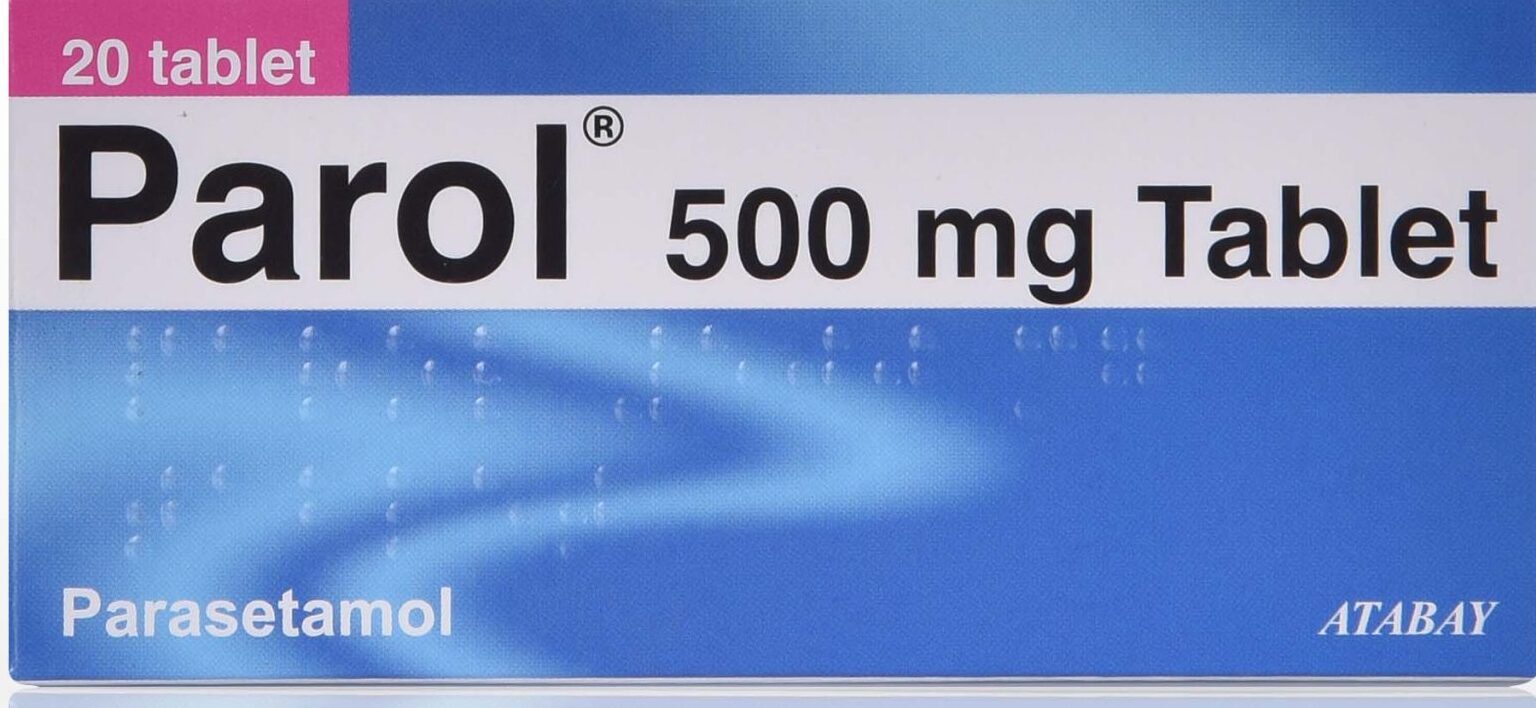
Paracetamol 500 mg for a few days may be enough when it is needed. That is a comfort plan, not a requirement. Some people use it only once or twice. Others need it for a few days. Liver disease, heavy alcohol use, or several medicines require more careful dosing advice. Do not add ibuprofen, aspirin, or stronger pain tablets unless the clinic or doctor has approved them, because bleeding risk, stomach risk, and other medical conditions matter.
Ordinary discomfort should gradually improve. Increasing pain, severe one sided donor pain, fever, spreading hot redness, pus, bad smell, or pain that does not respond to the approved medicine needs to be reported. My guide on painkillers after a hair transplant covers this in more detail, and severe donor area pain explains when pain deserves faster review.
The number of grafts and the technique can change comfort. FUT can create a different type of donor discomfort than FUE. Larger sessions can leave more tenderness than small refinements. Still, pain is not measured only by graft count, and a high graft number should not be used to excuse poor follow-up.
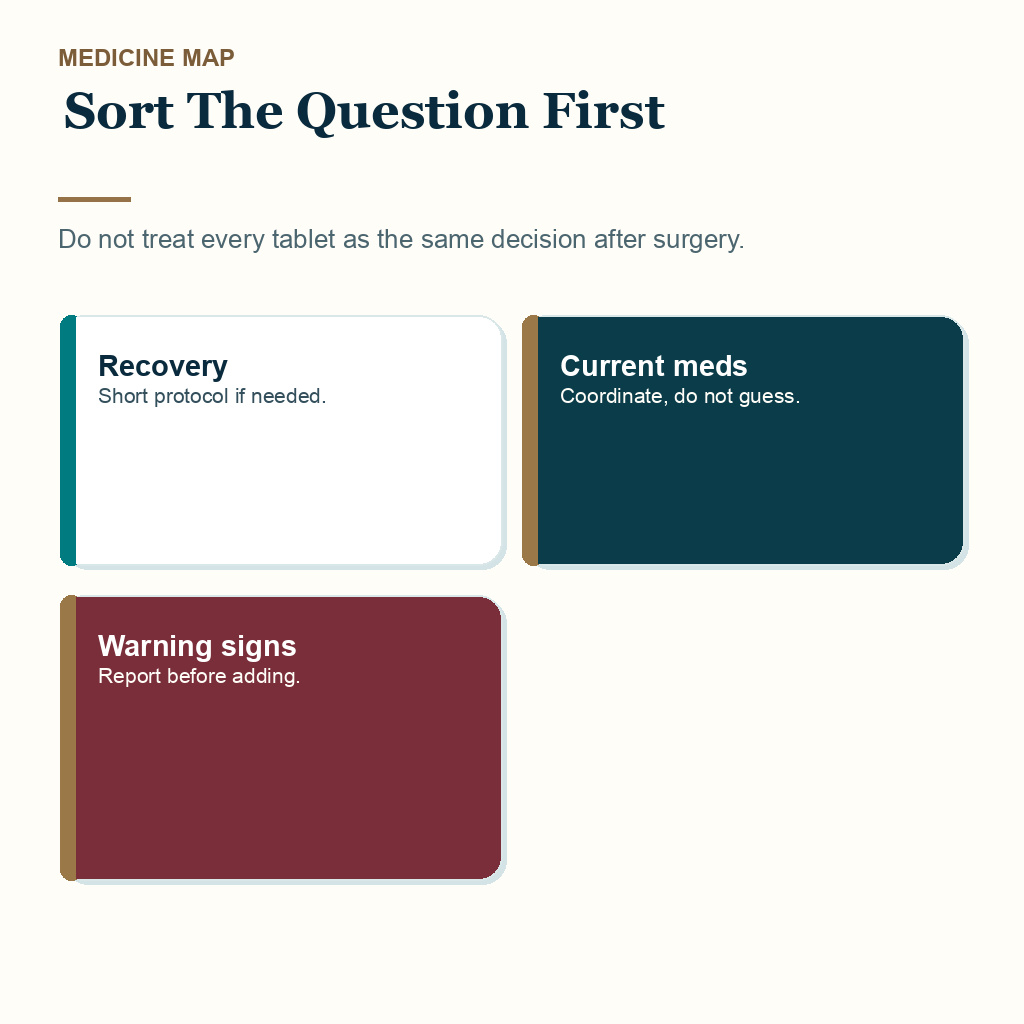
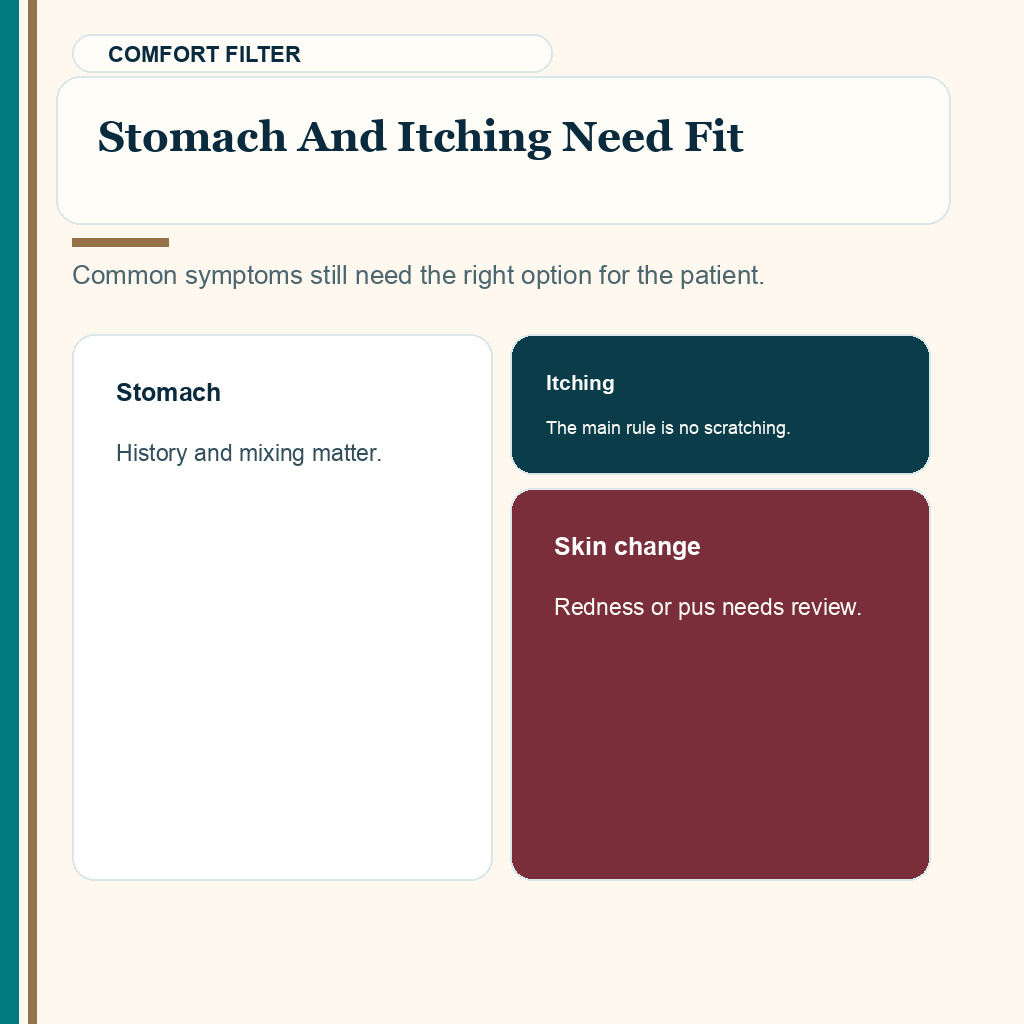
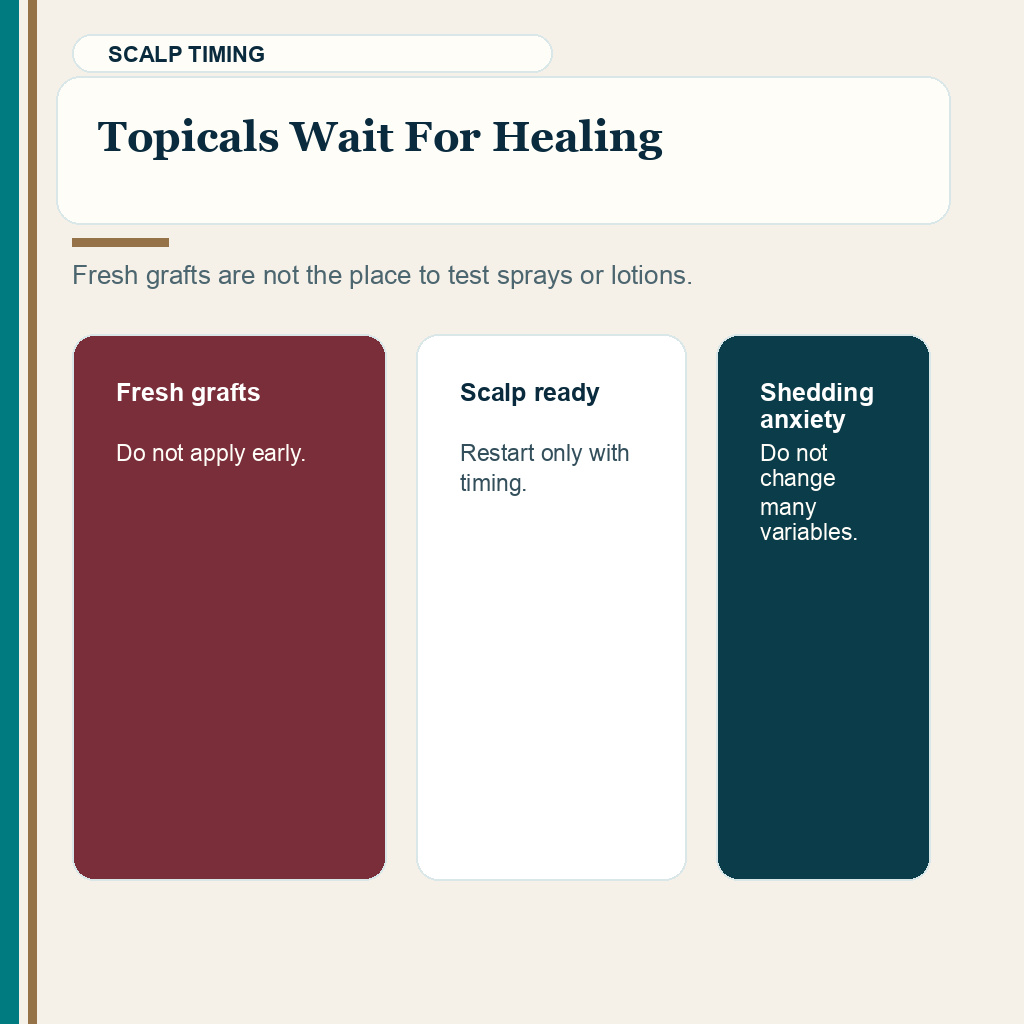
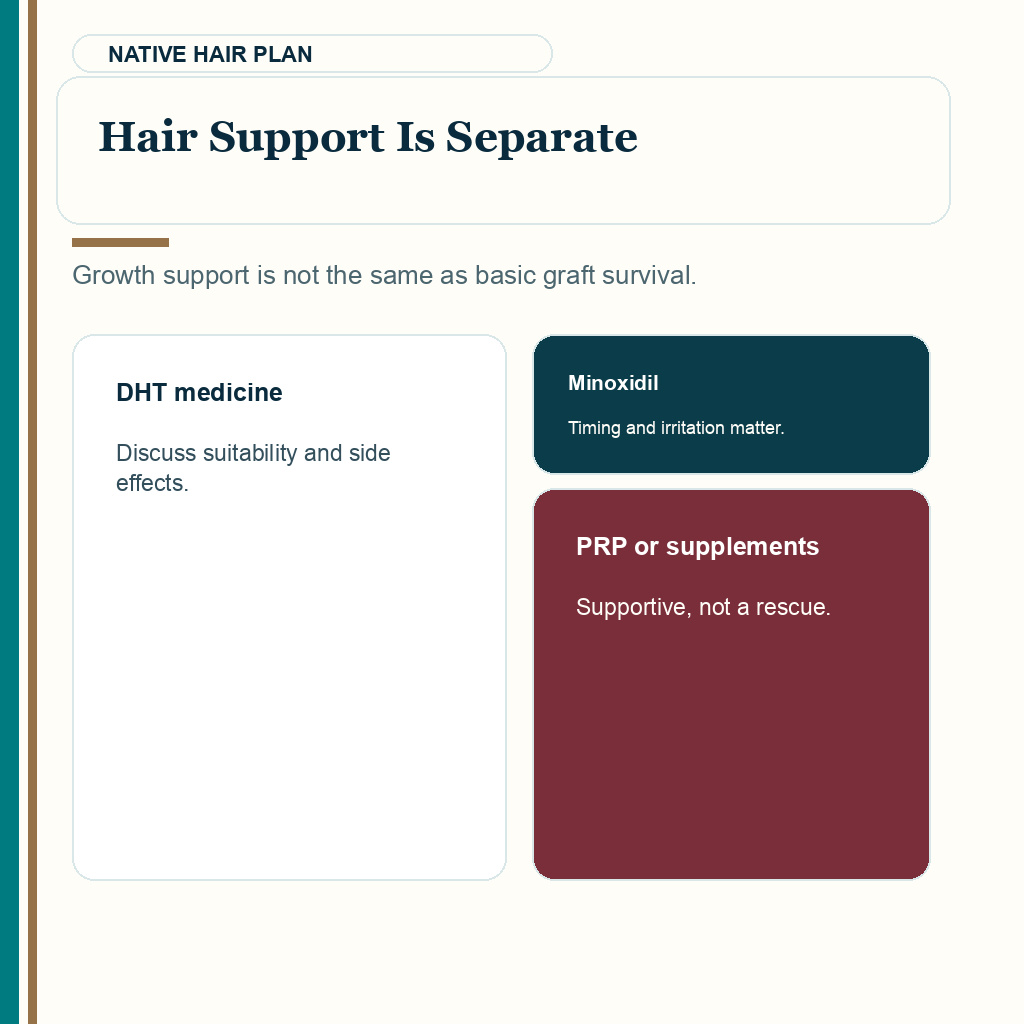
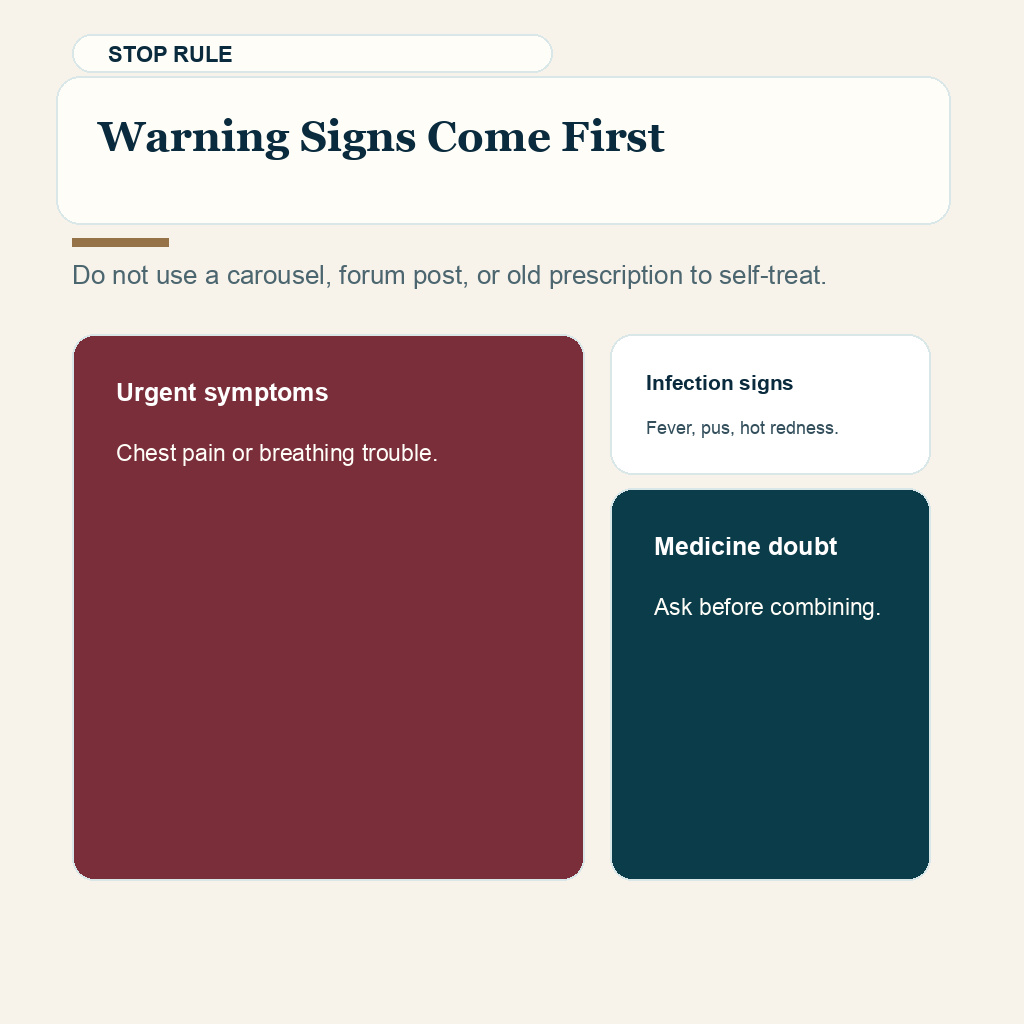
These 10 medication slides separate recovery medicine, existing prescriptions, blood thinner coordination, comfort medicine, scalp healing, native hair support, supplements, and warning symptoms before you change anything. Swipe sideways, use the arrows, or choose a number below the image.

Stomach protection is selective
Stomach protection is not always necessary, but it can be useful with a steroid, pain medicine, aspirin, reflux, gastritis, ulcer symptoms, or stomach sensitivity. The aim is to reduce stomach irritation during the short recovery medication period.

Nexium for a few days can be reasonable when stomach protection is needed, but it still has to match the full medication plan. If you already use stomach medicine, has kidney issues, has low magnesium problems, or takes several prescriptions, the surgeon or doctor needs to know before another tablet is added.
Black stools, vomiting blood, severe stomach pain, or dizziness deserve urgent medical review. These symptoms are not normal hair transplant recovery, even when the operation itself was uneventful.
Itching treatment must avoid scratching
Itching is common as the donor and recipient areas heal. The dangerous part is scratching. Scratching can irritate the skin, open small healing points, disturb scabs, or in the early days create trauma around grafts.
Saline spray, correct washing, and patience usually help. Antihistamines can be useful when itching disturbs sleep. Even common antihistamines can cause drowsiness and may not suit every patient, so use the option advised by the clinic and avoid mixing several products at once.
Medicated shampoos, steroid scalp lotions, or other topical products are not applied early to fresh grafts unless the clinic gives specific timing. If itching comes with spreading redness, warmth, pus, pimples, or increasing tenderness, it needs review. Redness, scabs, and pimples after a hair transplant explains the difference between normal healing and warning signs.
Known scalp conditions need even more specific timing. Seborrheic dermatitis, psoriasis, folliculitis tendency, or contact irritation can change which shampoo or lotion is safe. Seborrheic dermatitis and hair transplant surgery requires scalp control before and after the operation.
Finasteride and dutasteride protect native hair
Finasteride and dutasteride are not essential for every person having a transplant. They are mainly used to protect vulnerable native hair in androgenetic hair loss. A properly handled transplanted graft should not depend on these medicines to survive, but the native hair around the transplant may continue miniaturizing without medical support.
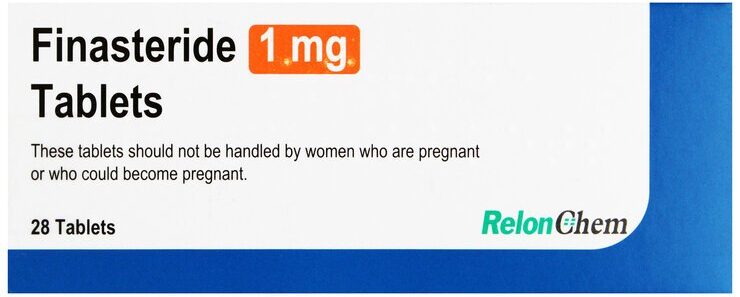
Finasteride 1 mg may be discussed when native hair still needs DHT control and the case is suitable. This is not the same decision for a patient with previous sexual side effects, mood symptoms, fertility concerns, breast tenderness, gynecomastia, or hormone sensitivity. Hair transplant without finasteride can still be planned when medication is not possible. When the question is trying to conceive or partner pregnancy, the review connects to fatherhood planning with finasteride or dutasteride before hair transplant.
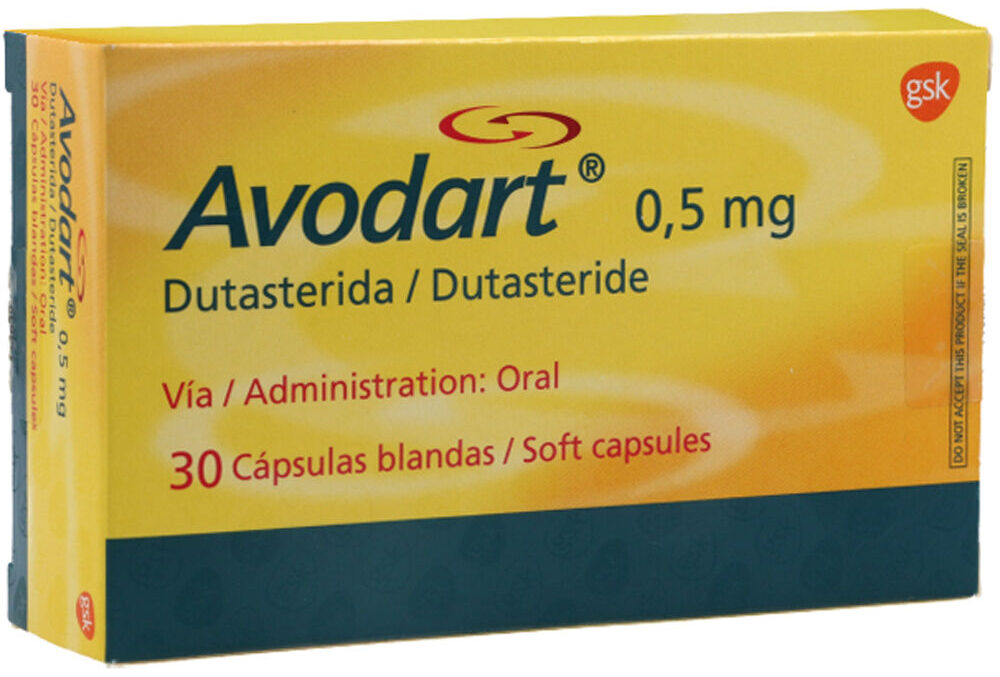
Dutasteride 0.5 mg may be discussed in selected men, especially when hair loss remains active despite finasteride or the pattern is aggressive. It is stronger and stays in the body longer, so it is not a casual upgrade. Dutasteride and finasteride after a hair transplant explains that choice more carefully.
If a result later looks thin, medication is only one part of the assessment. Why some hair transplant results look thin explains how native hair loss, graft distribution, density, hair caliber, and donor limits all contribute.
Timing matters. Starting, stopping, or changing DHT medicine during the same period as transplant shedding can make the recovery harder to interpret. If hair loss is still moving despite medication, the reason and timing should be clear instead of changing several variables at once.
Topical medicines restart only after scalp healing
Topical products are not applied onto fresh grafts in the first days after surgery. The recipient area needs time to close, the scabs need to settle, and washing has to become normal. Starting too early can irritate the skin or make the patient anxious about shedding, redness, or dryness.

Minoxidil can be useful for selected patients with vulnerable native hair, but it is not mandatory for every transplant. Some people restart it later when the scalp is ready. Some pause it around surgery. Others avoid it because of irritation, blood pressure sensitivity, or other medical reasons. My page on minoxidil after a hair transplant covers that timing.
Topical finasteride also needs caution. Topical does not mean no body wide effect, and it is not applied onto fresh grafts. I only consider topical finasteride after a hair transplant after the scalp has healed enough for another medication.
Minoxidil can also cause early shedding when it is started or restarted. That does not by itself mean the transplant is failing, but it can be frightening if the timing was not explained. This is another reason to avoid changing several treatments at once during the early healing phase.
Supplements support health, not graft survival
Vitamins and supplements can support general health, but they are not the reason transplanted grafts survive. A deficiency should be corrected. A poor diet should be improved. But a supplement cannot compensate for poor graft handling, poor aftercare, or an unsafe surgical plan.

Biotin, Xpecia style supplements, zinc, vitamin D, and omega 3 may be discussed when there is a reason. Low vitamin D, poor diet quality, or a wish for supportive treatment can all be reasonable reasons to discuss supplements while waiting for growth. These choices do not replace medical treatment for androgenetic hair loss when that treatment is truly indicated.
Supplements can also have side effects and interactions. Fish oil or high dose omega 3 may matter for bleeding in some patients. Saw palmetto style ingredients can have hormone related effects. Tell the clinic about supplements before surgery instead of assuming that natural means irrelevant.
Vitamin D is a good example. If vitamin D is truly low, correcting it is reasonable for general health and hair biology. If the level is normal, taking more does not mean better graft growth. Biotin only belongs in that discussion when deficiency or poor intake is part of the picture, and it must not be sold as a graft survival promise.
PRP and exosome treatments are supportive choices
PRP can be a supportive treatment in selected patients, but it is not essential for graft survival. I may discuss it when scalp quality, native hair miniaturization, or long range support makes it reasonable. I do not present it as a rescue for poor surgery.
Exosome style treatments are more variable because products and regulations differ. Ask what product is being used, whether it is approved for the claimed purpose, what safety data exists, and why it is being recommended. PRP and exosomes after a hair transplant must not be overestimated.
PRP therapy may fit a broader plan, but it should never distract from the basics. The grafts need careful surgery, gentle early instructions, realistic density planning, and time.
The fear of losing grafts can make every extra treatment sound tempting. I understand that fear, but adding more treatments is not always better. A clear plan with specific reasons is safer than a crowded plan where nobody knows which treatment is helping or irritating the scalp.
Warning symptoms come before extra medicine
Contact the clinic instead of taking more medicine if you have fever, spreading hot redness, pus, foul smell, severe swelling, worsening one sided pain, heavy bleeding, sudden shortness of breath, chest pain, allergic symptoms, repeated vomiting, severe diarrhea, or any symptom that feels unusual for you.

The same applies if you accidentally took a medicine that increases bleeding risk, used topical products too early, forgot an antibiotic dose, developed a rash, or are unsure whether a pill from another doctor can be combined with the hair transplant protocol.
At Diamond Hair Clinic, Direct communication is safer than silent experimenting. The medication plan after a hair transplant should be clear, limited, and personal to your medical history. Good recovery does not come from the longest medication list. It comes from the right medicine, at the right time, for the right reason.