Pink Recipient Skin Months Into FUE Recovery Needs Pattern Review
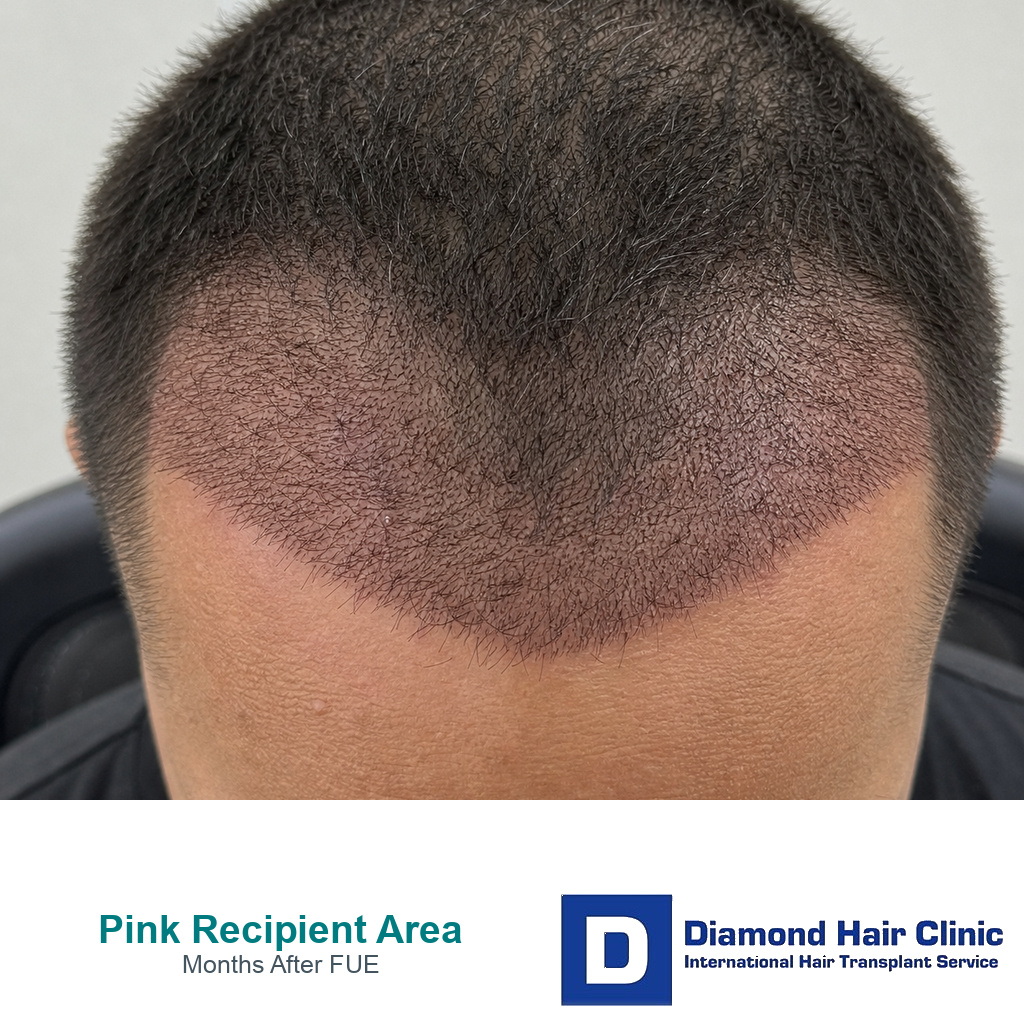
A pink recipient area months after FUE does not by itself mean a failed transplant. I first separate the skin color from the graft result. Flat pinkness that is slowly fading is one situation. Skin that is getting hotter, raised, painful, itchy, scaly, crusted, draining, or suddenly redder after sun, sweat, hats, fibers, dye, or strong shampoo is another.
With persistent pink scalp, I look past the color name and follow whether the color is fading, stable, triggered, or worsening, and whether any other symptom has appeared. That pattern comes before judging the grafts.
For persistent pink skin, take one photo in normal room light and another after the trigger you suspect, such as heat, showering, sun, sweat, or a product. The pattern matters more than the most alarming single image, especially when heat, sun, or product use changed before the photo.
Pink skin does not tell the whole result story
Skin color can feel connected to graft survival because the pink area sits exactly where the transplant was done. You look in the mirror, the scabs are long gone, and the area still looks different from the surrounding scalp. The mind jumps to poor healing, infection, scarring, or a bad result. Color alone cannot answer all of that.
Recipient skin can stay more visible while the surface barrier, tiny vessels, and normal oil balance settle. Fair skin may show this more clearly. Dense lighting, wet hair, short hair, or camera flash can exaggerate it. A pink scalp under harsh bathroom light may look less obvious outdoors, while the same area after a hot shower may look redder for a while.
I separate a color observation from a growth judgment. For growth, the hair transplant growth timeline explains how hairs shed and return. Here I am staying with a narrower question, which is how to interpret a pink recipient area after the early scab phase.
The timing changes what I ask first
A pink area at two weeks, six weeks, four months, and one year is not the same conversation. Early color belongs close to the scab, washing, and first healing window. Months later, I look for the direction of change. Is it gradually fading, stable, triggered by exposure, or moving in the wrong direction?
If the skin is steadily improving, the photos usually tell a less concerning story. If the color is unchanged for months, worsening, or becoming raised and tender, I look harder. That does not mean the transplant is ruined. It means the skin deserves a proper review instead of guessing.
The broader article about redness, scabs, and pimples after hair transplant covers the mixed early healing picture. Here I am focused on someone who is beyond the scab stage and still sees pink recipient skin.
Flat pinkness is different from irritated skin
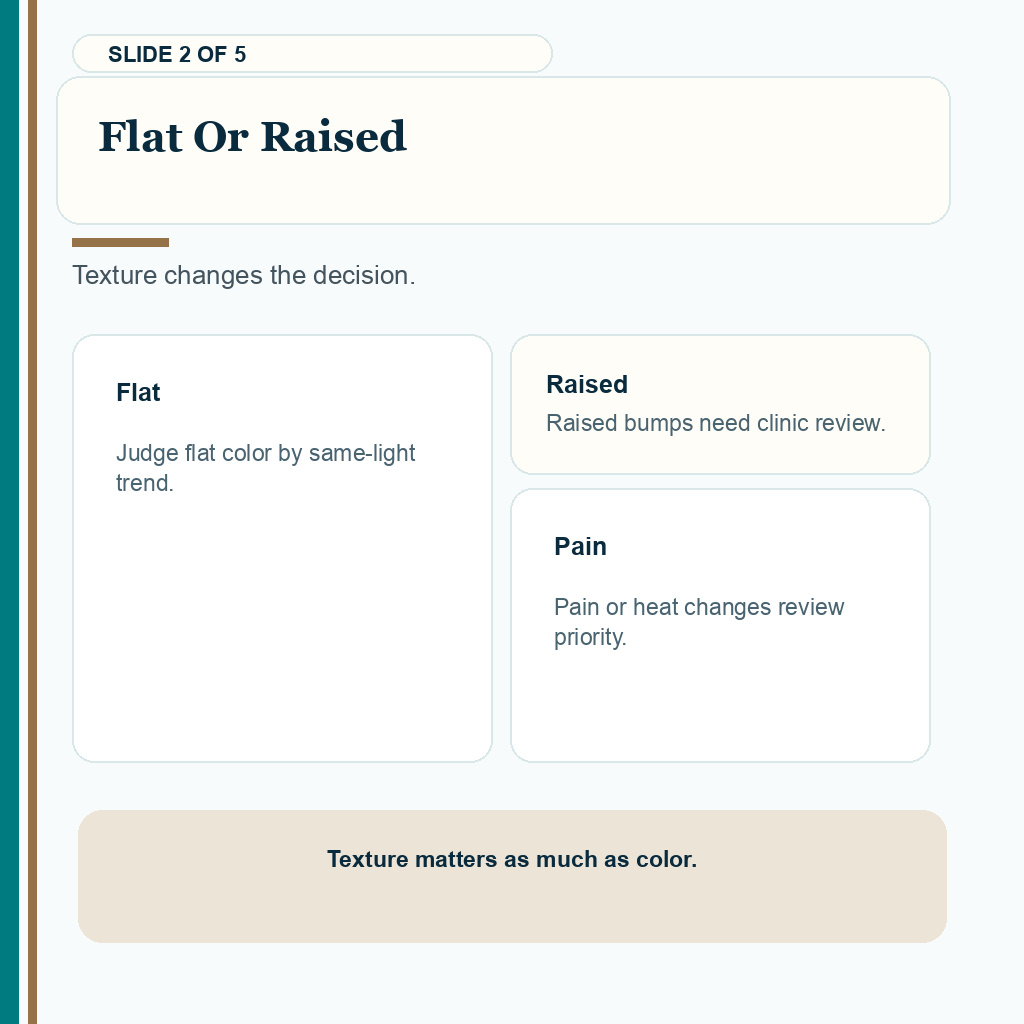
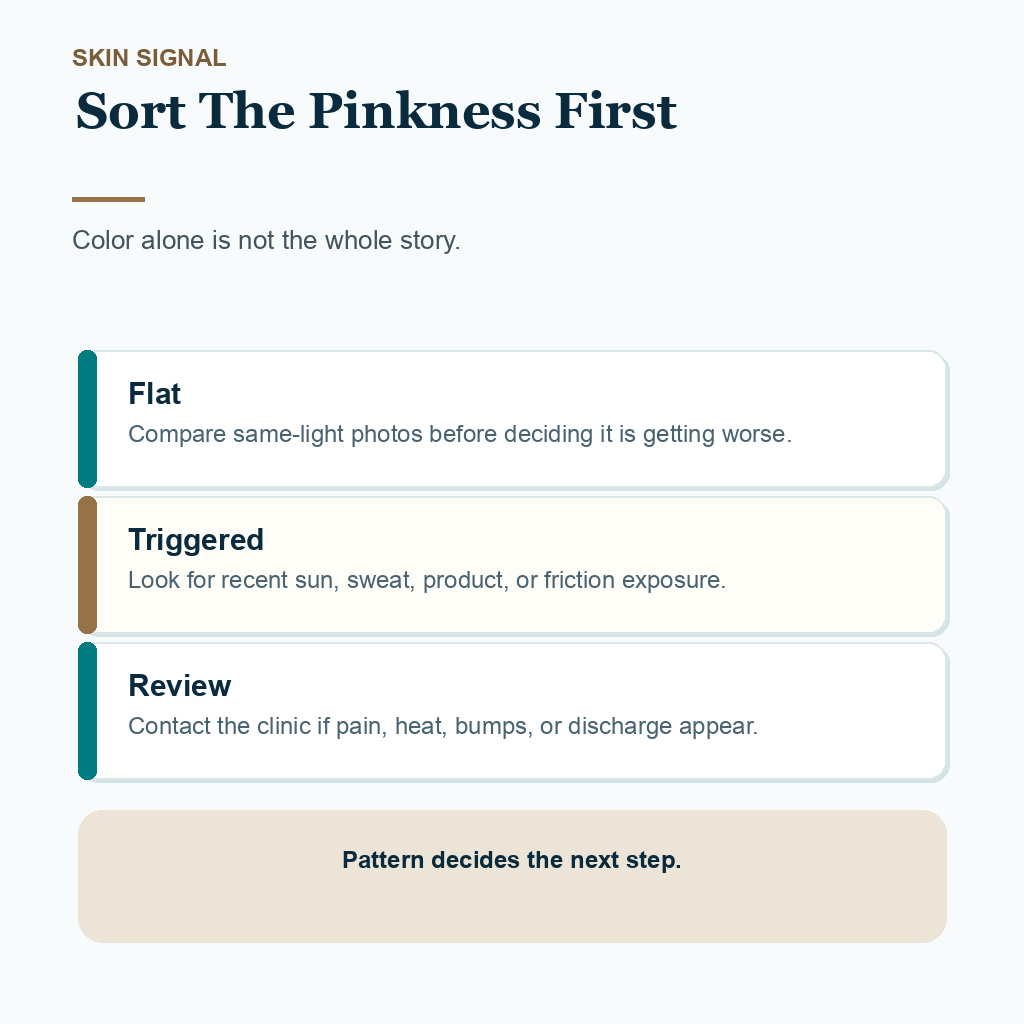
Flat pinkness means the area is discolored but not raised, hot, painful, crusted, or draining. Irritated skin behaves differently. It may itch, sting, flake, burn, or become redder after a known trigger. It may follow the shape of a hat band, hair fibers, topical products, sun exposure, or aggressive washing.
That distinction matters because the answer changes. If the skin is simply slower to fade, the plan may be observation, gentle care, and stable photos. If the skin is reacting, the plan is to remove the trigger and review the scalp. If there are bumps or discharge, the plan is medical review, not a new cream or another product experiment.
When do bumps, heat, or pain change the meaning?
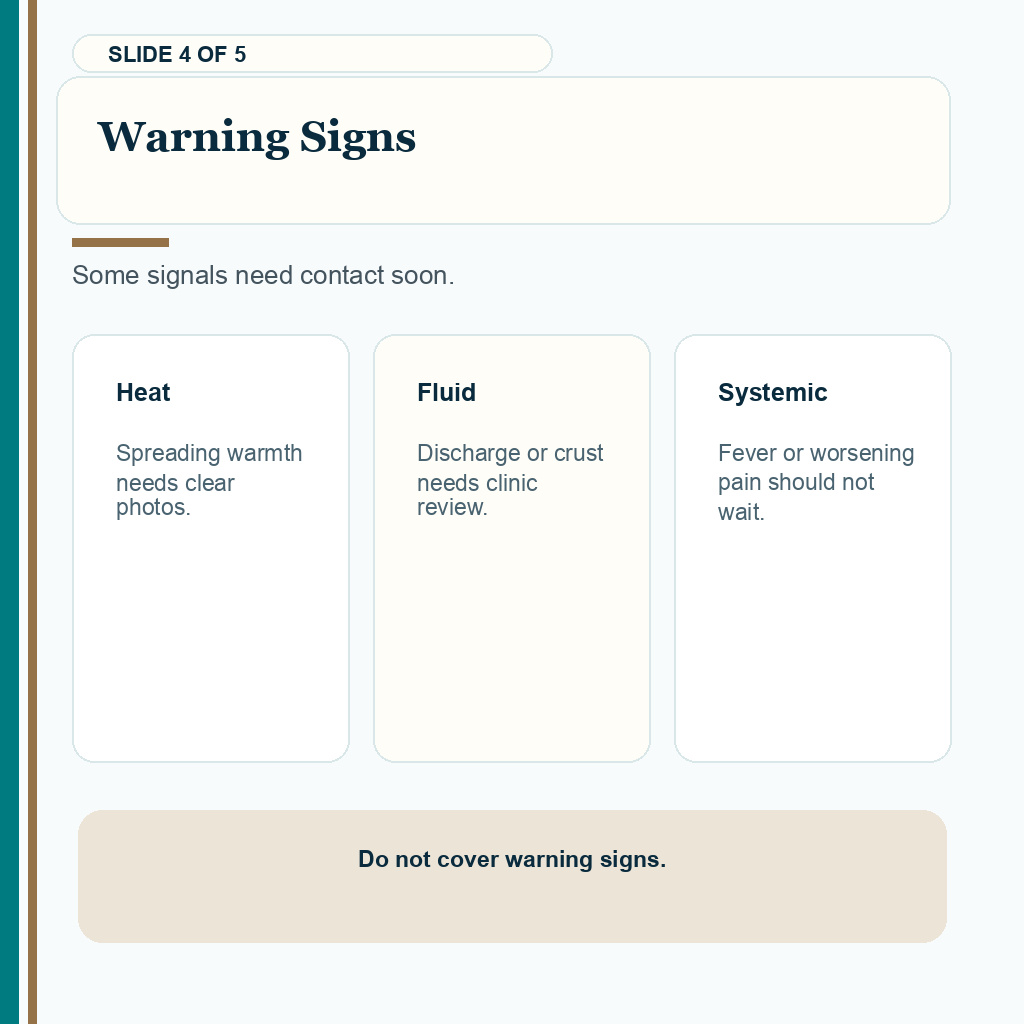
A few small spots can appear as hairs begin to cycle or as the skin reacts to irritation. Bumps with tenderness, spreading heat, pus colored points, crusting, or increasing swelling are not just a cosmetic redness question. Do not squeeze those spots or cover them with random antibiotic creams.
There is a dedicated article about folliculitis after hair transplant because inflamed follicles need a different decision path. The same is true if you worry the area looks infected. The infected hair transplant signs guide is a better match when pain, discharge, fever, spreading redness, or worsening swelling enter the picture.
Do not diagnose yourself by color alone. Send photos and symptoms. Say when it started, whether it is flat or raised, whether it hurts, whether there is discharge, what products touched the scalp, and whether sun or heat made it worse.
Sun, sweat, and products can keep the area reactive
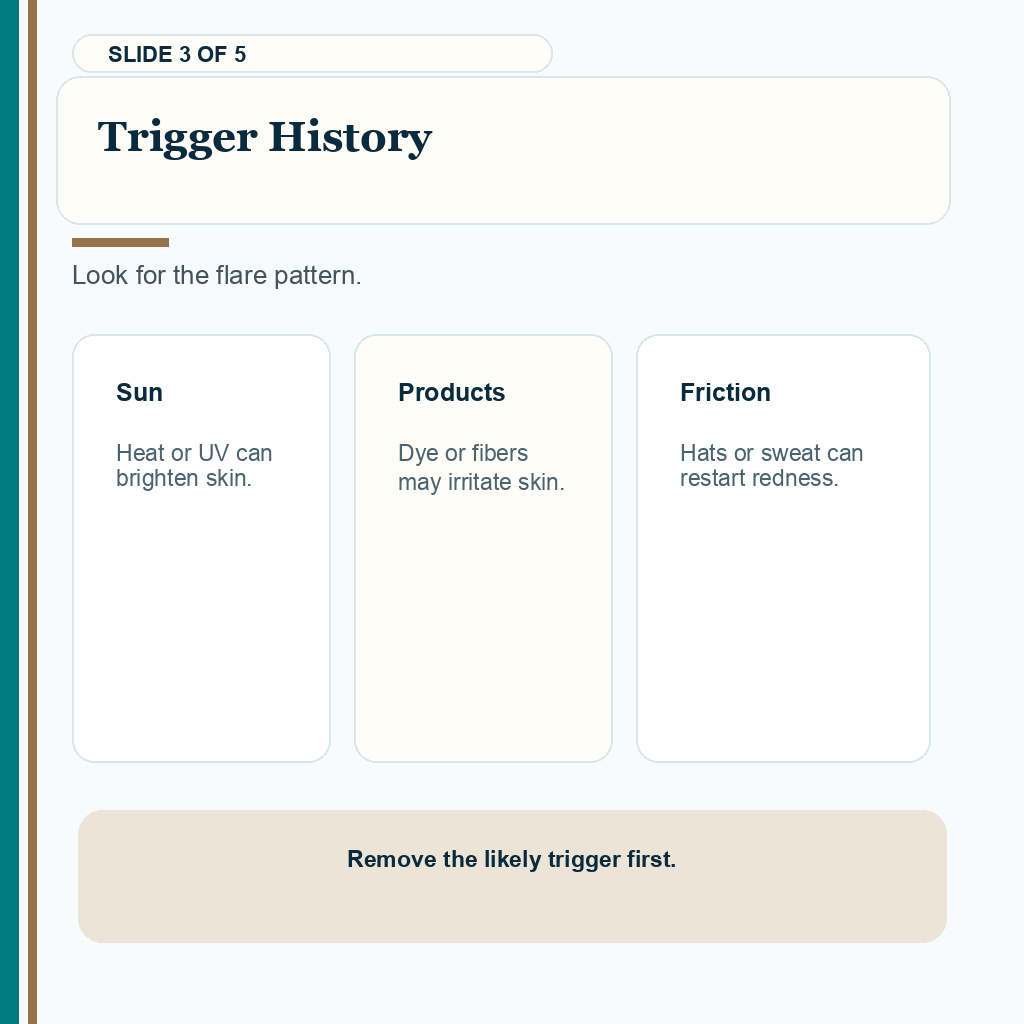
Healing skin can be sensitive to ordinary life. Sun exposure, heat, heavy sweating, aggressive shampoo, hair dye, concealers, styling products, or fibers may make the recipient area look more pink. This can happen even when the grafts are not the problem. The skin is telling us that something is irritating it.
I am cautious with tanning and strong exposure. The guidance on sunburned scalp after hair transplant explains the stronger version of this problem. You do not need a dramatic burn to notice color changes. Repeated mild exposure can also make a sensitive area look more obvious.
Hair fibers and concealers are another common trigger. They may help socially, but they can also sit on healing skin, mix with sweat, or encourage rubbing during removal. If you are using them, read hair fibers after hair transplant as the safer boundary.
If you cover pinkness for work, choose a removable option that does not rub the recipient area or hide worsening heat, pain, scaling, discharge, or spreading redness.
The photos need to be useful, not dramatic
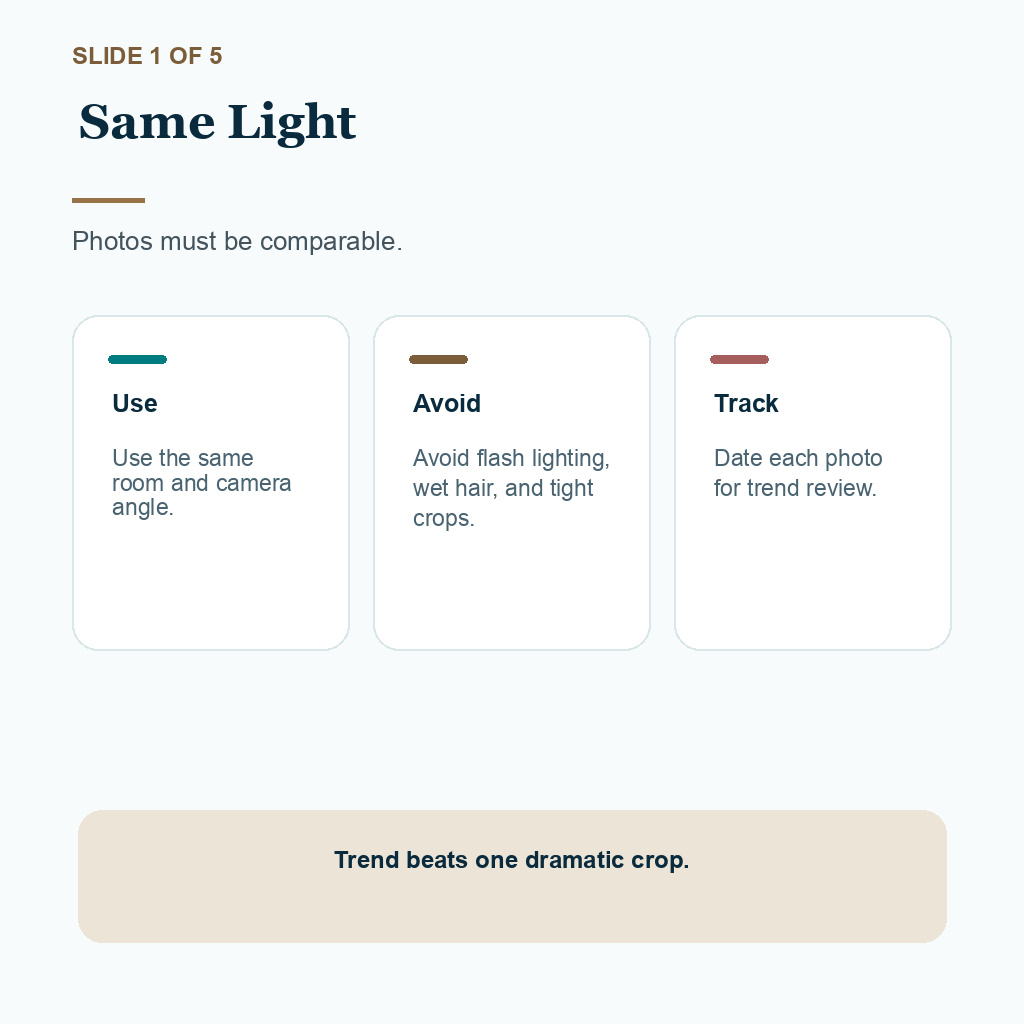
A single close flash photo can make every pore look alarming, especially with wet hair, harsh bathroom light, and a tight crop. I still want close photos, but I also want comparison photos in the same room, same light, same distance, with dry hair and the same angle. That tells me whether the pinkness is stable, fading, or truly changing.
A steady photo trail matters more than one frightening image. It also prevents you from chasing every daily color change. Skin can look different after showering, exercise, sleep, sweat, and sunlight. A useful review asks whether the overall trend is improving, not whether the color changes every hour. Judge the color after the scalp and hair are dry before changing products or covering it for the next photo.
Use the same camera and lighting you will use for the event or video call before judging the scalp. A close flash photo can exaggerate pinkness, while normal room light may show a quieter picture. If color is the only issue, plan presentation first and keep inflammation treatment for symptoms such as heat, pain, scaling, or discharge.
If you are judging growth at the same time, keep the two questions separate. Monthly growth checks belong to pages such as month five hair transplant growth check. Skin color and hair density can be related visually, but they are not the same measurement.
Pink Recipient Area Signal Matrix
Choose the signal that most closely matches the skin. The action changes when the color is fading, triggered, inflamed, linked to exposure, or suddenly changing.
What should I send for review?
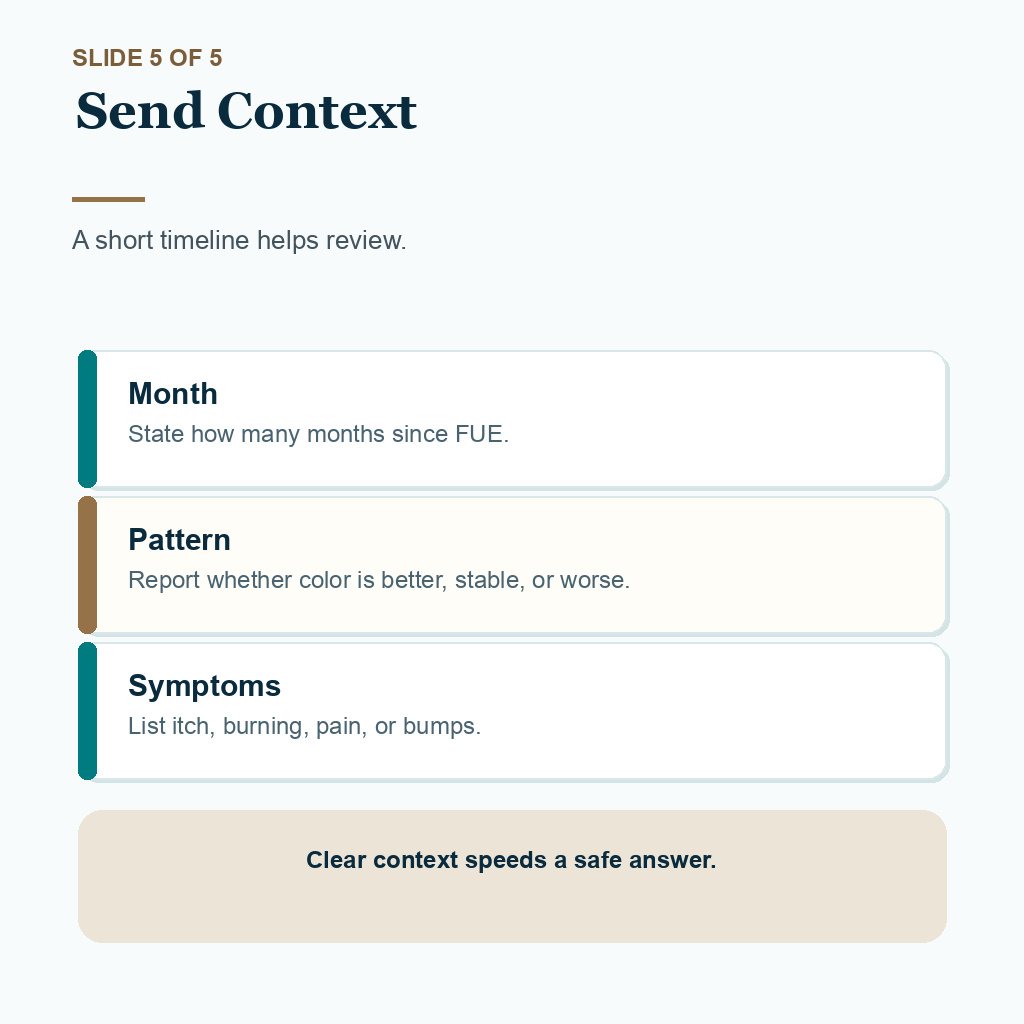
Send the story in a simple order. First, how many months after surgery are you? Second, is the color improving, stable, or worsening? Third, is it flat or raised? Fourth, is there itching, burning, pain, heat, swelling, discharge, scaling, or bumps? Fifth, what products, sun exposure, hats, fibers, dye, or sweating happened before the flare?
A cropped red patch is only part of the story. Send the whole front or top view too, then the closer image. Include dry hair photos and the date. If the issue follows a product or exposure, say exactly what changed. A surgeon can make a better decision when the skin story is attached to time, symptoms, and triggers.