
Donating Blood Before FUE Can Change Surgery Readiness
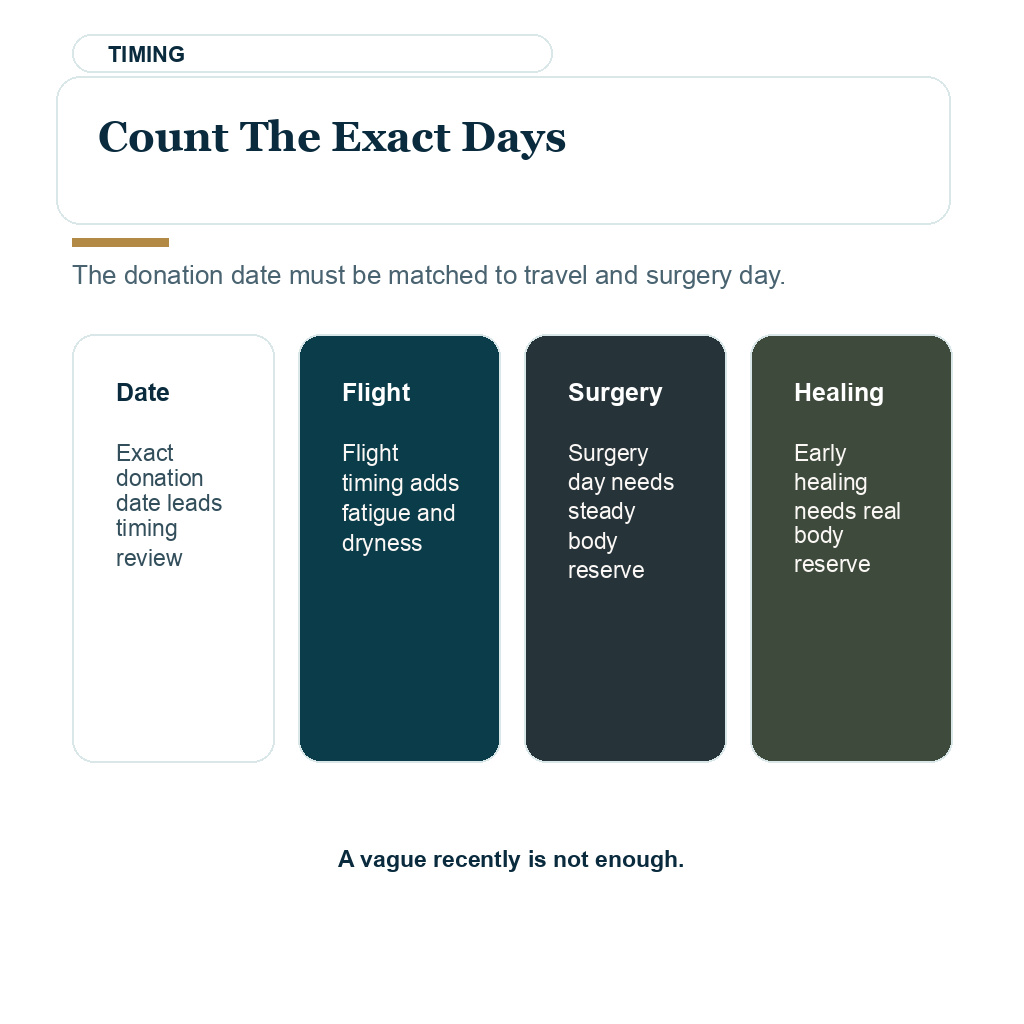
If you donated whole blood, plasma, or platelets close to FUE, bring it into the review before you travel or arrive for surgery. The donation itself is rarely the whole problem. What matters is whether your hemoglobin, iron stores, platelet count, hydration, bruising, dizziness, medicines, and travel timing are stable enough for surgery day. To judge that safely, I need the donation date, donation type, symptoms, medicines, and recent blood results.
Do not hide it because you feel embarrassed or because the donation center accepted you. A blood donation center is deciding whether donation was acceptable for collection. I am deciding whether your body is ready for a long procedure under local anesthesia, possible bleeding, travel fatigue, and the first days of healing. Those are related decisions, but they are not the same decision.
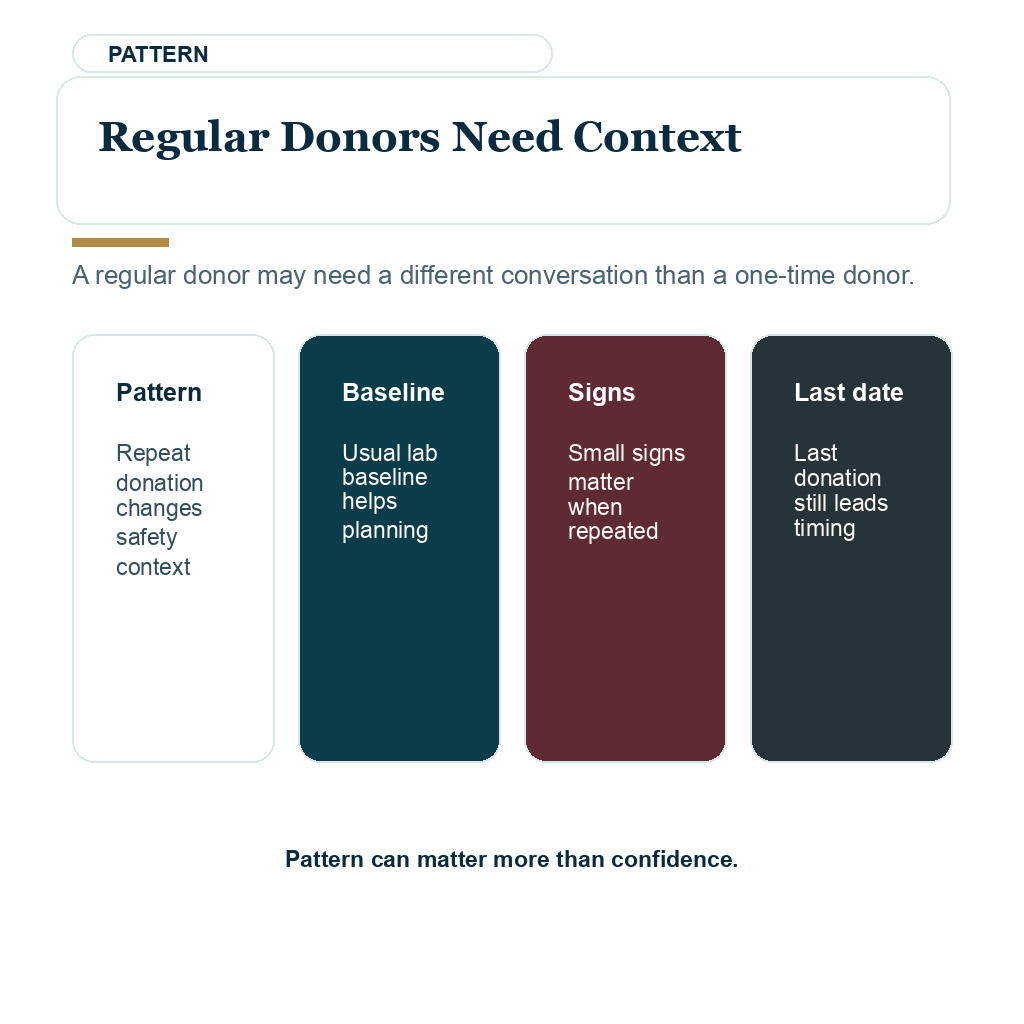
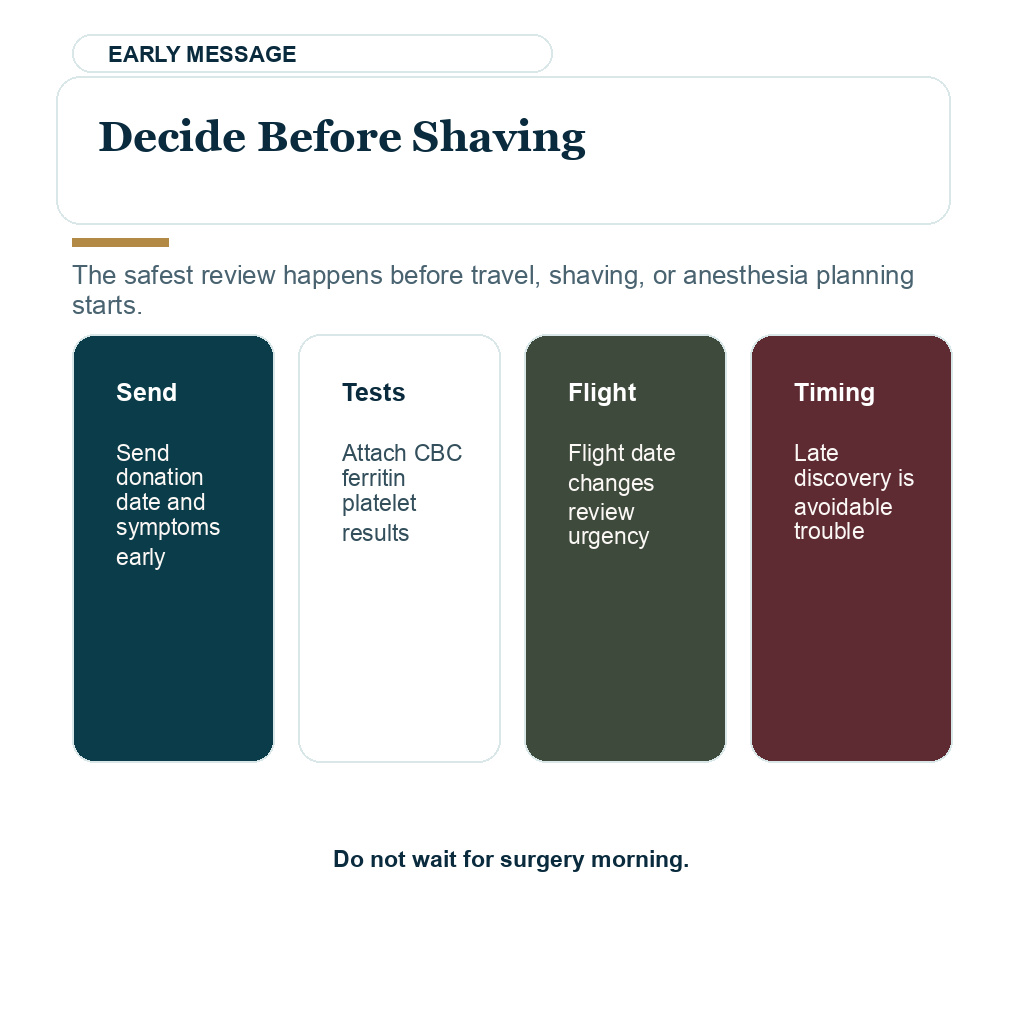
If surgery or travel is already close, do not wait for the morning of the operation. Send one short message with the donation date, donation type, whether this was one donation or part of regular donation, any symptoms afterward, your medicine and supplement list, your flight date, and your latest CBC, ferritin, or platelet results if you have them.
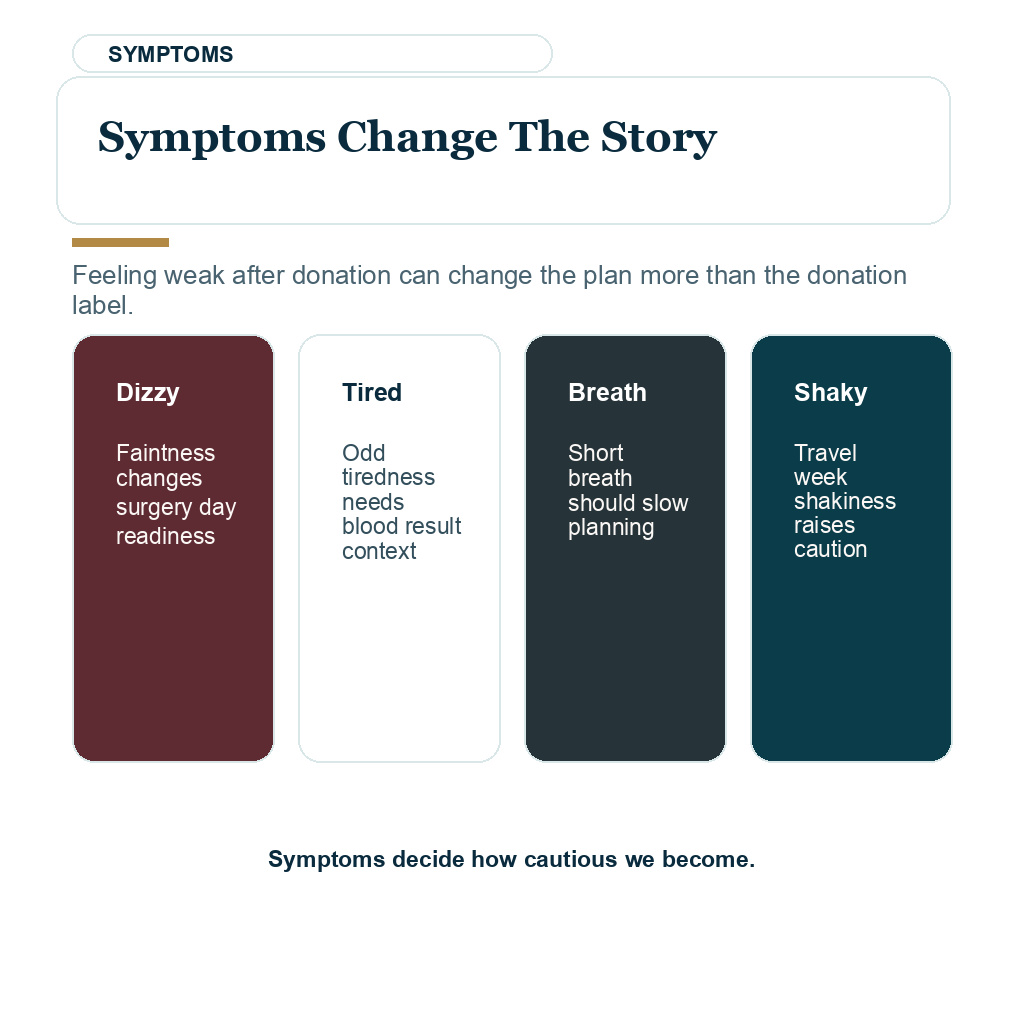
Include how you felt after donating, not only the date. Faintness, unusual fatigue, bruising, or a failed donation attempt can change how cautiously the surgery day is planned.
Donation timing can still affect surgery readiness
FUE is usually performed under local anesthesia, but it is still a surgical day. You may be lying down for several hours. The team needs stable blood pressure, enough hydration, no unusual faintness, and blood results that make sense for your plan. If a recent donation has left you weak, dizzy, pale, short of breath, unusually tired, poorly hydrated, or close to fainting, I need to know before the day begins.
A single donation does not usually damage transplanted follicles by itself. I am checking whether your body is steady enough for safe surgery. If you arrive after a long flight, poor sleep, heat exposure, alcohol, strict dieting, heavy caffeine, or energy drinks, a recent donation can become part of a bigger readiness problem. I ask for the whole story, not only the word donation.
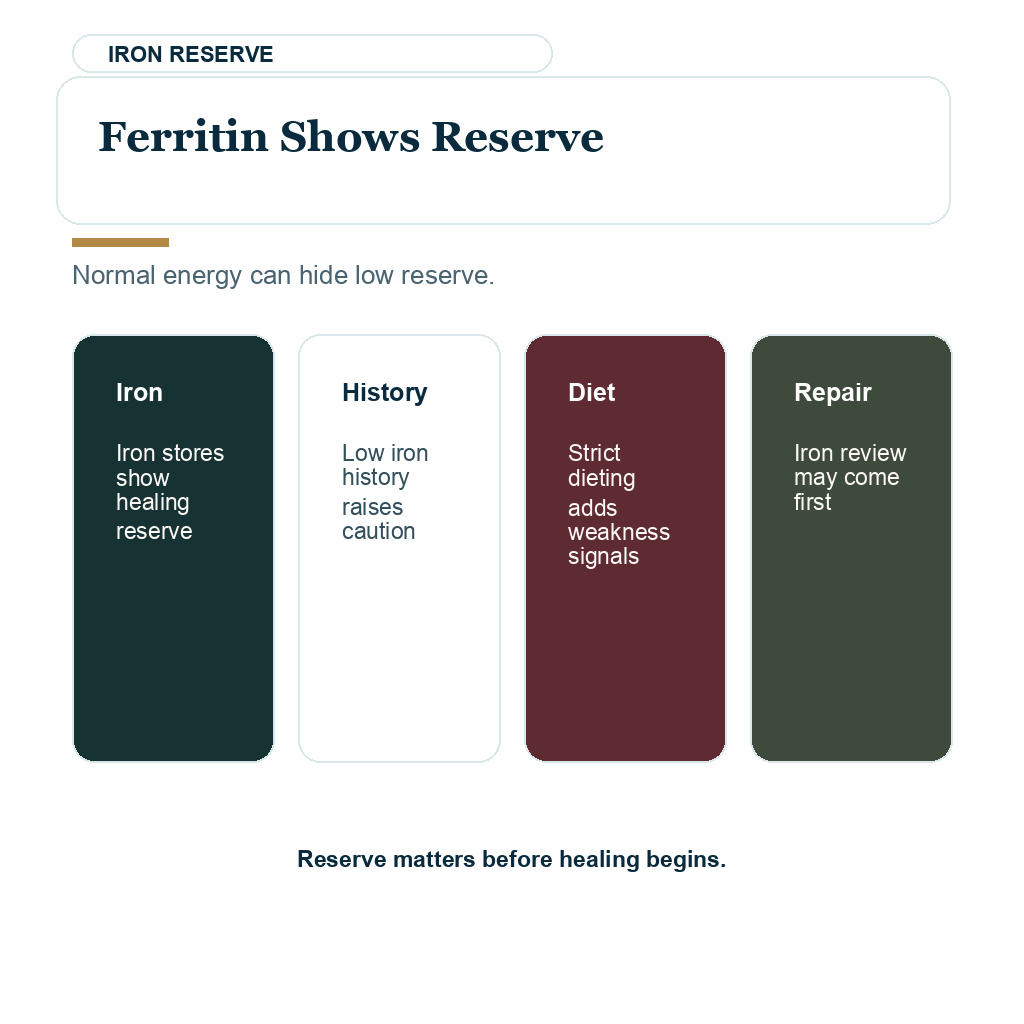
Patients who are already being checked for anemia, low ferritin, platelet issues, blood pressure changes, fainting or dizziness, or clot history should be even more direct. A responsible plan connects your donation history with your blood test review before surgery, not with guesswork.
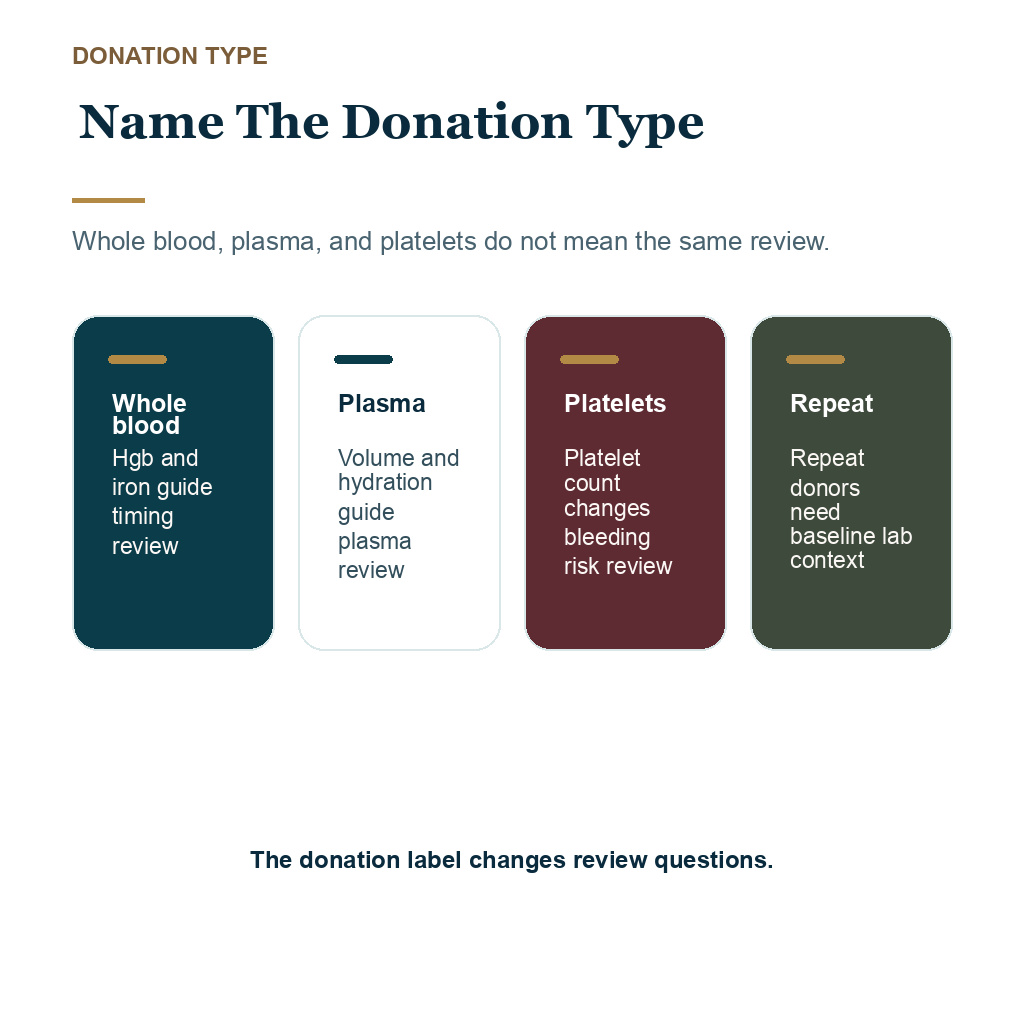
Whole blood, plasma, and platelet donation affect the review differently
Whole blood donation removes red blood cells, so hemoglobin and iron reserve can matter. A double red cell donation can be a stronger version of that red cell issue, so do not describe it simply as ordinary blood donation if it applies.
Plasma donation mainly changes the fluid and hydration story because many blood cells are returned, so dizziness, bruising, bleeding from the needle area, and how you felt afterward become more relevant. Platelet donation has its own context because platelets are involved in clotting, and aspirin or antiplatelet rules may already be part of the donor center discussion. One patient may feel completely normal after plasma donation, while another may feel faint after whole blood donation, especially if iron stores were already low.
Do not reduce the question to a single interval found online. A rule about when you may donate again is not the same as surgery clearance. Surgical readiness depends on your body, blood results, symptoms, surgery length, and travel timing. If your donor center told you to rest, hydrate, avoid heavy exertion, watch for dizziness, or report bruising or bleeding from the needle area, that belongs in the same review.
Do not schedule donation, travel, and FUE as separate errands. Put them on one timeline so the clinic can judge energy, hydration, blood results, bruising, and whether the surgery date needs to move.
Medication context also matters. A patient asking about finasteride or dutasteride and blood donation eligibility is asking one question. A patient asking whether a recent donation makes surgery day blood tests less stable is asking another. Both should be disclosed, but they should not be mixed into one vague answer.
Details to send before the clinic makes a decision
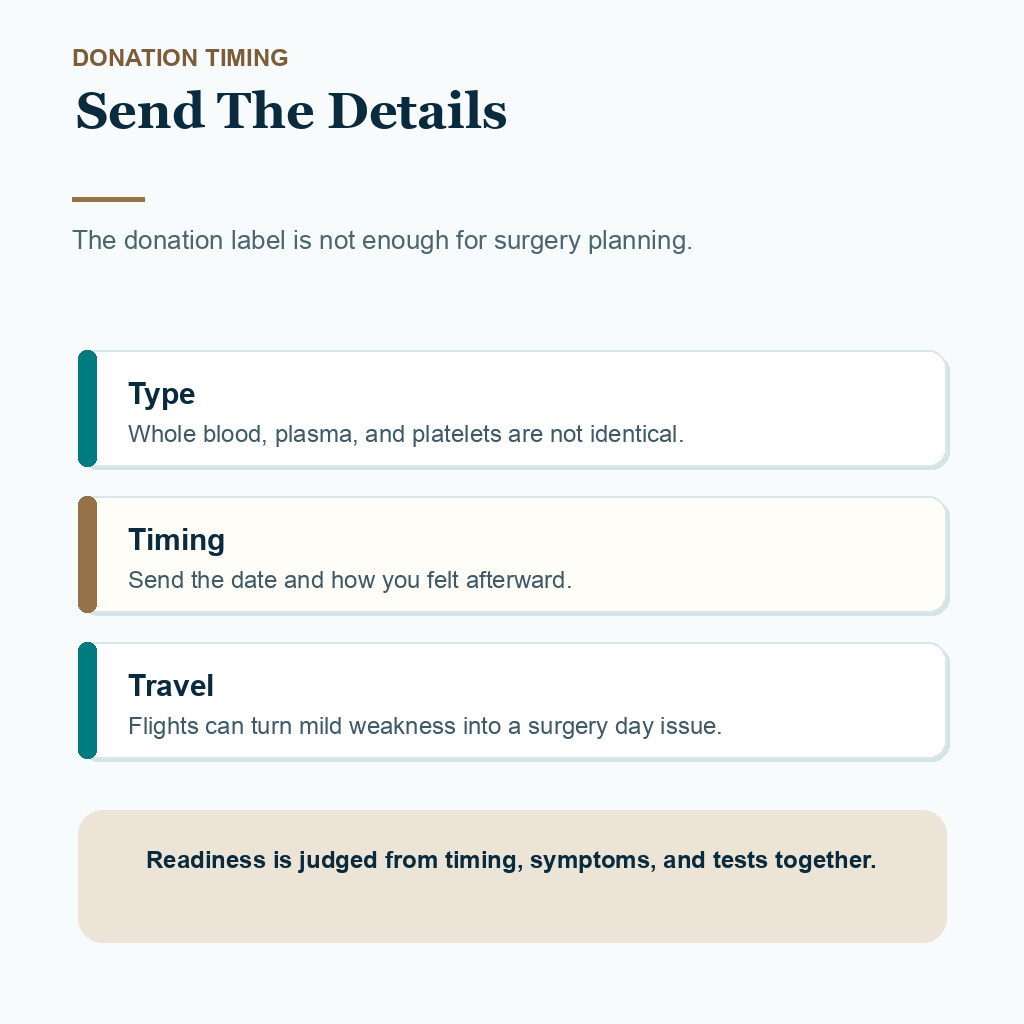
Send the exact donation date, donation type, whether it was whole blood, double red cell, plasma, or platelets, and whether there were symptoms afterward. Include almost fainting, extra observation, a low hemoglobin screen, unusual bruising, prolonged bleeding from the needle area, dehydration, or iron advice. If you have a screenshot, hemoglobin screen, or printed donor center note, send it rather than summarizing from memory.
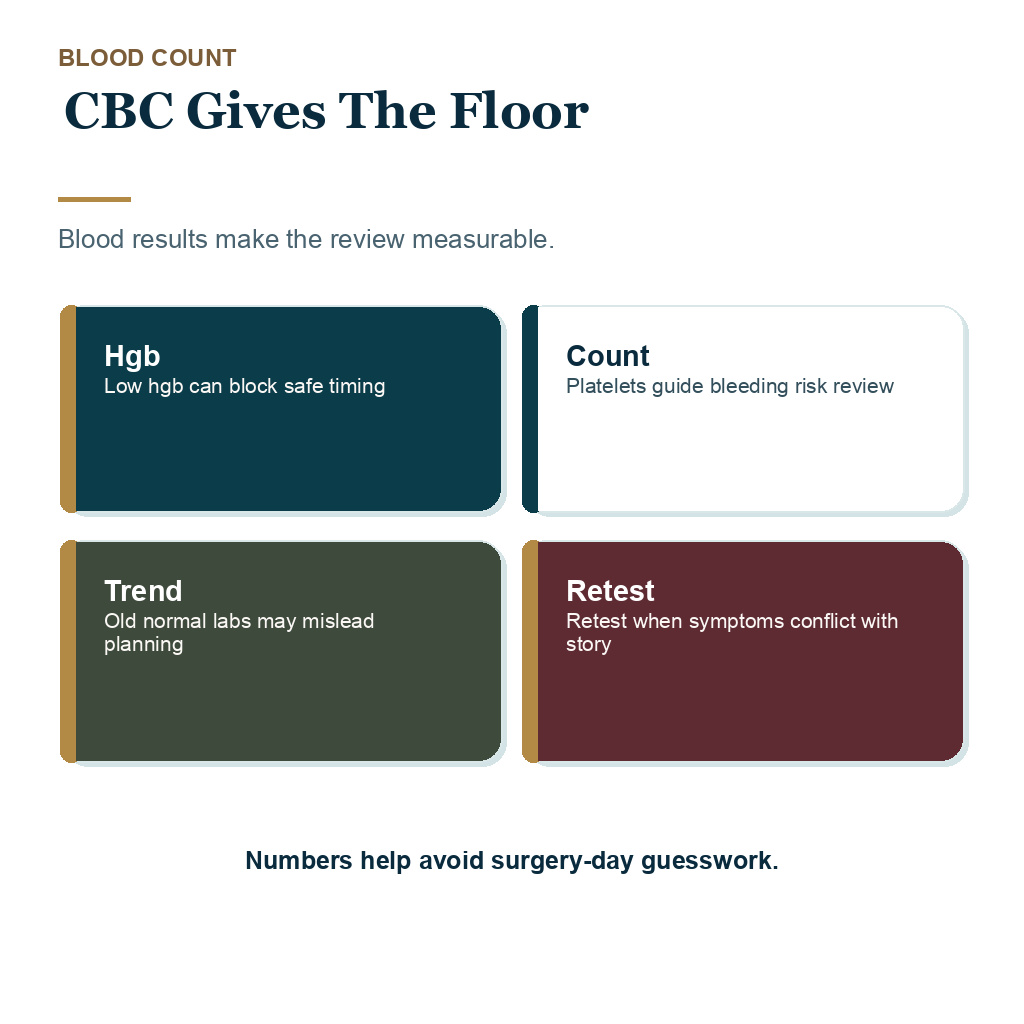
A donor center fingerstick or screening result is useful context, but it is not the same as a full surgical blood review. If you have a CBC, ferritin, platelet count, or doctor note, send the full report with reference ranges instead of only the value that looked normal.
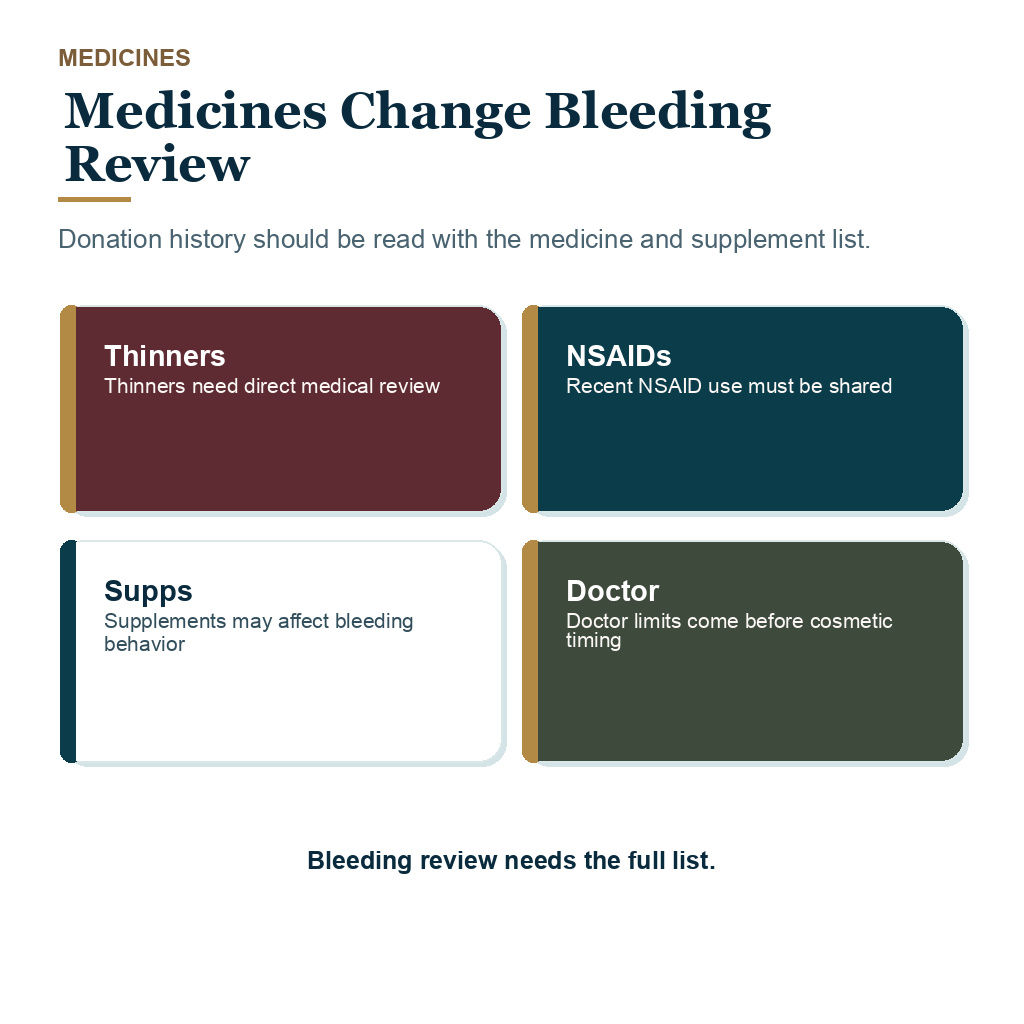
Also list medicines and supplements. Blood thinners, aspirin, ibuprofen or similar pain medicine, iron tablets, blood pressure medicine, and some supplements can change how I interpret the story. If you are using prescribed anticoagulants, do not adjust them alone. The separate issue of blood thinners before hair transplant needs medical coordination, not a quick internet rule.
When should recent donation slow the plan?
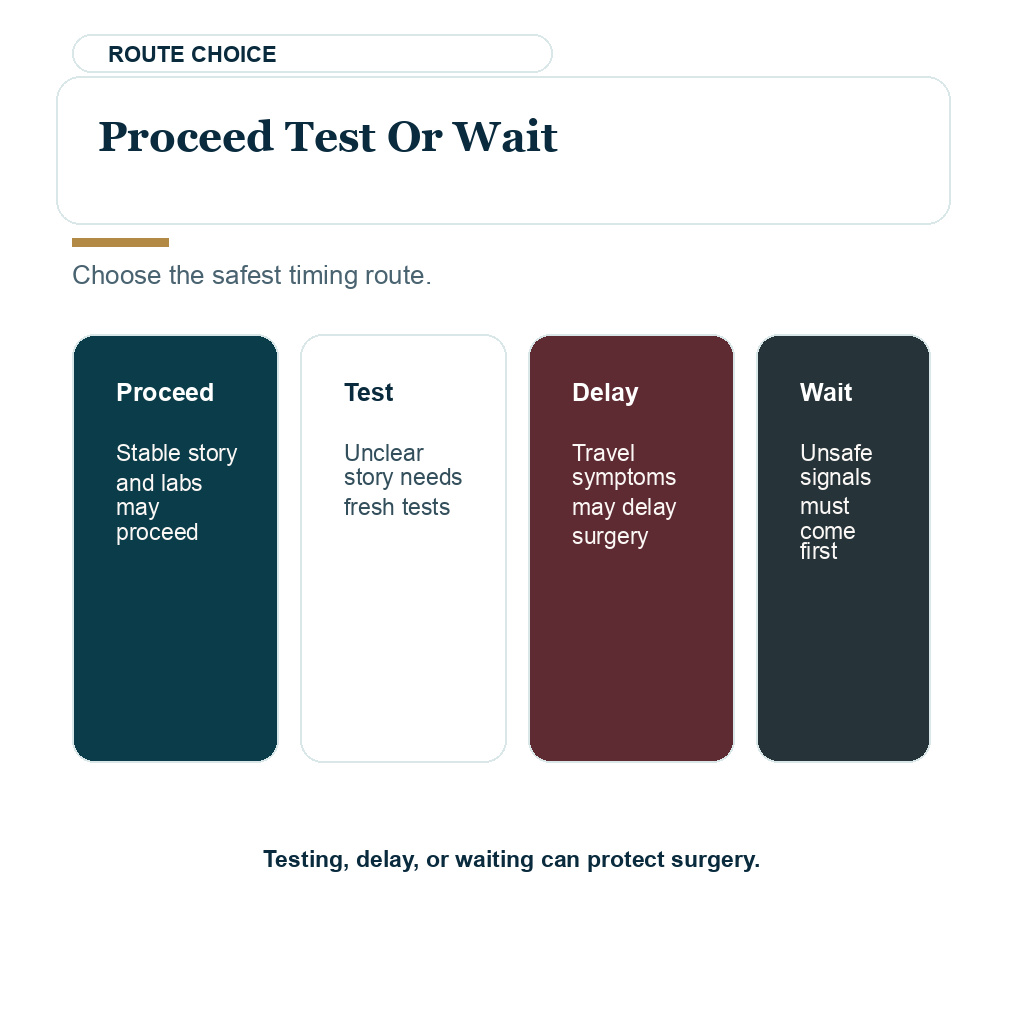
I slow the plan when the donation is very recent, you still feel unwell, blood results are borderline, the surgery is long, or travel adds extra stress. The review may be as simple as repeating a CBC, checking iron context, improving hydration, delaying flights, changing the surgery date, or asking your treating doctor for clearance. Sometimes surgery can proceed. Sometimes waiting is the medically cleaner choice.
A repeat blood test is especially important when symptoms and numbers do not match the story. Low hemoglobin, low ferritin, unexplained fatigue, unusual breathlessness, or a history of anemia should not be brushed aside. When the issue is already iron related, low ferritin or anemia before FUE belongs in the same surgical review as the donation history.
Donation timing details that can change the plan
The readiness diagram below keeps the review in sequence by moving through donation timing, body signals, blood results, travel pressure, and the decision on whether to proceed or wait.
Donation readiness ladder
Where does donation change FUE readiness?
Blood, plasma, and platelet donation do not all mean the same thing for FUE planning. Start with timing, then check symptoms, labs, hydration, and travel pressure.
Planned before FUE
Donation is scheduled near the operation date. Surgery readiness depends on donation type, timing, latest blood results, and how you feel. Send the date, donation type, recent labs, and symptoms before donating. Pause donation if surgery is close, labs are pending, or the clinic has not reviewed it.
Already donated
You donated recently and surgery is still planned. I need to see whether recovery, hydration, hemoglobin, and general condition are stable. Send the donation date, type, any symptoms, and latest available blood results. Pause the surgical plan if you feel weak, dizzy, short of breath, unwell, or dehydrated.
Early after surgery
You want to donate soon after FUE because the recipient area looks calm. A calm scalp does not prove the body is fully recovered. Wait for uncomplicated healing and clinic clearance before donation. Pause if there is swelling, bleeding, poor sleep, infection concern, or delayed healing.
Symptoms or low labs
Weakness, dizziness, low hemoglobin, abnormal blood results, or dehydration is present. Donation and surgery decisions should slow down until the reason is clear. Share the blood results and symptoms before making a new date. Do not donate or proceed with surgery while unexplained symptoms are active.
Travel pressure
Donation, flights, hotel dates, and surgery are being squeezed into the same short window. Convenience should not outrank surgical readiness. Ask the clinic which date should move and what evidence they need before confirming. Pause if the plan only works by hiding the donation or rushing recovery.
Do blood tests matter more than the donation label?
The same donation history can mean different things in two people. A fit patient with normal blood results, no symptoms, and enough time before surgery is not the same as a tired patient with low iron, heavy recent bleeding, or a borderline CBC. I do not clear or reject the case from a sentence alone.
A different problem appears when hemoglobin or hematocrit is high. Do not use blood donation only to make that number look acceptable before the cause is understood. Send the result, the reason it was checked, and any doctor notes so the clinic can decide whether medical clearance is needed.
A platelet donation history is not the same as a platelet count problem, but unexplained bruising, prolonged bleeding, or a low platelet count deserves specific review. If your platelet count is already a concern, low platelets and bleeding review should be part of the same surgery readiness decision, not treated as a separate lab note.
A clot history is a different issue again. Donation does not replace the need to discuss DVT, pulmonary embolism, anticoagulants, or long flight risk. Patients with that background should read about blood clot history and travel planning and should involve their treating doctor when needed.
Can travel turn a small problem into a surgery day problem?
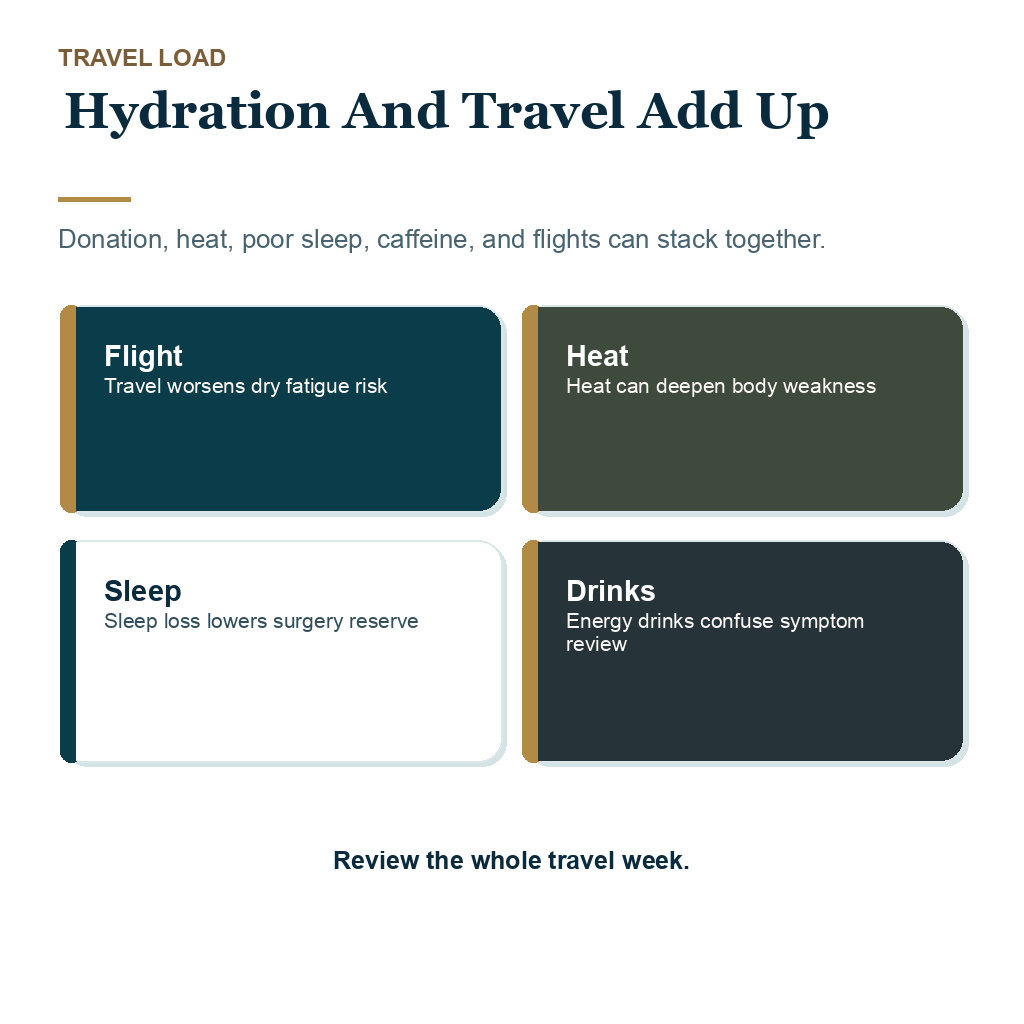
Many international patients try to fit several health tasks into the same month. They donate blood, finish work, fly, have surgery, and return home quickly. That compressed timing is where small symptoms become harder to interpret. Dizziness after donation may be blamed on the flight. Tiredness after travel may be blamed on the donation. The clinic needs the timeline before those explanations blur together.
Before flying for surgery, follow your clinic’s pre-op instructions and do not use energy drinks, sauna heat, alcohol, or severe dieting to push through weakness. If stimulant use, pulse changes, hydration, heat exposure, or dehydration are part of the same week, those details should be reviewed before travel rather than explained away on surgery morning.
Is donating after the transplant different?
After FUE, do not rush into blood, plasma, or platelet donation just because the recipient area looks settled. Early recovery still includes swelling, scabbing, sleep disruption, washing instructions, and sometimes medication. Wait until early healing is stable, you feel well, there is no concerning bleeding, and the clinic has cleared the timing. The donor center must also accept you under its own rules.
A recipient area that looks calm is not the same as being medically ready to donate. I look at how you feel, whether swelling and scabs have settled, whether washing is normal, whether there has been bleeding or fever, and whether any medication or blood result still needs review.
If you feel dizzy, weak, feverish, dehydrated, or unusually tired after surgery, do not donate. If you have bleeding that concerns you, message the clinic before donating and use the guidance on bleeding after surgery rather than treating donation as harmless routine.
Blood donation should not leave the body depleted
My decision is built from timing, symptoms, blood tests, medication context, travel stress, and the size of the planned session. If all of those are stable, the donation history may simply be documented. If one part is uncertain, the plan may need another blood test, more recovery time, or a less compressed travel schedule. If you are symptomatic or the numbers are unsafe, postponing is not failure. It protects you and the donor area.
The most useful message you can send is short and complete. Include the date of donation, what was donated, whether you felt dizzy or unusually tired, your current medicines and supplements, your flight date, and your latest blood results if you have them. That gives the surgeon something real to judge. It also prevents the worst version of this problem, which is discovering a relevant donation history only after the patient has arrived for surgery.
A hair transplant plan should not depend on silence. Send the donation date, donation type, symptoms, medicines, flight date, and latest results early. I am not trying to cancel good surgery. I am trying to avoid discovering a relevant blood, plasma, or platelet donation only after travel, shaving, or local anesthesia planning has started.

Read this review excerpt
Diamond Hair was the only clinic asking for medications, treatments I've done before, and other type of questions that make me feel confident on the professionalism that they practice with their clients.