


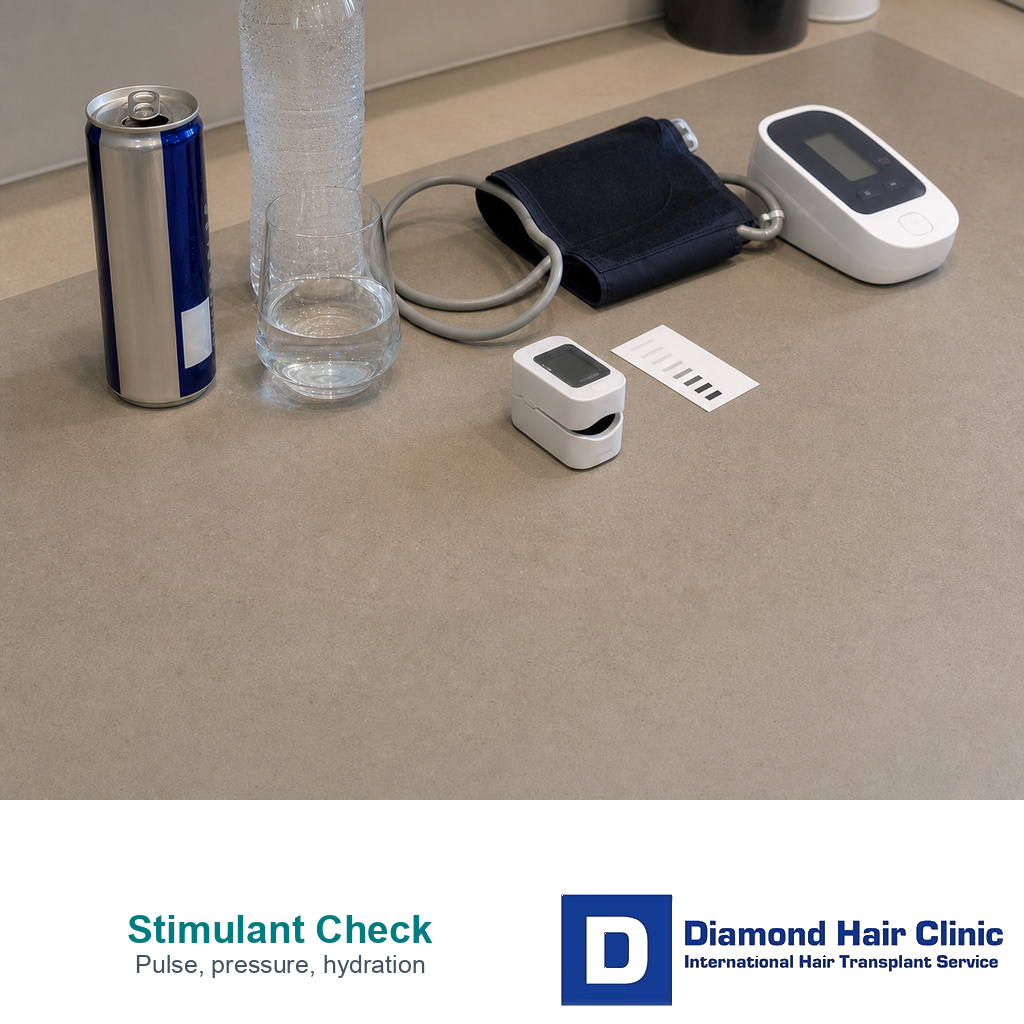
Energy Drinks Before FUE Need a Stimulant Check
An energy drink before a hair transplant does not usually ruin grafts by itself. The more useful question is what it does to the surgery day, not whether it directly ruins grafts. A strong energy drink can change sleep, pulse, blood pressure, stomach comfort, anxiety, and hydration before a long procedure.
I separate one familiar caffeine habit from a high stimulant load before surgery. One ordinary coffee is different from arriving tired, dehydrated, nervous, and using an energy drink on top of coffee, nicotine, decongestants, gym stimulant products, or stimulant medication.
Before FUE, I need the body predictable enough to monitor. If an energy drink makes the heart race, raises pressure, worsens nausea, or hides poor travel recovery, the operation becomes harder to manage safely. I ask about the exact drink, the amount, the timing, and what else was taken with it because those details change the medical picture.
Caffeine and stimulant readiness check
Decide whether the drink changes surgery day safety
I look at the whole stimulant picture before FUE. The drink amount, label, timing, symptoms, fasting rules, travel fatigue, and what else was taken all matter. A small familiar caffeine habit is different from using a strong drink to push through a difficult morning.
Habit check
Rescue caffeine changes surgery day monitoring
One normal coffee or a small drink you tolerate is not the same as a large drink after poor sleep.
Your usual caffeine habit, what changed today, and whether the drink was used to push through fatigue.
The amount is new, much stronger than usual, or taken because you already feel unwell.
I want a predictable body, not artificial alertness during a long procedure.
Why is the issue not only caffeine?
Caffeine is the ingredient people notice first, but energy drinks are not just coffee in a can. A can is not a standard dose. One product may be close to an ordinary coffee, while a large can, shot, or drink with guarana can add much more caffeine than the patient realizes. The mixture matters because most people do not count the total stimulant dose across the whole day. When the ingredient list is unclear, send the label or bring the can rather than guessing.
The risky pattern is often simple. Coffee in the morning, an energy drink in the taxi, nicotine before arrival, a cold tablet for congestion, and a gym product from habit can all push the body in the same direction. One product may be manageable. Several products together can make someone shaky, sweaty, anxious, nauseated, thirsty, unable to sleep, or difficult to monitor.
If the issue is ordinary coffee, the narrower page is coffee on the morning of surgery. Energy drinks need wider context because patients often reach for them when sleep, travel, food, hydration, or anxiety is already unsettled.
Can energy drinks affect surgery day monitoring?
Hair transplant surgery is usually performed under local anesthesia, but it is still a medical procedure. We monitor pulse and blood pressure, use local anesthetic, plan breaks, manage bleeding, and keep the day controlled. A racing heart, high reading, stimulant anxiety, or nausea can make that control less reliable.
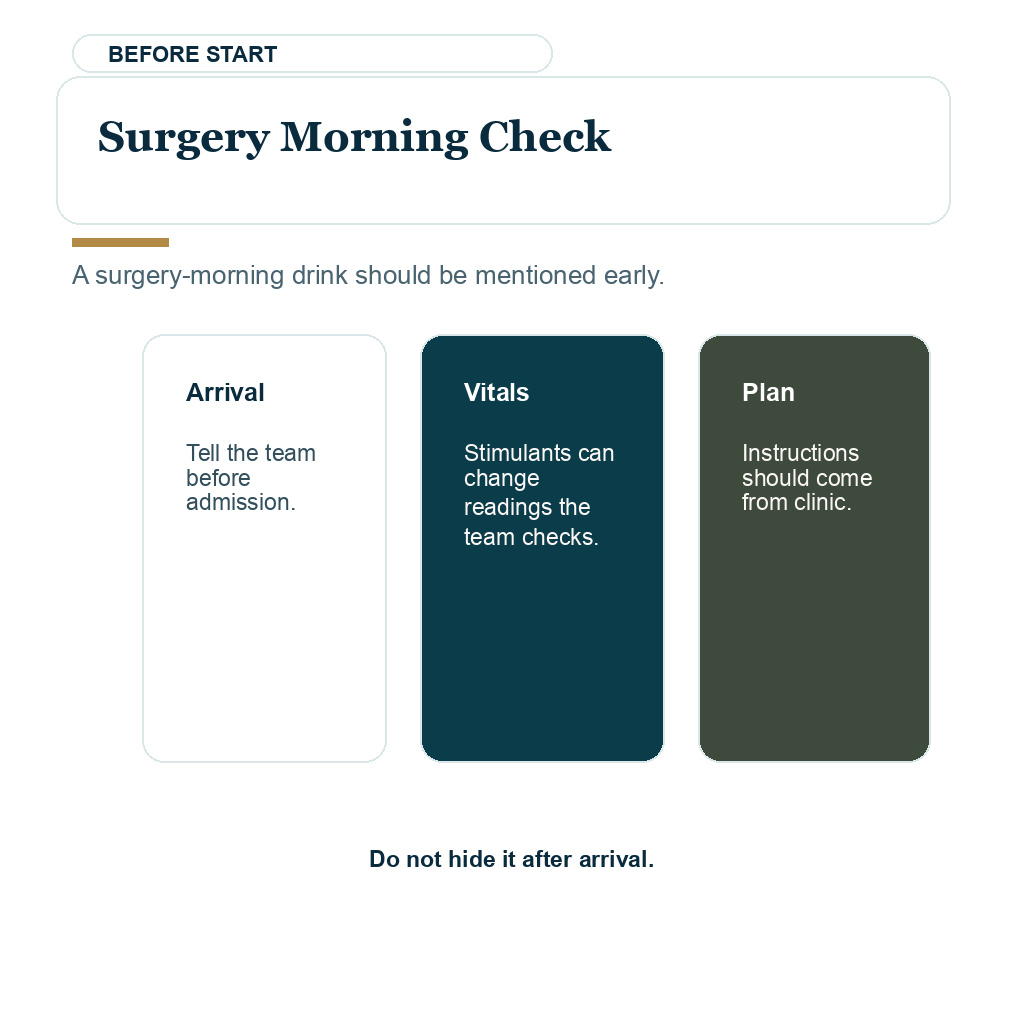
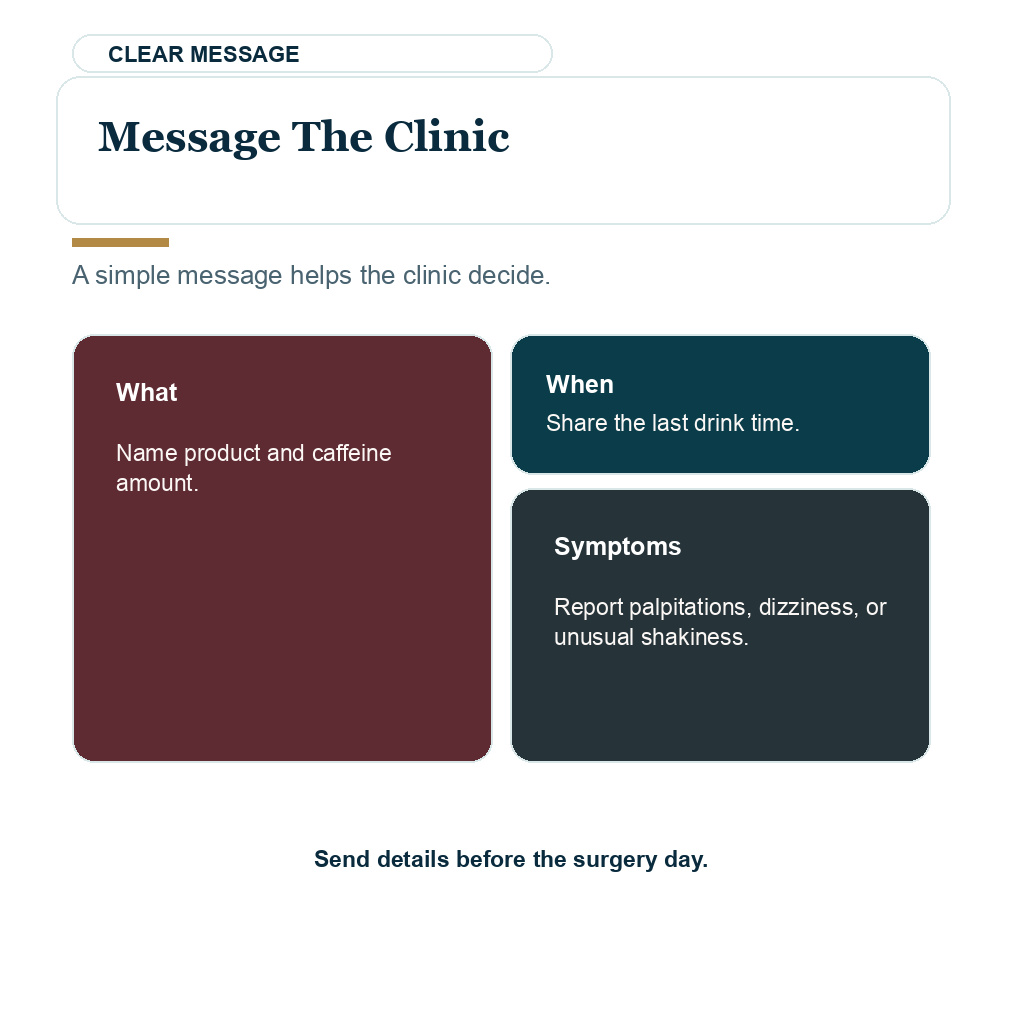
An energy drink does not mean the operation must be cancelled in every case. The important step is disclosure. Say what you drank, how much, when you drank it, and whether you also had coffee, nicotine, decongestants, a gym stimulant product, ADHD medication, or any other stimulant product. Do not hide it because you are embarrassed.
Send a label photo when possible, because caffeine amount and added stimulants are often hidden in small print. The words energy drink are too broad for monitoring on surgery day.
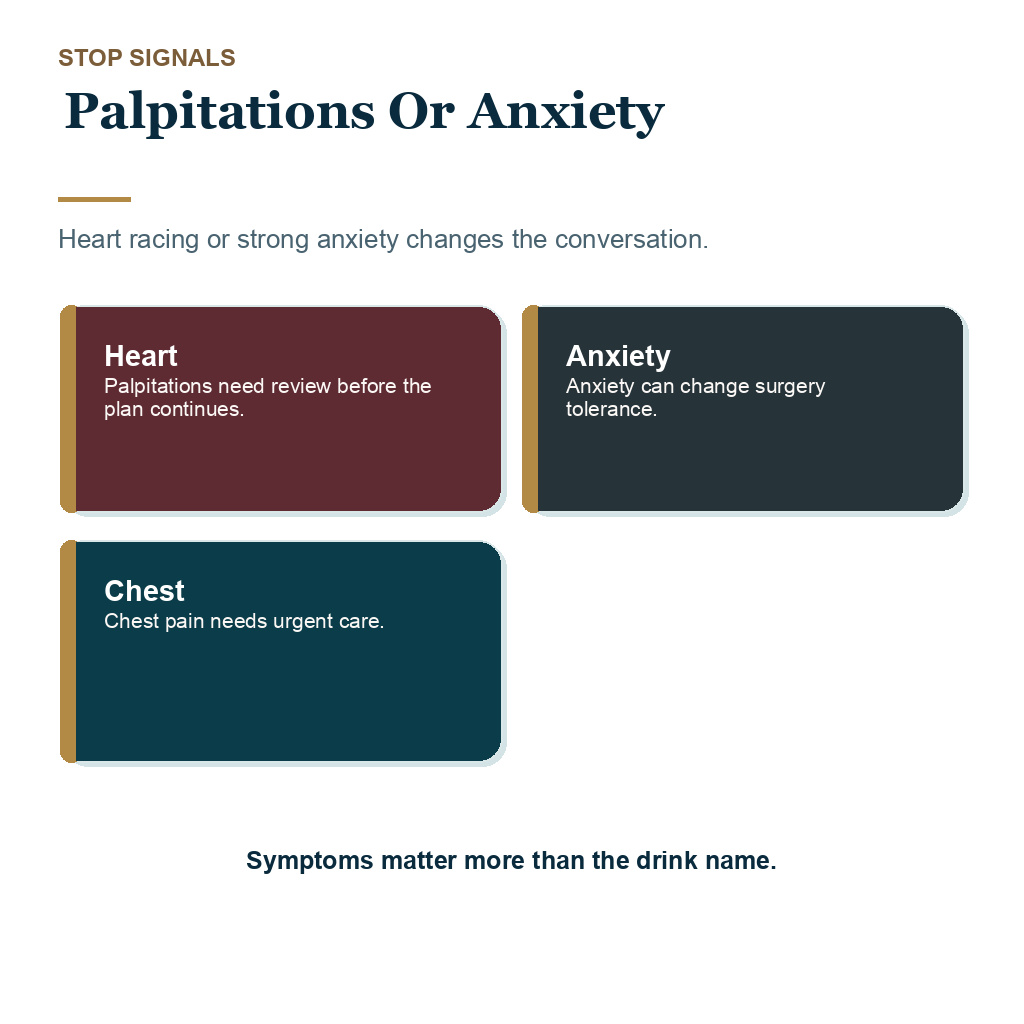
This matters most if you already have high blood pressure before hair transplant surgery, palpitations, anxiety attacks, heart disease, fainting history, or medication that affects pulse and pressure. If you take treatment for blood pressure, medication review should be specific. If you have felt pounding or irregular beats, heart racing around hair transplant safety should be reviewed before assuming it is only stress.
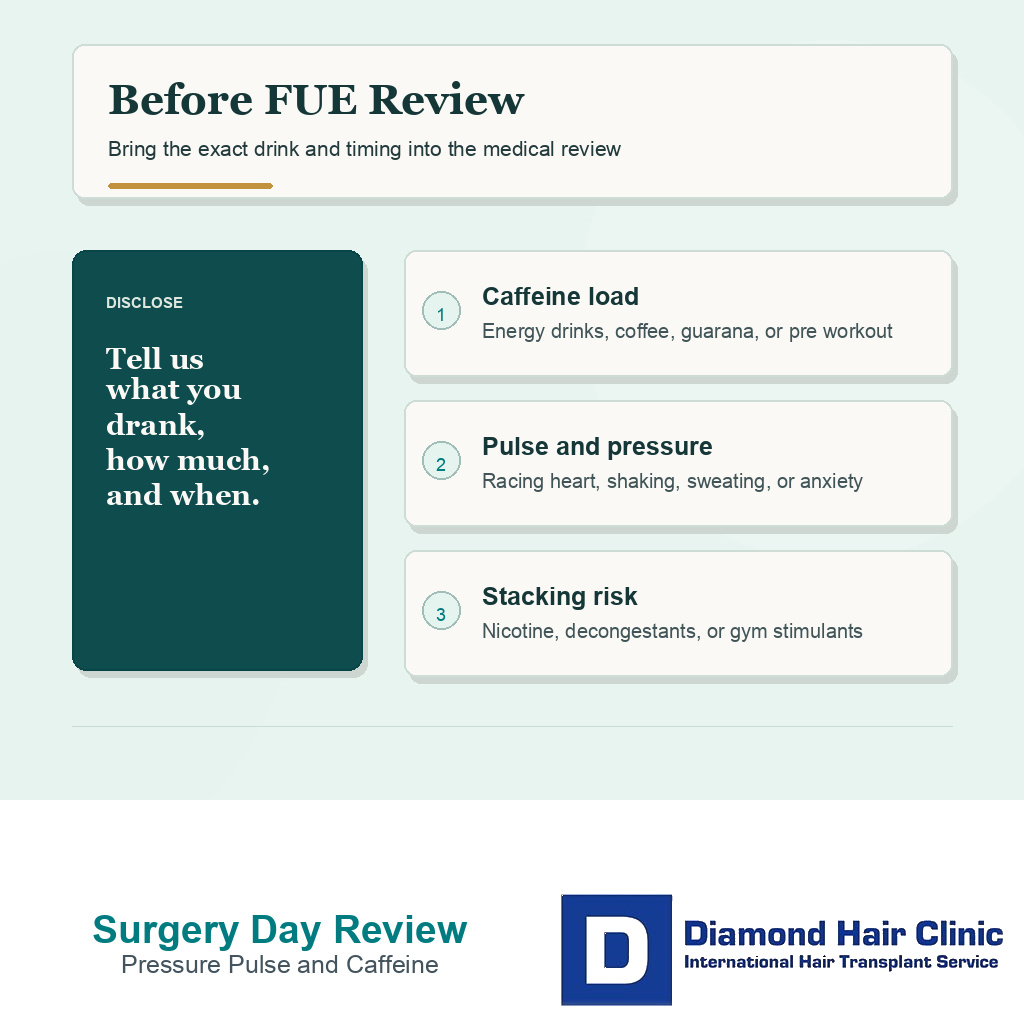
A useful morning check separates caffeine dose, heart rate, stimulant stacking, and hydration before a long procedure.
Why do travel fatigue and energy drinks often meet?
Many international visitors arrive in Istanbul after a flight, time zone change, poor sleep, or a busy work week. The temptation is obvious. You want to push through fatigue, look alert in the consultation, and avoid admitting that travel has affected you. I understand the thought, but forced alertness is not the same as being medically ready.
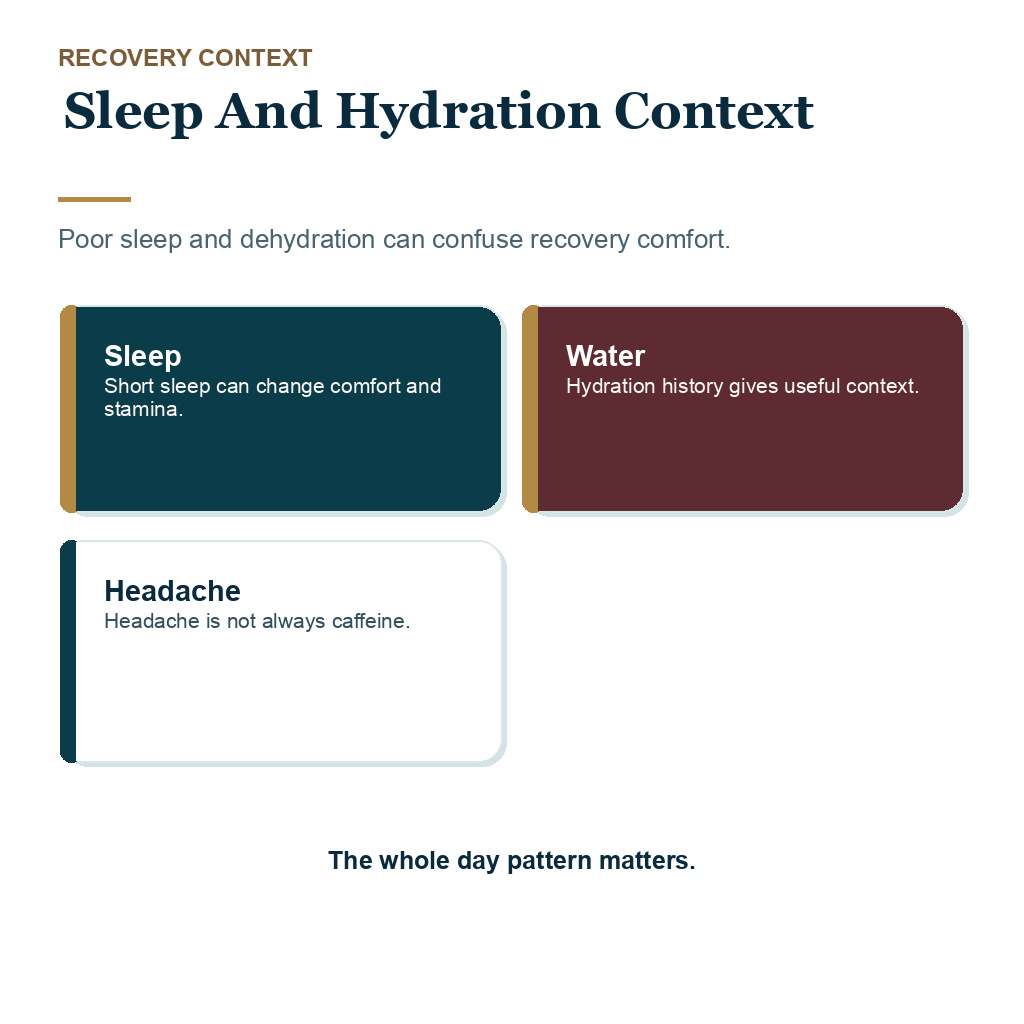
If you reach for an energy drink because you barely slept, the sleep problem itself matters. Poor sleep can raise anxiety, make discomfort feel stronger, make instructions harder to follow, and leave you more reactive during a long operation. Protect the night before surgery, arrive early enough to rest, and tell the team if travel made the day difficult.
Sleep problems after the operation belong in the sleepless nights and FUE graft growth recovery guidance. Before surgery, the reason for fatigue matters. Poor sleep, anxiety, or travel exhaustion should not be hidden with stimulants when those details may affect monitoring.
Can energy drinks change fasting or hydration instructions?
Energy drinks can confuse the normal fasting and hydration plan. Some are sugary, some are acidic, and some irritate the stomach. A drink may feel lighter than food, but that does not mean it fits the written instruction for your procedure day.
Follow the fasting plan given by your clinic. If sedation, nausea risk, diabetes, reflux, blood pressure issues, or other medical history is part of the case, the instruction becomes even more important. The wider fasting before hair transplant decision matters because fasting is not a rule to reinterpret from online comments.
Water and an energy drink are not the same kind of preparation. Steady hydration is different from loading sugar and caffeine into the body. Feeling weak before surgery needs a clinical answer rather than a large energy drink on the way to the clinic.
Stimulant stacking can happen without noticing
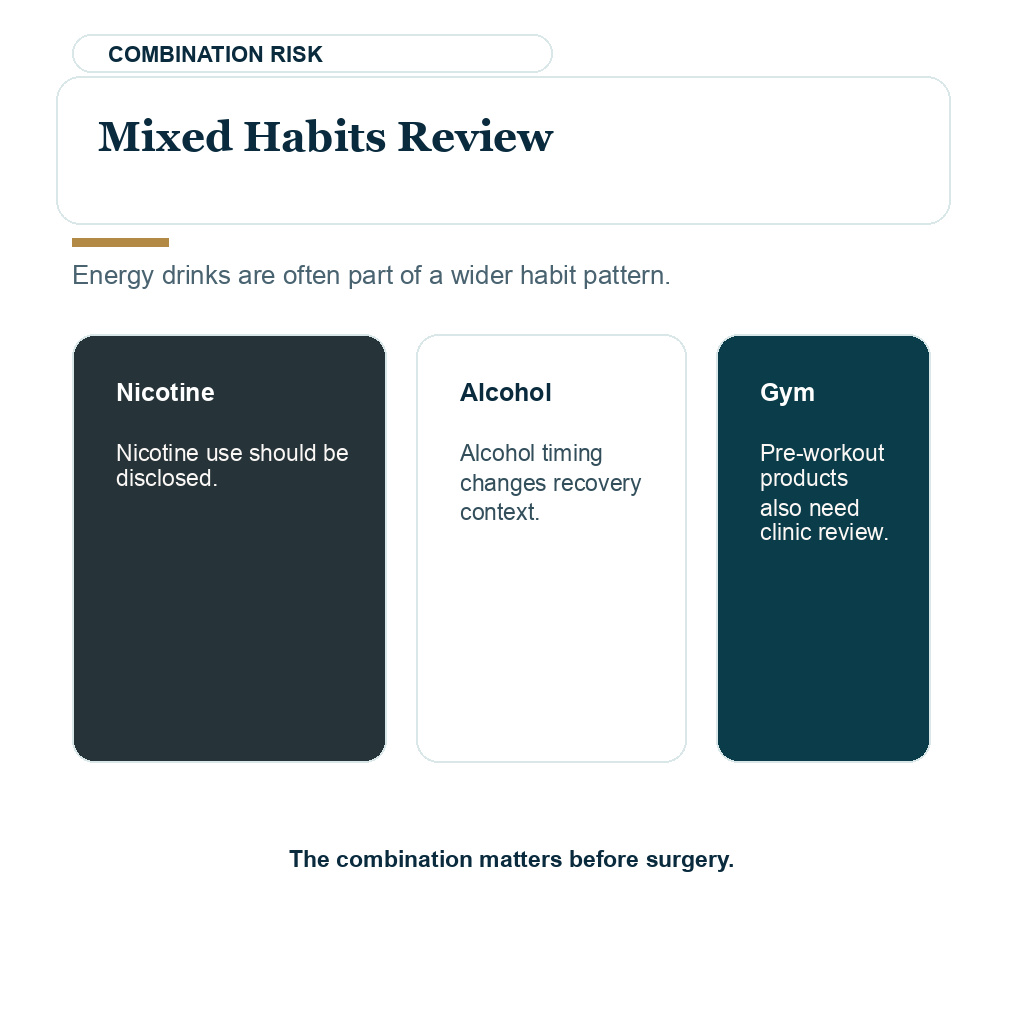
Stimulant stacking means several products pushing alertness, pulse, and pressure in the same direction. Coffee, energy drinks, nicotine, decongestant tablets, caffeine tablets, fat burners, ADHD stimulants, and some gym stimulant products can overlap even when each one seems ordinary on its own.
I ask for normal products, not only prescription medicine. Decongestants deserve particular care because they can affect blood pressure and heart rhythm. If you use cold tablets or nasal products around surgery, bring the product name into the decongestants before FUE review.
Gym products deserve careful disclosure as well. Some are sold for focus, pump, fat burning, or training support, and patients may not think of them as medical. The body still responds to those ingredients, so gym stimulant supplements after hair transplant need their own timing review and should wait until training itself is safe.
The question changes after the transplant
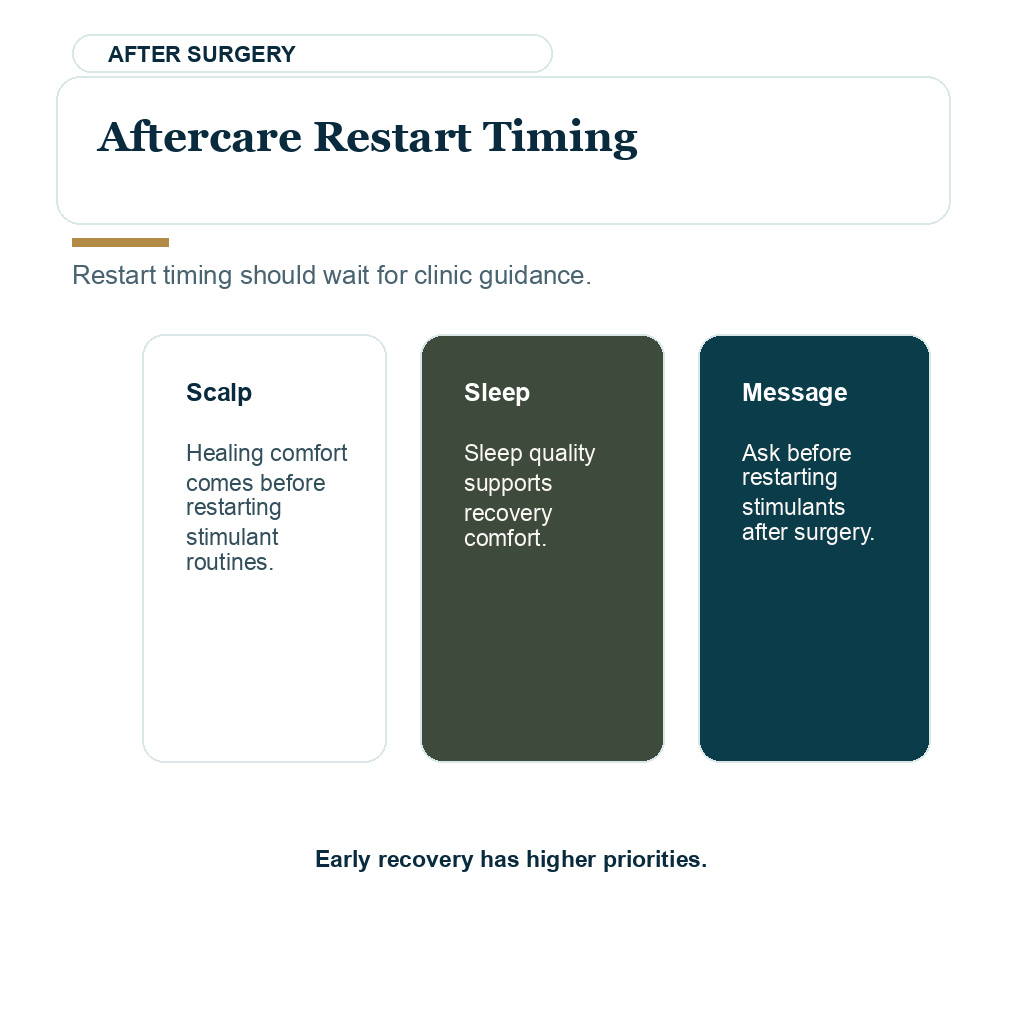
After FUE, the first priority is stable healing. Grafts need gentle handling, the scalp needs clean aftercare, and the medication, washing, and sleeping instructions need to stay clear. An energy drink after surgery is not usually a direct graft damage event, but it can still worsen sleep, anxiety, reflux, dehydration, or blood pressure.
The first days after surgery are not the time to test your tolerance. If you are tired, choose rest before stimulants. If you are thirsty, choose water. If you feel weak, ask for recovery advice. If your heart is racing, do not add more caffeine and wait in silence.

Early recovery is easier to manage when sleep, hydration, medicine instructions, and warning signs come before stimulant habits.
Other habits matter in the same recovery window. Vaping, nicotine, alcohol, poor sleep, and stimulant products often travel together in real life. If nicotine is part of the recovery window, vaping after FUE is the more relevant question. If you are planning to drink after the operation, alcohol after hair transplant surgery has its own stricter boundary before treating recovery as a normal weekend.
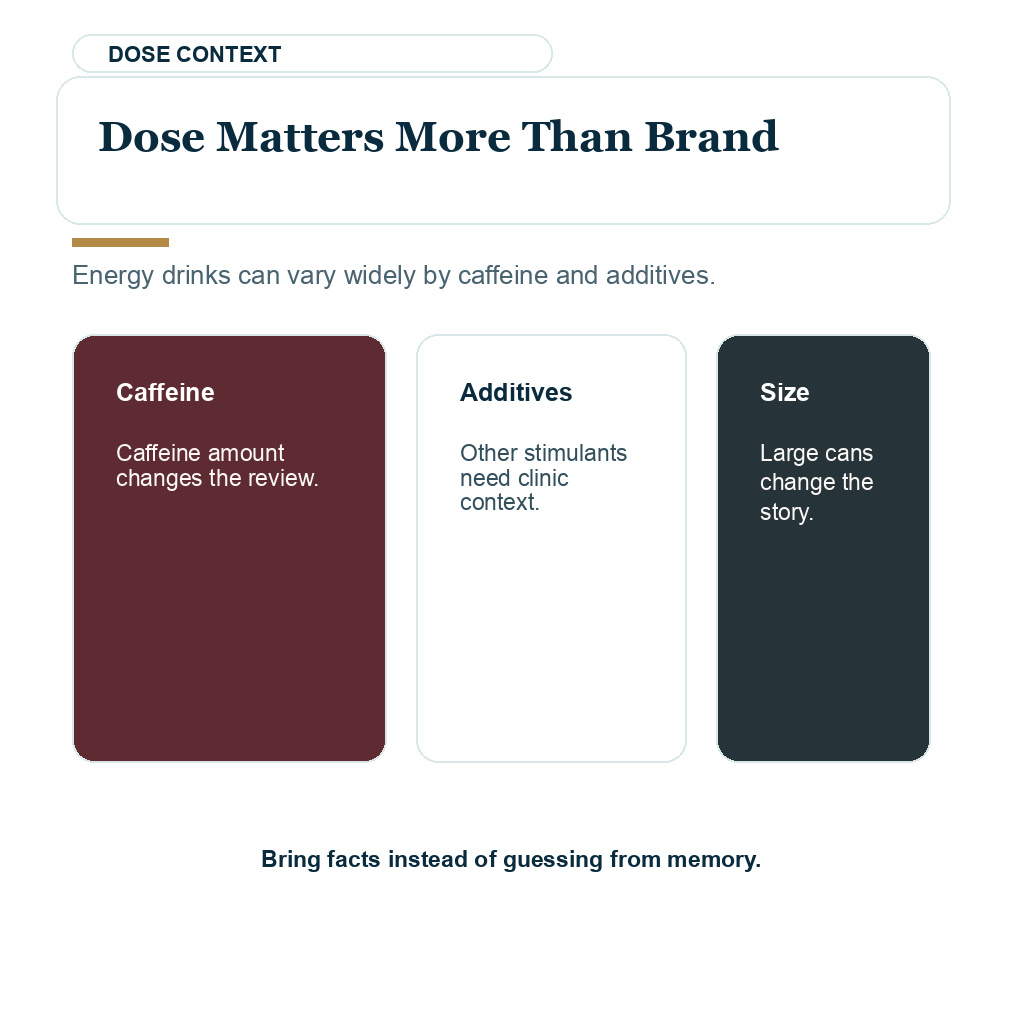
The 8 slides below help you check the details I want to know before I decide whether the day is still medically predictable. They cover how much stimulant was taken, when it was taken, whether it was used on the morning of surgery, palpitations or anxiety, sleep and hydration, other stimulant habits, restarting after FUE, and the message to send the clinic. Use the arrows to move through the slides.

What if I already had an energy drink?
If you had an energy drink before surgery, say it plainly. Include the time, amount, brand if you know it, and anything else you had with it. Chest discomfort, shaking, dizziness, nausea, severe anxiety, faintness, or a fast heartbeat should be mentioned immediately.
Clear information lets the medical team decide whether to monitor, wait, repeat measurements, adjust the schedule, contact your physician, or continue normally. The unsafe version is discovering the problem only after you become unwell during the procedure.
The same disclosure applies after surgery. If you drank an energy drink and then felt palpitations, nausea, high anxiety, or poor sleep, contact the clinic rather than searching for reassurance. The answer may simply be rest and hydration, but warning signs should not be guessed.
Stimulants should not lead the surgery day
If you have no heart or blood pressure history, the instruction is still conservative. Avoid arriving after a large energy drink, do not stack stimulants, and do not use caffeine to push through poor sleep or difficult travel. Follow the clinic plan for food, water, caffeine, and medication. If daily caffeine withdrawal gives you headaches, raise it before surgery instead of solving it privately with a large energy drink in the taxi.
With palpitations, high blood pressure, anxiety attacks, stimulant medication, heavy nicotine use, decongestant use, poor sleep, or previous fainting, I become more cautious. It is better to know the habit before surgery than respond to a problem on the day. If your normal routine depends on energy drinks, say that during consultation.
Caffeine itself is not the problem. Before surgery, tell the clinic exactly what you drink, avoid adding new stimulant habits, and do not use an energy drink to cover poor sleep or travel fatigue. Hair transplant results depend on diagnosis, donor planning, graft handling, placement, aftercare, and long term hair loss management. An energy drink is not the central graft survival factor, but it can still interfere with the medical conditions we want on surgery day.
Tell the clinic the brand, size, and usual number of cans. Saying “one energy drink” can hide a very different caffeine and stimulant load from patient to patient.
Bring the exact product question before travelling. The answer should consider your health history, medication list, sleep, blood pressure, travel timing, and the drink itself. A short review before surgery is much better than trying to solve a racing heart, nausea, or pressure spike in the clinic.

Read this review excerpt
Every single one of my questions was answered and they made sure I had all the details I needed to make an informed decision.