



Hair Transplant Quote Changes Should Come With a Clear Reason
A hair transplant quote can change before surgery, but the reason has to be clear before you sign consent or any grafts are removed. A change can be reasonable after direct examination if the donor area, treated area, graft range, repair complexity, hair type, or hairline design genuinely changes the surgical scope. The warning sign is a vague explanation, missing surgeon involvement, or pressure that makes the new price feel unavoidable because you have already travelled.
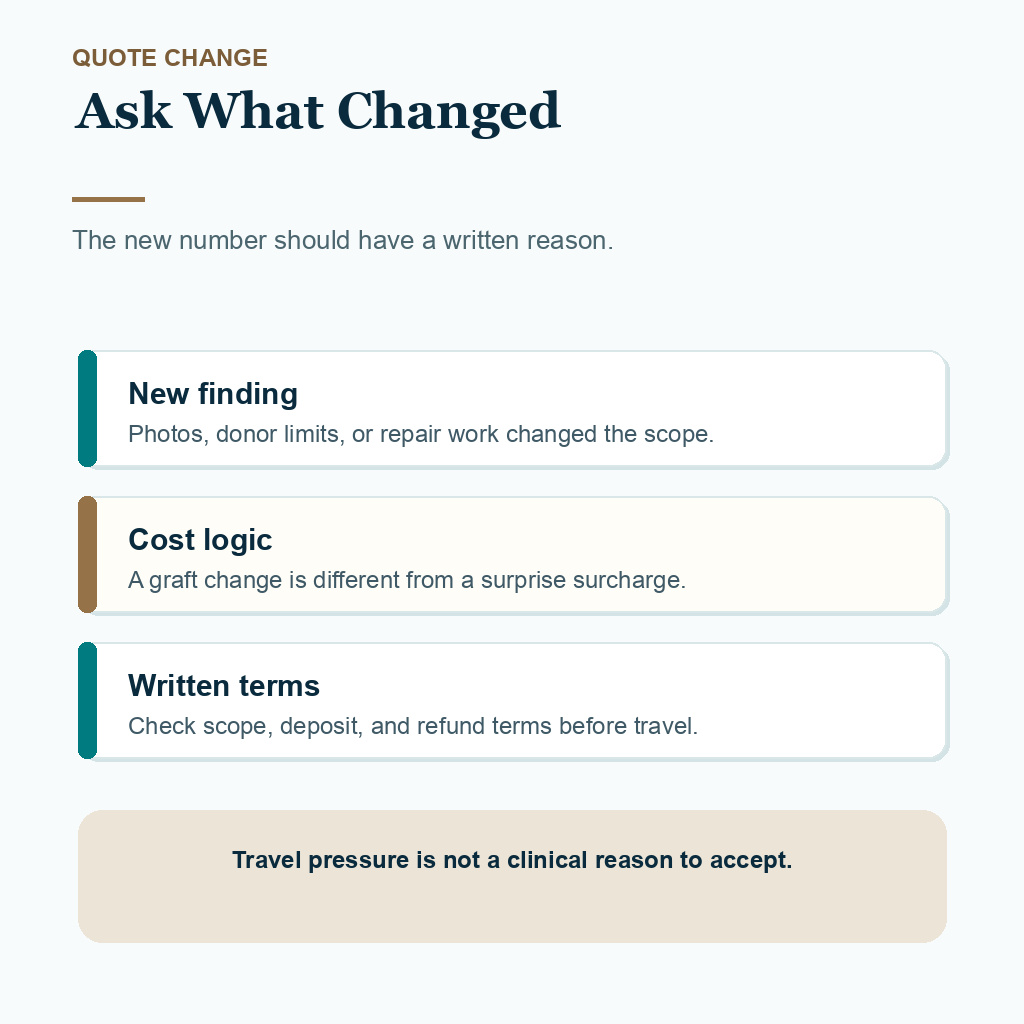
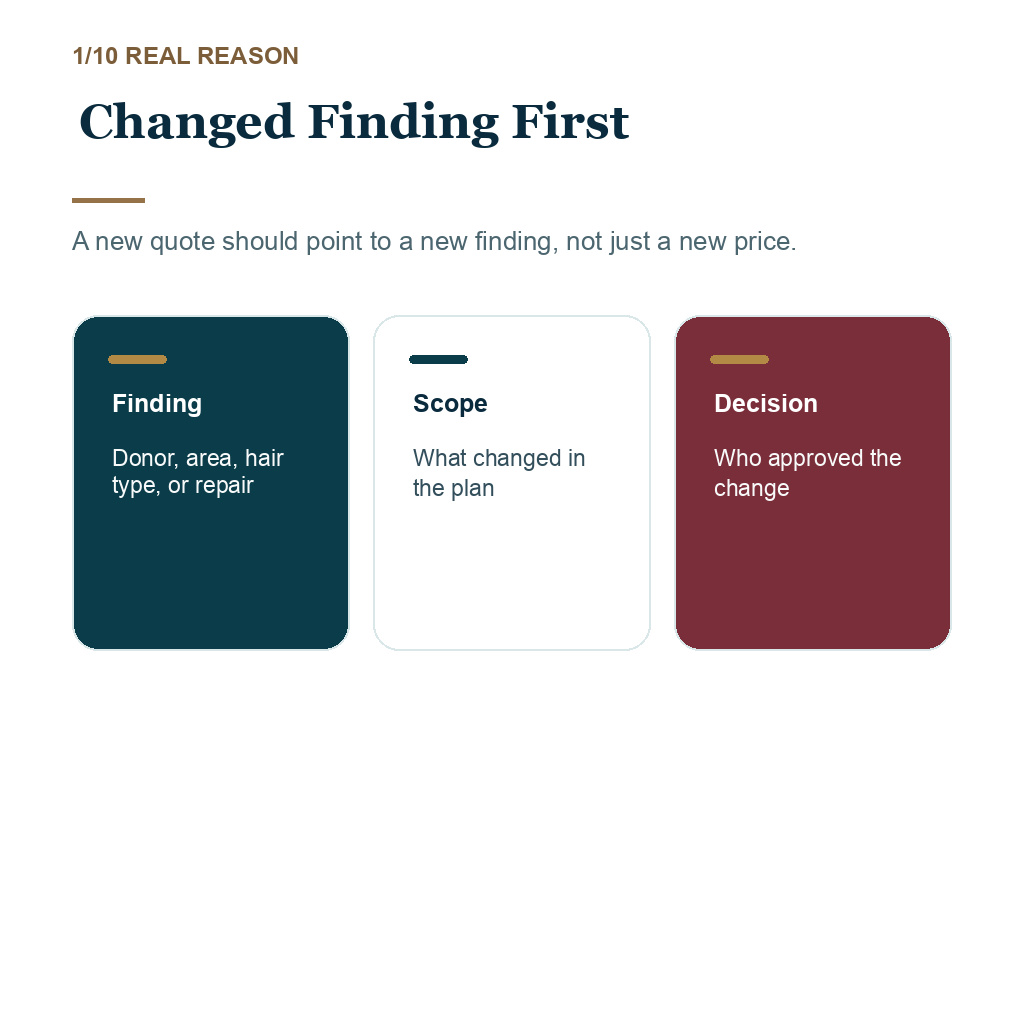
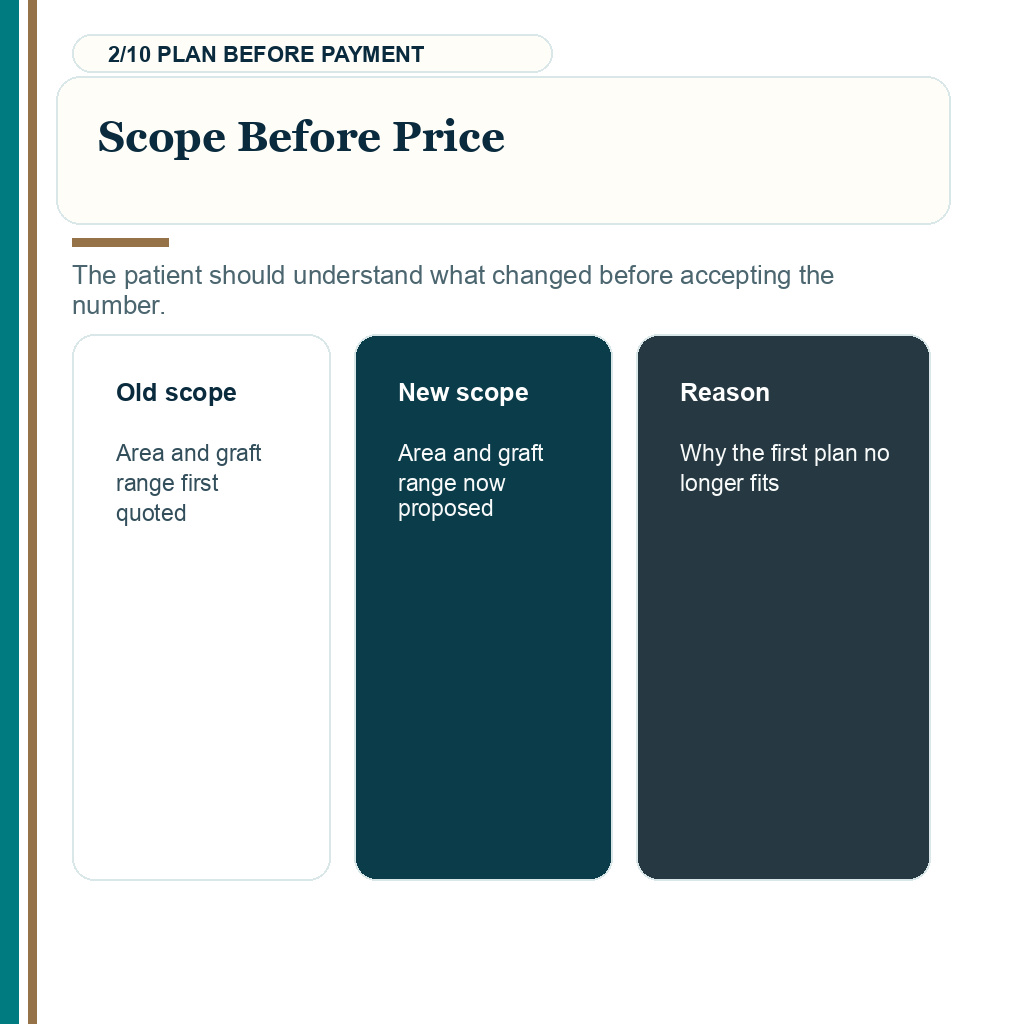
The quote needs evidence. A changed quote should name the finding that changed. It should also name the revised scope, who made the decision, and what happens if you do not accept it. If the new number is only a sales number, pause. If the surgeon explains the finding, the safer options, and the written terms, you can decide without pressure.
Before you travel, ask the clinic to write what would happen if the graft count, method, or treated area changes after examination. That written answer should cover consent, price, deposit, who reviews you if the plan changes, and whether you can pause without being pressured.
When a quote is issued in one currency and payment is requested in another, get the conversion basis in writing before travel. The updated document should name the quoted currency, accepted payment currency, conversion date or rate source, and any card or transfer fee. Compare the surgical scope in the original currency first. A currency conversion should not hide a change in graft count, package inclusions, or surgeon involvement.
This answer is easier to judge when the first record already separates what is provisional from what is settled. Before travel or a large payment, the written scope should show which findings can change the number, who explains that change, and whether a smaller, staged, delayed, or refused operation remains acceptable.
Do not let a new graft number arrive only as a total price without the changed area and reason. Get the changed area, the removed or added graft range, and whether saying no changes your deposit or surgery slot.
A changed quote should name a changed finding
A proper quote is not only a price. It is tied to donor capacity, recipient area, hairline position, expected graft range, surgical difficulty, and sometimes staged work. When one of those items changes after a direct examination, the quote may change with it.
That does not make every change acceptable. Ask for the finding in plain words, such as a weaker donor than photos suggested, a larger crown, repair scarring, or a request to do everything in one session when staging would be safer. The explanation should point back to the scalp and donor area, not only to the payment desk.
I separate the financial discussion from the medical scope. Price per graft in hair transplant can help patients understand how fees are framed, but the stronger question is whether the revised graft recommendation itself is medically defensible.
Why did the quote change?
A changed quote needs a clear reason, not only a higher or lower price. A patient who was quoted from photos may arrive with different donor density, different hair shaft caliber, stronger miniaturization, scalp laxity issues, a wider crown, or an old transplant repair problem that was not visible before.
Those findings can affect time, graft handling, risk, and the safe number of grafts. A clinic should explain them in plain language. If the finding is real, the patient can repeat it back in ordinary words. The donor is less dense than expected, the crown needs a different priority, the hairline was designed too low, or the repair case takes more time.
I slow down when the patient only hears, ‘It costs more now.’ That sentence does not protect the donor area or the patient. The reason must come before the revised price feels acceptable.
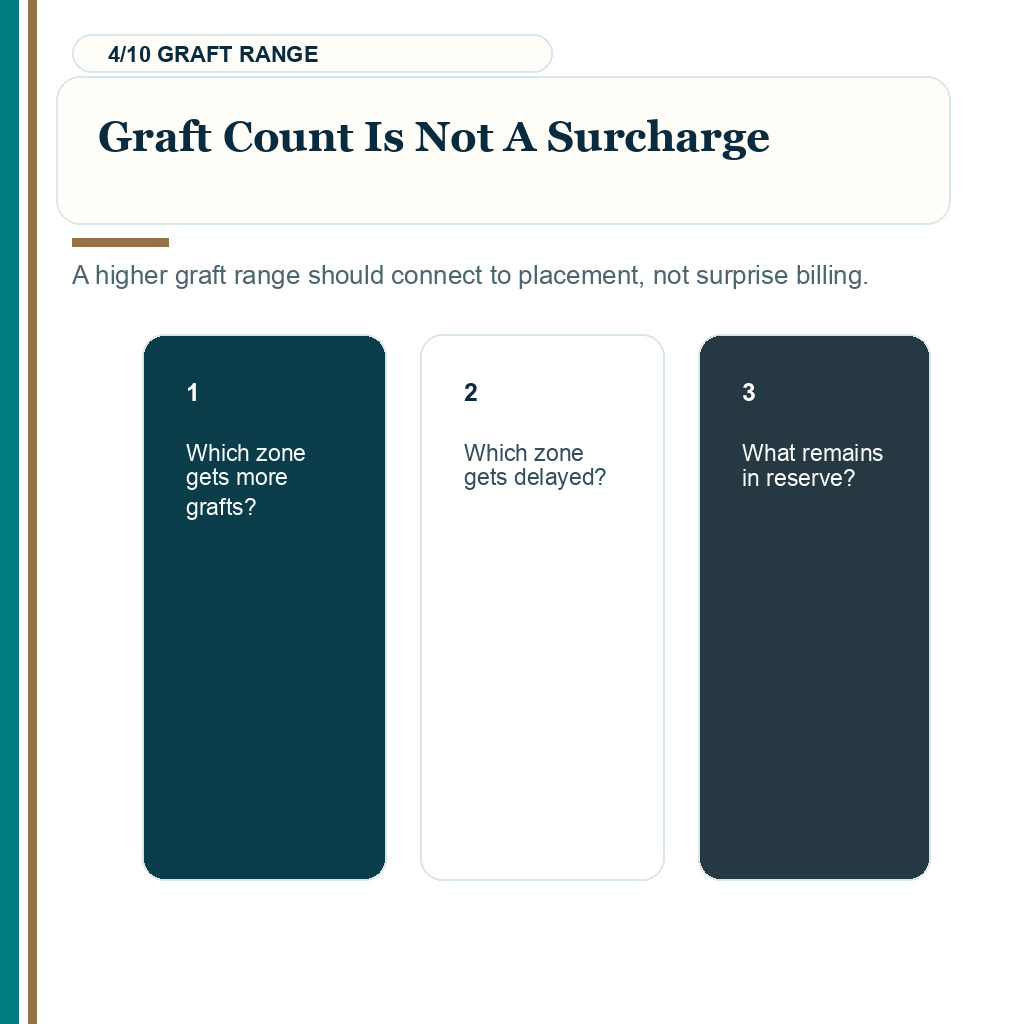
A graft count change is different from a surprise surcharge
Sometimes the quote changes because the graft count changes. That alone is not what worries me. A lower number may protect the donor area, and a higher number may be reasonable if the treated area truly became larger. But graft number changes on surgery day still need an explanation before the patient accepts the new scope.
A changed graft count can be sensible when the surgeon is protecting the donor area, correcting an unrealistic hairline, or refusing to chase density that the donor cannot support. It can also work in the patient’s favor if the original plan was too aggressive or too thin in the wrong area.
A surprise surcharge is different. If the graft plan is the same but the price changes without a medical or logistical explanation, slow the decision down. Ask what changed in the written scope, what is included, who made the recommendation, and whether the higher price reflects a real clinical change or only package language. Same graft count, same treated area, and same surgical responsibility should not be presented as a medical revision.
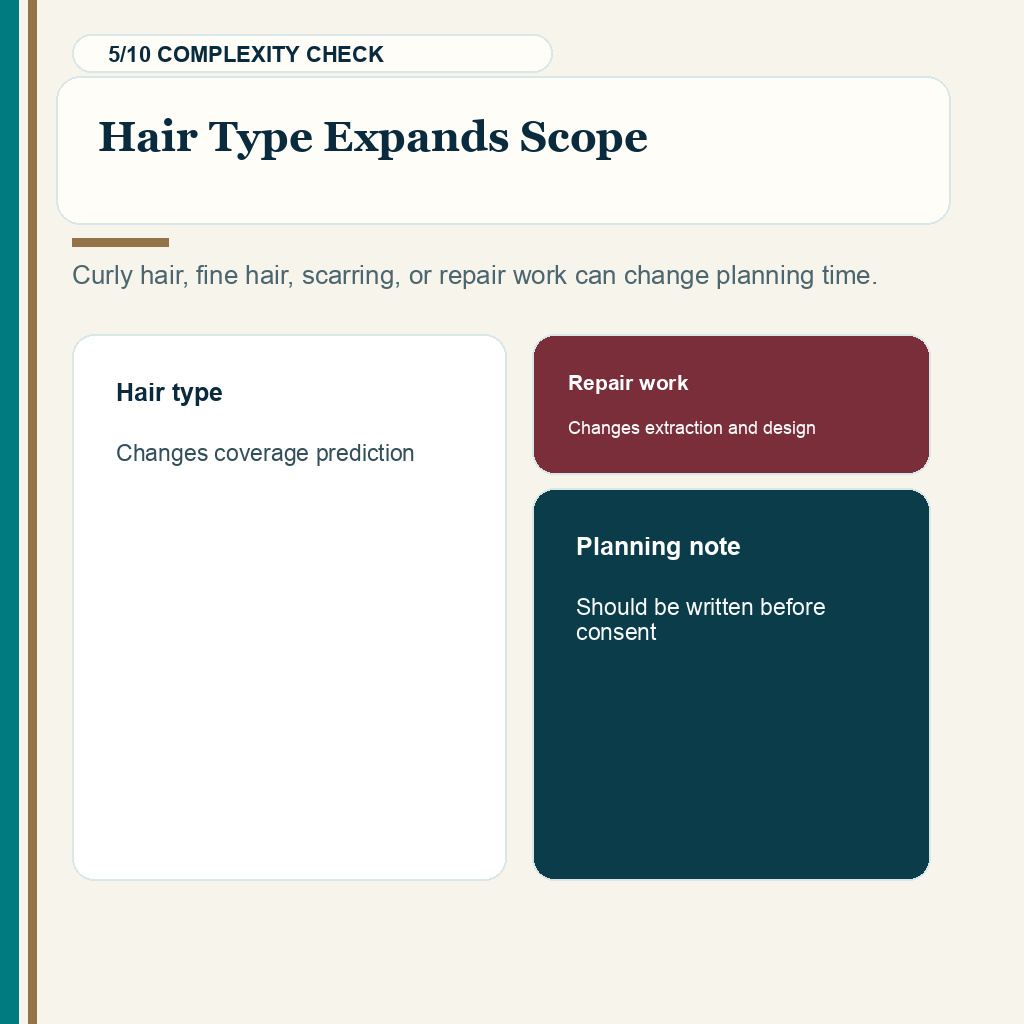
Hair type and repair work can change the scope
Photos can hide difficulty. Curly hair, very fine hair, scalp contrast, a slick bald crown, scarring from old work, or previous graft placement can change the time and strategy needed for a safe result. For that reason, I do not promise exact graft numbers from remote photos alone.
Different surgeons may count the same case differently because they may place the hairline at another height, choose another density target, respect a tighter donor limit, or stage the case differently. Hair transplant graft numbers can differ for those reasons, but the reason should be visible in the written surgical scope. When a revised quote follows a lower front line, the number has to be read with the low straight hairline planning limits, not only with the new total price.
But hair type should not become a vague excuse. If hair texture, graft angle, repair scarring, or extraction difficulty changes the quote, the surgeon should explain how that changes the work. A patient deserves a clinical reason, not a mystery category. If a clinic prices certain textures differently, that rule should appear in the original written quote after the clinic has reviewed the hair. It should not first appear after travel or on the night before surgery.
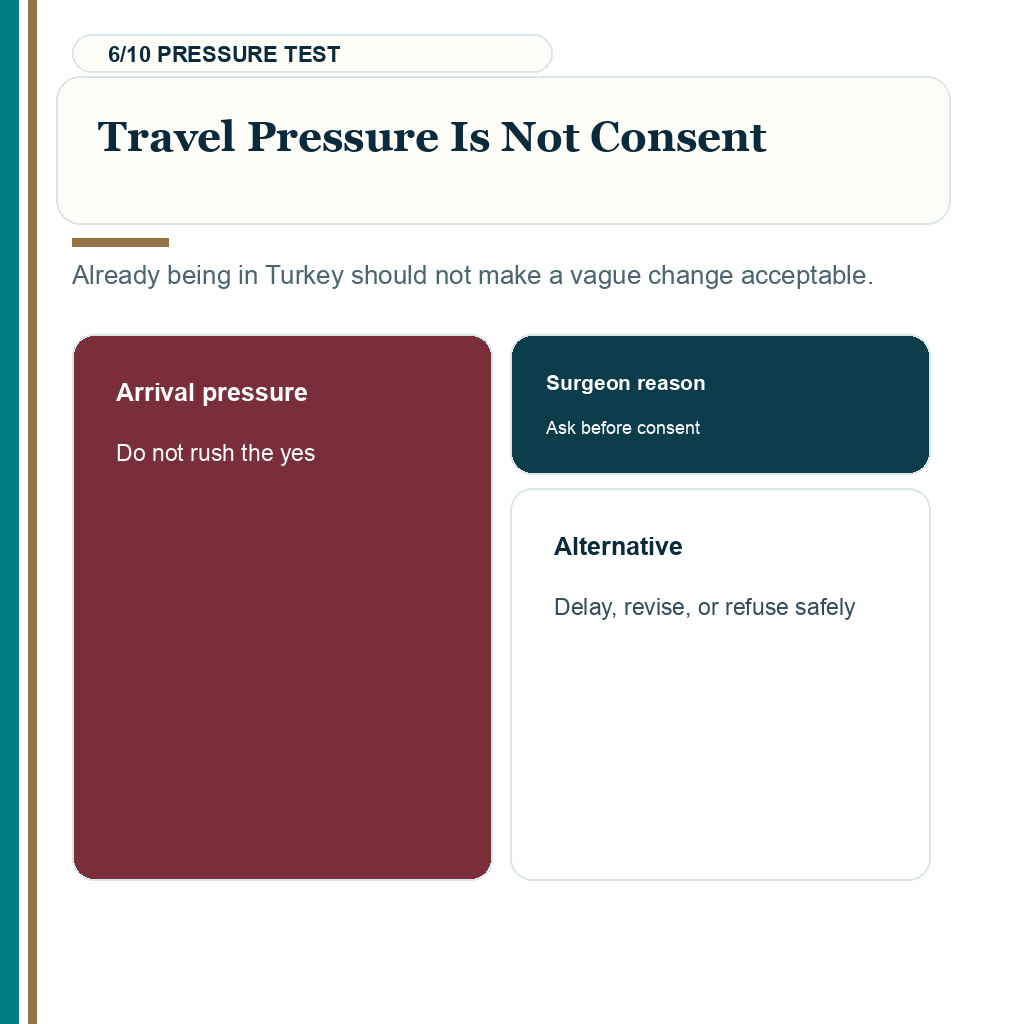
Travel pressure is not the reason to accept
The most dangerous moment is when a patient has already flown in, paid for a hotel, arranged time off work, and is sitting in the clinic. At that moment, the patient may feel that refusing the new plan means losing the whole trip. That pressure can make a poor decision feel unavoidable.
That pressure deserves attention. A clinic can still revise a plan responsibly, but it should not use the patient’s travel investment as leverage. The warning signs in hair transplant booking pressure apply even more strongly when the patient is already in the building.
If the new quote is large, rushed, or poorly explained, take time. Get the revised plan in writing. The person making the medical decision should be named. The clinic should also state what happens if you choose the smaller plan, postpone, or leave without surgery. A safe clinic should be able to tolerate that pause before any graft is removed.
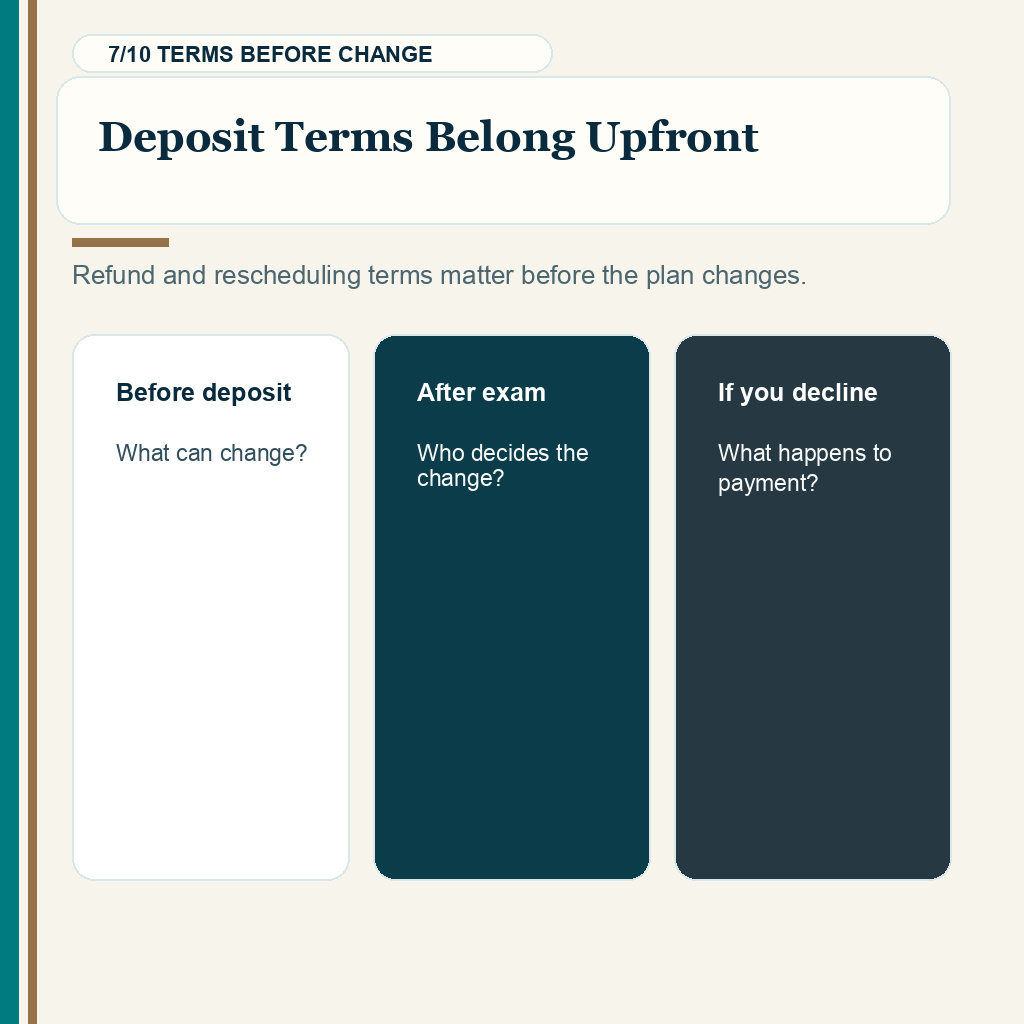
Deposits and refund terms matter before the change happens
Before flights or deposits, the booking terms should state what the quote includes, which examination findings could legitimately change it, and how deposit, refund, or rescheduling terms work if the surgeon recommends a different plan.
Treat the quote date and the surgery date as separate records. The written terms should state how long the quote remains valid and which parts need reconfirmation if it expires or the procedure date changes. The updated confirmation should cover the price, currency, included services, planned areas, named surgeon, and current payment, cancellation, or rescheduling terms. An expiry date should identify what needs updating without pressuring you into paying early.
The pages on hair transplant deposits before booking and refund and rescheduling terms in Turkey are relevant because a quote dispute is much harder after the patient feels locked in.
This is practical consent advice, not legal advice. If the clinic’s terms are unclear before surgery, a surprise change is difficult to evaluate. A patient who understands the written scope can separate a medical revision from a financial surprise and can decide whether to accept, reduce the plan, reschedule, or walk away before extraction.
Ask for the written scope before grafts are removed
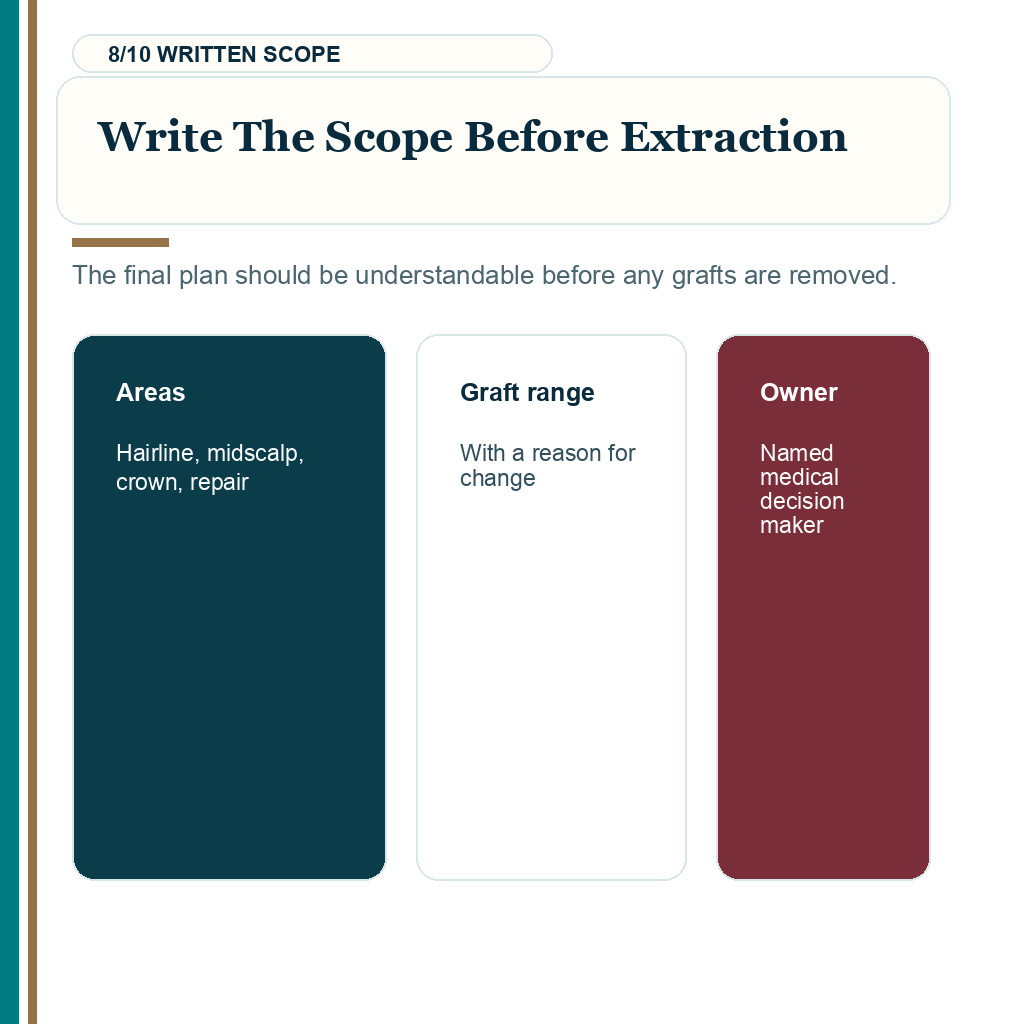
Before surgery begins, the revised graft range, hairline goal, donor plan, treated areas, staged versus one session logic, included services, and medical responsibility should be clear in writing. If the written plan has not changed but the price has, that is a billing question, not a surgical explanation.
The surgeon’s role matters here because surgeon involvement in hair transplant connects the price change to medical responsibility, not sales staff. A price change that comes without surgeon involvement is a weak foundation for consent.
Consent should happen before extraction, not during emotional pressure. Once grafts are removed, the patient has fewer practical choices. The revised plan must be understood before the first surgical step.

Read this review excerpt
He walked me through all the information extremely diligently, ensuring that I both understood and felt safe with the upcoming procedure.

Read this review excerpt
He asked questions about what I expect from the procedure instead of just doing what he thought was right.
Quote change decision checks
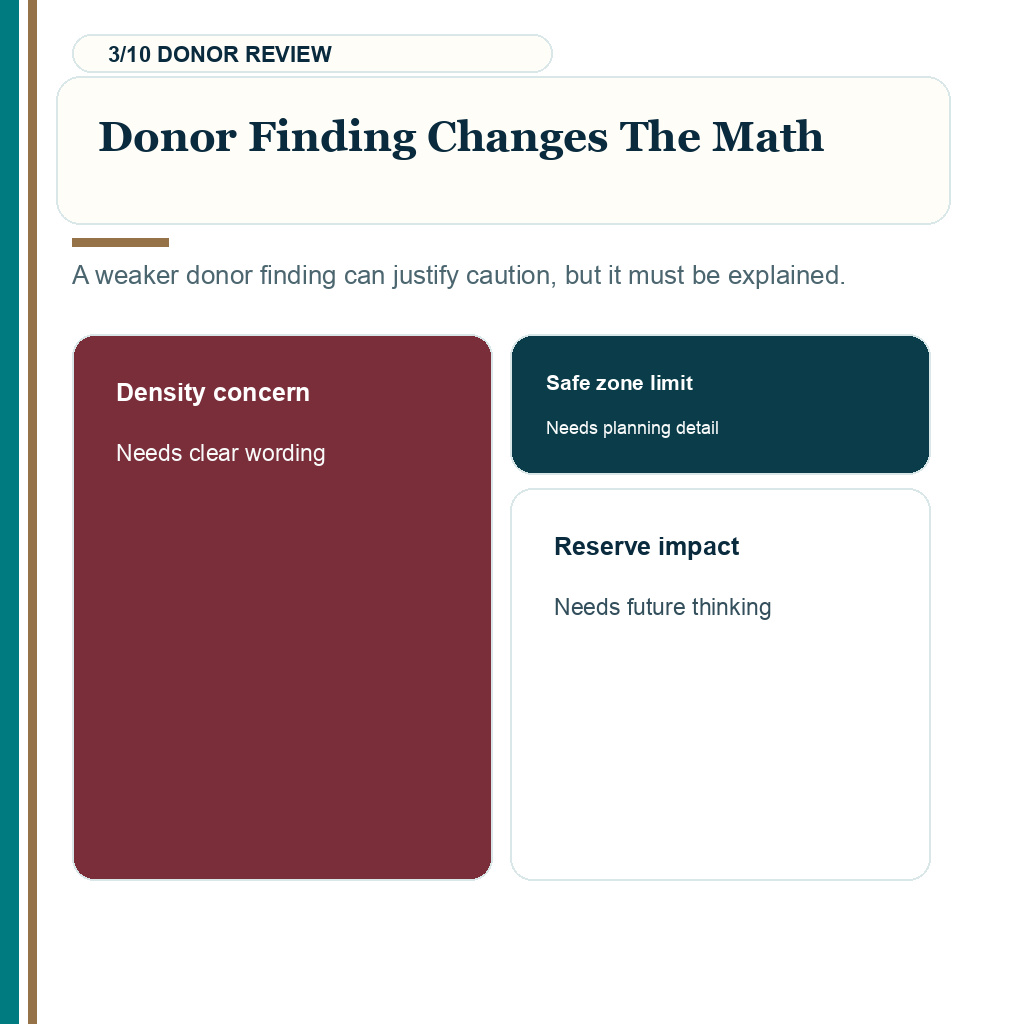
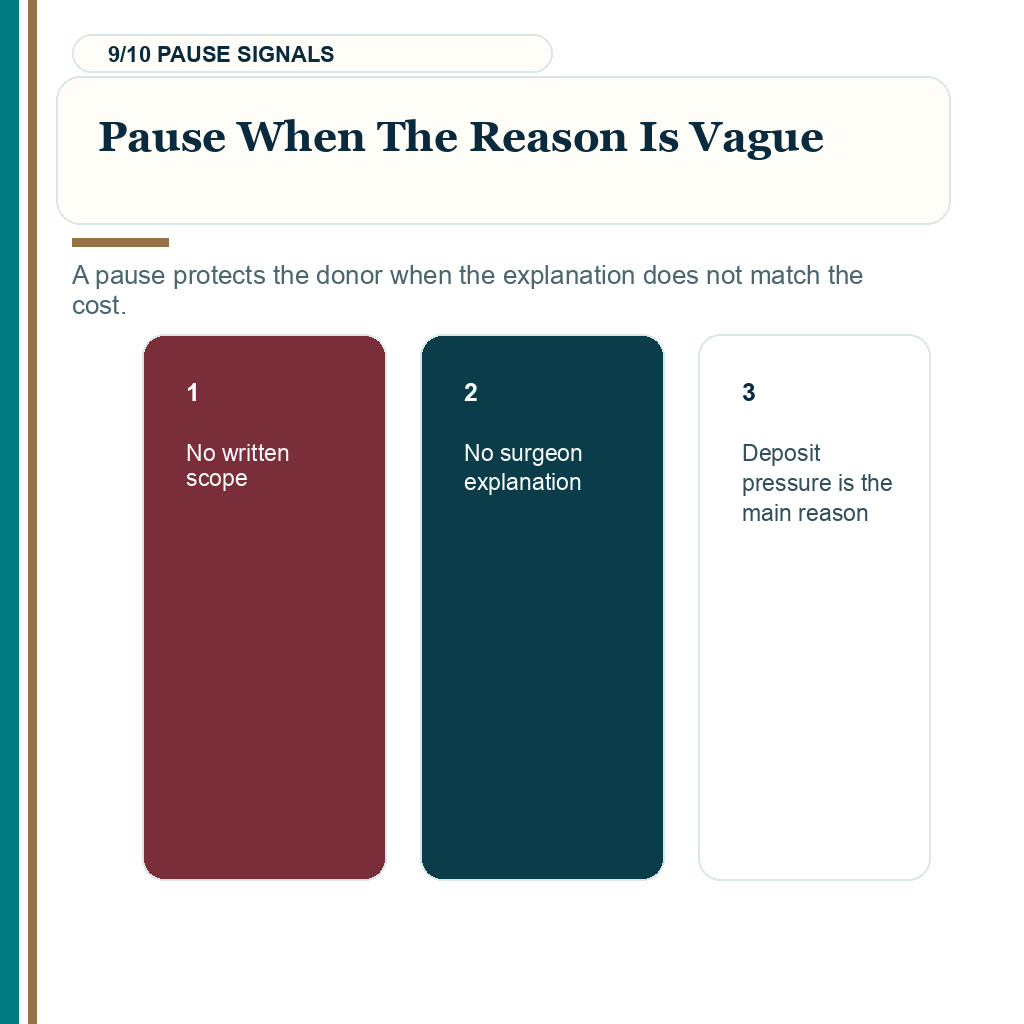
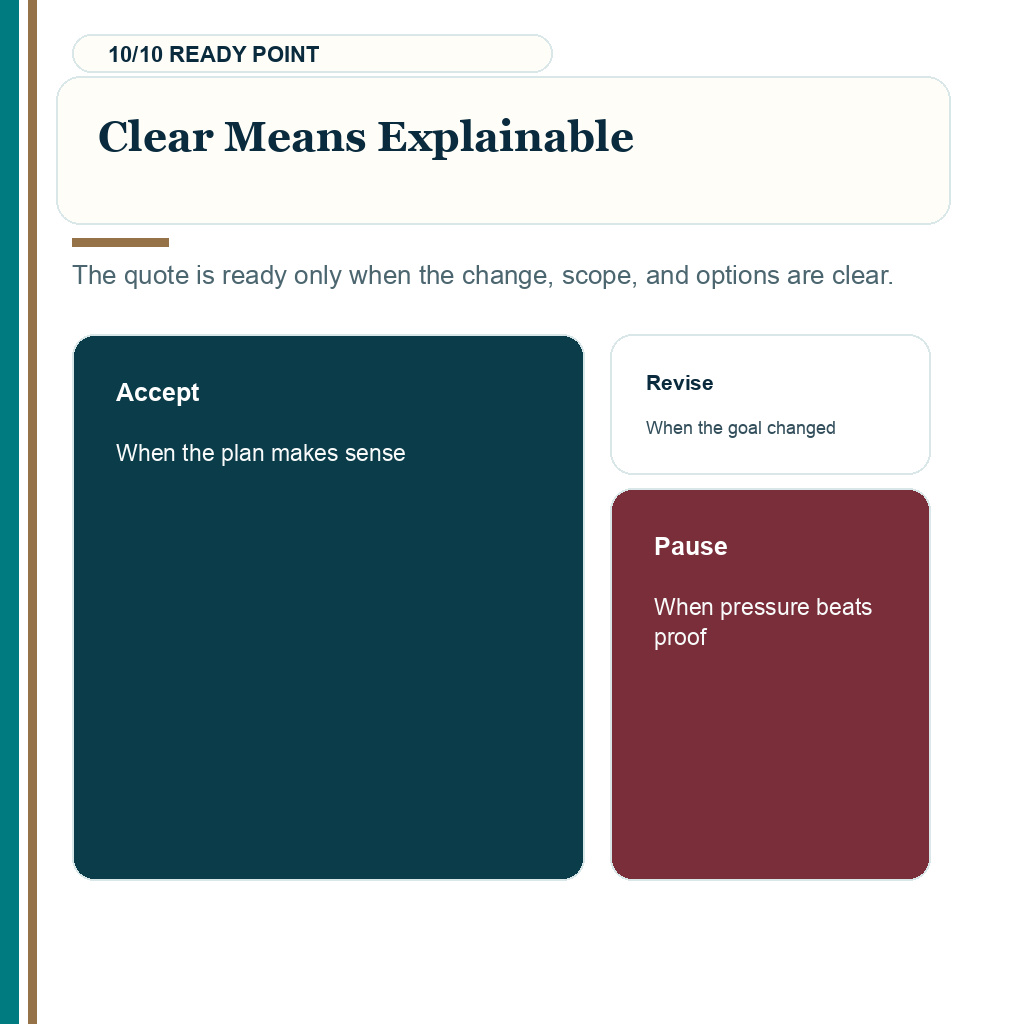
These 10 quote change slides separate changed findings, revised scope, donor reserve, graft range, hair type or repair complexity, travel pressure, deposit terms, written scope, pause signals, and the point where the new quote is clear enough to decide. Swipe sideways, use the arrows one slide at a time, or choose a number below the image.
Quote change evidence router
Which quote change needs a written reason first?
A changed quote should lead to a clearer plan, not a faster yes. Choose the reason for the change and check what should be written before you accept it.
Treated area changed
Treated area review If the hairline, midscalp, crown, or repair area changed from the first plan, the graft range may also change. The revised quote should name the new target and explain why the old target no longer fits.
Before accepting it The clinic should explain how the graft number was recalculated and where each graft group will be used. A higher price should not appear without the treated area being written down.
Donor finding changed
Donor finding review New donor photos or direct donor examination may show weaker density, scarring, miniaturization, or a smaller safe donor area than expected. That finding can make a careful clinic lower, stage, or redesign the plan instead of simply raising the graft number.
The written reason matters Ask for the donor finding and remaining donor reserve in writing. A higher graft quote after weaker donor evidence needs a very clear medical explanation.
Method wording changed
Method and package wording Changes in technique labels, included services, sedation wording, aftercare, hotel, or transfer details may affect service terms more than surgical planning. The clinical question is what changed medically and what is only an inclusion change.
Where I would pause Technique words should not justify a price change by themselves. The medical finding has to be separate from package language.
Pressure changed
Timing and payment pressure A change near a deposit deadline, discount expiry, flight date, or surgery slot is a timing signal, not a clinical reason by itself. Timing pressure does not make a surgical plan safer.
Before sending more money Ask for the written scope, refund terms, and reason for the change. The clinic should give that answer before asking the patient to accept the revised quote.
When should a changed quote pause surgery?
Surgery should pause if the new quote is presented as urgent, if the surgeon cannot explain the medical reason, if the treated area or graft number changes but no written plan is shown, or if the patient is told that the higher price must be accepted immediately because the team is already prepared. The same pause applies if nobody can explain what happens when you decline the revised scope.
Another pause point is a graft number that pushes beyond the donor area’s safe capacity. A higher graft count does not become better just because it is higher. The donor area must still serve the patient years later, not only on the day of surgery.
A second opinion can be useful when the patient feels unsure, but the question should be specific. Getting a second opinion before hair transplant works better when it includes the original quote, revised quote, photos, and the clinic’s written reason.
Details to send for a second opinion
Send the original written quote, the revised quote, photos from the front, sides, crown, and donor area, the proposed graft number, the hairline design if available, and the reason the clinic gave for the change. If the clinic mentioned hair type, scarring, donor weakness, repair complexity, or extra areas, include those exact words.
Also send the payment and inclusion details without private card or passport information. For payment clarity, paying for hair transplant in Turkey is useful when the patient needs to separate medical scope, included services, payment route, and refund terms before travel.
The second opinion should test whether the revised surgical scope makes sense for the donor area and long-term plan. Medical judgment, not emotion, should guide the decision.
A quote change should explain the surgical reason
A changed quote is acceptable only when the changed scope is understandable. The patient needs to know what finding changed, who made the judgment, what the new plan includes, and what happens if the patient does not accept it. A smaller plan, a staged plan, rescheduling, or walking away before extraction are all different decisions, and the clinic should not blur them into one rushed yes.
The decision should not feel like a choice between losing the trip and accepting a plan that is still unclear. The safer decision is the one the patient can explain before consent. If that explanation is missing, stop at clarification before payment, shaving, anesthesia, or extraction.

Read this review excerpt
He was very thorough in every little detail and I never felt pressure to do anything I wasn’t sure of.

Read this review excerpt
We tried different options for about an hour and a half until we had both agreed a surgery plan we were happy with. Dr. Mehmet was very knowledgeable but also very direct and honest with facts, and what was feasible and what was not.