



Paying Safely for Hair Transplant Surgery in Turkey
Before you travel for a hair transplant in Turkey, the payment method needs to be understandable, but the medical plan must be clear first. Some clinics ask for a deposit or advance payment. Diamond Hair Clinic does not require a deposit or advance payment to reserve a surgery day on Dr. Mehmet Demircioglu’s schedule. After the plan is accepted, purchased flight ticket details are enough for us to reserve the surgery date.
Cash, card, transfer fees, currency, and the payment route can all matter when you compare clinics. A clear payment process does not prove that the surgical plan is safe or properly reviewed. Payment can feel smooth, but it still needs a clear clinic identity, written scope, receipt trail, and a plan for adjusting the proposal after the examination at the clinic.
Before any money is sent to a clinic that requires payment before travel, the clinic should explain the medical plan, refund terms, and what can change after donor review. That means who reviews your donor area, who designs the hairline, who makes surgical decisions, how many grafts are realistic, what is included in the package, and what happens if the plan changes after examining you in person. If the payment answer is clear but the surgical answer is vague, the concern is medical, not financial. If another clinic asks for money before travel, its refund or rescheduling policy should be clear before payment, including cases where refunds are not offered.
Payment discussion before booking
Money should follow a proper medical review, not pull the patient into surgery before the plan is clear. A clinic can explain its fee structure early, but any request for a deposit should make sense only after your photos, age, hair loss pattern, donor area, medication history, and expectations have been assessed. If the clinic is selling a package before it has judged whether the surgery is appropriate, use the guidance on when to slow the process down before you send money.
In a potential surgical plan, the financial part should support the medical decision. The price should match what is being planned. Someone who needs conservative frontal work, someone with advanced hair loss, and someone who may need more than one session should not be pushed through the same sales rhythm. The broader hair transplant cost in Turkey discussion matters, but the payment conversation must still be attached to the individual case.
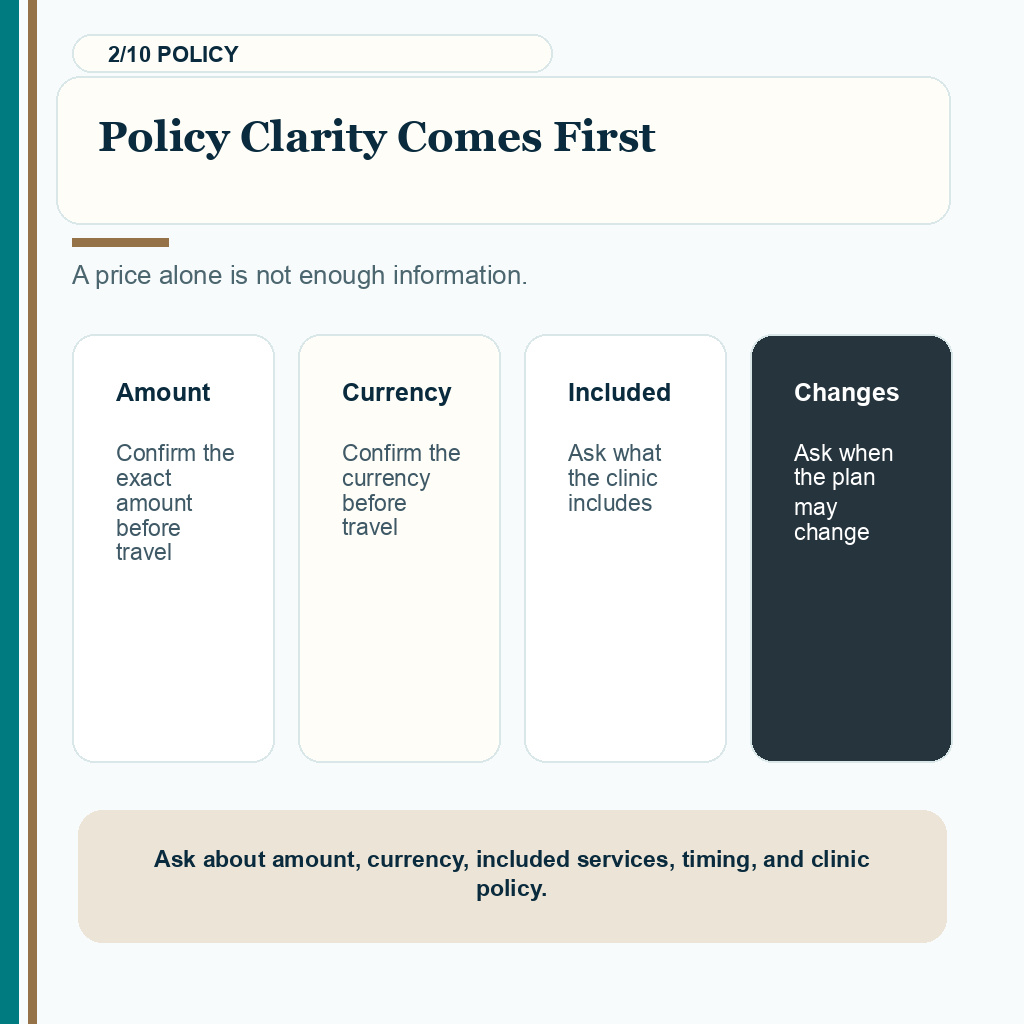
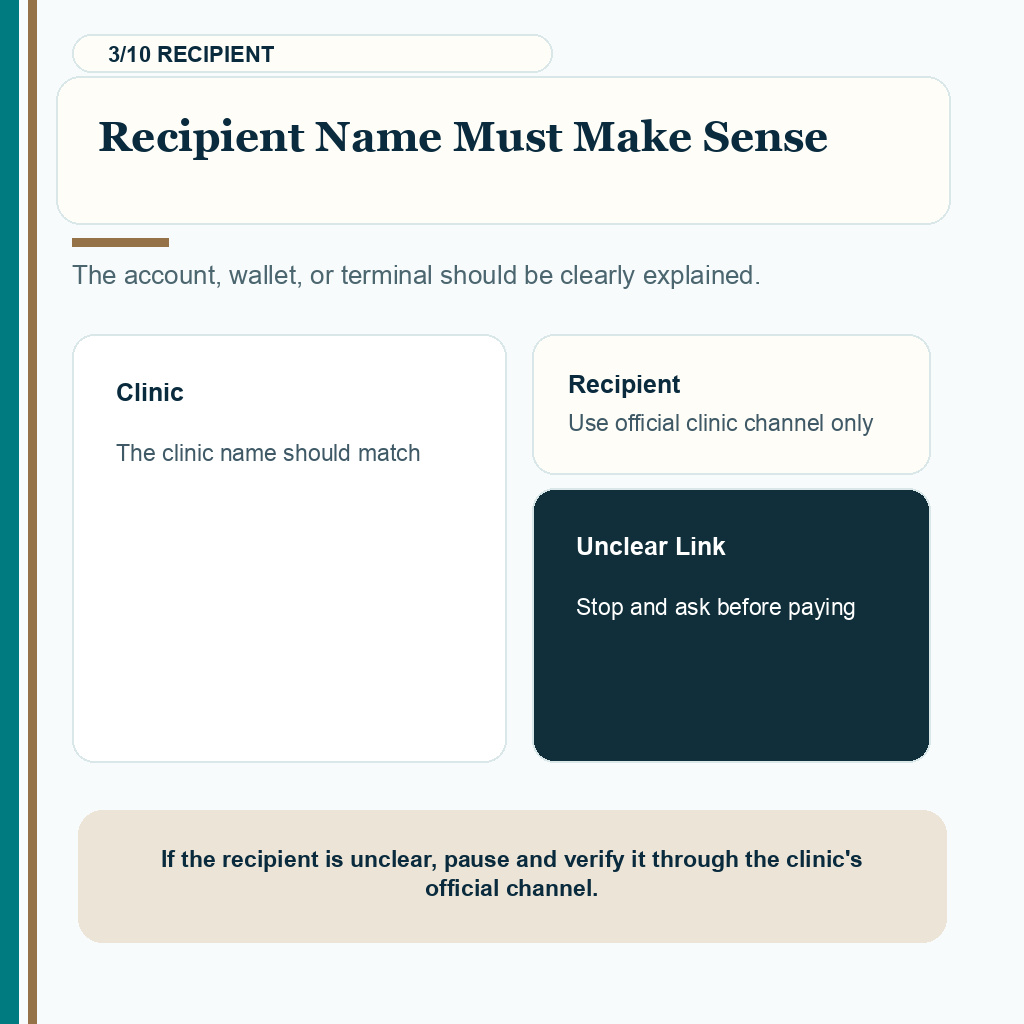
The amount, currency, payment schedule, deposit amount, accepted methods, possible card or transfer fees, included services, and refund position should be written clearly before money is sent. The recipient name matters too. A bank account, payment link, or card terminal under a different company or individual name should be explained before you pay.
Keep the payment record tied to the treatment record. If the amount, currency, recipient name, or planned scope changes, the written clinic answer should change before you travel. Payment clarity is strongest when it follows the medical plan instead of pulling the patient toward a plan that is still vague.
The transfer payment route needs the same clarity. When airport, hotel, or clinic transfers are included, the written plan should explain whether the driver, hotel, or coordinator may request cash, what receipt or message proves the transfer is covered, and the contact point if the pickup point or payment request does not match the written plan.
Cash payment can still need caution
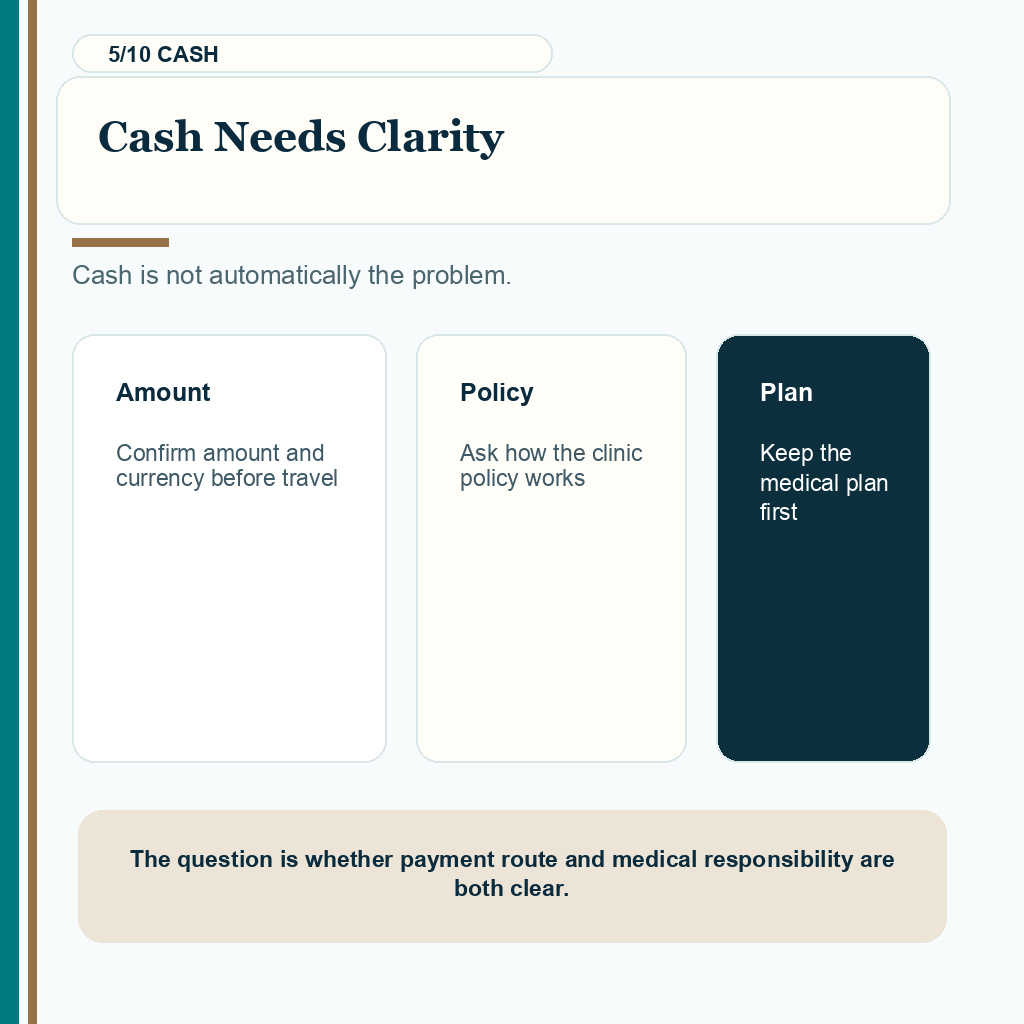
Cash payment is not a red flag by itself. It is common in many hair transplant clinics in Turkey because international cards can be blocked, transfers can arrive late, and currency conversion fees can surprise patients. Other clinics may also use card or bank transfer legitimately. The warning sign is not cash. The warning sign is a payment conversation that becomes vague or pressured while the medical plan remains unclear.

Basic clarity still matters when payment is cash. In my own clinic, no deposit is required before travel. Once the plan is accepted, purchased flight ticket details reserve the surgery date, and cash payment is handled in person at the clinic. The amount, currency, payment route, payment recipient, and medical plan should already be clear before travel. Refund policy at another clinic belongs in writing before booking if it affects your decision. Do not assume another clinic’s payment policy matches your expectation. Payment planning should sit beside travel insurance for hair transplant abroad, especially if flight changes, emergency treatment, or extra hotel nights would be difficult to absorb.
Payment should be documented before travel. A clear receipt, currency, due date, and refund rule matter more than a casual message saying the balance can be handled at the clinic.
Many people focus so strongly on whether cash is normal in Turkey that they miss the stronger concern. What exactly are you paying for? A low graft price means little if surgeon involvement in hair transplant surgery is unclear.
Cryptocurrency payment should not choose the clinic
A patient may prefer cryptocurrency payment because converting funds before travelling is inconvenient. The payment method can be convenient, but it must not decide the clinic. I would first check the medical plan, surgeon responsibility, donor area review, realistic graft range, clear payment policy, and the identity of the person or company receiving payment.
With cryptocurrency, my concern is practical control. If the wallet address is wrong, the amount moves while messages go back and forth, or the whole balance is requested before the plan is medically clear, the payment route has started to lead the decision. A clinic may accept crypto only as a convenience. I would still check the recipient identity, wallet address, amount, and medical plan through an official clinic channel before any transfer.
Deposit details to clarify
A deposit should reserve a medically suitable plan, not force you into a procedure you have not understood. Before sending it, confirm the clinic has reviewed your case properly, the expected graft range is realistic, the surgeon or doctor responsibility is clear, and the cancellation or postponement policy is stated in plain language.
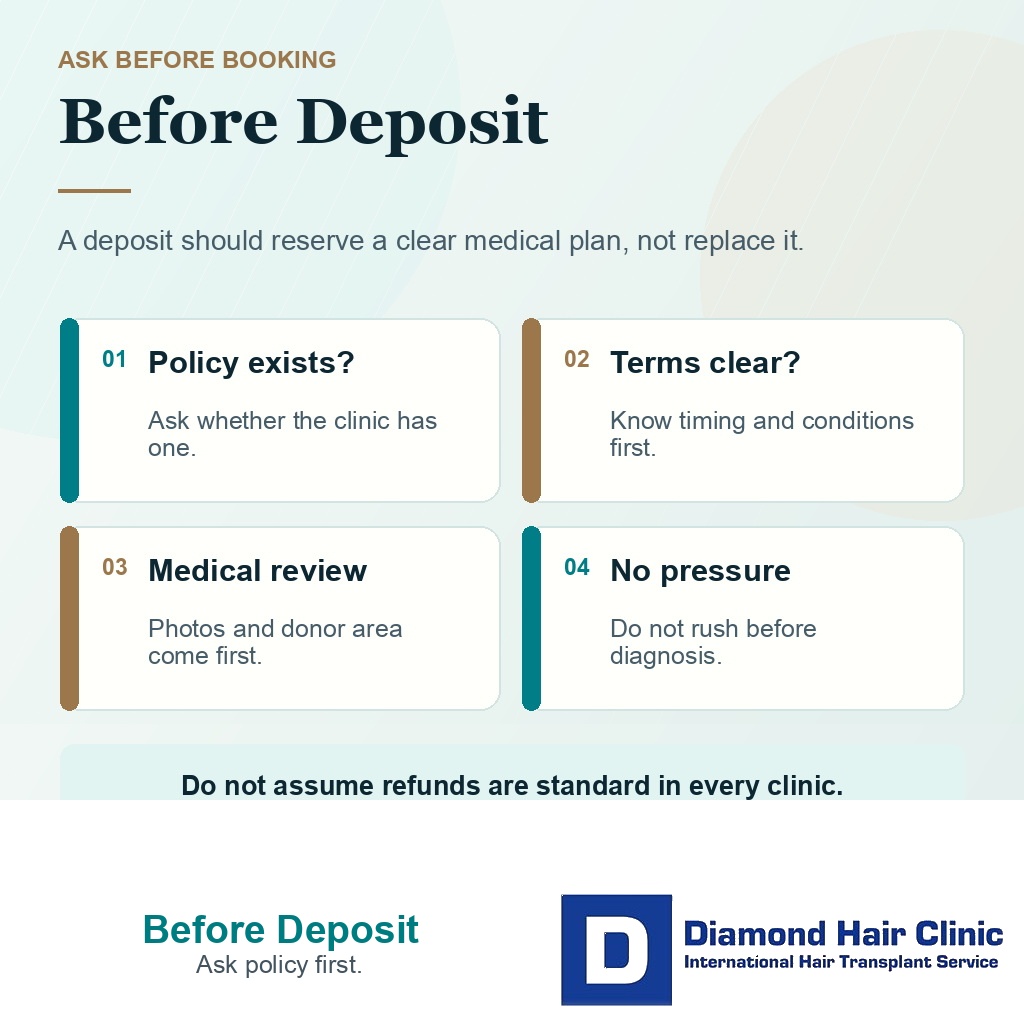
Before sending a deposit, the refund policy should exist in writing or be treated as absent. If it exists, the terms and conditions matter. If it does not, do not assume that a refund is standard just because the treatment has not happened yet. The same written terms should explain what happens if the clinic decides after examining you in person that surgery should be changed, reduced, delayed, or refused.
If a refund is approved, keep the written amount, the payment route it will return through, the expected processing window, and a reference number. An approval message is not proof that the money has been sent. Keep the approval and final payment record together until the funds arrive.
That distinction matters. A patient cancellation, a clinic date change, a surgeon availability problem, and a medical decision to reduce or refuse surgery are not the same situation. A careful medical team may need to change the plan when the donor area, scalp condition, blood pressure, medication, or hair loss pattern is reviewed directly.
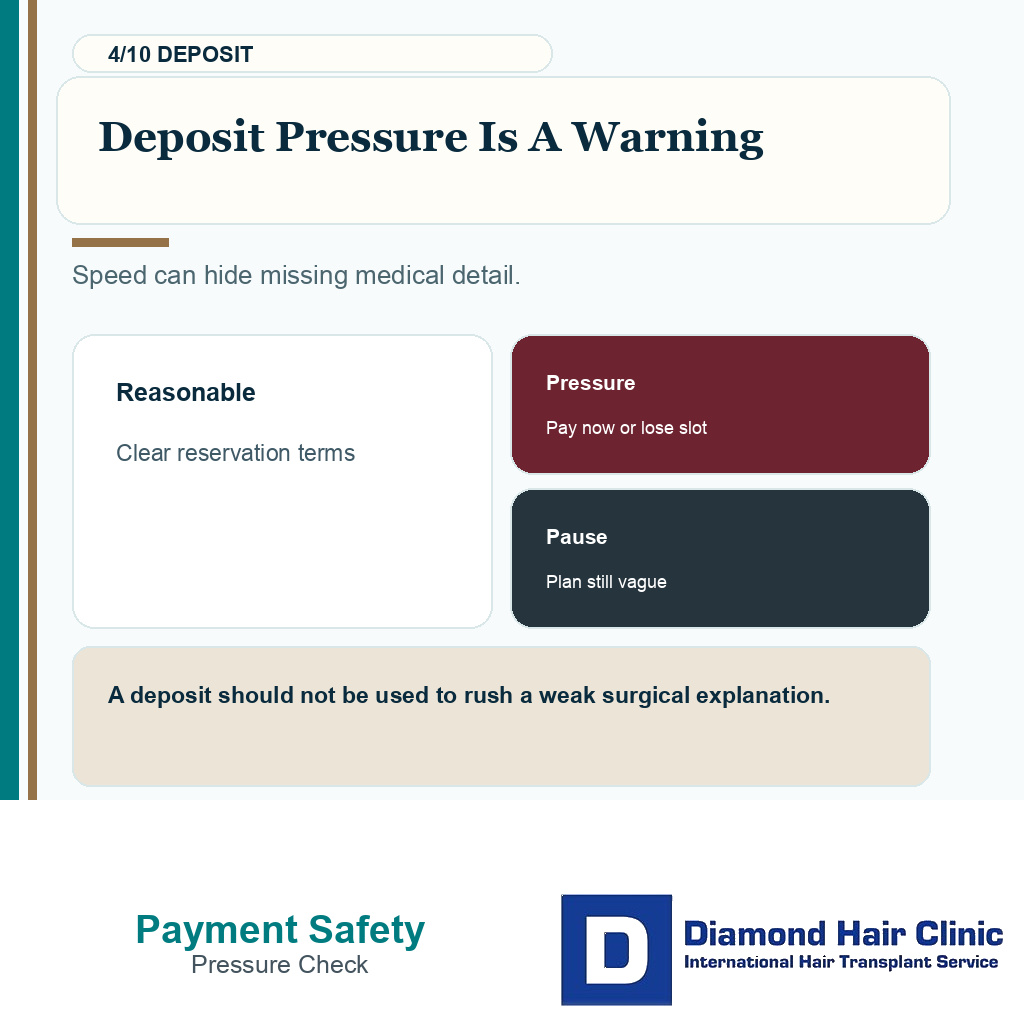
Be careful when the deposit is tied to a countdown, a discount, or a limited slot before the medical discussion is complete. Hair transplant booking pressure is risky because it makes you afraid to lose the date before you have understood the surgery. You can send money much faster than you can repair a poor result.
Fees, exchange rates, and the real cost
The real cost is not only the clinic price. Card fees, foreign transaction fees, bank transfer charges, exchange rate differences, hotel nights, flight changes, medication, and time away from work can all change the final number. A payment method that looks convenient may become expensive if the exchange rate is poor or if the card fee is added late.
If you use credit or a monthly payment plan, compare the total you will repay, every fee, the interest terms, and what happens if surgery is cancelled or postponed. A smaller monthly figure can hide a much larger total. Keep the financing decision separate from the medical plan, so credit approval does not become a reason to accept a graft number or operation you would otherwise question.
Hair transplantation is elective, so paying for it should not take money away from everyday household costs, family responsibilities, or an emergency reserve. If the operation only fits through debt that would be difficult to repay, wait. A later date with a clear medical plan is better than letting financial pressure choose the cheapest clinic for you.
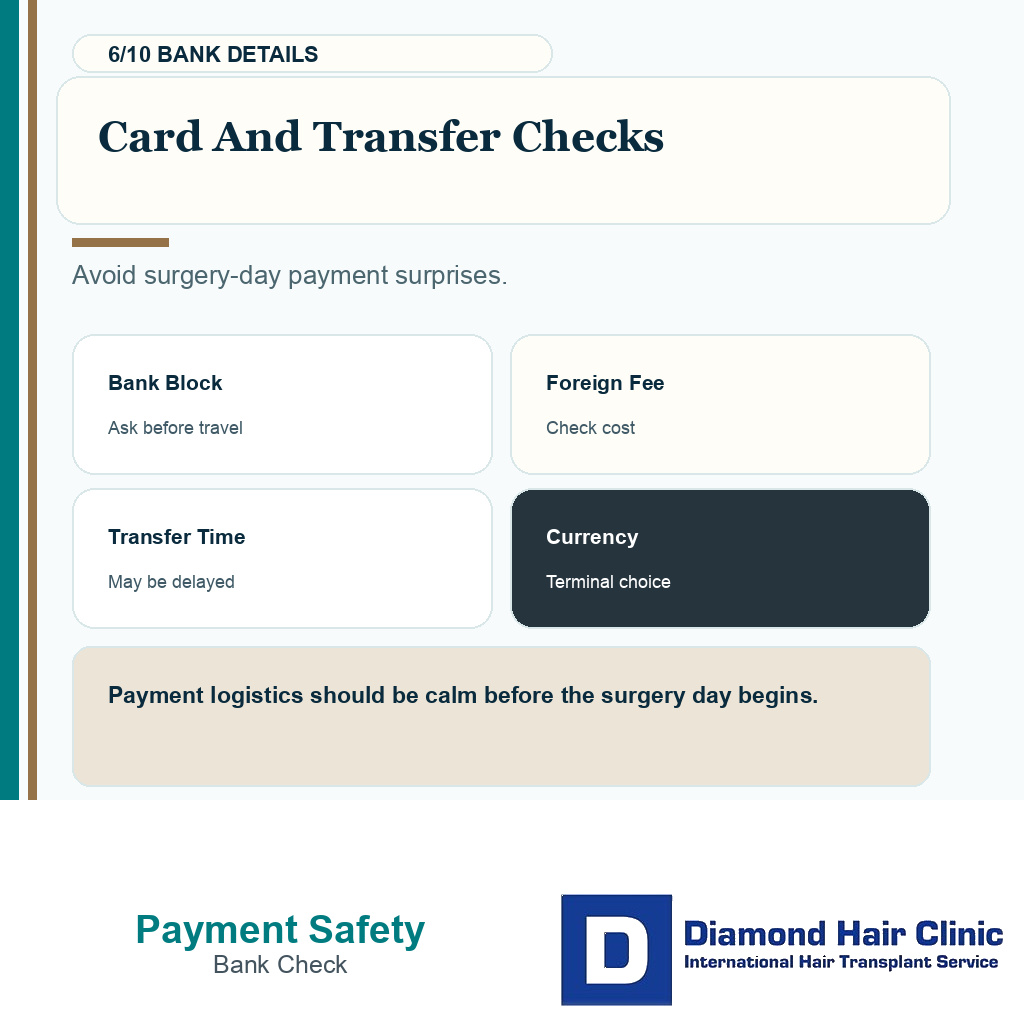
Before travel, the currency for the final balance and any fee for card payment should be clear. Your own bank should also explain how your card and transfers work abroad, including fraud block settings and foreign transaction charges. The card terminal may present currency choices, and a conversion into your home currency should not be accepted under pressure. Compare the rate and fees with your own bank or card network first. For transfers, know how long the money may take to arrive and whether the clinic can proceed before it clears. For cash, keep the route simple, secure, and clear before you travel.
Real financial planning for hair transplant in Turkey includes the surgery price, travel cost, payment route, and possible correction cost if the first plan is weak. The cheapest advertised number may not be the cheapest real trip.

Read this review excerpt
Everything was explained clearly in the confirmation email I received from the clinic after booking my flight. From arrival to departure, everything went smoothly and according to plan.
Read this review excerpt
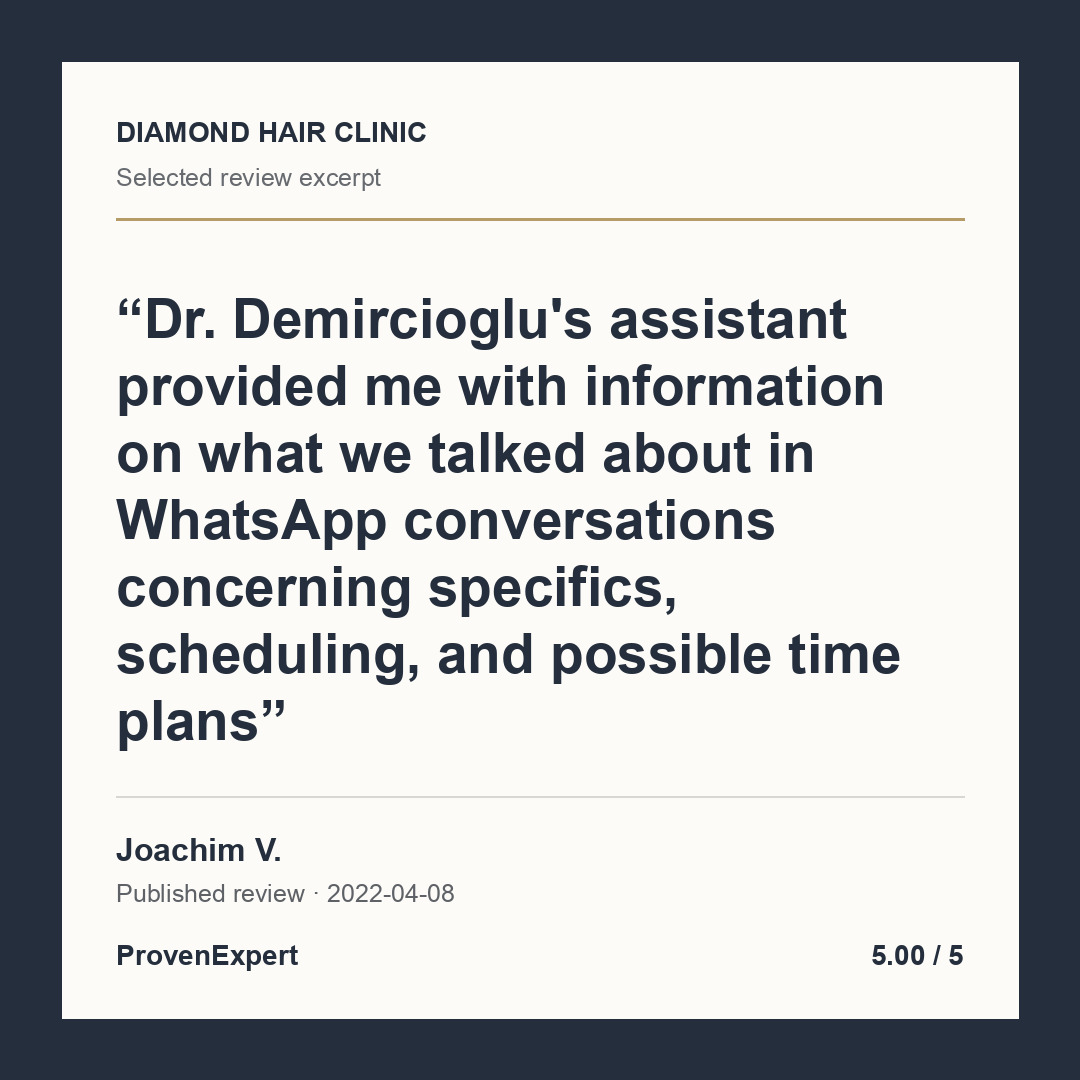
Dr. Demircioglu's assistant provided me with information on what we talked about in WhatsApp conversations concerning specifics, scheduling, and possible time plans
If your payment method fails on surgery day
A payment problem can happen for ordinary reasons. A bank fraud block, a card authorization problem, a transfer delay, an ATM access problem, a currency conversion problem, or an identity check can all interrupt payment. This should be prepared before travel, not solved under pressure while you are tired, hungry, or waiting for surgery.
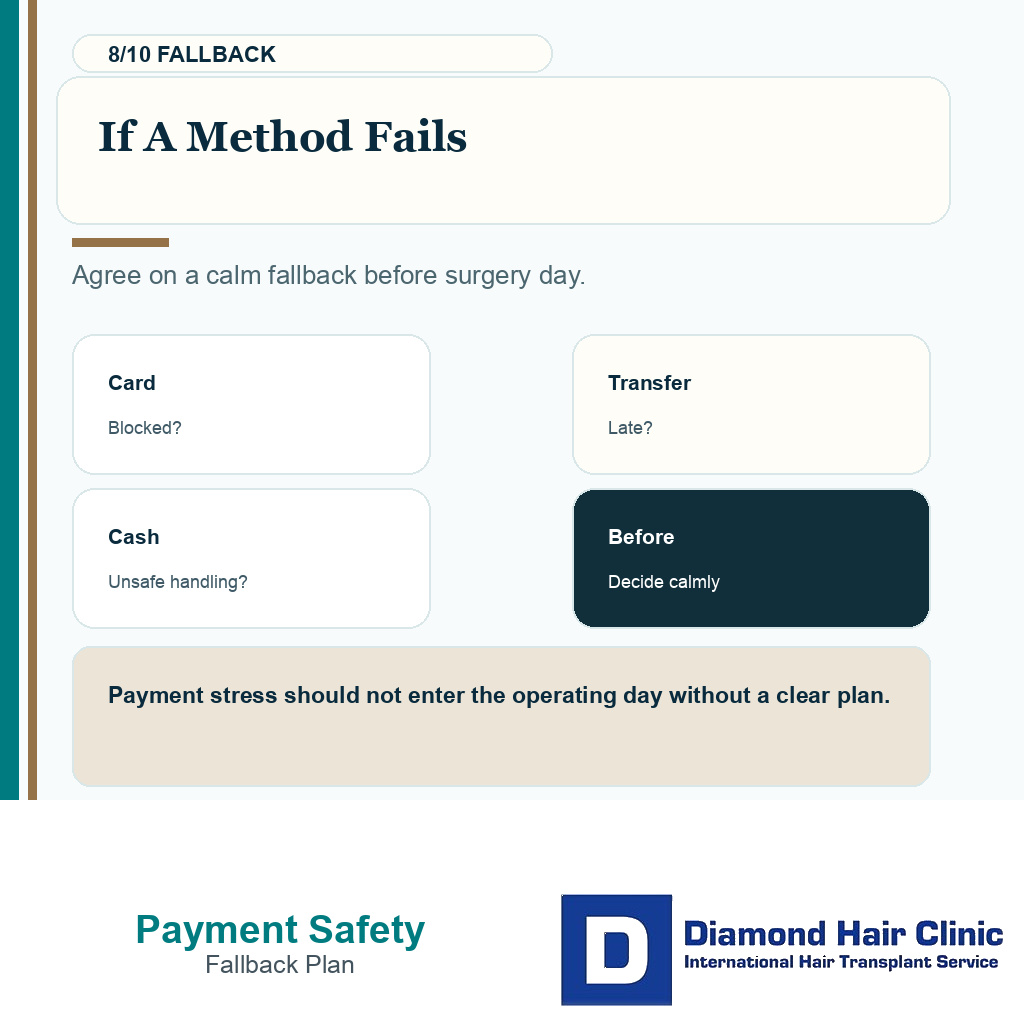
Before travel, ask your bank how your payment methods work abroad and keep a backup route if the clinic accepts more than one method. Confirm card limits, daily transfer limits, international fraud alerts, and whether your phone can receive verification messages while you are in Turkey. If a transfer is delayed, the clinic should explain whether the procedure can continue or whether surgery must wait until the money arrives.
Separate a payment delay from the medical decision. Waiting for a bank confirmation is a logistics problem. Accepting an unclear account name, a different graft number, or a rushed consent process because everyone is stressed is a medical risk. If cash becomes the backup, keep the money secure and avoid sending money to an account or person you do not understand.
A failed payment method should not become a reason to accept a weaker medical plan. Do not send money to a personal account, use an unclear payment link, or agree to a different graft plan only because the original payment route became stressful. The payment problem should be solved clearly, and the surgical plan should remain medically justified.
Travel planning if you carry cash
Cash payment often feels more worrying before travel than it does in practice. Many international patients bring cash to Istanbul for medical travel without problems, but that does not mean the details should be casual. Decide the payment method before travel, keep the money secure, and do not leave it in unattended bags. If you are carrying a large amount, check the current cash declaration rules for Turkey and for your departure or transit country before flying. Declare cash when required instead of trying to split or hide it.
Keep the money with you, avoid showing it in public areas, and use ordinary travel caution. Keep payment messages, deposit confirmation, and clinic contact details accessible, but do not place every document and all cash in the same bag. The aim is not to make cash travel complicated. It is to remove avoidable stress before the surgery day.
With payment planned properly, the day before surgery does not become a payment panic. You can arrive, settle in, and use the time for the medical review, which is where your attention should be.
Records to keep on payment day
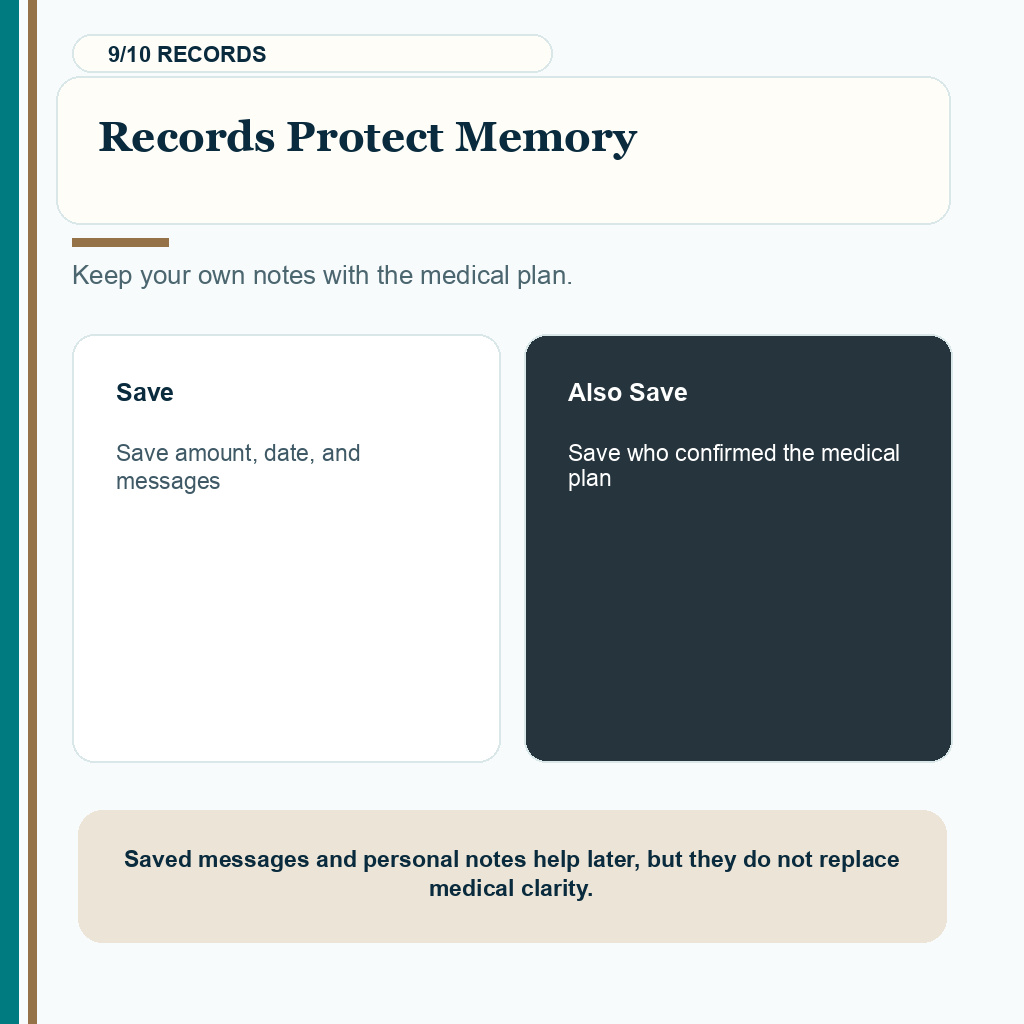
On payment day, keep your own notes and saved messages about the amount, currency, payment method, final graft plan, consent process, and clinic communication. For cash, record for yourself the amount, currency, date, and clinic team receiving it. For card or transfer payment, keep the bank or card confirmation. A change in graft number after examination should come with the reason and the final plan before surgery begins. Package items such as hotel, transfer, medication, shampoo, PRP, washing support, or follow up should be listed before you commit.
Your own notes and saved communication keep the decision traceable. They help you remember what was discussed and help the clinic understand what you were told. If you later need review because the result is delayed, the donor area looks weak, or the graft count is disputed, the saved records help separate a payment misunderstanding from the medical repair decision.
Keep payment records outside memory. Save the clinic messages you already have, note what was explained, keep the final medical plan clear in your own files, and keep the payment proof separate from informal chat summaries.
Payment questions that become clinic choice warning signs
Payment questions become warning signs when the answers are evasive, rushed, or disconnected from the surgical plan. Be especially careful if the clinic changes the price repeatedly, gives a large graft number before proper review, pressures you to pay before explaining surgeon involvement, will not clearly state whether refunds are offered or not offered, or treats basic financial questions as disrespectful.
Be cautious when every payment detail is clear but the medical roles are still vague. Some clinics can explain hotel, transport, deposit, and discount very smoothly while you still do not know who will design the hairline or who will make the recipient area incisions. Hair transplant coordinators and surgical planning limits matter here because payment staff should not replace surgical responsibility.
Payment pressure can also hide weak clinic comparison. If you are comparing several clinics, judge them first by medical responsibility, not by the easiest payment path. Choosing a hair transplant clinic in Turkey should involve surgeon review, donor protection, hairline design, realistic planning, and follow up access.
Payment details to settle before money moves
Before money moves, the plan needs to show the diagnosis, the donor limit, the treated zones, the likely graft range, the hairline logic, and who carries responsibility for each medical step. Payment can be organized in many ways, but surgical acceptance has to come first.
The written plan also needs a refusal boundary. Weaker donor supply, diffuse thinning, an unstable medical issue, a hairline request that spends too much reserve, or an oversized crown plan can lower the graft number or stop surgery. That answer matters more than the speed of the payment link.
For an international patient, travel can make hesitation feel expensive. Slowing the booking is safer than letting money, flights, or hotel dates push a patient into a plan that has not been medically accepted.
Payment clarity and medical clarity
Payment safety is not only about the method. It is also about whether the money follows a real medical plan. A clear payment route does not fix an unclear surgery.
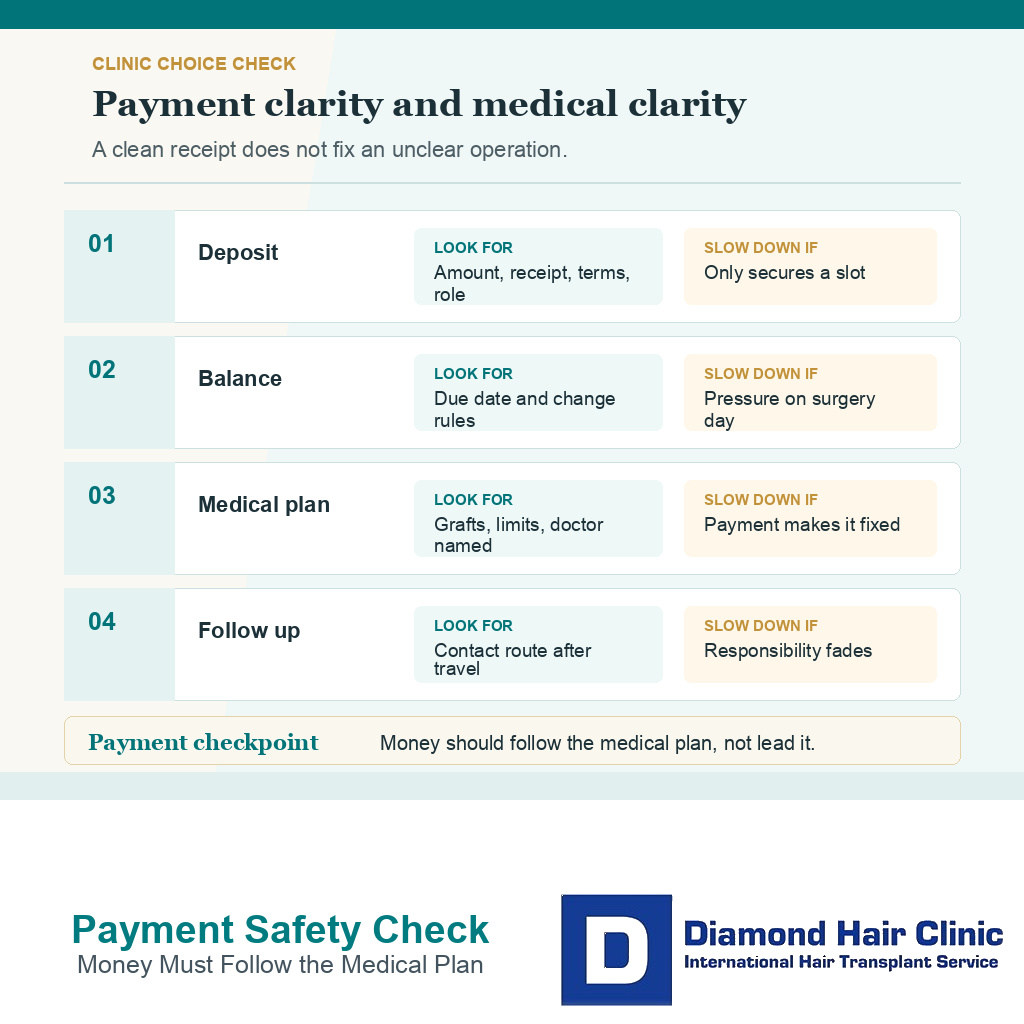
A payment question that exposes unclear medical responsibility is a clinic choice warning sign, not a small administrative issue.
Medical planning comes before payment logistics
Payment is the last part of a safe decision, not the first. A clinic should be able to explain why you are a candidate, what area will be treated, what will be left untreated, how the donor area will be protected, whether medication is relevant, and what result can be expected without exaggeration. If that conversation is weak, the payment method will not make the surgery safer.
Travel packages in Turkey can make a booking feel complete too early. Hotel, transfer, translator, payment method, and surgery date are useful only after the patient has been accepted medically. I review the surgery first. The convenience around the trip comes second.
Cheaper travel offers need accountability, not just a lower number. A lower price can be reasonable when the surgeon, clinic process, donor management, and follow up are strong. It becomes risky when the savings depend on volume, shortcuts, vague roles, or weak accountability. Cheap hair transplant abroad should never mean accepting unclear medical responsibility.
Price changes after an in person examination
A price change after direct examination is not always a warning sign. Sometimes donor capacity is weaker than expected, the safe graft number is lower, the recipient area is larger than photos suggested, or a scalp or medical issue changes timing. The change itself is not what worries me. The warning sign is a change that no one can explain medically.
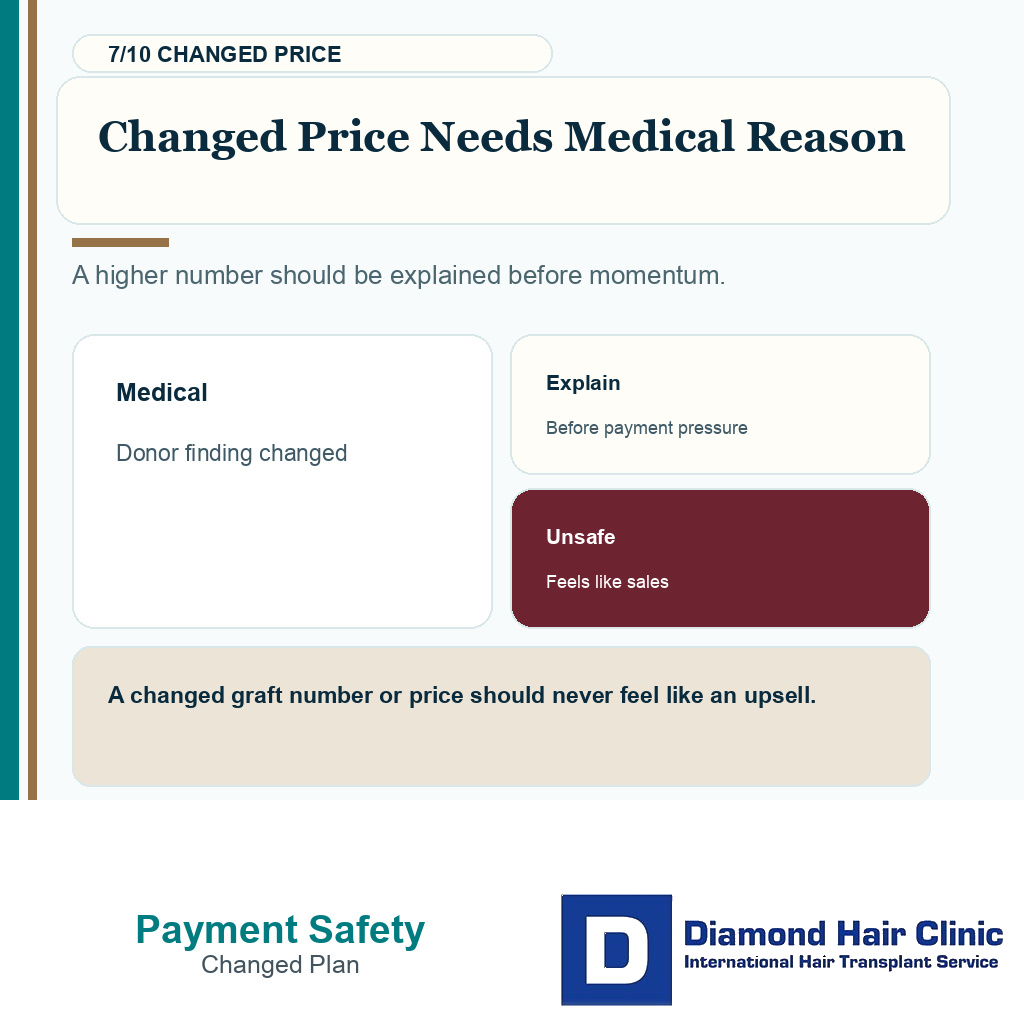
An increase in graft number should come with the reason. A lower graft number should identify the area being prioritized. A postponement should name what needs to improve first. A price change should have a medical or policy explanation before treatment begins. A changed plan should come with medical reasoning. It should not come only with a new number.
In my own clinic, I use a flat fixed price policy that is independent of the graft number. If the safe graft number increases or decreases on surgery day because of medical necessity, the price does not change in my clinic. This keeps the surgical decision separate from financial pressure.

You may worry that questioning a payment or graft change will annoy the clinic. A careful medical team should expect these questions. You are not buying a standard product. You are using a limited donor resource, accepting surgical risk, and trusting the clinic with long term appearance.
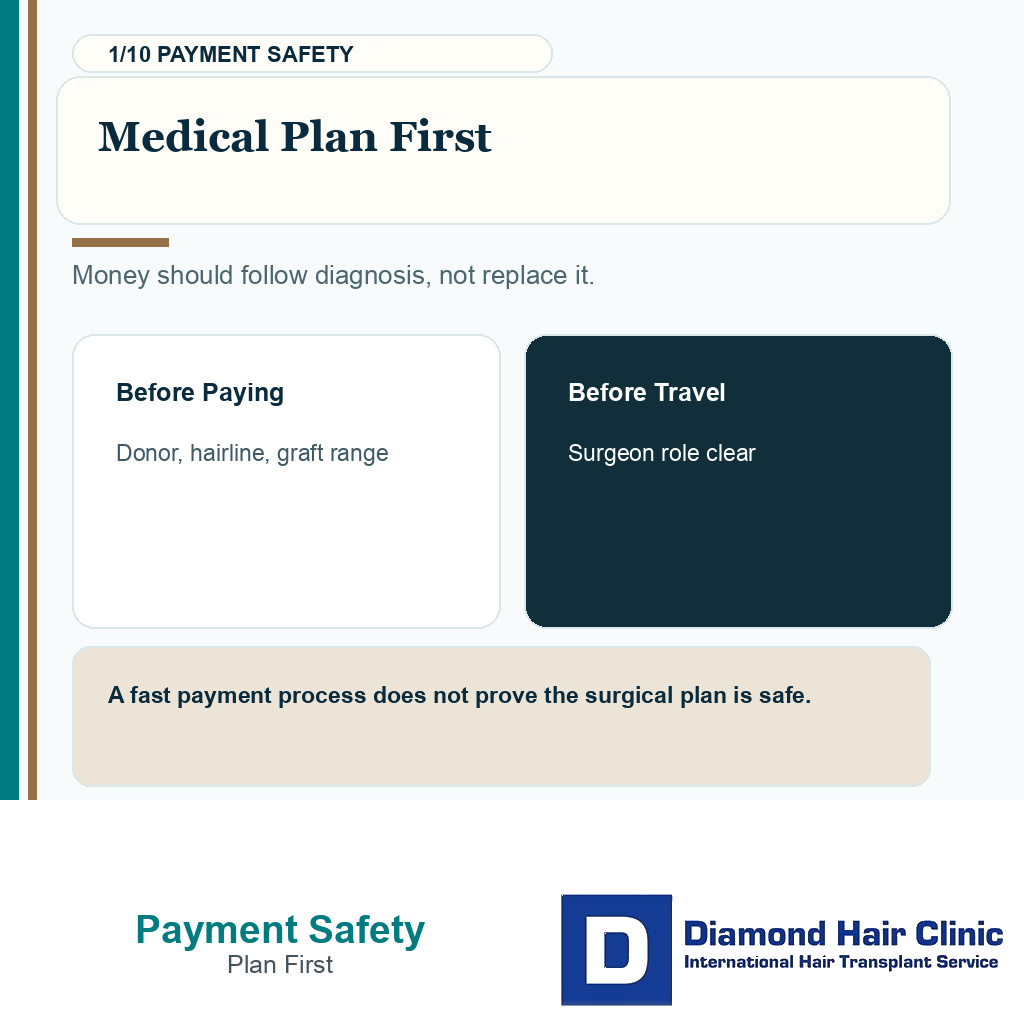
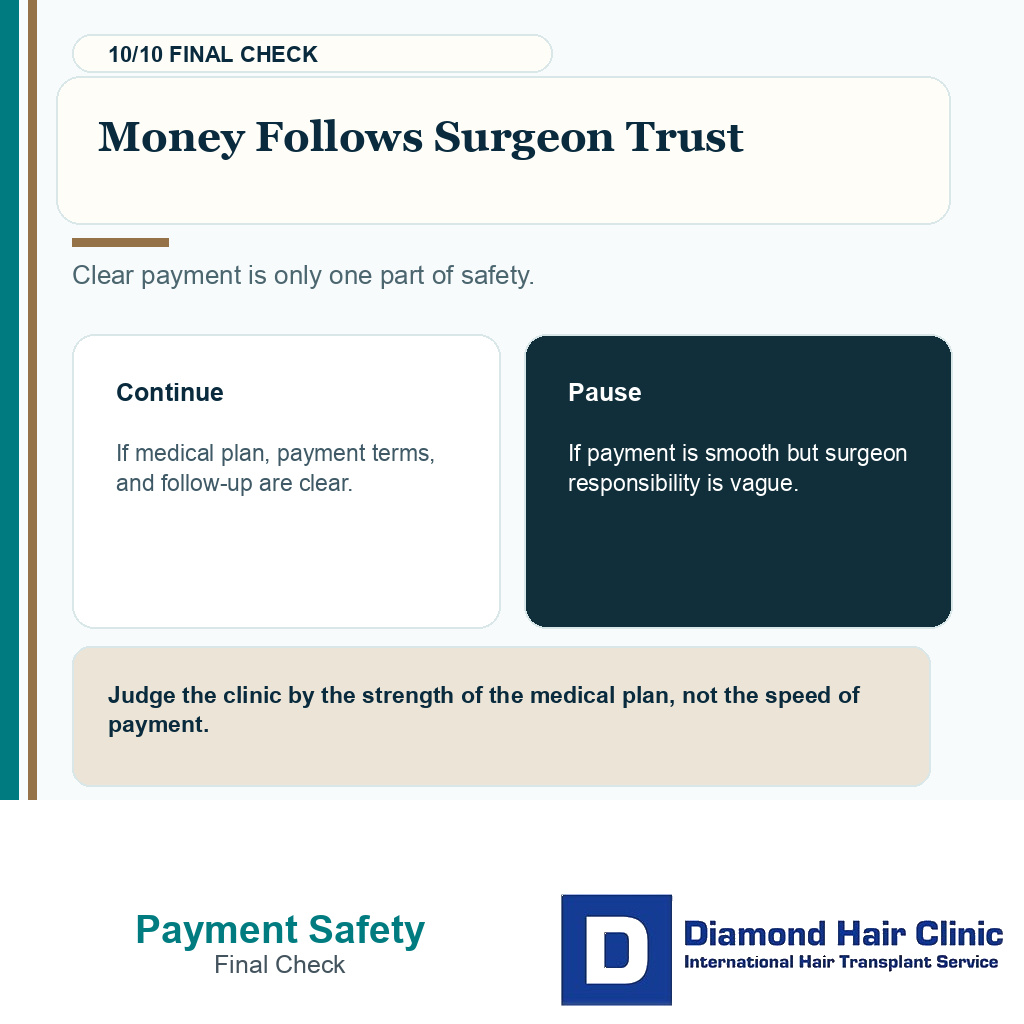
The 10 slides below help you check whether the payment discussion still follows the medical plan. They cover clinic policy, deposits, cash, card and transfer issues, price changes, records, and surgeon responsibility before money becomes the center of the decision. Swipe the carousel, use the arrows for one step at a time, or choose a number below the image to jump to that point.
Language, follow up, and payment safety
Payment safety is weaker when communication is unclear. If you and the clinic do not share strong medical language, the deposit, package, consent, refund or no refund policy, medication instruction, and follow up plan can be misunderstood. Everyday English is not the same as medical English, and translated sales messages are not the same as informed consent.
If you are traveling for surgery, confirm who will explain the payment terms, who will explain medical risks, and who will answer after you leave Turkey. Clear language support during hair transplant abroad and reliable hair transplant follow up after surgery are part of payment safety because they decide whether you can question charges, consent, and aftercare before and after travel.
Follow up should not be treated as a bonus after the money is paid. It is part of medical responsibility. If a clinic is very available before the deposit and hard to reach after the surgery, the smooth payment process was not a good sign of real support.
Payment should never rush medical judgment
I see payment planning as part of patient protection. Clear financial terms matter, but the money must never become the center of the decision. The clinic has to earn your trust medically before asking for financial commitment.
Before paying for a hair transplant in Turkey, make sure the clinic has reviewed your donor area, hair loss pattern, age, expectations, medication background, and long term risk. Confirm the price, deposit, payment route, extra fees, whether refunds are offered or not offered, and how follow up works. Then judge the clinic by the strength of the medical plan, not by how quickly the clinic can take payment.
If payment feels smooth but the surgical explanation feels thin, step back. Diagnosis, planning, surgeon responsibility, graft handling, donor management, and follow-up come first. A payment route is useful only when the medical decision already makes sense.

Read this review excerpt
It starts with great communication and honest advice. When you arrive everything is taken care for you. Meeting Dr Mehmet and his team you feel very comfortable as his english is good and the clinic looks amazing.

Read this review excerpt
No surprises , everything was as they said would happen. The doctor following up with my personally also shows how committed he is to his work.