


Financial Planning for Hair Transplant Cost in Turkey
Start with the real total cost for surgery in Turkey, not only the advertised procedure price. For hair transplant cost in Turkey, a serious operation in Turkey is usually around $5,000 to $10,000, and a surgeon-led, lower volume, all inclusive Istanbul package is often closer to $7,000 to $10,000.
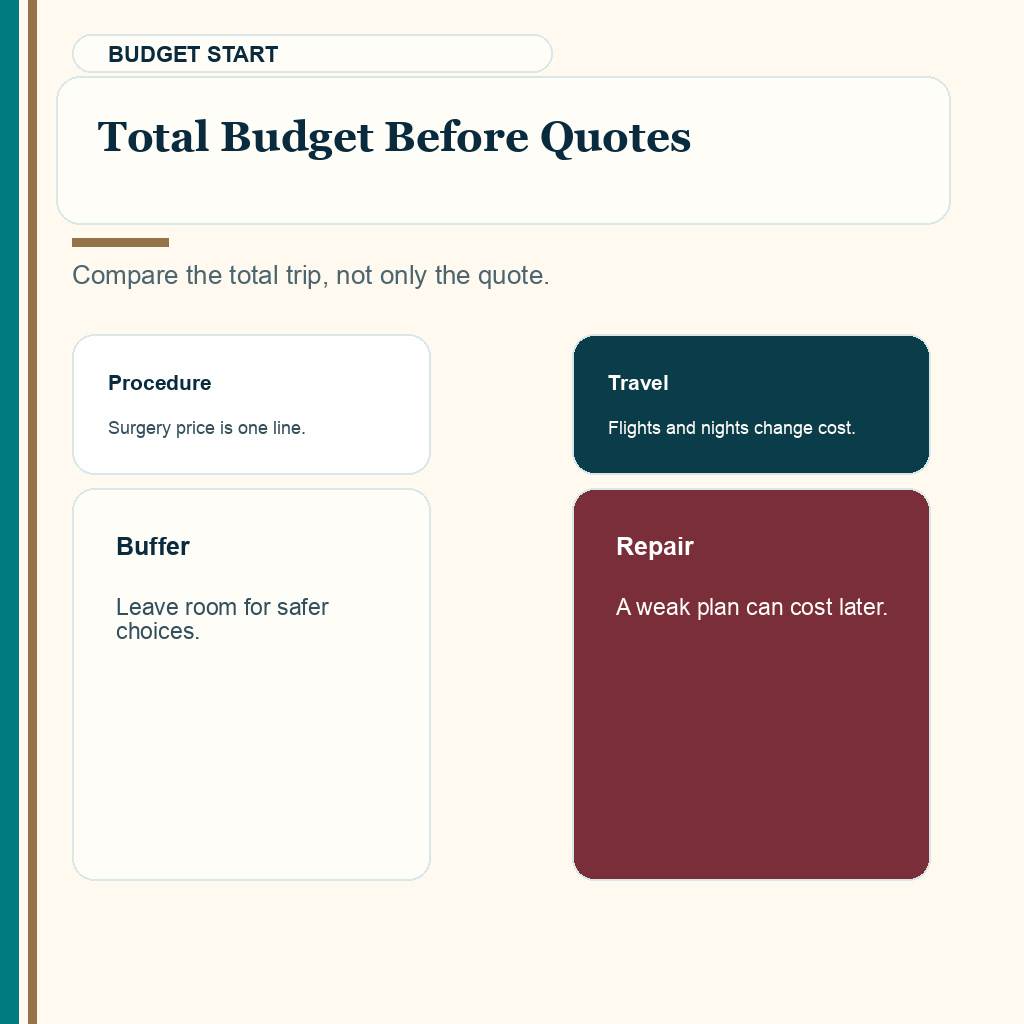
Put that number next to flights, extra hotel nights, time off work, medication, aftercare products, possible companion travel, exchange rate changes, and the most expensive risk of all, needing repair surgery after a poor first operation.
The financial question is not only whether you can pay the quote today. It is whether the budget still protects the medical decision if the donor area looks weaker than expected, travel timing changes, or a clinic offers a cheaper but less responsible plan. A safer budget asks one question first. Does this price support a proper medical plan, careful donor management, natural hairline design, and real follow up after I return home?
Build the Budget Before Comparing Clinics
Before comparing clinic offers, make three parts visible. The medical fee pays for the surgical plan. The travel budget gets you to Istanbul and back without rushing recovery. The recovery and risk budget protects the decision if a flight changes, an extra hotel night is needed, or a medical review becomes wiser.
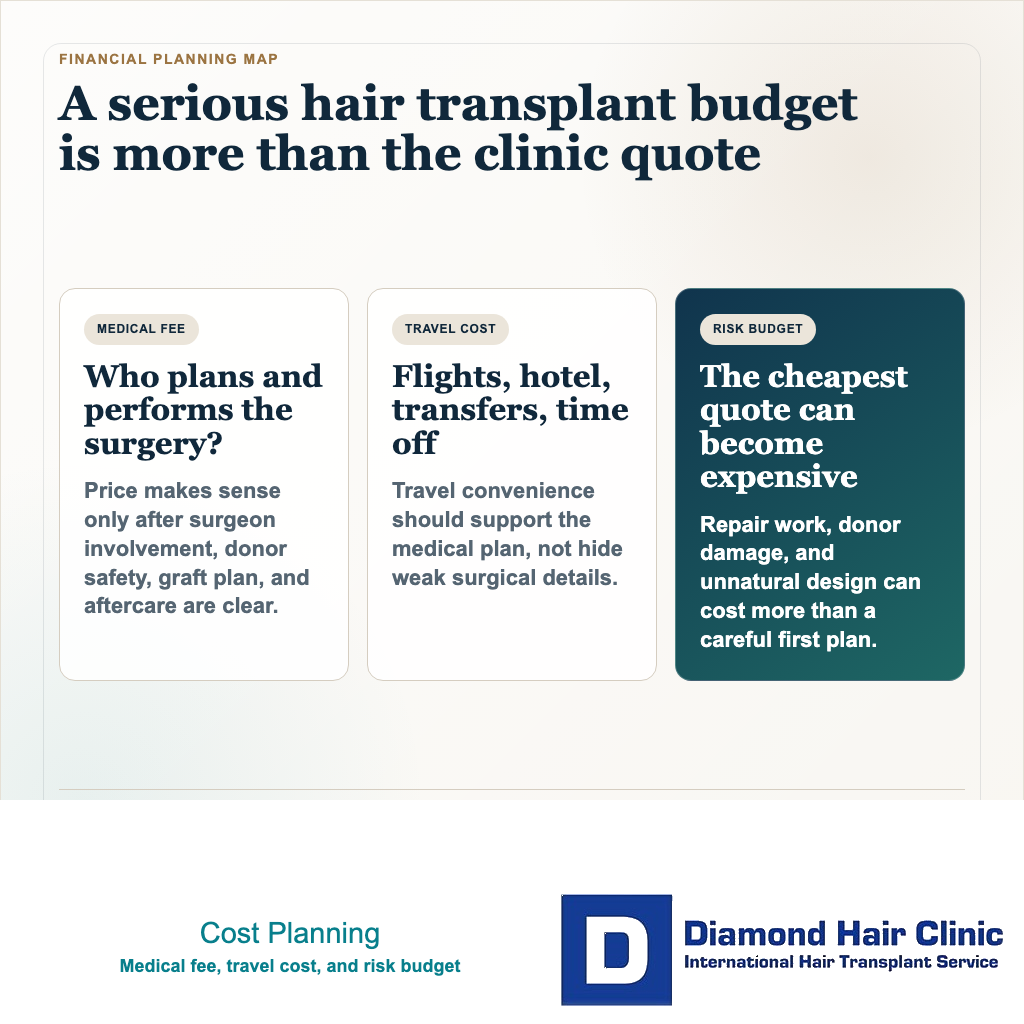
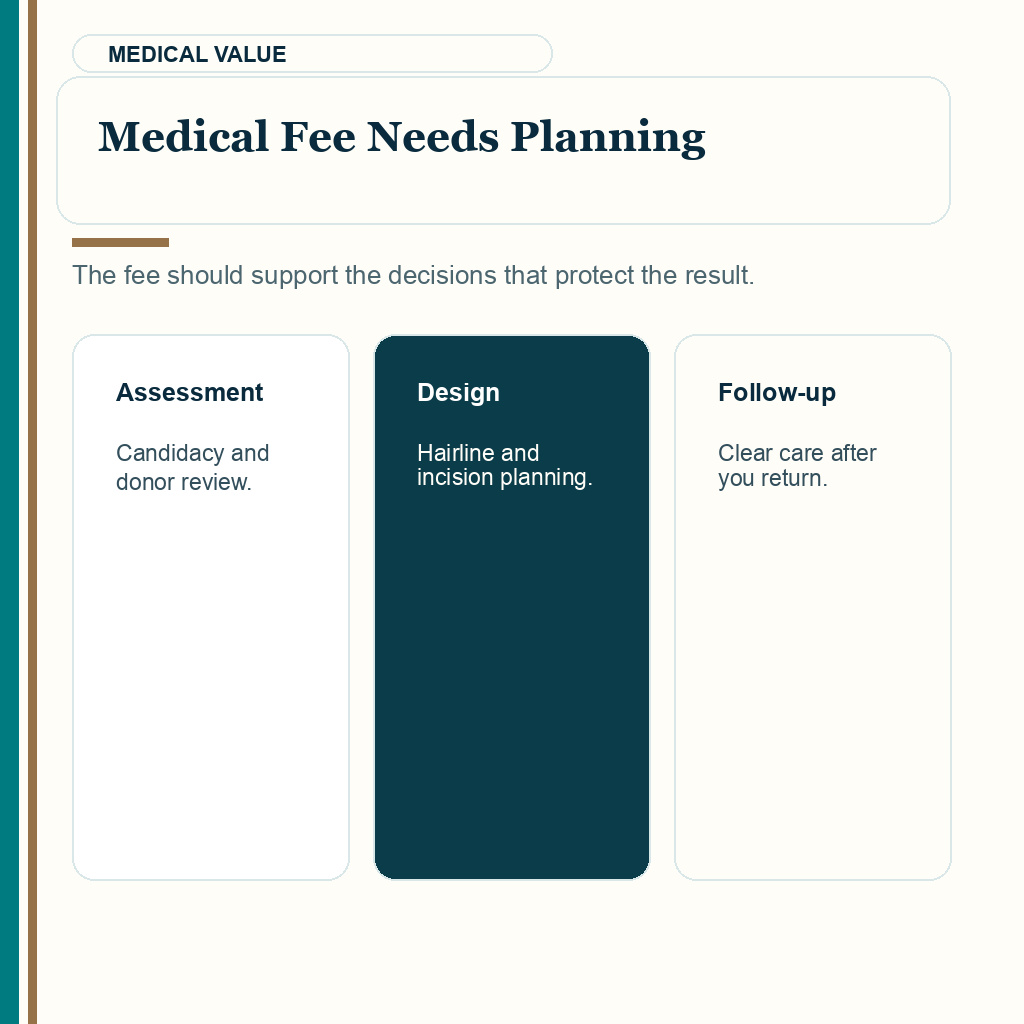
The medical fee should cover more than placing grafts. It should make room for case assessment, candidacy judgment, donor area evaluation, hairline planning, recipient area incision design, graft handling, implantation quality, medication instructions, and follow-up. If a price cannot support those steps, the low number is not really a saving.
A small buffer is not wasted money. It gives you room for an extra hotel night, a delayed flight, pharmacy items, a less rushed return to work, or a medical review without feeling forced to choose the cheapest answer.
Before paying a deposit, know what happens if the surgeon changes the graft plan or safe graft number after examining you in person. A budget is safer when a medical change does not force a weaker surgical choice.
The travel budget should include flights, hotel nights before and after surgery, airport transfers, local transport, food, and the possibility of staying longer if swelling, anxiety, flight timing, or the clinic’s early control visit makes that wiser. If you are planning the trip, read how to get a hair transplant in Turkey as part of the financial plan, not only as a travel checklist.
These 10 slides separate the clinic quote from the real budget decisions behind surgery. Swipe sideways, use the arrows, or choose a number below the image.


Use a Realistic Price Range as the Anchor
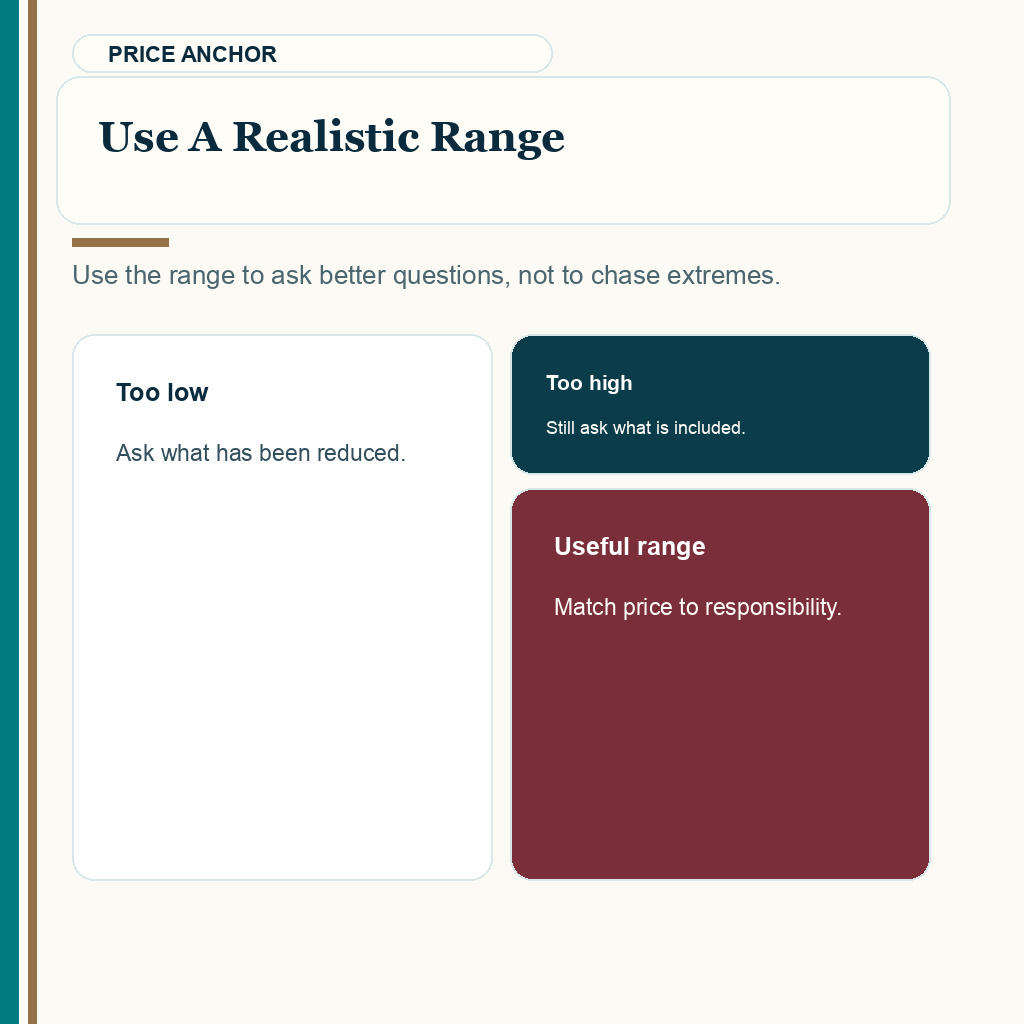
For realistic planning, use the current Diamond Hair Clinic cost guide as the anchor. A serious hair transplant in Turkey is usually around $5,000 to $10,000. For surgeon-led clinics that see one patient per day in Istanbul, $7,000 to $10,000 is a more realistic range when hotel accommodation, transfers, medication, aftercare products, and direct follow-up are included.
Lower prices exist. A lower price is not always unsafe, and a higher price is not always excellent. The price needs to show what it includes. If a quote sits far below the serious range, check whether surgeon time, donor protection, graft handling, aftercare, or accountability has been reduced.
The broader cost page explains the price range in more detail. The more useful question is what that number should make you check before you commit.
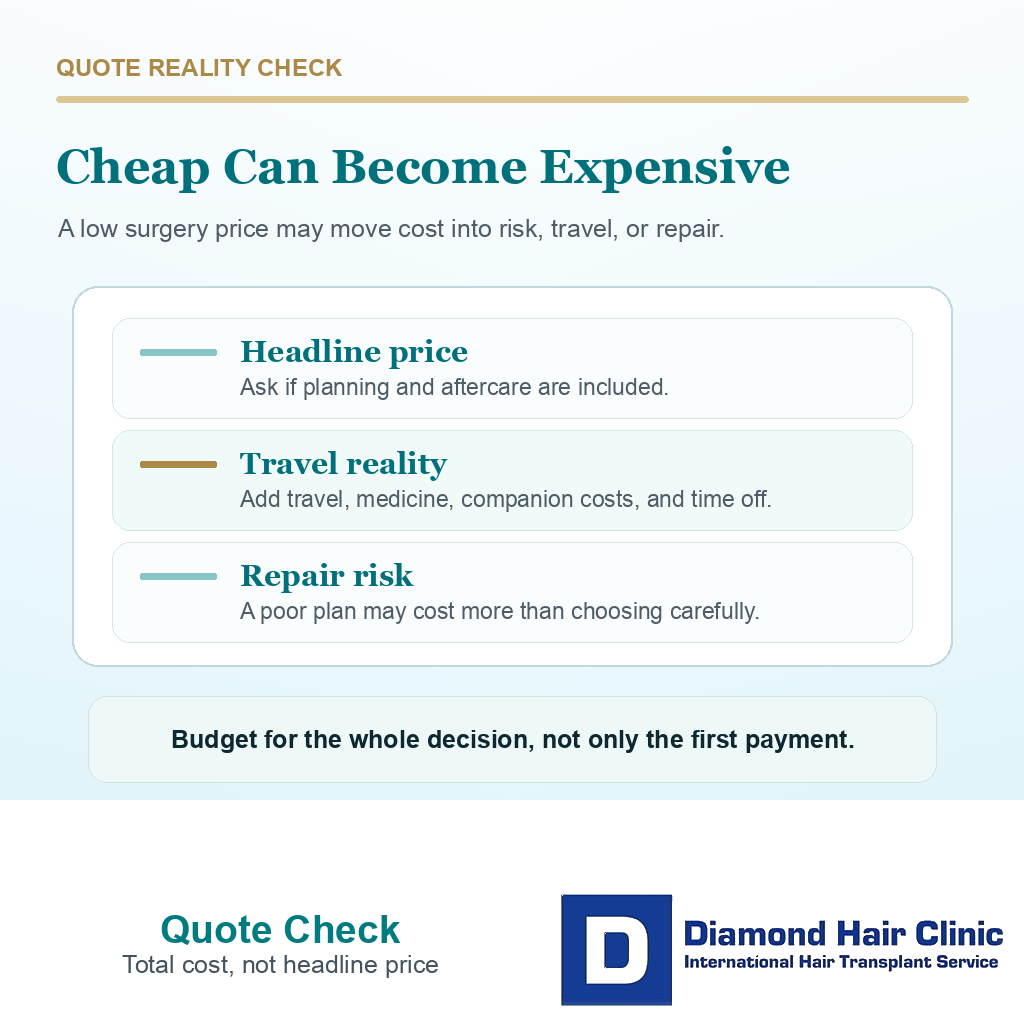
Hair transplant budgeting should include travel, aftercare, time off, possible review costs, and the risk of poor planning.
The Cheapest Quote Can Become the Expensive Choice
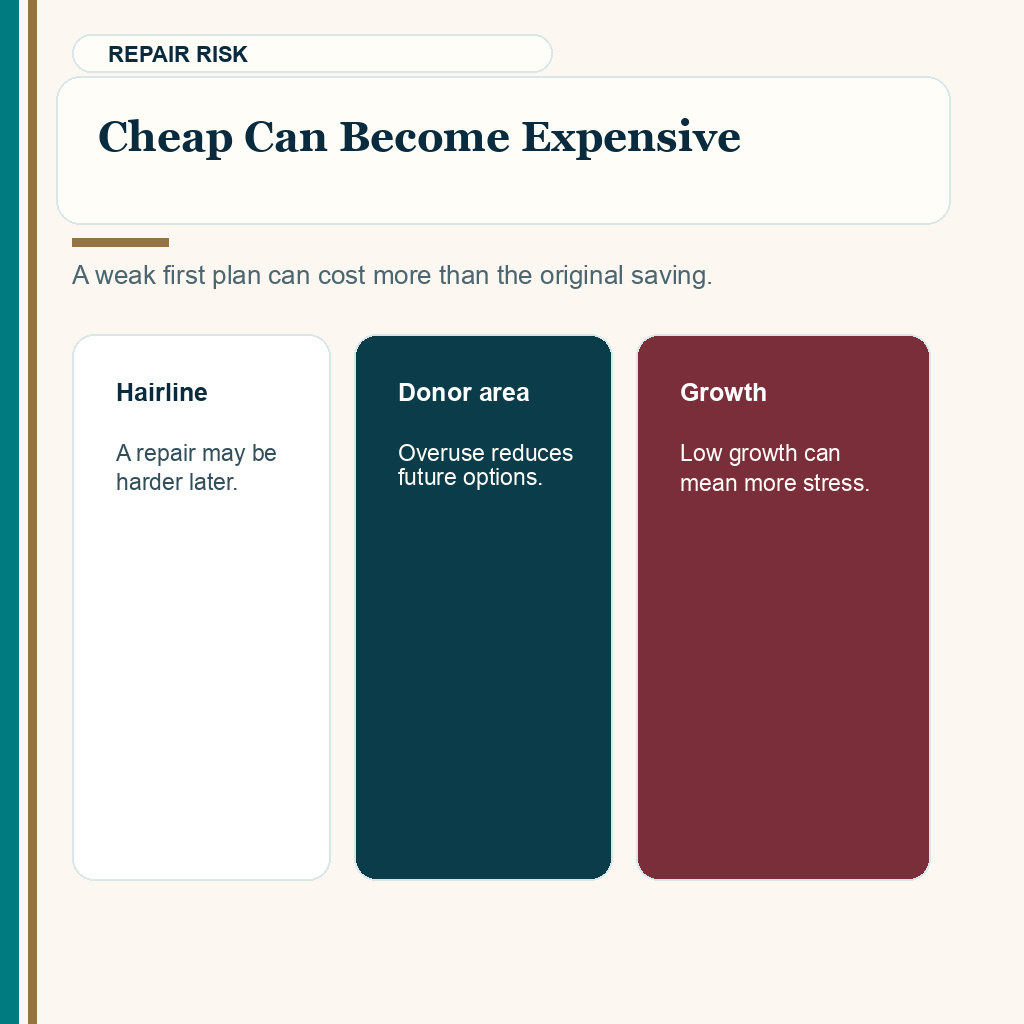
The cheapest quote can become expensive if it creates a result that needs repair. A weak hairline design, excessive graft use, poor donor management, unnatural direction, low growth, or an overharvested donor area can cost much more than the original saving.
You may think you saved money because the first clinic was cheaper. But if the result looks unnatural or donor supply has been damaged, repair may involve hair transplant repair, camouflage work, fewer remaining grafts, longer waiting, and much more stress.
Cheap surgery is not the same as good value. Good value means enough time and surgical judgment for the result and donor area to remain usable long term.
What an All Inclusive Package Needs to Cover?
An all inclusive package should make the trip easier, not hide the medical plan. Hotel, transfers, translator support, medication, aftercare products, first wash, early control, and follow up can be useful when they are organized around safe surgery.
If your plan includes ongoing prescribed treatment for hair loss, allow for its cost and any planned clinical reviews after you return home. Check those costs separately from any short-term medicines included in the surgery package.
But a package is only safe if the clinical responsibility is clear. You should know who examined your donor area, who designed the hairline, who creates the recipient area incisions, how many patients are treated that day, and what happens if the graft plan changes when you arrive.
Convenience is useful only when it supports the medical plan. I judge hair transplant packages in Turkey by whether hotel, transfers, medication, and follow up stay tied to clear clinical responsibility.
Travel Costs Patients Often Forget
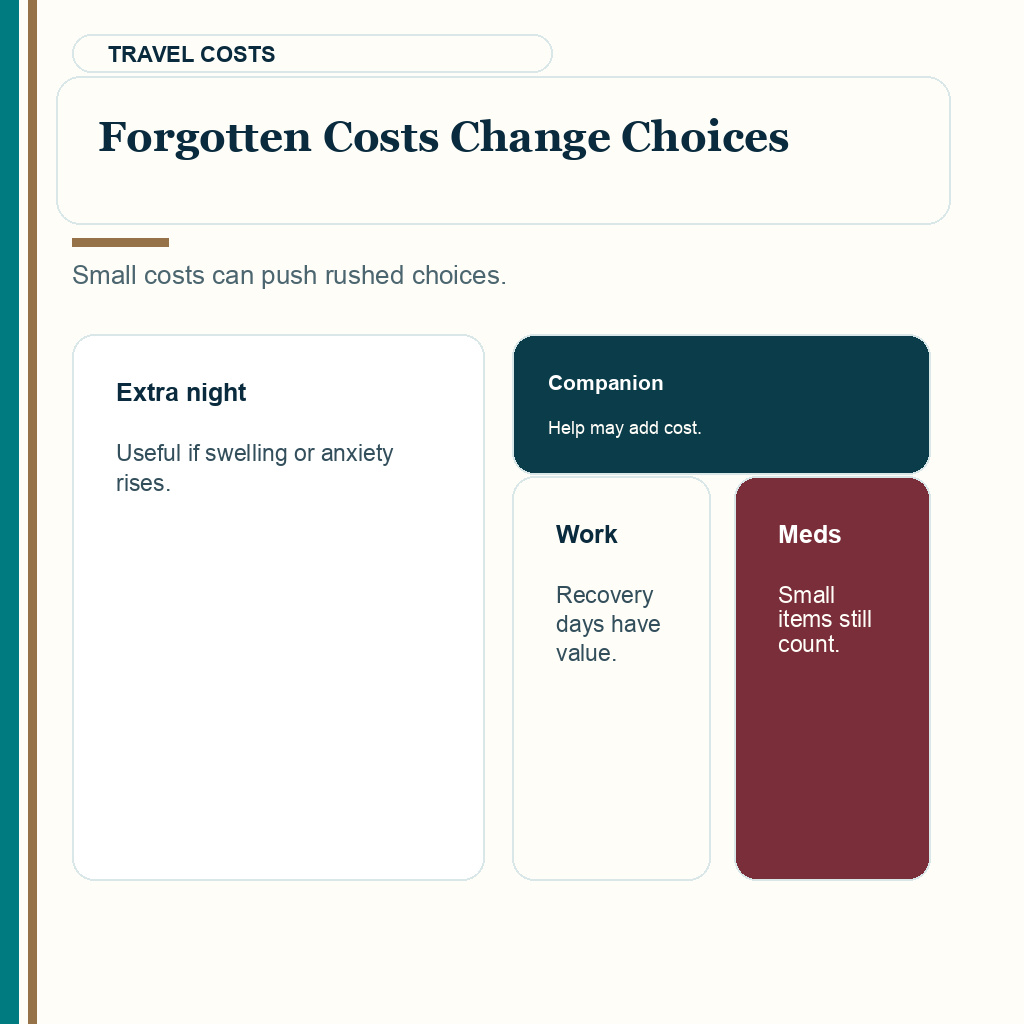
Surgery and flight costs are obvious, but the smaller travel costs can make the trip safer and more comfortable. Extra hotel nights, food, local transport, SIM cards, companion expenses, luggage, pharmacy items, and time away from work can all matter.
You should not feel expected to tip the surgeon or clinical team. The medical fee should be stated in writing, and your care should not depend on an extra payment or gift. If you choose to tip hotel or driver staff, keep that optional travel expense separate from the clinic fee.
Plan the trip so you do not arrive exhausted, have surgery immediately, and fly home while still anxious. Some people can travel on a short schedule, but others are better with one extra day before or after surgery. How many days to stay in Turkey after a hair transplant can help you plan this more realistically.
Touristic plans should also be modest. Istanbul is a beautiful city, but the first days after surgery are not the time to build a busy holiday around the operation. Recovery, swelling control, graft protection, and early washing matter more than sightseeing.
Financing Should Not Create Medical Pressure
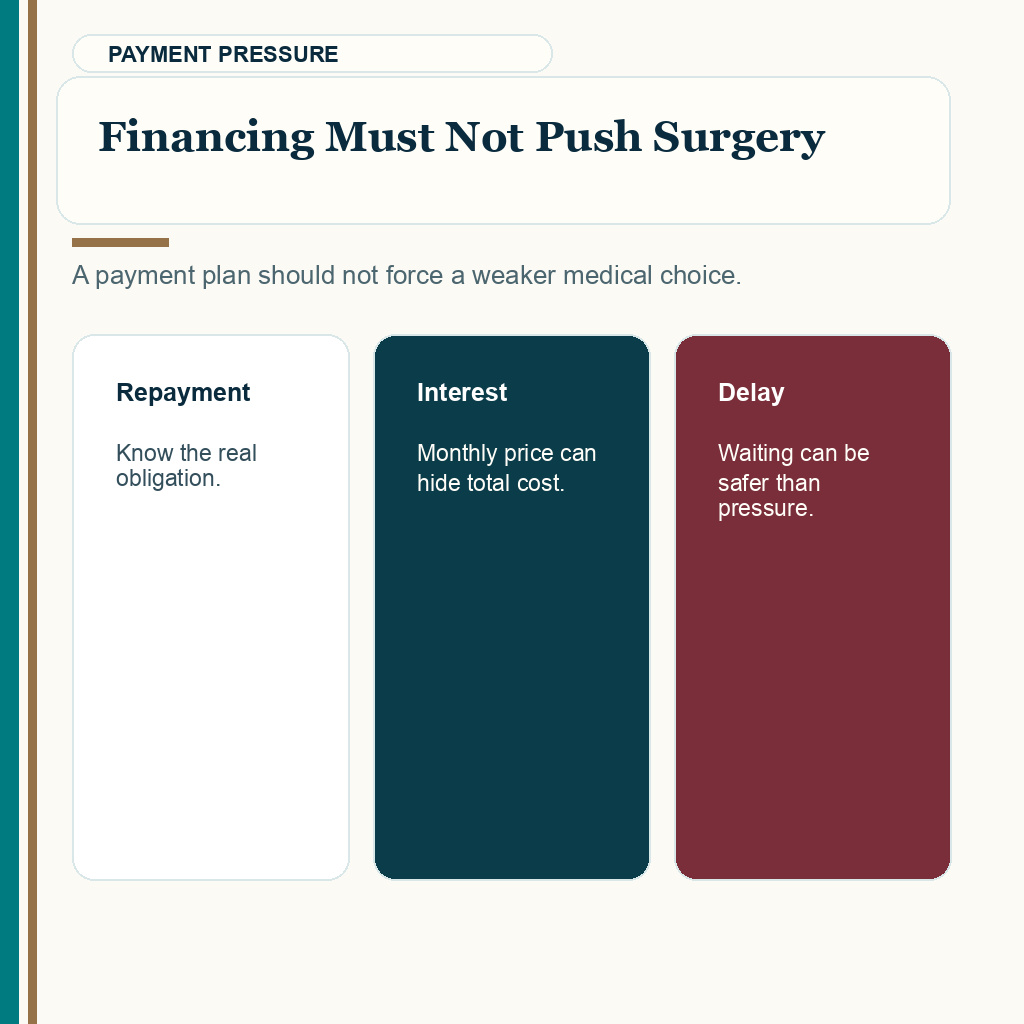
Some people use savings, some use a payment plan, and some use credit. The medical concern is whether repayment pressure changes the surgery decision. If financing pushes you toward the cheapest clinic, an unrealistic graft promise, too little recovery time, or ignoring warning signs because you cannot afford a delay, it is better to wait.
Borrowing for a cosmetic procedure needs a clear repayment plan before the deposit. Interest, late fees, exchange rates, travel changes, and unexpected expenses can make the final cost higher than the clinic quote. Read the repayment terms before committing to surgery, not after any clinic deposit or finance agreement.
Payment logistics belong in the same budget as flights and hotel nights. Currency exchange, card limits, transfer delays, cash rules, and backup options should be clear enough that a payment problem does not push the medical decision.
A low monthly payment can hide the real obligation. If the plan only works by removing the recovery buffer, it is not yet affordable for surgery. Waiting may protect both your money and your scalp.
Deposit Questions Need Clear Answers
If a clinic asks for a deposit, the first question is not only whether it is refundable. Ask what the deposit reserves, what happens if the graft plan changes, whether hotel and transfers are included, whether medication and aftercare products are included, whether the surgeon personally reviews the case, and who will be responsible if your donor area is weaker than expected. I explain the payment method side separately in paying for a hair transplant in Turkey, and the wider written terms question in refund and rescheduling terms in Turkey.
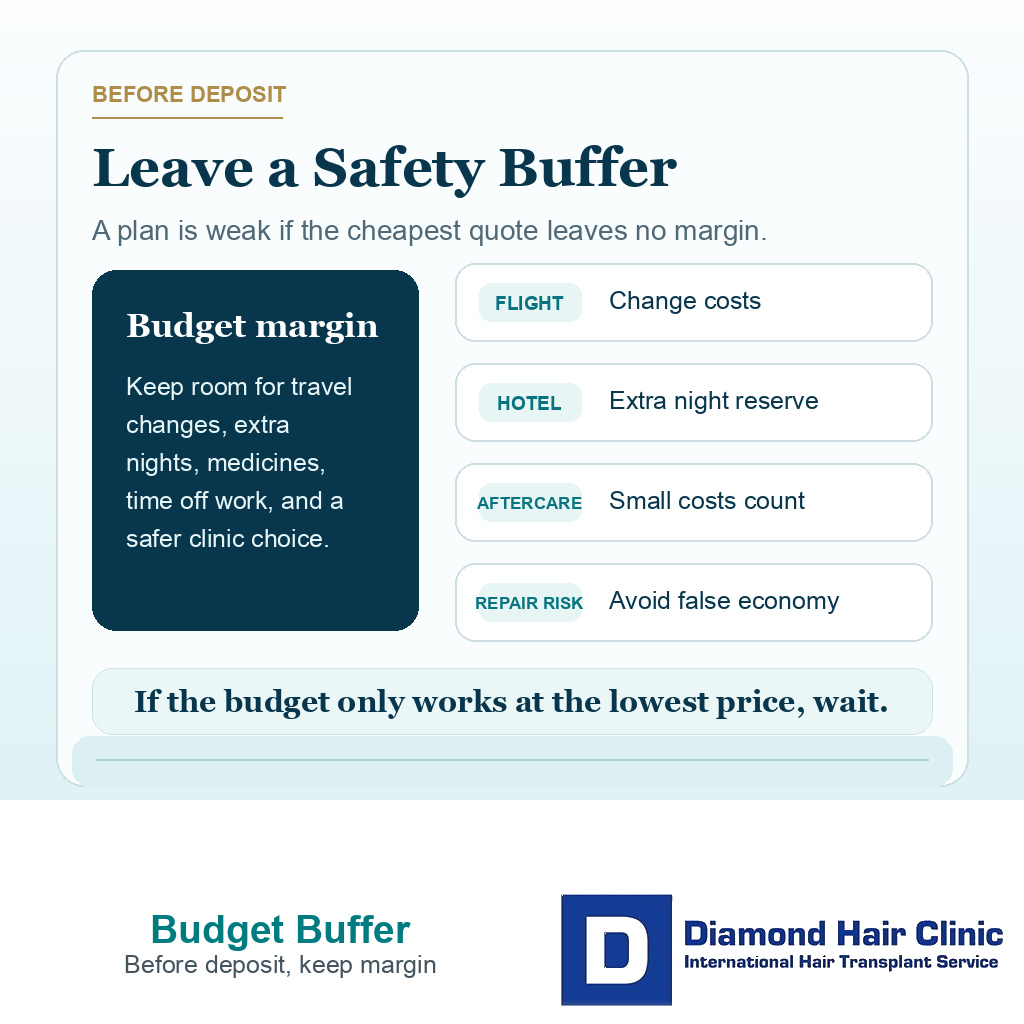
A safer hair transplant budget leaves room for travel changes, aftercare costs, and avoiding a weak price decision.
A deposit that reserves an already reviewed plan is different from a deposit used to start the real discussion. The second creates pressure before the scalp has been understood.
The quoted price should say whether graft count, beard grafts, repair work, a second day, or charges on the clinic day can change the total. Keep a budget buffer before the deposit so one unexpected cost does not force a weaker medical decision.
If the answers are vague, pause before payment. A clinic that cannot explain cost clearly may also be vague about the medical plan.
Compare Value Through the Clinic Model
Value is not created by a low number. Value is created when the result is natural, donor supply is protected, the graft plan is realistic, and the clinic remains responsible after surgery.
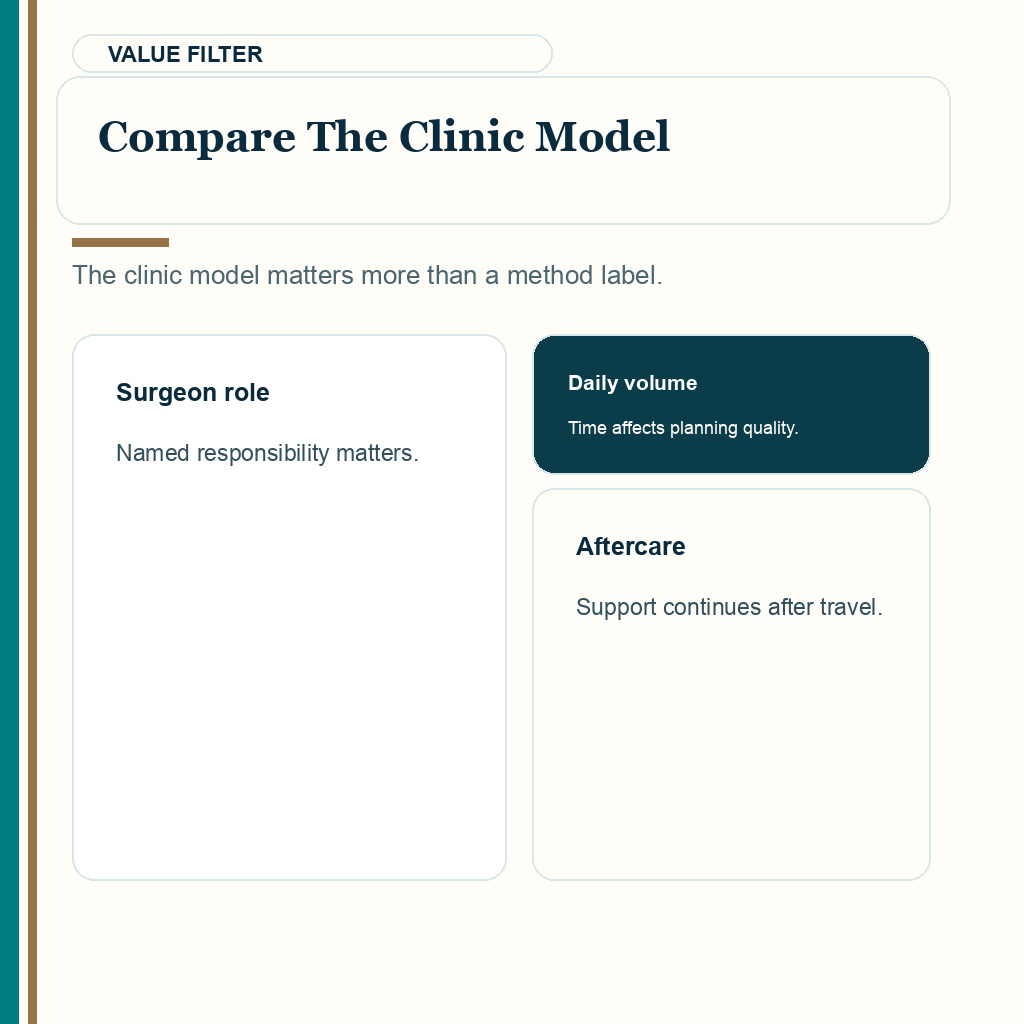
When you compare clinics, compare the clinic model before comparing the package. Choosing a hair transplant clinic in Turkey should include the named surgeon, patient volume per day, who performs each surgical step, hairline design philosophy, donor management, aftercare, and communication after you return home.
Method names can also confuse the budget. FUE, Sapphire FUE, and DHI are not magic price labels. A method is only valuable when it fits the patient and is performed with good surgical judgment. A DHI versus FUE comparison should not replace assessment of the donor area and recipient area plan.
Budget for a safer change of plan
A safe budget leaves room for the plan to change. The direct examination may show weaker donor supply, wider thinning, scalp inflammation, blood pressure concerns, or a medication issue that was not visible in photos.
That change can mean fewer grafts, a different hairline, a staged plan, an extra night in Istanbul, a delay, or no surgery. If the budget only works when the original promise stays untouched, the money is putting pressure on the medical decision.
Patients need enough flexibility to accept a smaller plan or a postponement without feeling trapped. The most expensive mistake is not always the higher quote. It is the plan a patient accepts because the budget leaves no room for review or delay.
You may be happy with the result and still consider a small cosmetic refinement later. Keep that possible expense separate from the budget for complications or repair. Saving for it does not commit you to surgery, and any later procedure still needs its own assessment and quote.
Waiting Can Be the Better Financial Decision
Waiting is the better financial decision when the budget forces you into a clinic you do not fully trust, when you cannot take proper recovery time, when you are still unsure about medication, or when you have not received a clear explanation of your graft number and donor capacity.
It is also wiser to wait if you are choosing surgery mainly because a discount is ending. Hair loss surgery should not be booked like a flash sale. Donor supply is limited, and a poor first operation can reduce future options.
If waiting gives you the ability to choose the right hair transplant surgeon, protect your donor area, and recover without rushing back to physical work, waiting can be the less expensive decision in the long run.
Cost planning through the medical plan
In my Istanbul clinic, I evaluate cost through the medical plan first. The consultation looks at candidacy, donor protection, natural hairline design, graft distribution, and what kind of result can be planned realistically.
That point does not mean every person needs the most expensive option. It means the price should match a responsible plan. Someone who is not a good candidate should not be sold surgery because he can pay for it. Someone with limited donor capacity should not be pushed into an aggressive graft number because it makes the package sound larger.
If you want to understand the likely cost and medical plan, request a free consultation before making travel or booking decisions.
A low price still needs medical room
The headline price is only one part of a hair transplant budget. The real cost includes the surgeon’s responsibility, donor management, recovery time, travel margin, follow-up, and the ability to walk away if the graft number or design no longer fits your donor area.
A budget is weak when it only works with the cheapest offer, a rushed flight, a vague graft promise, or no room for recovery. A stronger budget still lets you choose the medical route that fits your donor area and future hair loss, even when that choice is slower or less dramatic.
Read this review excerpt
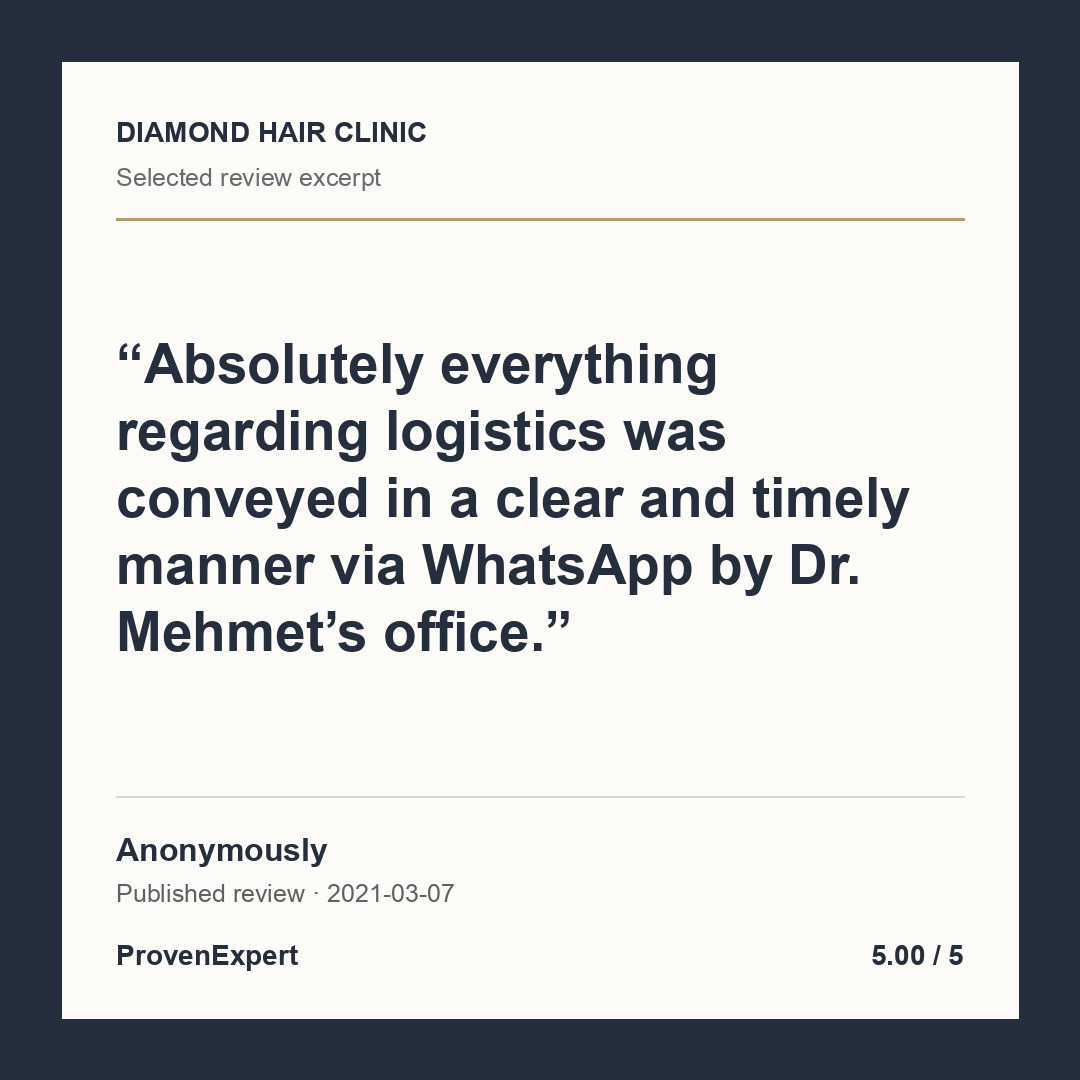
Absolutely everything regarding logistics was conveyed in a clear and timely manner via WhatsApp by Dr. Mehmet’s office.