


Hair Transplant Graft Number Changes on Surgery Day
A hair transplant graft number can change on surgery day, but the change should be medically explained, limited, and agreed before the work continues. A small adjustment after shaving, drawing the hairline, and examining the donor area more closely can be reasonable. A sudden large increase, especially if it is tied to extra payment or pressure while you are already in the clinic, should make you pause.
Before accepting a changed graft count and price, make sure the medical reason for the change is clear. It affects donor area safety, density, hairline planning, crown hair transplant strategy, operation time, and future repair options. Patients often focus on whether the count went up or down. The more useful question is whether the change still protects the surgical plan.
The right graft number is not the biggest number a clinic can say. It is the amount that gives enough coverage while protecting the donor area for the future.
The difference matters most when the patient feels pressure. A small adjustment inside a range you already understood is very different from a new demand after you have travelled, shaved, paid, or entered the surgical room. The number can move, but your ability to understand the reason and say no should not disappear.
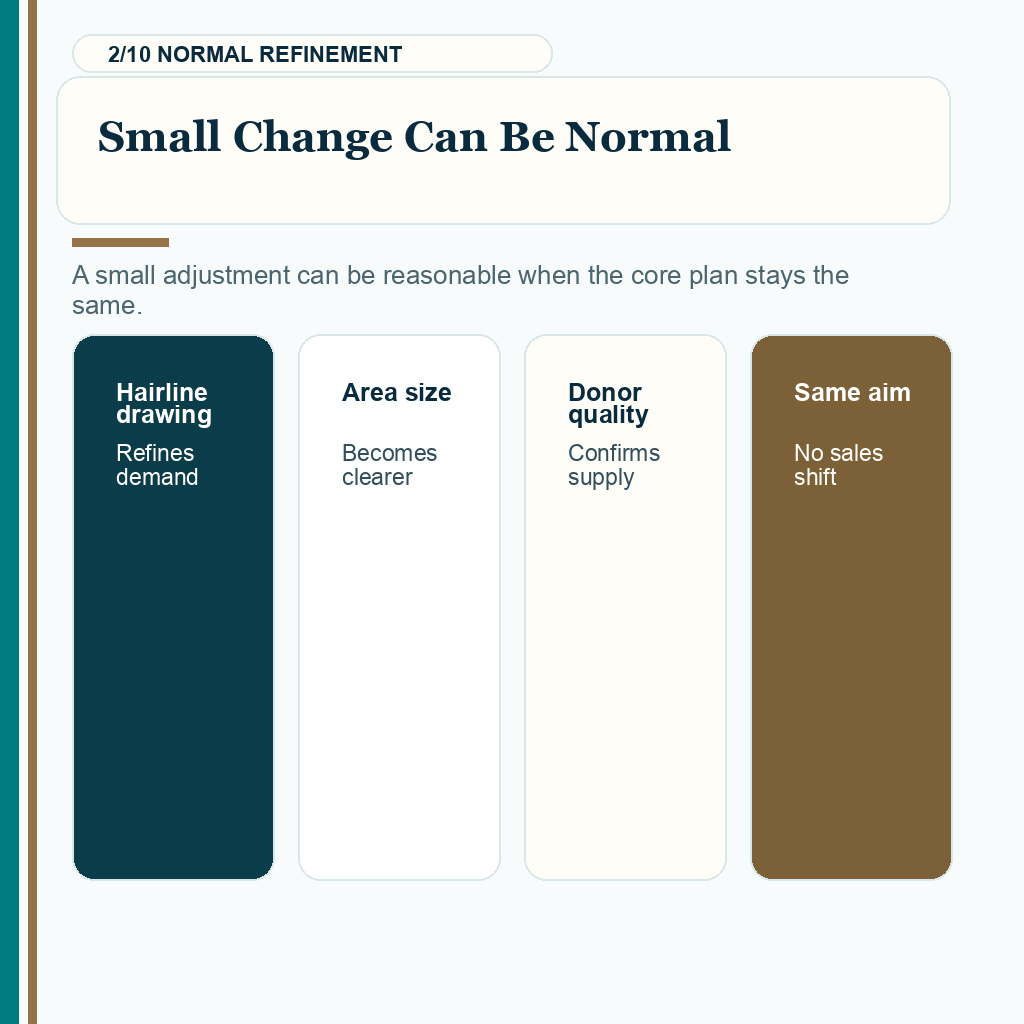
Small graft number changes can be normal
A small change can be normal when the first quote was based on photographs, wet hair, long hair, or limited angles. Once the scalp is shaved and marked, the real surface area becomes clearer. The hairline may need a slight adjustment, the temples may need more careful blending, or the frontal transition may need a different distribution of grafts containing one hair.
At that point, the number is still a working estimate, not a final surgical measurement. The change has to improve the plan without harming the donor area or creating an unrealistic density goal. Understanding how a surgeon calculates the required graft number also makes clinic offers easier to compare.
A change of a few hundred grafts may be medically reasonable if it is explained before extraction begins. You should know where those grafts will go, why they are needed, and whether the donor area can safely provide them. The explanation should feel clinical, not commercial.
If the revised count changes the price, pause before extraction begins. A cost change should follow a clinical map, not appear after you feel too committed to question it.
Even a small added number should keep the same consent standard as the original plan. The reason, treated area, donor source, and price effect should be clear before the change becomes part of the operation.
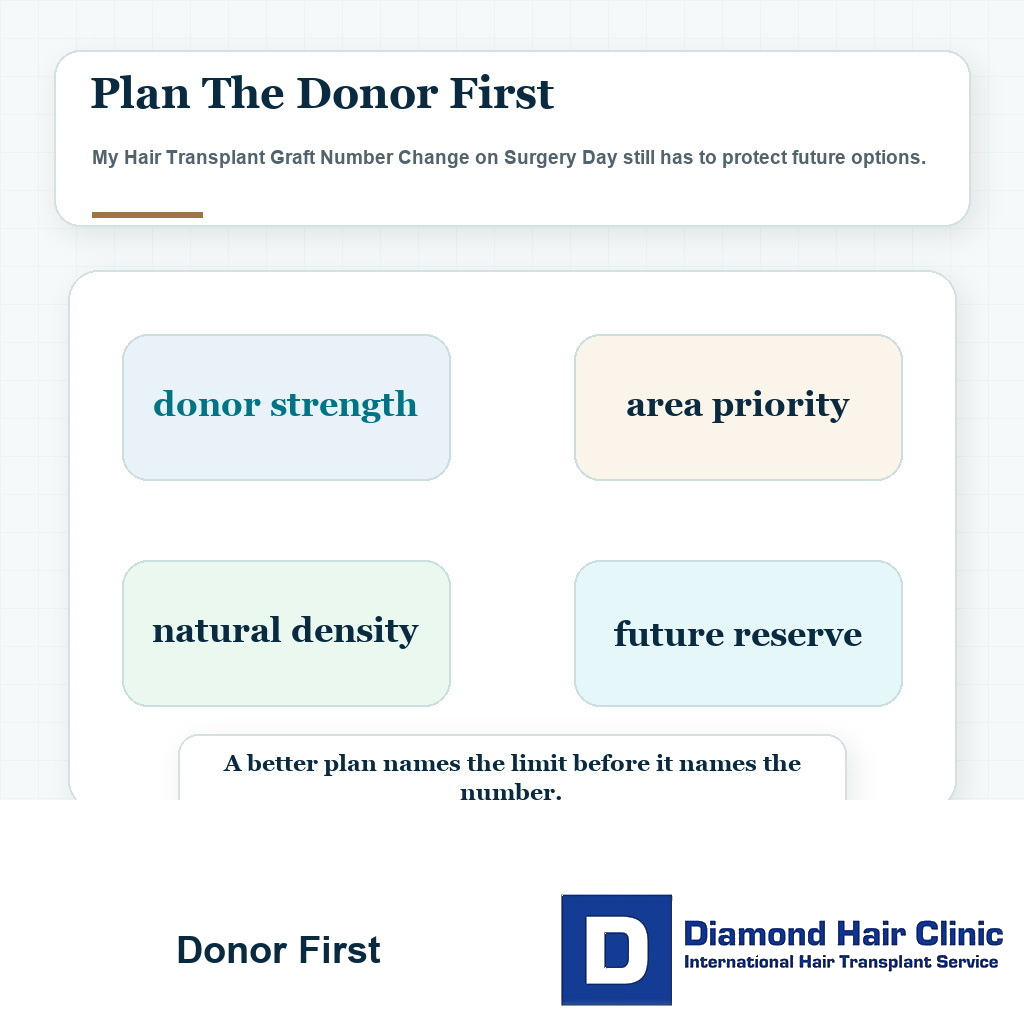
The number should start as a range
A graft plan is usually clearer when it begins as a sensible range, not a dramatic fixed promise. Before surgery, the surgeon can estimate the need, but the final scalp assessment gives more detail. A range allows clear adjustment without making the patient feel misled.
For example, a plan may be built around the front and middle scalp, with a realistic expectation that the number could move slightly after shaving and drawing. That is very different from giving one fixed number during consultation and then asking for a much higher number when the patient is already in a vulnerable position.
A range explained before surgery helps the patient think clearly. A sudden number change during surgery can make the patient feel trapped, and that difference matters. Hair transplant consent before surgery is not only a signature on a form. It is the patient understanding the decision before pressure enters the room.
The upper end of a range is not automatic permission to keep extracting until that number is reached. It still has to fit the donor area, the recipient area, the hairline design, and what the patient agreed before surgery began.
A graft number change becomes a warning sign when the plan changes
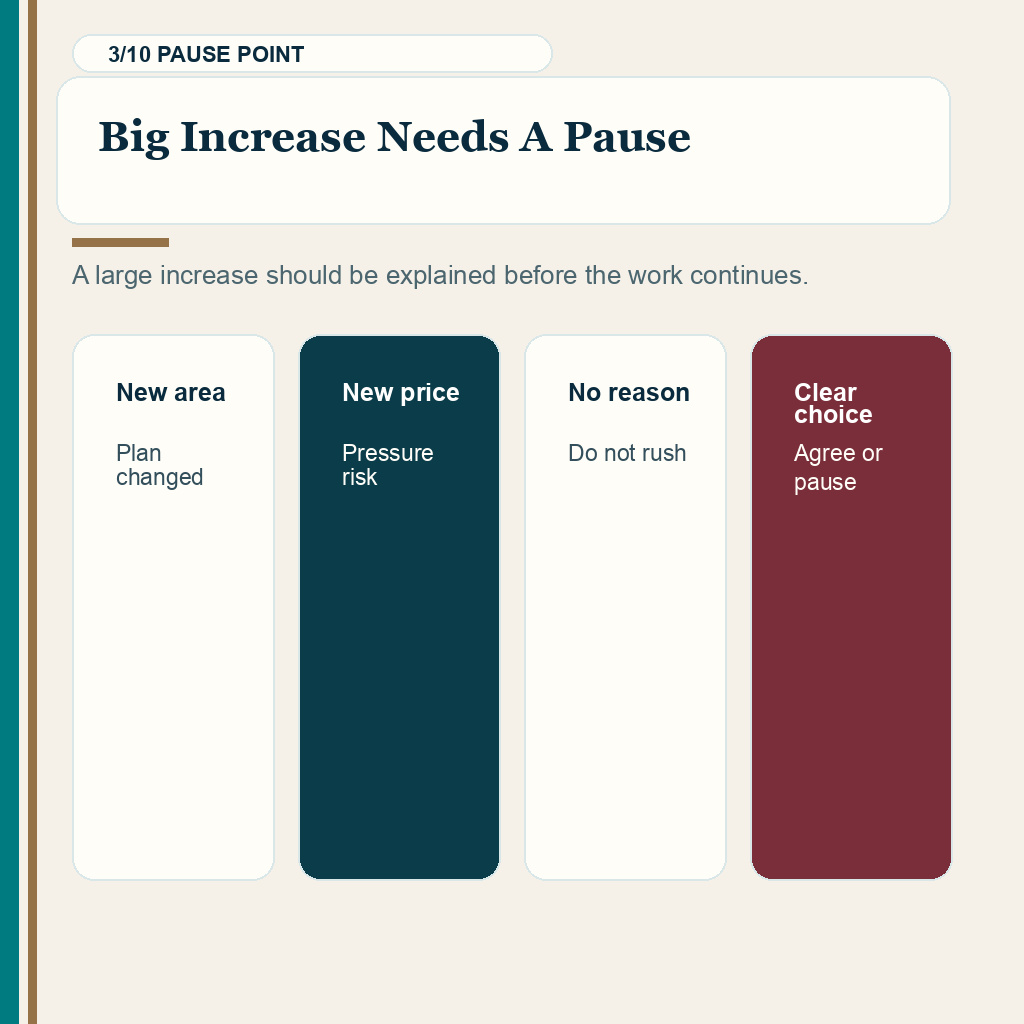
A sudden change deserves closer attention when the patient is already emotionally committed, already shaved, already medicated, or already lying on the surgical chair. At that point the patient is not in the same position to think clearly. An ethical clinic should not use that moment to sell a larger operation.
The larger number is only part of the concern. The way it is presented matters just as much. If the clinic says that the result will fail unless you immediately accept many more grafts, or if the price changes while you are under pressure, that is not a medical discussion. It starts to resemble the red flags of cheap Turkish hair mills that patients should recognize before they travel.
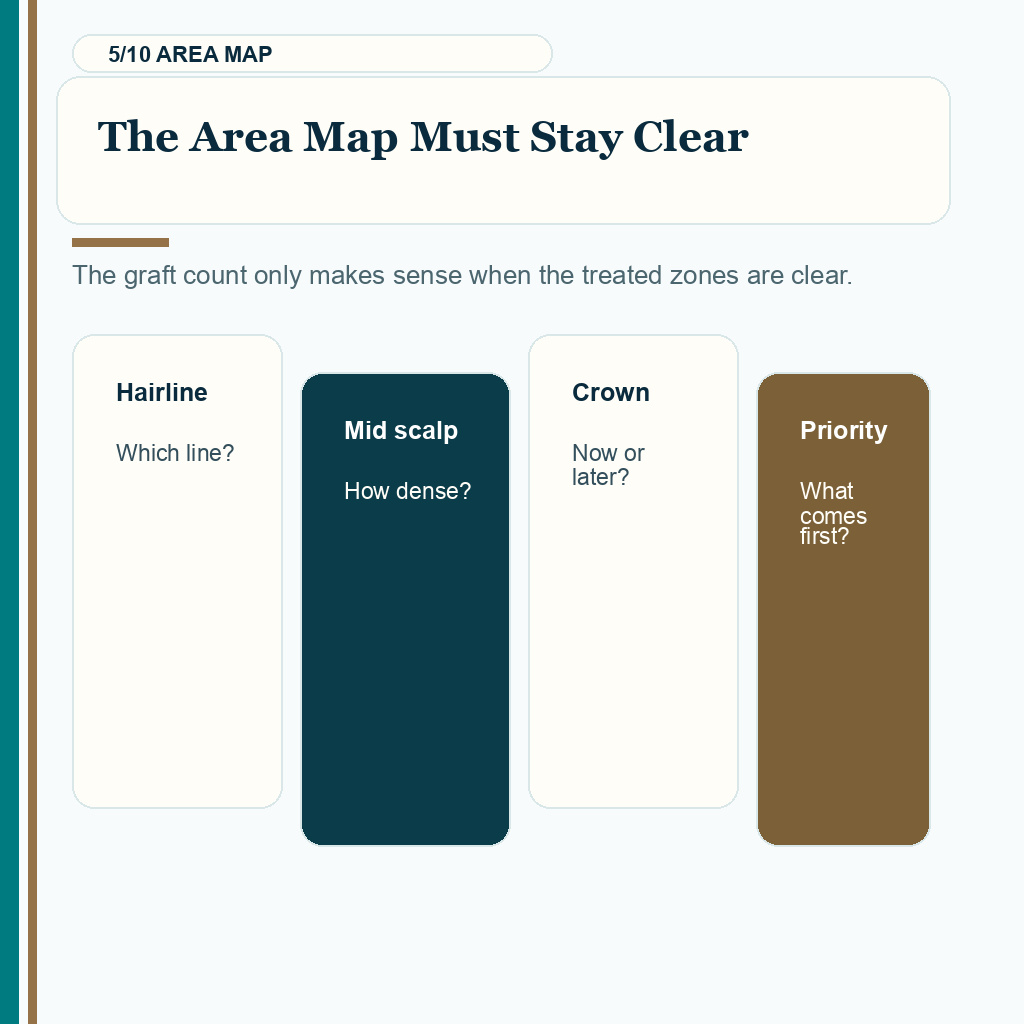
Another concern is a number that keeps growing without a clear design reason. If the hairline, middle scalp, crown, and donor limits were not discussed properly before surgery, the graft count can become a sales tool instead of a surgical plan. You should never feel as if you are buying grafts without knowing how they protect the final result.
The core plan should not change after arrival
The medical plan can be refined, but your ability to say no should not shrink. You should still be able to pause, ask for the surgeon, stay within the original plan, or refuse an optional increase without being made to feel unsafe.
For an optional increase, the original plan must still remain medically acceptable. The answer should leave room for saying no, not make the smaller plan sound unsafe without a clear reason.
When the count goes up, the plan should still have a coherent version without the extra grafts. A clear answer names the priority area. A vague answer often means the new number is leading the plan.
Last minute pressure around price, package level, or fear that the result will fail unless you accept a bigger count immediately is not a small detail.
If the clinic wants to change the number, the explanation should be documented before extraction continues. You should understand the new target, the added zones, the donor reason, and the cost policy. A clear explanation leaves you calmer and better informed. A weak explanation makes the patient feel rushed. Later defense of the final number should connect it back to the zones, donor finding, and consent discussion from that day.
Shaving and drawing can clarify the graft count
Hair can hide the true shape of thinning. Long hair can make a weak area look stronger. Wet hair can make the scalp look more exposed. Strong lighting can exaggerate gaps. A careful assessment after shaving may refine the number for exactly these reasons.
The hairline drawing also changes the calculation. A slightly lower hairline can require many more grafts than a patient expects, because the surface area expands quickly. Temple points, corners, and transition zones need delicate placement. They cannot be filled with random grafts containing multiple hairs just to use up a number.
There is another difference between graft count and hair count. One graft may contain one hair, two hairs, three hairs, or sometimes more. Two patients with the same number of grafts may not receive the same visual density. This helps explain why two clinics can give different graft numbers and still need to be judged by the quality of their reasoning, not only by the total they present.
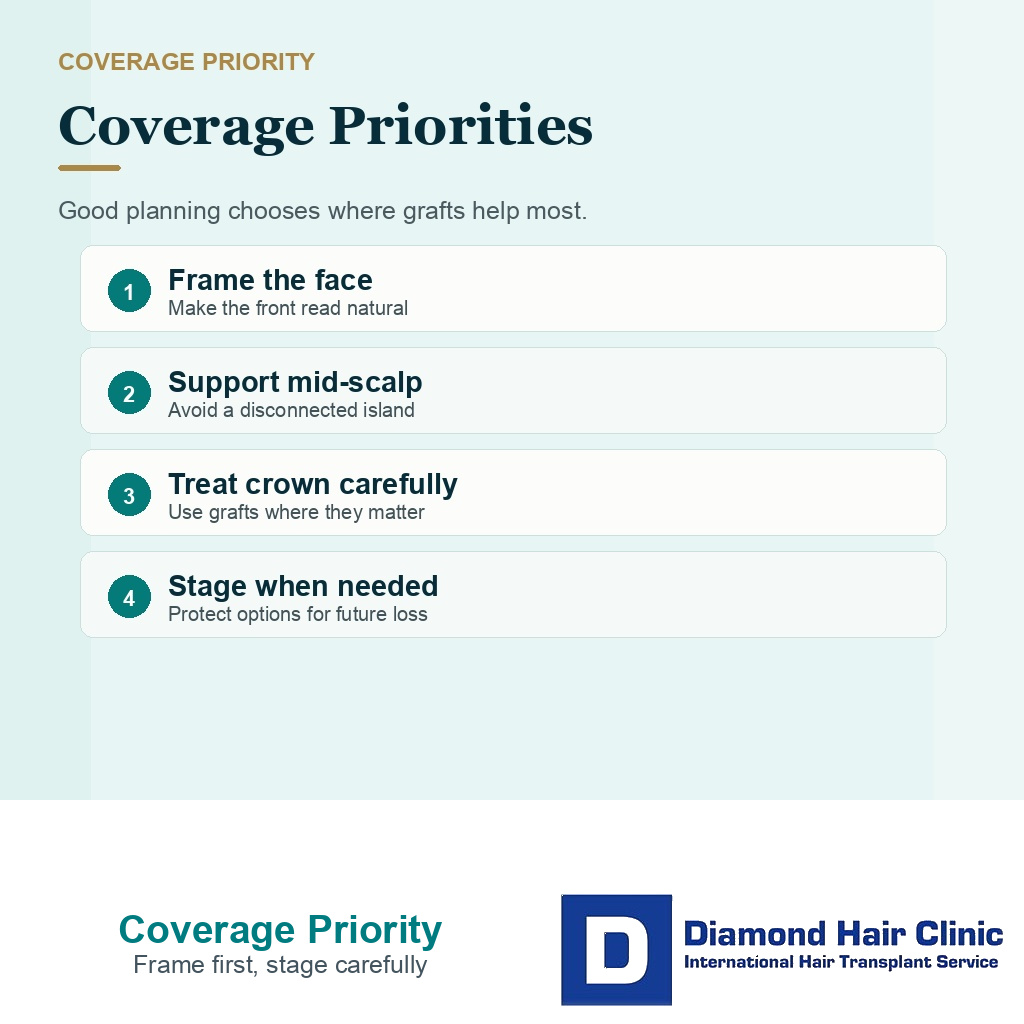
The number can also become lower on surgery day
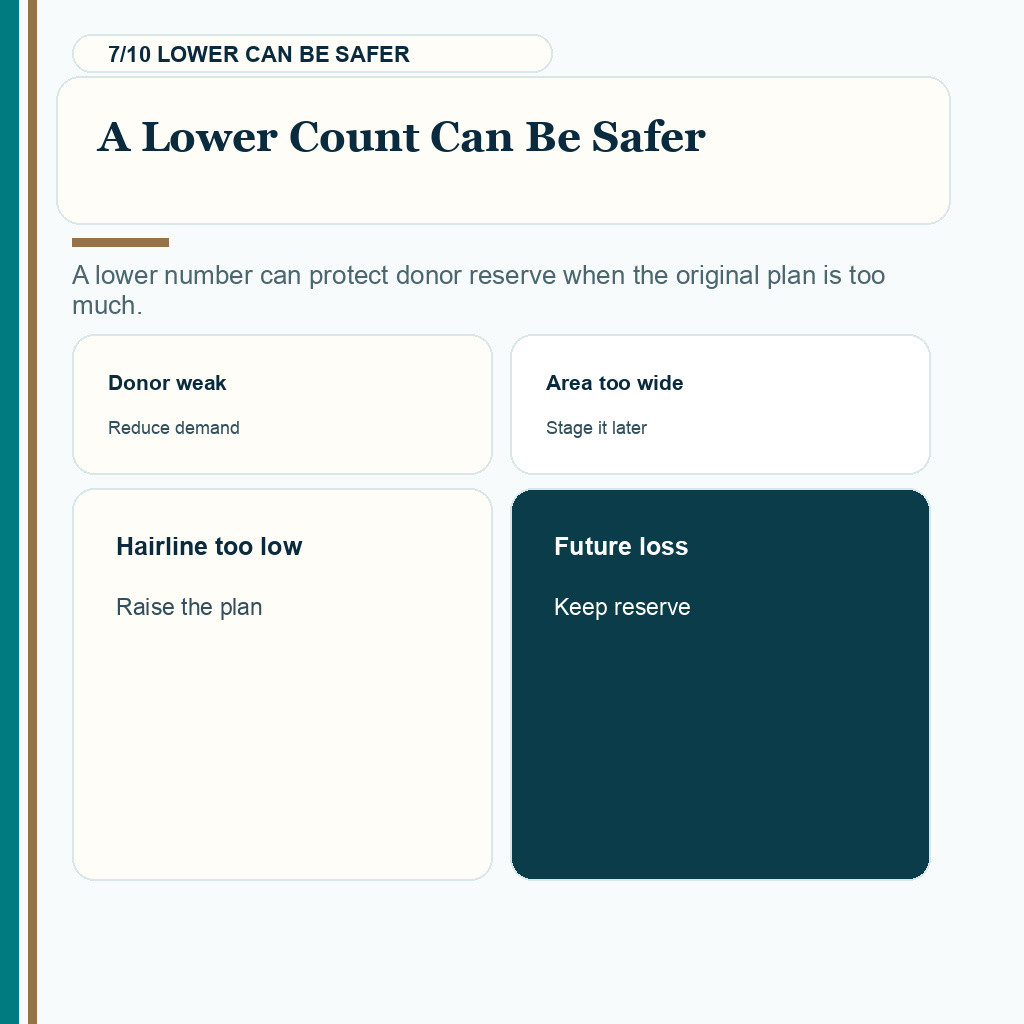
And this can be the more responsible decision. If the donor area looks weaker after shaving, if miniaturization is more visible than expected, or if the scalp does not support the original density plan, reducing the graft number may protect the patient. A lower number is not necessarily a weaker plan.
This can disappoint patients. Many arrive hoping for the maximum possible change in one visit. But if the surgical reality says that a smaller operation is safer, the surgeon should explain that clearly. A clinic that only increases the number, and never reduces it when the donor area asks for caution, may be following the sale more than the scalp.
A lower number can also happen when the hairline is redesigned more maturely. If the first idea was too low or too aggressive, adjusting it upward can save grafts and make the result age better. That kind of decision may feel less exciting on the day of surgery, but it can be the reason the result still looks natural years later.
Donor area safety comes before a larger number
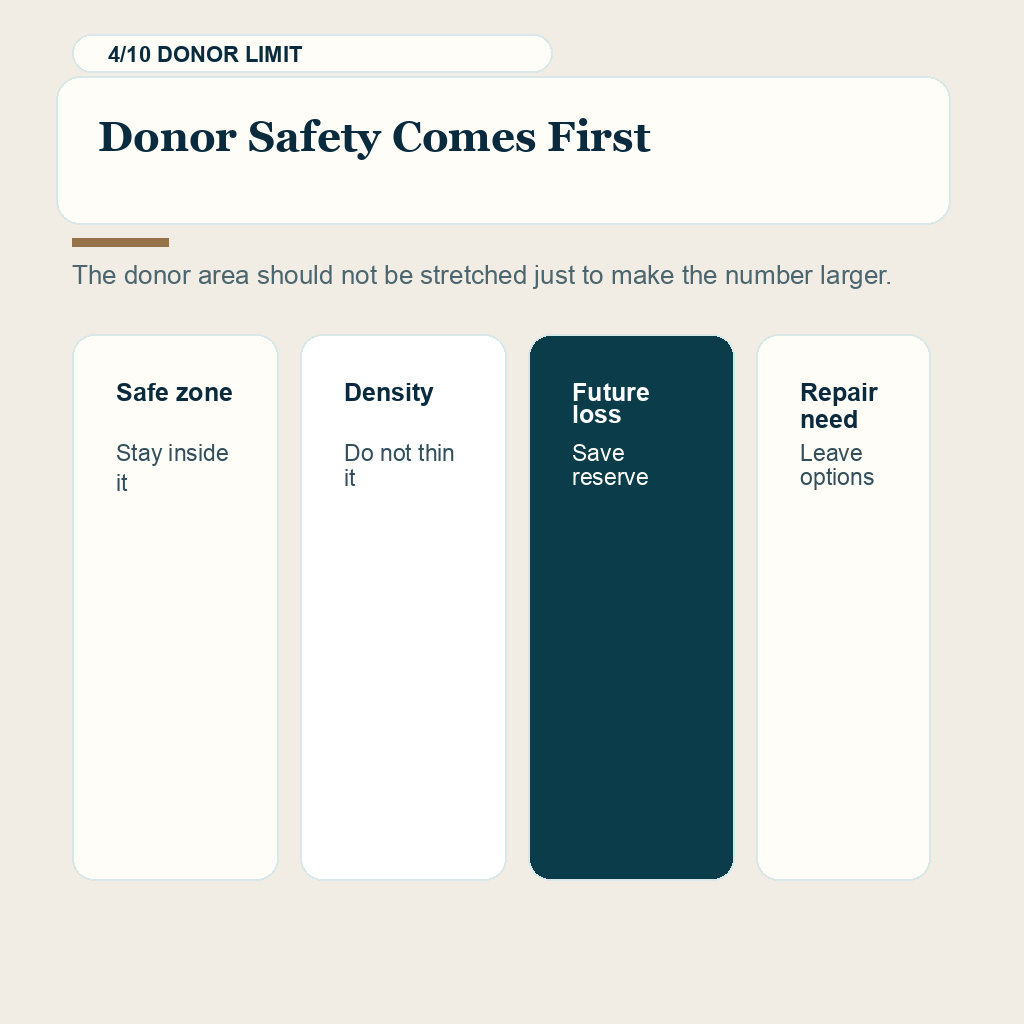
The donor area is a lifetime resource. Every graft removed from that area is removed permanently. If a clinic treats the donor as if it is endless, the patient may pay for that decision later with visible thinning, patchiness, or limited repair options. The safer way to think is in terms of lifetime graft reserve, not only the number that can be extracted in one day.
A larger first surgery may look attractive in a message or package offer, but if it weakens the donor area, the patient loses flexibility for future hair loss. This is not only about how many grafts can be taken today. It is how many can be taken while the donor still looks natural later.
Donor area overharvesting is serious because it is not only a cosmetic problem in the back of the scalp. It can also decide whether a second operation, crown work, or repair surgery remains realistic later.
If the donor is already borderline, protecting it may be wiser than chasing the number. A patient with a weak donor area needs more discipline, not more promises.
The agreement before surgery starts
Before surgery starts, you should understand the planned graft range, the priority zones, the hairline design, the donor limit, and the reason for any possible adjustment. You do not need to control every technical detail. That is the surgeon’s responsibility. But the basic plan should not surprise you after you arrive at the clinic.
Any price difference for extra grafts should be clear before surgery day. It should not appear as a sudden pressure point during the operation. You should be able to ask whether the additional grafts are medically necessary, optional, or simply a way to create more density.
The main agreement is not only the number. It is who is medically responsible for the plan. A larger operation should not be accepted until the explanation also names who actually performs the hair transplant and who is responsible for the hairline, recipient area incisions, and donor management.
The clinic should explain the count clearly
The counting method is where many patients get confused. Some patients think graft count means the number of holes made in the donor area. Some think it means the number of grafts placed into the recipient area. Some clinics may speak about extracted grafts, while better communication should focus on viable grafts that are actually suitable for implantation.
These are not small differences. A graft can be extracted and then judged unsuitable because it is damaged, too weak, or not useful for the intended zone. A graft with multiple hairs can also be refined for natural hairline placement. If a clinic speaks only about a large total, the patient may still not know what was actually useful for the result.
After surgery, the useful count record is more than one total number. I want the planned range, harvested grafts, viable grafts, placed grafts, and zone distribution separated, because early photos and scabs cannot reconstruct that accurately later.
You should know exactly what the final number means. Is the clinic counting extracted grafts, prepared usable grafts, or implanted grafts? If a clinic charges by graft, that distinction matters even more. A clear count protects trust. A vague count creates suspicion even when the surgery itself may have been reasonable.
Graft count terms that should not be mixed
| Term | Plain meaning | Why it matters |
|---|---|---|
| Planned range | The expected number before surgery starts | It should stay connected to donor safety and coverage priority |
| Harvested grafts | The grafts removed from the donor area | Removal alone does not prove every graft was usable |
| Viable grafts | The grafts judged suitable for placement | This number explains why a harvested total can differ from a placed total |
| Placed grafts | The grafts implanted into the recipient area | This is the count most closely tied to the final placement map |
| Zone distribution | Where the grafts were placed | Hairline, mid scalp, and crown numbers answer different cosmetic questions |
When payment or trust depends on the number, graft count verification should separate these terms before the total becomes a dispute.
Price per graft can confuse the decision
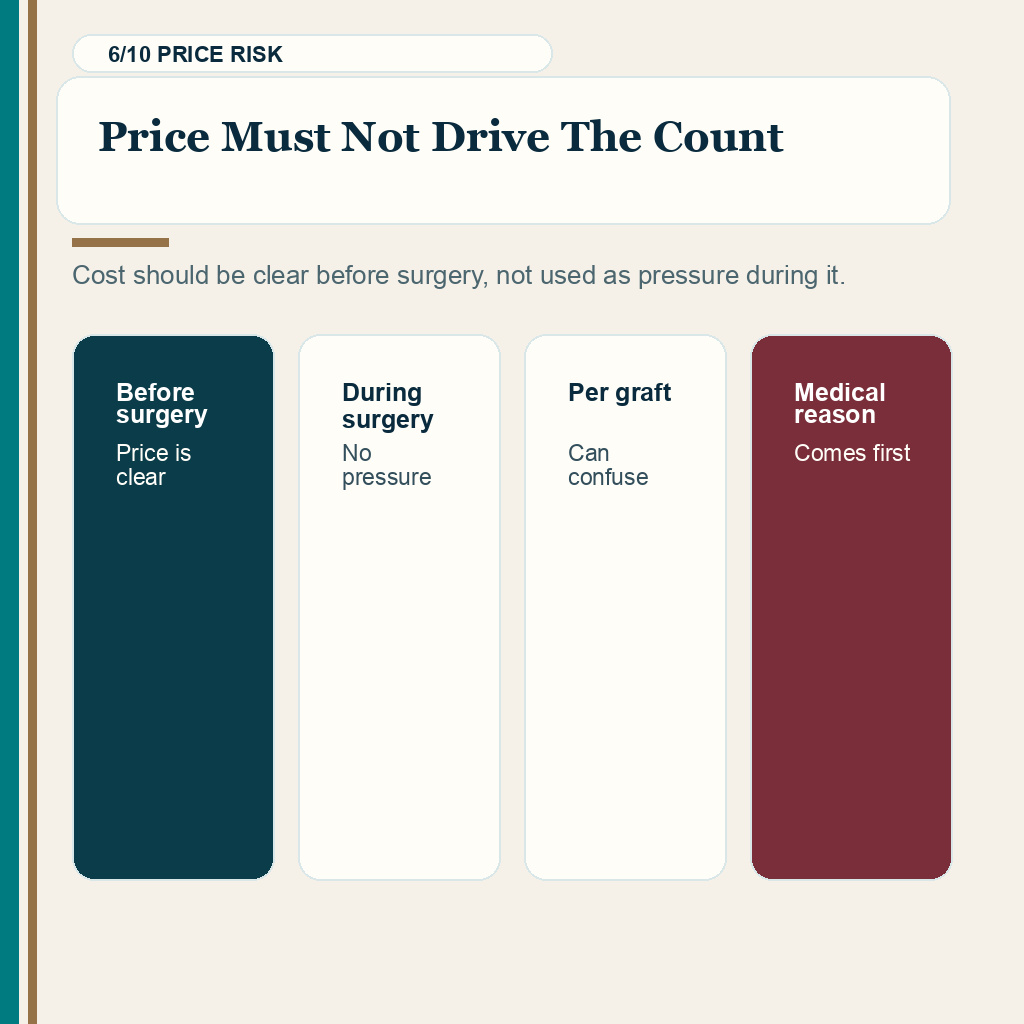
Price per graft can make the discussion feel simpler than it really is. If every extra graft has a separate price, you may start thinking like a buyer instead of a patient. You may ask whether you are getting enough for the money, while the surgeon should be asking whether the plan protects the donor area and creates a natural result.
Price per graft is not simply wrong. It becomes unsafe when the pricing model begins to control the medical decision. You should know whether the quoted number means extracted grafts, implanted grafts, usable grafts after preparation, or a planned range. These details matter because a graft that is damaged, unsuitable, or not implanted should not be treated the same as a healthy graft placed correctly.
In a responsible discussion, cost should be transparent before surgery begins. This connects with hair transplant cost in Turkey, because the price only becomes meaningful when the surgical plan is medically clear. Cost should not become a surprise tool during the operation. If money enters the conversation at the exact moment when the patient feels least able to say no, that is poor medical communication.
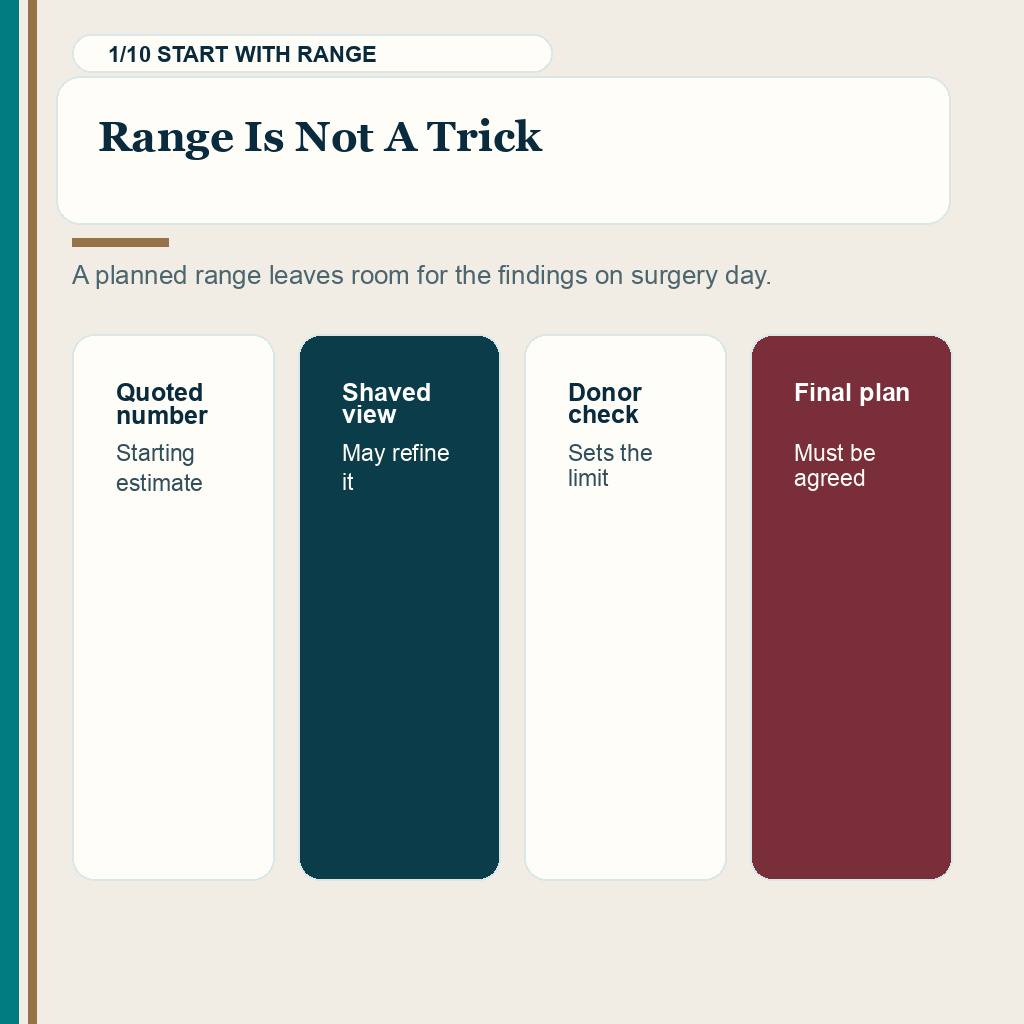
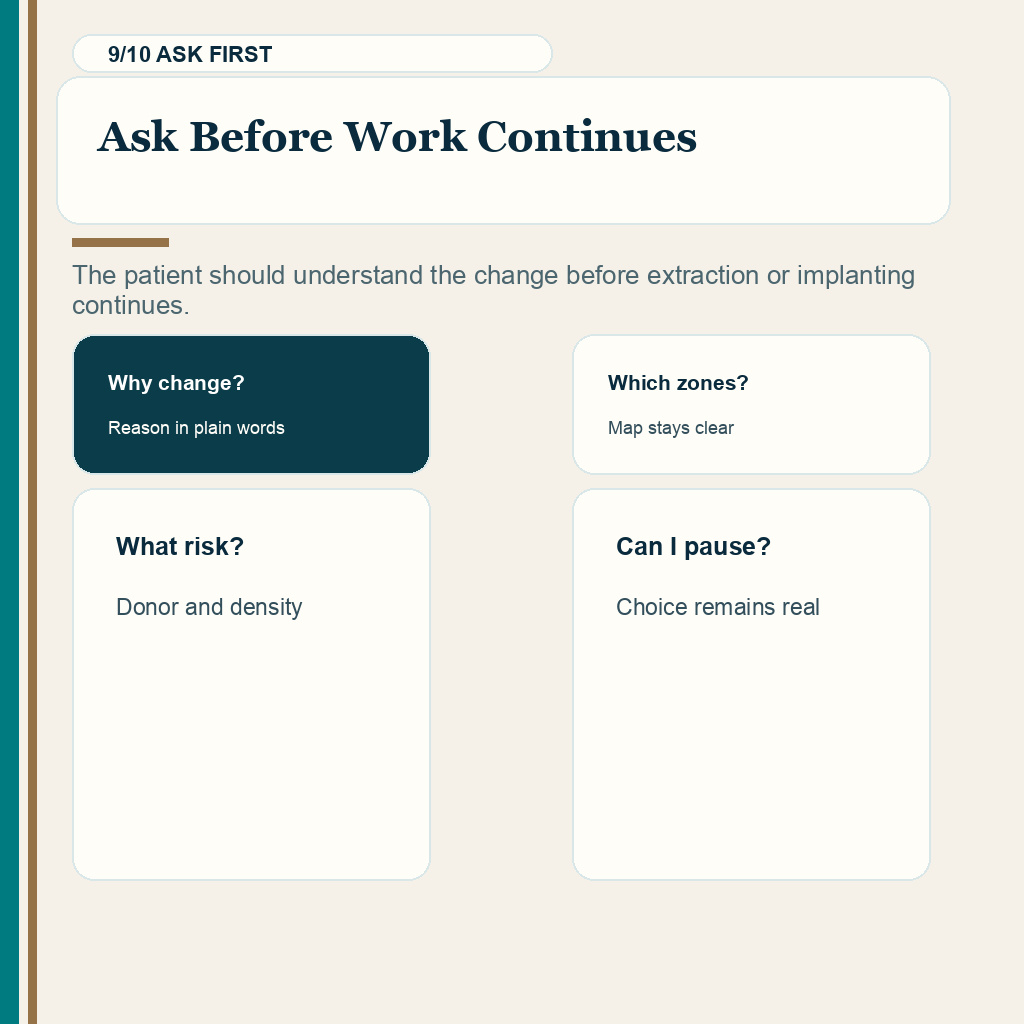
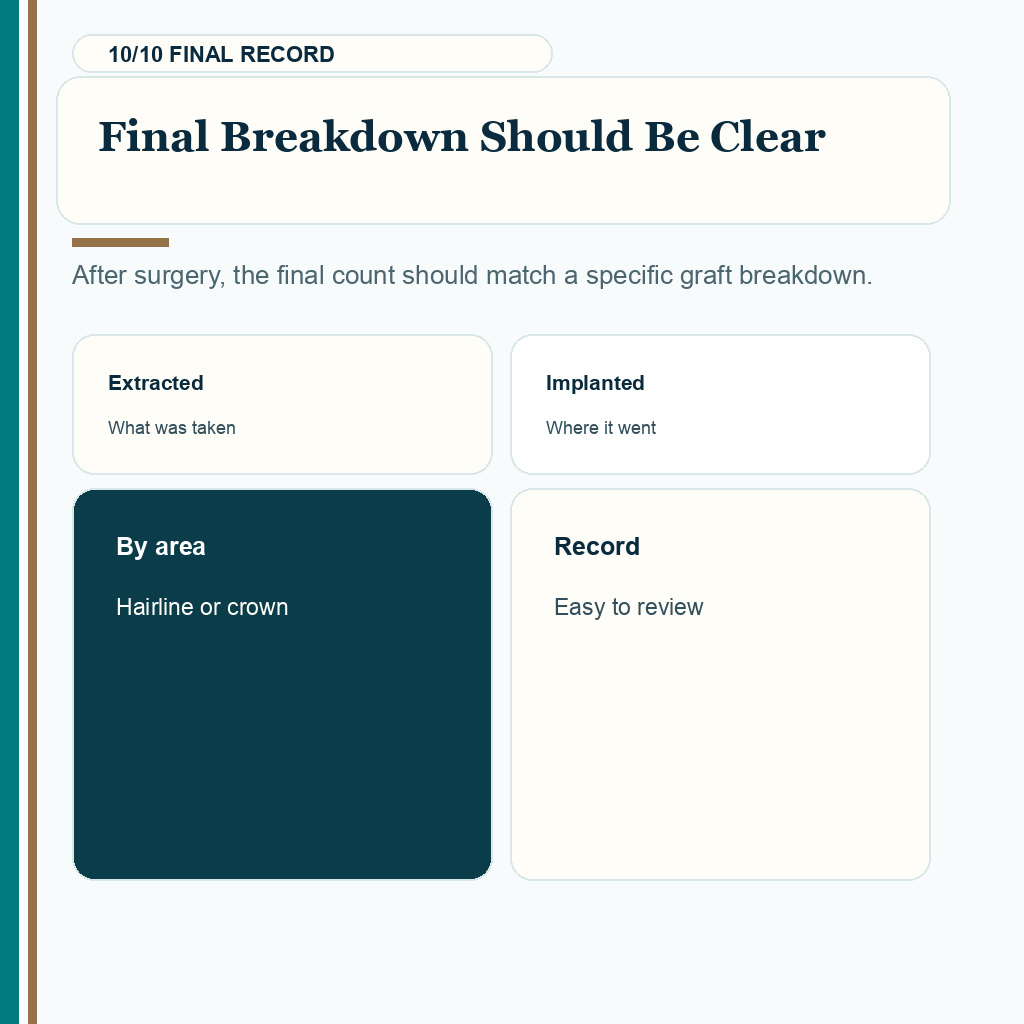
The surgery day slides separate a responsible graft number adjustment from a plan change caused by pressure. They cover the planned range, small refinement, large increase, donor safety, treated areas, price pressure, safer lower counts, crown demand, questions before work continues, and the final record. Swipe sideways, use the arrows for one slide at a time, or choose a number below the image.

A higher graft number does not guarantee a better result
Sometimes a higher number is useful. A larger bald area, coarse hair, strong donor capacity, and a carefully staged plan may support a larger session. But more grafts do not necessarily mean a better result. A poorly placed high number can look thin, artificial, or damaged, while a smaller well planned number can look natural.
The recipient area also has biological limits. If too many incisions are made too close together, tissue stress can increase and existing hair can suffer. Too many grafts in one area can damage a transplant. Density has to be planned, not forced.
Large numbers often sound decisive to patients. I understand that. Nobody wants to travel, pay, recover, and then feel undertreated. The safer test is whether the number can create a natural result while protecting the donor area for the future.
Crown coverage changes the decision
The crown can change the plan dramatically. It has a wide surface area, a spiral hair direction, and a tendency to consume many grafts without giving the same facial framing effect as the front. A suggestion on the day of surgery to suddenly add the crown deserves caution.
The wiser strategy may be to prioritize the hairline and frontal middle scalp first, then judge the crown later. A patient who tries to cover everything in one session may end up with a weaker front, a depleted donor area, and a crown that still looks thin. This is the reasoning behind hairline or crown first.
Large numbers need even more discipline. A 5,000 graft session or a 7,000 graft plan over two days should never be treated as routine. The issue is not whether the number is physically possible. The issue is whether it is safe, necessary, and strategically wise for that patient.
Questions to ask if more grafts are suggested during surgery
A request to increase the graft number during the day needs a real pause before extraction continues. The explanation should name where the extra grafts will be placed, what changed from the original plan, and whether the donor area can safely tolerate the increase.
The change should be separated into an adjustment within the discussed range or a genuinely new plan. Necessary correction for naturalness and optional density increase are not the same. A necessary correction may protect the final appearance. An optional density increase may be reasonable in selected cases, but it should not be sold with urgency.
If the answer is vague, rushed, or mainly about payment, pause before accepting the change. The explanation should leave you clearer, not more pressured. You should feel that the plan has become more precise, not that the operation has turned into a negotiation.
A number change after extraction needs clear documentation
A number change before extraction is easier to understand because the plan is still being refined. A number change after extraction has started needs more careful explanation. The clinic should be able to say what changed and how many grafts have already been removed.
If bleeding, donor quality, graft quality, or recipient area capacity changes the plan, the surgeon should explain the medical reason. Continuing with the original target is not always wise. Stopping earlier may protect the donor area. The recipient area should not be pushed harder just because more grafts were expected. This is a surgical judgment, not a sales moment.
Asking for extra money while a patient is sedated, uncomfortable, or unable to think normally is not the right moment for a commercial decision. If a change is truly necessary, it should be documented and explained in a way the patient can understand later.
The final graft breakdown should be specific
After surgery, you should receive a clear graft breakdown. It does not have to be theatrical or complicated. It should simply explain the final number and the main zones where grafts were placed.
A useful breakdown may include how many grafts went to the hairline and front, how many went to the middle scalp, whether the crown was treated, and whether grafts containing one hair were used in the hairline transition. If the number changed from the original plan, the reason should be clear.
Future planning depends on this record. If the patient later considers a second hair transplant, the next surgeon needs to understand what was already used and where. A graft count is not only a receipt. It is part of the patient’s surgical history.
Judging the plan after surgery when the number feels wrong
After surgery, photographs can help, but they cannot prove the exact graft count with perfect accuracy. Scabs, swelling, blood, hair length, and lighting can mislead the eye. A patient may think the number looks too high or too low, but visual counting from early photos is not fully reliable.
The pattern is more useful than the photograph alone. Look at whether the recipient area was planned logically, whether the hairline looks natural, whether the grafts are distributed within the agreed zones, and whether the donor extraction pattern looks even rather than patchy. Crown placement outside the plan or an aggressively harvested donor area can be fair concerns. Do not try to prove the count from the photograph alone. Match the photograph with the zone breakdown, consent note, and final operation report.
The clinic should be able to provide a clear graft breakdown by zone and a basic explanation of the counting method. You do not need to become a graft auditor. But the clinic should be transparent enough that you do not feel abandoned after asking a reasonable question.
A changed graft count needs a clear surgical reason
The number is one part of the surgical plan, not the plan itself. Age, hair loss pattern, donor strength, hair caliber, medication stability, hairline design, crown involvement, and future risk all change whether a number makes sense.
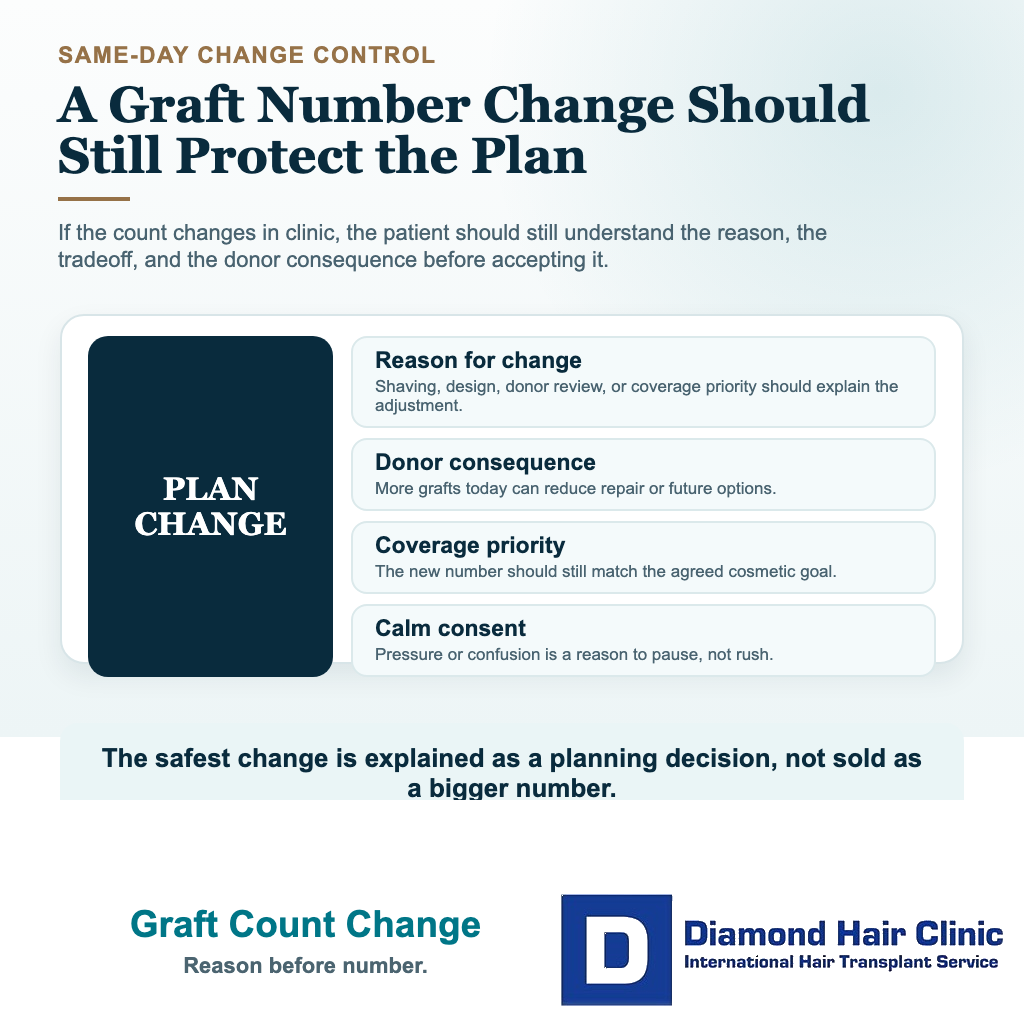
A conservative number explained clearly is safer than an impressive number that weakens the patient’s future. The safer surgical choice may be the number that keeps the donor area useful for later hair loss. Grafts still need to be used in the right places, with the right angles, at the right time.
A graft number change on the day of surgery is not always a reason to panic. A small explained adjustment can be normal. When the day ends below the planned number, the reason should connect to safety, graft handling, or the donor plan before any quick promise to finish the number. But do not ignore pressure, confusion, or sudden commercial urgency. Your donor area is too valuable to be spent because a number sounded impressive in the moment.
A changed graft number also gives the financial quote a reason to slow down. Hair transplant quote changes before surgery are easier to judge when the revised scope is written before consent and vague pricing is treated as a pause point.

Read this review excerpt
We also had a levelled conversation about my hairline and results I could expect based on my donor density area.