


- Written by Dr.Mehmet Demircioglu
- Estimated Reading Time 8 Minutes
Water After FUE Is About Steady Balance
In the first days after surgery, drink steadily, eat when your stomach allows it, and tell the clinic if dizziness, repeated vomiting, diarrhea, confusion, chest symptoms, or strong weakness appears. Panic drinking does not protect grafts. The aim is comfort, blood pressure stability, medicine tolerance, and clear symptom reporting. Steady balance is more useful than forcing water.
I do not turn water into a promise about graft survival. After FUE, it is easy to treat every sip as if it decides the result, but that is not how graft protection works. Fluids matter because you may be tired, have traveled, may be eating less, may have changed caffeine or alcohol habits, may be taking medicine, and may be sitting upright more than usual. Those details can make the body feel different even when the grafts are not in danger.
Hydration supports comfort, not graft survival promises
A good recovery routine keeps the body comfortable enough to follow the aftercare plan. That means drinking normal fluids, eating simple meals, taking approved medicine correctly, and avoiding alcohol in the early period. The wider hair transplant aftercare routine still leaves room for a separate fluid balance conversation because this is where many people overcorrect.
If you drink very little, you may feel lightheaded, get a headache, feel more tired, or tolerate medicine poorly. If you force large amounts of water because you are afraid grafts will fail, that can create another problem. The transplanted grafts need careful handling, washing, and protection from rubbing, pressure, and trauma. They do not need panic drinking.
Food also matters. A light, steady diet can help nausea settle and can make fluids easier to tolerate. I often connect this with what to eat after hair transplant because drinking water without eating at all can still leave you weak.
A steady rhythm beats panic drinking
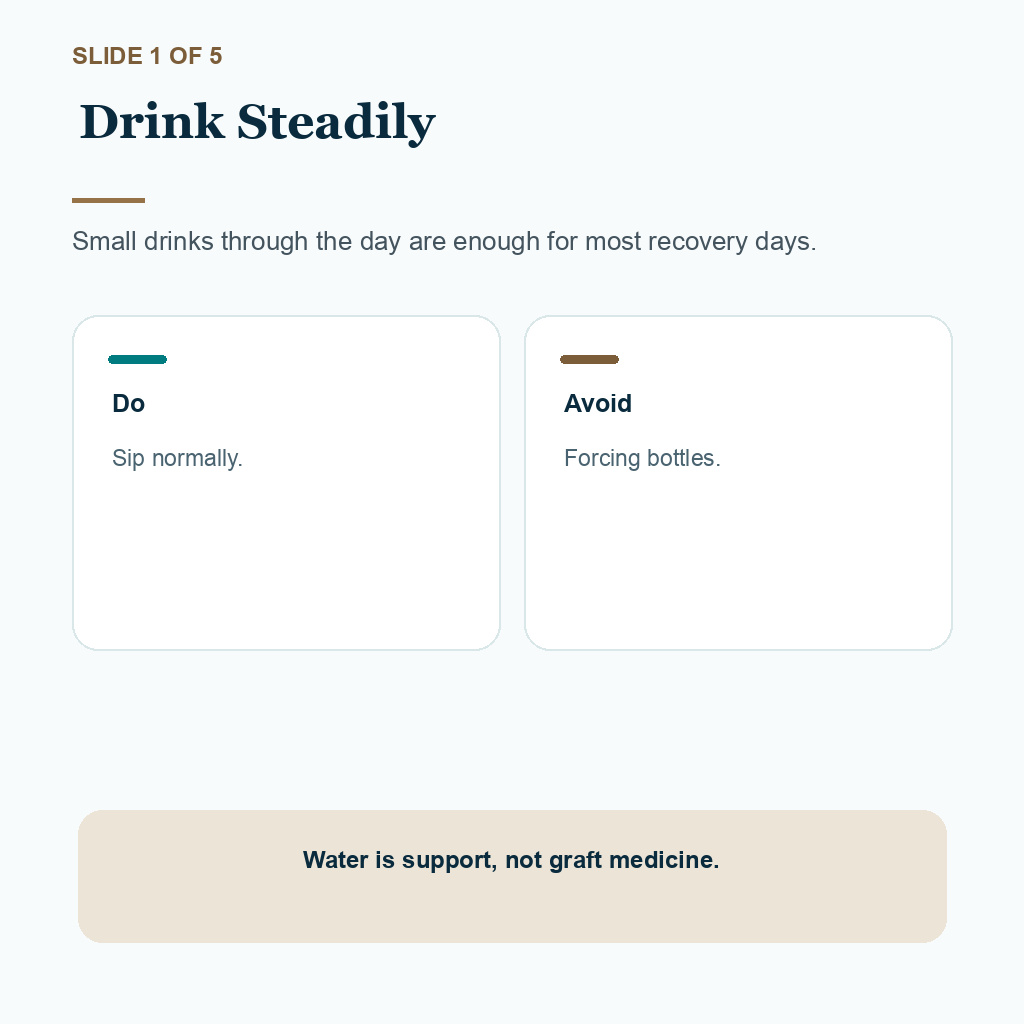
A steady rhythm is ordinary, and it should feel almost boring. Small drinks through the day, simple meals, and rest are usually easier than finishing a large bottle quickly out of fear. The scalp does not become safer because the stomach is suddenly full of water. A steadier pattern also makes follow-up messages easier to interpret.
Electrolytes are part of the same idea. You do not need to chase sports drinks after every sip. But if vomiting, diarrhea, heat exposure, long travel, or poor food intake is present, a simple oral rehydration drink or electrolyte option may be more sensible than plain water alone. Plain water can also become unhelpful if you keep forcing it while eating very little or losing salt through vomiting, diarrhea, or heavy sweating. The answer is not to drink more and more. It is to report the full situation and replace the loss sensibly.
Do not mix dehydration fear with supplement experiments. If a drink contains stimulants, high caffeine, herbal ingredients, or unknown powders, it is no longer just hydration. Keep the first days simple unless the clinic has reviewed the product.
Dizziness changes the message you send
Dizziness after FUE can come from many sources. Travel fatigue, poor sleep, fasting, anxiety, blood pressure changes, medicine, low intake, pain, heat, and standing up quickly can all contribute. Strong or repeated symptoms fit the more detailed guidance on fainting or dizziness after hair transplant.
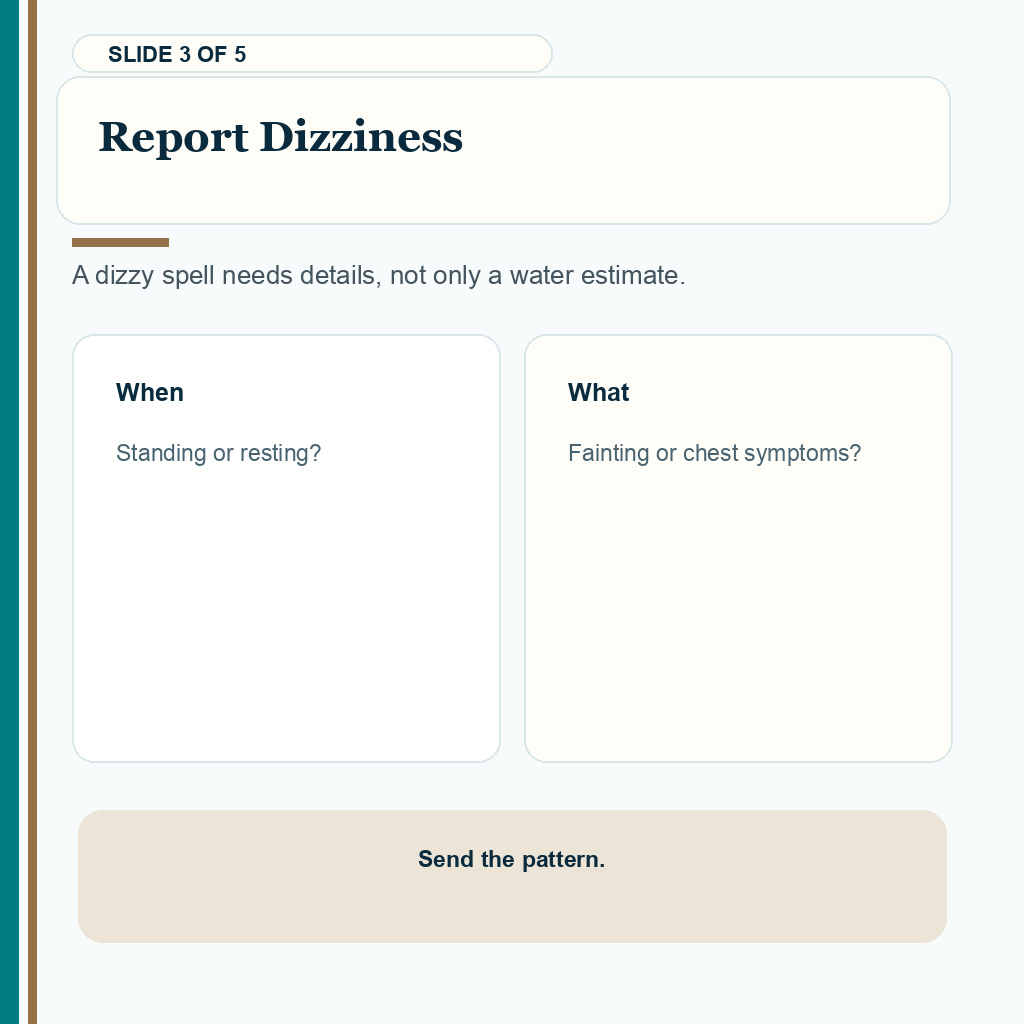
When you message the clinic, be specific. Tell the clinic when it started, whether it happens when standing, what you ate, what you drank, which medicines you took, whether you vomited or had diarrhea, and whether there is chest pain, shortness of breath, weakness on one side, confusion, or fainting. That information is more useful than writing only that you feel strange.
A mild lightheaded moment after standing is different from collapsing, chest symptoms, or confusion. The symptom pattern matters more than the water number.
Headache is not always a water problem
Headache can follow sleep disruption, caffeine changes, tight muscles, travel, local anesthesia recovery, stress, or dehydration. Water may help if intake has been poor, but it should not be used to ignore warning signs. Strong, unusual, or persistent headache belongs with the warning detail in headache after hair transplant.
If the headache is severe, unusual, paired with neurological symptoms, connected to repeated vomiting, or does not fit your usual pattern, send a message early and seek appropriate medical care when urgent symptoms are present. The grafts are not the only thing being protected during recovery.
Vomiting or diarrhea changes the plan for the day
Repeated vomiting or diarrhea is different from a small appetite. It can reduce fluid intake, disturb sleep, affect medicine tolerance, and make you weak. The pages on nausea after FUE, vomiting after hair transplant, and diarrhea after hair transplant give more detailed symptom guidance.
When the stomach is unsettled, small sips may work better than large drinks. If fluids do not stay down, if urine becomes very dark, if weakness is strong, if there is fever, blood, severe abdominal pain, or fainting, do not solve it with another bottle of water. Report the full pattern.
Medication timing may also need review if vomiting or diarrhea is present. Do not double doses, add nausea medicine, or change antibiotics without clear instruction.
Caffeine, alcohol, and long flights can confuse the picture
You may change several routines at once. You stop coffee suddenly, avoid alcohol, fly home, sleep badly, eat lightly, sit upright, and then wonder why the body feels strange. Each factor can make hydration questions harder to read.
Coffee is not the same as water, but sudden caffeine withdrawal can create headache in some people. Coffee after hair transplant should be handled in a way that fits the clinic’s instructions and the patient’s blood pressure, sleep, and stomach tolerance. Alcohol is a separate issue because it can worsen dehydration, vomiting risk, sleep quality, and unsafe medicine mixing, which is why alcohol after hair transplant needs its own stricter boundary.
Long flights can add dry cabin air, missed meals, travel stress, and poor sleep. Jet lag and long flights after hair transplant matter because recovery symptoms do not happen in a perfect clinic room. They happen in hotels, airports, and at home after travel.
The steady fluid carousel
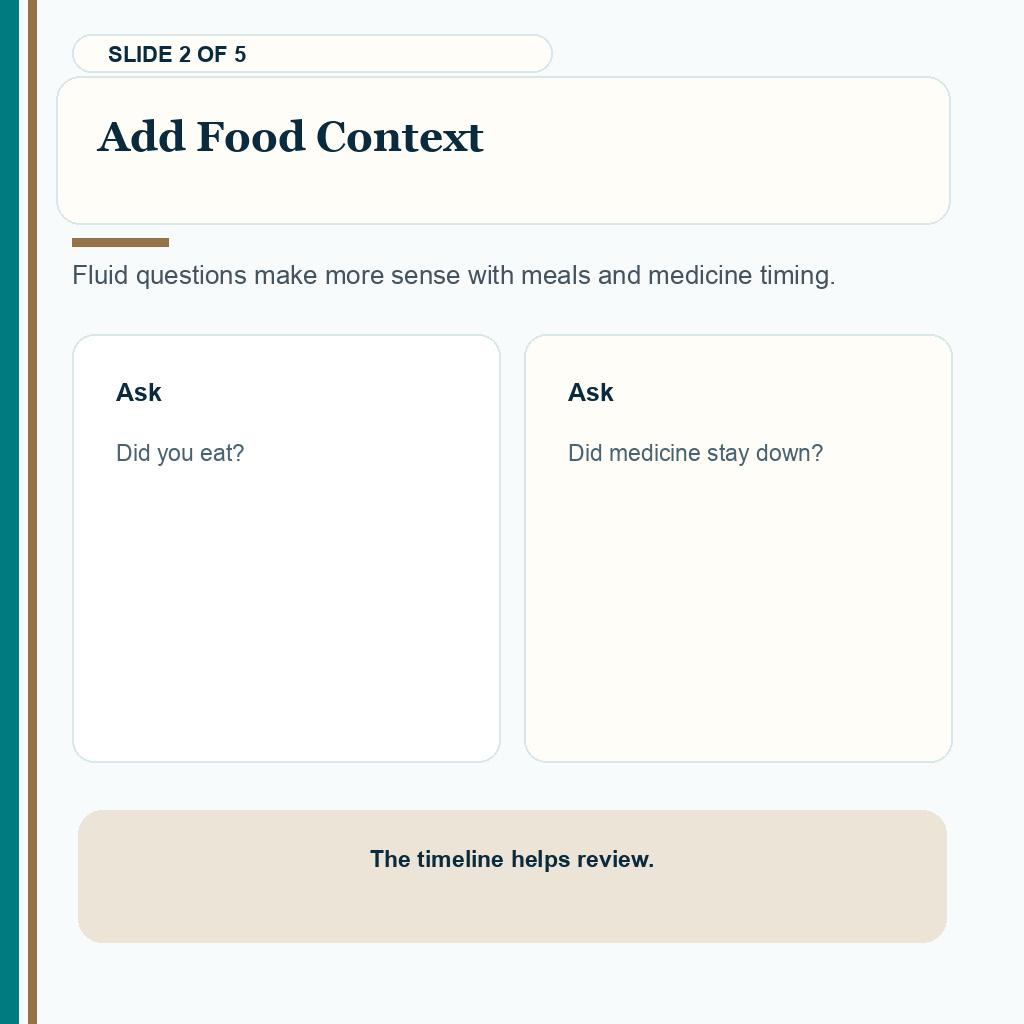
The five slides below turn fluid advice into practical recovery signals. Use the arrows or numbered controls to move through them.
Fluid balance signal map
Tap the recovery day state that feels closest. The point is not to calculate a perfect water target. It is to decide whether the day looks ordinary, anxiety driven, symptom driven, or affected by travel and stomach loss.
Keep the day ordinary
Signal Urine is not very dark, the stomach is settled, and there is no strong dizziness or weakness. Better next step Keep small drinks, simple meals, and rest steady. What not to do Do not chase a fixed bottle count when the day is already settling.
Stop treating water as graft medicine
Signal You are forcing bottle after bottle because you fear graft failure. What it changes Drinking has become anxiety behavior, not graft care. What not to do Do not replace careful handling, washing, and clinic instructions with panic drinking.
Describe the dizziness pattern
Signal Dizziness appears when standing, after poor intake, or together with weakness. Better next step Report food, fluids, medicine timing, fainting, chest symptoms, confusion, and weakness on one side. Safety boundary Chest symptoms, confusion, fainting, or weakness on one side need urgent medical judgment.
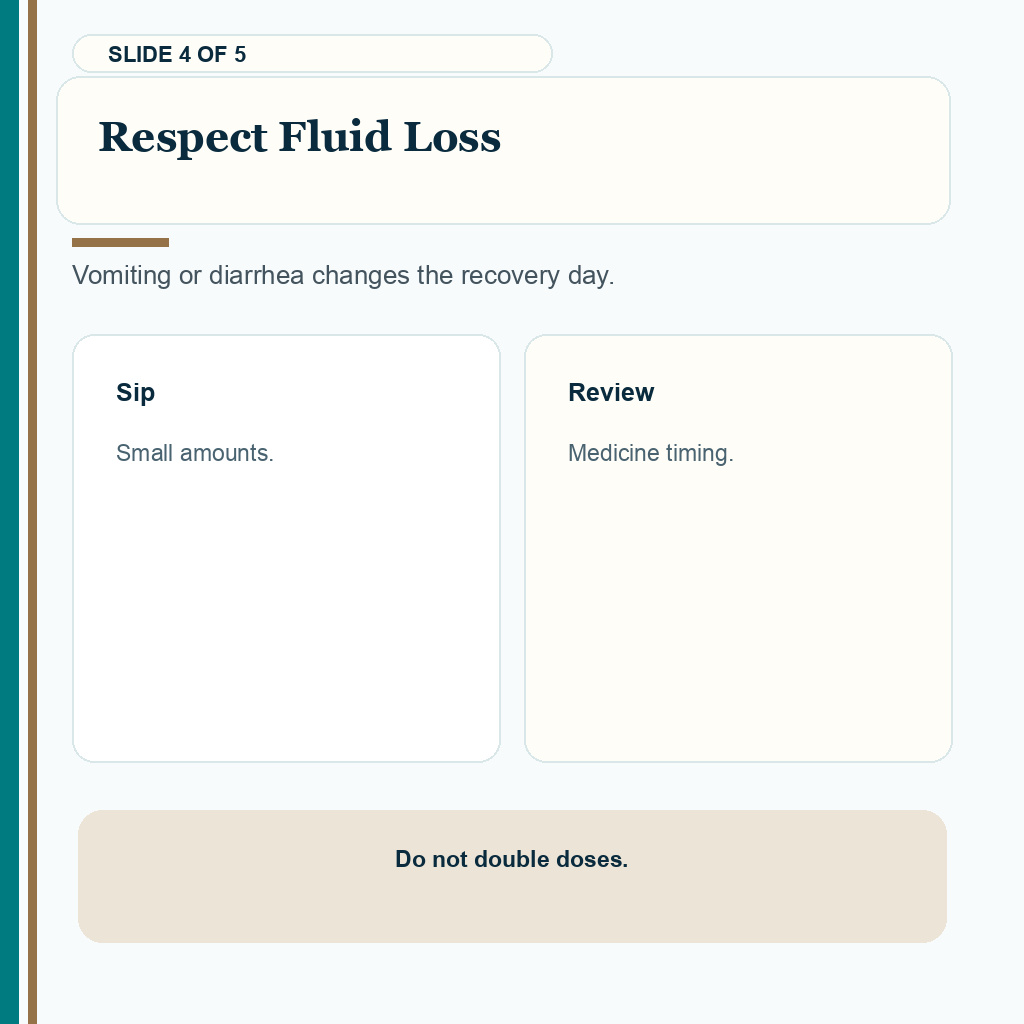
Fluid loss changes the day
Signal Vomiting or diarrhea is present, or fluids are not staying down. What it changes Fluid loss can affect weakness, medicine tolerance, and recovery comfort. Better next step Use small sips, consider an oral rehydration option if it is appropriate for you, and contact the clinic early if fluids do not stay down.
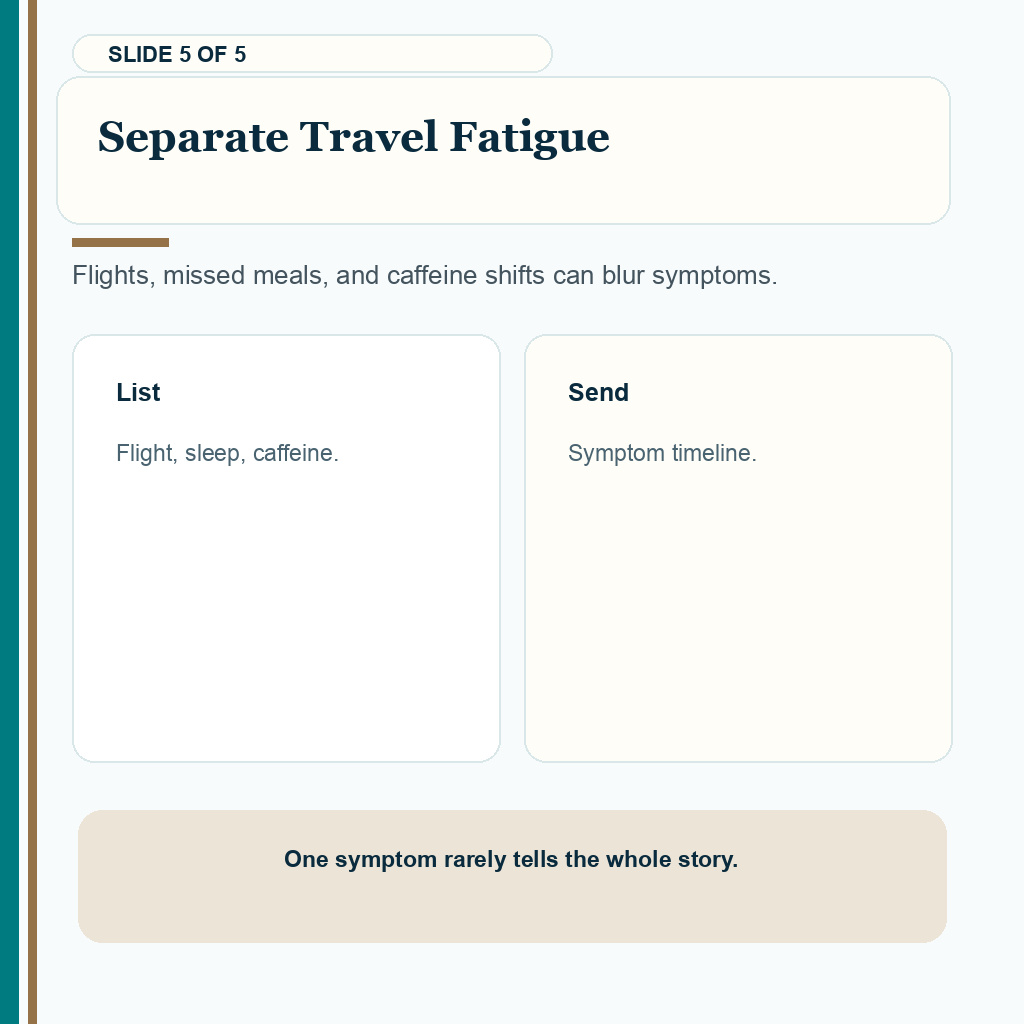
Travel can blur the signal
Signal Long flights, missed meals, caffeine changes, dry cabin air, and poor sleep overlap. What it changes One symptom may not explain the whole day. Better next step Send the timeline instead of guessing from one sensation.
What can you drink when the stomach feels unsettled?
Start with what the stomach can tolerate. Water, light soup, or an oral rehydration option may be reasonable when intake has been poor or fluid loss is present. Avoid alcohol and energy drinks in the early recovery period. Do not use pre workout powders, stimulant drinks, or repeated strong caffeine to correct weakness. If a drink contains strong caffeine, stimulants, herbal extracts, or unclear ingredients, it becomes a medicine safety question, not just a hydration choice.
The fasting page can also help patients who are trying to coordinate fluids, meals, and medicine. Fasting after hair transplant is not the same topic, but it shows why water, food, and approved medicine timing belong together.
If you have kidney disease, heart disease, fluid restrictions, blood pressure instability, or a treating doctor has given a specific fluid limit, the advice changes. That history should be shared before surgery and repeated if recovery symptoms appear.
Send a message before guessing
A useful message includes the symptom, the timing, food intake, fluid intake, urine color if relevant, medicine taken, travel details, and a clear photo if the scalp also looks different. This is the same reason hair transplant follow-up after surgery works best when the clinic receives specific information.
Contact is more urgent when there is repeated vomiting, persistent diarrhea, fainting, confusion, chest pain, shortness of breath, severe weakness, very dark urine with poor intake, fever, or severe headache outside the patient’s usual pattern. Those symptoms are not solved by drinking more water and waiting.
On a normal recovery day, keep the routine simple. Drink steadily, eat simply, avoid alcohol, protect the scalp, and report real warning signs. The best fluid plan after FUE is the one that keeps you stable enough to follow the surgical aftercare correctly.