Should You Arrive With Clean Skin for FUE Surgery?
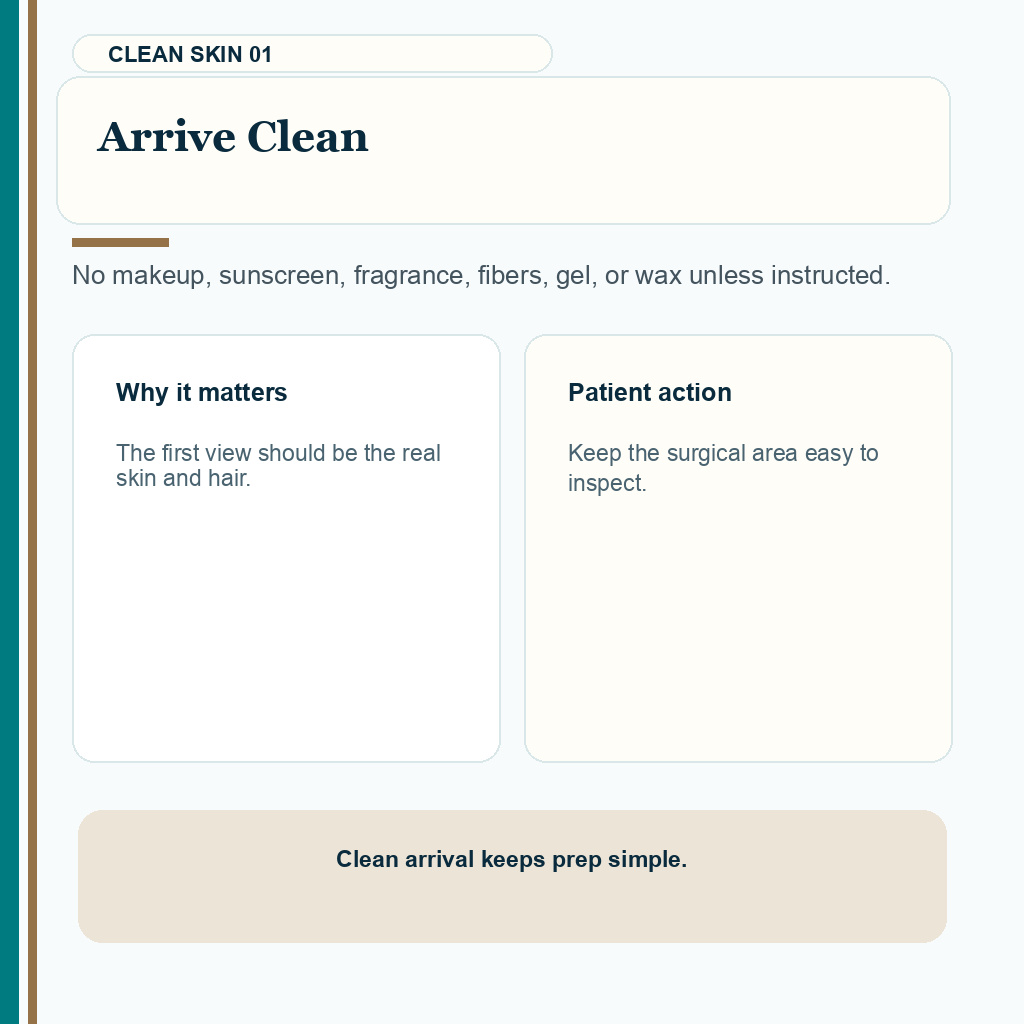
On the morning of FUE surgery, arrive with the face, scalp, and hairline area clean enough to examine and prepare. For most patients, that means no makeup, sunscreen, perfume, cologne, hair fibers, gel, wax, heavy creams, oils, or new skincare unless your written instructions say otherwise. If you already used something, tell us before we start. Do not try to fix it by scrubbing hard. Arrive with a surface that can be examined and marked without feeling scrubbed raw.
The reason is practical, not cosmetic. Product residue can change what I see, how the skin feels, how easily the area is cleaned, and whether redness or irritation is being hidden. Clean does not mean sterile, harshly scrubbed, wiped with alcohol, or treated with a random antiseptic at the hotel. Arrive with a simple surface. If anything needs removal, review, or delay, let the clinic decide.
Arriving clean is not the same as hiding your baseline. If a product covered redness, oil, flakes, or fibers, tell the team before preparation starts.
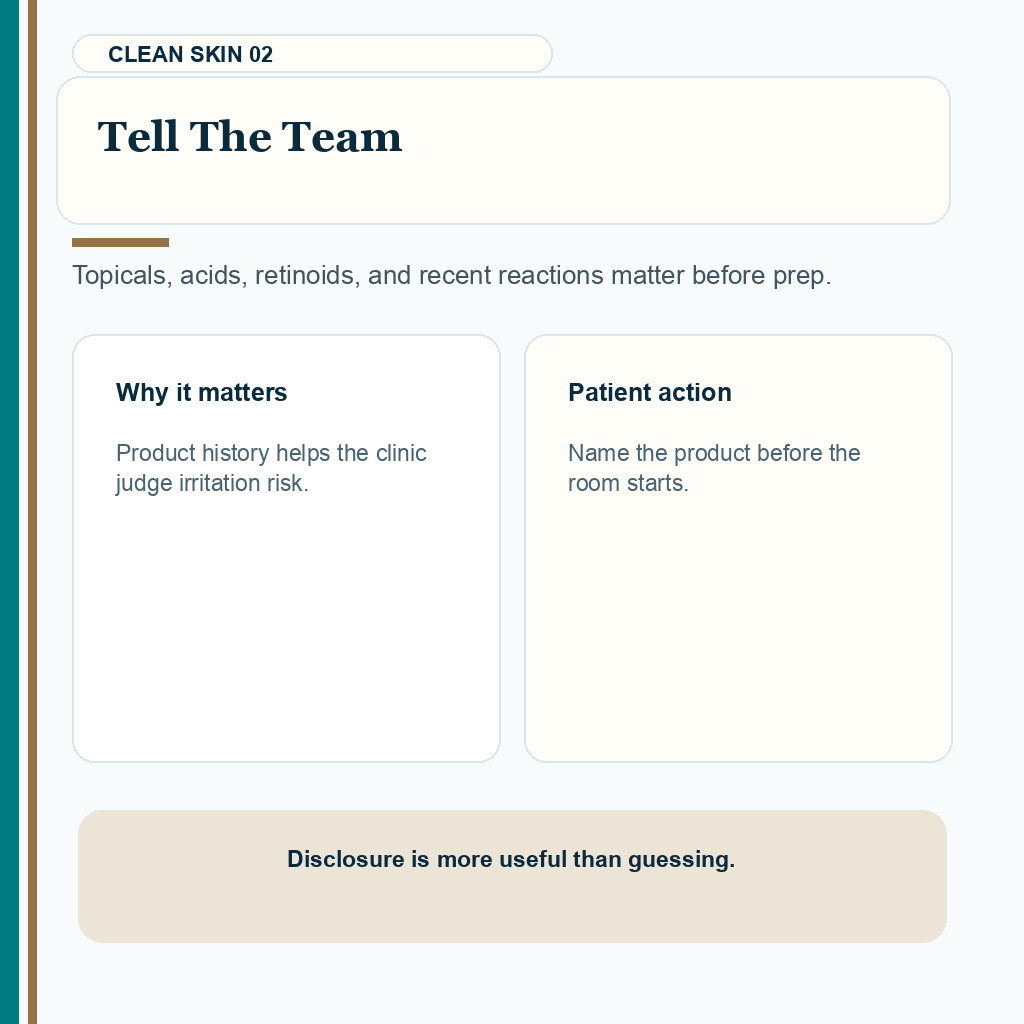
At Diamond Hair Clinic, tell me early if you used sunscreen, makeup, hair fibers, topical minoxidil, an acne product, or a new cream. Knowing this before prep starts is safer than discovering residue after the surgical plan is already moving.
Recent burning, peeling, or red spots should still be mentioned even when a clean morning surface looks calmer.
Clean skin gives me a reliable starting view
A clean surface gives the surgical team a fair view of the skin and hair. I can see redness, flaking, oiliness, acne, sunburn, dermatitis, previous irritation, and the true border between native hair and the area we are planning. If product is sitting on the skin, that view becomes less reliable.
A normal shower or gentle wash is different from trying to sterilize the skin yourself. If your written instructions included a specific wash or product, follow those instructions, rinse well, and arrive with the hair and skin clean and dry. If they did not, keep the morning simple and ask before adding anything. Skip hard scrubbing, alcohol wipes, exfoliating cleansers, medicated shampoo, antiseptic products, or a new clarifying shampoo unless the clinic specifically instructed them.
If the washing or product advice you received in person differs from your preparation sheet, tell us what you were told and send a photo of the sheet. Check with us before following either instruction.
Patients often think a thin layer of sunscreen or a small amount of makeup will not matter. Sometimes it can be removed easily, but that is still a clinic decision. The morning should not begin with guessing. Once residue is removed at the clinic, the next decision is whether the skin underneath is calm enough for marking.
If you forgot and used a product, do not scrub the skin hard in the hotel bathroom. Tell the team what you used so they can clean or adjust preparation without adding irritation.
The same idea applies to shaving and exfoliation. Do not do a last minute razor shave or skin fade, nape cleanup, facial dermaplaning, waxing, depilatory cream, or exfoliation near the donor area, forehead, hairline, or planned recipient area unless we asked for it. The surgical team can trim or shave what it needs after the plan is clear.
Product residue can hide what I need to see
Hair transplant planning depends on small details. I look at donor density, hair direction, scalp quality, miniaturization, hairline position, redness, flaking, and skin sensitivity. Product can blur those details. A tinted sunscreen can hide redness. Makeup can cover irritation around the forehead. Hair fibers can make weak areas look stronger than they are.
A surgery morning product choice is different from normal grooming. On an ordinary day, product may help you feel presentable. On a FUE morning, it can make the examination less reliable. If you use camouflage products because being seen without them feels uncomfortable, say so. I do not judge the habit. I need to know what is real skin and real hair before a surgical decision is made.
Hair dye sits on a slightly different timeline. If color, bleach, or developer recently touched the scalp, the issue is irritation and timing, so hair dye before a hair transplant is the better place for that decision. Here, I am focusing on what is still sitting on the skin or hair when you arrive for the procedure.
Face products and fragrance to leave off
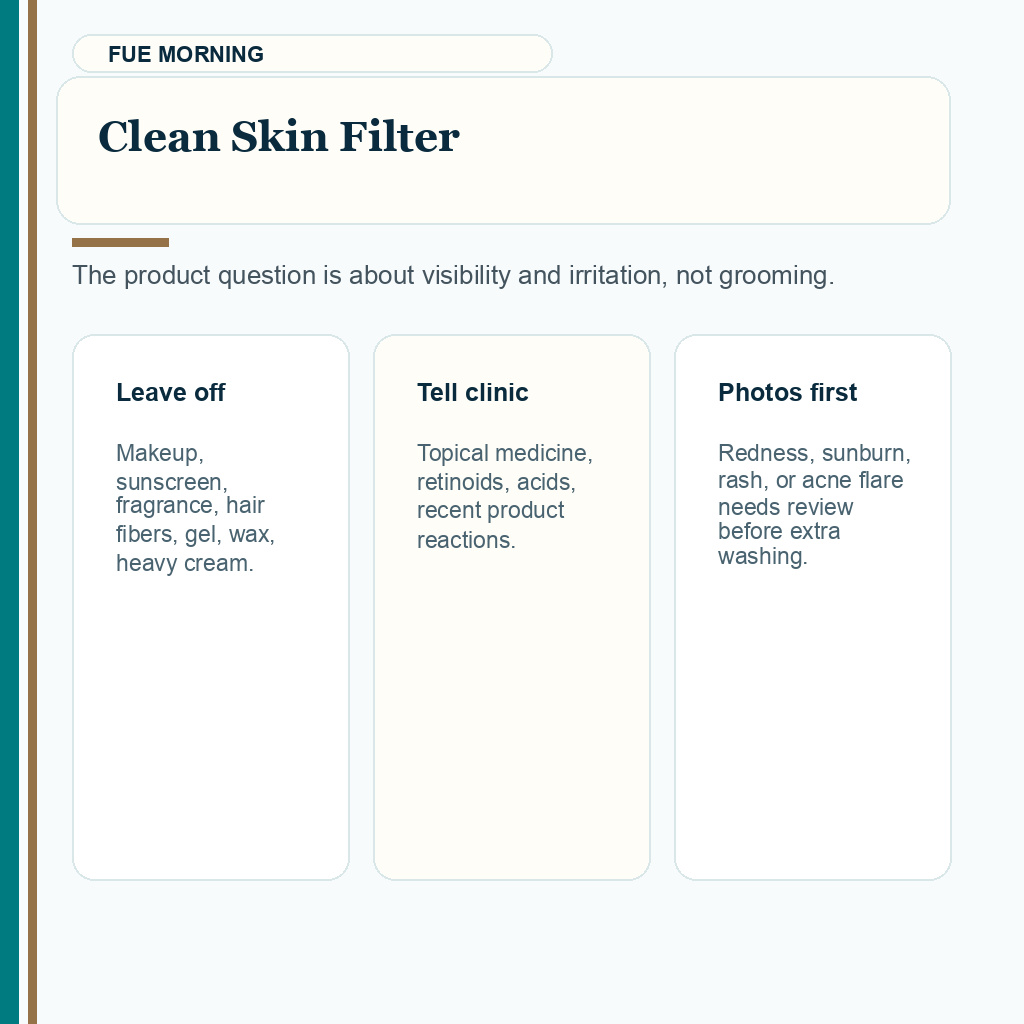
Makeup, concealer, foundation, tinted moisturizer, sunscreen, aftershave, perfume, cologne, tanning product, facial oil, barrier cream, acne cream, eczema cream, and heavy facial cream should usually stay off the forehead, hairline, scalp, donor area, and planned recipient area before you arrive, unless we specifically told you otherwise. If the skin medically needs a product because it cracks, stings, or flares without it, tell the clinic before adding another layer.
The aftercare question is separate. After surgery, makeup after a hair transplant and sunscreen after a hair transplant depend on healing stage, skin contact, and graft safety. On surgery morning, leave them off unless the clinic specifically told you to use them.
Fragrance is easy to underestimate. A long procedure is a shared clinical environment. Strong scent can bother the patient, staff, or another person in the room. It also adds no benefit to the surgery. If you want to bring perfume or skincare for later, keep it in your bag and ask when it is safe to use.
Keep fibers, gel, wax, and sprays outside the room
Hair fibers, root sprays, powder, gel, wax, pomade, dry shampoo, and strong hairspray can make hair look fuller or more controlled, but they can also cover the scalp and change how native hair appears. Native hair pattern guides the plan, especially when the patient has diffuse thinning, a weak donor area, or a hairline that needs careful spacing. The baseline needs to be clear before it can guide surgery.
If you normally use hair fibers before a hair transplant to feel comfortable in public, I understand why arriving without them can feel exposed. Still, surgery morning is not the moment to hide the baseline. The timing for gel, wax, and hairspray after a hair transplant belongs to recovery. Before the operation, the priority is visibility.
Hair products can also contain ingredients that irritate the skin. If you are unsure about ingredients, harmful ingredients in hair products explains why a product that feels normal on the hair may still be unfriendly to the scalp. Bring product names if you are unsure, but do not apply them to the surgical area before arrival.
Irritated skin needs review before preparation
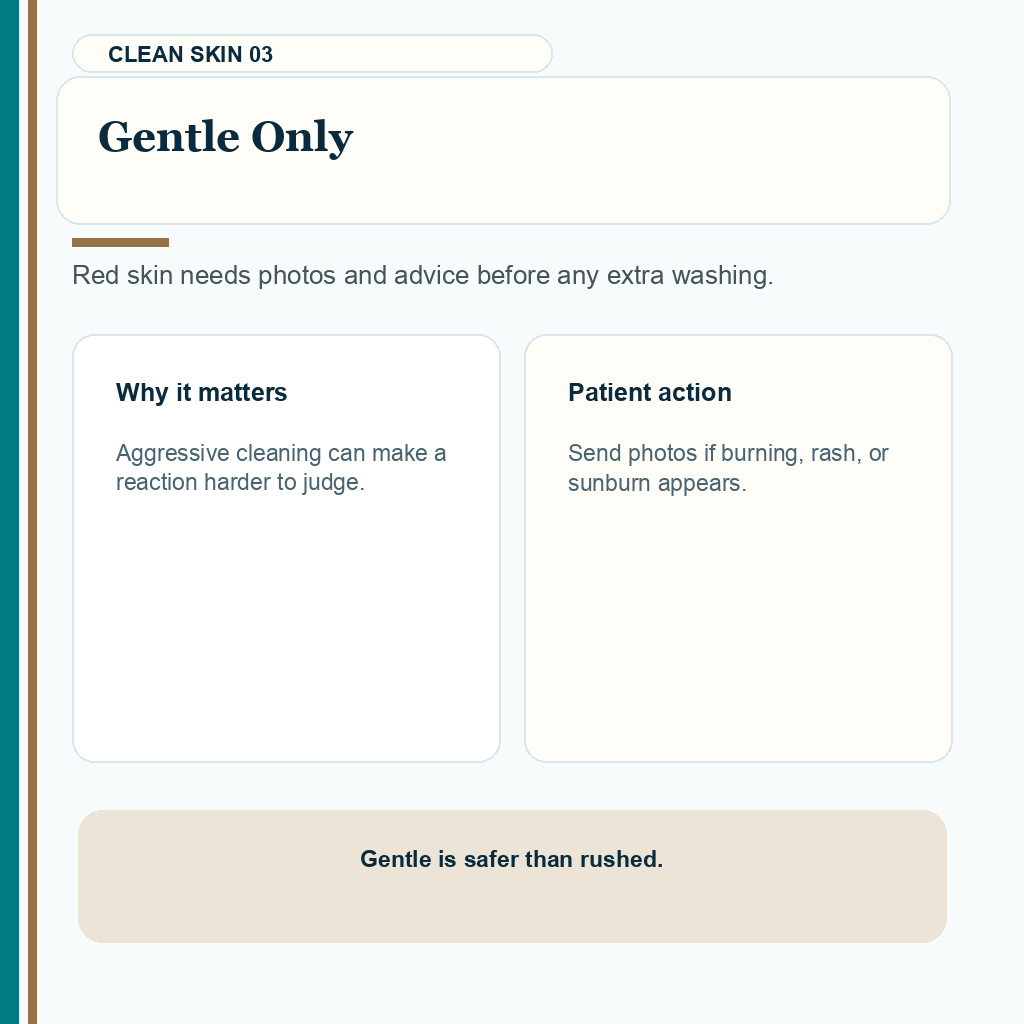
If you notice redness, burning, itching, acne, a rash, broken skin, sunburn, or a product reaction, do not try to erase the problem by washing harder. Aggressive scrubbing can make the skin angrier and can hide the real history of what happened. A clean but irritated surface still needs review.
If the reaction appears early enough, send photos in steady light before travel or before the appointment. Include what you used, when you used it, and where the skin feels different. This is the same decision logic I use for scalp itching before hair transplant or a sunburned scalp before hair transplant. I need to judge the surface clearly, not see skin that has been polished for the appointment.
If you already have seborrheic dermatitis or another diagnosed scalp condition, tell the clinic directly instead of trying to make the skin look less irritated for the room.
In some cases, stopping the irritating product, letting the clinic clean the area, and continuing is enough. In other cases, the skin may need a delay, treatment, or a smaller decision. The correct response depends on the skin, not on embarrassment about having used something.
The clean skin tradeoff map
Use this map to separate five problems patients often mix together. A clean surface, product residue, camouflage, irritation, and active topical medicine do not need the same response. Washing harder should not be the automatic answer.
Morning skin readiness console
Choose the state closest to the morning of surgery. The answer changes because clean skin, residue, camouflage, irritation, and active topical products create different visibility and preparation problems.
I can examine redness, flaking, oil, donor quality, and the planned hairline without a film on the skin.
The team can clean and mark the area without first solving a product or irritation problem.
Arrive without fragrance, styling residue, face products, or new skincare unless we gave a different instruction.
If you already used something, say it before prep
If you already applied makeup, sunscreen, gel, fragrance, topical medicine, or hair fibers, the first step is to say it clearly. This is clinical information, not a confession. Do not hide it and do not try to solve it alone in the bathroom. Tell the team what product it was, where you applied it, how long ago, and whether the skin now burns, itches, stings, or looks red.
If washing is appropriate, the clinic can guide it. Gentle removal is different from aggressive scrubbing. A plain wash may be enough for some residue, but active irritation or a prescription product may need a more cautious decision. For an online hair loss topical before FUE, the exact ingredient, strength, last use, and application area matter more than the product label.
Also mention any allergy or past reaction to iodine, chlorhexidine, alcohol prep, adhesive, fragrance, or topical medicine. That information helps the team choose clinic preparation safely. It is not a reason to apply your own antiseptic first.
Shampoo timing is a different stage. Normal shampoo after a hair transplant and washing hair after a hair transplant depend on healing after surgery. On the morning of surgery, follow the clinic’s written instructions and ask before using any extra cleanser, shampoo, or topical product.
Bring products for later, not for the chair
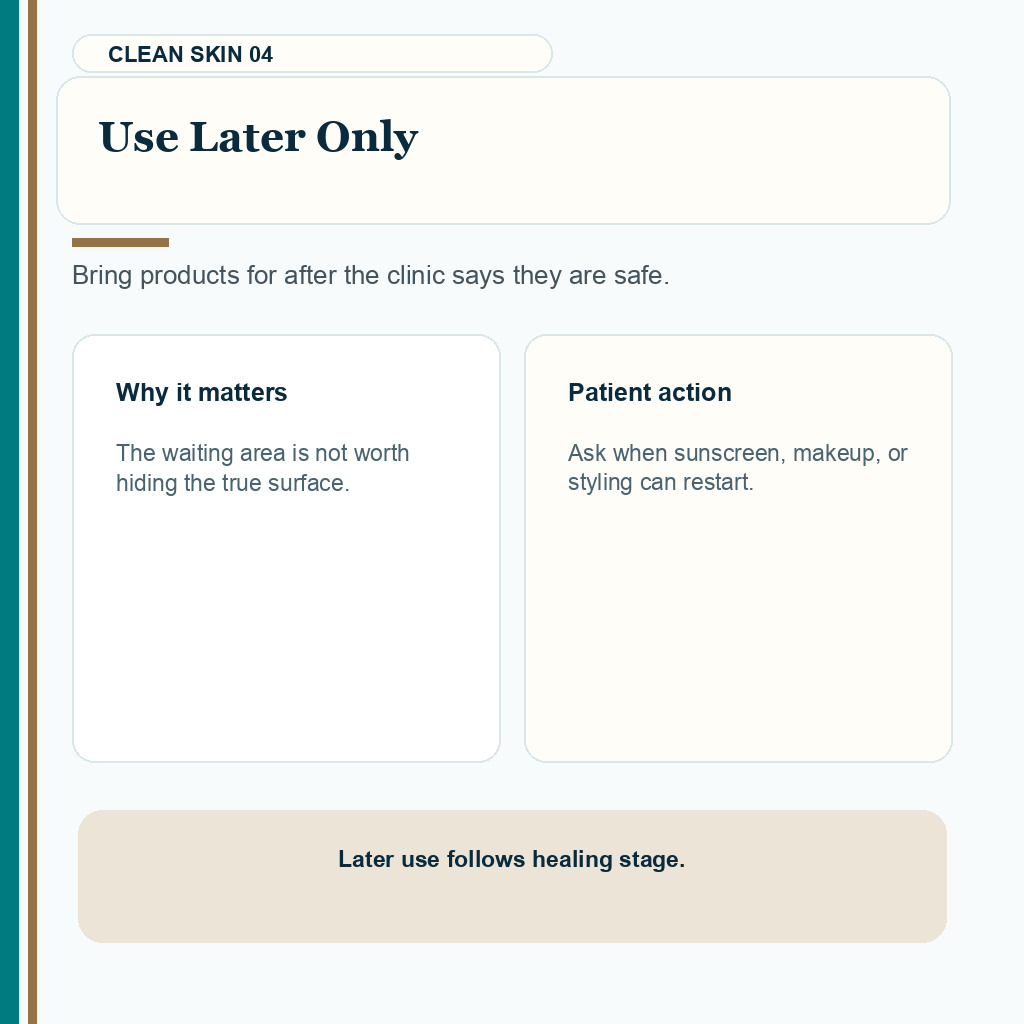
Some patients travel with skincare, sunscreen, concealer, fragrance, styling wax, or fibers because they want to look normal after the clinic visit or on the return trip. You may bring those items for later, but do not put them on before entering the procedure flow. The product can stay in your bag until the clinic says it is safe and useful.
This matters for international patients who feel exposed without their normal grooming routine. Tell me that early so we can plan around it. Product timing can be planned for the trip home without covering the surgical surface before preparation. Looking normal in the waiting area is not worth making the scalp or skin less clear for the team.