


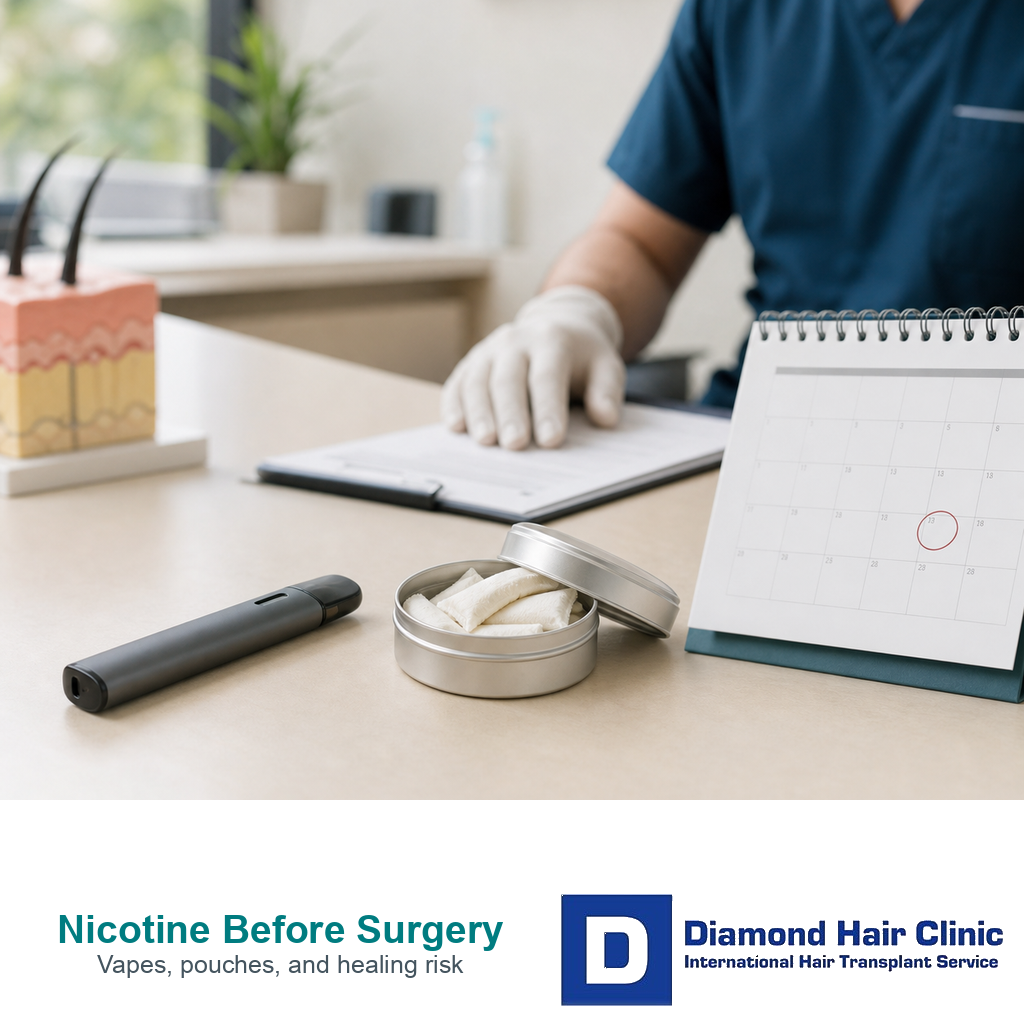
Nicotine Use Before FUE Needs Clear Timing
Nicotine is best stopped before hair transplant surgery, not only after it. For smoking specifically, the instruction is clear. Stop smoking at least 7 days before and at least 7 days after surgery, unless your surgeon gives a stricter instruction. A useful planning target is to be free from nicotine for about two weeks before the operation when possible. Cigarettes, vaping, nicotine pouches, gum, and patches are different products, but they can all expose the body to nicotine.
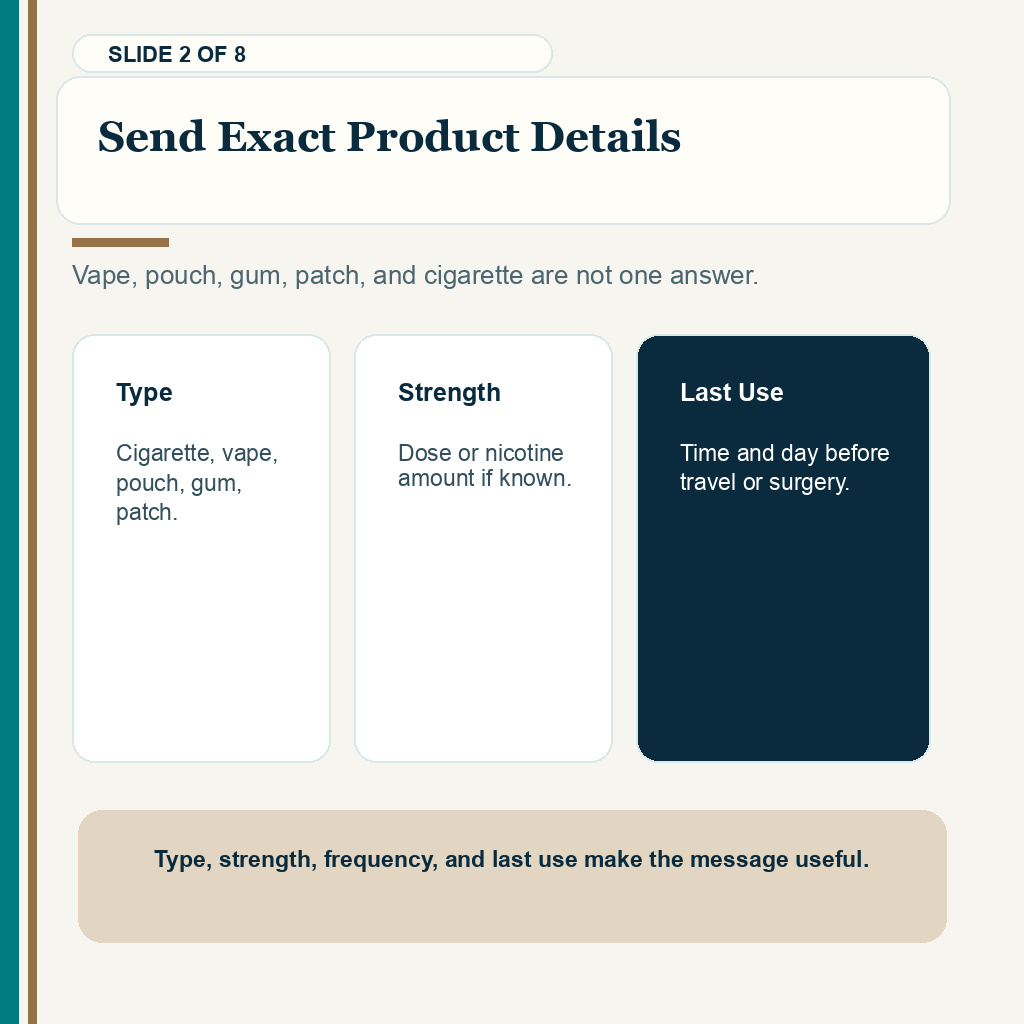
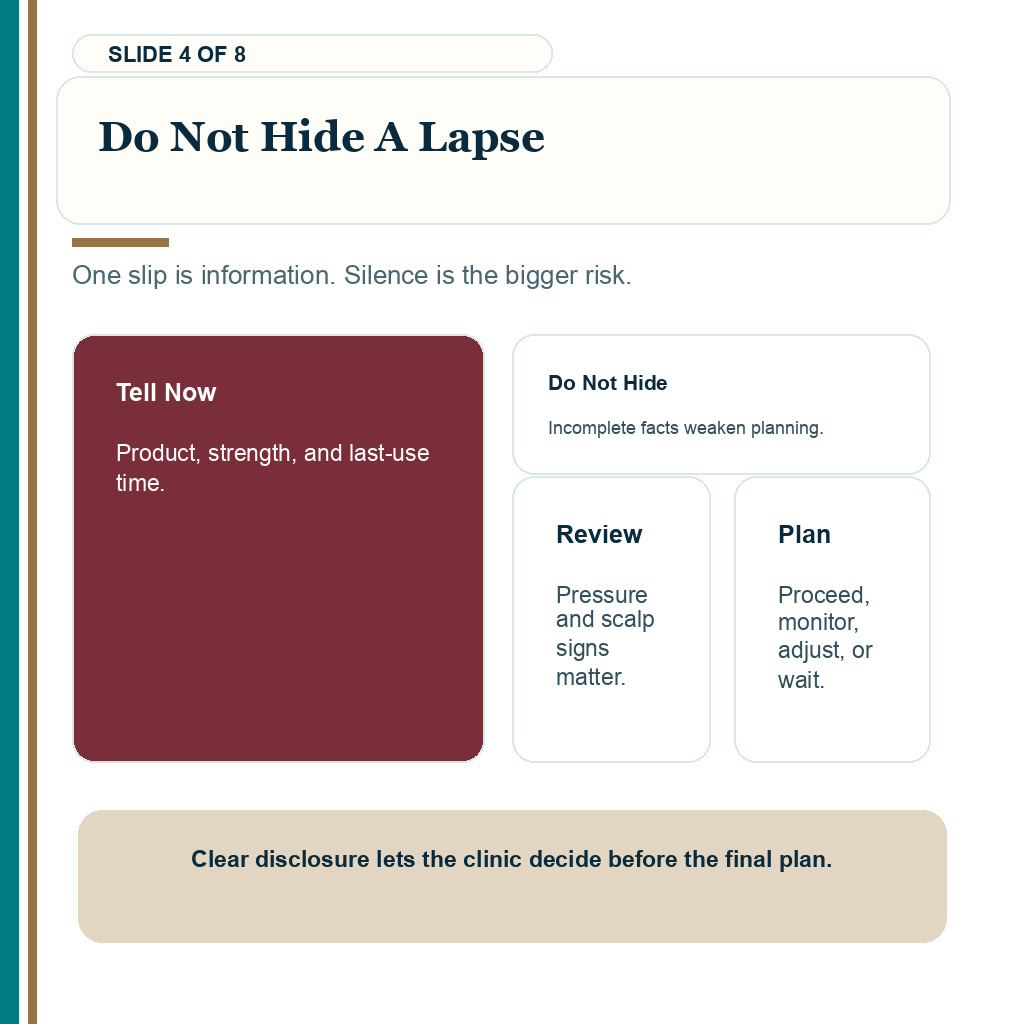
If you used one vape or pouch close to surgery, do not panic and do not hide it. The useful step is to stop now and share exactly what happened with the clinic. The surgeon needs the product type, strength, frequency, and last use timing before deciding whether the plan can continue safely. A precise note about the most recent use helps more than minimizing the product name.
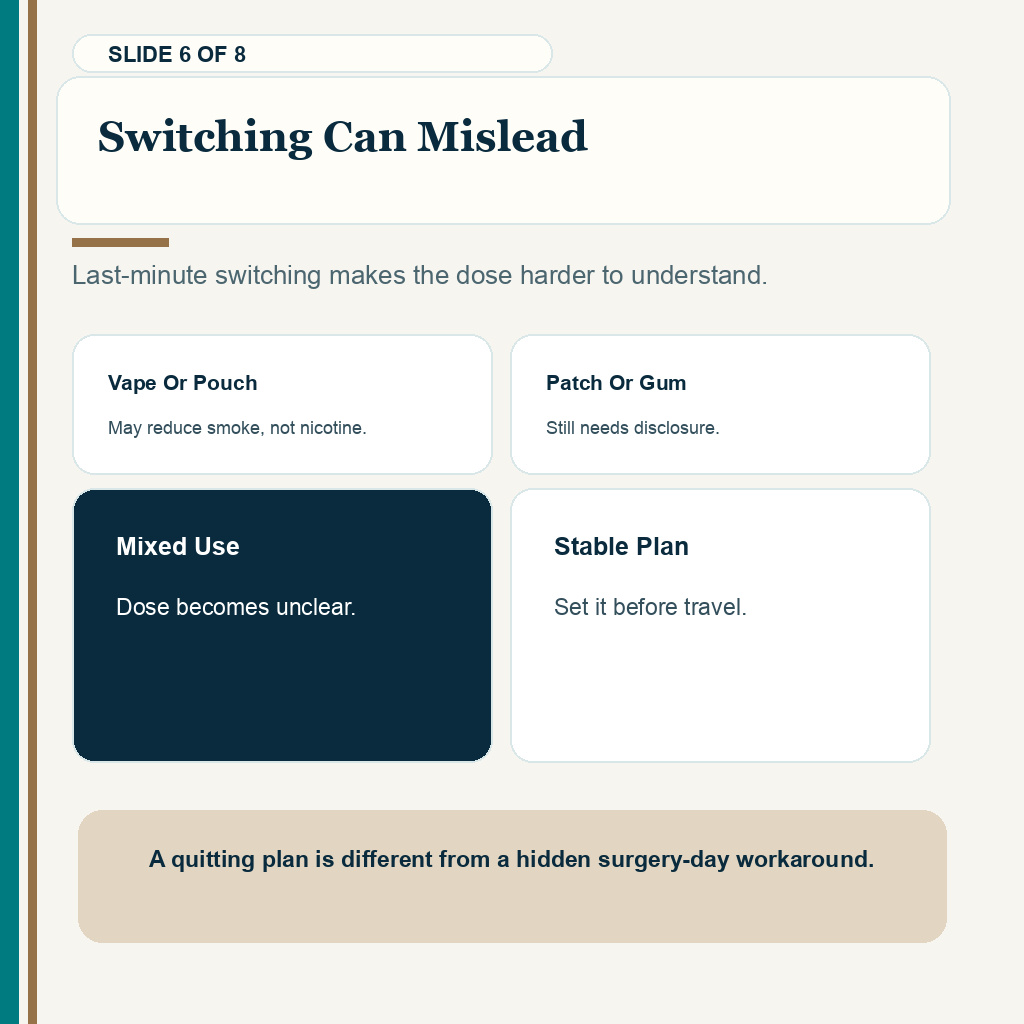
When nicotine will be difficult to stop during travel, tell the clinic before surgery is scheduled. A planned pause or taper is safer than switching to pouches, vaping, gum, or another nicotine source at the hotel and treating it as a separate issue.
Nicotine stop timing before surgery
For hair transplant planning, I treat nicotine as a before surgery risk factor, not only an aftercare issue. The scalp needs steady blood flow, the donor area needs clean closure, and the recipient area needs a calm first healing phase. Nicotine can narrow blood vessels and make that environment less predictable.
About two weeks before surgery is a reasonable planning target for many hair transplant cases. A longer pause is better when someone smokes heavily, uses strong nicotine pouches, vapes throughout the day, has high blood pressure, or has already had healing problems after another procedure. Broader surgical guidance often favors stopping smoking several weeks before an operation, so the two week target is not a promise that nicotine becomes harmless on a specific day.
The timing also depends on the operation itself. A small correction session is not the same biological demand as a large graft session with long surgical time. If the surgery is large, the donor is limited, or the skin already looks reactive, I become more cautious.
Vapes and nicotine pouches still matter without smoke
Many patients separate smoking from vaping or pouches because smoke feels more harmful. That distinction is partly fair. Cigarettes add smoke exposure, carbon monoxide, lung irritation, and other combustion products. But the hair transplant question is not only smoke. It is also nicotine.
Products without smoke can still deliver a meaningful nicotine dose. A strong pouch, frequent vaping, or repeated nicotine gum use may keep the body under steady nicotine exposure. During surgery, that can influence blood vessel tone, blood pressure behavior, and how clearly the team can read the scalp.
Replacing cigarettes with vapes or pouches right before surgery is not a clean workaround. It may reduce smoke exposure, but it does not remove the nicotine issue. If you are using pouches after surgery, nicotine pouches after hair transplant becomes a separate timing question because the operation has already changed the healing environment. If your question is after the operation rather than before it, I separate the timing more directly in vaping after FUE.
Smoke free does not mean free of surgery risk. Words like free of tobacco, clean nicotine, or no smoke can hide the real planning question. The useful details are how much nicotine is reaching the body, how often, and how close to surgery. Report the strength, pouch count, vape frequency, and last use time rather than only the product category.
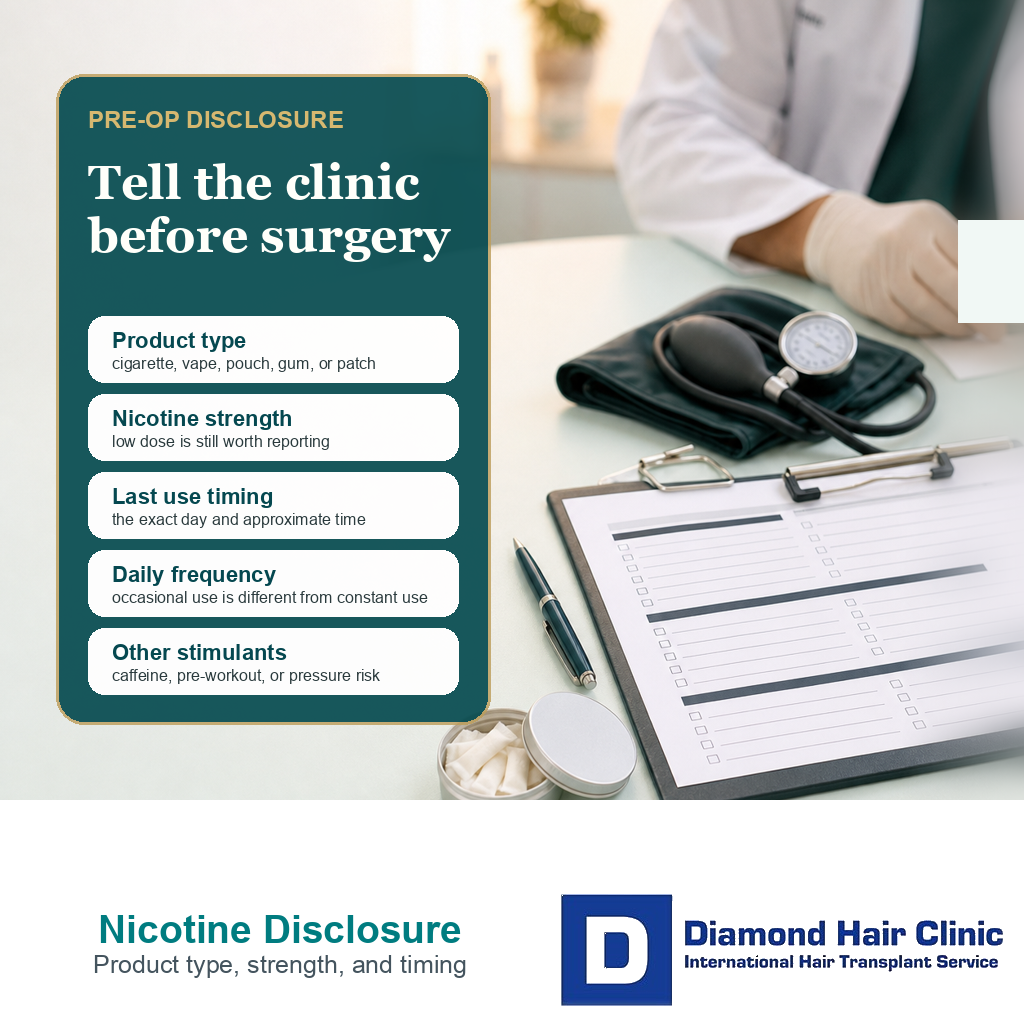
Before surgery, the clinic needs the product type, strength, timing, and frequency rather than a vague answer such as “I only vape sometimes.”
One nicotine lapse does not mean the transplant will fail
One lapse does not prove that the transplant will fail. Hair graft survival depends on many factors, including graft handling, placement quality, bleeding control, infection prevention, swelling, aftercare, and general health. A single nicotine exposure is information for the surgeon, not a useful panic trigger.
Repeated or hidden use creates the real risk. Vaping all day until travel, using strong pouches during the final week, smoking secretly before surgery, and drinking alcohol the night before create a different risk profile. The issue becomes cumulative stress on circulation and healing, not a single isolated mistake.
A recent lapse is information, not a confession. Bring it into the consultation early enough for a real decision. If everything else is stable, the operation may still proceed. If blood pressure, skin condition, infection symptoms, medication use, or stimulant exposure also raise concern, postponement may protect the result.
Nicotine details the clinic needs
Vague answers are not enough. “I smoke a little” or “I use Zyn sometimes” does not give the surgeon the information needed for planning. Use clear details.
- the product type, such as cigarette, vape, pouch, gum, patch, cigar, shisha, or mixed use
- the nicotine strength or dose if you know it
- how often you use it during a usual day
- the last time you used it before the consultation, flight, or surgery
- whether you also used alcohol, cannabis, stimulants, or stimulant powder products
- whether you have high blood pressure, heart disease, diabetes, clotting problems, or slow healing history
These details are not about judging character. They let the surgeon judge the surgical conditions. If blood pressure is also a concern, I connect nicotine disclosure with the screening used for high blood pressure and hair transplant safety.
Blood flow matters during graft work
Hair transplant surgery depends on small details. The team removes grafts from the donor area, keeps them protected outside the body, creates recipient area incisions, and places the grafts into tissue that needs enough oxygen and blood supply to heal. Good technique reduces trauma, but the patient’s biology still matters.
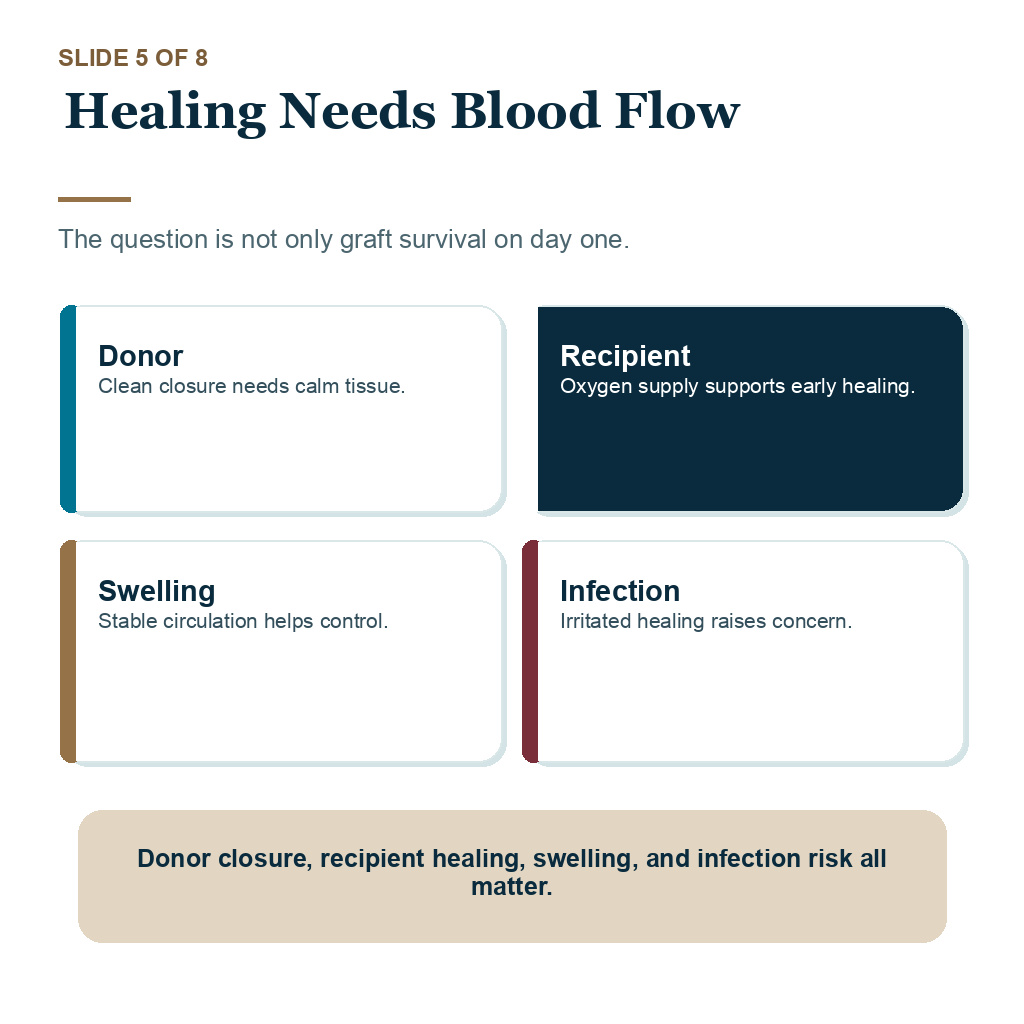
Nicotine can tighten blood vessels. Smoking also brings carbon monoxide exposure, which can reduce oxygen delivery. In a hair transplant, the target is not only survival of the grafts on day one. The donor and recipient areas also need clean closure, controlled swelling, stable scab formation, and low infection risk.
The early healing window needs stable circulation. Nicotine is treated seriously before and after surgery for that reason. Strict instructions around smoking after hair transplant come from that circulation and healing concern, even when someone feels physically well.
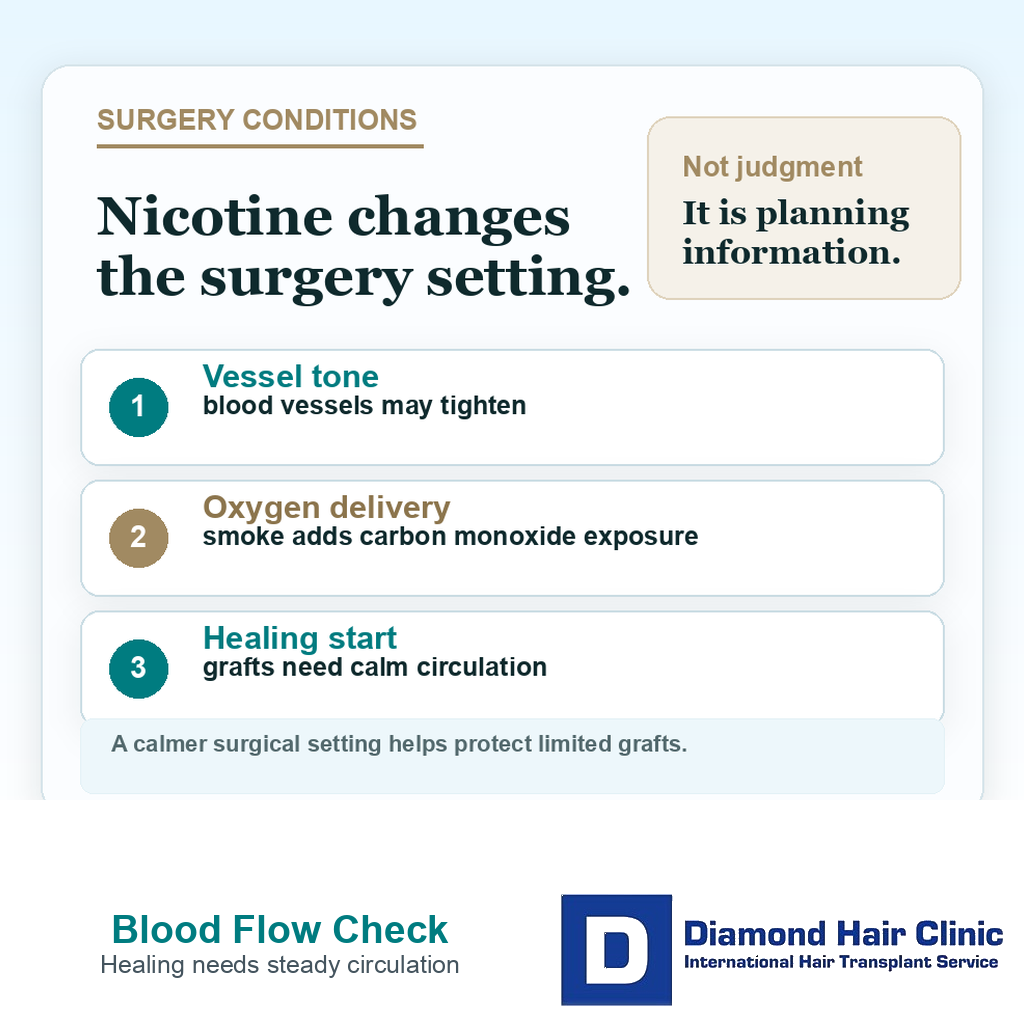
Nicotine disclosure matters because circulation and early healing conditions affect surgical planning.
Smoking has a different risk picture
Smoking is the highest concern form for most surgical planning because it combines nicotine with smoke, heat, airway irritation, carbon monoxide, and thousands of combustion chemicals. Daily smoking until surgery creates a different risk picture from one low dose nicotine gum days earlier.
Vaping removes combustion, but it can still deliver nicotine rapidly and repeatedly. Some vape devices make the dose hard to track because the patient counts puffs rather than milligrams. Pouches remove smoke and vapor, but strong pouches can deliver enough nicotine to keep blood vessel effects active.
So I do not rank products only by how clean they look. I look at dose, frequency, last use, and the overall surgical picture. If cannabis is part of the picture, I separate that from nicotine because smoking weed after hair transplant creates its own anesthesia, disclosure, and recovery concerns.
Patches, gum, and dose reduction still need timing
Nicotine replacement can help some people quit smoking, but it is not something to start or adjust secretly before a hair transplant. A patch, gum, or lozenge may reduce smoke exposure, yet it still gives nicotine. The surgeon and the physician managing cessation need to know the plan.
If someone is strongly dependent on cigarettes, a controlled medical cessation plan may be healthier than a chaotic stop and start pattern. But from the hair transplant side, the clinic still needs to know whether nicotine remains in use, what dose is being used, and whether the person can stay stable through the operation and early healing.
Set the cessation or replacement plan before travel, not on the morning of surgery. Last minute switching between cigarettes, vapes, pouches, patches, and gum can make the dose harder to understand and can leave the patient anxious, sleepless, or overusing nicotine while trying to compensate.
Lower dose is not the same as no nicotine. It may be a step in quitting, but it does not erase the need for disclosure. If medication timing is also involved, review medication before hair transplant with the clinic before changing anything. Do not make last minute changes without telling the team.
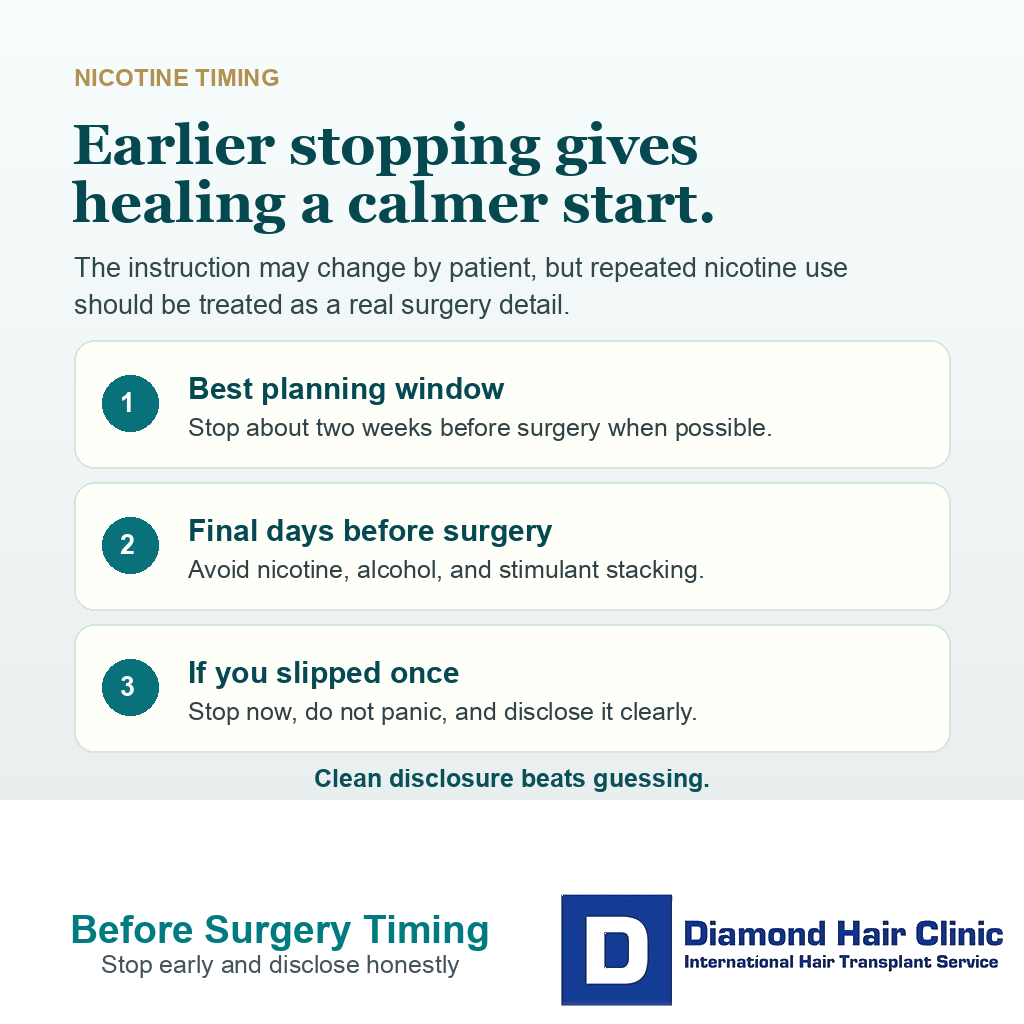
Earlier stopping is easier to plan around than a last minute panic message from the airport or hotel.
Nicotine timing can delay surgery
Nicotine alone does not always cancel a surgery. Delay becomes more likely when nicotine is part of a wider unstable picture. I become cautious when there is heavy smoking until the day of travel, uncontrolled blood pressure, chest symptoms, active infection, fever, recent heavy alcohol use, stimulant stacking, or poor understanding of aftercare.
A delay is not punishment. It protects the donor area, the recipient area, and the long term result. Hair transplant surgery uses limited donor hair. If the setting is not right, waiting can be the more respectful decision for the grafts.
If you are unwell before travel, nicotine is only one part of the readiness check. Fever, cough, flu symptoms, and infection concerns belong in the same before surgery review as cold or flu before hair transplant.
Nicotine combined with alcohol, caffeine, or gym stimulants
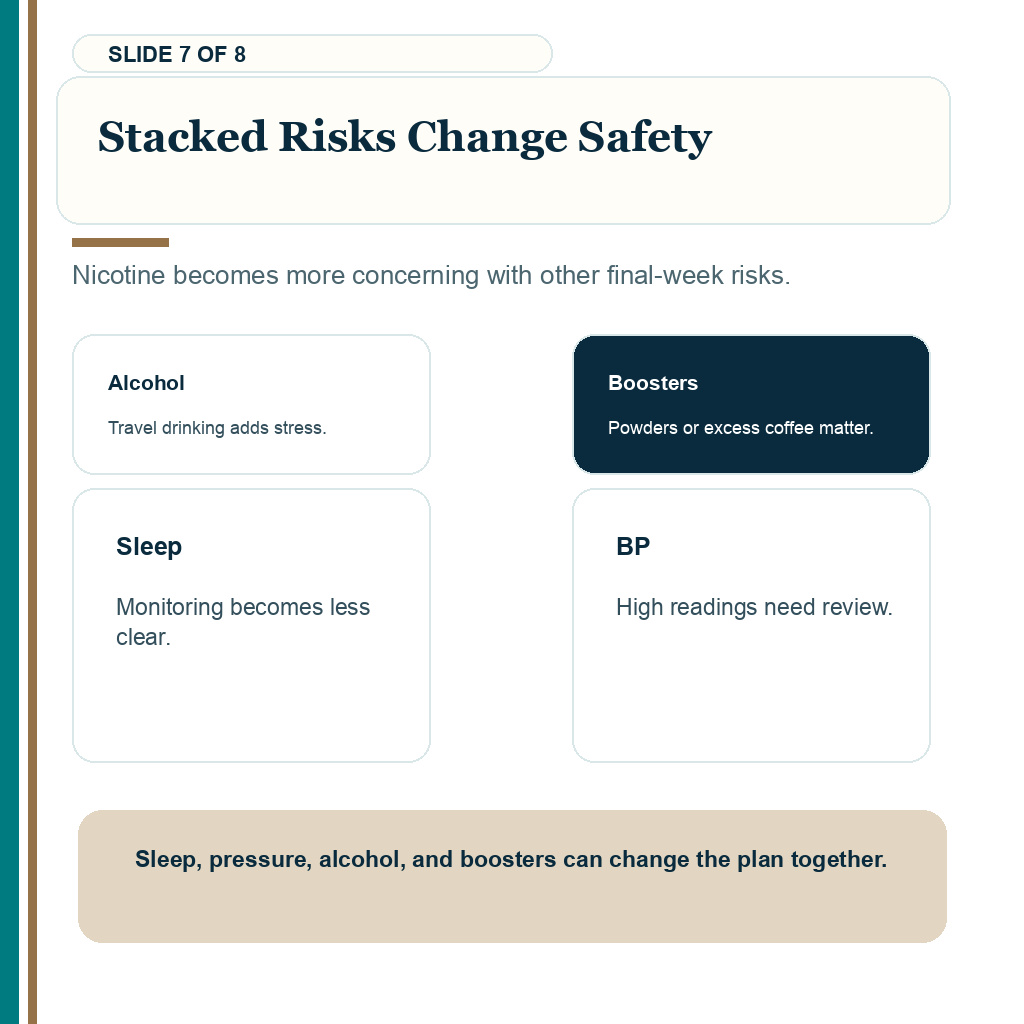
Many final week problems come from stacking small risks. Someone may stop cigarettes but keep vaping, drink alcohol during travel, use strong coffee to manage poor sleep, and take a stimulant powder because the trip disrupted routine. Each item may look manageable alone, yet together they can make blood pressure, sleep, hydration, and bleeding behavior less predictable.
Before surgery, the body should be easy to monitor, which means rested, hydrated, medically stable, and not under unnecessary nicotine or stimulant pressure. Avoid nicotine, alcohol, and stimulant products close to the operation unless the surgical team has explicitly reviewed them. I ask about drinking before a hair transplant and stimulant powder after hair transplant for the same reason, because timing, dose, sleep, blood pressure, and disclosure can change the safety picture.
Steps if nicotine was used close to surgery
Stop now. Do not try to compensate by drinking excessive water, taking supplements, exercising too much, or hiding the timing. Send a clear message to the clinic with the product, strength, amount, and time of last use. If you are already in Istanbul, mention whether you also used alcohol, cannabis, stimulants, or blood pressure medication.
The worst choice is silence. Silence forces the surgeon to plan with incomplete information. A clear disclosure lets the team check blood pressure, look at the scalp, review medication and blood test details, and decide whether the procedure remains sensible. Before surgery blood work has a different purpose, but it belongs to the same safety culture as blood tests before hair transplant.
If the surgery proceeds, the early aftercare period must be taken seriously. Do not restart nicotine because the operation is finished. The first days still need steady healing, careful washing, clean donor area management, and access to follow up if something looks unusual. Reliable access to follow up after hair transplant surgery becomes part of protecting the decision made before the operation.
Also avoid rooms filled with smoke and close secondhand smoke exposure during early healing. Even if you are not the person smoking, coughing, airway irritation, and smoke exposure can make recovery less controlled.
These 8 nicotine timing slides separate the pause target, product details, nicotine without smoke, hidden lapses, blood flow healing, switching products, stacked risks, and when waiting is safer. Swipe sideways, use the arrows one slide at a time, or choose a number below the image.



Judging readiness after nicotine use
Readiness is not only whether you bought a flight ticket. It is whether your body, habits, and expectations fit the operation you are planning. If nicotine is still controlling the day, surgery may be emotionally and medically harder than expected. The early recovery period can feel restrictive, and someone who cannot stop before surgery may struggle even more after surgery.
I use a practical readiness check. Can you stop nicotine before surgery? Can you keep it stopped through the early healing period? Can you share that with the clinic the truth if you slip? Can you avoid alcohol and stimulant stacking around travel? Can you follow washing, sleeping, and contact instructions without bargaining with them?
Hair transplant surgery is elective. That gives us the advantage of timing. If a short delay gives the scalp a calmer start, improves medical stability, and makes aftercare more realistic, the delay may be the stronger decision.
My approach to nicotine timing before FUE
Do not treat nicotine as a private habit that sits outside surgery. Bring it into the planning. Stop early, aim for at least about two weeks free from nicotine before the operation when possible, and give the clinic exact details if you used cigarettes, vapes, pouches, gum, patches, or mixed products close to surgery.
One lapse is not a reason to panic, but repeated hidden use can weaken the planning process. I want the surgical day to begin with steady circulation, a donor area ready to close cleanly, a recipient area ready to heal predictably, and a person who can follow the recovery plan without fighting nicotine withdrawal during the most delicate days.
Clear disclosure protects the surgical decision. It lets the surgeon decide whether to proceed, adjust the plan, monitor more closely, or postpone for a better healing environment.

Read this review excerpt
Every single one of my questions was answered and they made sure I had all the details I needed to make an informed decision.