


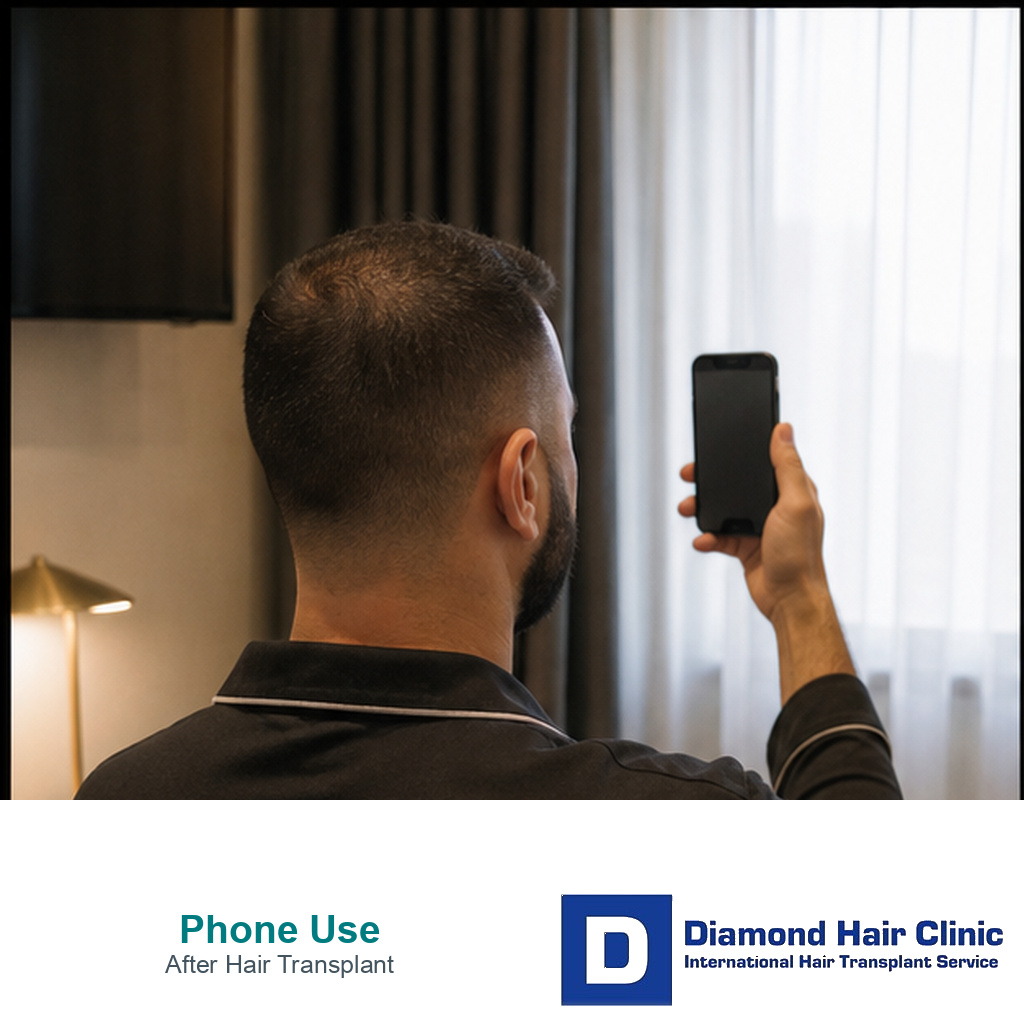
Keep Phone Use From Taking Over Early FUE Recovery
You can use your phone after a hair transplant, but it needs to stay a tool rather than a recovery judge. The screen itself is usually not the problem. The real issues are looking down for too long, a hand that drifts toward the grafts, repeated photo checking, late night searching, and missing the few signs that deserve a clinic message or urgent medical review. If the phone is keeping you awake or pulling your hands toward the grafts, it has become part of the recovery plan.
After FUE, the phone still has a place. Patients need messages, maps, flight details, clinic instructions, and sometimes a simple photo update. What I care about is simple. The head stays relaxed, the hands stay away from the grafts, and the mind does not start judging every shadow as if it is a final result.
Set the phone up before recovery gets uncomfortable. Save the clinic contact, maps, hotel address, translation app, and aftercare photos in easy reach so you are not bending over bags or checking mirrors every time you need basic information.
The phone itself is not the main risk
Ordinary phone use does not have a special effect on transplanted grafts. A screen does not pull grafts out, and reading a message does not change the biology of healing. The phone becomes relevant because of what it makes you do with your head and hands.
The common pattern is simple. The patient holds the phone low, bends the neck forward, rests a hand near the forehead, zooms into photos, and checks again ten minutes later. That behavior can increase worry, encourage touching, and make normal early changes feel more serious than they are.
Place the phone where recovery can stay quiet. A charger within easy reach and the screen at eye level are more useful than checking from the pillow every few minutes. Set the phone down before you feel tired enough to drop it near the pillow or hairline. Raise the screen before your chin keeps dropping, and stop when posture starts pulling you toward the pillow.
If your concern is the exact moment when grafts become harder to disturb, think first about touching grafts during early recovery. The phone question is narrower because posture, checking, and sleep habits can make recovery feel harder even when the screen itself is harmless.
Calls and headphones are a separate detail. A loose earbud or speaker call is different from pressing a phone, headset band, or tight headphones against newly treated temple or sideburn work. In the first days, choose the option that keeps pressure away from the scalp and keeps your hand from resting near the hairline.
The phone is also a hand hygiene issue. You do not need to clean it obsessively, but a phone that has been on airport tables, taxis, bedding, or clinic bags should not become the reason you touch grafts with unwashed hands. Wipe an obviously dirty screen or case, keep the phone off the pillow near the recipient area, and wash your hands before any aftercare step.
Keep the screen high enough that your head stays calm
The easiest correction is also the least dramatic one. Bring the phone higher. Keep your head in a neutral position rather than folding down toward your lap for long stretches. A short glance is different from thirty minutes of scrolling with the head lowered while the recipient area is still swollen or sensitive.
Looking down often brings other habits with it. You may lean forward, rest the forearm on a knee, scratch without noticing, or bring the phone so close that the other hand starts checking the hairline. When looking down is already making you nervous, treat bending forward after a hair transplant as part of the same posture problem, then raise the phone before you keep scrolling.
For the first few days, keep phone sessions short, with the screen raised, shoulders relaxed, and both hands away from the grafted area. If you need to work quietly on a laptop or phone, keep the screen at a comfortable height and take breaks. Strict stillness is not needed, but repeated low head posture and accidental contact are worth avoiding.
Heat is a separate issue. Normal phone signal or screen use is not something I would blame for graft damage, but do not rest a hot or charging phone against the scalp, under the pillow, or near the recipient area while you sleep.

Keep photos from becoming a recovery verdict
The phone camera is useful when it gives the clinic context. It becomes unhelpful when every photo becomes a verdict on survival, density, graft count, or final growth. Early recovery photos are sensitive to lighting, angle, distance, oil, swelling, scabs, and how close the camera is to the scalp.
A photo taken under a bathroom light can look worse than a photo taken near a window five minutes later. Repeated zooming usually increases anxiety more than accuracy. If checking is starting to control your mood, compare that habit with mirror checking after hair transplant, where the same loop appears away from the phone.
A better phone photo habit is boring. Take a clear photo only when you need to document a question, use normal light, keep the same distance when possible, and stop after you have the image. The broader issue with online hair transplant photos is similar because one angle can change what you think you are seeing.
It is also too early to use phone images as a growth forecast. In early recovery, shedding and delayed visible growth can be part of the normal transplant timeline, and final improvement often takes months. That does not mean every worry is normal, but it does mean the phone should not become a microscope for predicting the final result in the first days or weeks.
Protect sleep from late night checking
The phone can quietly steal recovery sleep. A patient wakes, checks one photo, searches one symptom, finds five conflicting opinions, then sleeps badly. The next morning the scalp looks a little more swollen or the mind feels more fragile, and the checking starts again.
On the first nights, use the phone for necessary clinic instructions, alarms, medication reminders, transport, or a short family update. Then put it away from the pillow. When sleep position is the concern, combine that phone boundary with the rules for the first night after a hair transplant and sleep position after hair transplant.
Keep the screen out of reach at night so a sleepy turn does not become another close check of the grafts. If you need the alarm, set it and place the phone out of easy reach. Recovery often feels safer when the night has fewer checks, not more information.
Use photos or messages when the clinic needs context
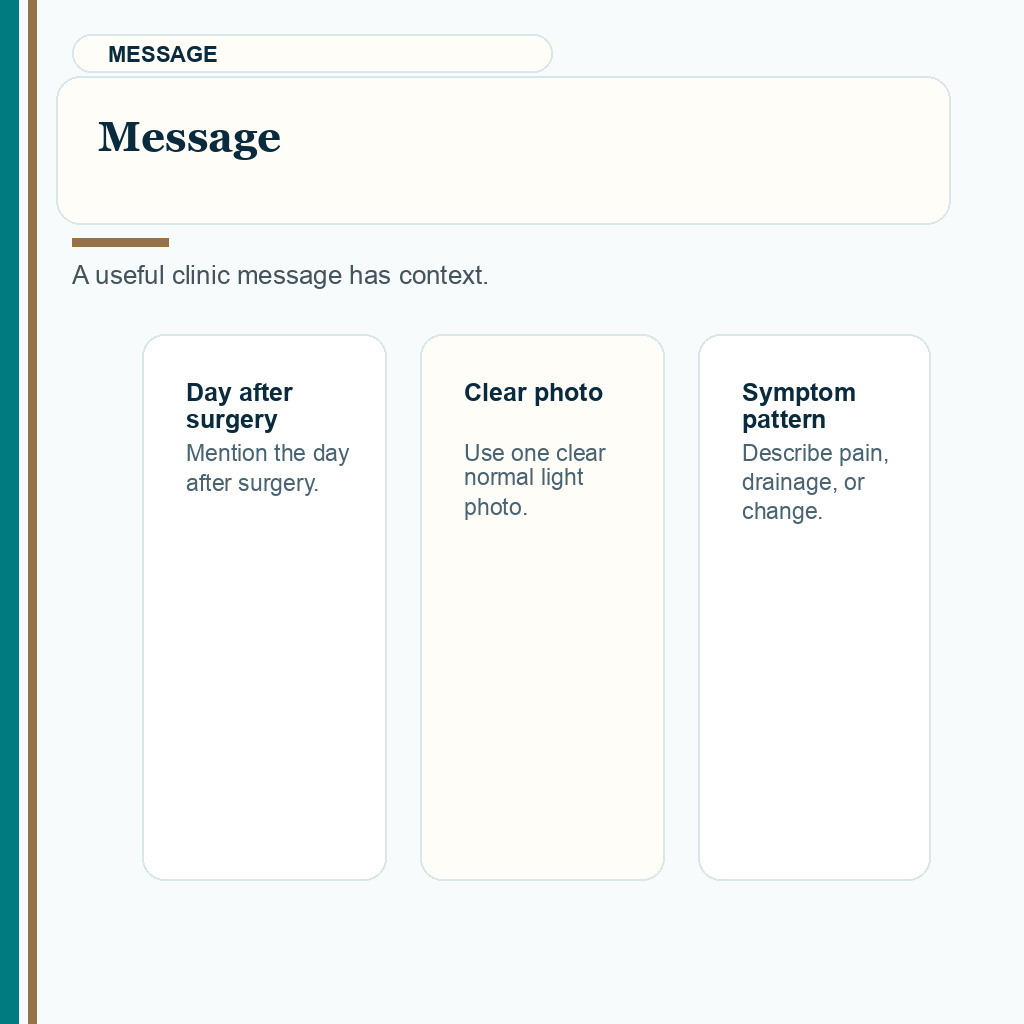
A phone message helps when it gives the clinic a clear picture of a real question. Ten extreme close-ups without timing, symptoms, or context usually create more noise. If something worries you, send one or two clear photos in normal light and explain the day after surgery, what changed, where it is, whether there is pain, bleeding, drainage, fever, or swelling, and whether you touched or bumped the area.
Be careful with online interpretation. A stranger or an AI tool can describe what an image appears to show, but it does not know the surgery, the graft distribution, the donor condition, or the clinic’s instructions. If you are tempted to outsource your worry to a phone image, keep the limits of AI advice from early recovery photos in mind and keep medical decisions with your surgical team.
That caution also applies to medicines and aftercare. Do not use search results, forums, AI replies, or social comments to stop, double, swap, or add painkillers, antibiotics, sleep tablets, aspirin, anti inflammatory medicine, supplements, minoxidil, or finasteride. Use the phone to ask the clinic. Do not let the phone become the prescriber.
Phone Recovery Signal Map
Pause before you react to what you see
The next step changes depending on whether the phone is helping, feeding checking, documenting a real change, or showing warning signs.
Use it normally and briefly
If the screen is high, the head is calm, and the hands stay away from the scalp, the phone is just a tool. Keep the session short if you notice neck strain or checking behavior.
- Raise the screen.
- Keep hands away from grafts.
- Take breaks from scrolling.
Stop the verdict habit
If the phone keeps pulling you back to photos, stop taking new images for the moment. Use the clinic’s schedule rather than your anxiety as the trigger.
- Do not zoom for graft counts.
- Use the same light next time.
- Step away before searching again.
Send useful context
If something has changed, send one or two clear photos with the day after surgery, the location, and the symptom pattern. A calm message is more useful than many cropped images.
- Use normal light.
- Say when it started.
- Describe pain, bleeding, or drainage.
Contact the clinic without delay
Fresh bleeding after contact, cloudy drainage, fever, spreading hot redness, increasing pain, an open wound, or swelling that does not fit your instructions should be reviewed promptly by the clinic or a doctor.
- Do not keep testing the area.
- Do not scrub or pick.
- Use the phone to contact the clinic or medical care.
Screen discomfort is different from warning signs
Long screen use can cause tired eyes, neck strain, or a headache. That is uncomfortable, but it is not the same as a surgical warning sign. If the problem feels like eye fatigue or tension from looking down, stop, rest, hydrate normally, and adjust posture. If headache is the main symptom, compare the pattern with headache after hair transplant so tired eyes and neck tension do not get confused with signs that deserve review.
Do not treat those signs as screen fatigue. Redness or pain around a wound, drainage, fever, fresh bleeding after contact, spreading heat, increasing pain, an open wound, or swelling that does not match the clinic’s expected course should be reviewed promptly by the clinic or a doctor.
Return to normal phone habits gradually
Think in phases. For the first few days, use the phone for practical needs, keep it raised, and avoid pressure near the scalp. During the early protected period, longer messages or quiet work are usually easier if posture and hands stay controlled. Once swelling and sensitivity settle, normal entertainment and work use can return, as long as the phone is not making you bend, touch, or check constantly.
Video calls are not the same phone problem because lighting, camera angle, and appearance start to matter. When appearance pressure is the issue, plan it around video calls after FUE rather than ordinary scrolling. When job availability is the issue, use time off work after hair transplant to decide what can realistically wait. Here, the point is the ordinary phone in your hand.
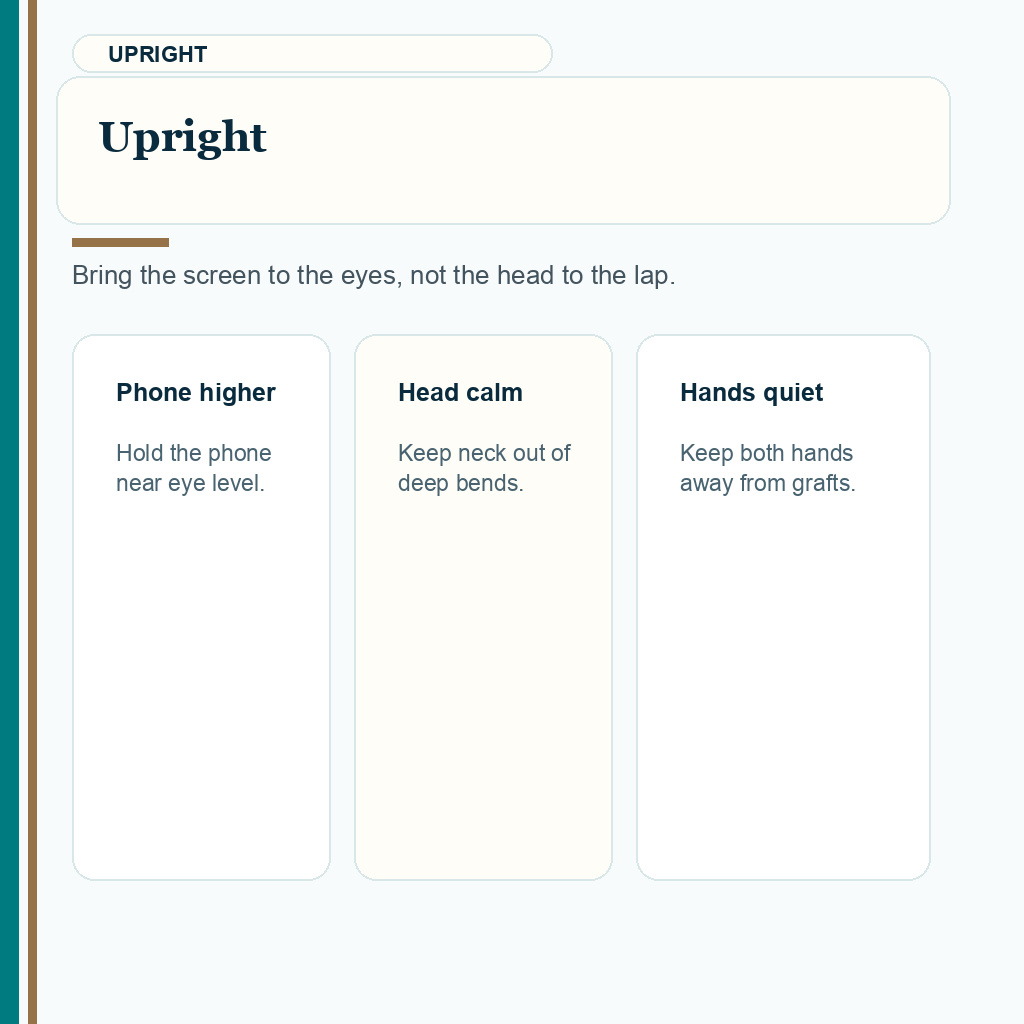
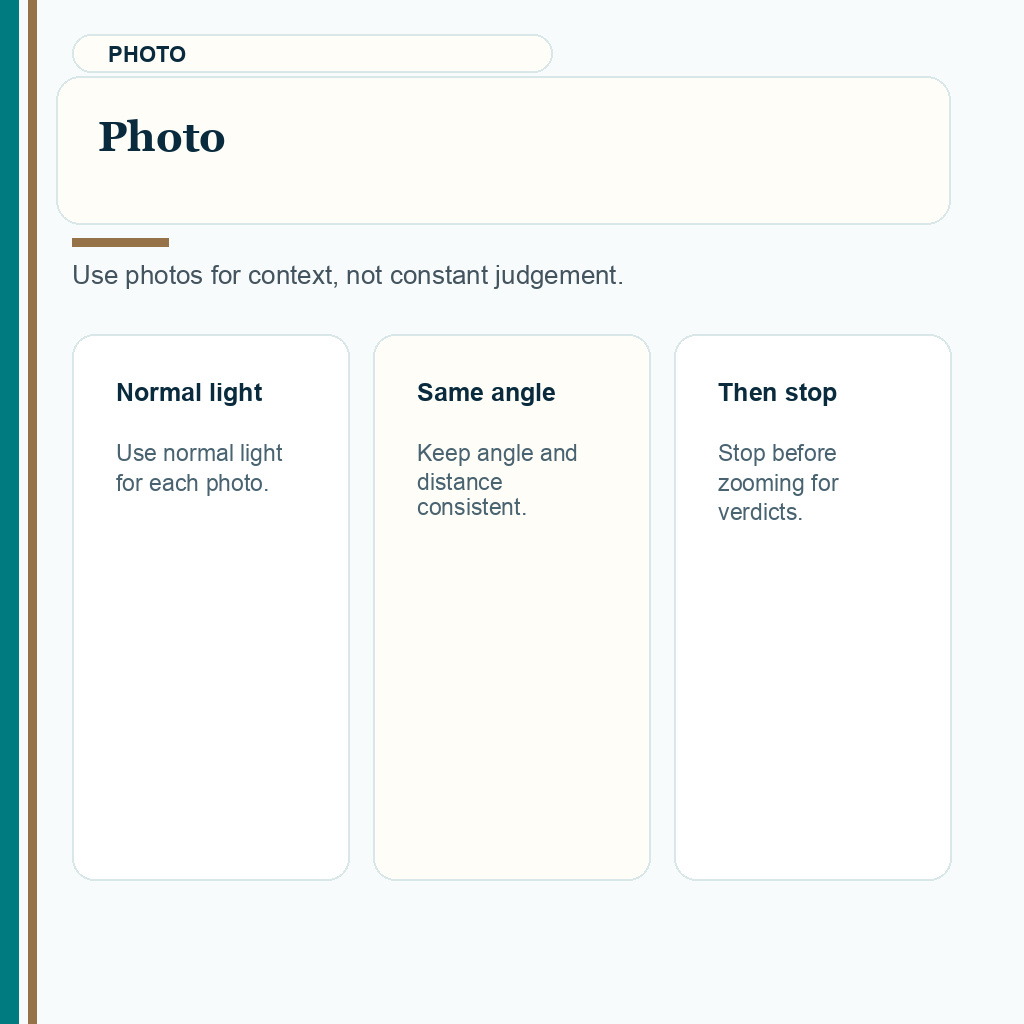
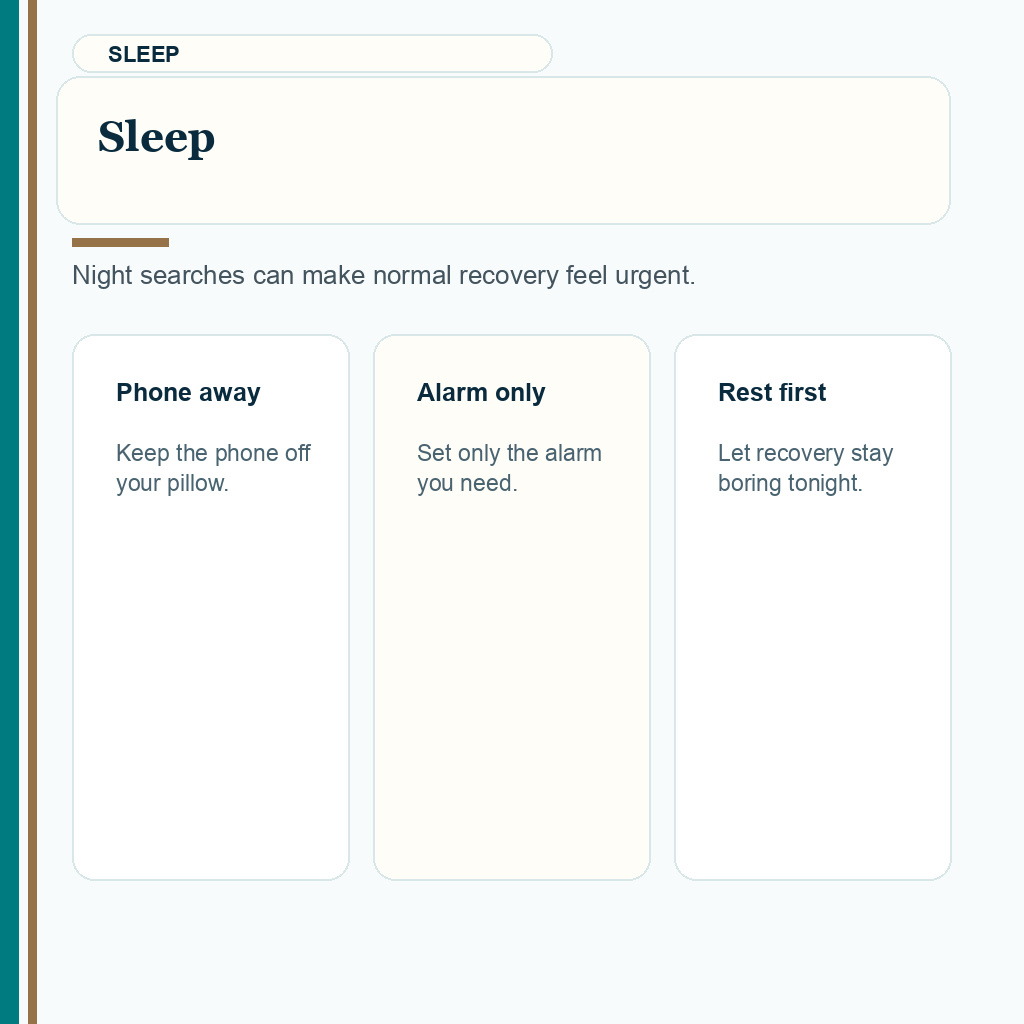
Keep the same pattern in daily phone use by starting upright, taking photos only when they answer a real question, keeping the phone away from sleep, and sending clinic messages with timing and symptoms. That is enough for most patients.
The phone should support recovery, not run it
A phone earns its place in recovery when it helps you follow instructions, send a clear update, document a real change, or stay connected without stress. It becomes unhelpful when it turns every normal recovery change into a search session, a close-up photo test, or a reason to touch the grafts.
In practice, use the phone when it keeps you informed, upright, and connected. Put it away when it makes you touch, check, search, or lose sleep. In the first recovery days, the phone is allowed, but it does not get to make the recovery decisions.

Read this review excerpt
Upon arriving home, I sent 4 photos (of each side of head) after every washing process to doctor for checking where I was given personal advice for how to take care of my healing head.