


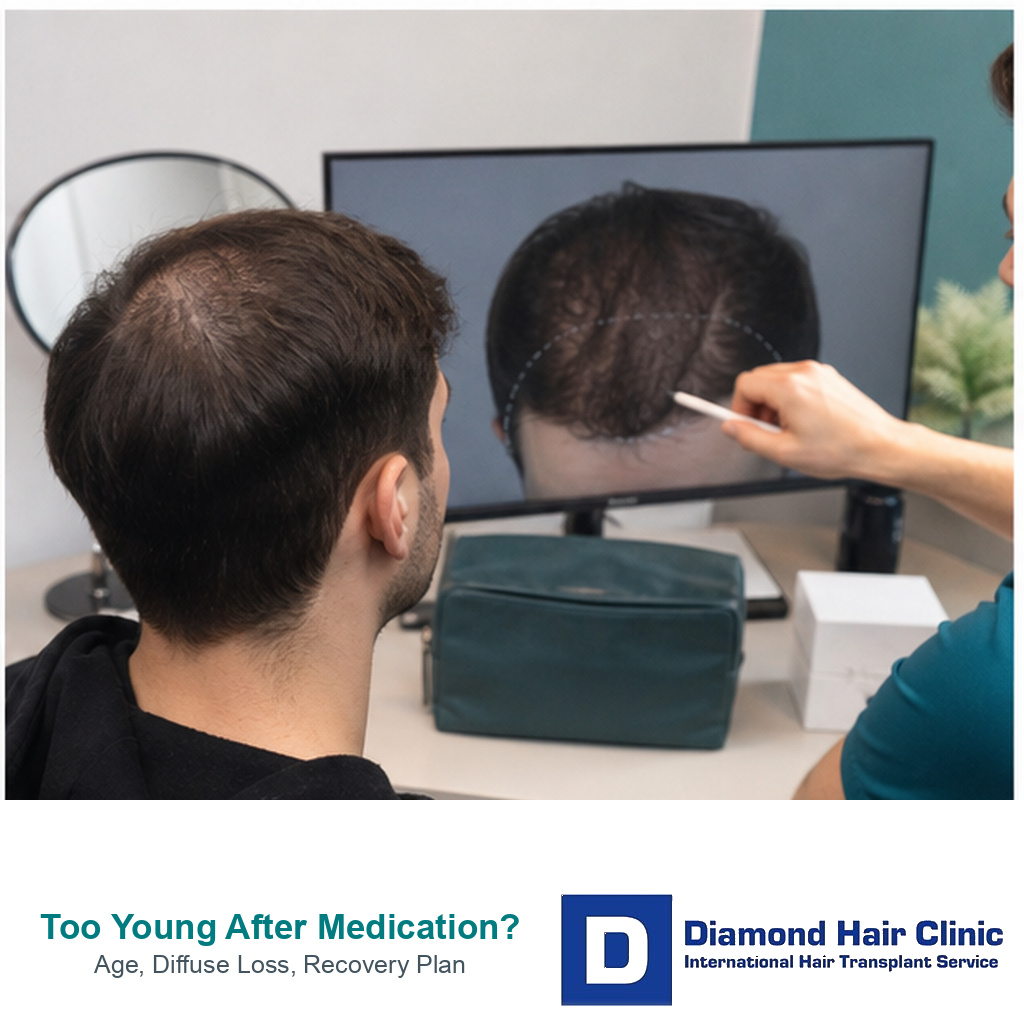
Too Young for a Hair Transplant but Already Tried Medication?
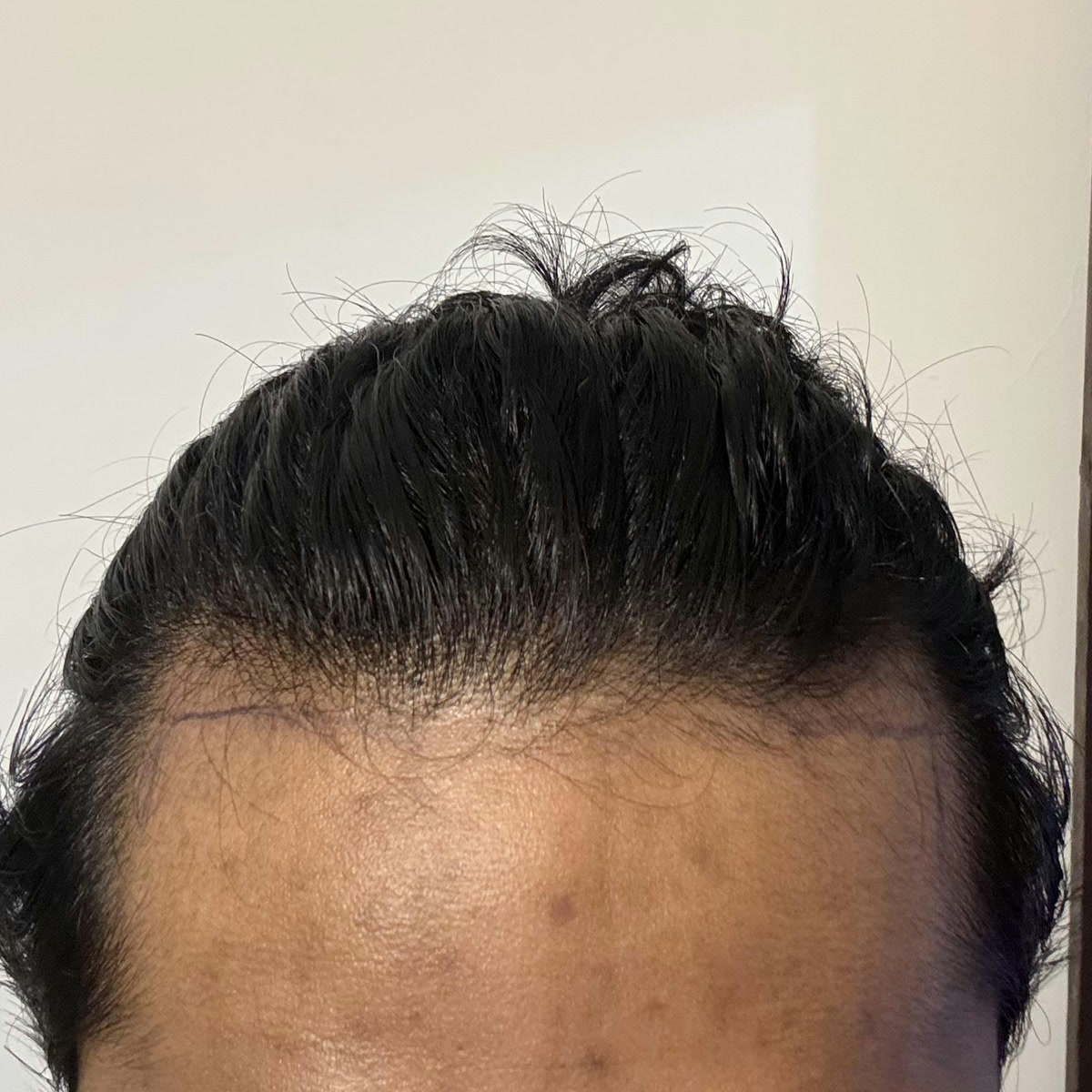
A medication history helps most when it shows the same hair under fair comparison. Dates, tolerance, photos, and response matter more than simply saying treatment was tried. In a young patient with diffuse thinning, I still have to judge donor safety, future loss, and whether the remaining native hair can realistically be protected before surgery becomes a responsible plan.
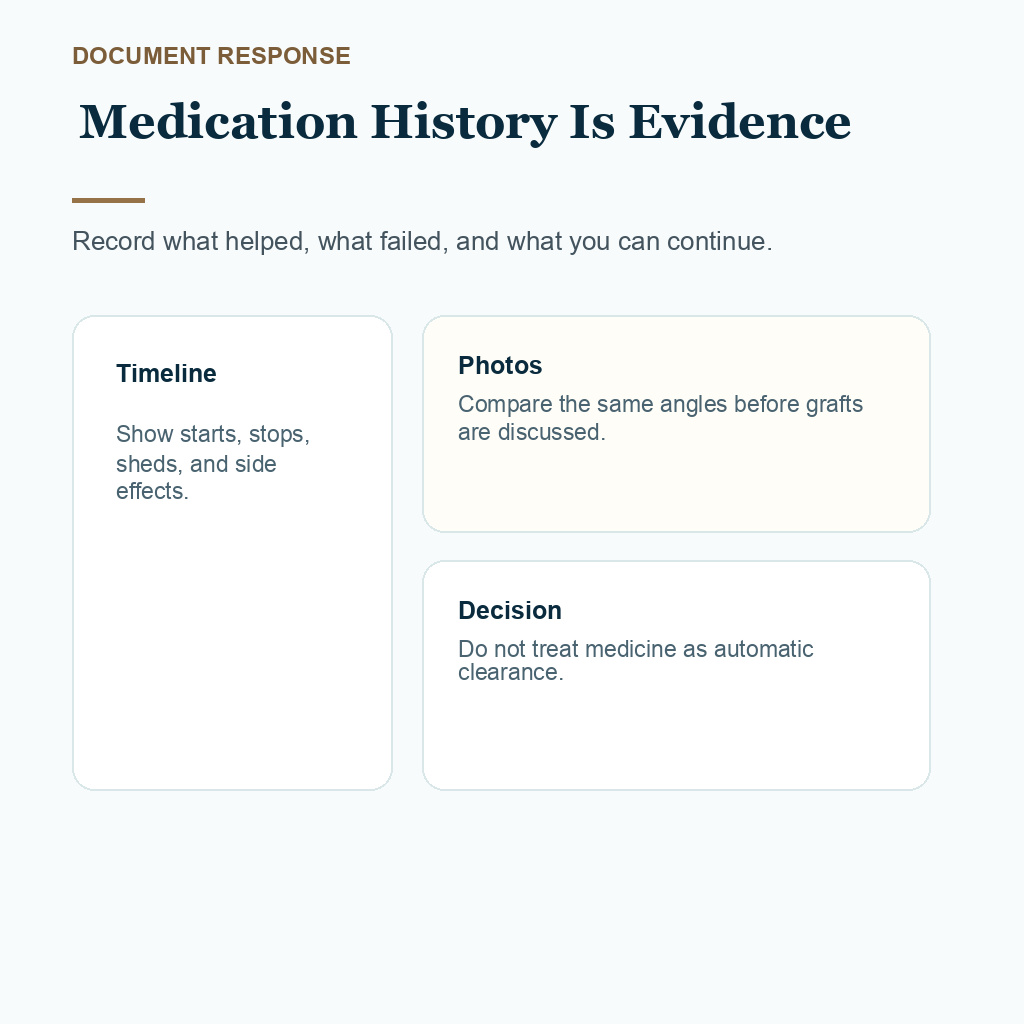
I do not treat a medication trial as clearance for surgery. It may show responsibility and it may show that the patient has not ignored the problem. It can also reveal that the hair loss is still moving, the diagnosis is uncertain, or the patient cannot rely on the medication long term. Those details change the transplant plan.
Social pressure is real when hair loss changes dating, work, and photos. It still cannot make an unstable pattern stable, so I separate the emotional urgency from the donor decision before grafts are used.
The decision is stability, not age alone
A young patient may ask whether he is too young for a hair transplant, but I first look for stability. A patient in his early twenties with a clear, slow, mature pattern can be a very different case from a patient in his late twenties whose mid scalp is changing every few months. Age gives context. It does not replace diagnosis, donor measurement, family pattern, medication response, and expectation setting.
When one area seems ready for surgery but another may still improve with treatment, the preoperative plan should separate them. It should state which area would be treated now, which area is being watched, and what change at the next photo review would reduce or cancel the operation. A booking date should not turn an uncertain area into a commitment.
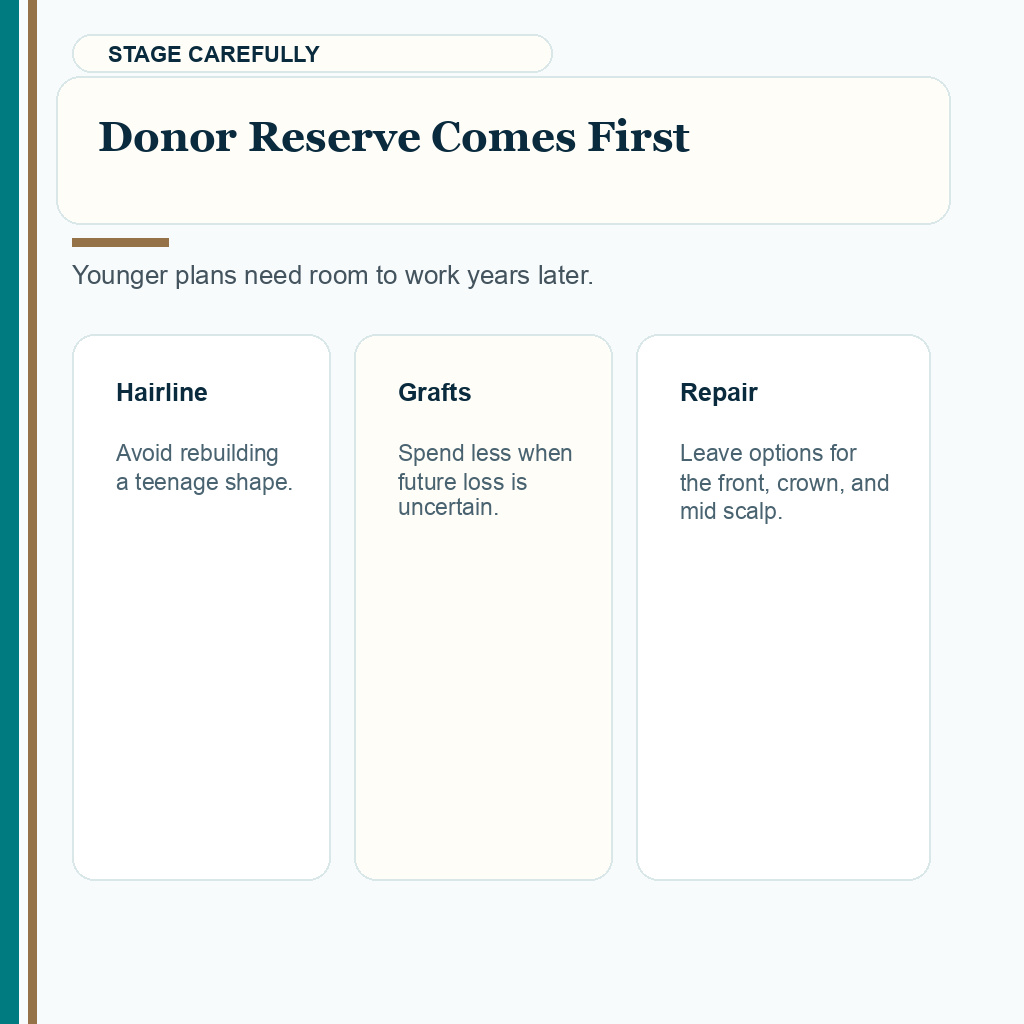
I also slow down to identify the job the requested design is supposed to do. Recreating a teenage hairline in a young man with diffuse loss is not the same as softening a mature hairline in a stable pattern. If too many grafts are used early, the donor area may not be able to protect the patient when future thinning declares itself. Lifetime graft planning and hairline or crown first planning belong before the first operation, not only before a second one.
Tried medication is evidence, not clearance
Medication history matters. I want to know what was used, who prescribed it, how long it was used, whether it helped shedding, whether side effects appeared, and whether the patient can realistically continue. But being still losing hair on medication changes the conversation. It may mean active progression. It may mean a temporary shed. It may mean the diagnosis, dose, adherence, tolerance, or expectations need review by the prescribing doctor. A recent treatment stop, dose change, or shedding episode should be understood before it becomes the reason to book surgery.
In a medically suitable patient, medication can delay a hair transplant because delay has a job. It can reveal whether native hair is responsive, whether the pattern is stabilizing, and whether surgery should be smaller. Waiting without documentation is not useful. Surgery without learning from the medication history can be careless.
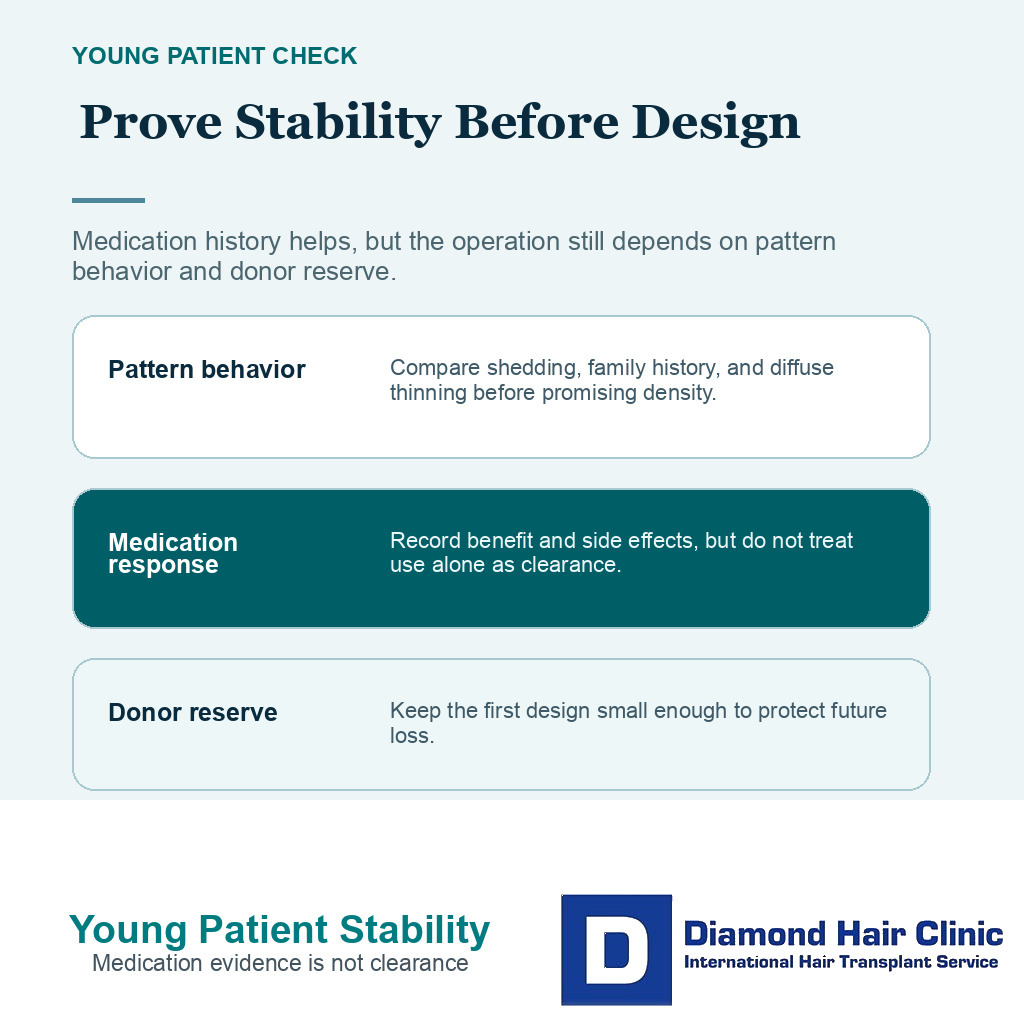
Diffuse thinning changes the risk
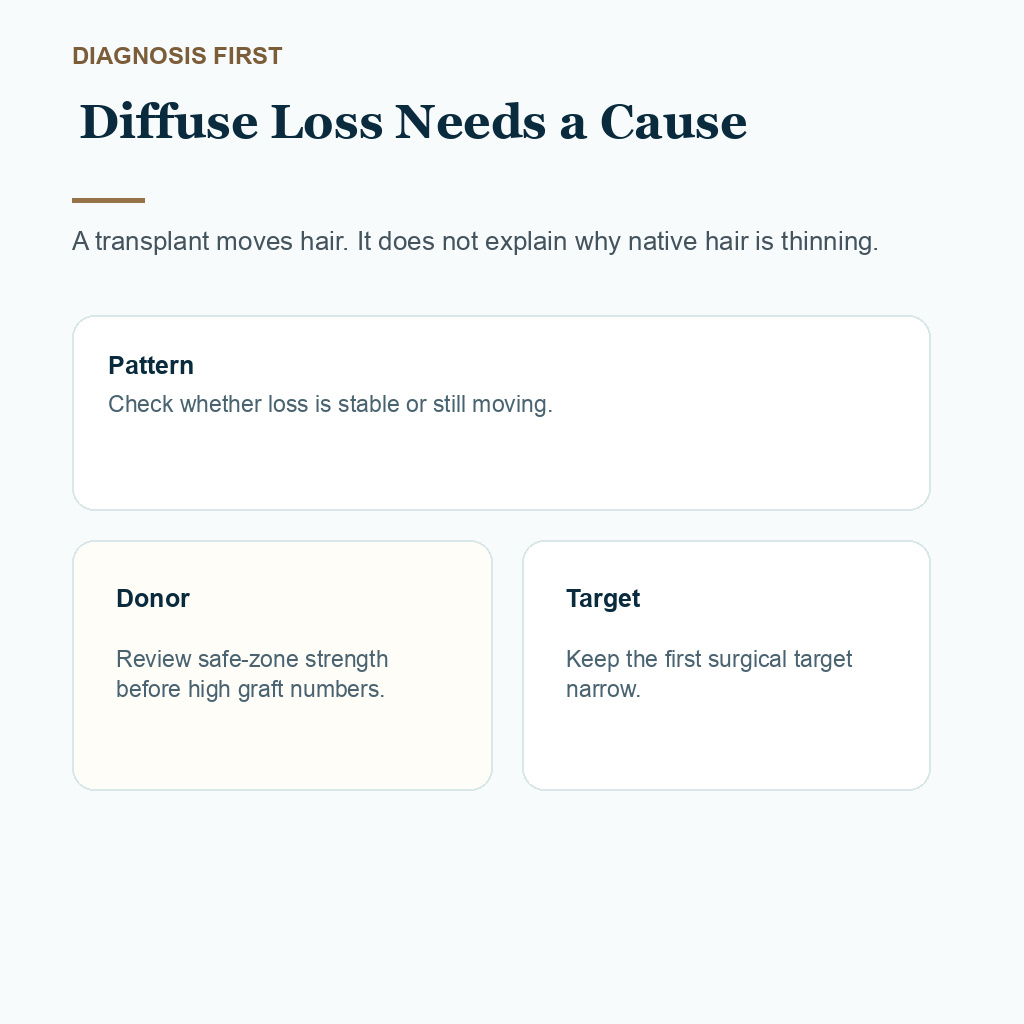
Diffuse thinning before FUE deserves a more cautious plan than a clearly empty hairline corner. There may be miniaturized hair throughout the recipient area. There may also be miniaturization in the donor area. If the hair that remains is weak, surgery can shock native hair, create a temporary worse look, or spend grafts into an area that keeps changing.
Hair loss diagnosis before a transplant matters here. Diffuse thinning can come from androgenetic loss, shedding, scalp disease, nutritional or hormonal issues, medication changes, or mixed causes. A transplant moves hair. It does not diagnose the reason the surrounding native hair is thinning.
When I see donor miniaturization in a young diffuse case, I become even more conservative. The donor area is the bank for the whole lifetime plan. If the donor itself is unstable, a large early session can create a problem that is difficult to repair later.
Reasons I may still ask you to wait
I usually ask for more time when photos show fast change, the thinning is widespread, the donor has not been measured properly, the medication response is unclear, side effects have forced repeated stops, or the desired hairline is too low for the future pattern. I am not waiting to punish the patient. I am waiting because the plan is not yet reliable.
Here I also separate transplanted hair from native hair. Even after a technically good procedure, hair loss can continue after a transplant in the surrounding native hair. A young patient who ignores that difference may be happy for a short period and then feel betrayed when the untreated mid scalp or crown continues to thin.
A useful wait has a review point. Comparable photos, the same hair length, the same lighting, donor photos, scalp exam findings when available, and a clear medication timeline tell us whether waiting is helping or whether the case is becoming clearer for a restrained plan.
Cases where surgery can still be reasonable
Surgery can still be reasonable in a young patient when the pattern is understandable, the donor reserve is strong, the design is conservative, the graft number leaves future options, and the patient understands what medication can and cannot do. I do not need every patient to be perfect. I need the plan to be medically coherent.
Laser caps, minoxidil, or the idea of a future second transplant do not make an unstable young pattern predictable by themselves. They can be part of the discussion, but the first operation still has to survive the test of age, donor reserve, crown risk, and native hair that may keep thinning.
If finasteride is not tolerated, the decision changes but it does not become impossible by default. A hair transplant without finasteride can be discussed in selected patients, but the donor use, future native hair risk, and hairline design need even more restraint. The answer is not to shame the patient. The answer is to build the plan around the real long-term risk.
For a young patient, choosing surgery because medicine feels exhausting is understandable, but it raises the standard for restraint. The first design has to stay natural if the patient later uses no long term medical support at all.
In diffuse cases, I may also stage the plan. A smaller first operation can protect the front, avoid chasing every thin area, and let the future pattern show itself. A staged plan is not a weaker plan when the patient is young. It is often the more serious plan.
Turkey should not rush the medical decision
Travelling to Turkey can make sense when the medical plan is already sound. It should not be used to force the decision before the case is ready. A young patient can feel pressure because flights, hotel dates, discounts, clinic schedules, and time off work make the booking feel real. The medical question still comes first.
Decline a weak plan before flights, hotel dates, and sunk costs create pressure. A hair transplant trip is still recovery, not a holiday. If the patient is diffuse, uncertain, or unstable, the travel plan has to include enough time for consultation, surgery, first wash, swelling, final review, and a clear route for contact after going home.
Recovery in Turkey versus recovery at home
Some patients imagine that staying longer in Turkey makes the medical decision safer. Staying longer can help with early checks and rest, but it does not fix a poor indication for surgery. Other patients want to fly home immediately because they can recover privately. That can work in selected uncomplicated cases, but only when the aftercare plan is clear.
The practical travel question is how many days to stay in Turkey after a hair transplant for your case, not the shortest itinerary that can be sold. Larger sessions, diffuse native hair, anxiety, swelling risk, work demands, and the distance home can all change the recommendation.
Once the patient has flown home, recovery concerns after flying home need review based on the pattern. Clear photos and a short symptom timeline help the clinic guide routine questions. Fever, spreading redness, pus, repeated bleeding, chest pain, severe swelling, or symptoms that feel urgent need local medical care rather than waiting for a remote answer.
Use the young patient planning check
When a young patient has already tried medication, I put the case through four checks. The point is not to score the patient. The point is to see which part of the plan is still uncertain.
Young hair transplant planning check
Tried medication is only one part of readiness
Start with comparable photos, medication history, side effects, and a clear review point before graft numbers are discussed.
pause and document
Medication history helps only when response, side effects, stops, and current use are clear.
review before booking
Diffuse native hair needs diagnosis, stability evidence, and a narrow first target.
plan with safeguards
Young patients need graft numbers that protect the front, mid scalp, crown, and possible future repair.
match travel to aftercare
Turkey and home recovery can both work only when first checks, photo follow-up, and local urgent care plans are clear.
Stay long enough for first wash, swelling review, and an unhurried final check before flying home.
Your planning package
Before I discuss a graft number, I want a calm package of information. Send clear front, temple, mid scalp, crown, donor, and side photos with dry hair. Send older photos if you have them. Tell me what medication you tried, what changed, what side effects appeared, what you stopped, what you still use, and who follows that treatment medically.
For a younger patient, the recovery plan has to fit the longer medical plan. Tell me how long you can stay in Turkey, who can help at home, whether follow-up photos can be sent on time, and which local doctor can assess an urgent problem. These practical details do not replace surgical skill. They show whether the plan remains responsible after you leave Istanbul and while future hair loss is still being managed.
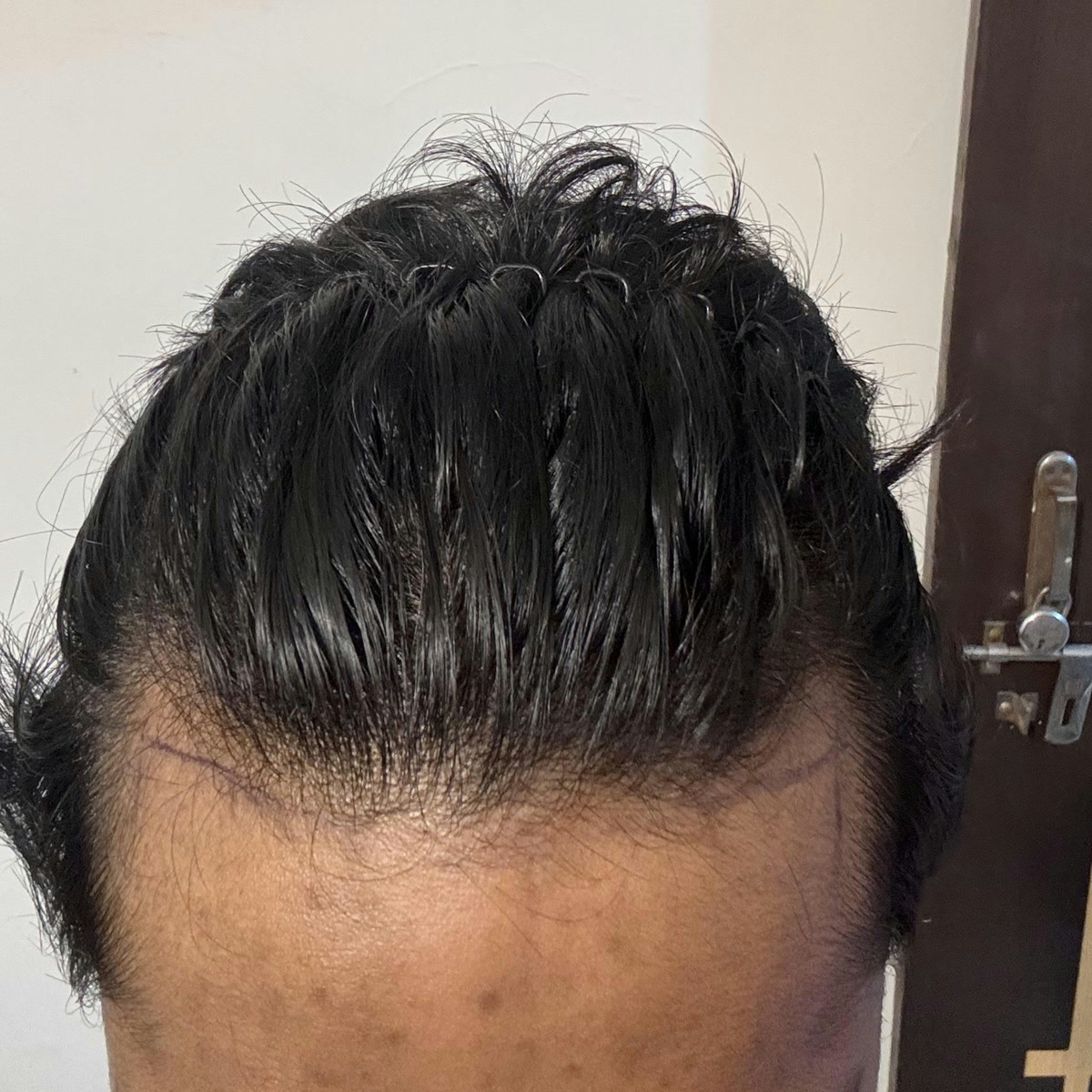
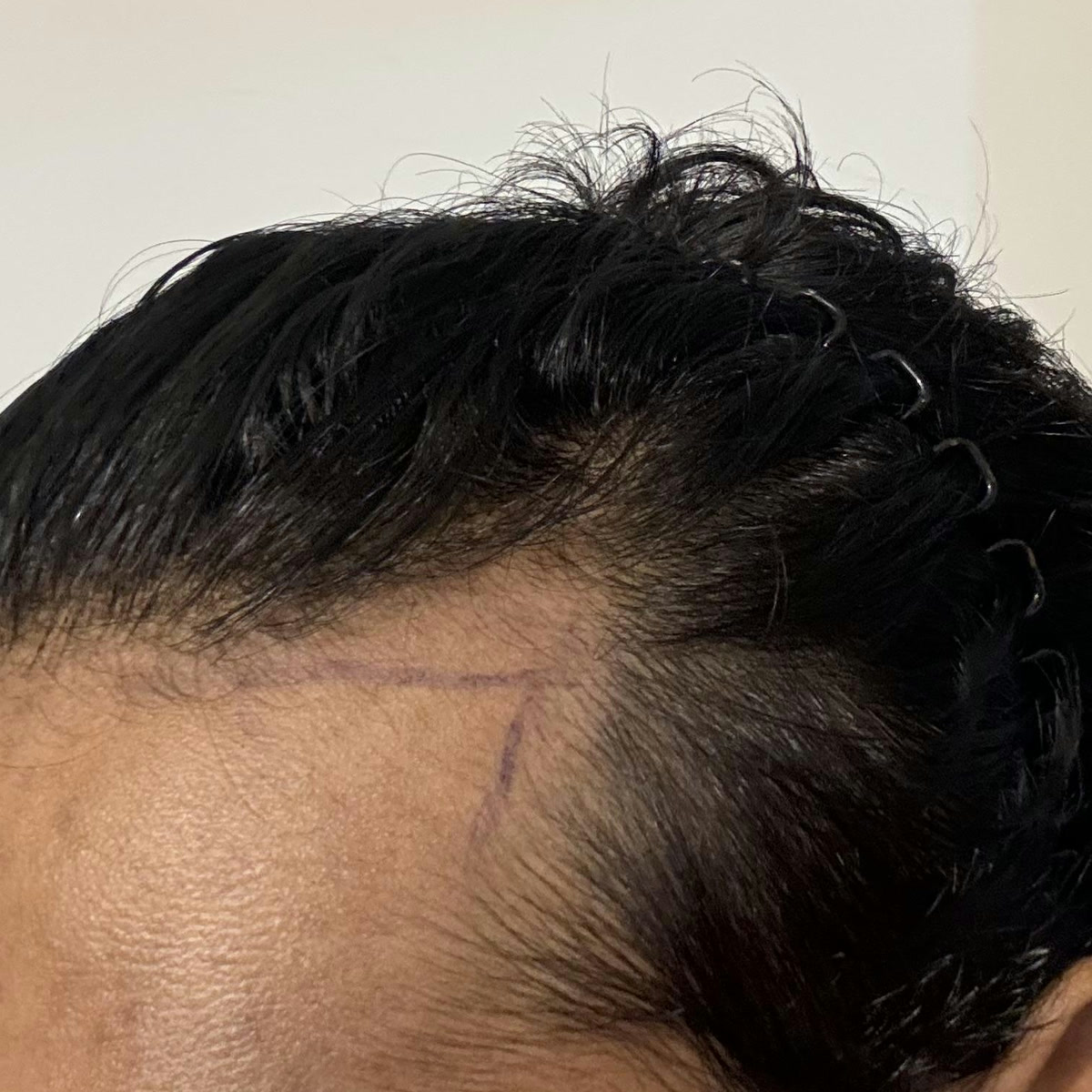

Medication history helps me understand the pattern, but it does not make age, diffuse thinning, or donor reserve disappear. If the case is still changing, the better result may be to wait until the evidence is clearer. A fast operation is not the goal. A natural result that can still be repaired years later is the goal.

Read this review excerpt
Diamond Hair was the only clinic asking for medications, treatments I've done before, and other type of questions that make me feel confident on the professionalism that they practice with their clients.