



Recovery Concerns After Flying Home Need Pattern Based Review
If a recovery concern appears after you have flown home, share clear photos with a short symptom timeline to the clinic, but do not wait for a remote reply when the problem looks urgent. Fever, spreading redness, pus, repeated bleeding, black or grey skin, chest pain, shortness of breath, fainting, or swelling in one calf needs local medical help first.
I use direct wording because travel can make a small scalp worry and a real medical warning sign feel similar. A photograph can show crusts, redness, swelling, or the donor area surface. Travel notes should include the flight day, sleep, swelling pattern, and whether symptoms changed after rest. It cannot check your temperature, blood pressure, oxygen level, leg circulation, or whether chest symptoms after a flight are becoming unsafe.
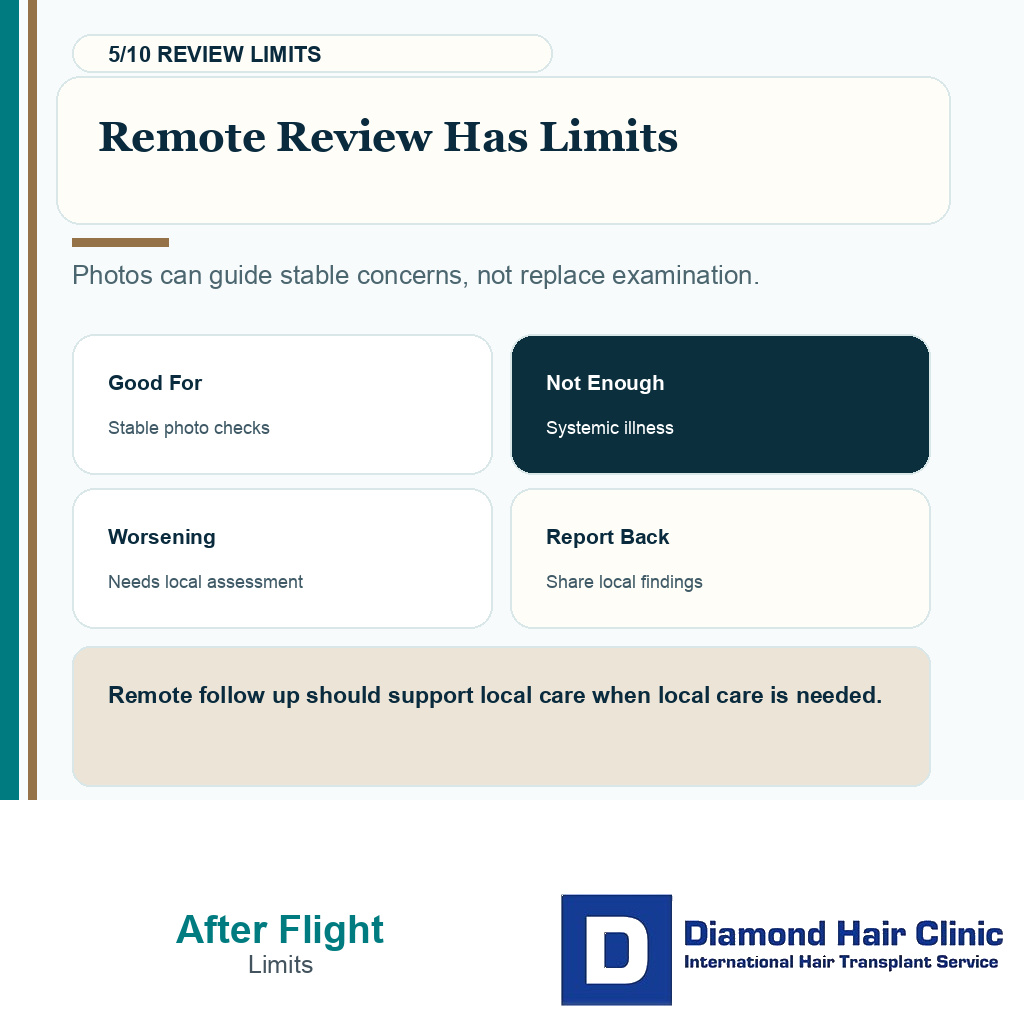
I separate concerns into two groups. Mild, stable scalp questions that are easy to photograph may be suitable for remote review. Body symptoms, rapidly worsening scalp signs, repeated bleeding, or anything that makes you feel unwell should be assessed locally first. After that, the clinic can help connect the medical finding with the transplant plan.
Practical guide
Plan the trip around
the medical decision
Concerns after flying home need clear photos, symptom timing, and local safety judgment when needed. Use the route that matches the next practical decision.
The pattern matters more than one frightening photo
A close photo under bathroom light can make normal crusts, dryness, redness, or swelling look dramatic. The opposite can also happen. A dark or blurry photo may hide a problem that is becoming more serious.
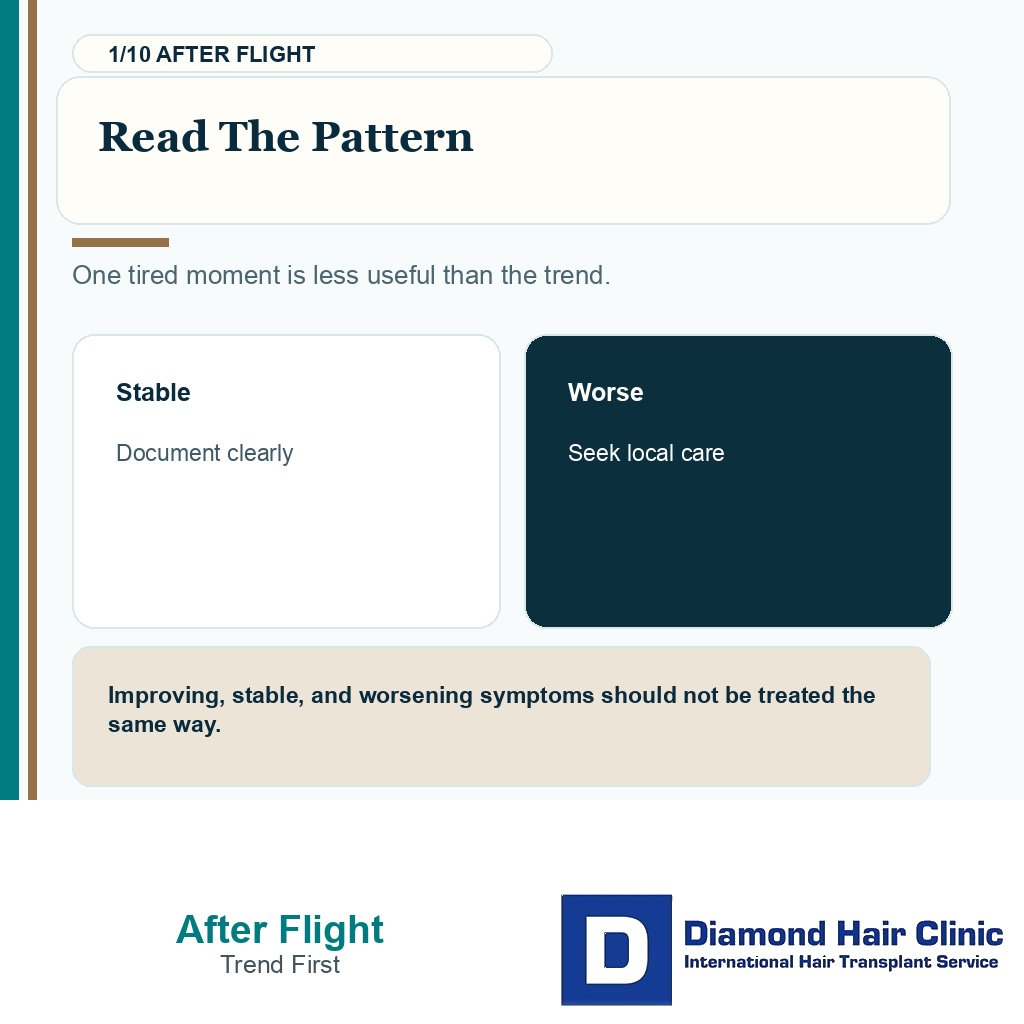
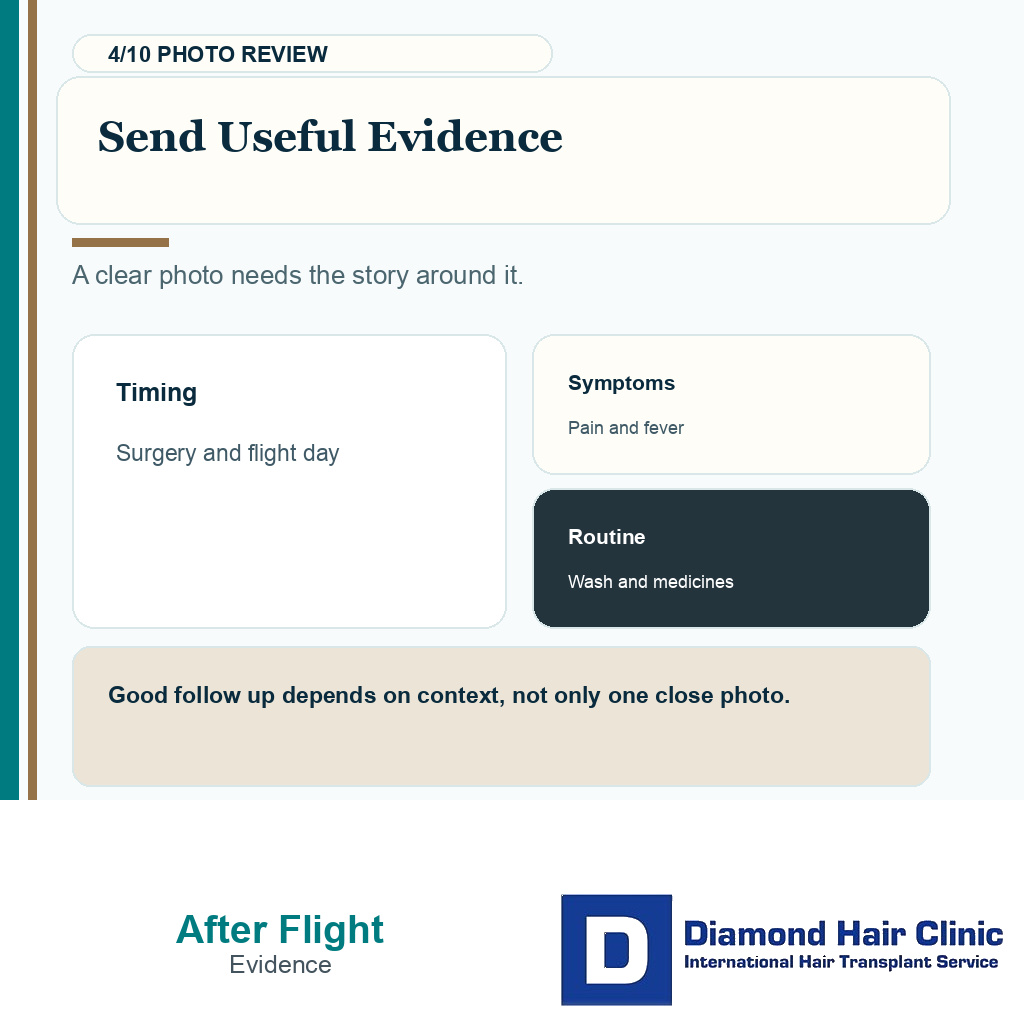
Step back and look at the pattern before reacting to one image. When did the concern start? Is it stable, improving, or getting worse? Is pain increasing? Is there fluid, smell, fever, or a general feeling that your body is not right? One close photo helps much less than a clear story.
For scalp concerns only, use the same disciplined approach as a planned hair transplant follow-up after surgery. Send daylight photos from the front, both sides, the top, and the donor area. Add one close photo after the wider views. Tell us the day after surgery, what changed, what you applied, and whether you have fever, bleeding, swelling, pain, smell, or fluid.
Clear photos and timing usually tell me more than several separate messages. If the photos are not usable, repeat them in better light before changing treatment.
The first message from abroad should include useful details
Your first message should be short and complete. Say the operation date, the recovery day, the country you are in, the main concern, and whether the symptom is stable, improving, or worsening. If a local doctor has already seen you, send the diagnosis, any prescription, and the exact medicine names.
Save a short recovery summary on your phone before you fly home. Include the surgery date, graft count if known, medicines, washing plan, clinic contact route, and the warning signs that mean local care should come before waiting for a reply. The contact plan for the return flight should be saved before boarding, when bleeding, swelling, or dressing movement is still easier to discuss calmly.
If the concern appeared after travel, include the flight length, long layovers, whether you rushed or lifted bags, whether anything touched or bumped the scalp, and whether the washing routine was delayed. That context can explain swelling, dryness, pressure, or anxiety without replacing checking warning signs. When you can choose the route, fewer connections usually means fewer rushed walks, bag lifts, and chances to sleep with pressure on the scalp.
Photos should show the scalp before products, creams, ointments, or wet hair hide the surface. If you are worried about the donor area, include the whole donor zone. If the concern is in the recipient area, include the hairline, middle scalp, and crown when relevant. If swelling is the concern, send a face photo from the front and both sides.
While waiting for a reply, do not scratch, squeeze, scrub, pick scabs, apply random antiseptics, or start a leftover antibiotic. Many minor concerns become less clear when several home fixes are tried at once. The usual hair transplant recovery plan matters even more when I am reviewing from a distance.
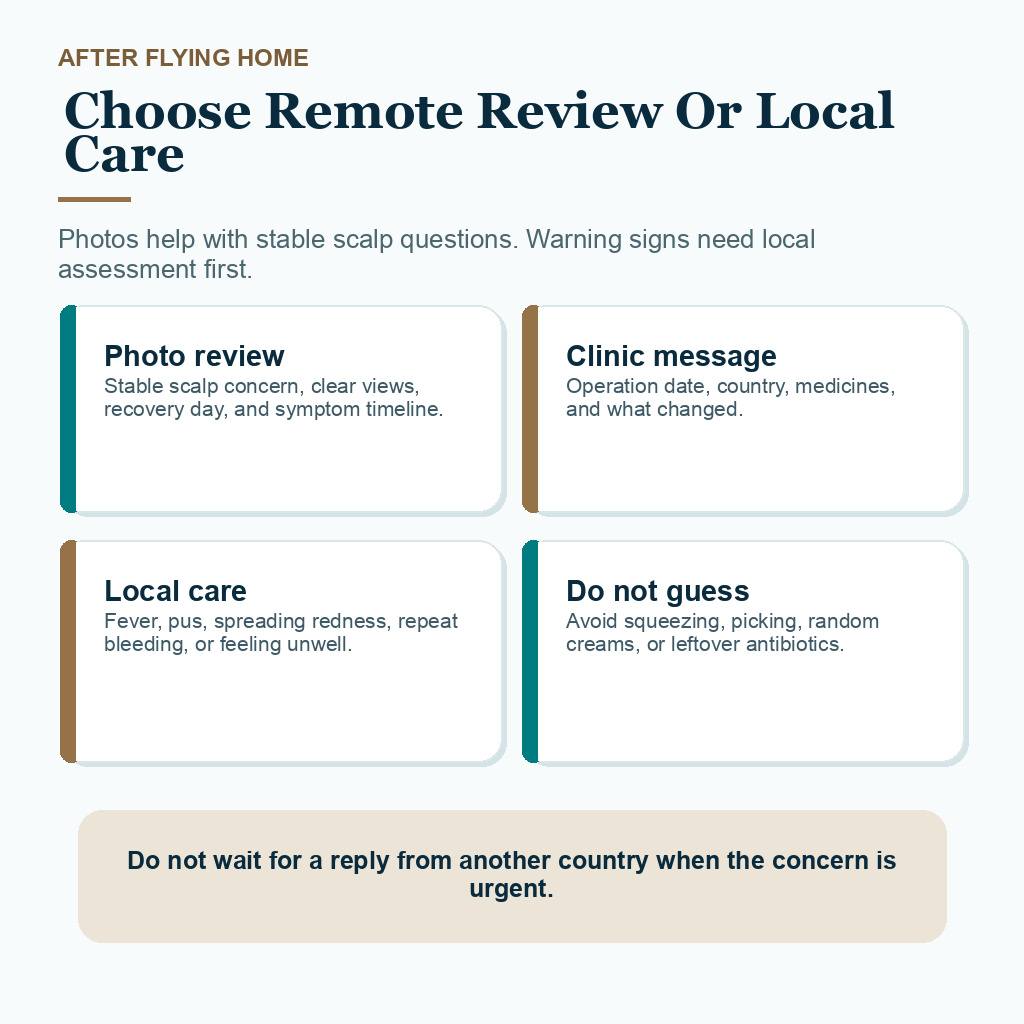
After flying home, separate photo review concerns from warning signs that need local medical help, especially when the clinic is in another time zone.
How to take photos that help after you fly home?
The best photo set is repeatable. Use good light, keep the hair dry when possible, avoid filters, and take the same views each time. A complete set has one front view, both side views, one top view, one crown view if the crown was treated, and clear donor area photos from the back and both sides.
Then add one or two close photos of the concern. Close photos are useful only after the wider views show where the concern sits. A tiny red area means something different when it is isolated, spreading, painful, or linked with fever or discharge.
Do not cover the area with random creams, oils, antiseptics, or leftover antibiotics before taking photos unless a doctor has told you to do so. Products can hide the surface and make remote review weaker.
When remote review may be enough?
Remote review is usually reasonable when the concern is limited to the scalp, the area is not rapidly worsening, you feel well, and the photos are clear. Mild uneven redness, dryness, crusts, itch, temporary shedding worries, donor tightness, or a question about early appearance may fit this category.
Even then, I do not treat a photo as the whole diagnosis. The recovery day, pain level, washing history, medicines, recent travel, and general health all change the answer. A scalp that looks acceptable in a photo can still need attention if you have fever, increasing pain, or worsening swelling.
Travel timing should be planned before surgery, not only after a worry appears. Staying in Turkey for the right number of days gives time for the first check, washing guidance, and a more predictable trip home.
Some warning signs need local medical help first
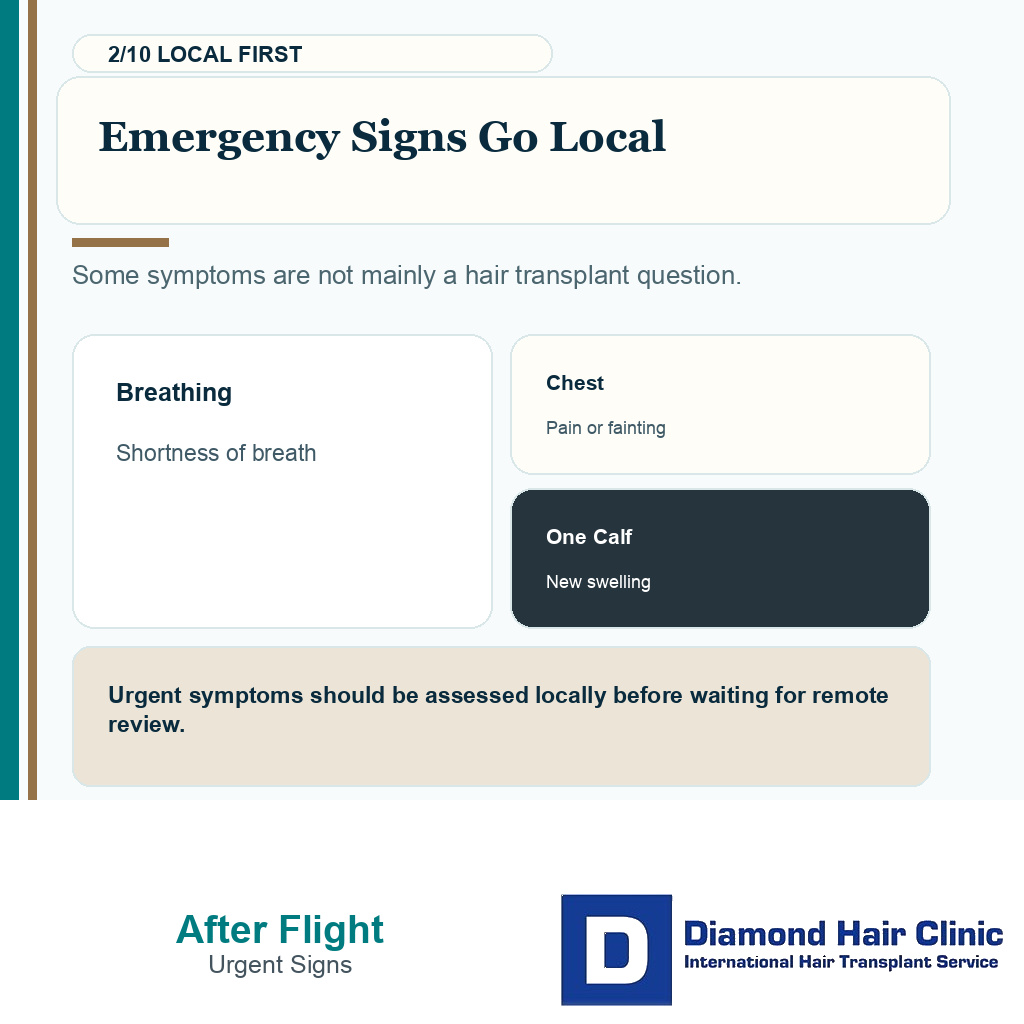
Some symptoms are not mainly hair transplant questions. They are medical safety questions. If you have chest pain, shortness of breath, fainting, coughing blood, a fast heartbeat that feels wrong, or swelling and pain in one calf after a long flight, seek urgent local medical help. Do not wait for a clinic message from another country.
With blood clot history before a hair transplant, travel symptoms need even closer attention. A transplant clinic can explain the surgical context, but chest symptoms, fainting, or swelling in one calf after flying need local examination first.
Local medical assessment is also safer when you have fever, chills, spreading redness, worsening pain, pus, bad smell, repeated bleeding that does not settle with gentle pressure, or skin that looks black, grey, or clearly different from the surrounding scalp. If a local doctor or emergency team wants to examine you, do not ask them to wait for permission from the transplant clinic. These signs need an examination, not only a remote opinion.
A recipient area scab that reopens, stays wet, bleeds again, smells bad, or sits over skin that is becoming darker should not be treated as a routine travel photo question. Tell the clinic what changed, but if you are already home, local medical review comes first because a doctor can examine the wound, temperature, pain, discharge, and infection risk directly. After that, the clinic can connect the finding with hair transplant necrosis warning signs or the aftercare plan, including whether antibiotic ointment after hair transplant has been advised for your case.
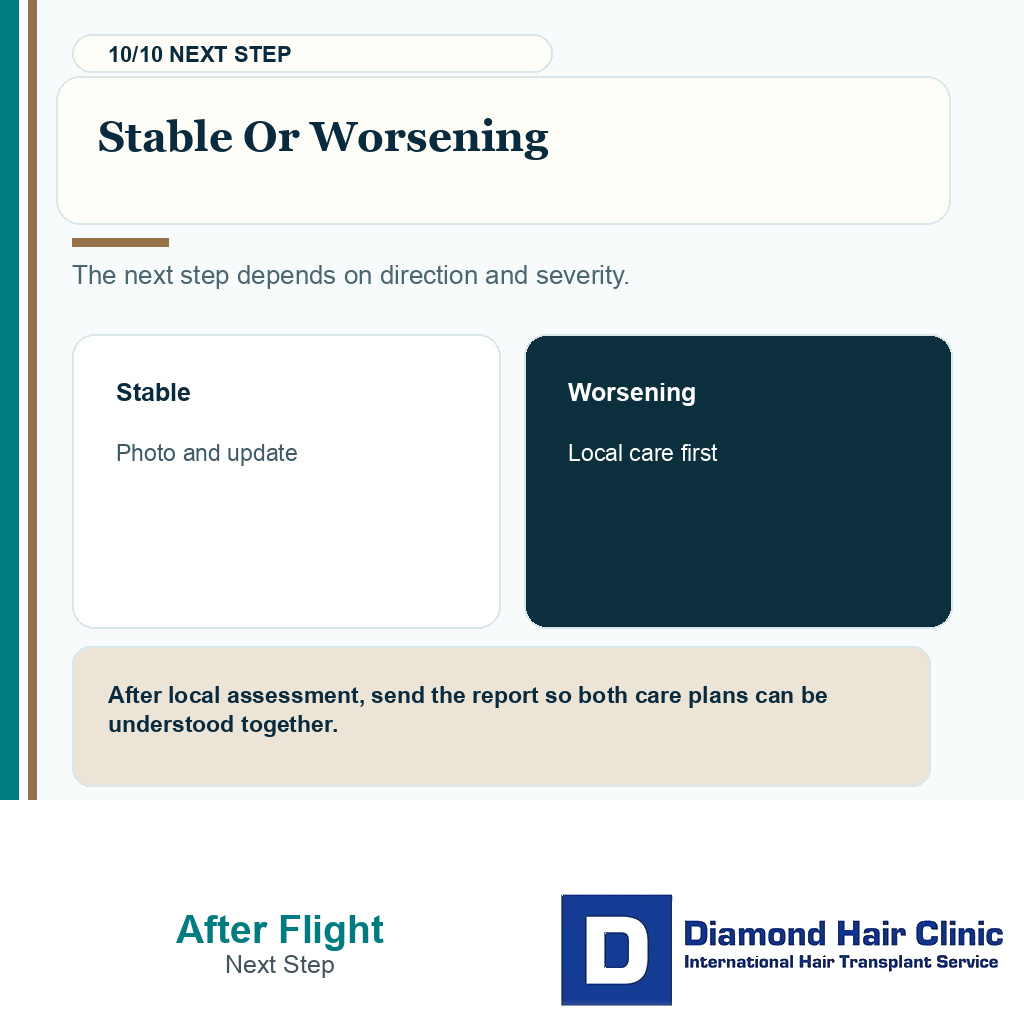
Remote follow-up should never delay emergency medical help. After you are assessed locally, send the report and photos to the clinic so the hair transplant plan and the local treatment plan can be understood together.
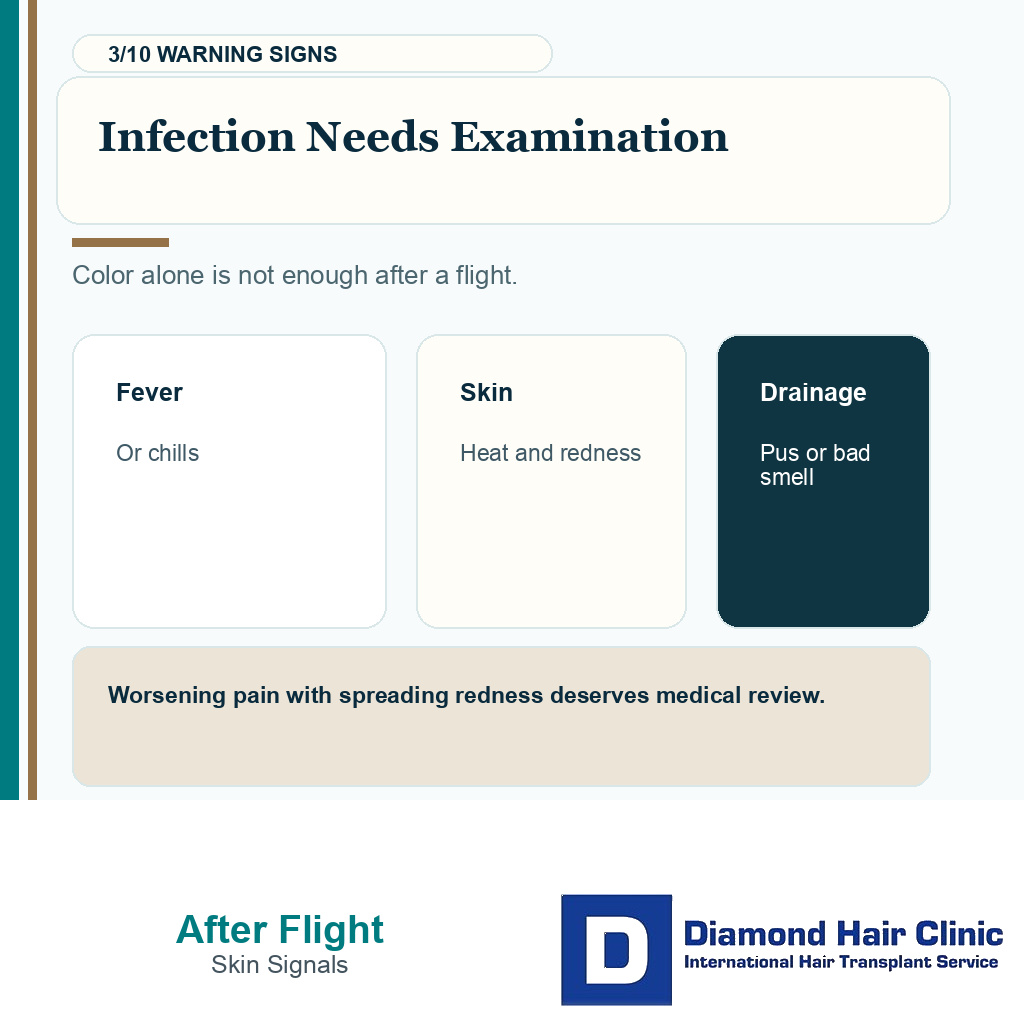
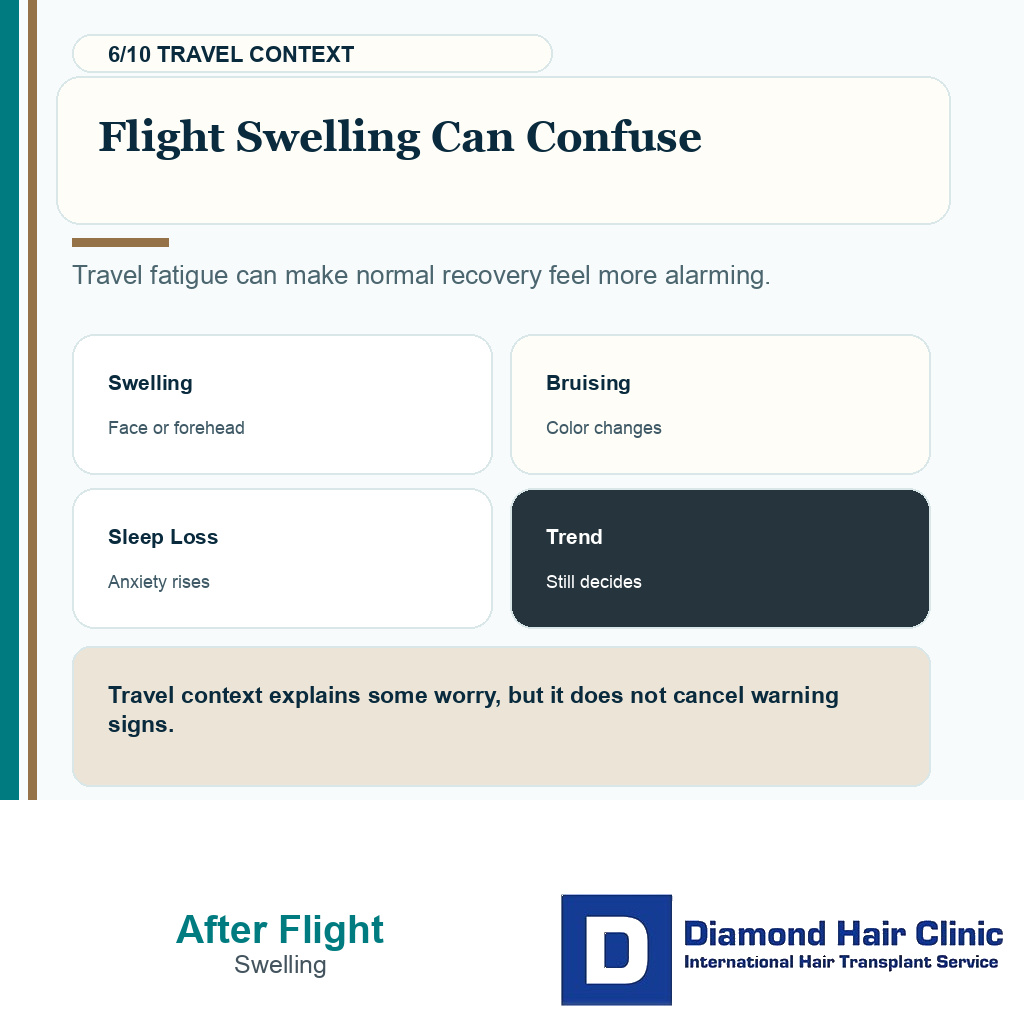
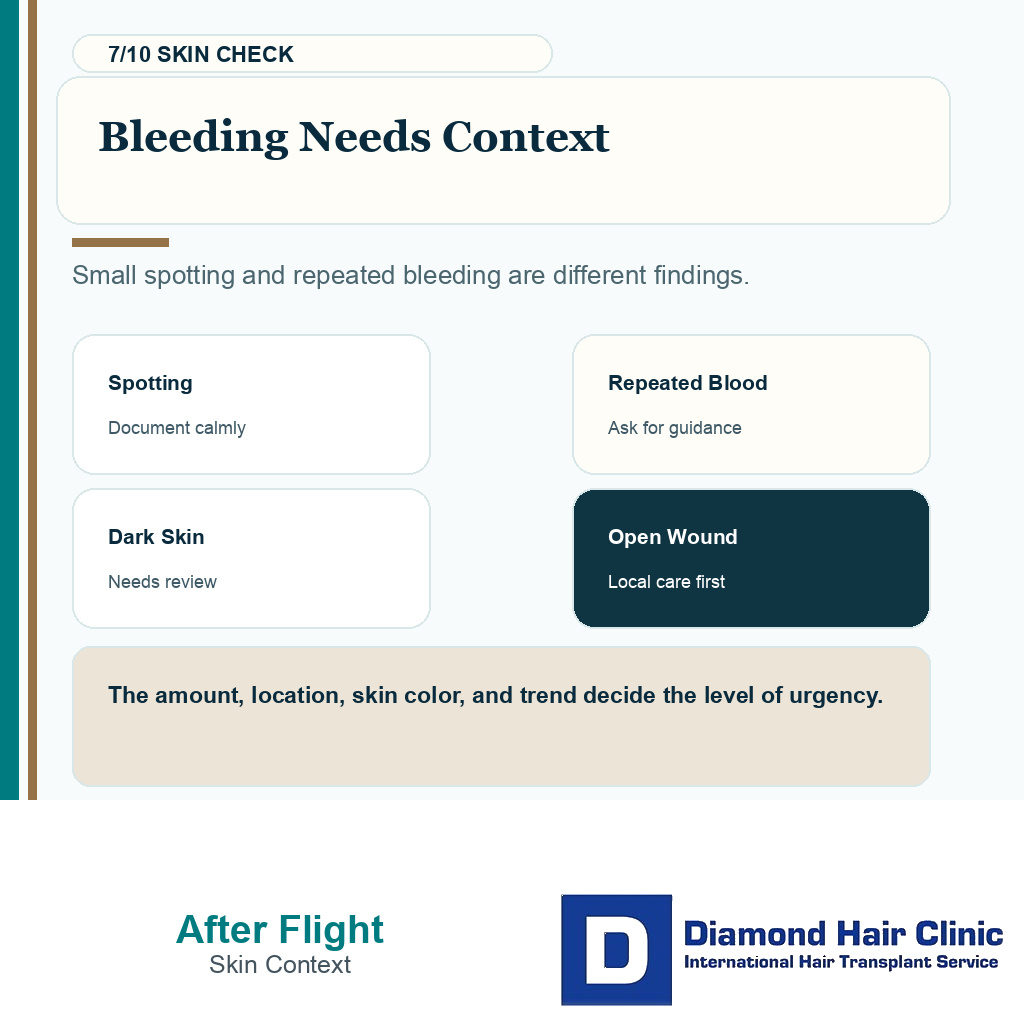
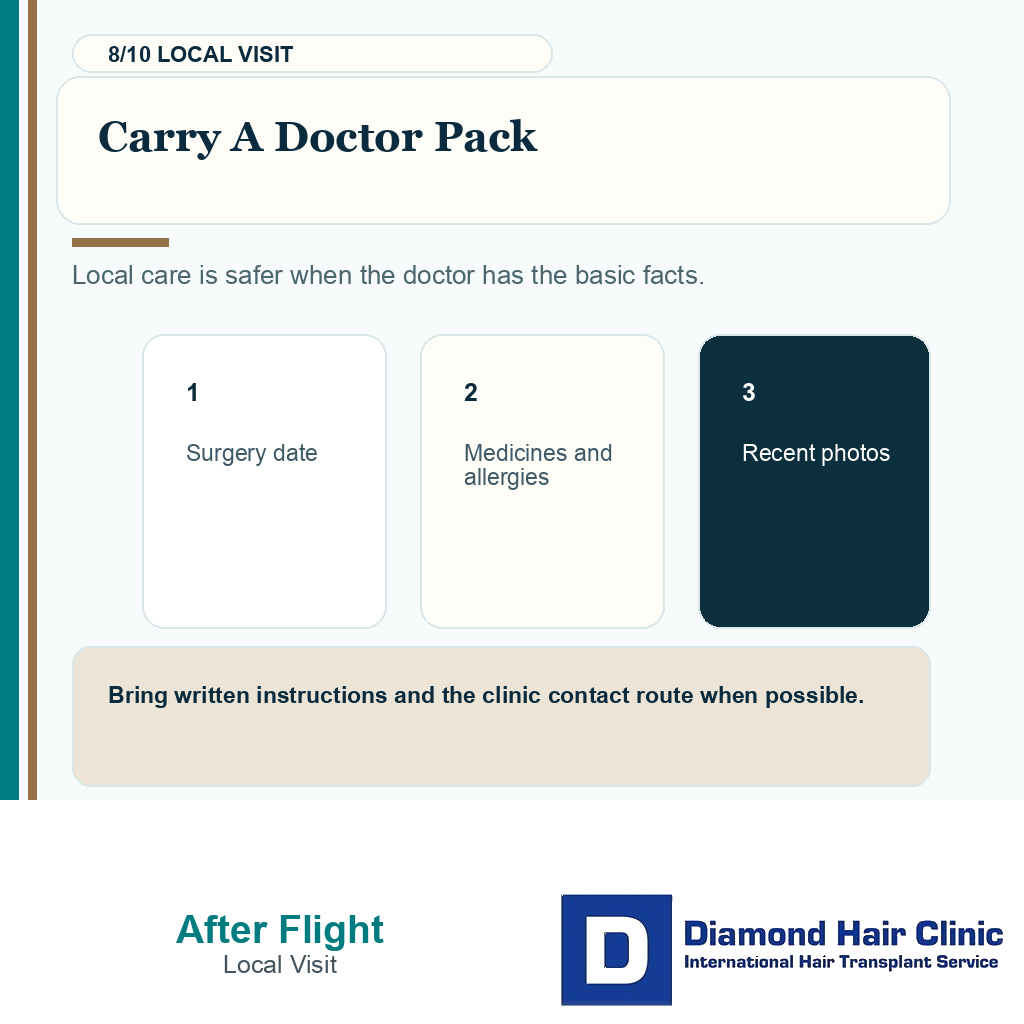
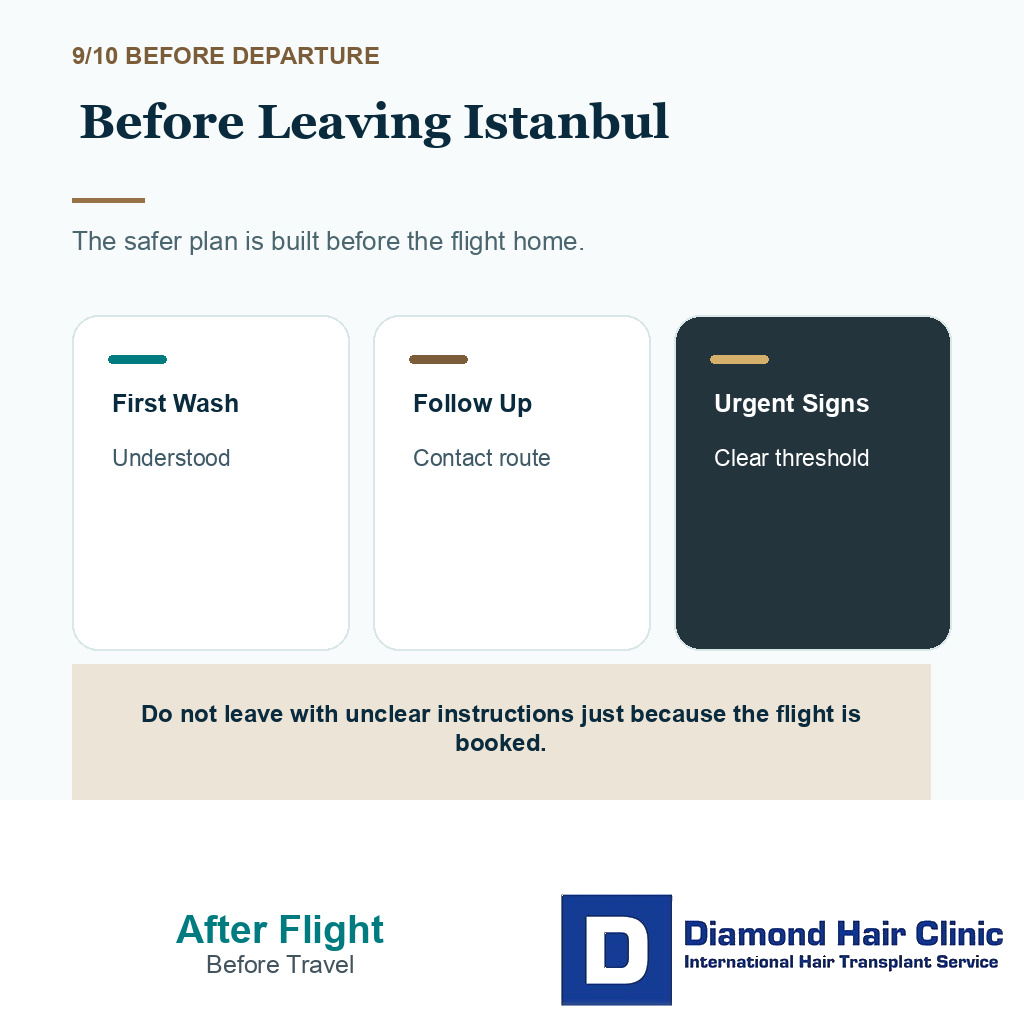
Use the 10 slides below to separate stable recovery after the flight home from symptoms that need local medical help first. Swipe the carousel, use the arrows for one step at a time, or choose a number below the image to jump to that point.
Infection concerns after travel need clinical judgment
Infection worries are common after travel because the scalp is tender, the body is tired, and every color change can look threatening. Mild redness or sensitivity can happen during recovery. Worsening pain, heat, swelling, pus, bad odor, fever, or feeling generally ill changes the meaning.
If possible infection is the concern, compare the pattern with the warning signs of an infected hair transplant, but written guidance cannot replace medical assessment. If the area is worsening or you feel unwell, a local doctor can examine you, check vital signs, and decide whether treatment is needed.
Send the clinic exactly what the local doctor saw and prescribed. That detail changes the advice. Some redness is irritation, some discharge is dried fluid, and some cases really do need treatment. Guessing from one close photo is weaker than combining the image with the clinical picture.
Bleeding, swelling, and black or grey patches need context
Judge bleeding after travel by amount, location, and whether it stops. Small spotting is different from repeated bleeding. If bleeding continues despite gentle pressure, or if you feel dizzy, weak, or unwell, get local medical help. Early bleeding after a transplant has its own context, but repeated or worsening bleeding after travel should not be dismissed.
Swelling also needs context. Forehead or facial swelling can be part of early recovery, but swelling with fever, severe pain, symptoms in one leg, breathing symptoms, or a rapidly worsening pattern needs a different level of attention. I separate ordinary swelling after a hair transplant from patterns that need examination.
Dark skin changes deserve respect. If a patch looks black, grey, leathery, or sharply different from nearby skin, do not wait days while comparing photos online. Compare it with hair transplant necrosis warning signs and seek a local examination if the change looks progressive or worrying.
The flight itself can change the symptom picture
Sometimes the worry is not the grafts. A long flight can worsen swelling, dehydration, poor sleep, neck position, anxiety, or leg discomfort. It can also make you more likely to touch the scalp, sleep awkwardly, or miss the washing routine.
For flight timing, airport handling, and flight day protection, keep flying after a hair transplant in mind. If you are reading this after landing, focus on the current symptom. Scalp dryness and mild swelling may need better recovery instructions. Chest symptoms, fainting, or swelling in one leg need local medical help.
If urgent symptoms after travel lead to imaging, MRI and CT scans after hair transplant guidance can help with scalp precautions for that situation. If a complication appears abroad or after returning home, the right route may involve a local clinic, pharmacy, or emergency department. This is also why travel insurance for a hair transplant abroad should be understood before travel, not only after a stressful symptom appears.
What to show a local doctor after a hair transplant?
If you need local medical help after flying home, bring the operation date, treated areas, medicine list, allergy list, recovery instructions, and clinic contact details. If you have photos from the surgery day or first wash, keep them ready as context.
The local doctor does not need to judge the final hair result. The immediate job is to check general safety, infection signs, bleeding, allergic symptoms, chest symptoms, leg symptoms, or any medical issue that cannot wait for remote review.
A local doctor should handle urgent medical signs
A local doctor should handle urgent medical safety. The transplant clinic should handle the surgical context. These roles are not in conflict. If you need local assessment, tell the doctor that you recently had a hair transplant, when it was done, which areas were treated, what medicines you were given, and what recovery instructions you received.
Then send the local findings back to the clinic. If a medication is prescribed, share the exact name, dose, and duration before adding other products to the scalp. This helps avoid mixed advice, duplicated treatment, or unnecessary irritation.
You are not choosing between Istanbul and your local doctor. You are keeping your body safe while protecting the transplant.
Preparation before leaving Istanbul matters
The best time to prevent confusion is before the flight. Know which photos to send, which symptoms deserve urgent local medical help, what medicines you are using, and how to continue washing. Keep your operation details and recovery instructions where you can find them quickly.
A medicine list is useful, but it does not guarantee that a pharmacy at home can fill a prescription issued abroad. Any refill needed after the trip should be arranged with a local pharmacist or prescriber before the current supply runs out.
Read this review excerpt
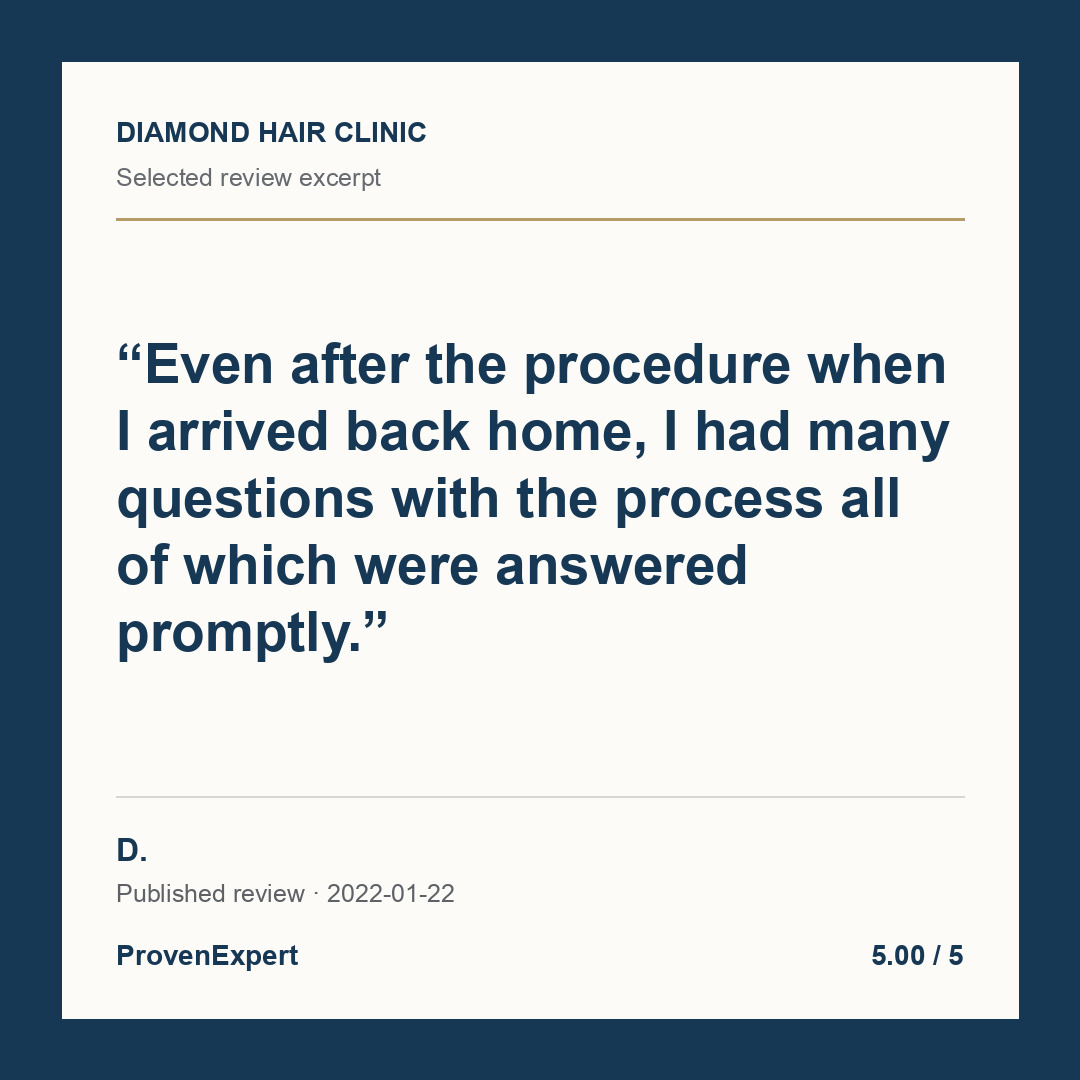
Even after the procedure when I arrived back home, I had many questions with the process all of which were answered promptly.
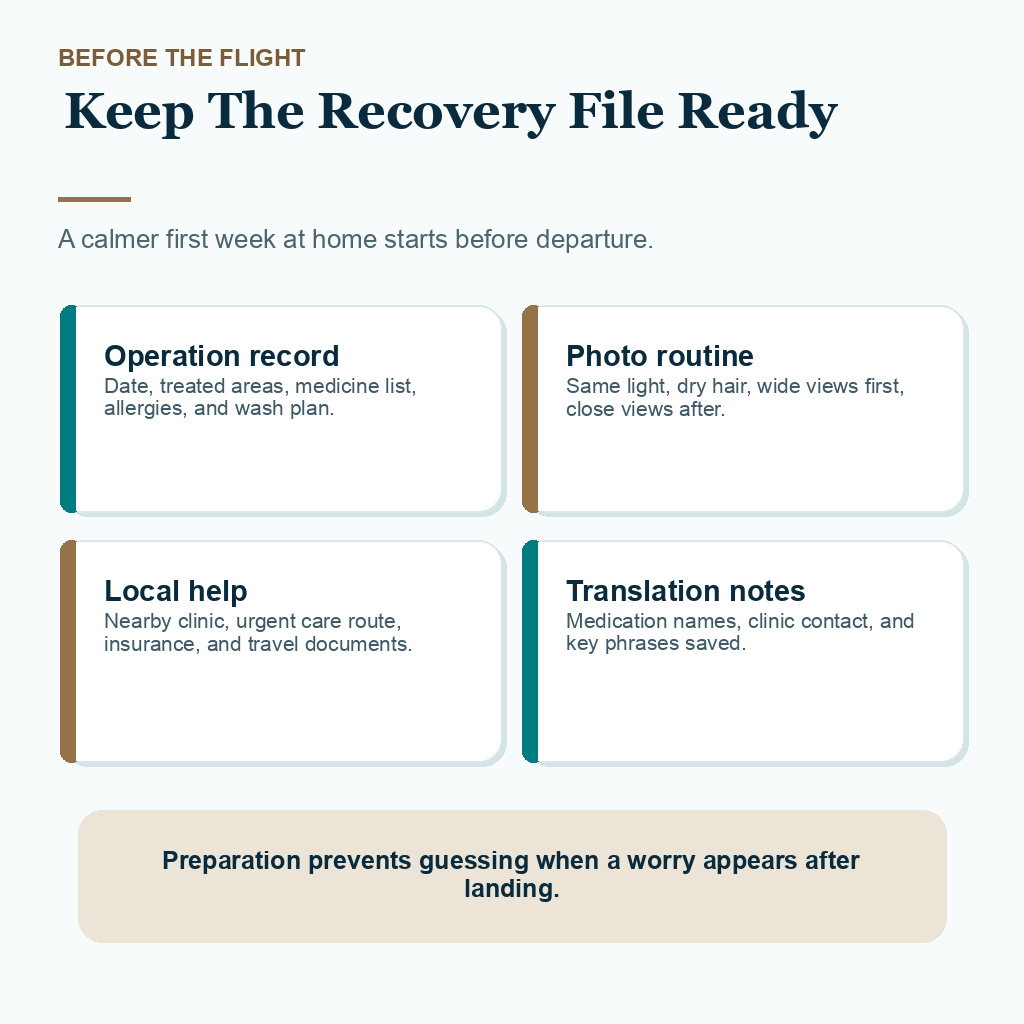
Before leaving Istanbul, keep recovery details, photo instructions, clinic contact information, and local medical assessment notes easy to find.
If language is a concern, do not wait until a problem appears. Save key phrases, medication names, and clinic contact details in your phone. Language barriers during a hair transplant abroad matter because clear understanding is part of medical safety, not a luxury.
Arrival and departure planning matters too. The Istanbul arrival checklist for a hair transplant is not only about the first day. It helps you prepare documents, clothes, medicines, hotel recovery items, and travel timing so the return home is less chaotic.
A simple rule helps at home
After you fly home, do not inspect the scalp every few minutes. Choose a regular time for photos, use the same lighting when possible, follow the washing and medicine plan, and contact the clinic with clear information when something changes.
If the concern is mild, stable, and limited to the scalp, a structured photo review may be enough. If the concern is worsening, systemic, painful, smelly, bleeding repeatedly, or linked with breathing, chest, fainting, or one leg symptoms, get local medical help first.
International hair transplant follow-up works best when the limits of distance are clear. I can guide recovery from photos when the question is suitable for photos. I cannot replace an emergency doctor when your body is giving warning signs after travel.