


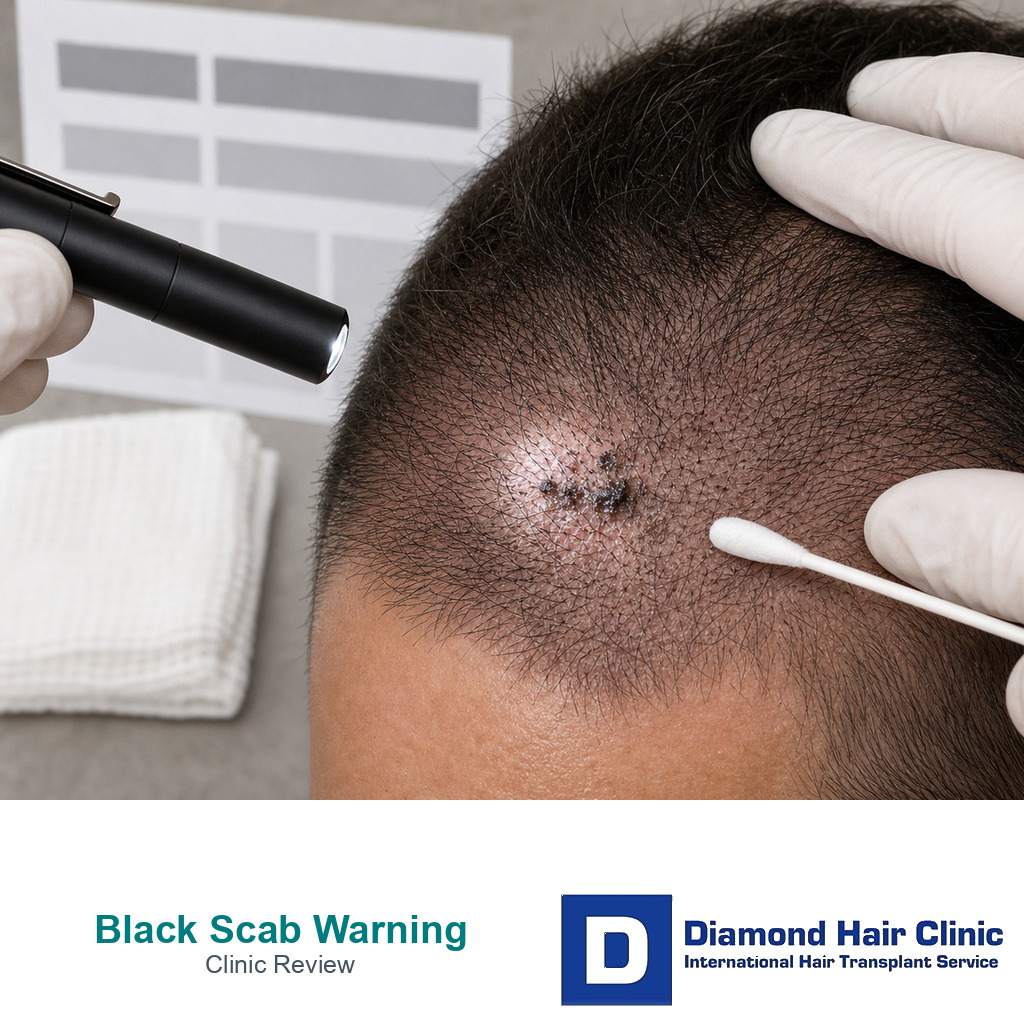
Black Scab and Necrosis Warning Signs
A black scab after a hair transplant can be dried blood rather than necrosis. Dried blood can look very dark, especially around the grafts, and many scabs soften and lift as washing becomes easier. I become concerned when the area is painful, wet, foul smelling, gray or black like dead skin, opening, spreading, or getting worse instead of settling.
If the scab is dry, small, improving, and the skin around it is not inflamed, it may fit normal crusting. Do not wait several days when the wound is worsening, painful, draining, open, changing color, or paired with fever. Protect the area, do not pick it, photograph it clearly, describe the symptoms, and get same day medical review when the wound looks unsafe.
Hair transplant necrosis is rare, but it is serious because it means tissue has lost enough blood supply to die. Start with wound safety, not a guess about every graft. The first question is whether the skin is safe and whether infection, poor blood supply, or tissue breakdown needs treatment.
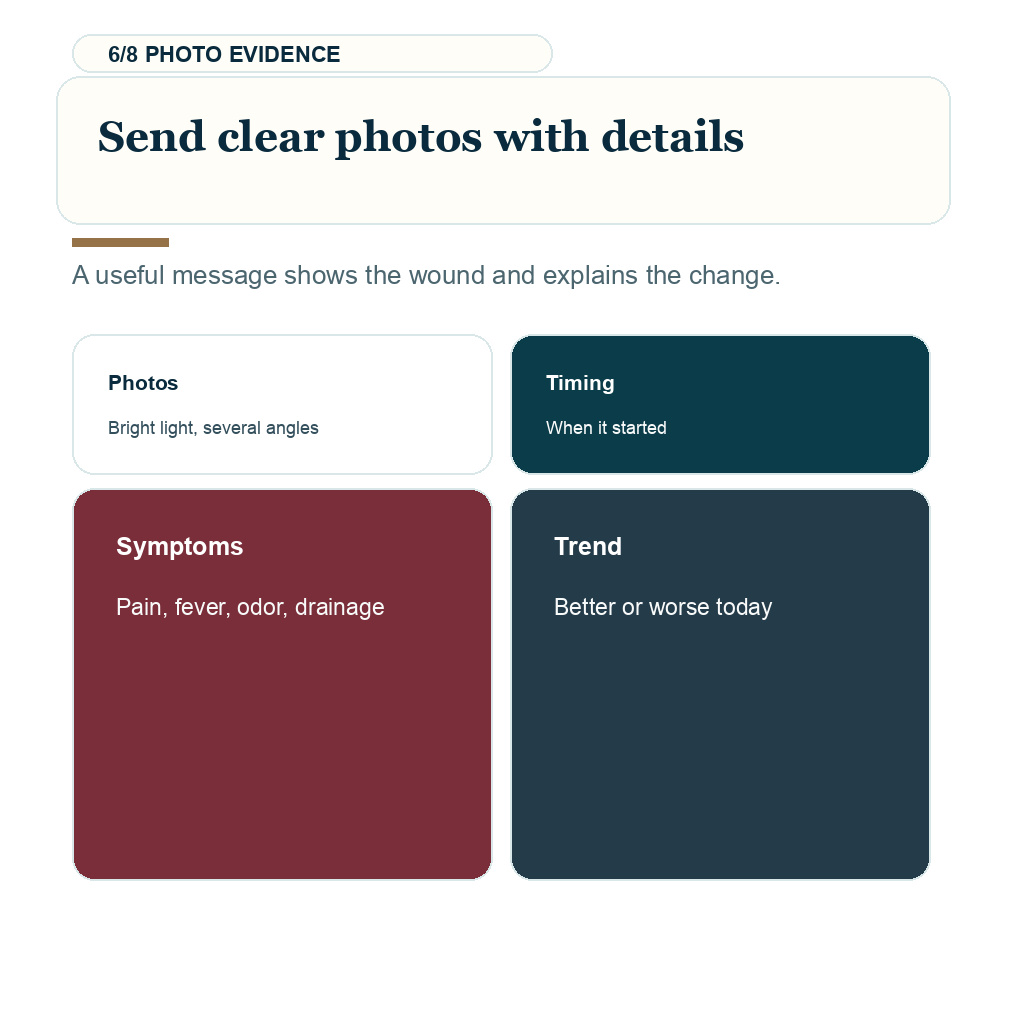
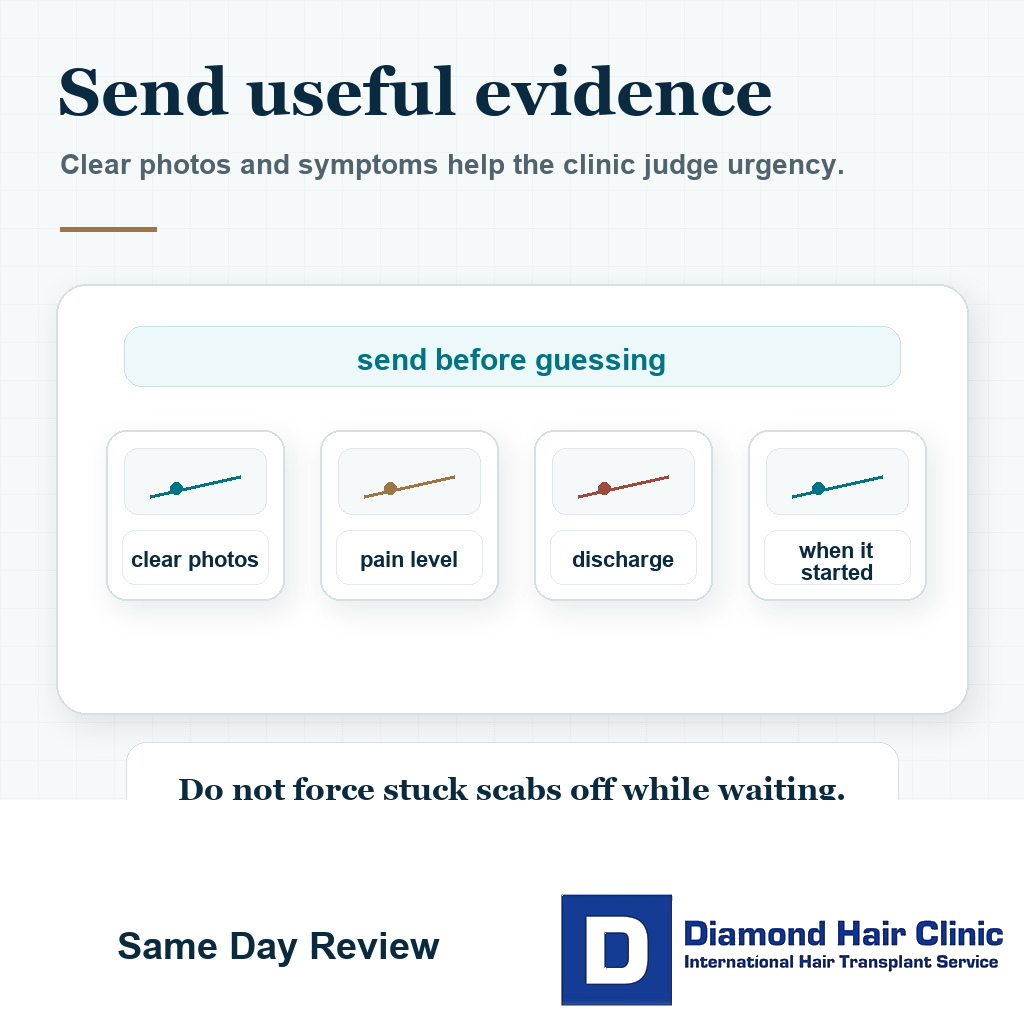
Send the pattern, not only one close-up. Tell the clinic the surgery date, when the scab appeared, what changed, and whether pain, heat, swelling, drainage, odor, bleeding, fever, or spreading redness is present. Include one wider scalp photo and one close photo taken in the same light. Do not crop out the surrounding skin when the question is wound safety, because spread matters more than making the dark spot look clear.
The wider photo is not for density judgment. It helps show whether the dark area is isolated, spreading, swollen, or connected to surrounding redness.
Repeat photos are for change over time, not for deciding graft survival from appearance.
Include any ointment, antiseptic, oil, cream, nicotine, diabetes, blood pressure issue, or medicine change. If the area is wet, open, smelly, draining, painful, feverish, or turning gray or black, seek same day medical review instead of waiting for photo reassurance.

Normal scabbing and dangerous wounds look different
Normal crusting is usually dry, small, and gradually easier to soften with the clinic’s washing plan. It can look brown, dark red, or almost black because dried blood becomes darker as it dries. A dry scab with a short hair inside can also be part of normal shedding rather than lost grafts, which is a separate concern explained in scabs with hairs after FUE.
A dangerous wound behaves differently. The crust may become thick, hard, wet underneath, painful, smelly, or surrounded by spreading redness. When it separates, the skin underneath may look raw, deep, crater shaped, gray, black, or unhealthy rather than fresh and pink.
The difference is not color alone. I look at pain, drainage, smell, fever, spreading redness, timing, medical history, smoking, nicotine, density of the work, and whether the area is improving. If the main issue is common redness, crusting, or small pimples, redness, scabs, or pimples after a hair transplant may be the better frame. If the issue is a flat darker color without pain, wetness, or opening, I separate that from dark scalp color after FUE.
A photo can raise concern, but it cannot replace examination when the wound is changing. A dry crust that is improving and a wet black crust with pain are not the same problem.
Urgent warning signs need medical review
Increasing pain matters. Some tenderness is expected after surgery, but pain that becomes stronger instead of weaker, especially around a dark scab, needs prompt review. Burning, throbbing, marked sensitivity, or pain with swelling changes the situation.
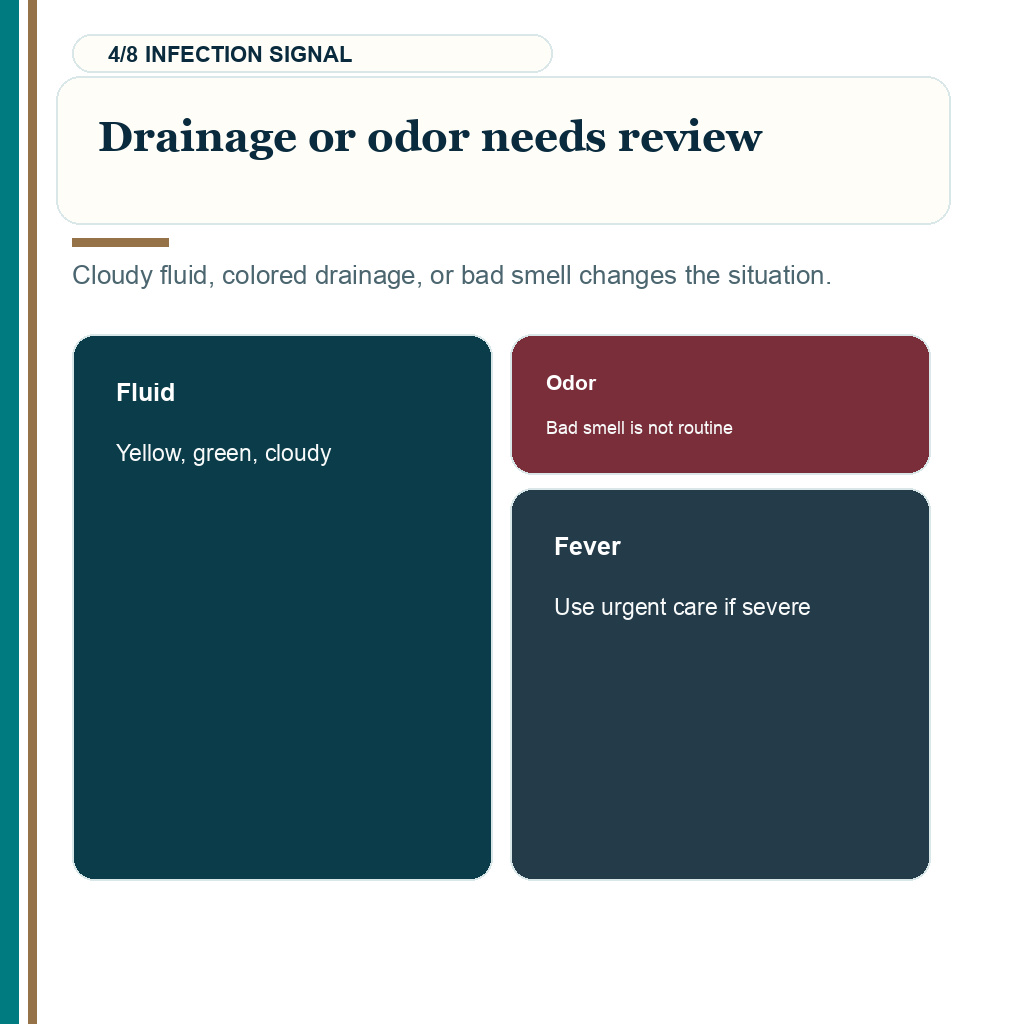
Yellow or green drainage, cloudy fluid, a bad smell, spreading redness, warmth, fever, or increasing swelling can suggest infection. Infection around fresh grafts and healing skin needs medical attention, not only reassurance. Pus, odor, fever, or worsening pain belong in the same warning group as infected hair transplant warning signs.
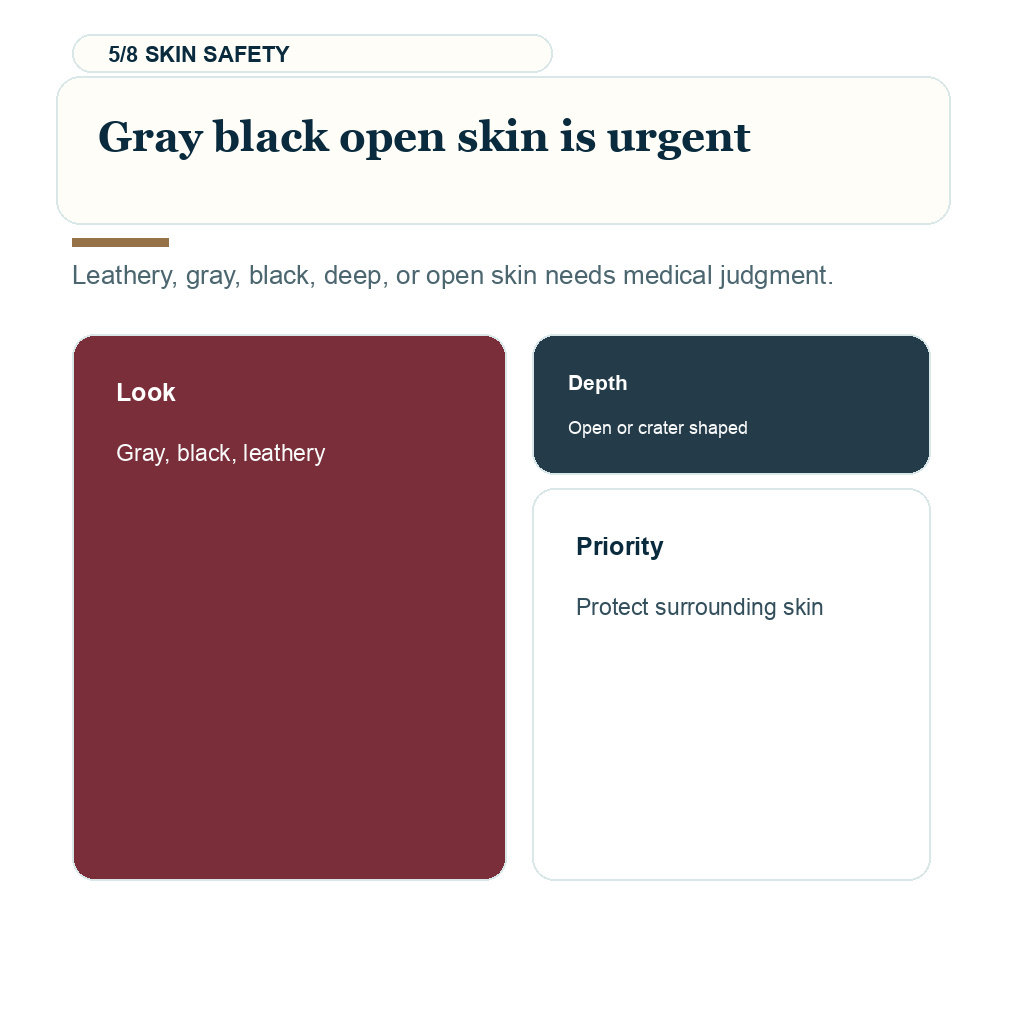
Skin color change can also be urgent. A localized area that turns gray, black, leathery, wet, or clearly worse should not be watched casually. If a scab comes away and leaves a deep red hole, indentation, or open wound, the priority is wound care, infection control, and protection of surrounding skin.
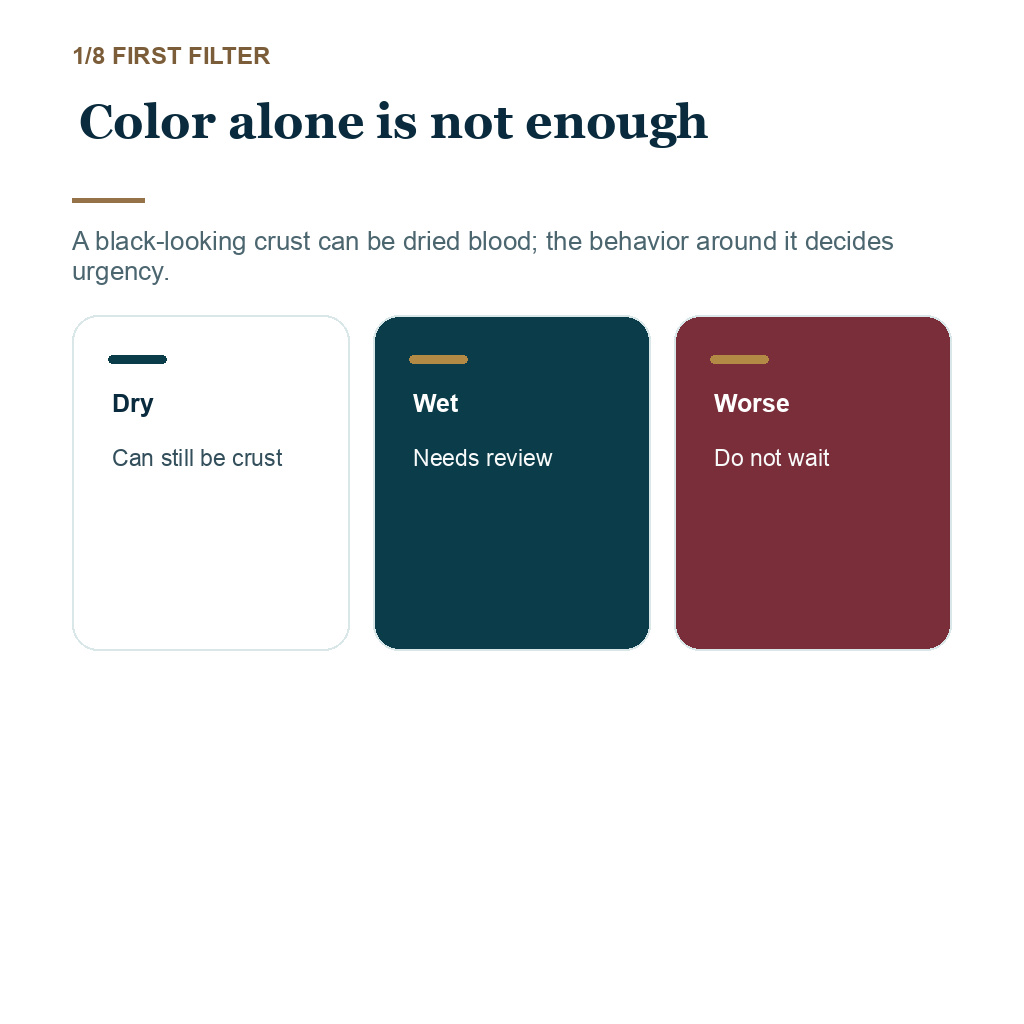
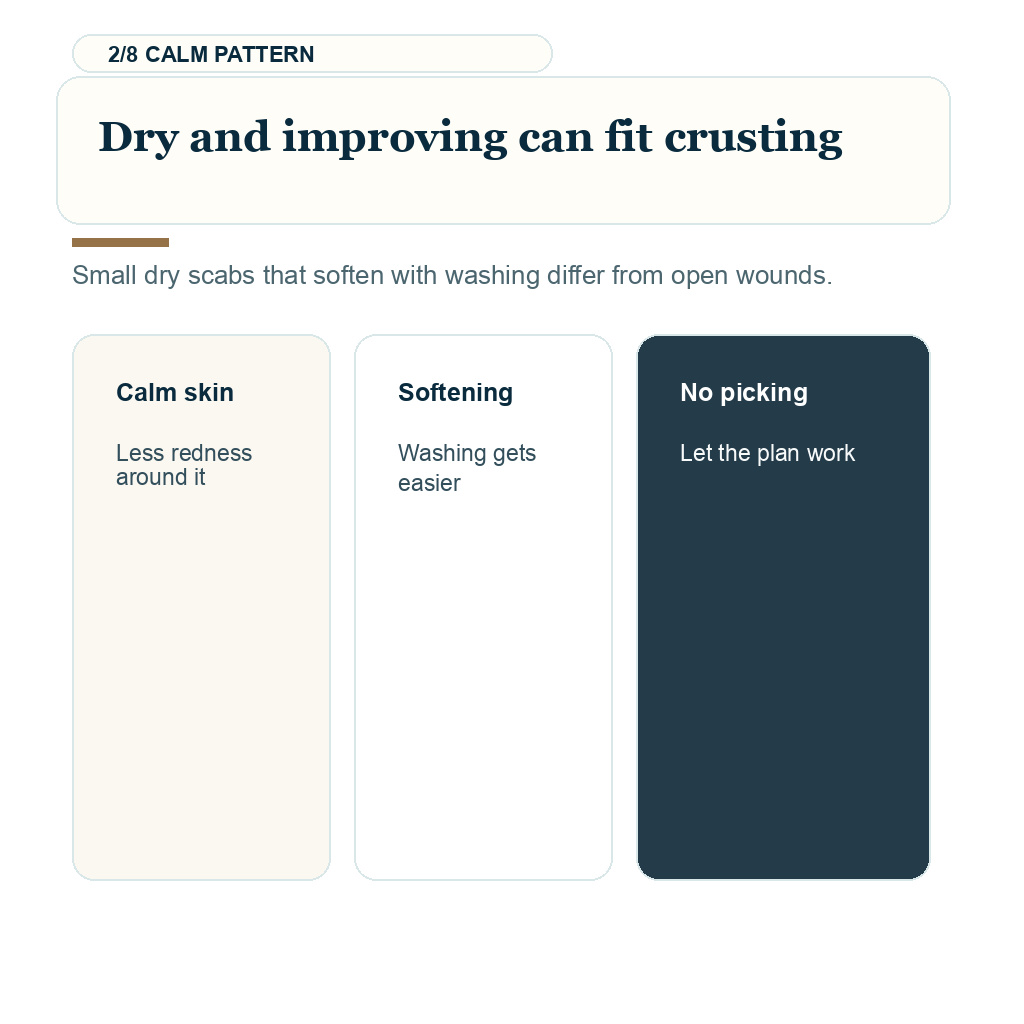
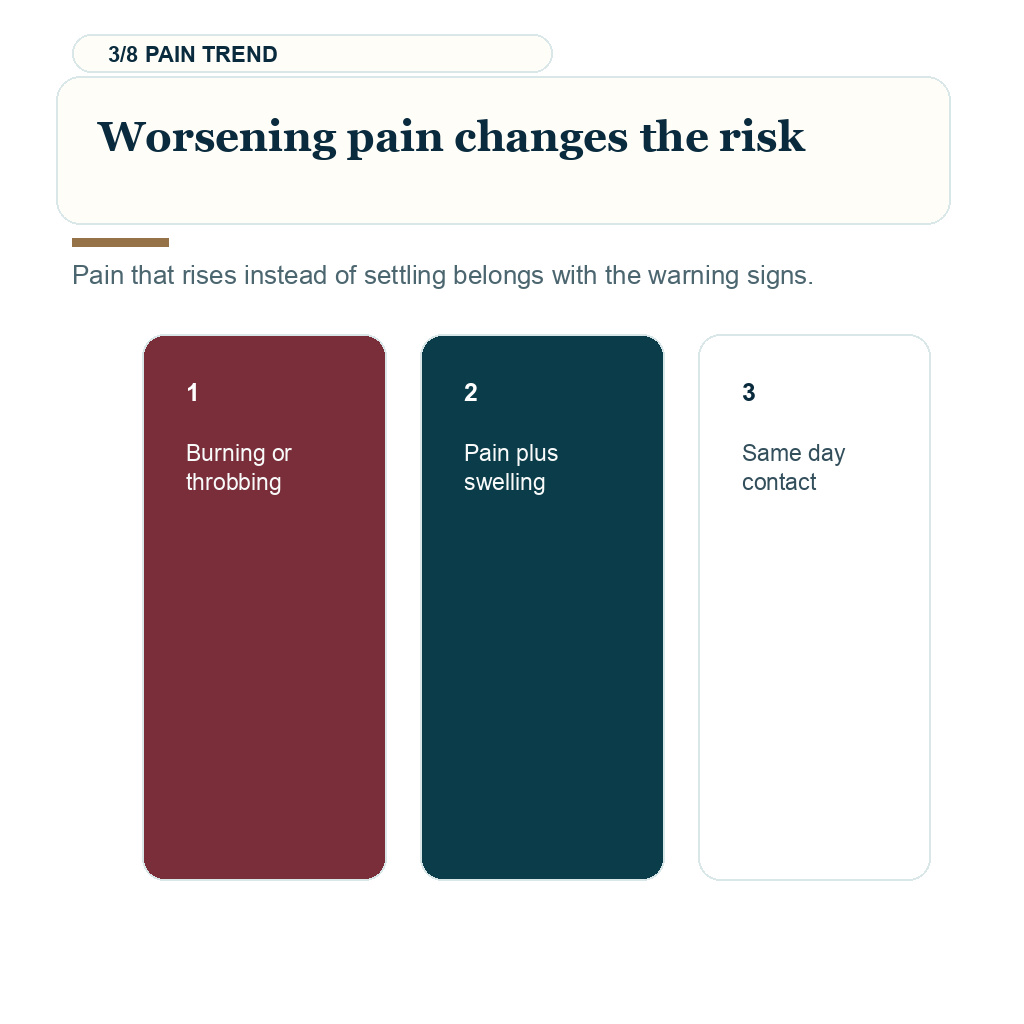
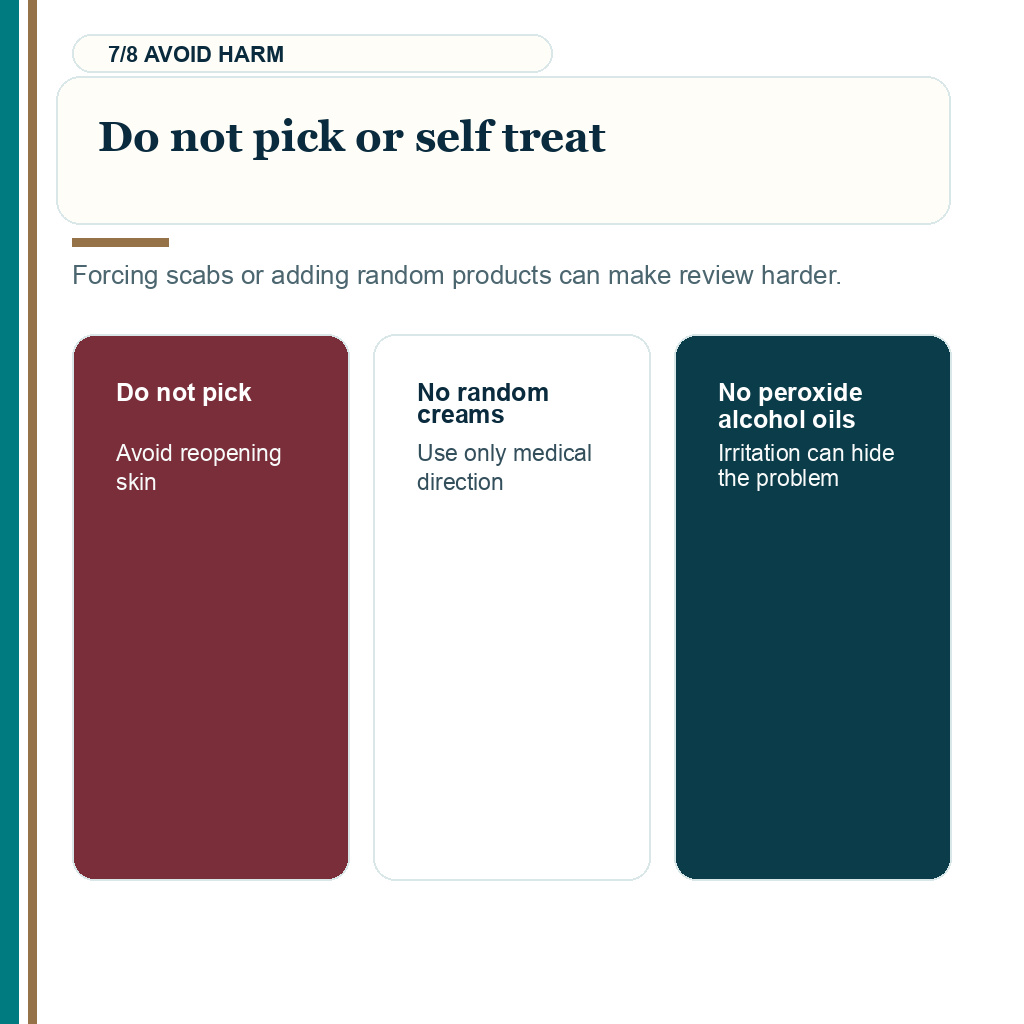
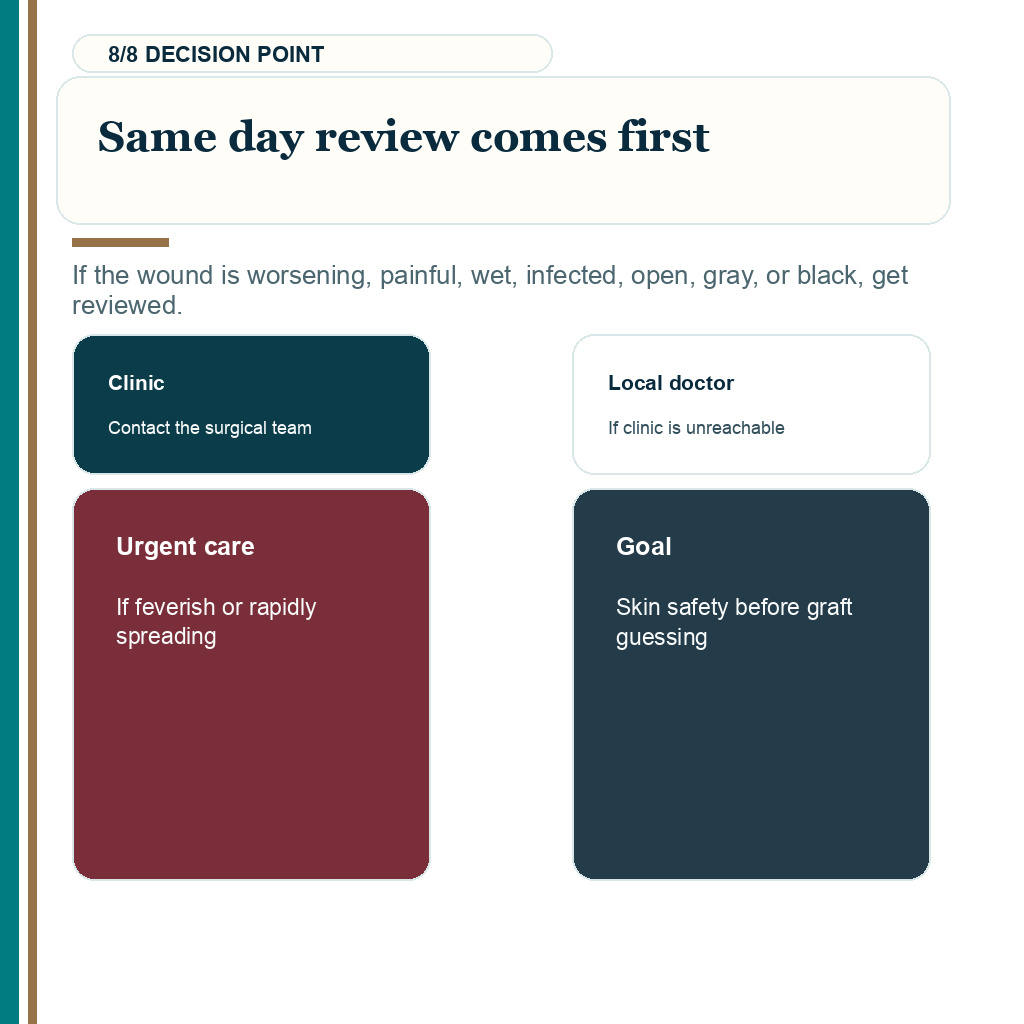
These 8 wound warning slides separate ordinary dark crusting, dry improving scabs, worsening pain, drainage or odor, gray or open skin, useful photo details, what not to pick or self treat, and when same day medical review comes first. Swipe sideways, use the arrows one slide at a time, or choose a number below the image.
Color alone is not enough.
Dry and improving can fit crusting.
Worsening pain changes the risk.
Drainage or odor needs review.
Gray black open skin is urgent.
Share clear photos with symptom details.
Do not pick or self treat.
Same day review comes first.
Necrosis can happen after a hair transplant for several reasons
Necrosis means living tissue has lost enough blood supply to die. In hair transplantation, it can occur in the recipient area where grafts are placed, and more rarely in the donor area. It is uncommon, but it can leave scarring and poor growth in the affected area.

The scalp usually heals well because it has a rich blood supply. That supply still has limits. Risk rises when medical factors and surgical stress meet in the same area.
Medical risk factors can include heavy smoking or nicotine use, uncontrolled diabetes, vascular disease, previous scalp surgery, radiotherapy, scarring, clotting problems, or poor wound healing. These details need review before surgery, not only after a wound concern appears. In skin affected by previous radiation, hair transplant after scalp radiation needs especially careful judgment.
Surgical factors matter as well. Very dense packing, incisions that are too deep, excessive trauma, poor spacing, repeated work in scarred skin, swelling pressure, or careless recipient area handling can stress the blood supply. Placing too many grafts in one area can be risky when the number is chosen to impress rather than to fit the tissue.
When I prepare the recipient area, the point is not only to place grafts. Angle, direction, depth, spacing, skin quality, blood supply, and long-term naturalness all matter.
Necrosis does not always mean every graft is lost
Not always, but it can. A thick blood crust, small delayed healing area, or limited wound may heal better than it looks if it is assessed early and managed correctly. I cannot judge graft survival from the color of the scab alone.
If the skin underneath has truly become necrotic, some grafts in that area may not survive. The final effect depends on the size of the area, depth of injury, infection, treatment timing, and how the wound closes.
A small wound that is kept clean and reviewed early may leave only a small visible effect. A neglected wound, especially with infection, can heal with more scarring and less growth.
Repair should not be rushed. The skin has to mature, the scar has to settle, and the surgeon has to judge whether the area has enough blood supply for another procedure. Sometimes careful grafting into scar tissue can camouflage a small scar later. Sometimes observation, medical care, or another cosmetic option is safer.
Hard scabs after the first couple of weeks need review
If a crust is still thick, hard, and stuck after the first couple of weeks, I do not judge it only by color. I look at whether it is getting easier to soften, or whether it reopens, bleeds, looks wet underneath, smells bad, hurts more, or leaves raw tissue that looks white or yellow when it comes away. That pattern needs clinic review, and if you cannot reach your surgeon, a local doctor should examine it.
If a crust looked like dried blood at first but later lifts away and reveals a wet red dent, deeper raw base, or fluid underneath, I treat that as a change in the wound rather than ordinary scab shedding. The area should be reviewed again, especially if the skin is opening, draining, smelling bad, becoming more painful, or developing spreading redness.
Do not massage, scrape, or force a stuck scab just because you are afraid of losing grafts. A small dent in the same area can be a surface healing or scar question, not a final result on that day. Photograph the area in the same light, protect it, and let the wound close before anyone promises repair or judges growth. Do not add antibiotic ointment or random creams unless a doctor who knows the wound has instructed it.
Dangerous looking scabs need careful handling
Do not pick, scrape, or force off a thick scab. I know the temptation is strong when a crust looks abnormal, but forcing it off can reopen the skin, increase bleeding, introduce bacteria, and make the wound harder to assess.

Do not squeeze bumps or pimples in the transplanted area. Do not apply random creams, oils, antiseptics, peroxide, alcohol, steroid creams, nitroglycerin ointment, or home remedies unless a doctor who knows the case has instructed you to use them.
The wrong treatment can increase bleeding, irritate healing skin, hide infection, delay proper wound management, or make the area harder to read. If infection is suspected, antibiotics after a hair transplant should come from medical review, not guesswork.
First protect the area. Do not pick it. Take clear photos. Contact the clinic that performed the surgery. Get examined urgently if the skin is worsening, painful, wet, open, infected, or turning gray or black.
Possible necrosis requires prompt clinic action
A serious healing problem needs attention, documentation, and follow-up. The clinic should ask when the problem started, whether it is improving or worsening, and whether there is pain, drainage, fever, odor, bleeding, or spreading redness.
When the appearance changes after an earlier review, send the surgery date, the day the crust first appeared, the day it lifted, photos in the same light, symptoms, medicines or creams already used, smoking or nicotine status, diabetes or blood pressure history, and whether anything unusual was noticed during surgery or early healing.
I am strict about this because recipient site necrosis is rare but real. It is not just a cosmetic scab question. A wound that is losing blood supply, becoming infected, darkening, or opening needs medical review before anyone talks about final density or repair.
Details to send when the scab changes
Send enough information for the doctor to compare the wound over time, not only one zoomed photo.
- the surgery date and the day the scab or open area first appeared
- photos from the same room, same light, same distance, and one wider scalp view
- whether pain, heat, swelling, drainage, odor, bleeding, fever, or spreading redness is present
- what you have applied to the area, including ointments, antiseptics, oils, or creams
- whether you smoke, use nicotine, have diabetes, blood pressure problems, or another healing risk
- whether the area was difficult during surgery, bled unusually, or was described as tight or under pressure
Clear photos help, but photos are not always enough. If the appearance is concerning, an in person medical assessment may be necessary. Depending on the wound, that may involve the operating surgeon, a dermatologist, a plastic surgeon, a wound specialist, or another qualified physician.
The purpose is to protect the person first. Treatment may involve cleaning advice, dressing advice, topical treatment, oral medication, wound culture if infection is suspected, or specialist wound management. The exact treatment has to come from the clinician examining the wound.
Two mistakes can cause harm. One is vague reassurance when the signs are clearly worsening. The other is fear driven overreaction when the scalp is healing normally. Medical judgment means separating those situations, not giving the same answer to every photo.
Common questions after a scab changes
Can color alone diagnose necrosis?
No. A photo can raise concern, but color alone does not diagnose necrosis. I look at the timing, whether the area is getting worse, whether the skin is wet or open underneath, and whether there is pain, heat, drainage, odor, fever, or spreading redness.
What if a scab lifts and leaves a wet red dent?
A wet red dent after the crust lifts is not something I would judge as ordinary shedding from a photo alone. Protect the area, do not scrape it, and arrange another review, especially if there is fluid, odor, increasing pain, or spreading redness.
Are photos enough, or do I need an in person review?
Photos are useful for triage, but they are not always enough. If the wound is opening, draining, smelling bad, hurting more, spreading, or turning gray or black like dead tissue, the scalp should be examined by a doctor.
Clinic choice matters before complications appear
A hair transplant is real surgery. It may be performed under local anesthesia, and most recoveries are smooth, but it still involves skin, blood supply, infection risk, scarring risk, and long-term aesthetic consequences.
Graft numbers, packages, hotel transfers, and price are easy to compare. Healing safety depends on deeper responsibility. The important questions are how the plan is designed, how recipient area incisions are created, how the procedure is supervised, and who responds if the skin does not heal as expected.
This matters more if you smoke, use nicotine, have diabetes, have had previous scalp surgery, have scarring, need a large session, or have been offered very high density. These details change the risk profile. Being a good candidate for a hair transplant is not only about wanting more hair.
Very low cost, high volume settings can create pressure to move quickly and give less personal follow up. Many red flags of Turkish hair transplant clinics appear before surgery day.
If your scalp is healing normally, do not let every dark scab frighten you. If the area is black or gray like dead tissue, wet, painful, foul smelling, spreading, draining, feverish, or open, do not wait for hope to replace medical review. Contact your surgeon and get examined.

Read this review excerpt
Upon arriving home, I sent 4 photos (of each side of head) after every washing process to doctor for checking where I was given personal advice for how to take care of my healing head.