


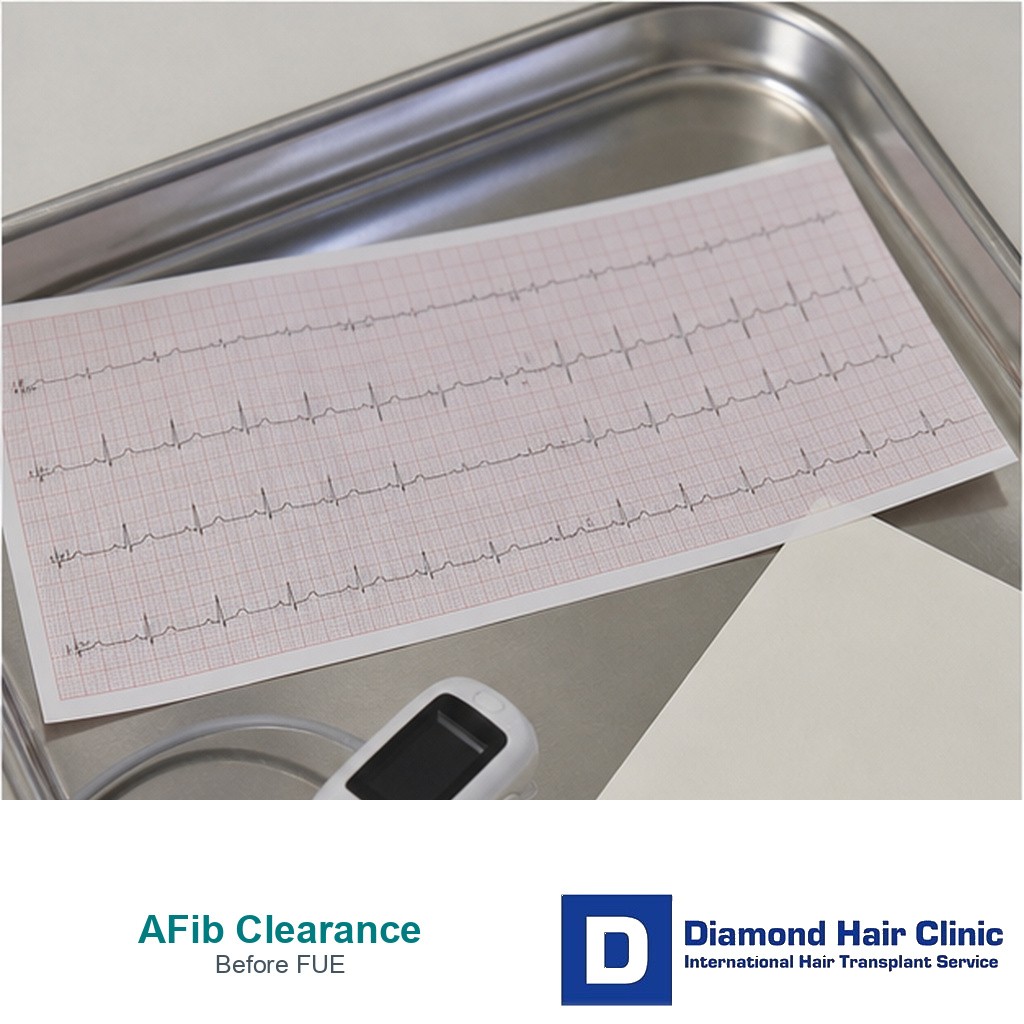
Atrial Fibrillation Before FUE Needs Surgeon Review
If you have atrial fibrillation, a documented irregular heartbeat, or a recent rhythm episode, FUE can still be possible, but it should not be treated like a routine cosmetic appointment. Before travel or surgery, the surgeon needs to review your current symptoms, rhythm history, heart medicines, blood thinner plan, local anesthesia exposure, session length, and travel timing. The decision may be to proceed, shorten the day, stage the work, request more medical input, or wait.
It is safer to hear about AFib early than discover it after a patient has flown to Istanbul. A hair transplant is elective. It can usually wait for a clear medical picture. Honesty about the diagnosis is not what creates risk. The risk is hiding a rhythm problem, changing tablets alone, or assuming that a quick yes from one person answers every part of a long FUE day.
Do not wait until surgery morning to mention a recent rhythm episode, even if you feel normal again. A calm day does not replace the need to plan anesthesia, monitoring, session length, and travel safely.
Even if it settled on its own, include the episode details. For planning, a one time rhythm episode still needs the date, trigger, treatment, and whether a doctor told you it was safe to ignore.
AFib is different from ordinary nerves
Many patients feel nervous before surgery. Some notice a faster heartbeat after coffee, poor sleep, travel stress, or the thought of injections. That type of heart racing before a hair transplant needs a different conversation from diagnosed AFib or a documented rhythm disorder.
AFib is a rhythm diagnosis. It may be well controlled, intermittent, recently treated, or still under investigation. A patient may feel palpitations, shortness of breath, dizziness, fatigue, chest discomfort, or nothing at all. The absence of symptoms on the day you message the clinic does not prove the whole plan is simple.
The useful question is not, “Will every patient with AFib be rejected?” The useful question is, what does the surgeon need to know before deciding? For FUE, the rhythm story sits beside the donor plan, graft count, anesthesia plan, bleeding control, and travel schedule. It is part of the surgical plan, not a side note.
Send the rhythm story before travel
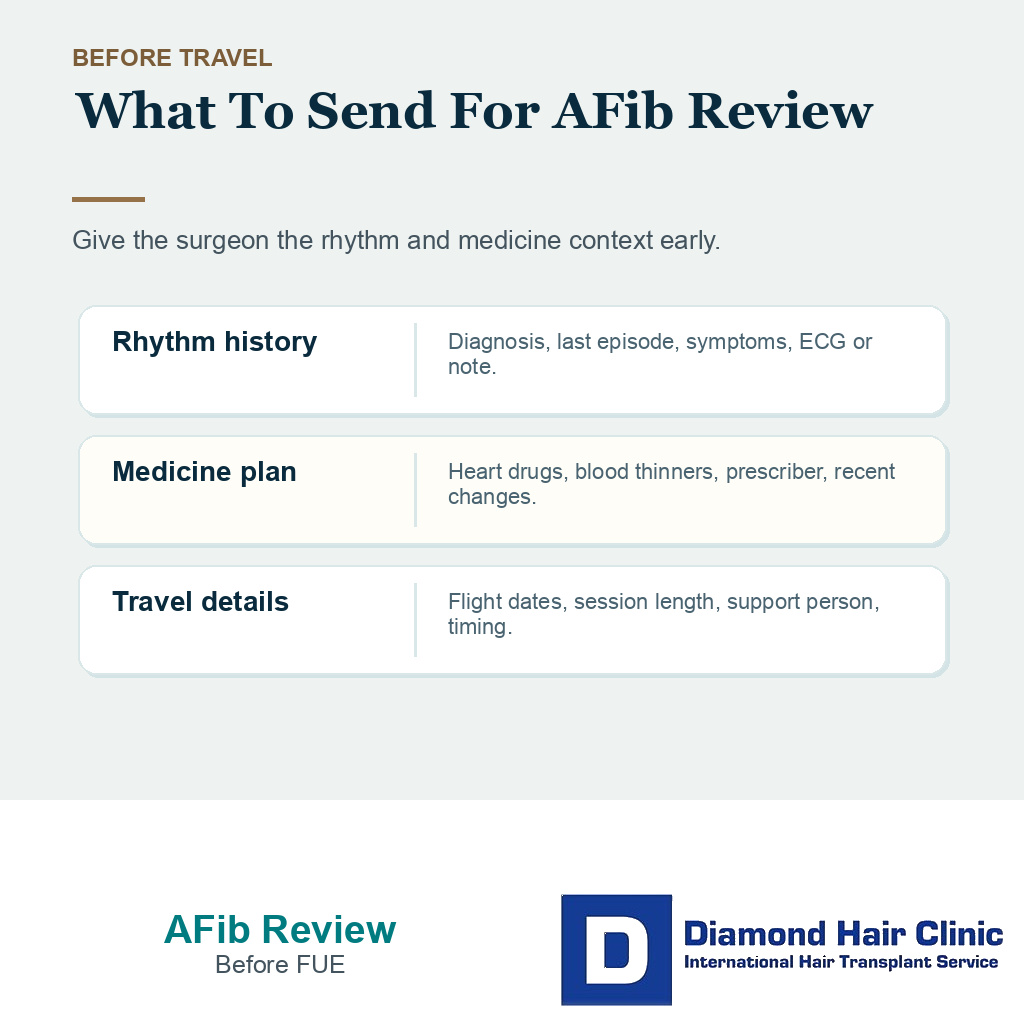
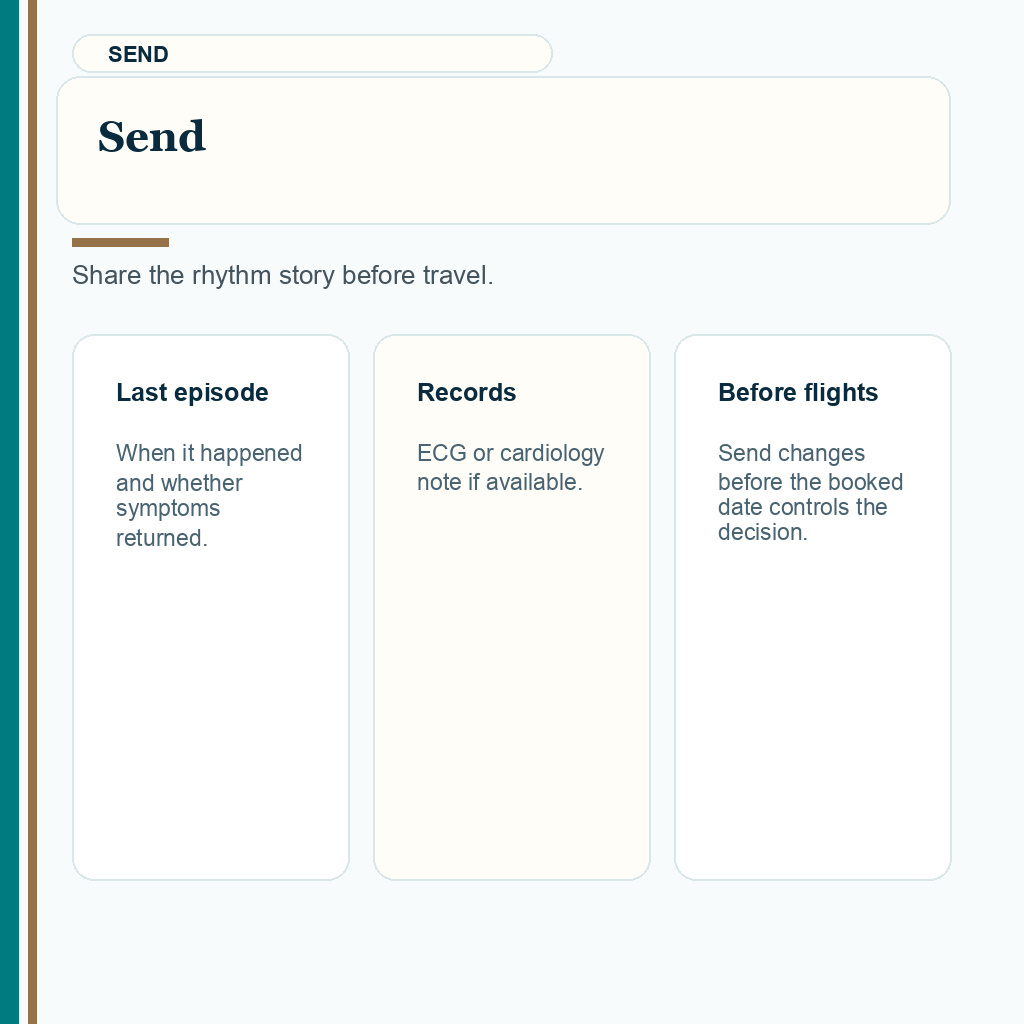
Send the clinic the rhythm history before flights, deposits, or a deadline on the day of surgery make the decision rushed. If the diagnosis was made years ago and nothing has changed, say that. If the rhythm was diagnosed recently, if symptoms returned, if treatment changed, or if a doctor asked for follow-up, say that too.
A useful update includes the name of the diagnosis, when it started, whether episodes are occasional or frequent, whether you have fainting or chest symptoms, who follows the condition, and whether you have recent ECG or cardiology notes. If something changed after booking, treat it the way you would treat any important medical change after booking a hair transplant and send it before the calendar becomes the main pressure.
International patients should be especially direct. A rhythm history that is easy to discuss with your own doctor at home can become harder to sort out in a hotel the night before surgery. A proper international case review before travel gives the surgeon a chance to decide whether more information is needed before you come.
Clearance should say more than yes
A short message that says you are “cleared” may not answer the hair transplant question. It helps to know who cleared you, what they reviewed, whether the rhythm is stable, whether the medication plan is stable, and what to do if symptoms return before surgery.
Sometimes an ECG, cardiology note, or recent hospital summary gives useful context. That does not mean every patient needs the same test. It means rhythm history should be reviewed in context. The thinking is close to the logic behind ECG and chest imaging before FUE because the test is useful only when it answers the right question.
If AFib appears together with coronary disease, a stent, reduced exercise tolerance, recent admission, chest pain, or a new cardiology plan, the conversation moves beyond a narrow rhythm update. When those details are present, the broader planning logic for heart disease, stents, and hair transplant surgery may also be relevant.
Rhythm Review
Match the plan to the current rhythm state
Atrial fibrillation is not a single answer category. The review changes when symptoms, medicines, travel, and session length change.
Useful review, not automatic clearance
Send the diagnosis, medicine list, recent note if available, and surgery dates. A stable history can still need a decision for that procedure.
- What the surgeon needs is current rhythm status and a medication plan.
- What cannot be assumed is that a quiet week means every FUE plan is suitable.
Symptoms move the plan out of routine
Chest pain, fainting, severe dizziness, shortness of breath, or a fast irregular heartbeat with systemic symptoms should be medically reviewed before hair transplant timing.
- What the surgeon needs is what happened, when it happened, and who reviewed it.
- What cannot be assumed is that travel should continue because the hair date is booked.
Medicine plans must be explicit
Blood thinners, antiplatelets, beta blockers, and rhythm medicines have reasons. Do not adjust them alone to make surgery easier.
- What the surgeon needs is the medicine name, reason, prescriber, and recent changes.
- What cannot be assumed is that bleeding concerns are the only medication issue.
The same diagnosis may need a different day
A long session, international travel, poor sleep, anxiety, and unclear monitoring can change whether the plan should proceed, shorten, stage, or wait.
- What the surgeon needs is flight dates, session plan, support person, and medical backup context.
- What cannot be assumed is that graft count should stay fixed if medical risk changes.
Heart medicines need clinician guidance
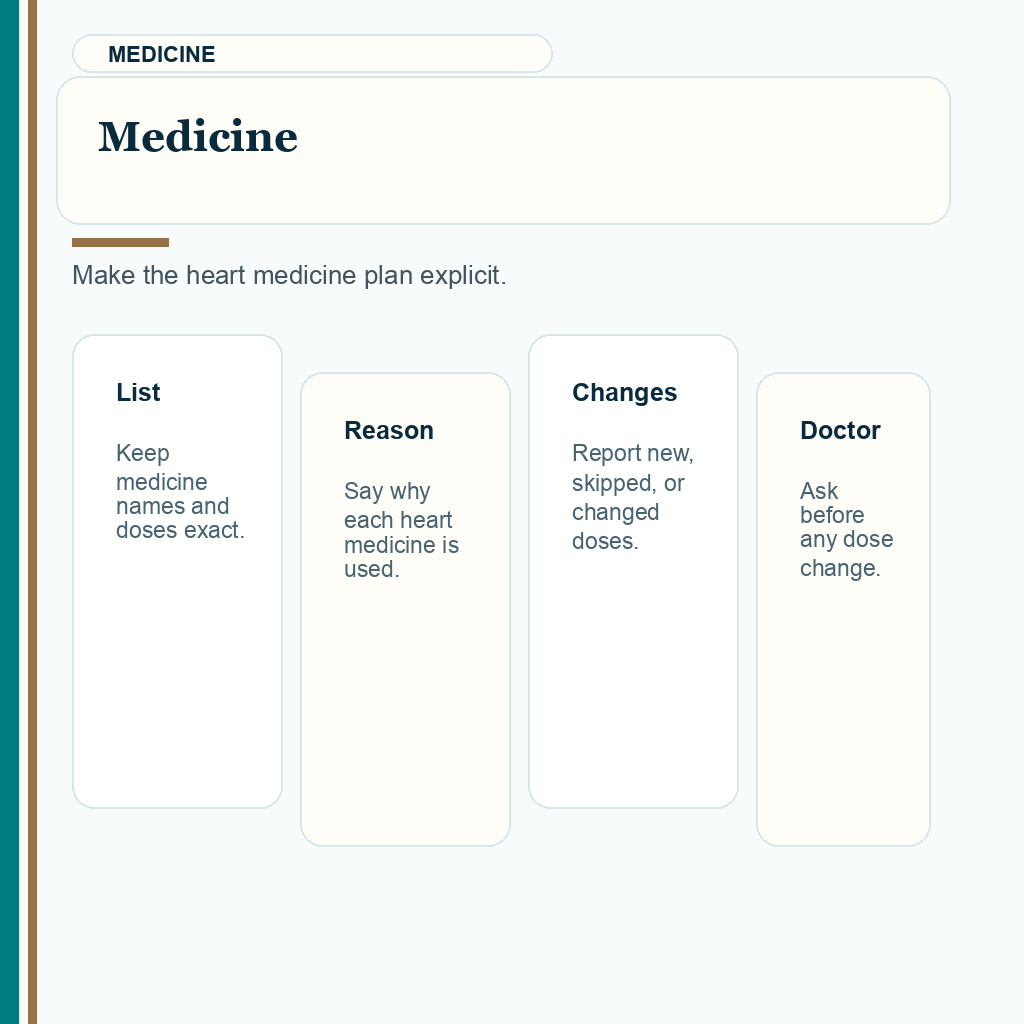
Many AFib patients take medicines that protect the heart or reduce stroke risk. Some take anticoagulants. Some take antiplatelet medicine for another reason. Some take beta blockers, antiarrhythmics, or other heart medicines. These medicines are not cosmetic details.
The hair transplant question is not simply “Will I bleed more?” Bleeding matters during graft work, but so does the reason the medicine was prescribed. A patient taking an anticoagulant for AFib should not stop it because a surgery date feels important. The anticoagulation route is to plan the medicine first, with hair transplant planning with blood thinners showing why the prescribing doctor’s context has to sit beside the surgeon’s procedure plan.
Beta blockers and rhythm control medicines also need a steady, transparent review. If the dose changed recently, if you skipped tablets, or if you are unsure why a medicine was prescribed, say that. I want the same pulse, blood pressure, and dose stability detail that matters when beta blockers before hair transplant surgery are part of the history.
Do not stop, start, or swap heart medicine on your own to protect a hair transplant date. That is the line I do not want a patient to cross.
Local anesthesia and adrenaline need an individual plan
FUE is usually performed with local anesthesia. That does not mean the heart is irrelevant. The patient may be awake for many hours. Local anesthetic decisions, possible adrenaline use, bleeding control, stress, meals, positioning, and monitoring all sit inside the plan.
Some patients focus only on adrenaline. They ask whether a clinic can use less, avoid it, or compare dose numbers from the internet. That is too narrow. The more useful discussion is how your rhythm history, current medicines, blood pressure, anxiety level, and procedure length fit together. I review hair transplant anesthesia and adrenaline as part of the baseline, then add the AFib details that make the decision more individual.
There is no responsible sentence that says adrenaline is always safe for AFib, or always dangerous. There is also no responsible dose threshold that I can give to a stranger online. What I can say is that the anesthesia plan should be reviewed before the surgical day, not negotiated when the patient is already lying on the table.

Long FUE sessions can change the decision
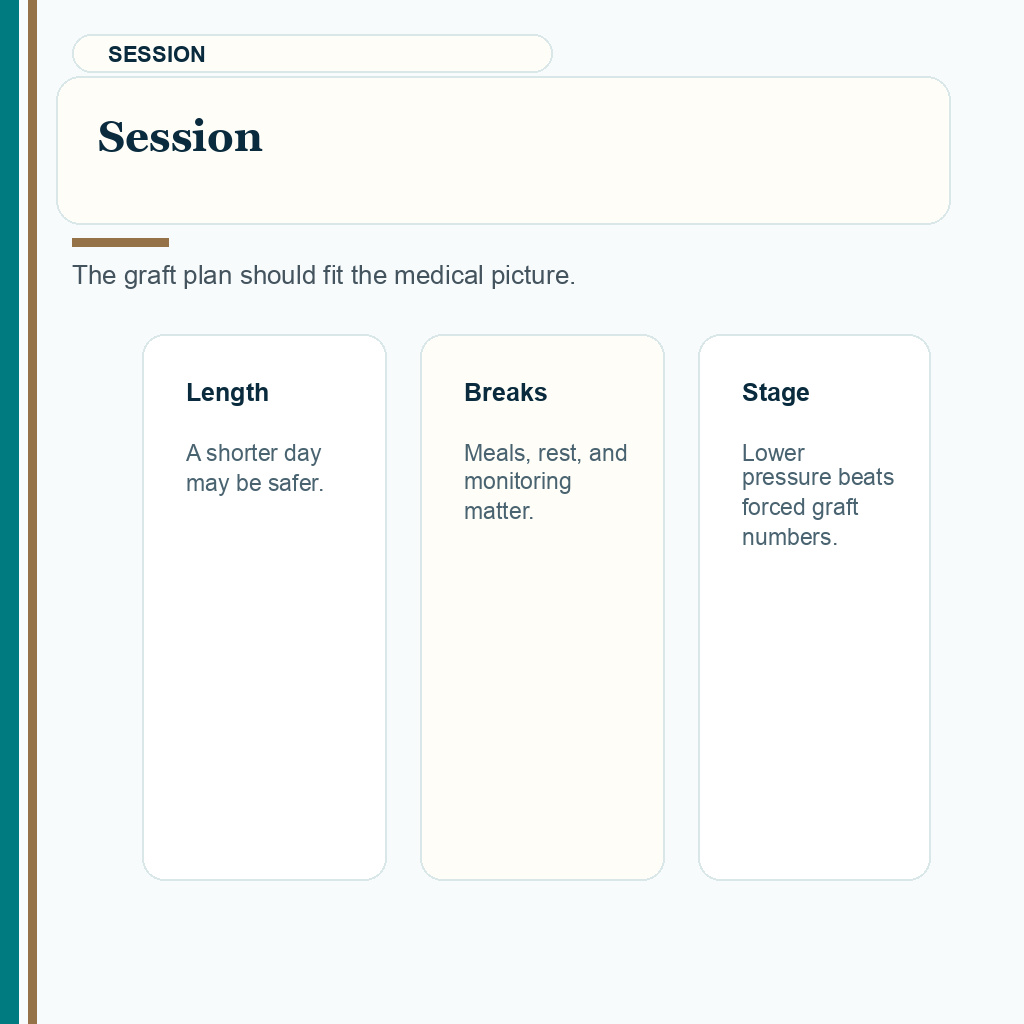
AFib planning is not only about the first injection. A full FUE day may involve long positioning, repeated local anesthesia, breaks, meals, mild pain, anxiety, and fatigue. For some patients, the medically sensible answer is more than a simple proceed or cancel decision. It may be a shorter session, staged surgery, a lower graft count for that day, or a delay until the rhythm plan is clearer.
I do not separate the medical review from the hair plan. Graft number, donor strategy, and session length influence how demanding the day becomes. The planning is similar to long hair transplant session planning because a technically possible day is not always the wisest day for the patient in front of us.
Travel can add another layer. A patient may sleep badly, arrive dehydrated, carry jet lag, or be away from the doctor who knows the rhythm history. None of that means FUE is forbidden. It means the plan has to fit the patient’s actual condition, not only the desired graft number.
When should the plan pause?
Some updates should stop the hair transplant conversation and move the patient toward medical care first. Chest pain or pressure, fainting, severe dizziness, shortness of breath, sweating or nausea with a fast or irregular heartbeat, sudden weakness or numbness on one side, speech difficulty, confusion, sudden severe headache, or vision loss are not normal nerves before surgery. They need urgent medical attention.
The plan should also pause when AFib is newly diagnosed and not yet reviewed, when a recent admission, cardioversion, ablation, or medication change has not settled, when the blood thinner plan is unclear, when blood pressure is unstable, or when the patient cannot explain what medicine is being taken and why. I review high blood pressure before a hair transplant beside the rhythm history because blood pressure and rhythm stability often need to be considered together.
A delay can feel frustrating. I understand that, especially when flights are booked. But a delay is sometimes the most disciplined surgical decision. Elective surgery should wait when the medical picture is unstable.
AFib needs a medical picture, not a quick yes
For atrial fibrillation, I need the rhythm story to be clear enough to judge the surgical day. Diagnosis, recent episodes, ECG or cardiology notes, blood thinner or antiplatelet use, heart medicines, fainting or chest symptoms, and travel dates all matter.
Do not stop heart medicine to protect a hair transplant date, and do not treat forum advice as clearance. A stable record may allow a straightforward surgical plan. A recent episode, unclear blood thinner instruction, unstable blood pressure, or missing cardiology context may mean a shorter session, a delay, or medical review first.

Read this review excerpt
Every single one of my questions was answered and they made sure I had all the details I needed to make an informed decision.