


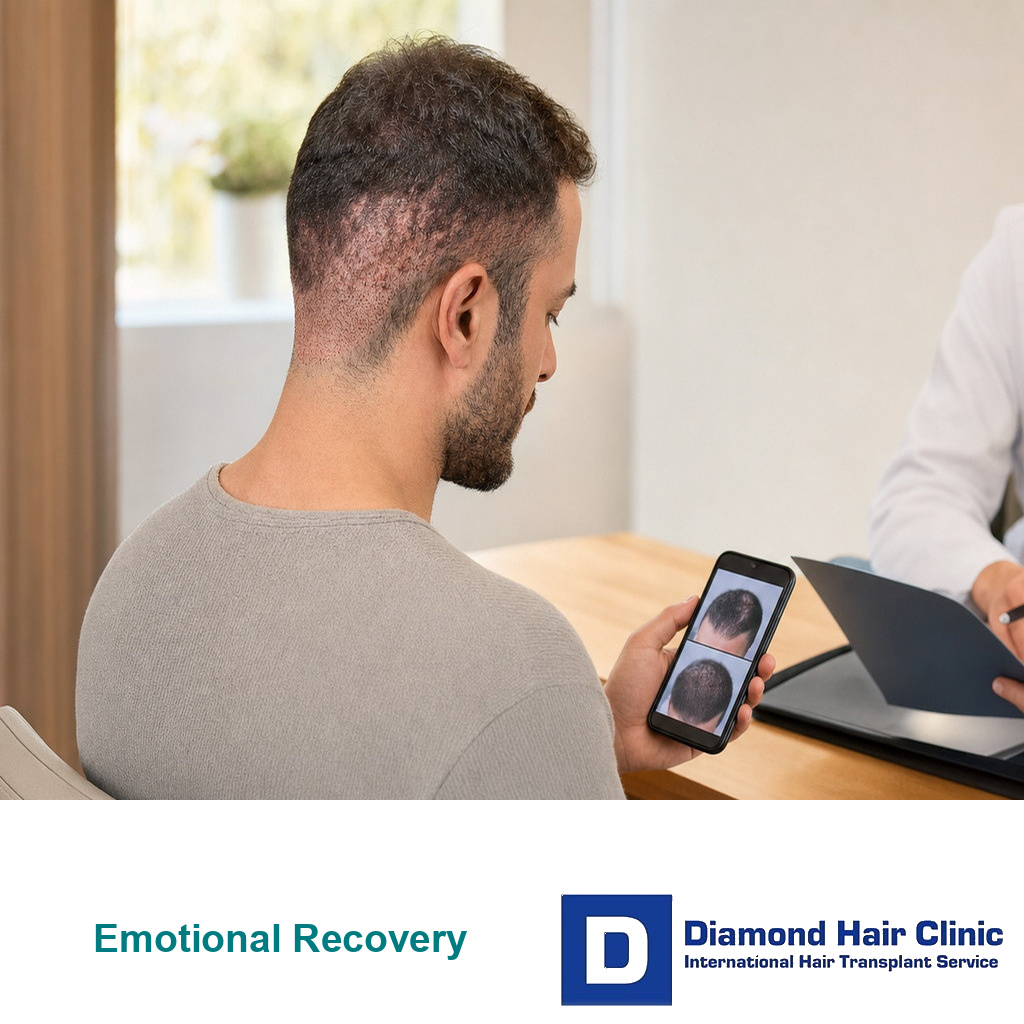
Emotional Crash Needs Support Before Judging Results
An emotional crash after hair transplant surgery can happen before the result is ready to judge. In the first days and weeks, swelling, redness, scabs, shedding, shaved hair, and poor sleep can make you feel regret, panic, or sadness even when the medical recovery is moving as expected.
That does not mean every worry should be dismissed or handled alone. If you have fresh bleeding, spreading redness, discharge, fever, worsening pain, a clear injury, or a major change in your mental state, contact the clinic or a doctor. Thoughts of harming yourself, suicidal thoughts, or feeling unable to stay safe are urgent medical issues. Get local emergency or mental health help immediately if that happens. Do not wait for a hair transplant clinic to reply before seeking urgent help.
Emotions can drop after surgery
A hair transplant is a physical operation, but the emotional pressure around it is often bigger than expected. You may have waited years, compared photos, saved money, travelled, hidden your hair loss, or imagined that surgery will finally end the worry. Travel fatigue, hotel isolation, changed meals, pain medicine, caffeine changes, and poor sleep can lower your tolerance for uncertainty at exactly the moment the scalp looks most unfamiliar. When the operation is over, the mind expects relief. Instead, the mirror may show swelling, redness, scabs, a shaved scalp, and a hairline that looks sharper than it will later look.
This gap between expectation and early appearance can create a sudden emotional dip. You may think, “What have I done?” or “Will I look worse now?” That fear is not rare in cosmetic recovery. It becomes more intense when you have already struggled with anxiety before a hair transplant, shame about hair loss, or pressure to return to work quickly.
This is not weakness. It is a recovery issue that needs structure. You need clear information, fair photo timing, warning signs, and a safe channel to ask the clinic for review. A simple written plan helps by making clear which symptoms are urgent, when to take photos, who to contact locally if you feel unsafe, and when the next clinic review should happen.
Early photos are easy to misread
The first images after surgery are emotionally powerful because they show a new outline. They are also misleading. The scalp is swollen, the grafts are sitting in small openings, the hair shafts may look like instant density, and the skin is reacting to several hours of surgery. Day one hair transplant photos are useful for documentation, not for final judgment.
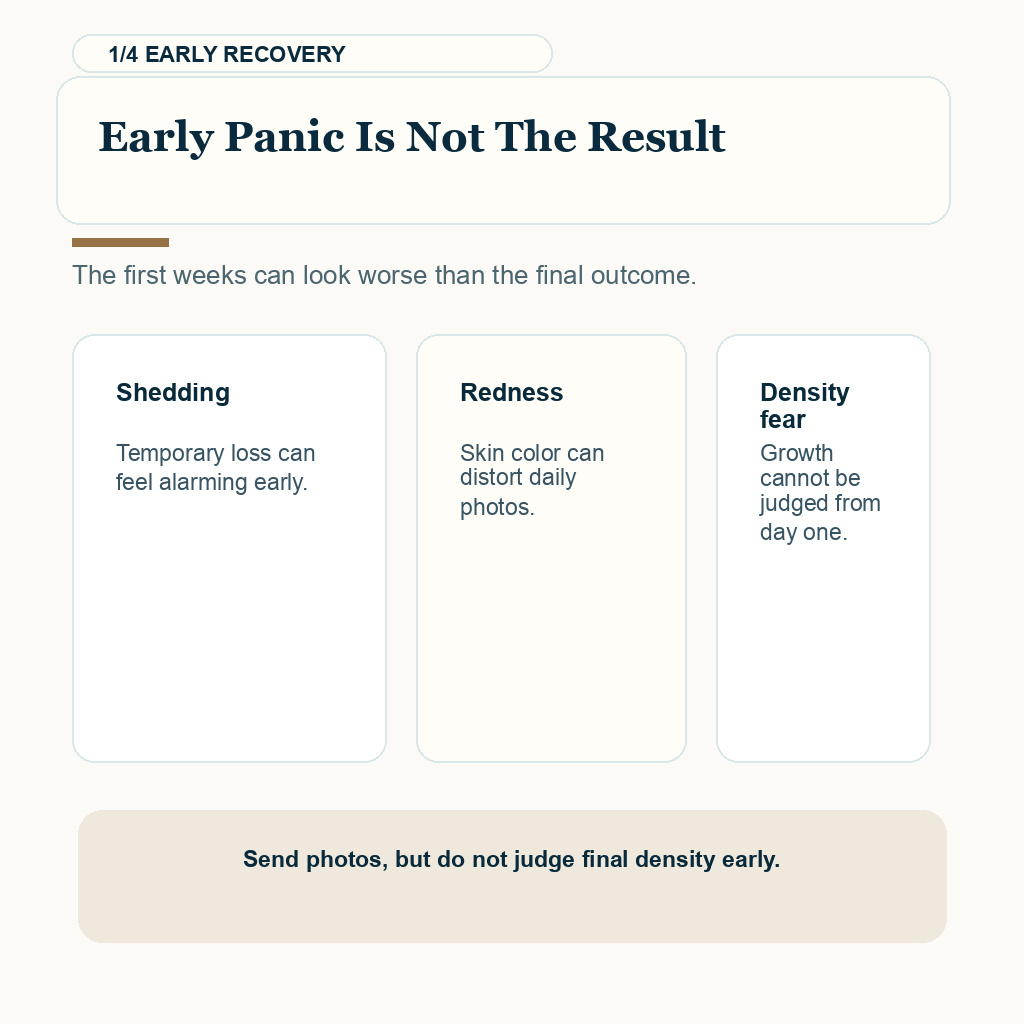
The first weeks are not a final result review. Shedding can make the transplanted area look empty. Redness can make the hairline look harsher. Uneven swelling can make one side look different. Short hair can expose every dot and every angle. None of this proves the final result.
Planned review points work better than daily verdicts. You can photograph the scalp in consistent light and send clear images when there is a concern. But deciding whether the transplant succeeded from the first days is still too early.
Early regret can be part of recovery
Early regret can be part of the emotional recovery when it comes from shock, swelling, temporary appearance, lack of sleep, social isolation, or the ugly duckling stage. You may not regret the real result. You may regret the temporary version you see in the mirror.
This is different from a confirmed technical problem. A low hairline, wrong direction, poor donor management, or major asymmetry should be reviewed carefully. But even those concerns need a proper timeline and comparable photographs before a repair decision is made.
The broader page on hair transplant regret after surgery explains why regret happens. This article focuses on the early emotional crash, when your judgment may be distorted by recovery changes that have not settled yet.
Sadness or panic needs attention when it persists
Sadness, worry, crying, poor sleep, or panic for a short period can happen after a stressful operation. I take it more seriously when the feeling is intense, lasts most of the day, continues for more than two weeks, stops you from eating or sleeping, damages work or relationships, or leads to thoughts of harming yourself.
A hair transplant clinic should not try to replace mental health support. If the distress feels bigger than the scalp issue, involve a doctor, therapist, psychiatrist, or local emergency service depending on severity. If you are already under mental health support, tell your clinician that you had surgery and that your symptoms changed.
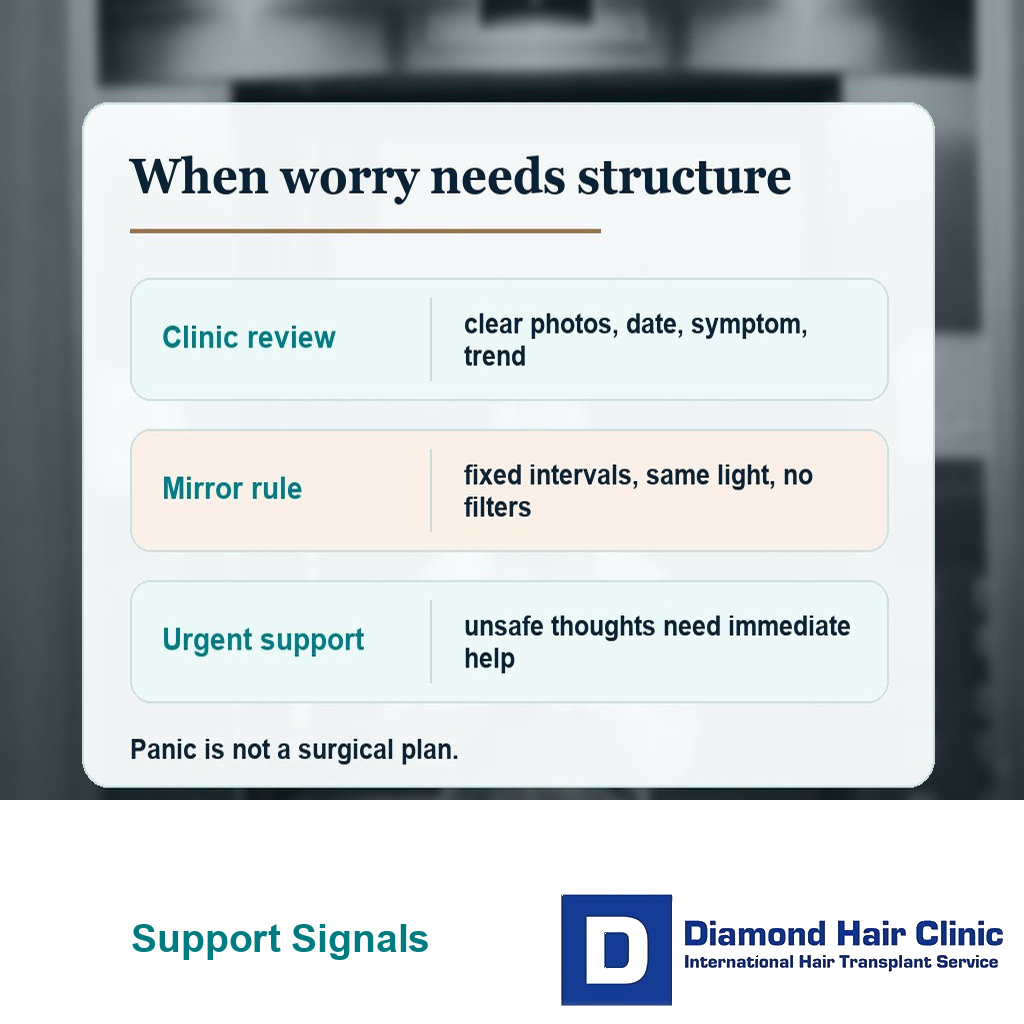
Recovery worry needs structure, with clear photos for the clinic, fixed review points, and urgent support when safety is affected.
There is another pattern I watch carefully. The concern moves from one detail to another. If the hairline looks acceptable, density becomes the fear. If density improves, the fear moves to a slight angle, one photo, or one hair. Surgery should not be used to chase a moving target of perfection. That pattern needs careful support before more surgery is considered.
Contact local help immediately if you do not feel safe
If the emotional crash includes thoughts of harming yourself, suicidal thoughts, confusion, inability to sleep for several nights, or feeling that you cannot stay safe, contact local emergency help, a mental health clinician, or a trusted person near you immediately. If you travelled for surgery and are alone in a hotel, contact reception, your companion, family, or local emergency support rather than trying to manage the night alone. Do not wait for a hair transplant clinic to answer a routine message before getting urgent help.
The clinic can review the scalp, explain the recovery timeline, and separate temporary healing from real surgical warning signs. It cannot replace urgent local mental health support if you are unsafe. In that moment, safety comes before photos, graft counts, density worries, cosmetic judgment, or waiting for a delayed reply.
Mirror checking can make recovery harder
Mirror checking around a hair transplant decision feels like control, but it often makes you less able to judge clearly. The scalp changes with light, wetness, angle, hair length, swelling, and camera distance. If you check ten times a day, you are not collecting better evidence. You are training the mind to look for threat. The same applies to forum scrolling and asking many people to judge cropped photos. It can multiply opinions without improving medical clarity.
Daily mirror checking often increases fear instead of improving judgment. A better approach is to use fixed photo intervals. Same room, same light, same angles, same hair condition, and no filters. The purpose of tracking hair transplant growth is to reduce panic, not to build a daily court case against your own scalp.
Mirror checks can turn a normal recovery dip into a full day of worry. Pick one calm photo routine and use the follow up plan instead of judging the whole result from every glance.
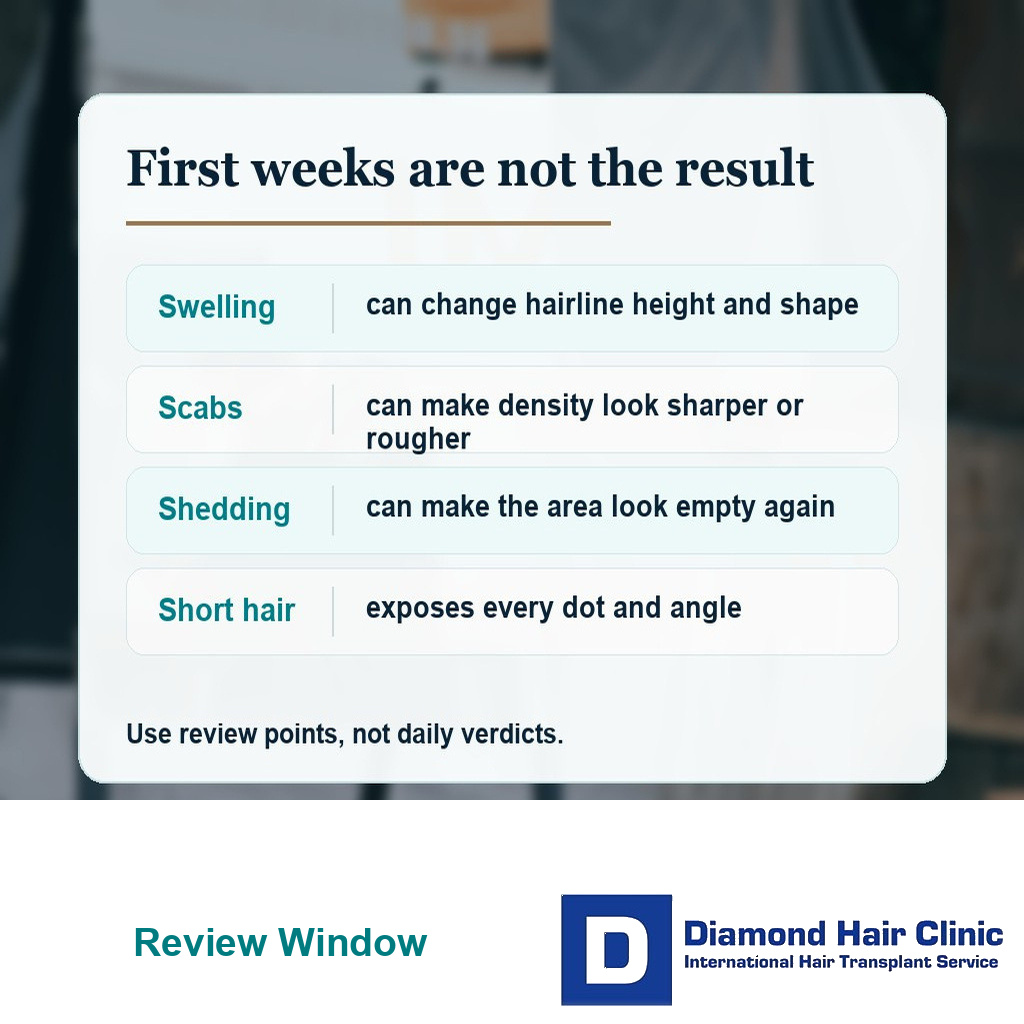
The first weeks can feel emotionally intense, but they are not the correct time to judge final density or design.
If you cannot stop checking, set a rule with someone you trust or with your clinic. For example, take photos once a week in the first phase unless a real warning sign appears. That is usually more useful than studying the hairline every hour.
Use photos for review, not panic
Photos should answer a practical question. Is the redness spreading? Is there discharge? Is one area worsening? Is the donor area healing? Are you judging the same angle each time? If the image is taken in harsh bathroom light, wet hair, or extreme very close, it may create fear without helping the review.
People also compare themselves to clinic marketing photos or social media images that may have different lighting, hair length, styling, and timeline. Hair transplant before and after photos need consistent conditions before they can guide expectations.

When you send photos to the clinic, include the date after surgery, the symptom, and what changed. Before sending, write one sentence describing the decision you need help with, such as wound concern, pain change, design worry, or timing reassurance. Do not send twenty nearly identical panic screenshots without context. A few clear images are easier to judge than a flood of emotionally driven images.
A real surgical issue and emotional distress can exist together
You can be emotionally distressed and still have a real issue that deserves review. The opposite is also true. You can feel certain that something is ruined when the visible problem is swelling, shedding, lighting, or timing.
I separate those questions. Medically, I first look for bleeding, infection, trauma, necrosis concern, poor design, wrong direction, donor injury, or another issue that deserves review. Then I look at the emotional side. Is the worry becoming so heavy that you cannot function?
A real technical concern should be reviewed with clear photos, not panic screenshots. If the concern is about growth, the timeline matters. A low density at 4 months worry is judged differently from a thin hair transplant at 7 months concern. Timing changes the decision.
Useful details to send before assuming the worst
Send useful information, not only fear. Send the surgery date, day after surgery, current symptoms, whether pain is improving or worsening, whether redness is spreading, whether there is discharge or fever, and whether there was trauma, rubbing, scratching, or pressure on the grafts.
For images, send front, both sides, top, donor area, and the area of concern in good light. Do not use beauty filters, extreme zoom, or unusual lighting. If the issue is design, include older before surgery photos and immediate after surgery photos when available. Hair transplant planning from photos has limits, but clear, unedited photos still help when the clinic needs to separate normal healing from a real concern.
If the concern is mainly emotional, say that too. A clinic can explain recovery, but it should also know when you are not sleeping, not eating, panicking, or feeling unsafe. That changes the kind of support needed.
Expectations before surgery can prevent this crash
The emotional crash often starts before surgery if you were sold a simple fantasy. If a clinic promises instant confidence, perfect density, a fixed graft number, or a result that will solve every insecurity, the early recovery period can feel like betrayal. If you know you spiral after medical procedures or appearance changes, arrange a companion, therapist check in, or clinic check in before surgery, not during the panic.
Choose one support person before surgery if you tend to panic when you are alone. Agree on when you will send photos to the clinic, and avoid asking many different people to judge the same recovery photo.
Before surgery, you need to understand the ugly duckling stage, shedding, redness, donor area appearance, density limits, future native hair loss, and the review timeline. Before booking a hair transplant, the plan should already make these stages clear.
If the decision was driven by crisis, shame, or a belief that surgery must fix your whole identity, emotional readiness before surgery should be reviewed before payment, not only after recovery becomes difficult.
Patients should also understand what makes a strong hair transplant result. A strong result is not the most dramatic day one photo. It is a natural, age appropriate, donor respecting result that still looks right when time passes.
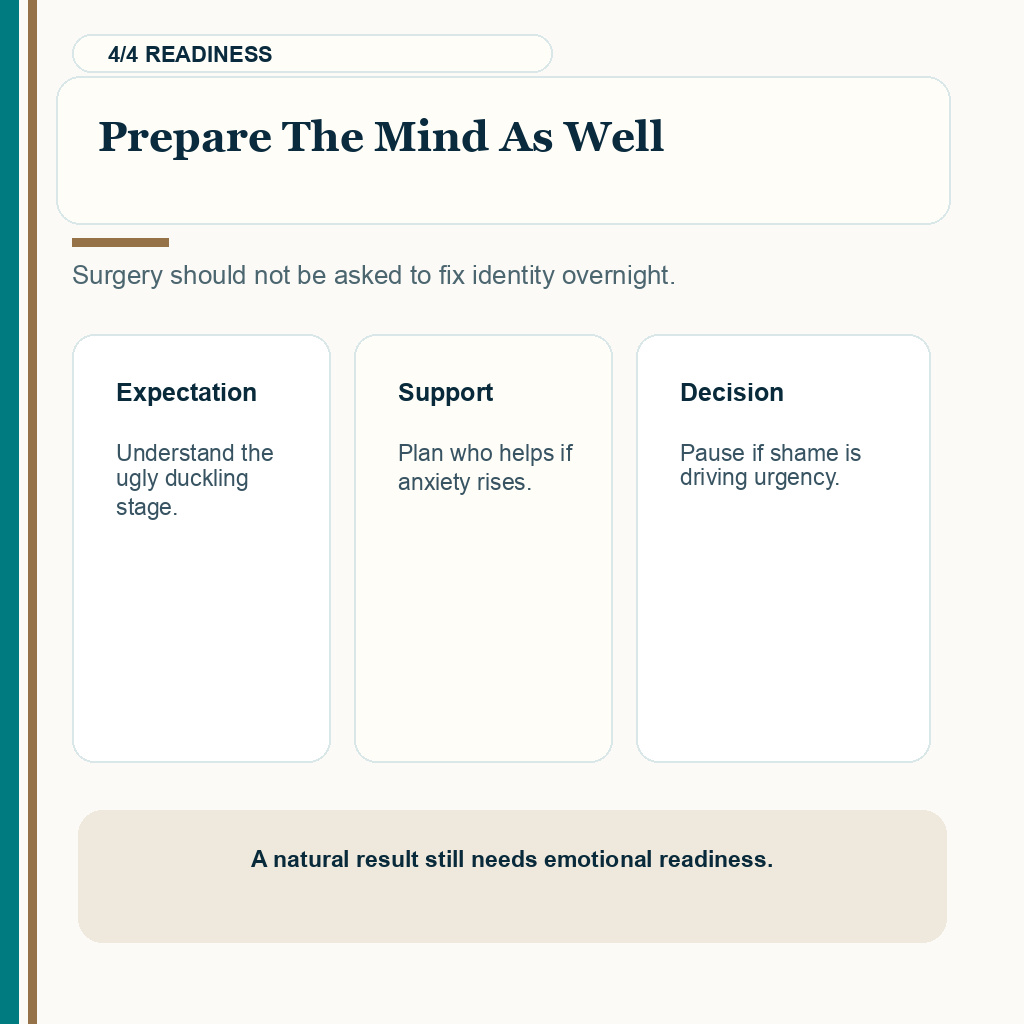
An emotional crash during recovery needs timing context, and these 4 slides separate shock loss, swelling, mirror checks, and when support helps. Swipe sideways, use the arrows, or choose a number below the image.


Mental health support can be part of good surgical support
Mental health support is part of good support when the distress is persistent, extreme, or disconnected from the actual surgical findings. It is also important when you already have depression, severe anxiety, obsessive checking, body image distress, or a history of harming yourself.
I am careful when someone believes surgery must fix their whole identity. A transplant can improve hair coverage when the donor area, recipient area, and plan are suitable. It cannot guarantee peace with every photograph, every light, or every small asymmetry.
If the emotional problem is severe, the safer order may be mental health support first, then surgical review later. That is not rejection. It protects you from using donor grafts while the target keeps changing.
Do not let the worst hour choose surgery
An emotional crash can make a normal recovery stage feel like failure. In the first weeks, the useful response may be wound instructions, sleep position, swelling control, or stopping repeated mirror checks. In the shedding phase, it may be waiting and keeping follow-up photos consistent.
Repair surgery, laser removal, extra grafts, or a new clinic decision should not come from the worst hour of recovery. If there is a medical warning sign, it needs review. If your thoughts feel dangerous or you may hurt yourself, seek urgent local help first. The hair result needs time and evidence.
Read this review excerpt
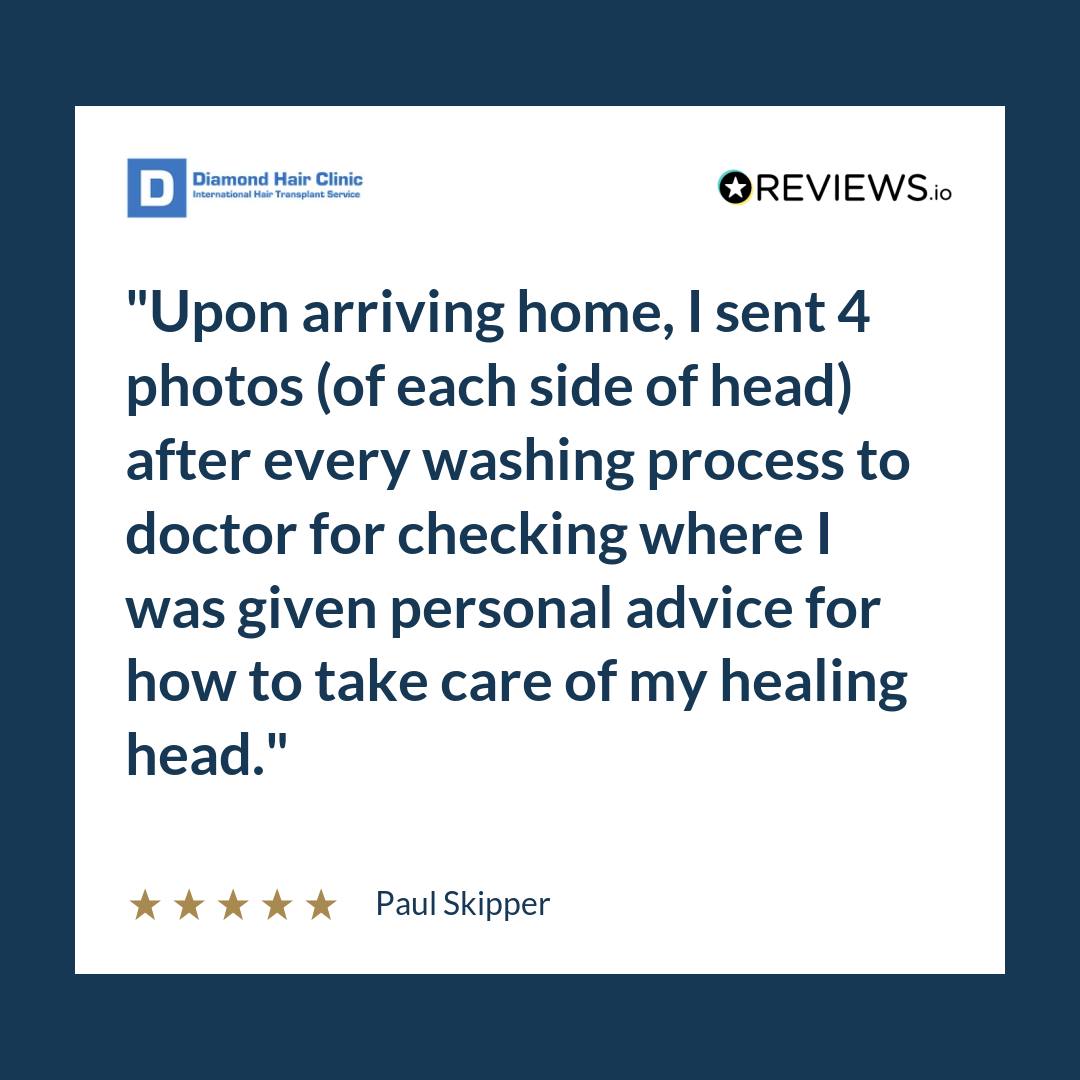
Upon arriving home, I sent 4 photos (of each side of head) after every washing process to doctor for checking where I was given personal advice for how to take care of my healing head.