


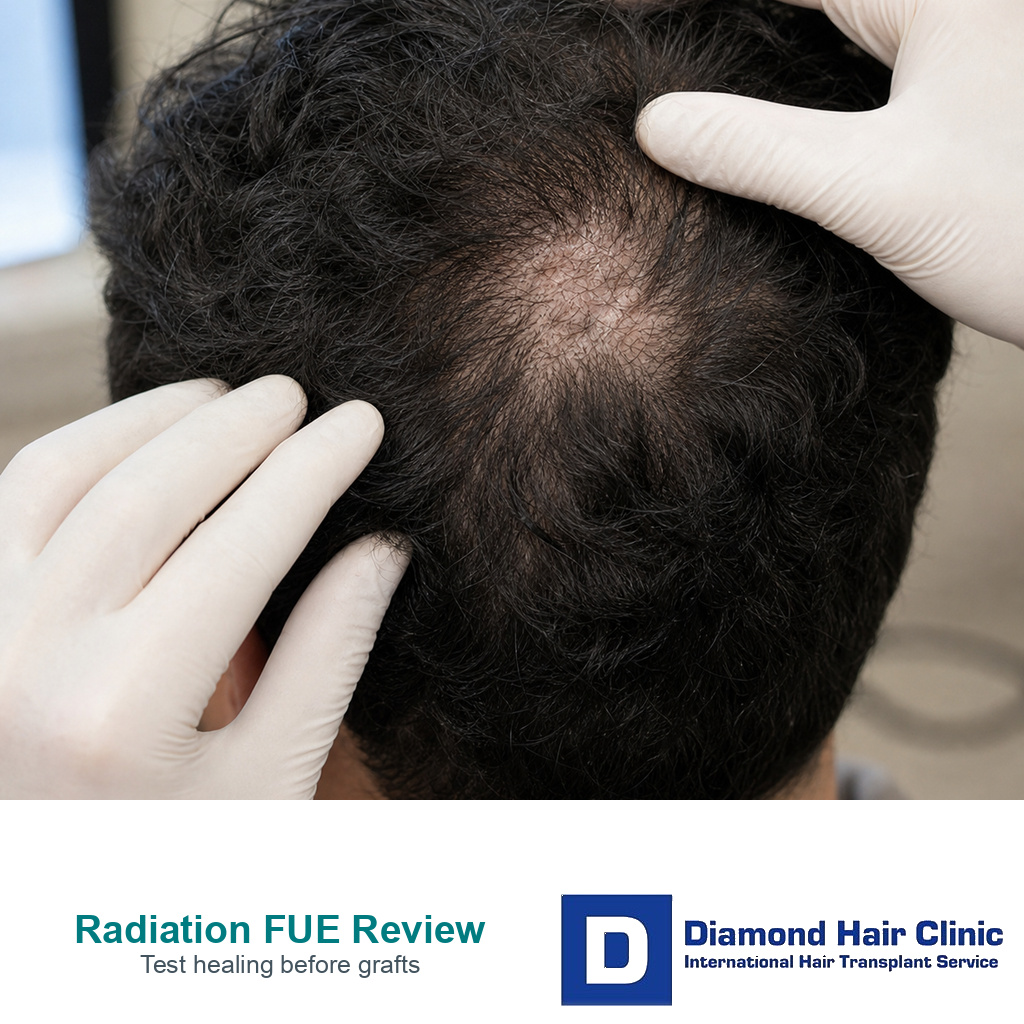
Scalp Radiation Requires Cautious Hair Restoration Planning
A hair transplant can sometimes be considered after scalp radiation, but I do not judge it like ordinary genetic hair loss. The first question is not simply whether hair is missing. It is whether the treated skin has healed well enough to accept new grafts. That means clear oncology follow-up, no open wound, no active skin breakdown, and a scalp area with enough softness and blood supply for tiny recipient incisions.
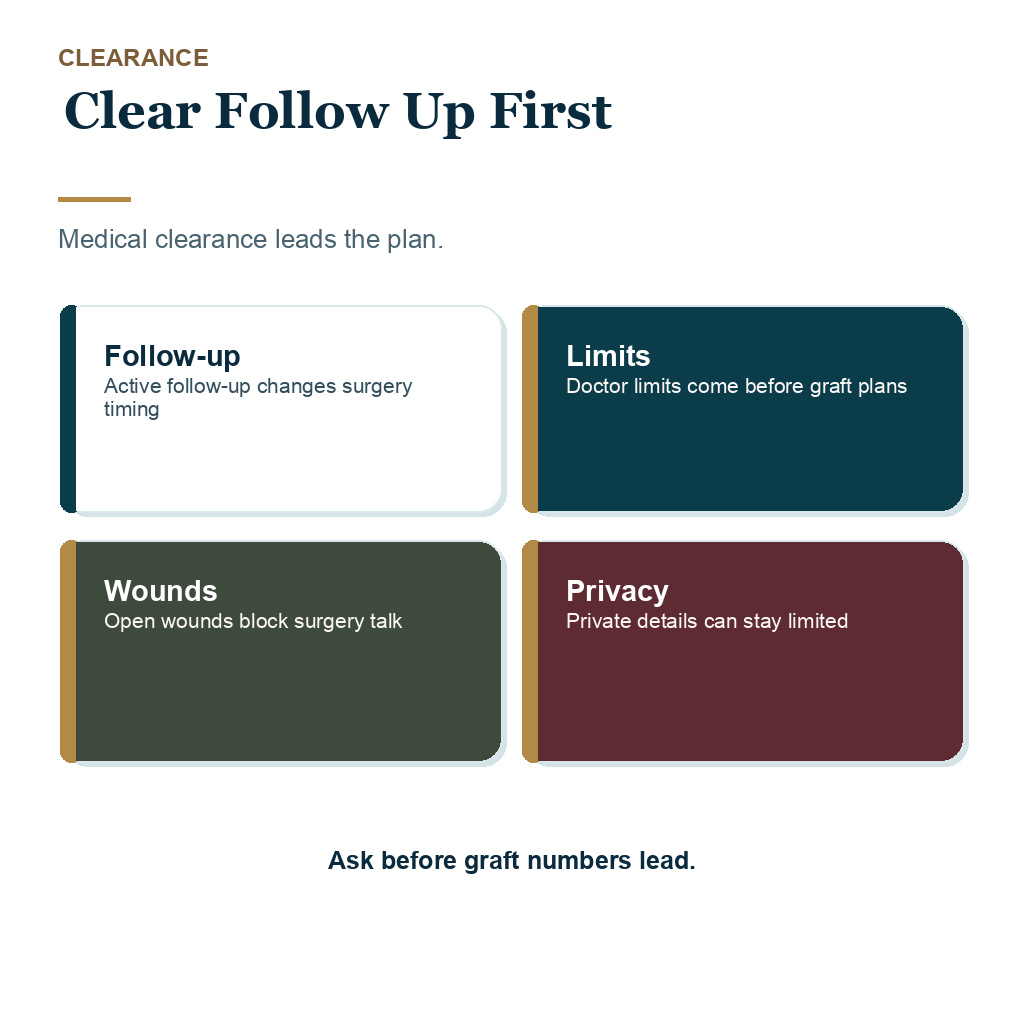
Clear follow-up does not mean I need every private oncology detail in the first contact. It means the treating team has no active restriction on elective scalp surgery, and the treated field is not still behaving like unstable skin.
The first message should include more than one photo of the thin area. Tell the clinic where radiation was directed, when treatment ended, whether the skin breaks down, and which doctor still follows the area.
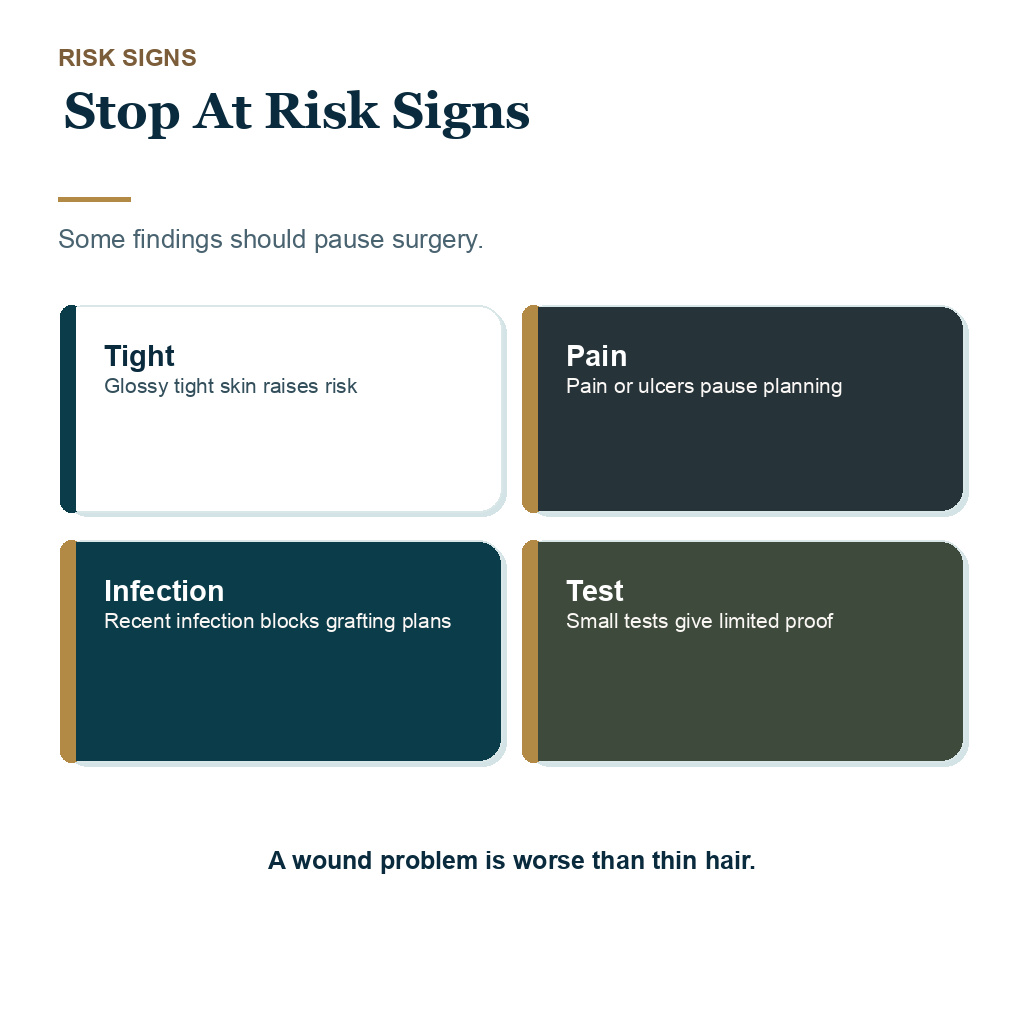
If the radiated area is shiny, tight, ulcerated, painful, poorly healing, or very scarred, surgery may be unsafe or may need to be refused. Hair absence is only one part of the decision. The treated scalp also has to prove it can heal another controlled injury.
How is radiation hair loss different from pattern balding?
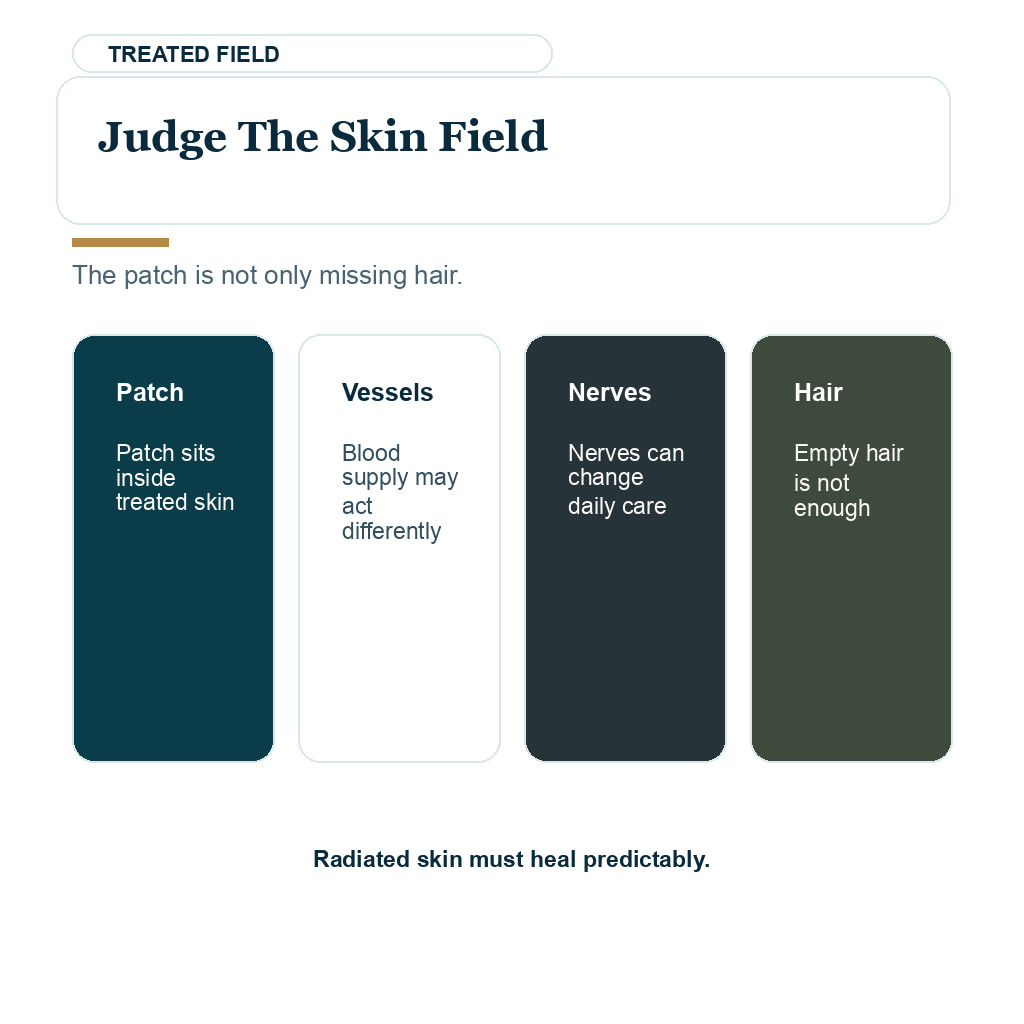
Pattern hair loss usually follows a predictable genetic map. The donor area is examined, the recipient area is planned, and the future hair loss pattern is estimated. Radiation related hair loss is different because the missing hair sits inside a treated skin field. The follicles may be damaged, but the skin, small vessels, nerves, and healing behavior may also be changed.
I separate this topic from general chemotherapy recovery and hair transplant planning. Chemotherapy can cause broad temporary shedding, while scalp radiation usually affects only the treated field or beam path and can leave a more local patch. Some people have both histories, so the examination has to be specific.
This is also different from ordinary diagnostic imaging. A single CT scan or MRI request is not the same as therapeutic scalp radiotherapy. I discuss that question separately on the MRI or CT scan after hair transplant page. Here, I am talking about treatment strong enough to injure follicles and change the behavior of the skin field.
The medical history matters as much as the photo. I need to know the diagnosis, the treatment area, the approximate radiation dose when available, the date treatment finished, whether surgery was done in that region, whether oncology follow-up is clear, and whether the skin has ever broken down afterward.
When is surgery reasonable after scalp radiation?
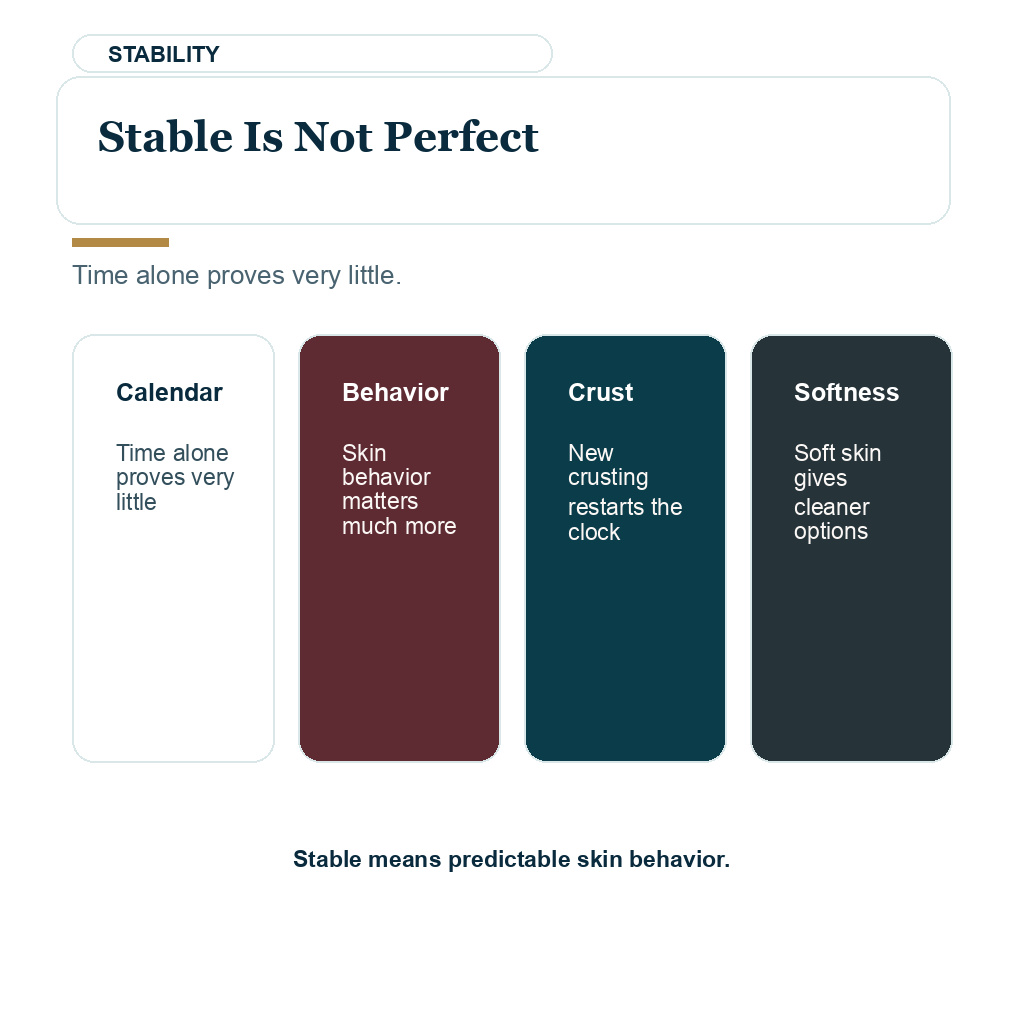
There is no useful single calendar date that makes every radiated scalp safe. Recent treatment needs time for oncology follow-up and skin recovery. Treatment that ended years ago still needs examination if the area is thin, shiny, tight, numb, or easily irritated.
For ordinary temporary shedding, the question is often whether the hair cycle has had enough time to recover. With radiation, I also ask whether the skin field has remained stable over time. A patch can look stable as hair loss but still be unstable as skin. Does the surface tolerate washing, shaving, and light touch? Has there been recurrent crusting, ulceration, infection, pain, tightening, or color change?
Stable does not mean the area looks perfect. It means it behaves predictably. A scalp that repeatedly breaks down, crusts, or becomes tender is not ready for recipient incisions, even when the donor area looks strong.
Skin that breaks down after ordinary washing, shaving, scratching, or light touch is unstable until an examination shows otherwise.
Skin quality decides whether grafts can be placed
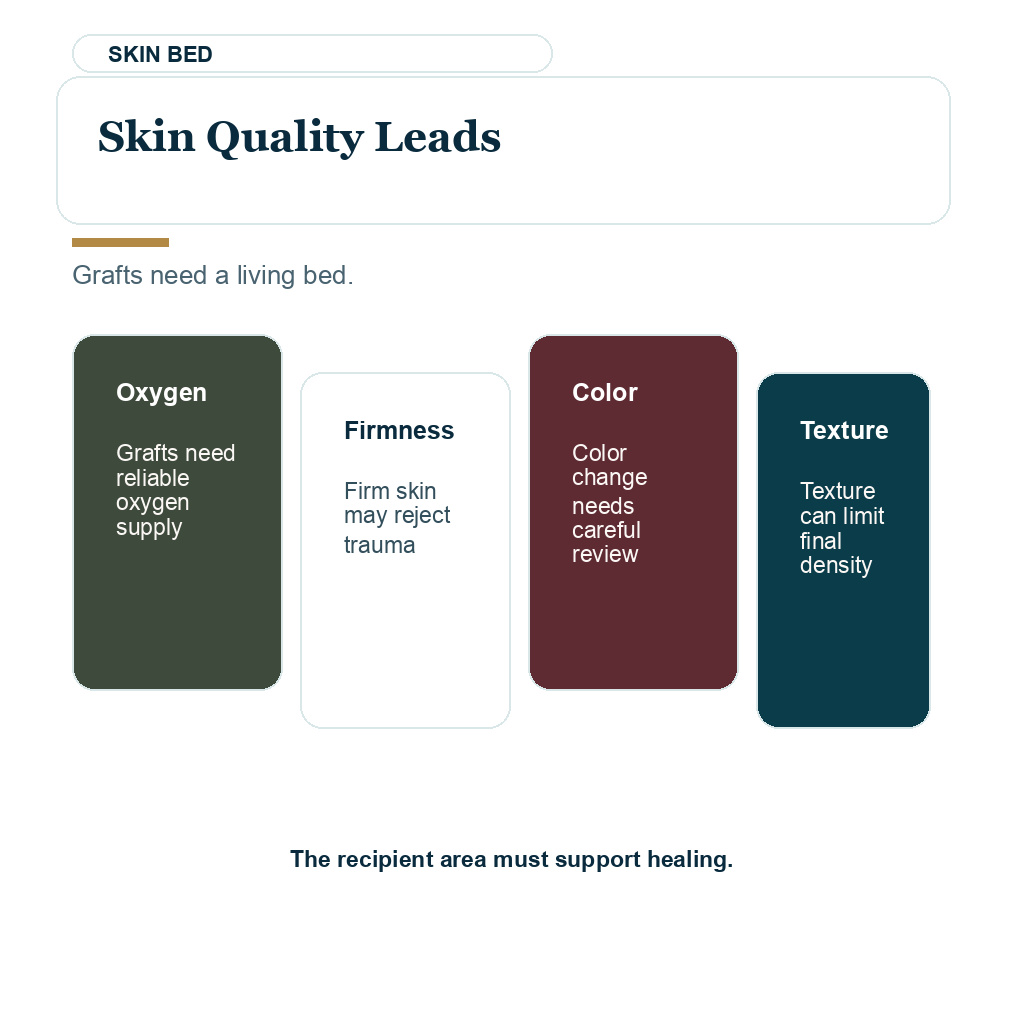
Hair transplant grafts are small, but they are still living tissue. They need oxygen, blood supply, and a recipient bed that can heal around them. In a radiated scalp, I look for skin thickness, softness, color change, scarring, sensitivity, and how the skin responds to minor trauma.
When the diagnosis is unclear, a dermatology assessment can be more useful than another set of sales photos. A scalp biopsy before hair transplant review explains why some scalps need diagnosis before graft planning. I do not biopsy every radiated area, but I do not ignore unusual texture, inflammation, or scarring either.
This is also why grafting into a radiated patch can overlap with the broader question of whether transplanted hair can grow in scar tissue. The issue is not only the absence of hair. The tissue has to be mature, stable, soft enough, and supplied well enough to give grafts a fair chance.
The serious complication to avoid is poor healing. Necrosis warning signs after hair transplant are rare, but they explain why blood supply matters. Creating hundreds or thousands of recipient area incisions in fragile skin can turn a cosmetic plan into a wound problem.
Which findings make surgery too risky?
I slow down when the skin is tight, glossy, prone to ulceration, painful, numb in a way that changes daily skin handling, or very different from the surrounding scalp. I also slow down when basic treatment history is missing, when cancer follow-up is still active, or when the area has recently been infected or reopened.
Refusing surgery can be the right medical decision. A transplant that fails to grow is disappointing. A transplant that creates a wound problem is worse. No density goal is worth damaging a scalp that cannot heal safely or predictably.
Sometimes the responsible choice is a small test area, staged planning, or no surgery in the radiated zone. A small test does not prove that a wider treated field will heal the same way. It gives one controlled piece of information before too many donor grafts are committed to skin that has not yet proved itself. Sometimes camouflage, styling, a hair system, or medical treatment is more responsible than using donor grafts in an uncertain recipient bed.
Donor area protection still matters
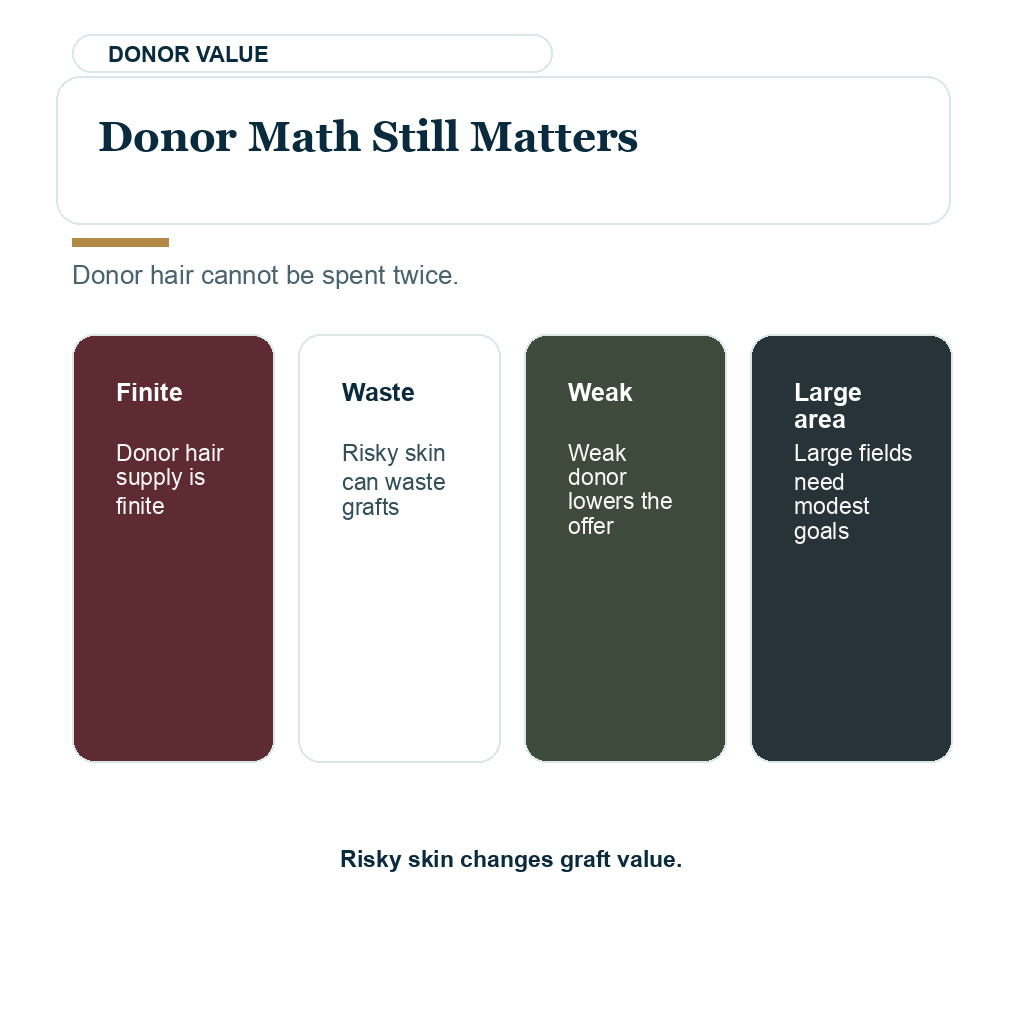
Radiation related hair loss can make all attention move to the bald patch. I still examine the donor area carefully, as I would in any other hair transplant. Donor hair is finite, and using it in a risky recipient area can waste a resource that may be needed later.
If the donor is weak, miniaturized, or unstable, surgery becomes even harder to justify. The pages on weak donor area planning and donor miniaturization checks explain why a safe zone review comes before graft promises.
For a small radiated patch, a modest graft plan may be possible if the skin is healthy enough. For a large treated area, the donor math may not support full coverage. That has to be understood before grafts are removed, because donor hair cannot be spent twice.
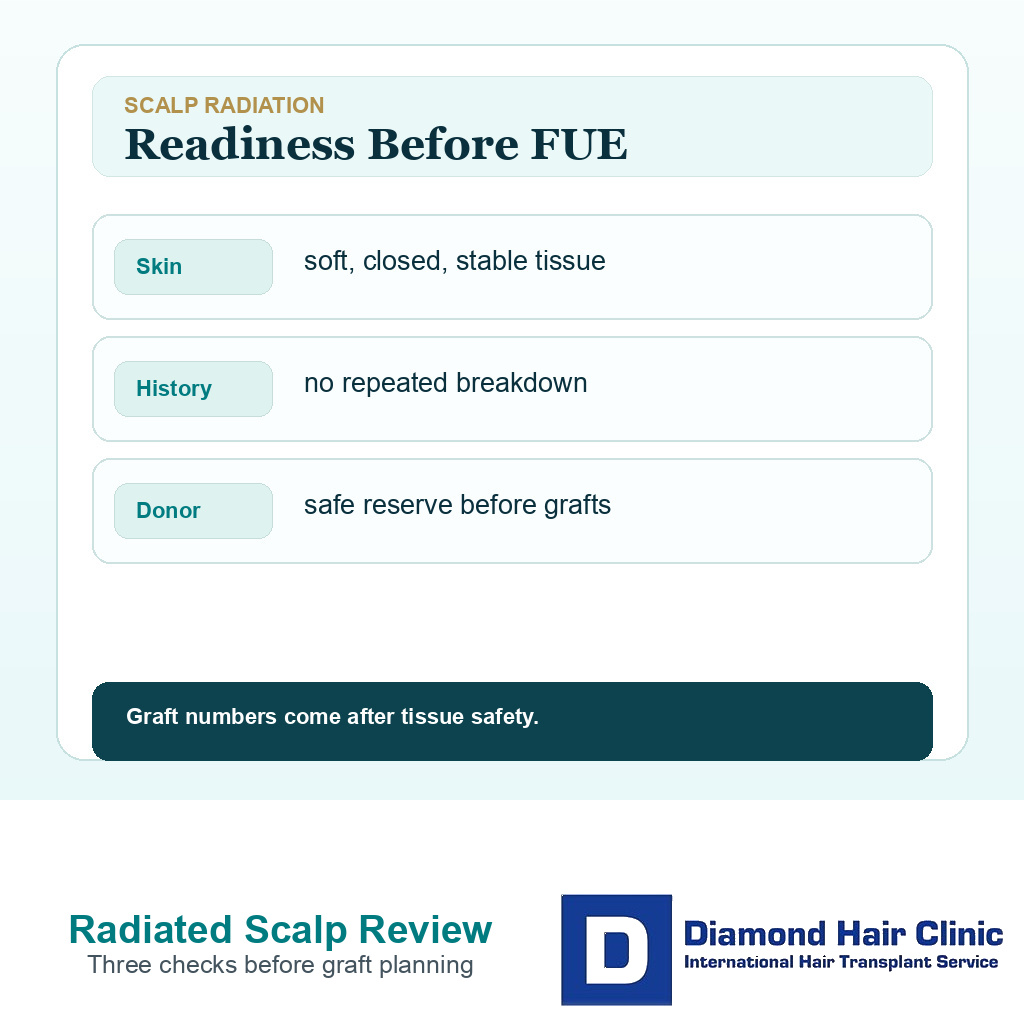
Radiated scalp planning starts with skin quality, healing history, and donor reserve before graft numbers are discussed.
The nine slides below walk through the checks that matter after scalp radiation. They cover medical follow-up, how treated skin behaves, stability, skin quality, warning signs, donor reserve, possible temporary shedding, treatment details, and cautious staging. Swipe sideways or use the arrows one slide at a time.
Can hair loss after treatment still be temporary?
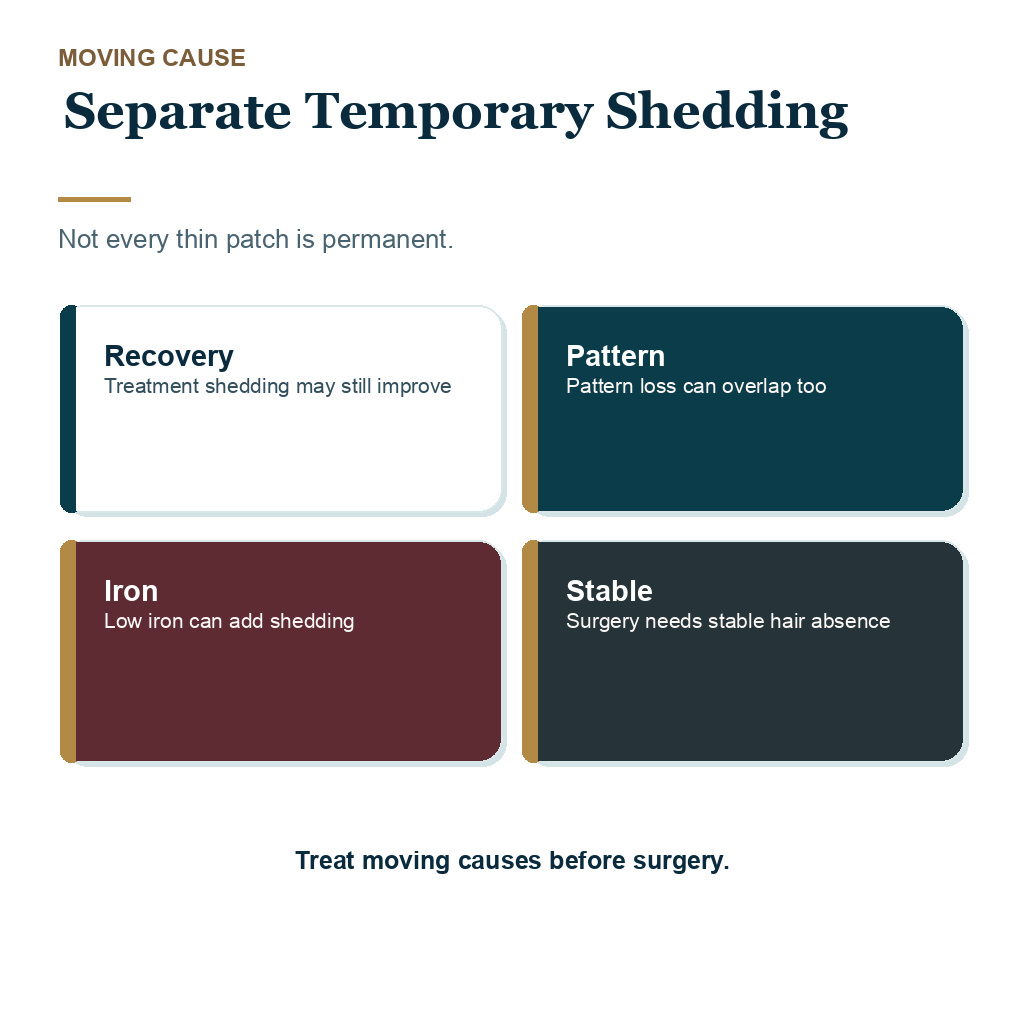
Not every thin area after cancer treatment needs surgery. Radiation hair loss can sometimes improve after treatment, especially when the follicle damage is not permanent. Some people also have overlapping genetic hair loss, low iron, thyroid disease, nutritional change, medication effects, or stress related shedding. These causes can sit on top of the radiation history and make the scalp look worse than one cause alone.
Telogen effluvium and hair transplant timing explains why active shedding needs patience before surgery. If blood results show anemia or low iron stores, low ferritin and anemia before hair transplant may need attention before graft planning.
This does not mean everyone needs months of delay. It means the permanent part of the loss has to be separated from the reversible part. Surgery is for stable absence of hair, not a moving medical situation.
Treatment details can change the plan
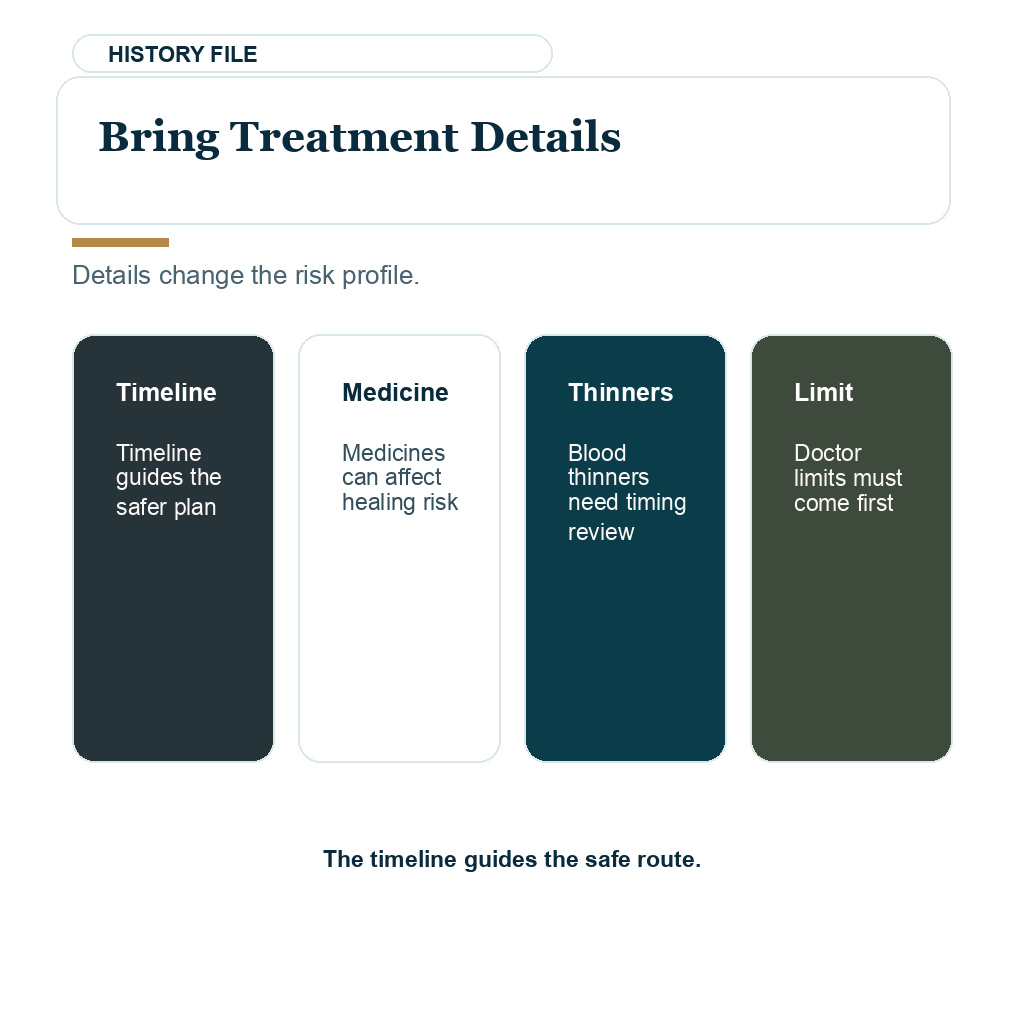
Some people arrive with old treatment papers, current cancer medication, steroid history, immune treatment, blood thinner use, or recent scans. The useful information is the timeline, the treated field, medicines that affect healing or bleeding, and whether the treating doctor has placed any restriction on elective surgery.
Medication review before hair transplant matters because healing, bleeding, infection risk, and blood pressure can change with treatment history. If an oncologist or dermatologist has given restrictions, those instructions come first.
Minoxidil or other non surgical treatment may help in selected cases, especially when there is overlapping pattern hair loss. It cannot turn scarred, poorly vascular skin into a normal recipient area. I treat medication as support, not as proof that surgery is safe.
Useful photos help the first review
For the first message, clear photos in natural light are more useful than styled images. I need the radiated area, the surrounding scalp, the donor area, and any scar or surgical site. If the patch changes color, flakes, bleeds, crusts, or becomes painful, those details need to be included before a surgical opinion is given.
A useful photo set also shows how the hair lies when dry and when parted. Wet hair or harsh light can exaggerate thinness, but hiding the patch with styling makes planning harder. A serious review needs clear visibility.
For that reason, being a good candidate for hair transplant matters more than desire. Wanting hair in the area is understandable. The harder question is whether surgery can be done with a responsible risk profile.
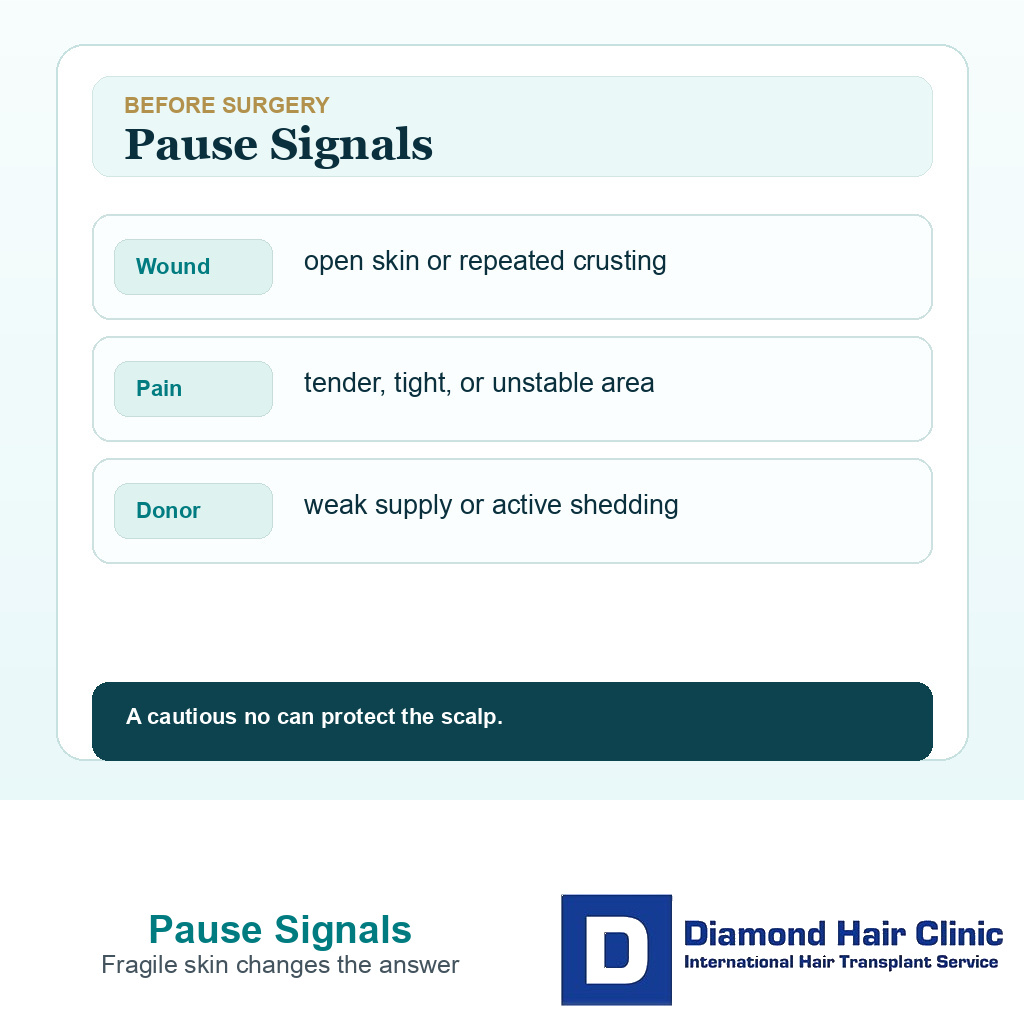
Open wounds, repeated crusting, pain, unstable follow-up, or weak donor hair can change the answer before surgery.
Follow up matters more after a cautious procedure
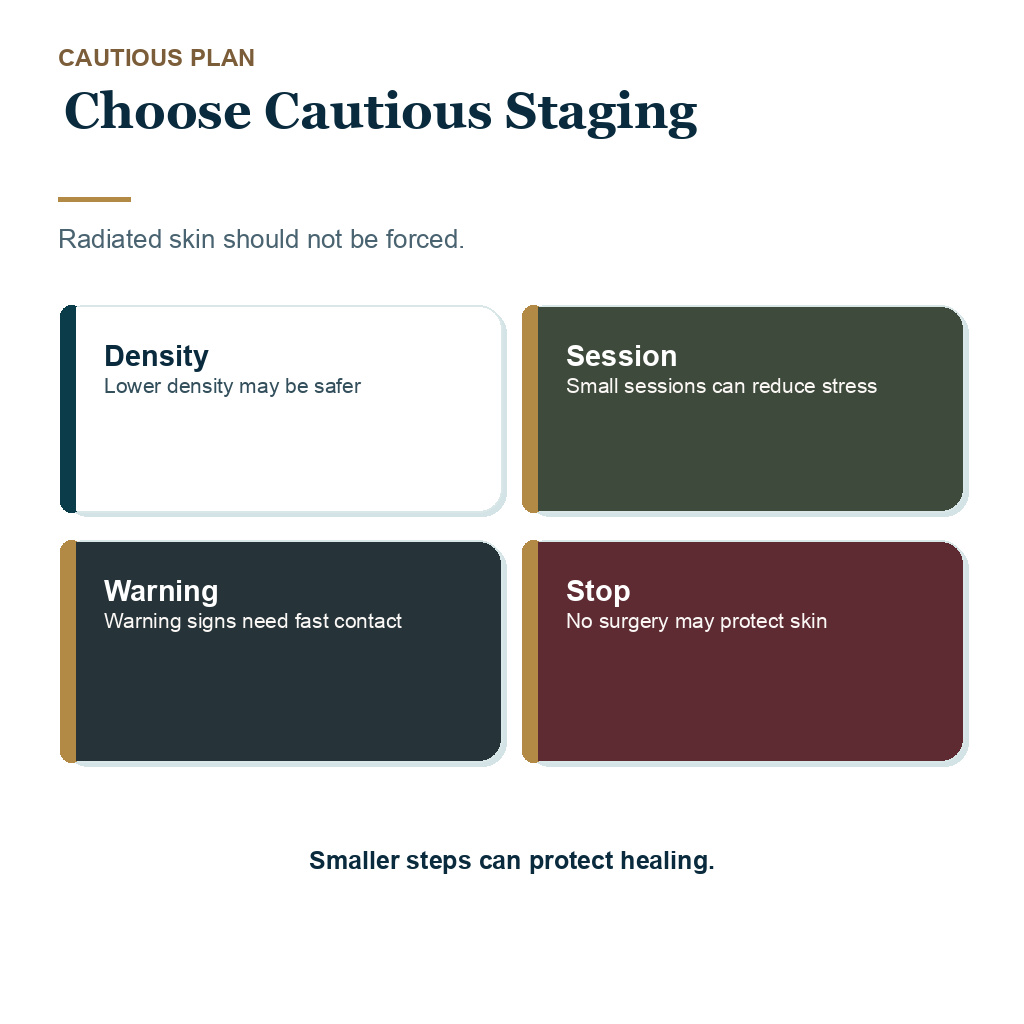
If surgery is accepted, I usually choose a cautious plan. That may mean lower density, smaller recipient sessions, more space between grafts, or staged work. Forcing radiated skin to behave like untreated skin is a poor plan. The operation has to respect its limits.
After surgery, follow-up matters more than usual. I ask for photos if there is increasing pain, dark scabbing, discharge, spreading redness, new bleeding, or skin that looks as if it is not closing. Hair transplant follow-up and warning signs explains why early communication can prevent a small healing problem from being missed.
Hair transplant recovery instructions still apply, but radiated skin deserves stricter attention. Gentle washing, no picking, no friction, and fast reporting of skin changes are not small details here.
Grafting only makes sense if the skin can heal
Radiation related hair loss often carries a strong emotional meaning because it can follow a difficult treatment period. I understand that. Still, the surgical answer has to be clinical. A healed, stable, well supplied scalp may allow cautious grafting. A fragile, scarred, poorly healing scalp may make surgery the wrong choice.
The decision is simple in principle, even when the case is emotional. If the treated scalp is stable enough to heal and the donor reserve is strong enough to justify the trade, a cautious transplant can be discussed. If either side is weak, leaving the patch untreated may be safer than turning a visible hair problem into a wound problem.
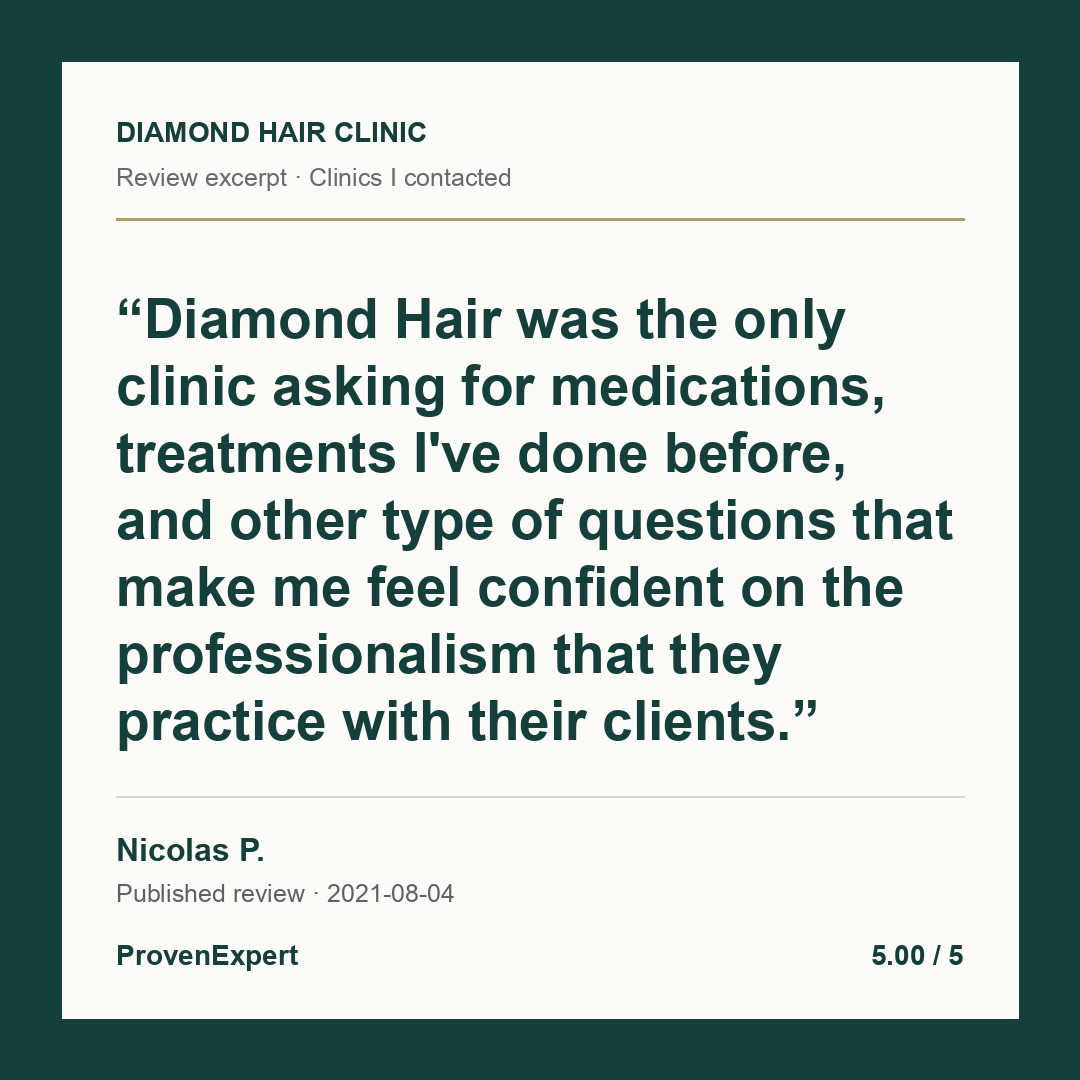
Read this review excerpt
Diamond Hair was the only clinic asking for medications, treatments I've done before, and other type of questions that make me feel confident on the professionalism that they practice with their clients.