


Creatine, Hair Loss, and FUE Planning
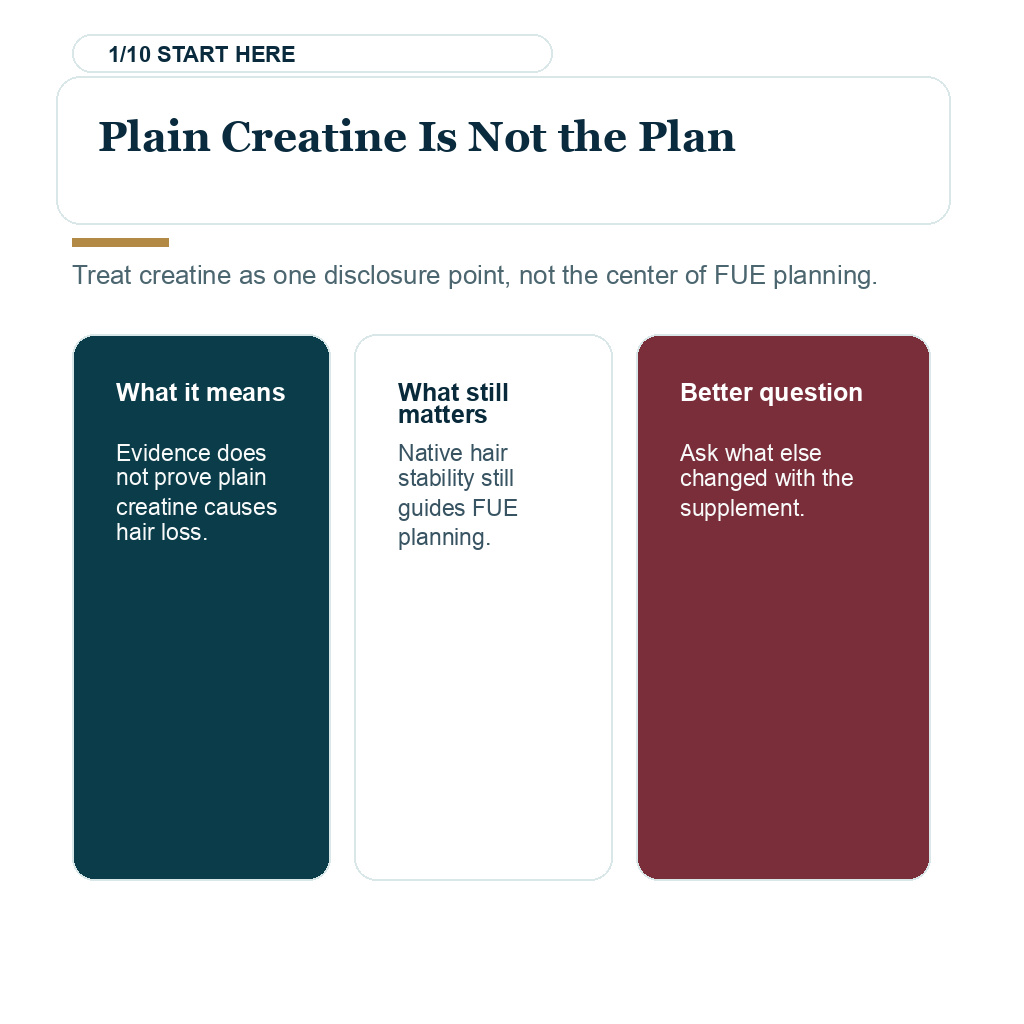
Creatine by itself is not a reason to refuse FUE, and current evidence does not prove that plain creatine causes hair loss. I still take the concern seriously. If you are shedding, changing medication, training hard, or using several gym products at the same time, the transplant plan has to look at your native hair stability before the surgery date, not only the supplement tub.
A healthy person using plain creatine is not the same as someone with active thinning, a recent finasteride or minoxidil change, a strong stimulant workout product, poor hydration, or abnormal blood tests related to kidney function. The useful response to creatine anxiety is better disclosure and a clearer native hair plan, not a rushed graft decision. It should not push you into panic, secret supplement changes, or a rushed transplant.
Creatine does not decide graft survival
Many people ask this as if creatine alone can decide whether transplanted grafts survive. That is the wrong frame. Graft survival depends much more on surgical handling, placement, blood supply, early washing, pressure, trauma, infection control, and avoiding heavy sweating or scalp rubbing in the fragile early period.
The decision before surgery is different from the recovery decision. If the question is when to restart the supplement after the operation, use the separate guidance on creatine after a hair transplant. Before FUE, I am more interested in why you take it, what else is in the stack, and whether your hair loss pattern is stable enough for surgery.
If you decide to pause creatine, avoid changing training, dieting, and hair medication at the same time. One change at a time makes shedding and blood test questions easier to interpret.
Creatine is not a graft survival medicine. It is also not a hair loss treatment. It should be disclosed with the rest of the supplement stack, but it should not sit at the center of the surgical plan.
Native hair stability comes first
Transplanted grafts and native hair must be planned separately. Donor hair can grow well while the original hair around it continues to miniaturize. If the native hair keeps thinning, a technically good transplant may still look separated, sparse, or older than expected a few years later.
Creatine anxiety becomes useful only when it leads to the right review. I ask about family pattern, whether recent shedding is real or only normal daily hair fall, whether the hairline and crown have changed in photos, and whether the medication plan is settled. I treat finasteride and native hair protection as part of planning, not only a pharmacy issue.
If you have just stopped finasteride, lowered the dose, started topical treatment, or switched between medications, I slow down before promising a surgical design. That concern also matters if you are worried enough about creatine that you are changing several things at once. Surgery is easier to plan when the hair pattern, medication routine, and supplement routine are not moving targets.
Do not let the creatine debate hide a real timeline change. When shedding, harder training, medication, and supplements changed together, the timeline matters more than blaming creatine alone.
Situations where I slow the FUE plan down
I do not stop every creatine user from having FUE. I slow the plan when the supplement question is attached to signs that the hair loss story is still moving.
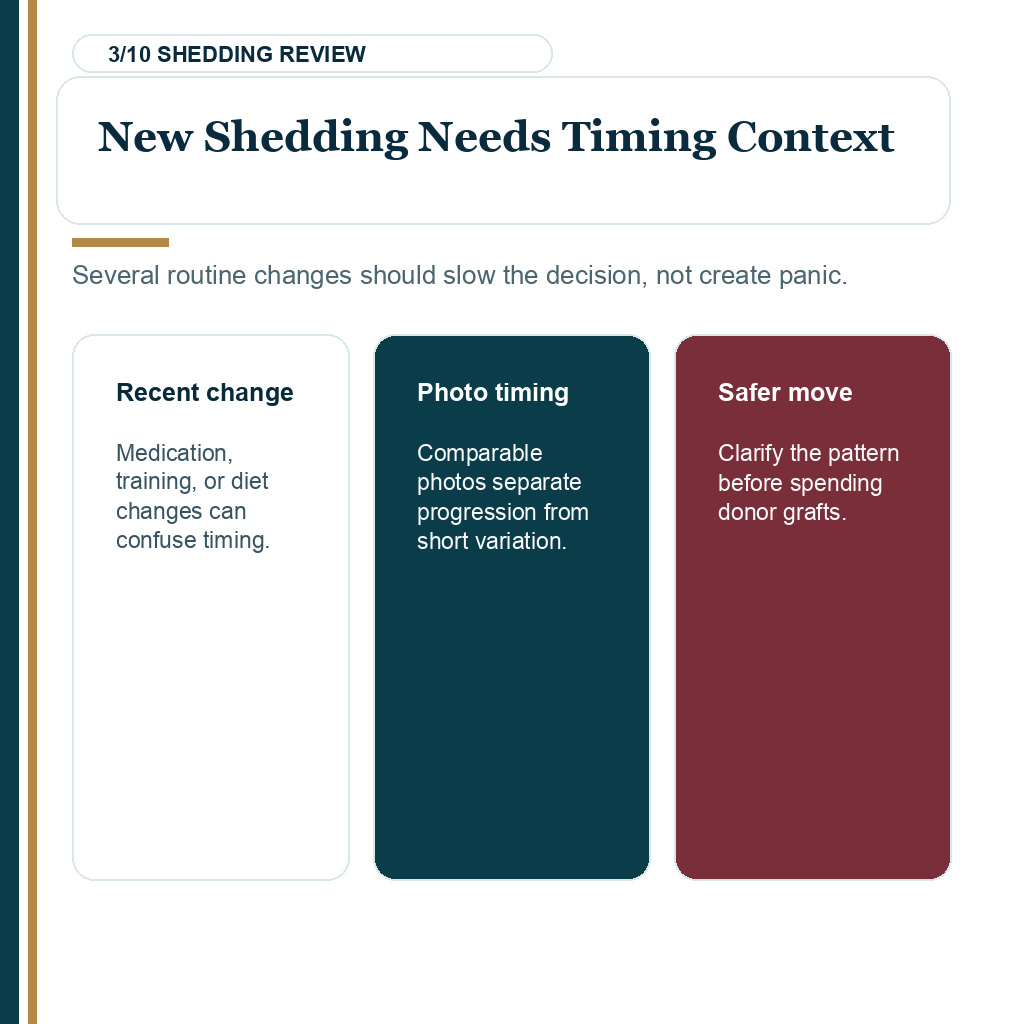
That includes new visible thinning, shedding that continues, a recent finasteride or dutasteride change, a minoxidil start or stop, a new bodybuilding stack, unexplained fatigue or illness, abnormal blood work, or a training routine that will become intense again straight after surgery. In those situations, I want to understand the change before spending donor grafts.
A short pause in a nonessential supplement can be useful when the shedding story is unclear. It does not prove that creatine caused the hair loss. It removes one variable so the next photos, medication decision, and surgical plan are easier to read.
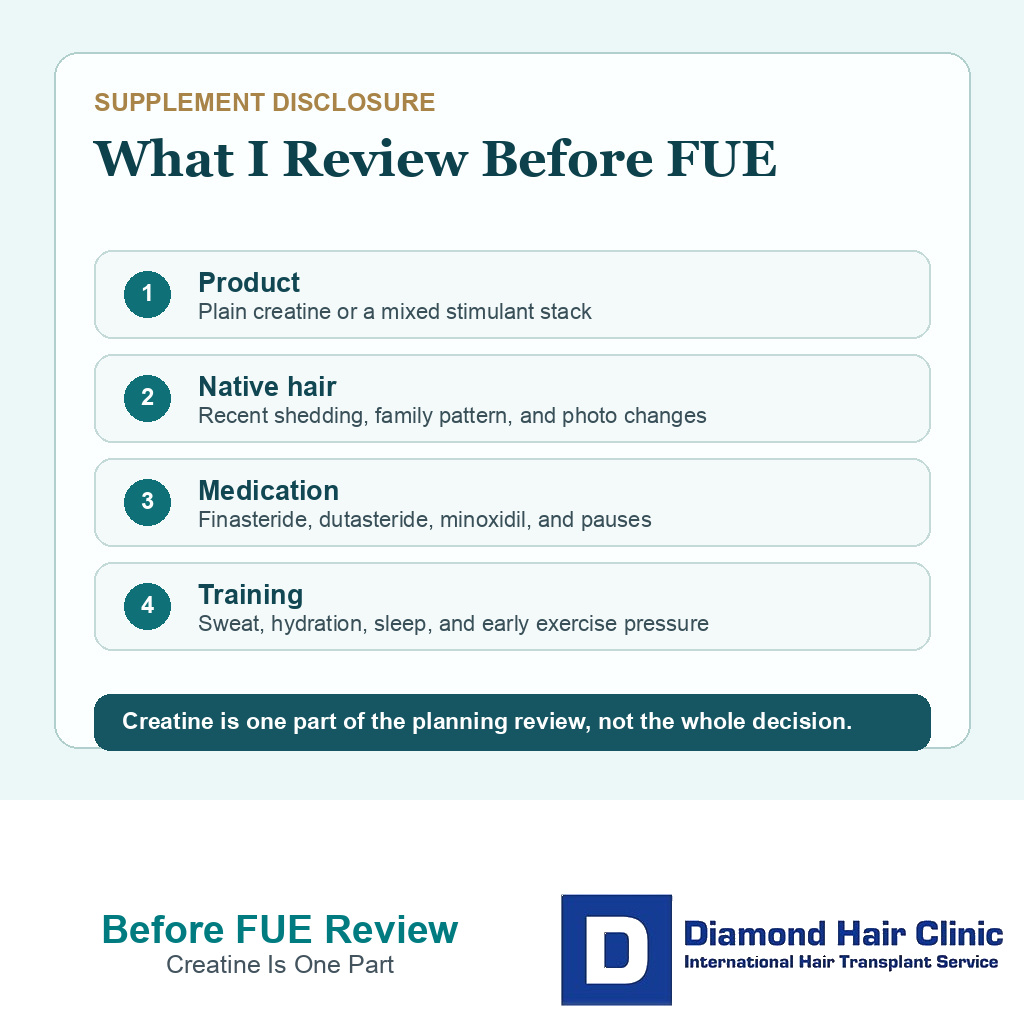
Before FUE, creatine belongs in a wider review of native hair, medication stability, training habits, and blood test context.
Use the 10 creatine planning slides below to separate plain creatine, native hair stability, new shedding, supplement stacks, DHT concern, blood test context, training behavior, unclear shedding, future design, and the details the surgeon needs. Swipe the carousel, use the arrows one step at a time, or choose a number below the image to jump to that point.


Plain creatine is different from a stimulant workout blend
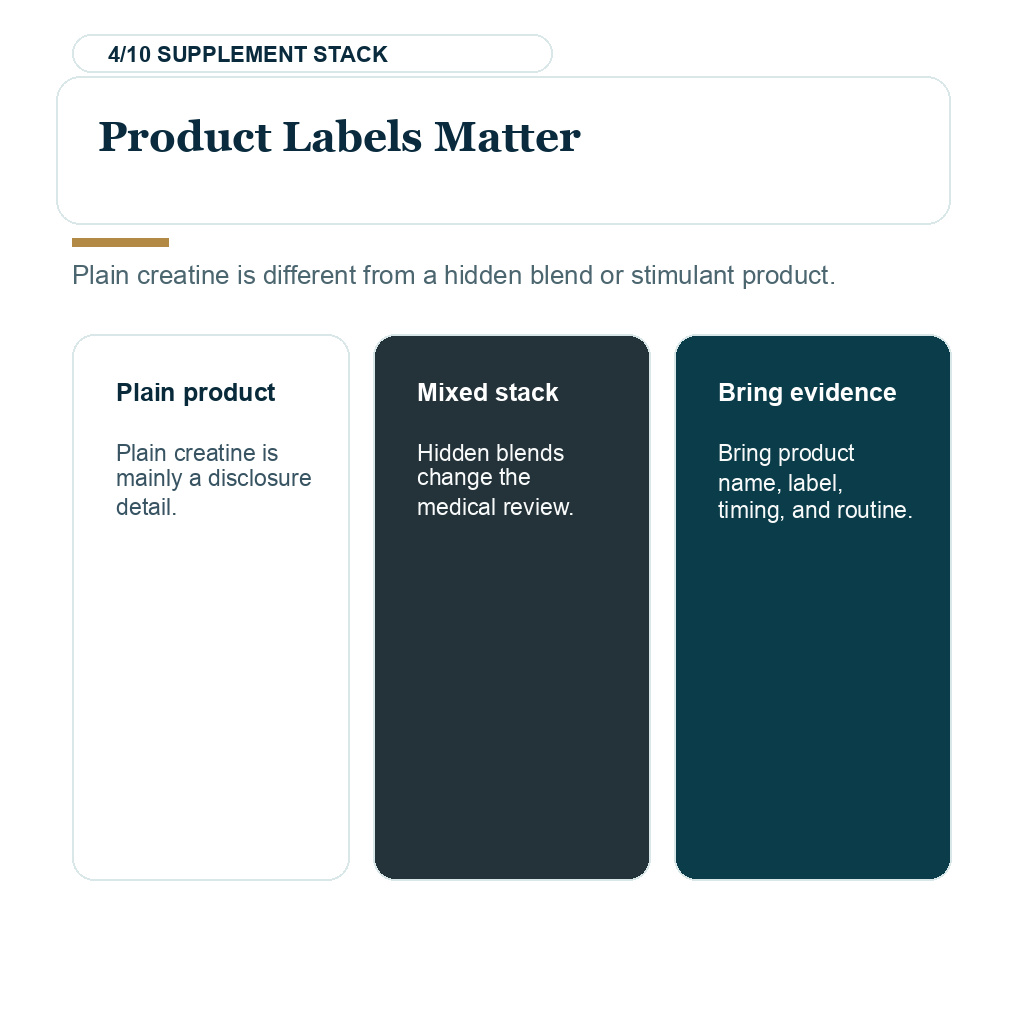
The confusion usually starts when every gym product is treated as the same thing. Plain creatine monohydrate, whey protein, one coffee, a strong stimulant workout product, fat burners, testosterone support products, and hidden mixed blends create different surgical questions.
Plain creatine is mainly a disclosure and planning point. A strong stimulant workout product can affect heart rate, sleep, flushing, sweating, and the urge to train too early, so stimulant workout products after hair transplant need stricter timing. The same separation matters with protein powder after a hair transplant, where the issue is usually food support and ingredients rather than DHT fear.
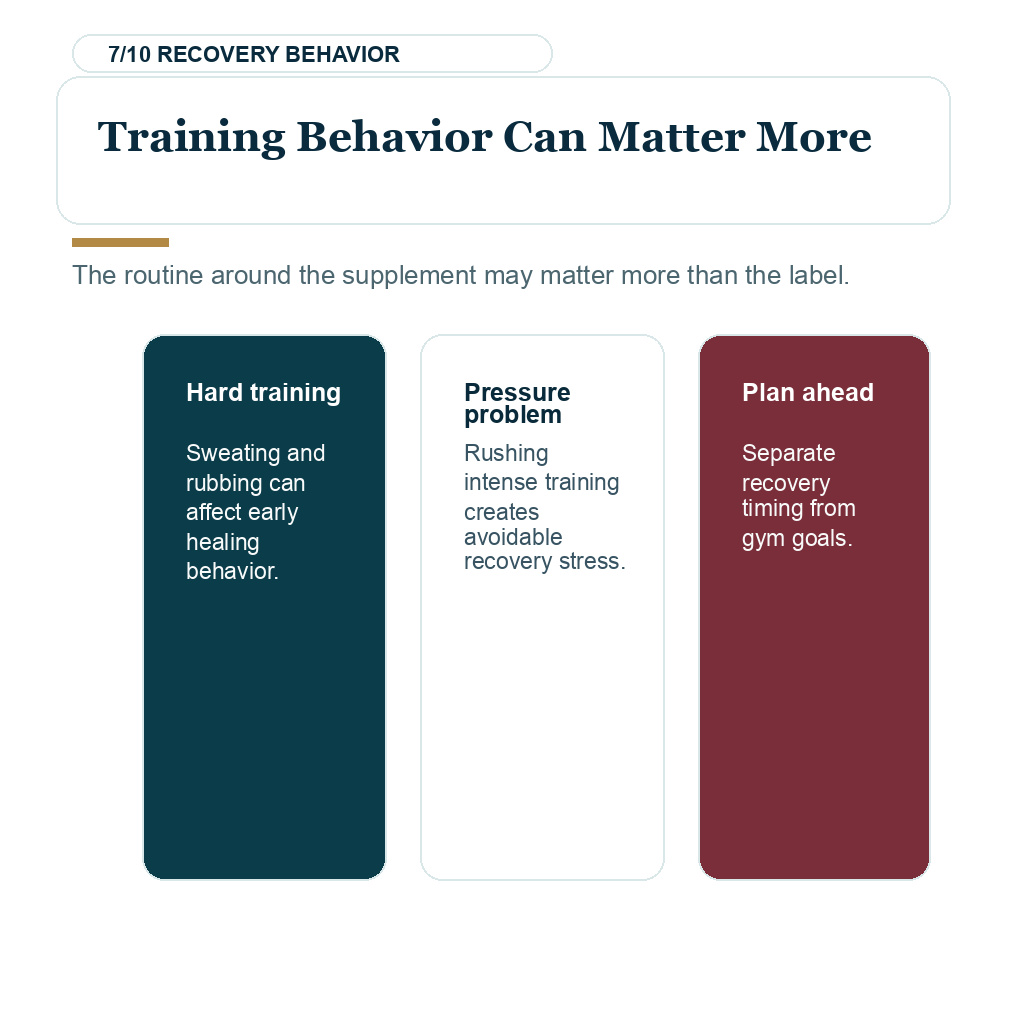
The product label matters, but the behavior around it matters more. Harder training, dehydration, poor sleep, heavy sweating, or constant scalp checking can make the hair loss record harder to read before FUE.
Details to know before surgery
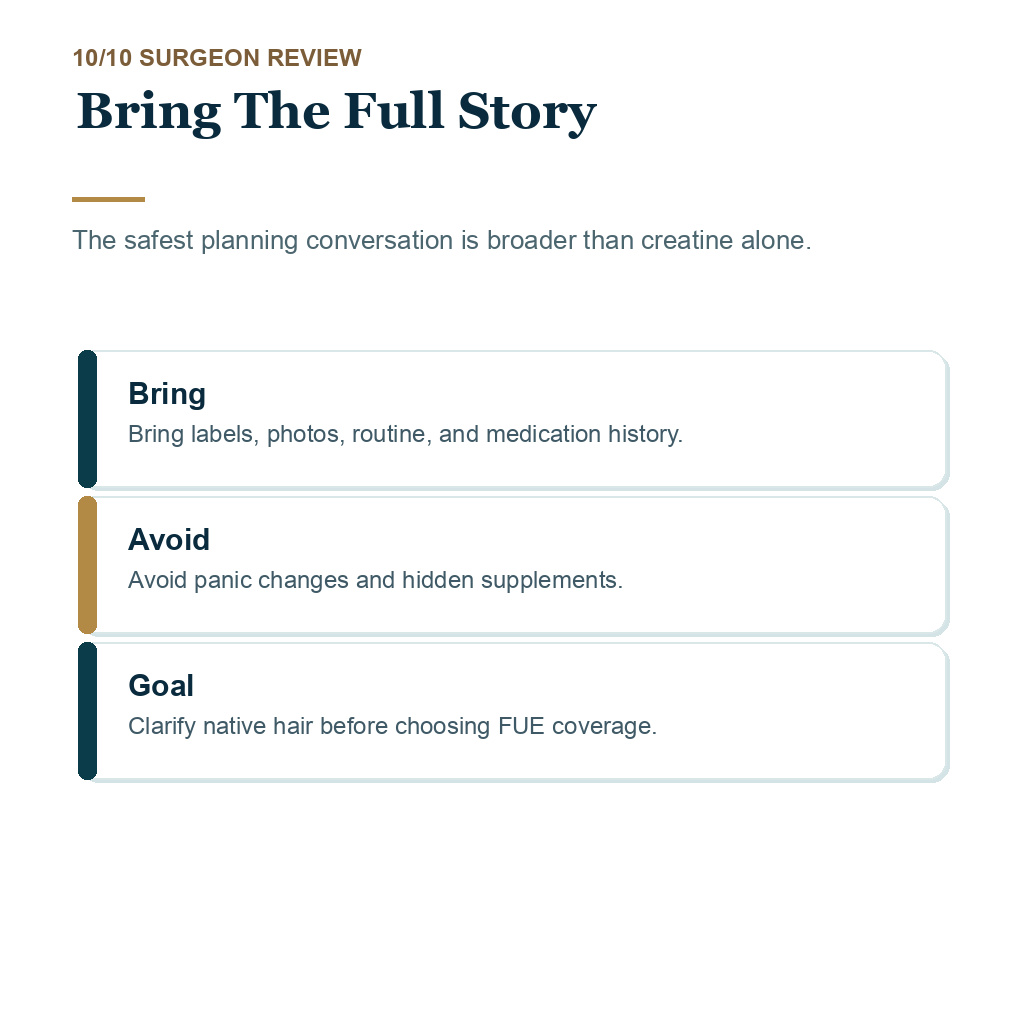
Before FUE, bring the exact product name, dose, how long you have used it, whether you used a loading phase, and whether the tub is plain creatine or a blend. Also tell the clinic about finasteride, dutasteride, minoxidil, saw palmetto, stimulant workout products, protein powders, testosterone support products, and any prescribed medication.
The general supplement disclosure page explains why supplements before hair transplant surgery should not be treated as harmless background details. A natural or pharmacy product can still matter for bleeding, blood pressure, anesthesia monitoring, kidney review, sleep, stomach comfort, or healing behavior.
I also ask about the reason behind the supplement. Someone using creatine for ordinary gym performance is different from someone using it as part of a large stack, a competition cycle, rapid weight change, or a new routine started at the same time as visible shedding.
DHT concerns before FUE
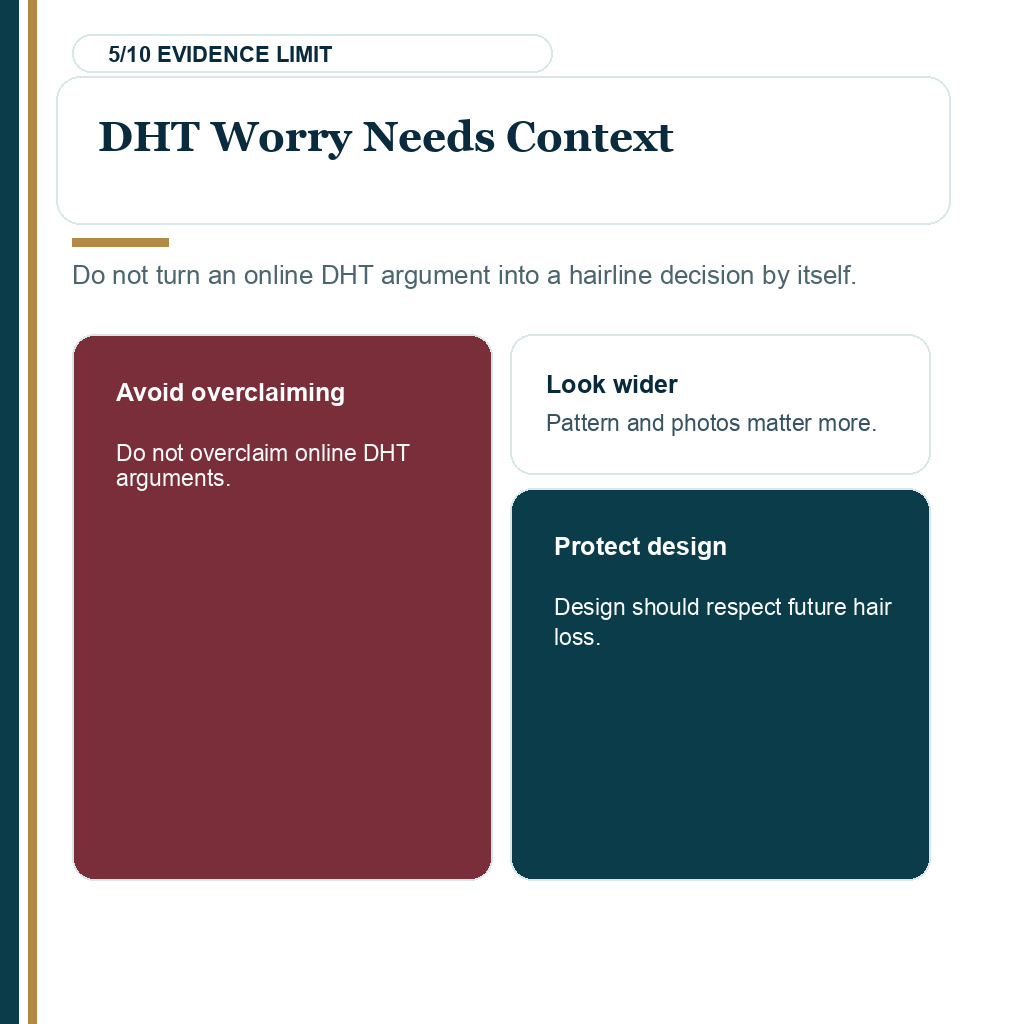
The online argument about creatine and DHT is often too simple. The older fear came from a small DHT signal that has not become a reliable reason to blame plain creatine for hair loss. Newer direct hair and hormone measurements are more reassuring, but I still do not turn that into a promise for one person’s shedding. What I can do is protect the surgical plan from overconfidence.
If you are clearly prone to ongoing male pattern hair loss, blaming or clearing creatine is less important than planning the native hair around the transplant. That may involve medication, choosing not to use medication, a staged design, a higher hairline, a smaller first session, or a more conservative crown strategy.
Bring saw palmetto around FUE into the consultation plainly if you take it because you are trying to avoid prescription treatment. If you are stopping finasteride because of side effects, family planning, or fear, stopping finasteride after hair transplant can change the native hair risk and the design.
Does weight training raise DHT enough to change the plan?
Weight training can briefly change hormone levels after a hard session, but I do not treat ordinary lifting as proof that a patient will suddenly lose hair faster. Male pattern hair loss is usually about genetic sensitivity inside the follicle and the stability of the native hair over time, not one short workout spike.
I separate normal training from hormone exposure. Plain creatine, regular gym work, and good nutrition are not the same as prescribed testosterone, an anabolic steroid cycle, a hidden booster, or several new products started together. A patient using hormones needs a different conversation from a patient who only trains and uses plain creatine, because native hair risk, donor use, hairline height, and crown strategy may need more caution.
For the broader training question, I explain how ordinary lifting, short hormone changes, recovery timing, and native hair stability fit together in weight training and hair loss around a hair transplant.
For a patient worried about shedding, the concern is not only whether lifting raised DHT. I want to know whether the hair was already miniaturizing, whether medication was started or stopped, whether several products changed at once, and whether the transplant design still makes sense if native hair keeps thinning.
Blood tests and medical history still matter
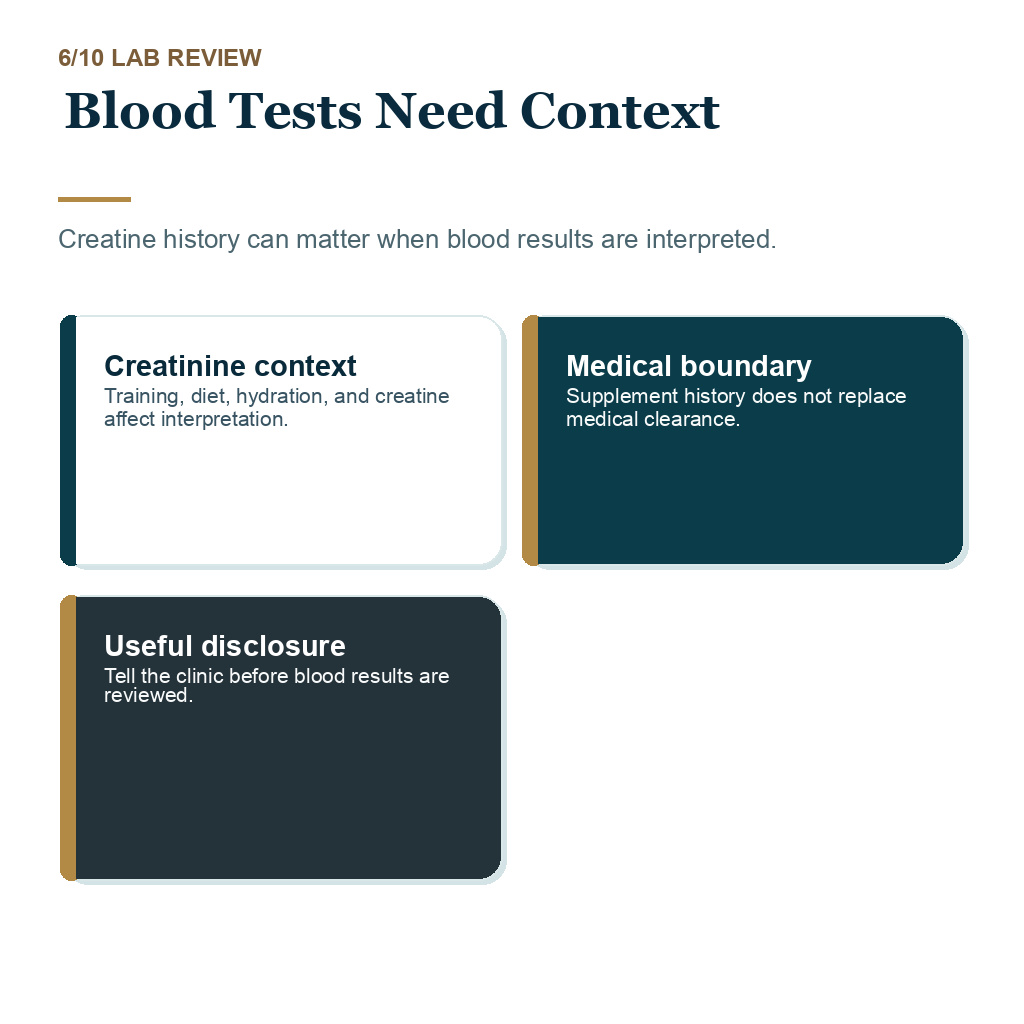
Creatine can create confusion around lab interpretation because creatinine is used in kidney function assessment, and the number can be affected by muscle mass, recent hard training, diet, and creatine use. I do not treat a supplement history as a substitute for medical clearance. If the blood test shows a concern, the result needs to be reviewed in the full medical context.
I connect the supplement list with blood test review before surgery. A healthy athlete with normal blood work is not the same as someone with kidney disease, dehydration, an extreme diet, heavy training, or unexplained abnormal results. When kidney function is already part of the history, kidney disease and hair transplant clearance needs its own review.
Creatine belongs in the supplement list, even if it feels like a gym detail. The clinic does not need the list to judge you. It needs the list to reduce avoidable uncertainty before surgery.
Creatine and the FUE design
If the hair pattern is stable, the product is plain, the medical history is clean, and the training routine can pause around surgery, creatine usually does not change the graft plan by itself. I still document it, but I do not design a hairline around fear of a supplement alone.
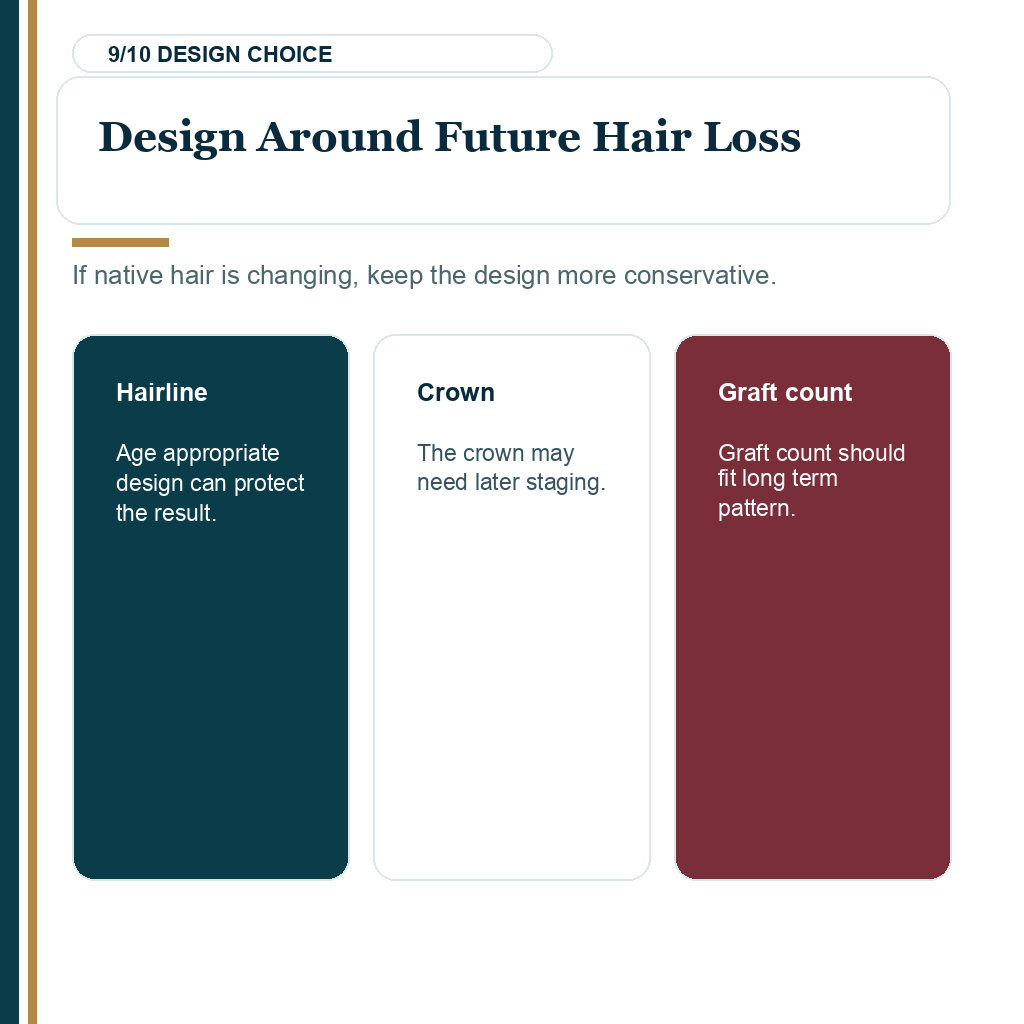
If the native hair is changing, the plan changes. The hairline may need to stay more age appropriate. The crown may need to wait. The graft count may need to respect future loss. The donor area may need to be protected for later stages. Your family hair loss history and the timing of recent shedding matter much more than one isolated supplement question.
Minoxidil changes need the same timing review. A minoxidil shed before hair transplant can make the scalp look worse temporarily, and that can confuse graft planning if the timing is not understood.
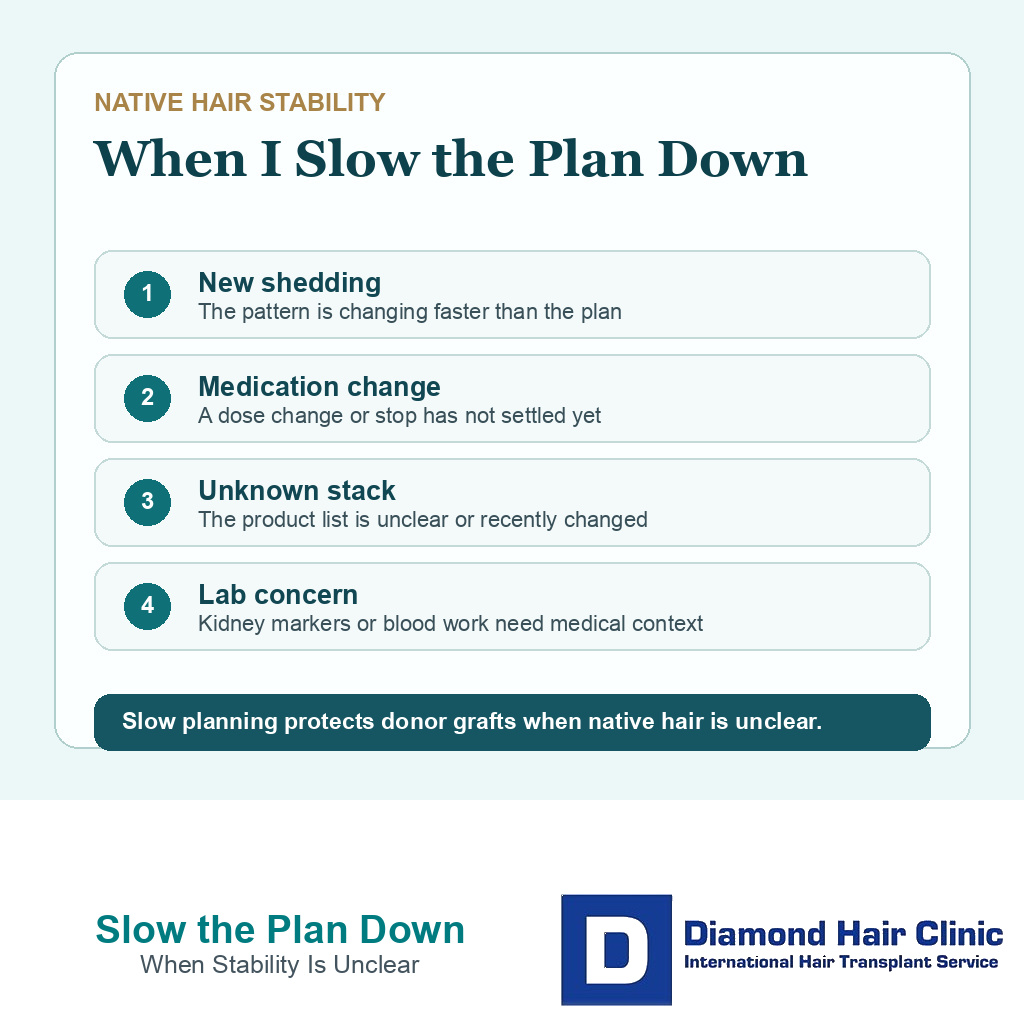
If native hair, medication, training, or blood tests are unstable, slowing the plan is safer than blaming or clearing creatine too quickly.
Creatine is not the main FUE timing issue
Creatine fear should not take over the consultation. Bring the product label, describe your training clearly, show recent photos, and explain any medication changes. If you are seeing real shedding, avoid locking in a transplant date just because you want the anxiety to end.
For many people, the plan is straightforward. Disclose creatine, pause hard training around surgery, keep hydration and sleep steady, and separate recovery timing from long-term native hair planning. If there is active thinning or unsettled medication, the plan needs more review. First make the native hair plan clear, then decide where FUE can help without wasting donor grafts.
Creatine should not become the center of the operation. The useful planning details are clear disclosure, stable hair loss assessment, and a design that still makes sense if the native hair changes later.

Read this review excerpt
Every single one of my questions was answered and they made sure I had all the details I needed to make an informed decision.