


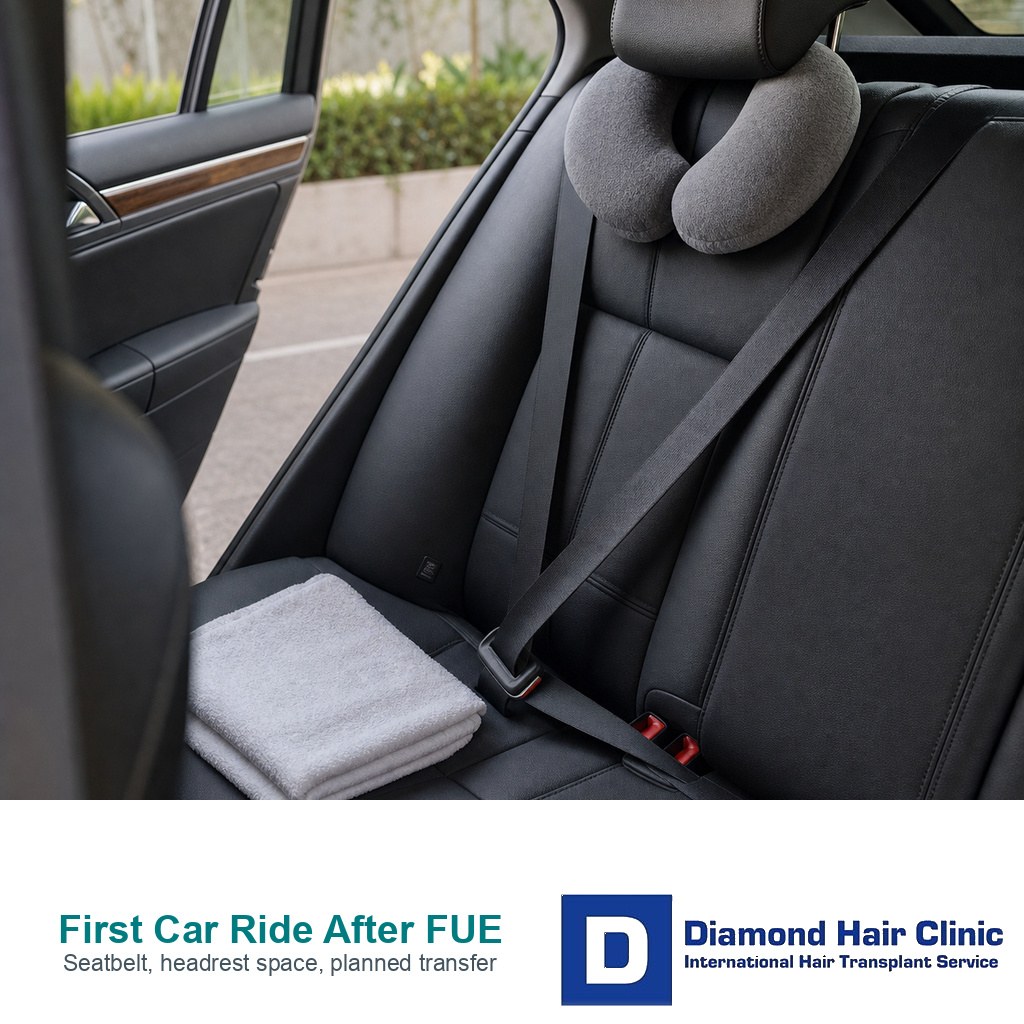
First Car Ride Safety After Surgery
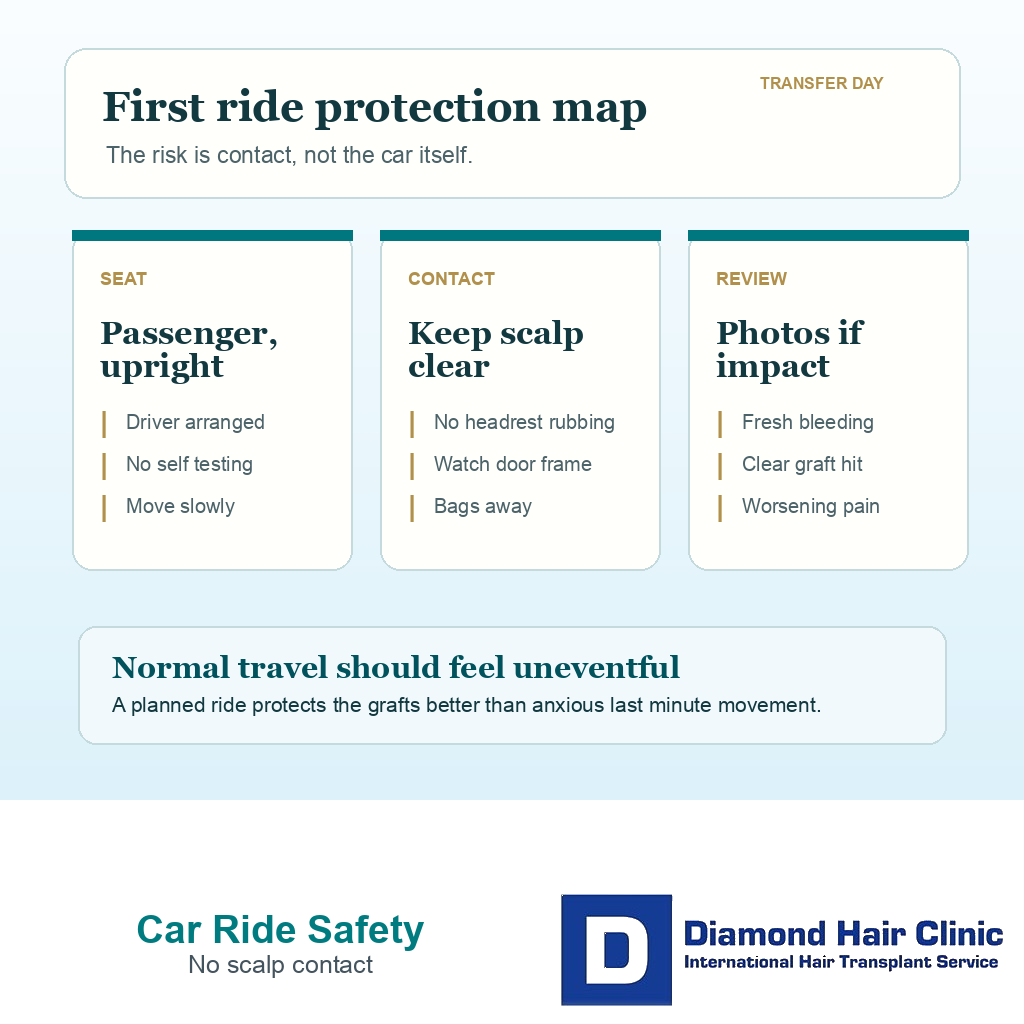
For the first car ride after FUE, safety usually comes from planning, not from avoiding the car. You should be a passenger, sit upright, wear the seatbelt normally, and keep the transplanted area away from the headrest, door frame, hands, bags, and clothing. The seatbelt is not the danger when it is worn correctly. The avoidable problems are rubbing, sudden head contact, dizziness, and trying to organize transport when you are already tired after surgery.
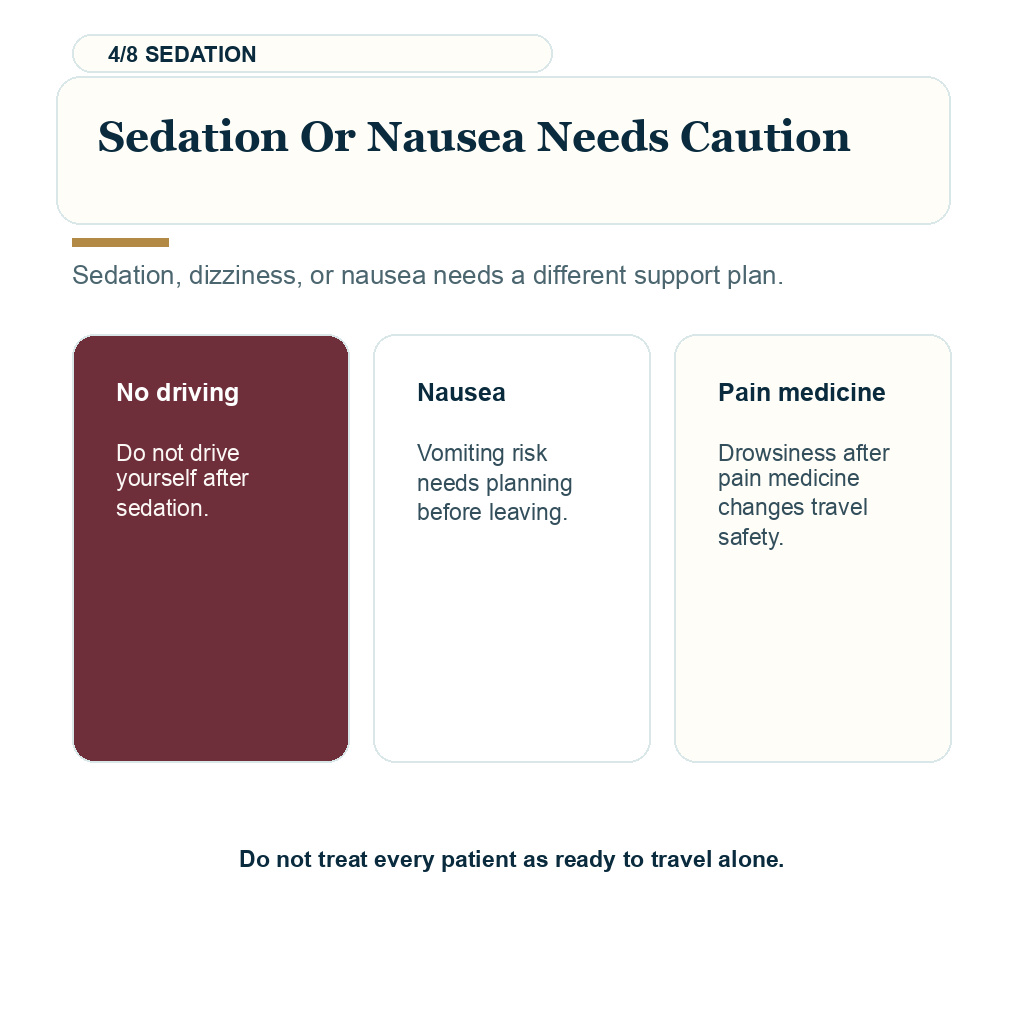
If sedation was used, if you feel lightheaded, or if pain medicine has slowed your reactions, do not drive yourself. Move into the car slowly, let the driver wait while you settle, and use the clinic contact route if you hit the grafted area or see fresh bleeding. The safest first ride is planned before surgery, not improvised afterward.
Decide the safest seat before you leave the clinic. A quiet front passenger seat can be easier than a cramped back seat if it keeps bags, headrests, and door frames away from the scalp.
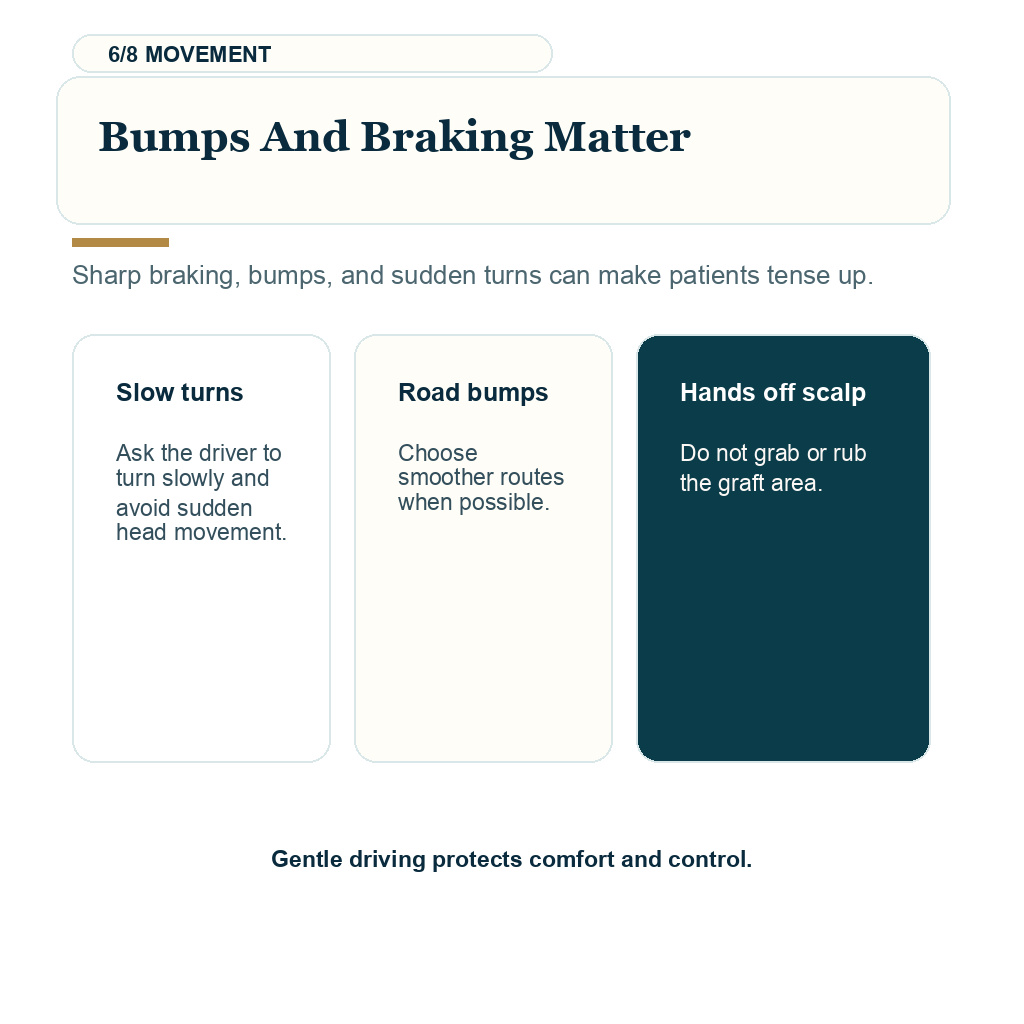
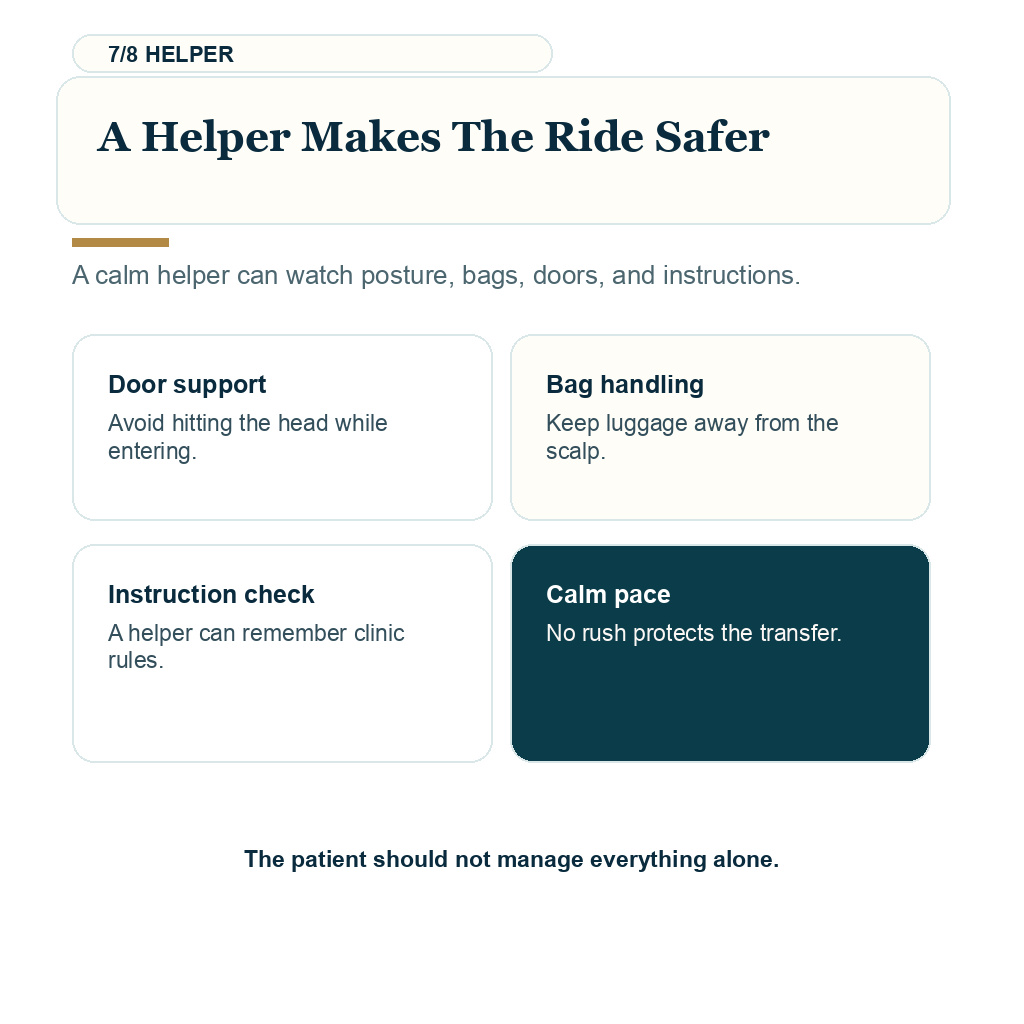
Prepare the seat, bag, and neck pillow before surgery so the first transfer is not a trial run while you are tired. The driver should open doors, manage luggage, and slow down before speed bumps or sharp turns. Position the headrest so it does not drag across the recipient area while your head and neck remain supported in the vehicle.
Transfer safety gate
Which car ride detail needs attention first?
Use this before the first transfer becomes a rushed test outside the clinic.
Use a driver and keep the ride simple. The first transfer is not the moment to prove alertness, especially after a long procedure, pain medicine, or sedation.
The useful order is driver first, then seatbelt, upright position, no headrest pressure, slow entry, and photo review only if there is bleeding or a hard impact.
The first transfer needs planning, not panic
FUE grafts sit in small recipient channels. In the first hours, they need protection from direct rubbing, scratching, pressure, and impact. Normal car motion is rarely the issue by itself. The risk usually comes from leaning the new hairline, temples, or crown into the headrest, brushing the scalp while entering the vehicle, or reacting suddenly when traffic stops.
Most hotel transfers are short. Still, the timing is awkward. The procedure has been long, the scalp may feel numb, the donor area may be bandaged, and your attention is split between instructions, medication, and fatigue. Arrange the return ride before the operation starts.
Graft anchoring becomes stronger over the first postoperative days. That does not mean every vibration is dangerous, and patients should not become anxious about normal movement in a car. The narrow point is contact. Avoid direct contact with the grafted skin on the day of surgery. Protecting grafts in the car is mainly about avoiding contact, not avoiding travel.
Use a driver, not a personal test
Someone else should drive you back. This may be a clinic transfer, hotel driver, taxi, or companion. Even when only local anesthesia was used, a hair transplant day is physically long. You can be tired, hungry, distracted by the bandage, or less aware of how close your scalp is to the seat and door.
I separate this immediate transfer from when you can drive after a hair transplant. You may return to driving later when you are alert, comfortable, and no longer taking medicine that affects reaction time. The immediate ride back to the hotel is not the moment to prove independence.
Sedation makes the rule stricter. It can affect reasoning, coordination, memory, and reaction time even when you feel awake. If sedation was part of your procedure, arrange transport and follow the discharge instructions. If you are travelling alone, solve this before surgery rather than making decisions outside the clinic while tired.
Seatbelt position after a hair transplant
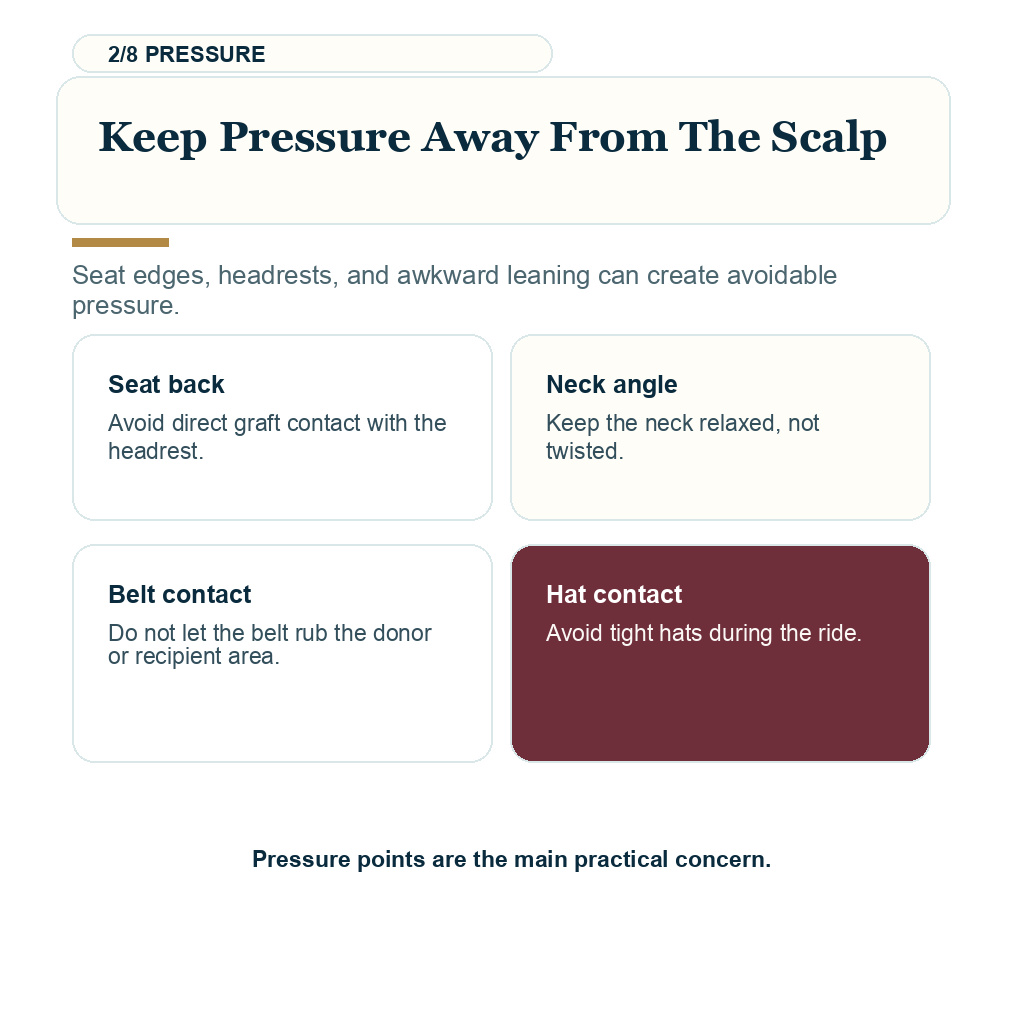
Wear the seatbelt normally. The shoulder belt should cross the shoulder and chest, and the lap belt should sit low across the hips. Do not skip the belt because you are worried about the grafts. A correctly worn belt does not touch the recipient area, and a sudden stop without a seatbelt creates a much larger risk.
Avoid improvised belt positions. Do not place the shoulder belt behind your back, under your arm, or loose in your hand. These positions reduce protection and can make your body move unpredictably if the car brakes sharply.
When the belt irritates the neck or donor bandage, adjust the seat height, sit a little more upright, or change the vehicle position. The answer is not to travel unbelted. A controlled, belted ride protects both the patient and the surgical result.
Headrest contact and scalp pressure
The headrest is easy to underestimate because it feels soft. After FUE, softness is not enough if the same area is being pressed or dragged. Sit upright or slightly forward so the transplanted hairline, temples, or crown do not rest against the seat.
A soft neck pillow after a hair transplant can help when it supports the neck without pushing the scalp backward. It becomes a problem if it slides upward and transfers pressure onto the grafts. During sleep, support the neck and posture, not the recipient area.
Do not keep checking the grafts with your fingers during the ride. A numb scalp can make light touching feel harmless. If you need to inspect the area, wait until the car is stopped and use the phone camera instead of rubbing or pressing the skin.
Door frames, bags, and car entry matter most
Many early knocks happen while getting into or out of the car, not while sitting still. Open the door fully, look at the upper frame, and lower yourself into the seat slowly. When needed, use one hand to check the door frame above you before your scalp reaches it. Do not place that hand on the grafts. For a low or narrow car, have the driver wait. A few extra seconds are better than bending quickly and clipping the transplanted area on the frame.
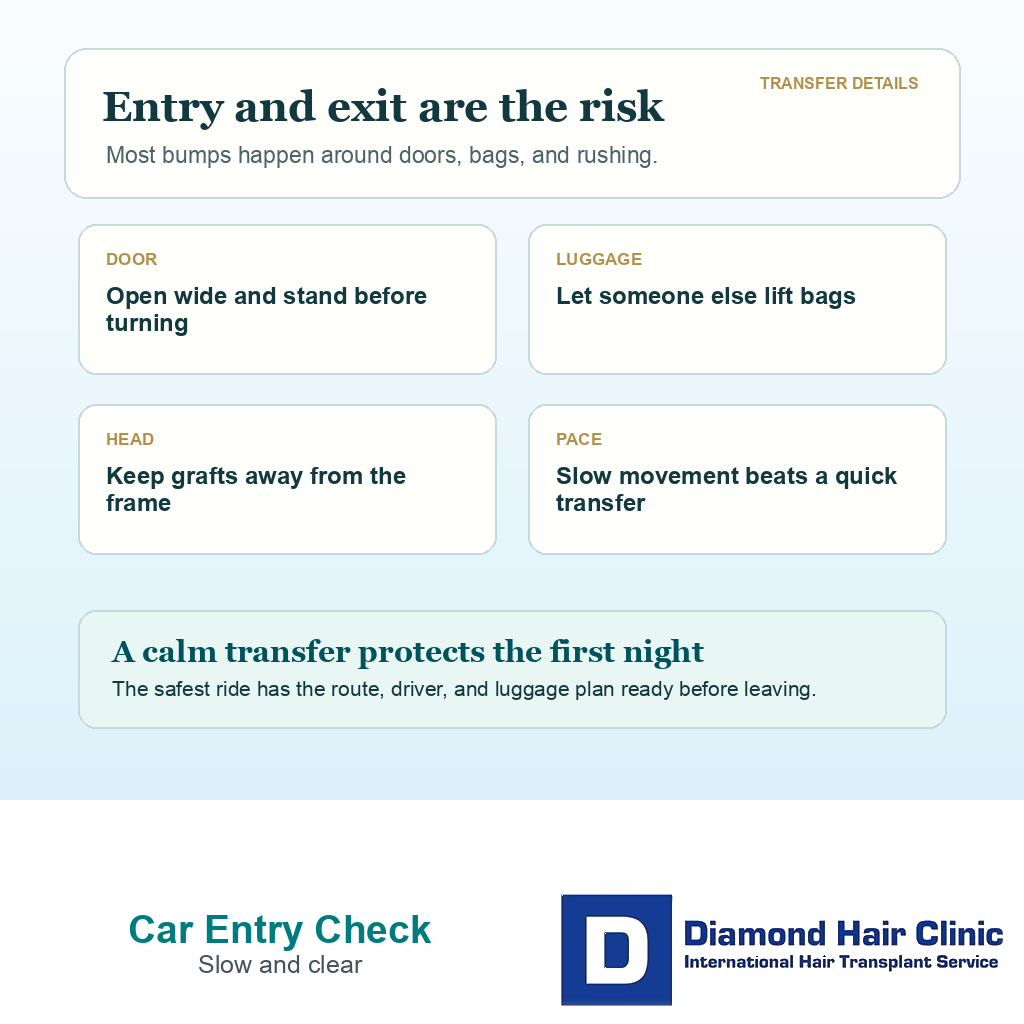
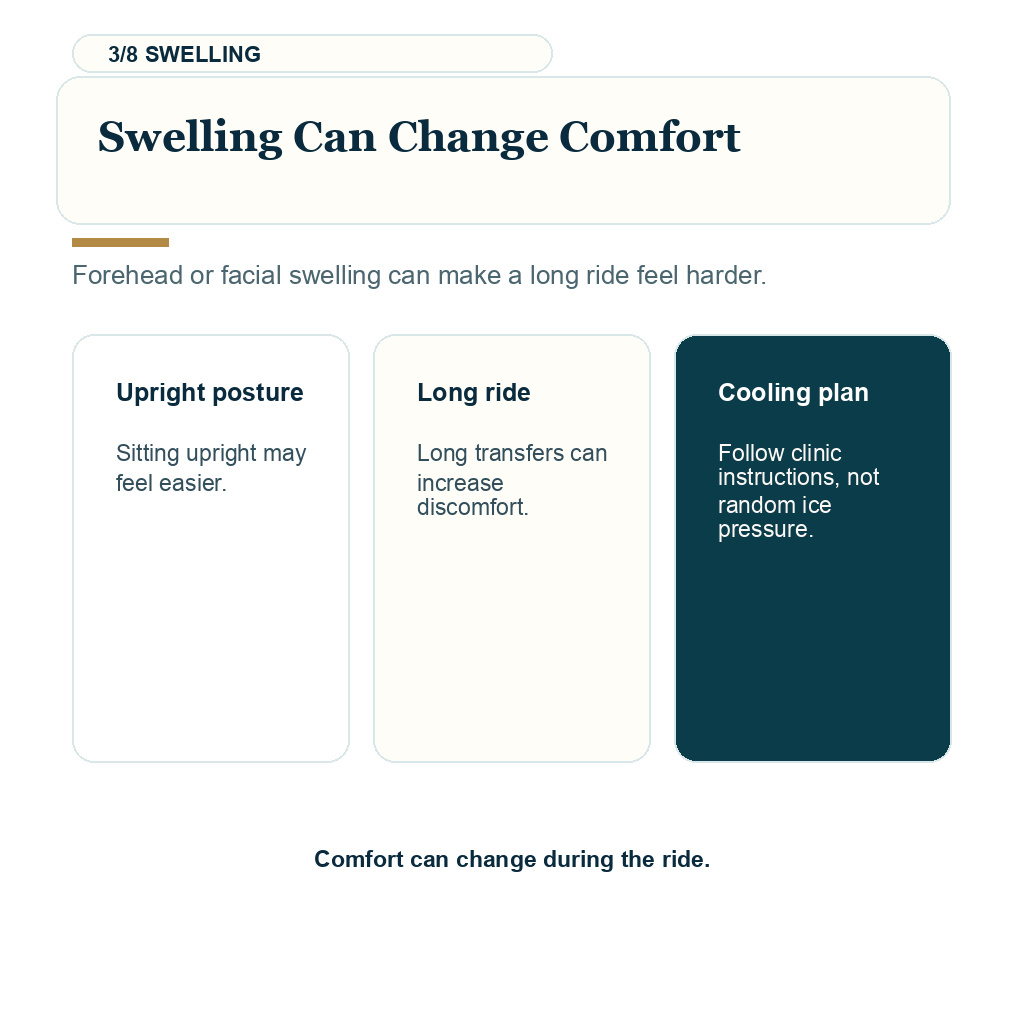
Keep your phone, passport, bag, medication instructions, and postoperative kit where they do not force you to bend down repeatedly. Leave fallen items for someone else to pick up. Bending sharply can also make facial swelling feel worse during the early recovery period.
Before the car moves, pause. Check that the donor bandage feels comfortable, the seatbelt is placed correctly, the recipient area is not touching the headrest, and your hands are not resting near the grafts. This quiet check prevents most avoidable problems.
Bump concerns that need photo review
A light brush against the headrest is different from a hard impact against the door frame. That same distinction matters in the broader guide to a bumped head after a hair transplant. If the recipient area is hit, do not rub it to test for damage. Sit still, look for fresh bleeding, visible graft movement, a scrape, or a new gap in the placement pattern.
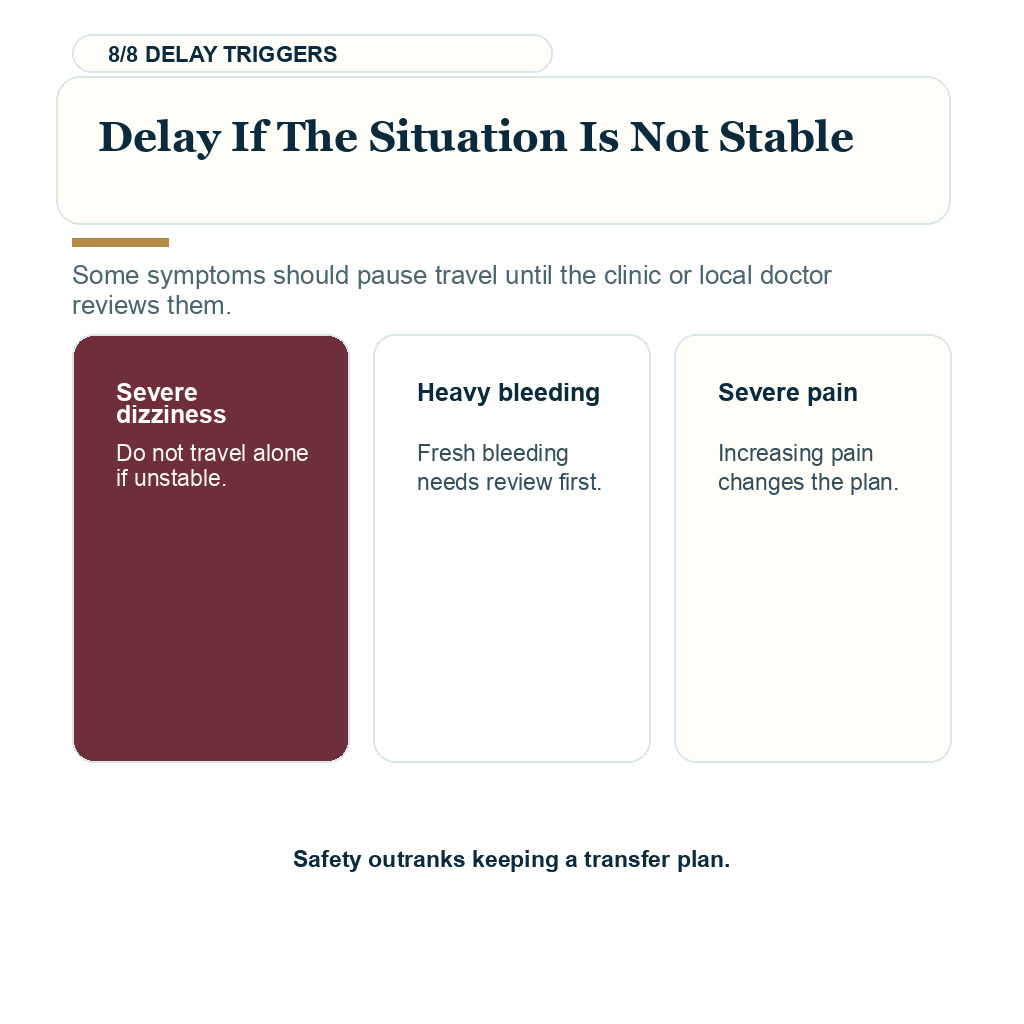
Fresh bleeding deserves a message to the clinic, especially after direct contact. A small blood spot can happen after surgery, but the context matters. This is also true for bleeding after a hair transplant. Follow only the pressure or wound instruction your clinic has given and send clear photos instead of guessing.
Photos should be sharp, close enough to show the area, and taken under good light. Include one wider image so the clinic can understand the location. If a graft seems displaced, save it only if your clinic has already told you how. Otherwise, photograph the area and contact the clinic immediately.
Sedation, dizziness, and medicine can change the route
Do not treat the transfer plan as fixed if your condition changes. If you feel faint, nauseated, unusually sleepy, or unsteady while standing near the car, sit down and tell the team or driver. Reaching the hotel quickly is less important than leaving the clinic safely.
The effect of pain medicine after a hair transplant varies from patient to patient. The surgical side of sedation during a hair transplant also needs individual discharge instructions. For the first car ride, keep the rule simple. Do not drive when sedation, dizziness, fatigue, nausea, or medicine may affect alertness.
If you are prone to fainting, mention it before leaving. The clinic’s guidance on fainting and dizziness after hair transplant matters here because hydration, food timing, medication, and standing up slowly can all change how you feel during the first transfer.
Hotel transfer planning before surgery
Plan the ride before the procedure begins. Know who will call the driver, where the car will stop, how long the ride usually takes, and whether the hotel entrance has stairs, a crowded lobby, or a long walk from where the car stops. After surgery, you should not be standing outside trying to solve logistics while tired.
If you are coming to Turkey alone, those details matter even more. Diamond Hair Clinic’s guidance for travelling alone for a hair transplant in Turkey explains why transfer timing, hotel distance, luggage, and help at arrival can matter more after surgery than before it.
Public transport can mean crowds, sudden braking, overhead handles, and accidental contact. A taxi or arranged transfer is usually more controlled for the first return to the hotel. If public transport is unavoidable, avoid rush hour, keep your head away from contact, and sit where you are least likely to be bumped.
The ride sets up the first night
The habits you use in the car continue at the hotel. Sit upright, move slowly, avoid bending forward, and keep the grafts away from pillows, towels, and chair backs. The transfer is not separate from the first night. It is the first part of the same protective routine, and it sets the standard for leaving the hotel after a hair transplant later. Short, useful movement is different from tourism, crowds, heat, or carrying bags.
For the hotel bed setup, borrow the setup advice from first night after a hair transplant and sleep after a hair transplant. Stay upright enough to reduce rubbing, and keep the setup simple enough to follow when you are tired.
swelling after hair transplant can also begin to move during the early days. Sitting upright during the ride will not remove swelling risk, but it avoids making the first evening harder.
Before leaving the clinic, confirm the practical details
Before you leave, make sure you understand the first night instructions, emergency contact route, medication timing, and what to do if there is bleeding or contact with the grafts. Ask while the team is still in front of you. It is much harder to remember small details after arriving at the hotel tired.
Keep water, a light snack if allowed, tissues, medication instructions, and your phone within easy reach. If airport security or a flight is coming soon, do not mix that plan with the first transfer. Use the car ride to get safely to the hotel first. Flying after a hair transplant is a separate travel step.
The general hair transplant recovery instructions should stay with you, but the car ride has its own simple plan. Arrange the driver, wear the seatbelt, avoid the headrest, watch the door frame, and keep the clinic contact ready.
Use the 8 first car ride slides below to separate position, pressure, seatbelt contact, swelling, nausea or sedation, route timing, and delay triggers. Swipe sideways, use the arrows, or choose a number below the image.
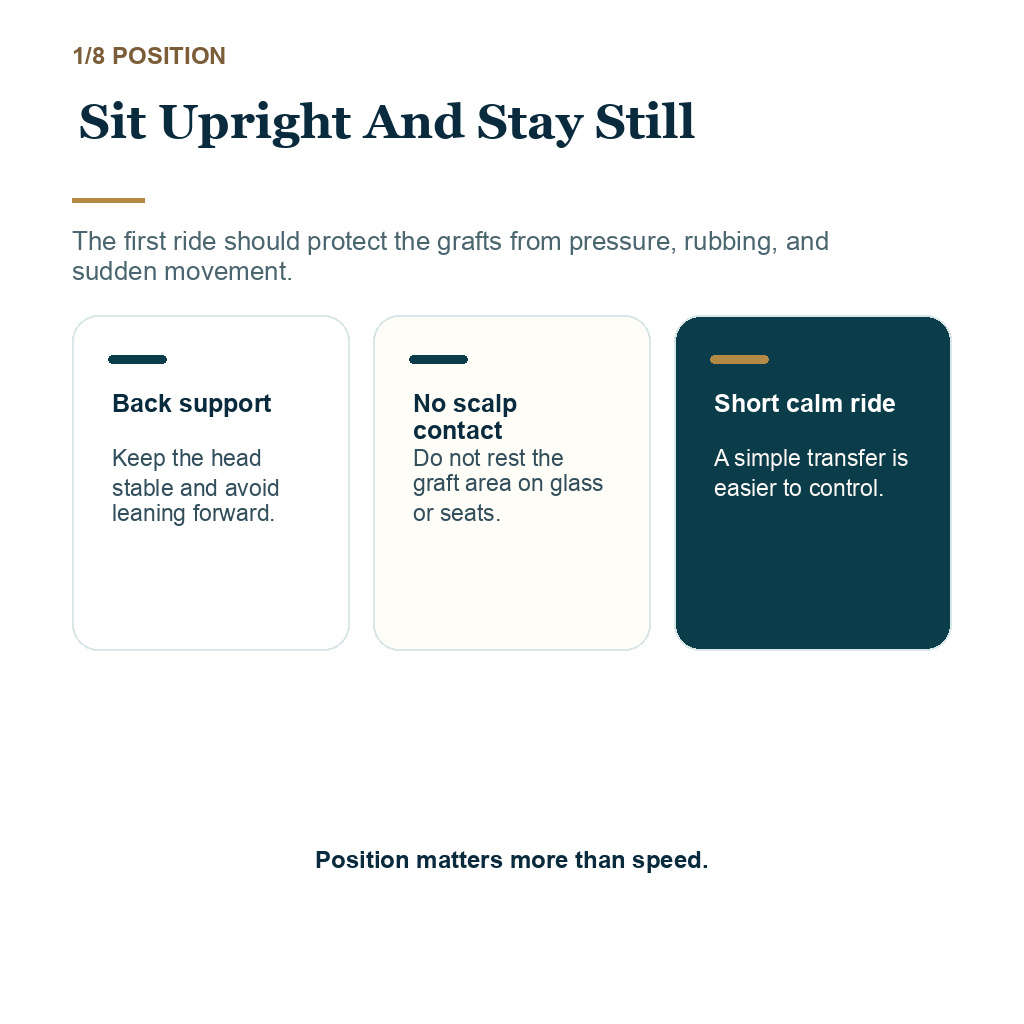

Make the ride ordinary
The first car ride should be planned before you leave the clinic. Sit upright, wear the seatbelt, keep the grafts away from the headrest, move slowly getting in and out, and do not drive if sedation, dizziness, fatigue, or strong medicine could affect you.
If the grafts are touched, do one controlled check. If there is bleeding, a hard impact, or concern that a graft moved, share one steady photo set with the clinic. Repeated checking and touching can create more trouble than the ride itself.
Before the car moves, settle the seatbelt, headrest clearance, bags, and driver instructions once. If the recipient area receives a hard impact or starts bleeding, wait until the car is safely stopped, take a clear photograph without touching the grafts, and contact the clinic.
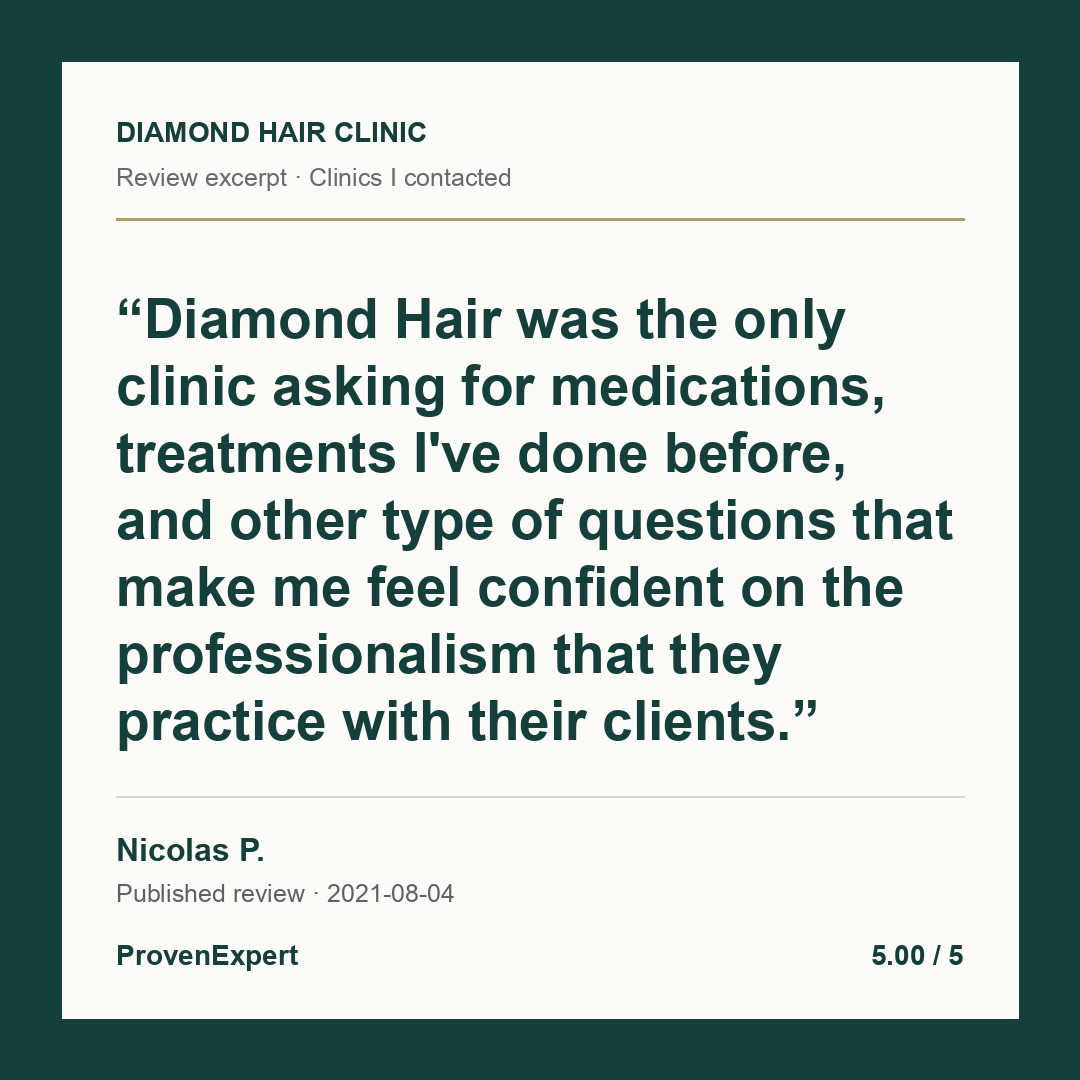
Read this review excerpt
Diamond Hair was the only clinic asking for medications, treatments I've done before, and other type of questions that make me feel confident on the professionalism that they practice with their clients.