




Bleeding after a bump does not always mean graft loss
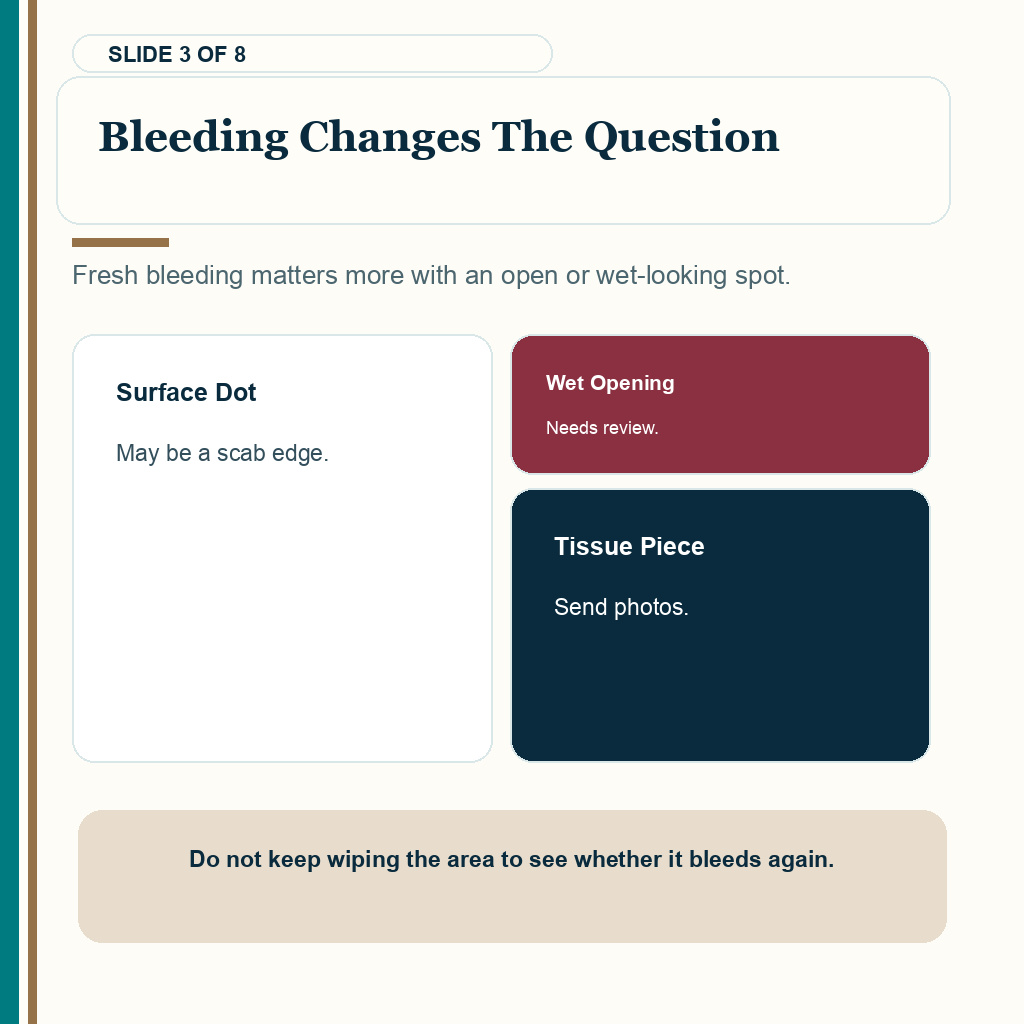
Bleeding raises concern, but it does not prove graft loss by itself. A tiny surface bleed can come from a scab edge or irritated skin. A true dislodged graft is more concerning when fresh bleeding appears together with a small piece of tissue, a wet hole, or a spot that looks open compared with the surrounding grafts.
Many people see a hair shaft, a dark scab, or a tiny crust and imagine the whole follicle has been pulled out. That is not always what happened. What a lost graft can look like explains why a visible hair inside a scab is different from a graft with tissue and bleeding.
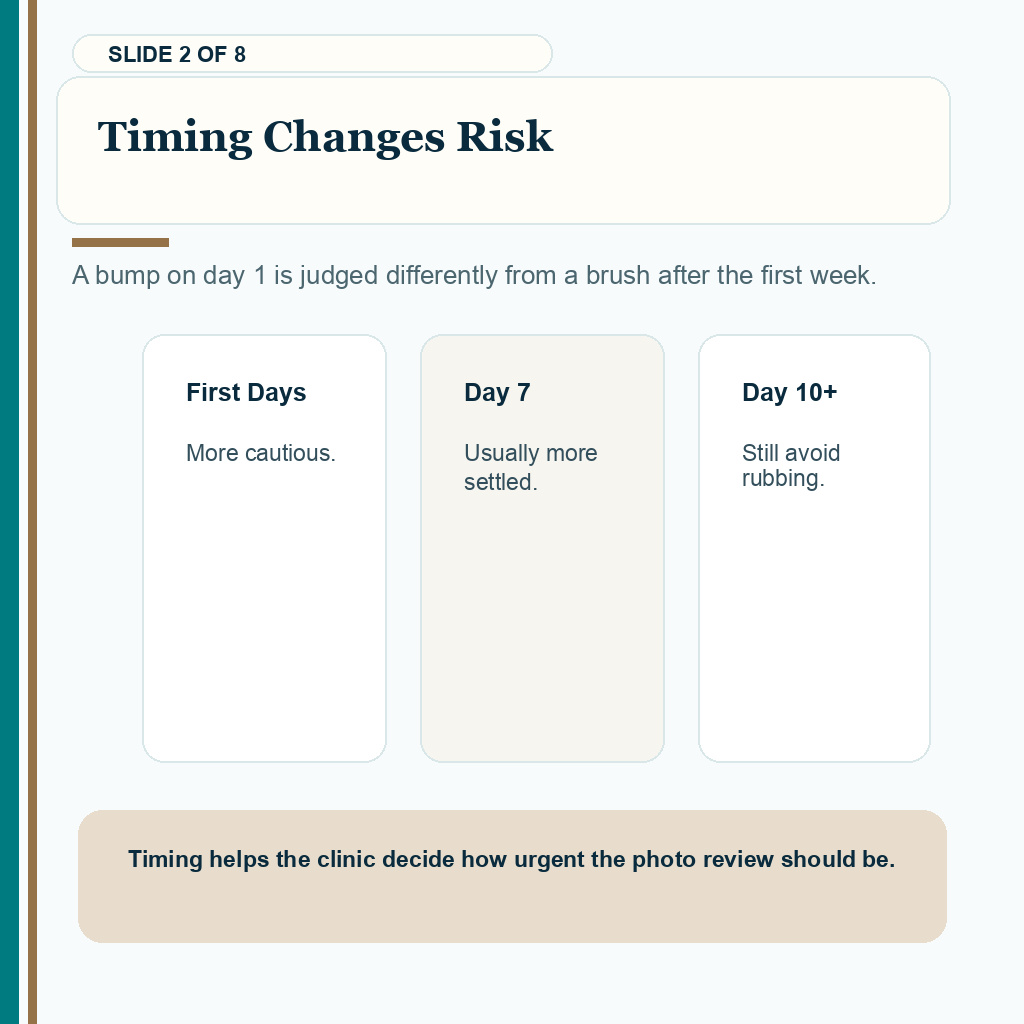
In the first two or three days, bleeding after impact matters more because the grafts are still settling. Around day 7, the same light contact is less worrying, although rubbing and picking are still wrong. Around day 10 to 14, grafts are much more secure, but the skin can still become irritated by force.
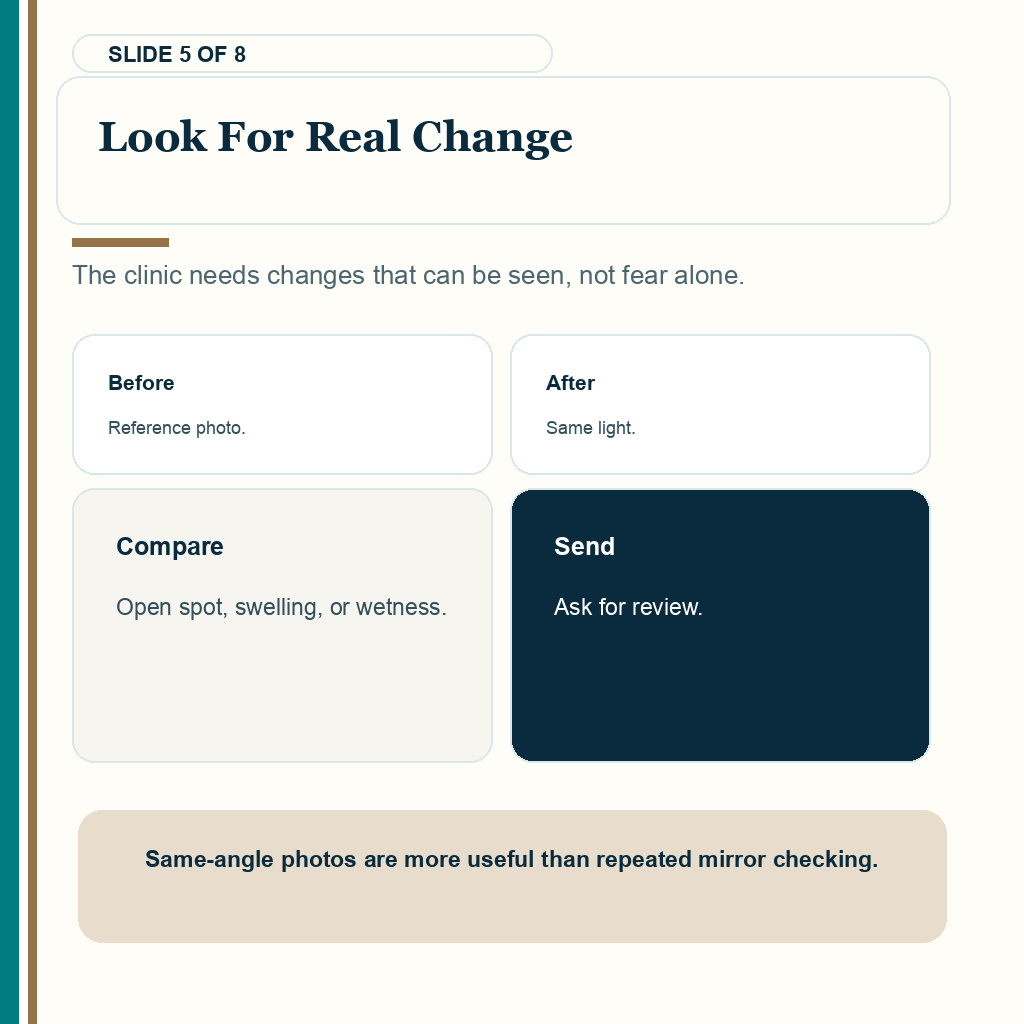
The decision is made from the whole picture. When did it happen? How hard was the hit? Was there rubbing afterward? Did the area open? Does the spot now look different?
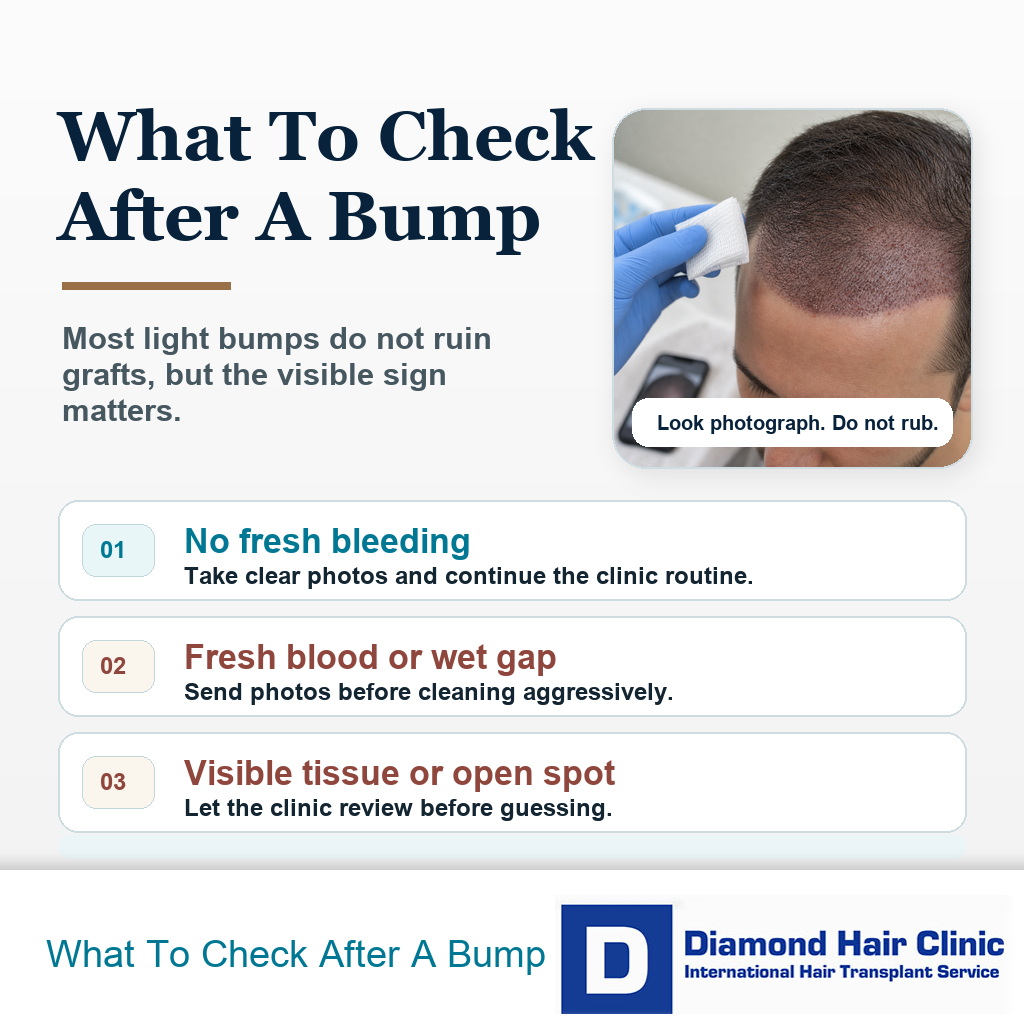
Fresh bleeding, displaced tissue, or worsening pain deserves review. Fear alone is not the finding I use to judge the grafts.
Timing after surgery changes the risk
Timing changes almost everything. A bump on the night of surgery is not the same as a bump two weeks later. In the first days, grafts are more exposed, crusts are forming, and you are still learning how to move, sleep, wash, and protect the scalp.
By day 3, many grafts are more stable than they were immediately after placement, but I still treat the area gently. By day 7, accidental light contact is less frightening than day 1. By day 10 to 14, careful washing and crust removal become much safer when done correctly.
That does not give permission to bump, rub, or test the area. It only means I interpret the same event differently. A fresh impact with bleeding on day 1 needs faster contact with the clinic than a light knock on day 15 with unchanged skin.
Crusting changes the risk too. A loose hair shaft inside a dry scab is one thing. Pulling an attached crust after a bump is different because it can drag on healing skin.
If the head injury itself creates warning symptoms, such as severe headache, confusion, vomiting, fainting, or a need for urgent imaging, medical safety comes first. If medical imaging is needed, MRI or CT scan after hair transplant planning should focus on urgent symptoms while keeping the scalp handled gently.
The difference between a lost graft and a hair in a scab
A true graft loss usually looks more like a small piece of tissue with bleeding than a dry hair inside a scab. The living part of the graft is not only the visible hair. A hair shaft can shed while the follicle remains under the skin.
A white bulb or short hair attached to a crust can look alarming. Often, it is not the same as losing the graft. The follicle can still be in place even when the hair shaft comes away during normal shedding or crust removal.
The detail I watch is whether the spot is wet, open, bleeding, or suddenly empty compared with nearby grafts. If you can point to one obvious opening after an impact, photos are important. If there are many small dry scabs that look unchanged, the concern is lower.
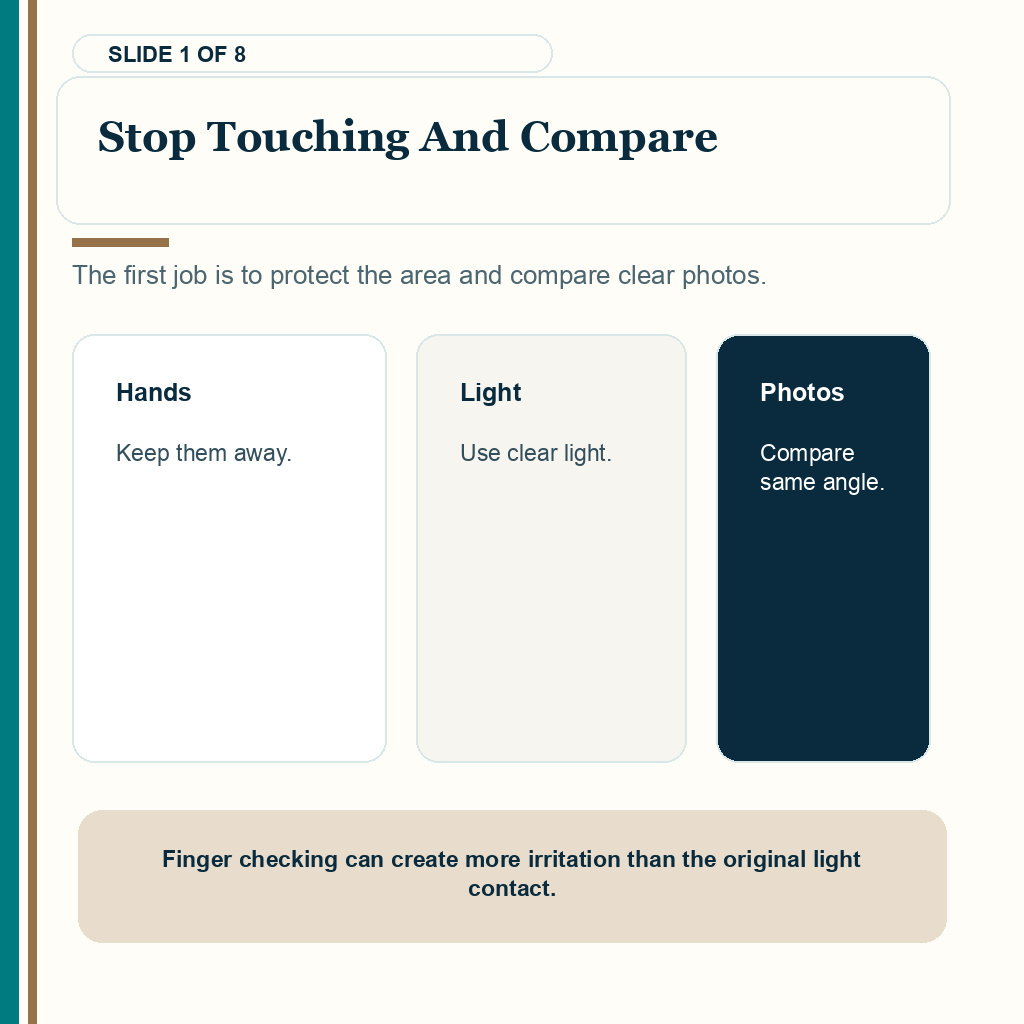
Do not pull at nearby hairs to compare them. That creates a new problem. One small bump can become repeated trauma if you keep checking the same spot.
Later shedding does not prove the bump ruined the grafts
Later shedding from the bumped area does not prove that the grafts were lost. A small area can shed earlier because of crust movement, local irritation, or normal shock shedding that becomes more noticeable once you keep watching that spot.
The moment of impact matters more than the shedding you notice later. No fresh bleeding, no open wound, and no visible tissue at the time of the bump make true graft loss less likely. A later dry scab with hair inside it is not the same as a graft being pulled out on the day of the accident.
If the area later looks patchy, compare it with steady photos and send the clinic a clear update. Do not rub the area to test whether more hairs come out. Follow the area over time rather than turning the first weeks into repeated checking.
Cleaning the area or removing a scab needs clinic guidance
If the bump caused a small blood spot, cleaning should follow the clinic’s instructions. Avoid scrubbing the recipient area, using alcohol, applying random antiseptic creams, or trying to remove a scab because it looks uneven.
Foam, water flow, finger pressure, and drying technique all matter after FUE. After a bump, those details matter even more because fear can make you use too much pressure without noticing.
If there is active bleeding, the clinic may give specific instructions. If there is no bleeding and only a dry scab, it is often better to leave the area alone and continue washing when the timing is right. Picking a scab early can create more harm than the original bump.
Products should not be improvised. Perfumed oils, harsh shampoos, strong antiseptics, alcohol wipes, and home remedies can irritate the skin. The recipient area needs protection, not experimentation.
Urgent reasons to contact the clinic
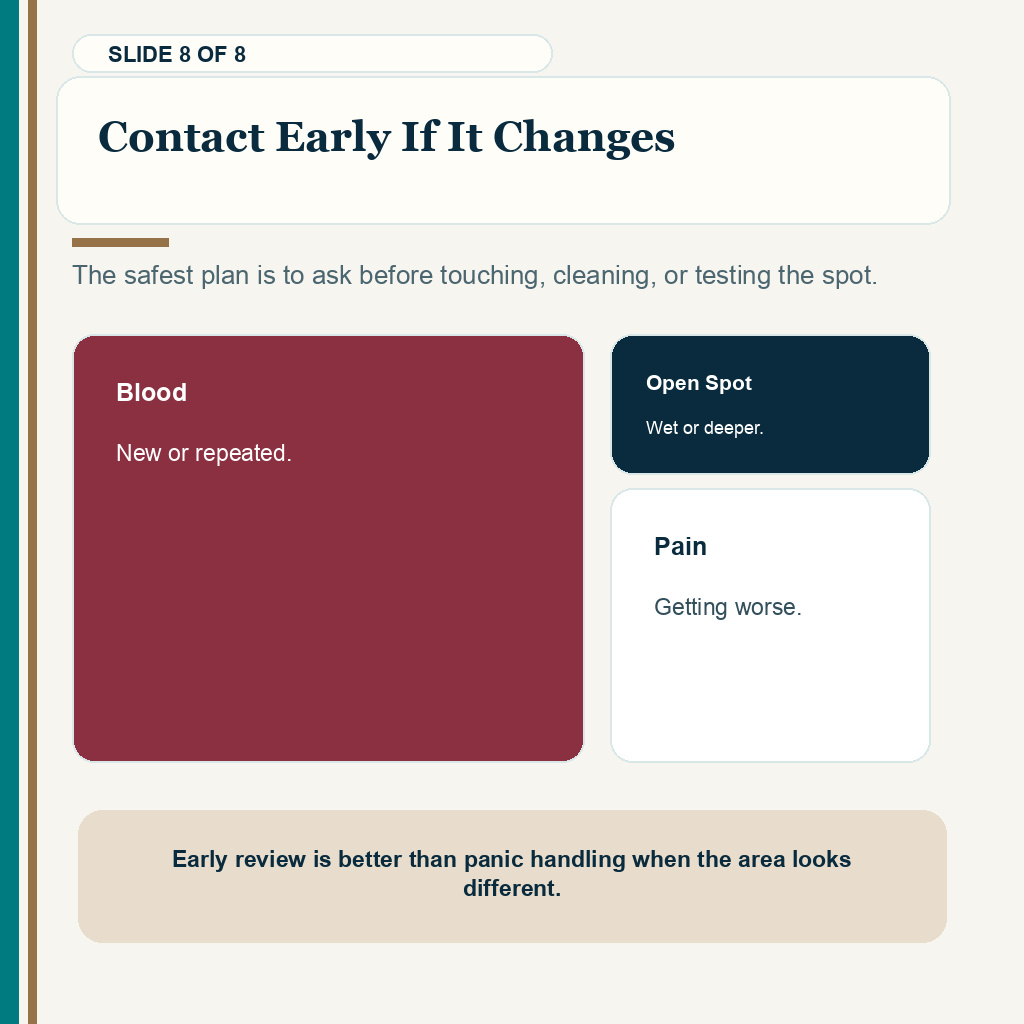
Ask for clinic review quickly if the bump caused fresh bleeding in the recipient area, a visible gap, a piece of tissue that may be a graft, worsening pain, spreading hot redness, pus, bad smell, fever, or swelling that feels unusual for your stage of recovery.
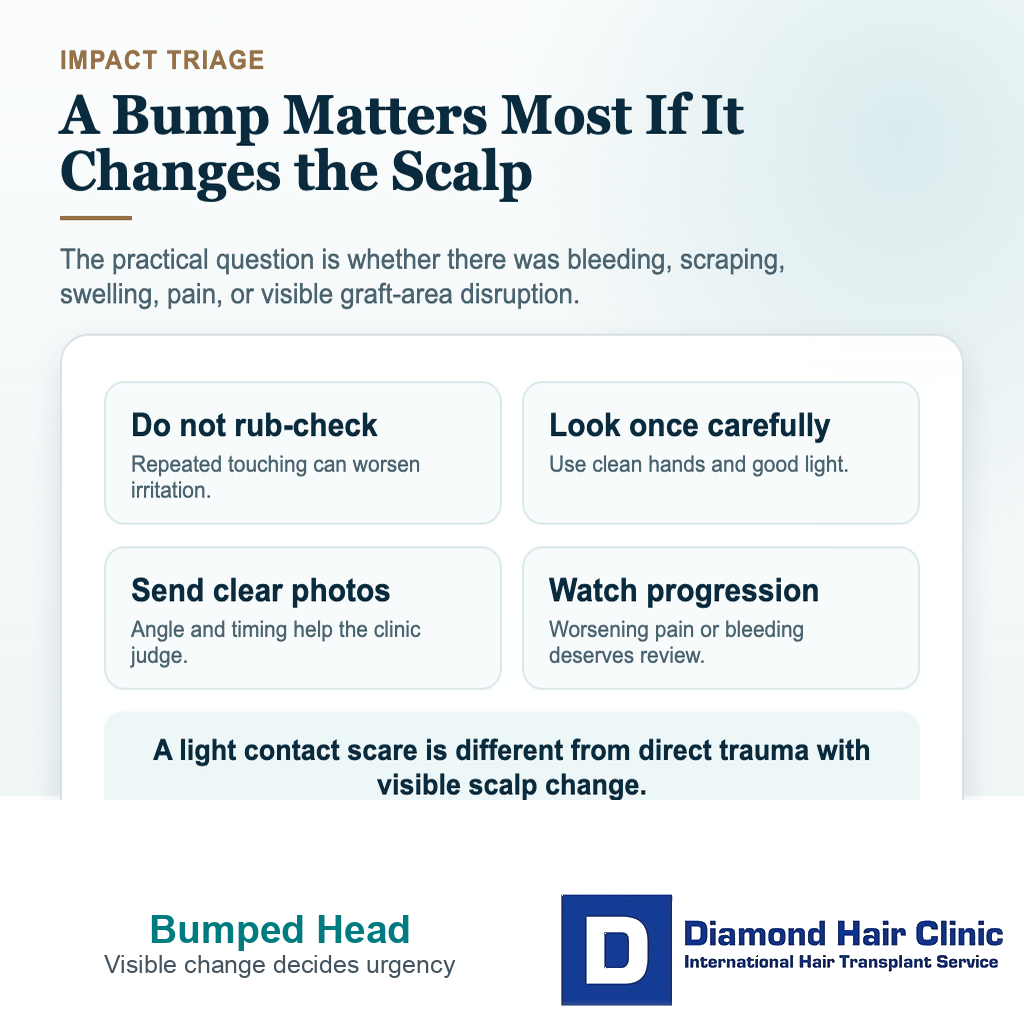
The same applies if you cannot tell what you are seeing. A clear photo can prevent unnecessary panic and can also catch a real wound problem early. Do not clean aggressively, scratch, or wait silently while the area is getting worse.
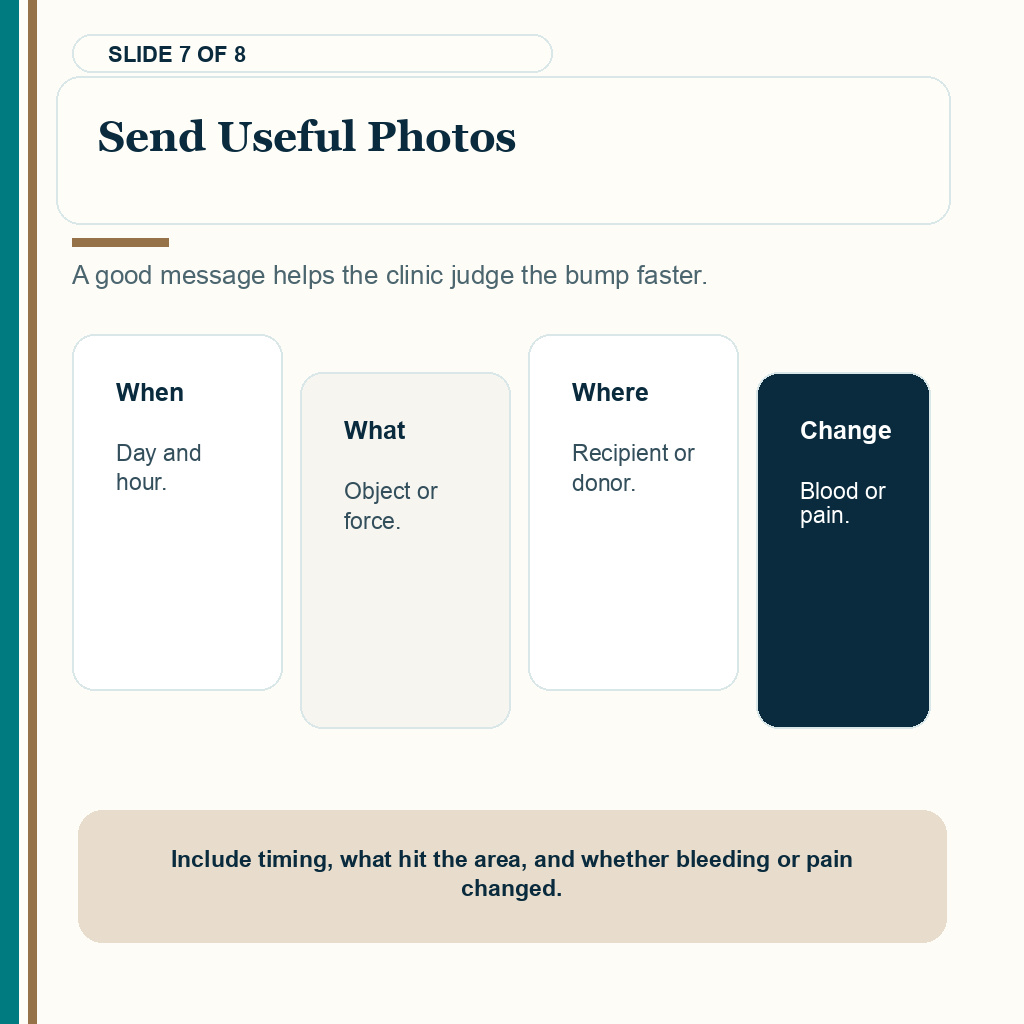
The first message should be factual. Say when the bump happened, what hit the scalp, where it hit, whether there was bleeding, whether there is pain or swelling, and what you have done since.
A recovery system is weak when there is no clear way to review the area or give aftercare advice. Surgery does not finish when the grafts are placed. Early aftercare is part of protecting the result.
Ways to reduce another bump during early recovery
Most early accidents happen during ordinary life. A car door during the first hotel transfer after FUE, shower handle, cabinet, pillow, child’s hand, towel, hat, or rushed airport movement can hit the grafted area. You may be very careful on surgery day, then relax too early at home. If the risk is a toddler’s hand, toy, or bedtime accident, caring for children after hair transplant surgery helps you set boundaries before the bump happens.
If you were wearing a bandana, scarf, or loose wrap when the bump happened, describe both the hit and the fabric contact. The wrap may slide when it is removed, so do not pull it across the grafted area to inspect the spot. Loosen it carefully, take clear photos, and ask the clinic if there was bleeding, dragging, or a visible change.
Good early hair transplant aftercare reduces these everyday risks. Move slower than normal. Keep your head away from low shelves, door frames, and car frames. Do not bend quickly under a cabinet. Avoid crowded places where someone may brush the scalp.
Sleep is another common source of accidental pressure. Position and pillow setup matter during the first nights. Turning face down or sliding against a pillow can create rubbing without you fully waking.
Headwear also needs timing. A loose, clean hat approved by the clinic may help later, but tight pressure early can be risky. The same idea applies to wearing a hat after a hair transplant and especially to wearing a helmet after a hair transplant, where pressure and friction are stronger.

The first days are the most delicate. After that, risk falls gradually, but the scalp still needs protection until crusts are gone.
A bump can raise concern about hair direction or a bald patch
A light bump without bleeding does not normally change hair direction. Hair direction is created during recipient area planning and incision angle. A later minor knock does not rotate seated grafts into a new direction.
A strong early impact is different if it dislodges grafts, opens the skin, or creates repeated rubbing in one area. Then the concern is not direction alone. The concern is whether some grafts were lost or whether healing in that spot becomes weaker.
Even then, one small spot should not be judged immediately. Redness, scabbing, swelling, and uneven crusting can make the area look worse than it is. Document it, let the clinic review it, and then follow growth over time.
A small gap seen in the first week is not the same as a final bald patch. The scalp is healing, hair shafts may shed, and the visual pattern can change many times before the final result is clear.
Clinic review points after a bump concern
The clinic should not dismiss you with one generic sentence. It should ask when the accident happened, whether there was bleeding, where the impact occurred, what the photos show, and whether there are warning signs. The advice should match the scalp, not the speed of the conversation.
A busy clinic may oversimplify the issue because aftercare takes time. Reassurance only helps when someone has actually looked at the timing, photos, symptoms, and location of the impact.
Direct surgeon involvement matters after surgery as much as before surgery. Possible graft trauma needs medically responsible guidance, especially in the first days. If a clinic cannot explain what would worry them and what would not, you are left to search online and touch the scalp repeatedly.
Good aftercare does not mean every bump becomes an emergency. It means you know what to photograph, what to avoid, what signs require review, and when normal healing can continue.
Closed skin and open skin are different events
A light bump with closed skin, no fresh bleeding, and stable photos is a different problem from a hit that opens the skin or moves tissue. Early scabs, redness, shedding, and uneven healing can make the area look uncertain, so the first question is whether there was real trauma to the grafted skin.
Try not to turn the accident into daily inspection. Repeated checking creates more stress and more contact with the grafted area. Judging a hair transplant too early can make one frightening moment color every later change.
Use photos in a controlled way. Take the images your clinic requests, then compare at sensible intervals. Tracking growth does not mean inspecting the area every hour.
If the skin stayed closed and the photos remain stable, the chance of a serious graft problem is low. If the bump caused bleeding, an open spot, visible tissue, or worsening pain, protect the area from more contact and have it reviewed quickly. Online comparison photos cannot show whether a graft was physically displaced.
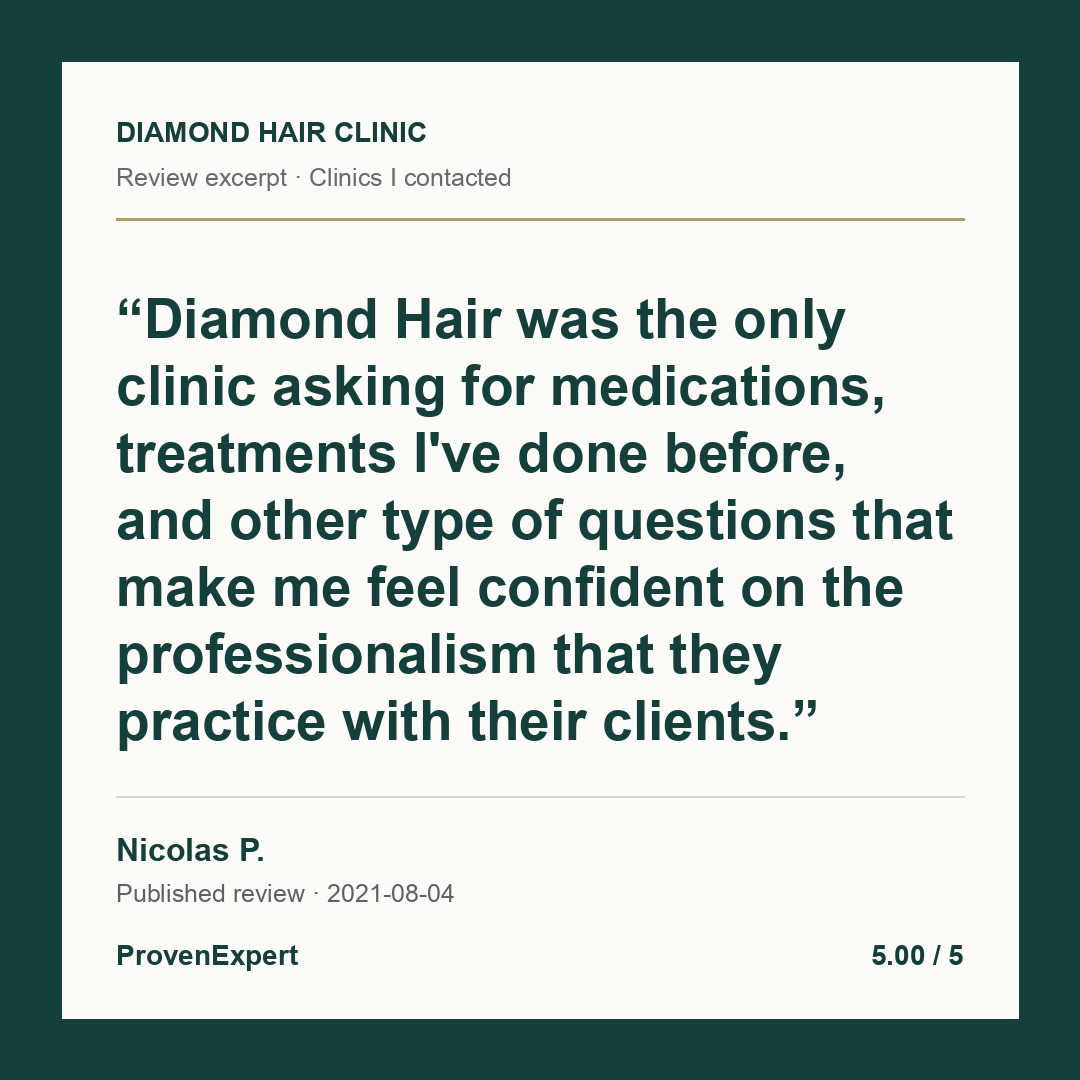
Read this review excerpt
Diamond Hair was the only clinic asking for medications, treatments I've done before, and other type of questions that make me feel confident on the professionalism that they practice with their clients.