



Did I Damage My Grafts by Sleeping on Them?
If you slept on your grafts after a hair transplant, the first step is not to touch the area. A brief pillow brush or accidental roll is judged very differently from rubbing, hours of pressure, fresh bleeding, visible tissue with hair attached, increasing pain, or a new dent in the recipient area.
Most brief sleep contact scares do not ruin a transplant. I worry less when the grafted area looks unchanged, there is no fresh blood, no new swelling, no new scraped patch, and nothing on the pillow that looks like a graft. I worry more when you woke with blood, rubbed the area, found a small tissue and hair piece, felt new pain, or kept pressure on the recipient area for a long time. If a dog or cat shares the bed, pet contact after a hair transplant adds fur, claws, licking, and pressure to the same early night risk.
Check the pillow or sheet before touching the scalp. Fresh blood, scraped skin, or a visible change in the recipient area matters more than the fear that you rolled over during sleep.
If you wake on the graft side, do not keep rubbing the area to inspect it. Use one clear photo set, check the pillow for fresh blood, and send the clinic the facts before touching the grafts again.
Sleeping on grafts needs context
People use this phrase for very different situations. One person rolled slightly toward one side for a few minutes. Another pressed the transplanted hairline into a pillow. Someone else woke up face down, rubbed the recipient area against bedding, or found blood on the pillow. These are not the same event.
A light contact episode is lower concern if the scalp looks the same afterward. Early grafts are delicate, but they are not sitting loose on top of the skin like dust. The first night after a hair transplant and the first 48 hours deserve the lowest threshold for photo review because the surface is still very fresh. The exact day matters because night one is different from a light brush after the grafts have had more time to anchor. If you are trying to understand that timing, when hair transplant grafts become secure explains why day 1 and day 10 are not judged the same way.
The risk rises when contact becomes friction, pressure, or trauma. Fear can also make the situation worse, because repeated touching and testing may create more irritation than the original sleep movement.
Do not turn one accidental contact into repeated manual checking. If you need reassurance, use clear photos and a short message to the clinic. The broader sleep setup is covered in sleep after hair transplant, but this page focuses on the moment after you wake up and fear you made a mistake.
Brief pillow contact is usually lower concern
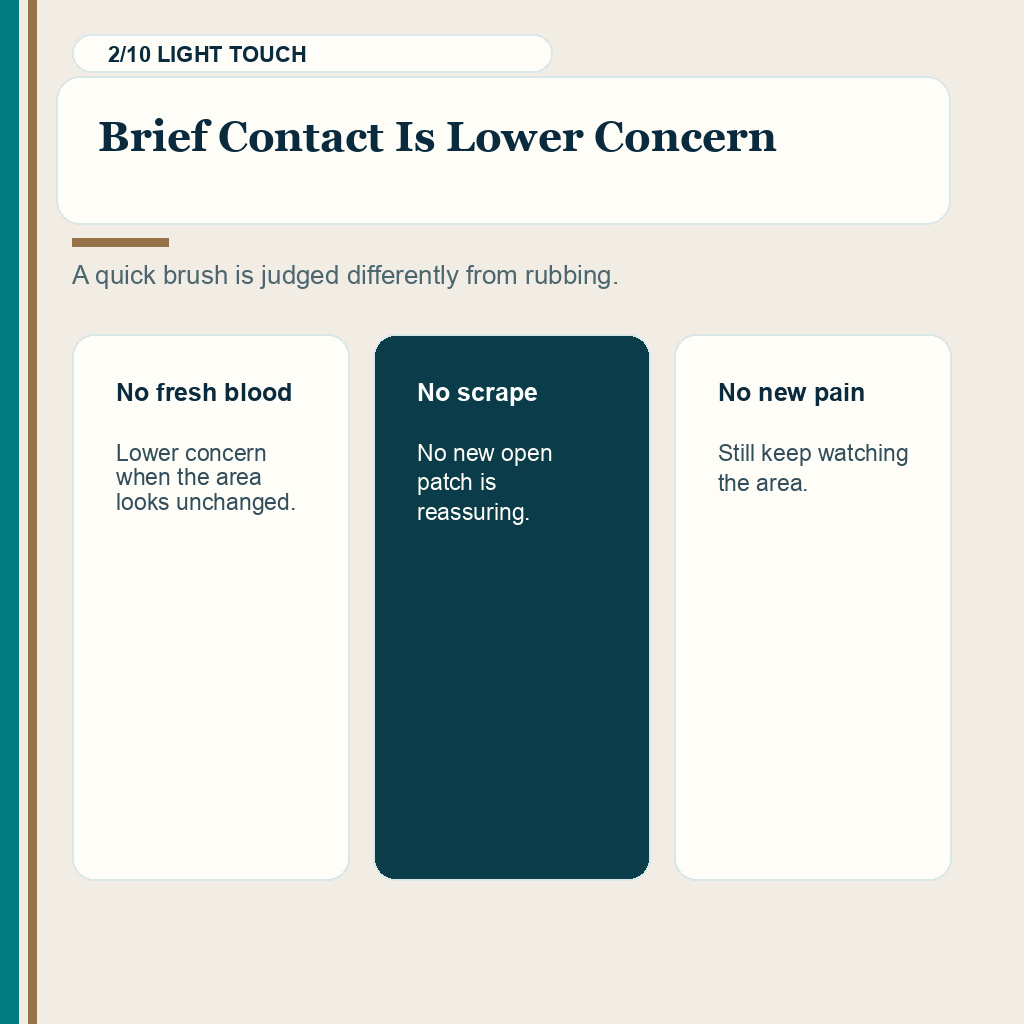
Brief contact is lower concern when the grafted area was touched lightly, there is no fresh bleeding, no increasing pain, no obvious missing patch, and no tissue attached to hairs on the pillow. The scalp may still look red, dotted, crusted, or swollen because that was already part of early healing.
If the recipient area looks unchanged compared with the previous evening, take one clear photo in good light, compare it with an earlier photo if you have one, and continue the clinic’s aftercare instructions. Do not wash early, scrape scabs, or press the area to see whether grafts are still there.
One light pillow brush is not the same as a displaced graft. When a graft is truly pulled out early, there is often more evidence, such as bleeding, a small piece of tissue with hair attached, or a visible change where a graft was pulled out. Surface redness alone is not enough to prove damage.
Clinic review signs after sleeping on grafts
Ask for clinic review if you woke up with fresh bleeding, found a hair and tissue piece on the pillow, see a new gap or scraped area, feel increasing pain, notice swelling that changed suddenly after contact, or know that the grafted zone was rubbed for a long time. I need photos, timing, and what happened, not only the sentence “I slept on my grafts.” Send the photos before washing, pressing, or trying to clean the area unless the clinic has already given you an urgent bleeding instruction.
If there was a direct hit, fall, or strong bump, treat that as a head impact concern rather than only a sleep position concern. If the issue was a hand, pillow, hat, or blanket touching the surface, the question is closer to ordinary graft contact.
Fresh bleeding, visible tissue, or a scraped spot deserves prompt review. Do not wait until the next routine check if the area looks newly injured.
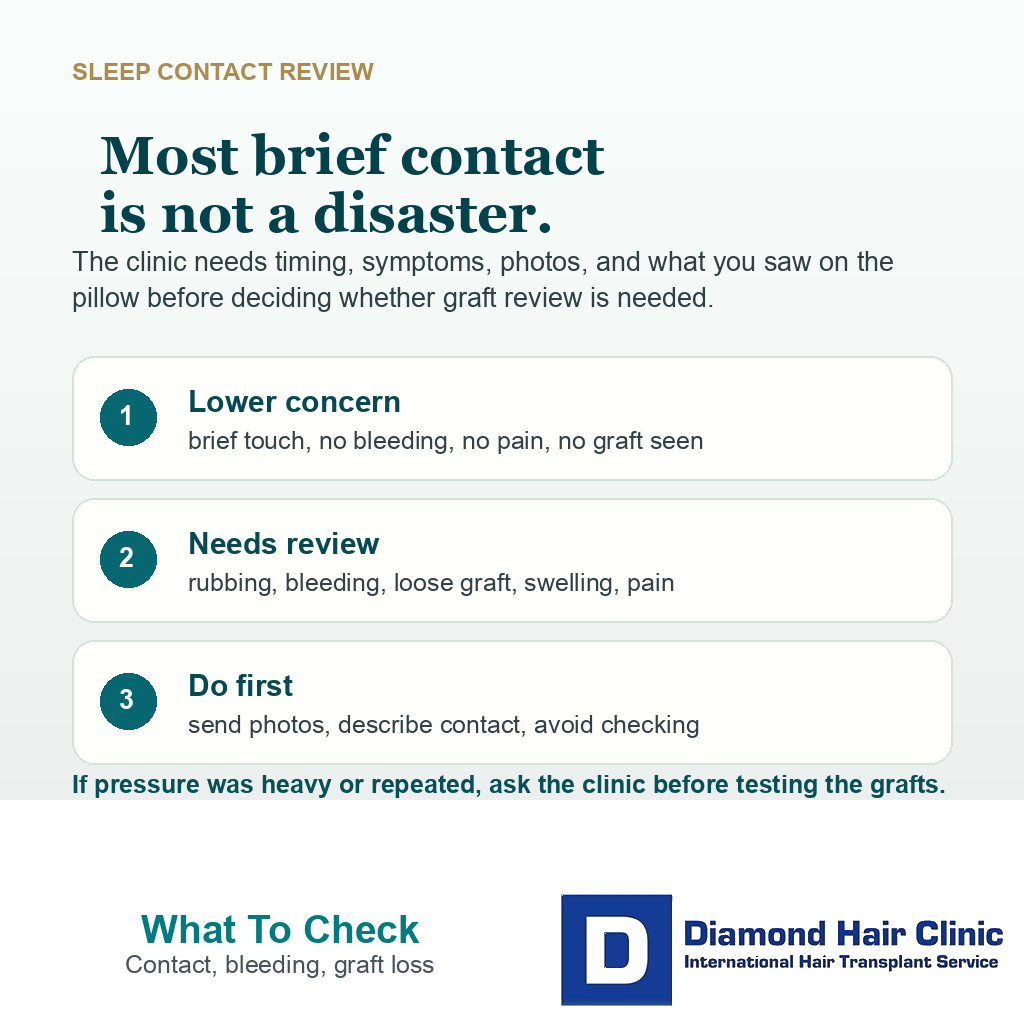
Brief contact is different from rubbing, bleeding, a loose graft, swelling, or increasing pain.
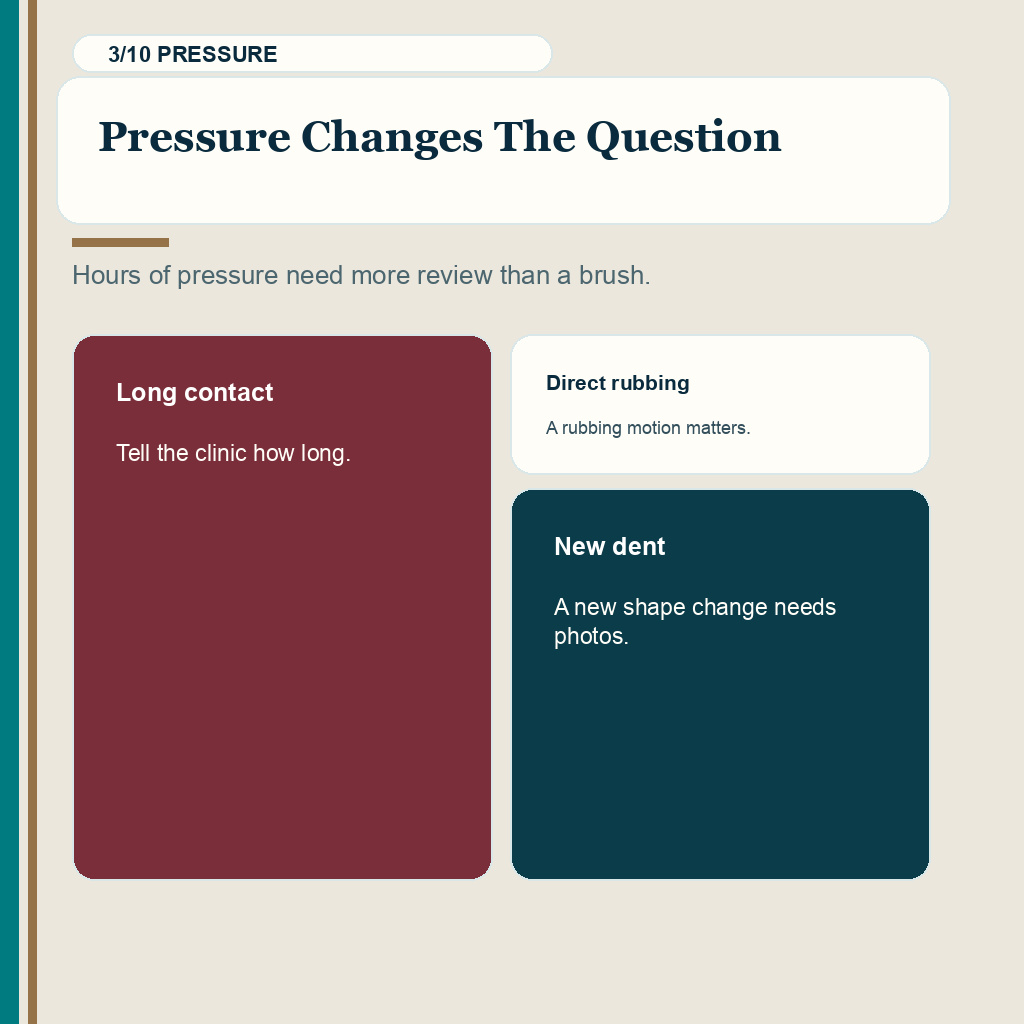
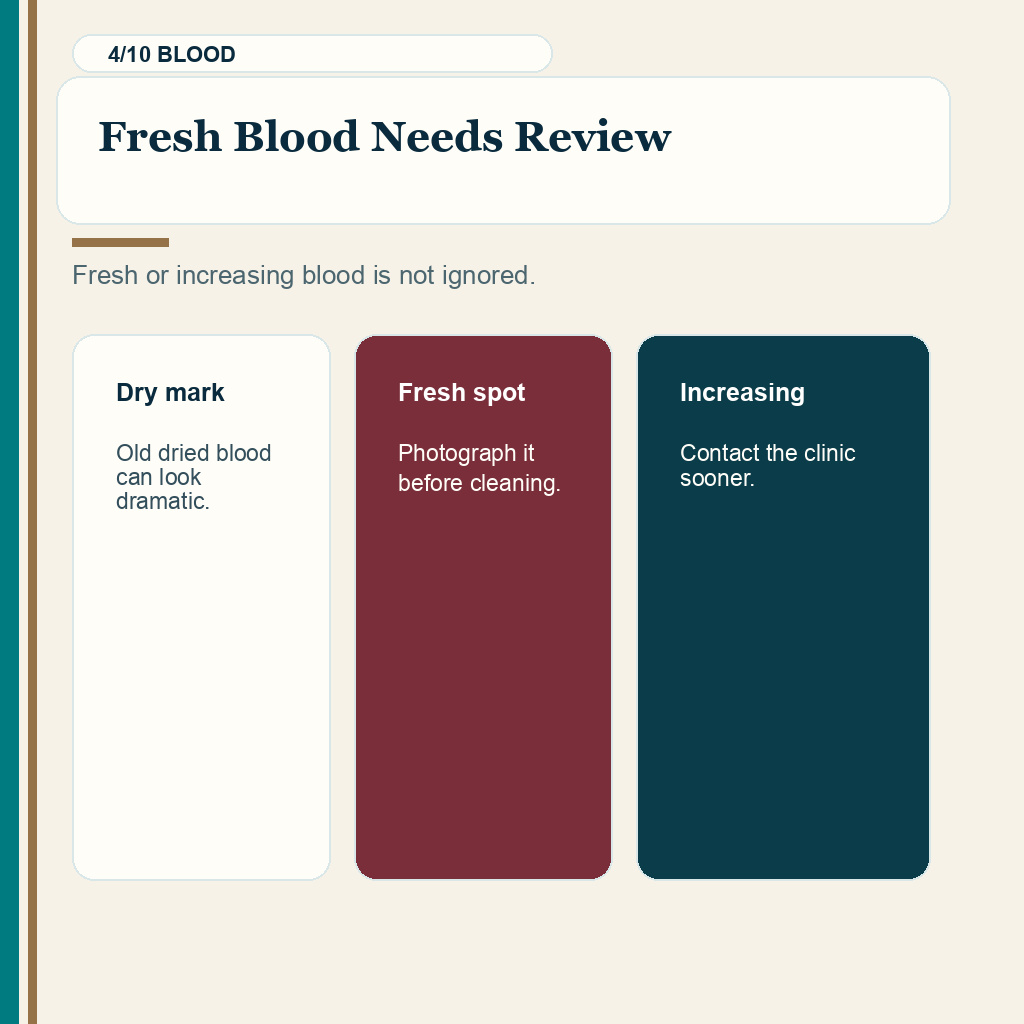
The 10 sleep contact slides below split the graft worry into one calm check at a time. Swipe sideways, use the arrows for one slide at a time, or choose a number below the image.





A true graft loss has specific signs
Scabs, dried blood, shed hairs, and crusts can look frightening. They are not all grafts. A graft pulled out early is more likely to look like a tiny soft tissue piece with a hair or hairs attached, and it may come with fresh bleeding from the recipient area. A loose hair without tissue is not the same thing.
The day after surgery belongs in your message because timing changes the meaning. A hair stuck inside an adherent scab in the first week is a different concern from a loose shed hair later. Do not inspect the area by rubbing the crusts. Look at the pillow and bedding without touching the grafted zone.
If you find something concerning, place it on clean tissue if possible, photograph it, and send the photo to the clinic. Do not press the scalp to see if more comes out. Pulling at crusts to prove whether a graft is secure can create the very problem you are trying to rule out.
The visual fear is similar to the fear people have when crusts shed. I explain that distinction in lost grafts after scabs. The short version is that not every hair inside a scab means a graft was lost.
Blood on the pillow matters when it is fresh or increasing
Blood changes the question, but it still needs proportion. A tiny dried spot can happen in the early period, especially if the donor area or recipient area touched fabric. A larger fresh stain, repeated bleeding, fabric that becomes wet again, or bleeding from one precise graft site after friction needs review.
Do not sleep again on the same pillowcase with blood on it, and do not keep checking the area with your hand. Change to a clean pillowcase, take photos of the scalp and the stain, and follow the clinic’s instructions. If bleeding is active, use only the pressure method your clinic has approved and contact them promptly.
For broader bleeding decisions, bleeding after hair transplant explains when a small mark is less concerning and when repeated or active bleeding needs faster help.
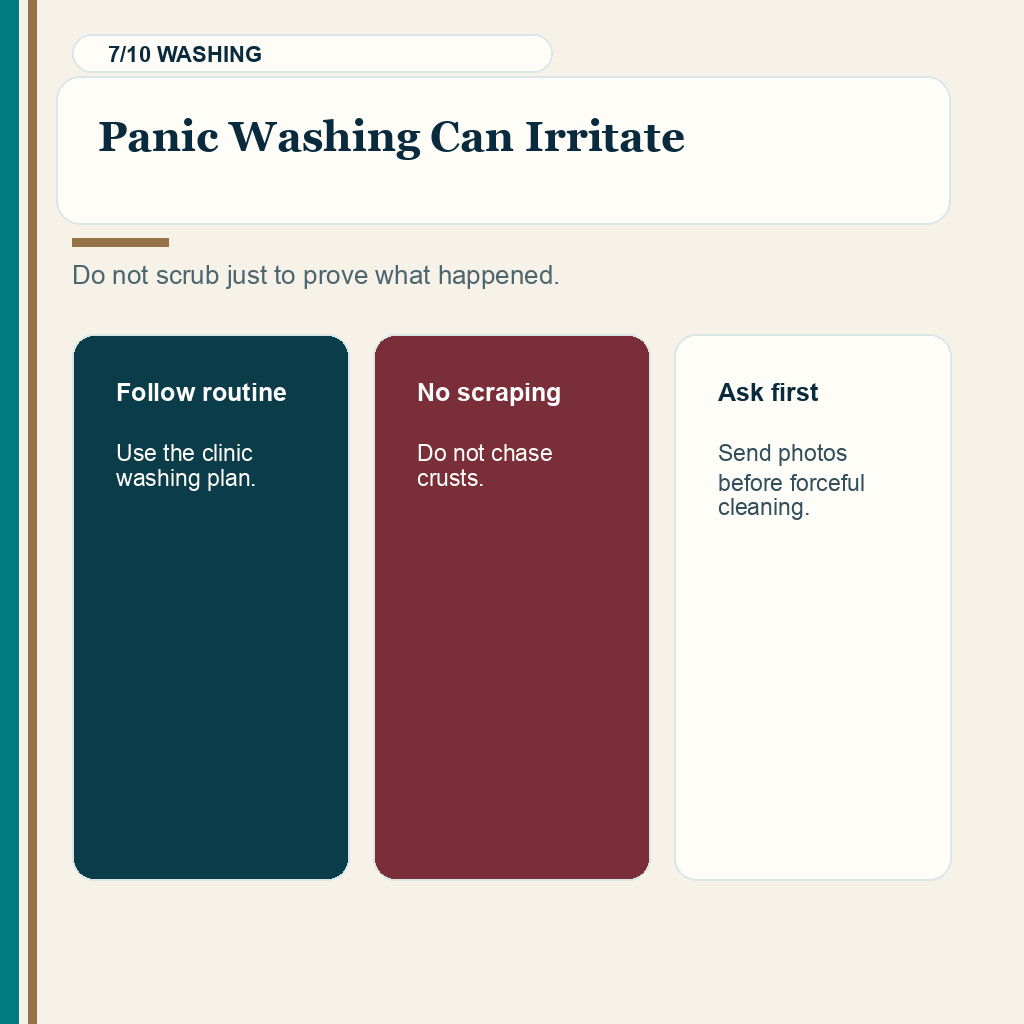
Panic washing can make irritation worse
Do not change the washing schedule just because you panicked. Early washing has a purpose and timing. If you slept on the grafts lightly and there is no bleeding or visible trauma, continue the plan you were given. If there is bleeding, a scraped area, or a possible dislodged graft, ask before washing aggressively.
Trying to clean the anxiety away by soaking, rubbing, or shampooing harder is the wrong direction. The surface needs gentle handling. If the clinic has already shown you how to wash, return to that method rather than inventing a new one at 3 a.m.
Do not scrub because you are frightened. If you are unsure about timing or technique, ask the clinic to review the area before changing the plan.
The safest sleep position protects the grafts
For the first few nights, sleep is safer on your back with the head slightly elevated, using support that reduces turning and keeps the grafted area away from the pillow. A neck pillow shaped like a U can help, but it should support the neck rather than press on the recipient area. The goal is stability, not a rigid position that causes neck pain and makes you move more.
Some people make the setup too tight. They stack too many pillows, sleep badly, and then turn more during the night. A realistic setup works better when it gives you a clean pillowcase, gentle elevation, neck support, no face down sleeping, and no tight fabric rubbing the grafts.
The neck pillow is only one tool. I discuss fit, pressure points, and common mistakes in neck pillow after hair transplant. If your pillow setup is causing pain, it may need adjustment rather than more force.
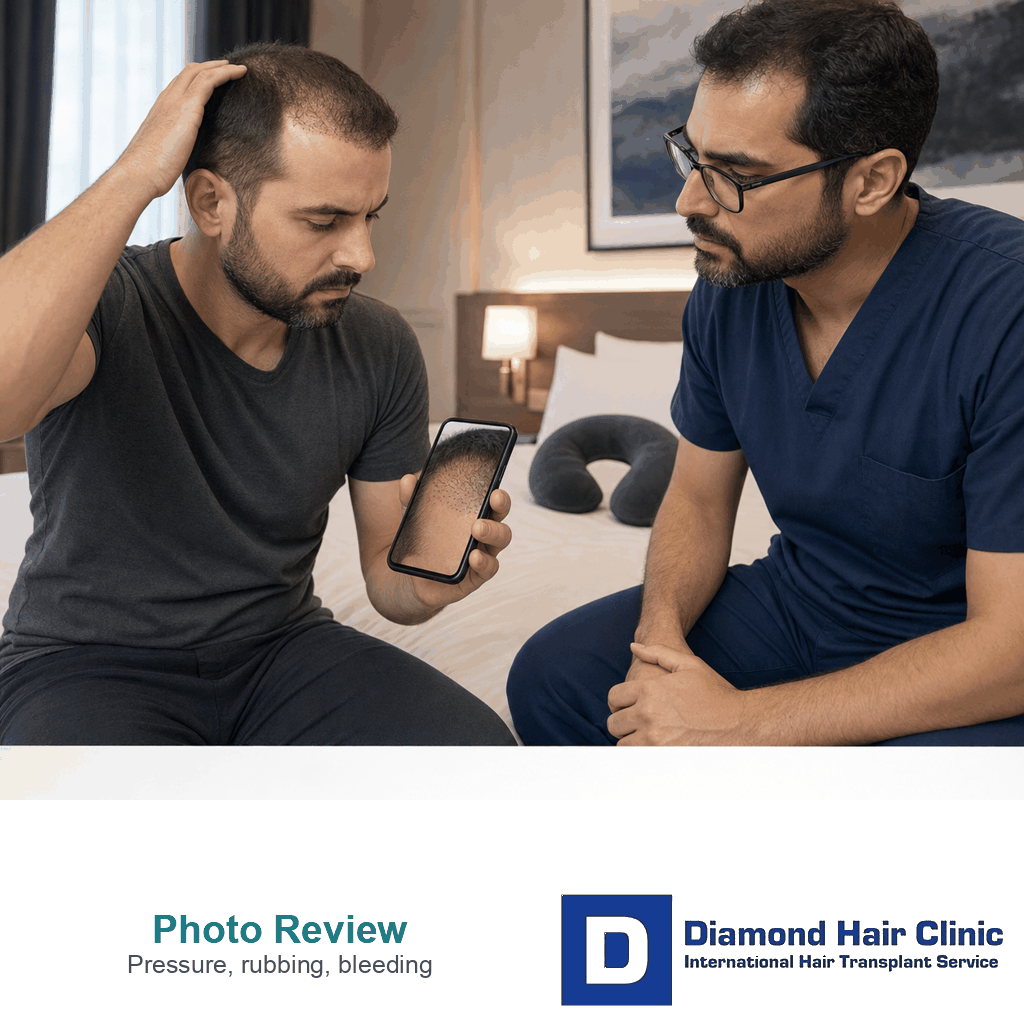
Photos help separate brief contact from rubbing, bleeding, swelling, or a visibly displaced graft.
Hours of pressure are different from a brief touch
Hours of pressure are different from one brief touch. Sleeping face down with the hairline compressed for hours, waking with friction marks, or seeing bleeding gives me a different risk picture from a pillow brushing the area once.
Pressure can irritate the skin, disturb crusts, and create friction. Whether it damages grafts depends on timing, force, direction, and what the scalp looks like afterward. If the pressure came from a mask or breathing device, review the CPAP strap path after FUE before the next night. A heavy face down episode on night one is not the same risk as a light pillow brush near the end of the first week, but crusting can extend the period when rough handling is risky. I can judge this more safely from photos than from a written description alone.
If you know the area was under heavy pressure, do not test the grafts by rubbing them. Take photos from several angles, include the pillow or bedding if there is blood, and send the exact timeline, including when you slept, how you woke up, what you saw, and whether symptoms changed.
Photos and details to send after sleep contact
Send a short message with useful facts. Include the day after surgery, estimated time of the contact, whether it was a brief touch or hours of pressure, whether you saw bleeding, whether anything came off, whether pain or swelling changed, and whether you already washed afterward. Say plainly whether this happened on day 1, day 5, or day 10. That timing changes how I interpret a loose hair, a crust, or a pillow mark. If you have a last normal photo from the evening before, send that too so the clinic can compare.
Add photos in bright light. Send one close photo of the area you worry about, one wider photo of the whole recipient area, and one photo of anything found on the pillow or fabric. Keep the camera steady and avoid flash glare that hides small bleeding or scraped areas. If you cannot take a clear photo alone, ask someone else to help without touching the grafts.
Follow up after hair transplant surgery matters because early worries are much easier to judge when the clinic receives timing, symptoms, and usable photos rather than repeated close-up images from different angles.
Sleeping pills do not always keep grafts safer
Do not take sleeping pills or sedatives just to stop yourself from moving unless your doctor and surgical team have cleared them. Deep sedation can make you less aware of position, pressure, or rubbing. It may also interact with alcohol, pain medication, anxiety medication, or medical conditions.
For some people, poor sleep and anxiety are the bigger problems. But the solution is not to take medication on your own after surgery. Adjust the sleep setup, reduce room heat, avoid late caffeine, keep the pillowcase clean, and ask the clinic if sleep is becoming unmanageable.
If medication is already part of your routine, review the separate guidance on sleeping pills after hair transplant. Do not trade a small turning risk for a larger medication or deep pressure risk.
Bandage, hat, or fabric contact depends on pressure
Fabric contact is judged by pressure and friction. A loose blanket brushing the area is different from a tight bandage edge, hat seam, or pillowcase rubbing one spot all night. If a bandage was involved, do not reposition or remove it in a way that pulls at grafts unless your clinic instructed you to do so.
If a bandage has shifted or feels stuck, ask before pulling. The donor and recipient areas are handled differently, and timing matters. For bandage timing, when to remove bandage after hair transplant explains why pulling fabric away from healing skin needs care.
Keep fabrics clean, avoid tight pressure, and choose sleepwear that does not drag across the grafted area when you sit up. Small practical details matter more than trying to control every movement out of fear.
The same problem can be prevented tonight
Prepare the room before you are tired. Use a clean pillowcase, set the head elevation, place the neck pillow comfortably, keep water and your phone within easy reach, and remove loose blankets or cushions that might end up near the hairline. If you often roll to one side, use gentle side support away from the grafted area. Keep pets out of the bed while the graft surface is vulnerable, even if they normally sleep beside your head.
Do not make the setup so uncomfortable that you sleep badly and move more. The aim is a stable, repeatable position. If you wake up slightly turned, correct the position without touching the grafts.
The best prevention is a setup you can actually sleep in. A complicated pillow arrangement often fails because you become restless. Clean, elevated, supported, and comfortable is better than a setup that looks strict but makes you fight the bed all night.
First steps after waking up on the grafts
If you woke up and think you slept on your grafts, stop first. Do not rub, pick, wash early, or keep checking with your fingers. Look for fresh bleeding, a small tissue piece with hair attached, a new scraped area, new swelling, increasing pain, or an obvious change compared with yesterday. Use the timeline to guide caution, not to test the grafts.
If none of those signs is present, take a clear photo, return to the clinic’s aftercare plan, and improve the sleep setup for tonight. If any warning sign is present, include clear photos and the timeline when you contact the clinic promptly. If bleeding is significant or you cannot reach the clinic and the area looks newly injured, seek local medical assessment.
Most sleep contact scares do not ruin a transplant. The bigger danger is often the anxious response afterward. Protect the area, document it once, and let the clinic judge the photos instead of trying to prove the grafts are secure with your fingers.
Read this review excerpt
First wash completed and visual instructions given to my daughter.