Sleeping Pills Need Medical Caution During Recovery
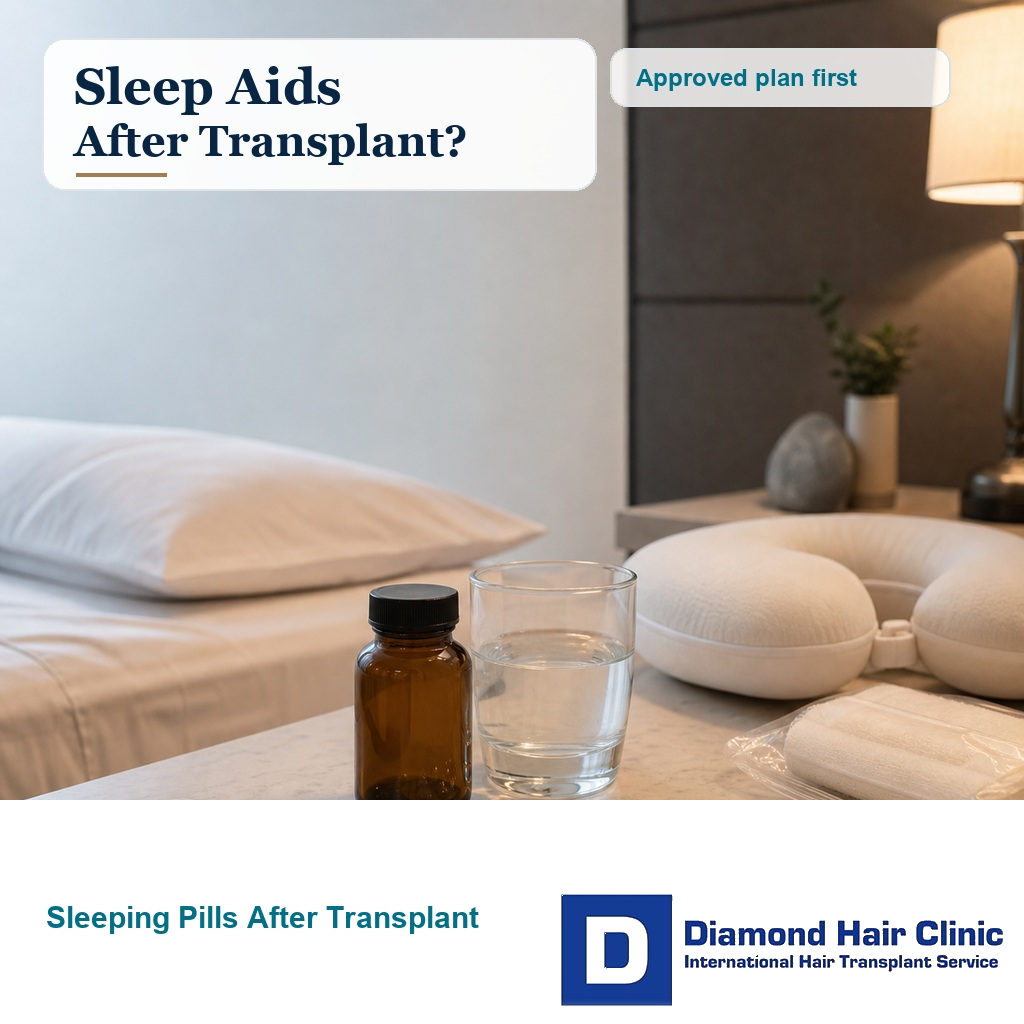
A sleep aid can sometimes be used after FUE, but only when the clinic or prescribing doctor approves it for your situation. One approved pill is unlikely to harm grafts by direct chemical action. I worry more about drowsiness, poor judgment, breathing risk, rolling, scratching, mixing medicines, alcohol, and driving while impaired during the first 7 to 10 nights.
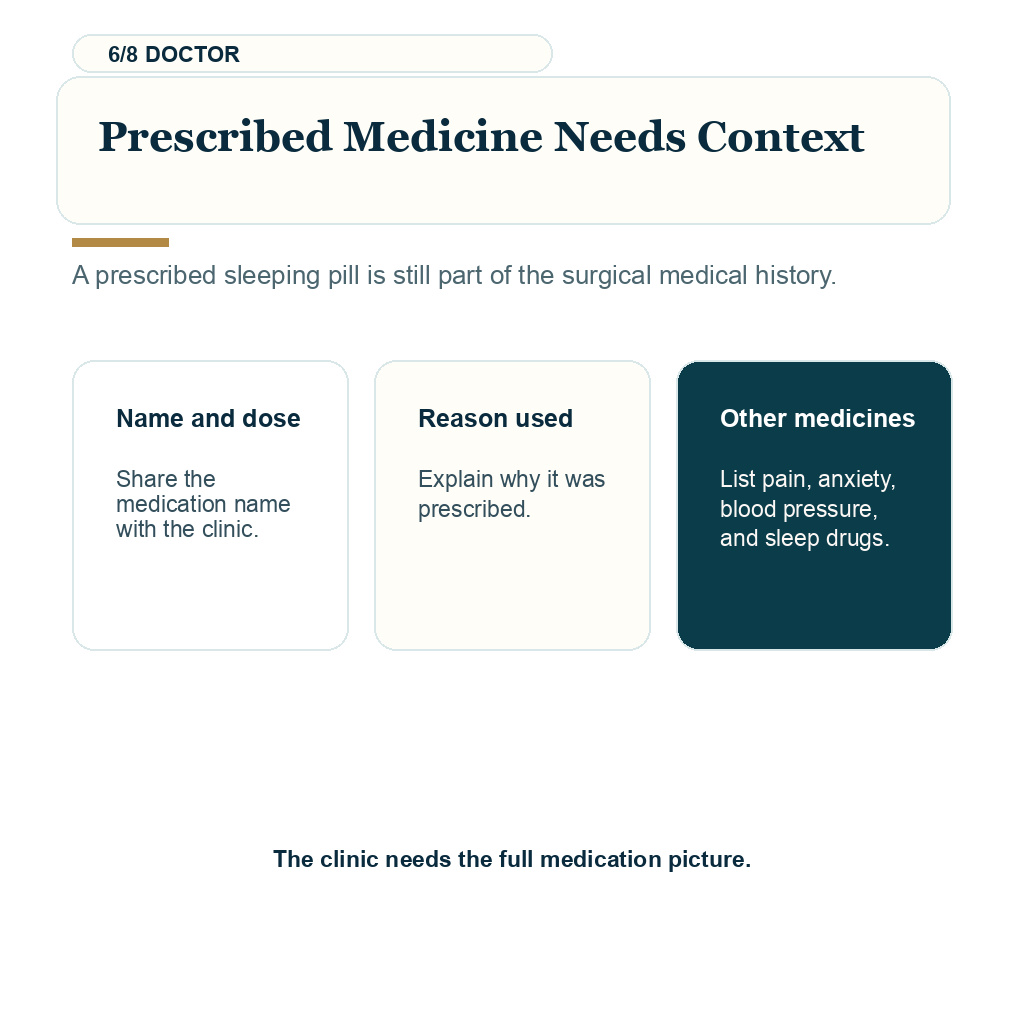
If you already use melatonin, zolpidem, a benzodiazepine or anxiety tablet before surgery, or another sleep medicine, share that with the clinic before surgery. Do not test a new sleep aid on the operation night, especially if you are alone in a hotel room or need to travel early the next morning.
When poor sleep continues, do not raise the dose or combine tablets to force rest. Tell the clinic whether the main problem is pain, itching, anxiety, breathing, neck pillow pressure, or fear of rolling, because each one needs a different answer.
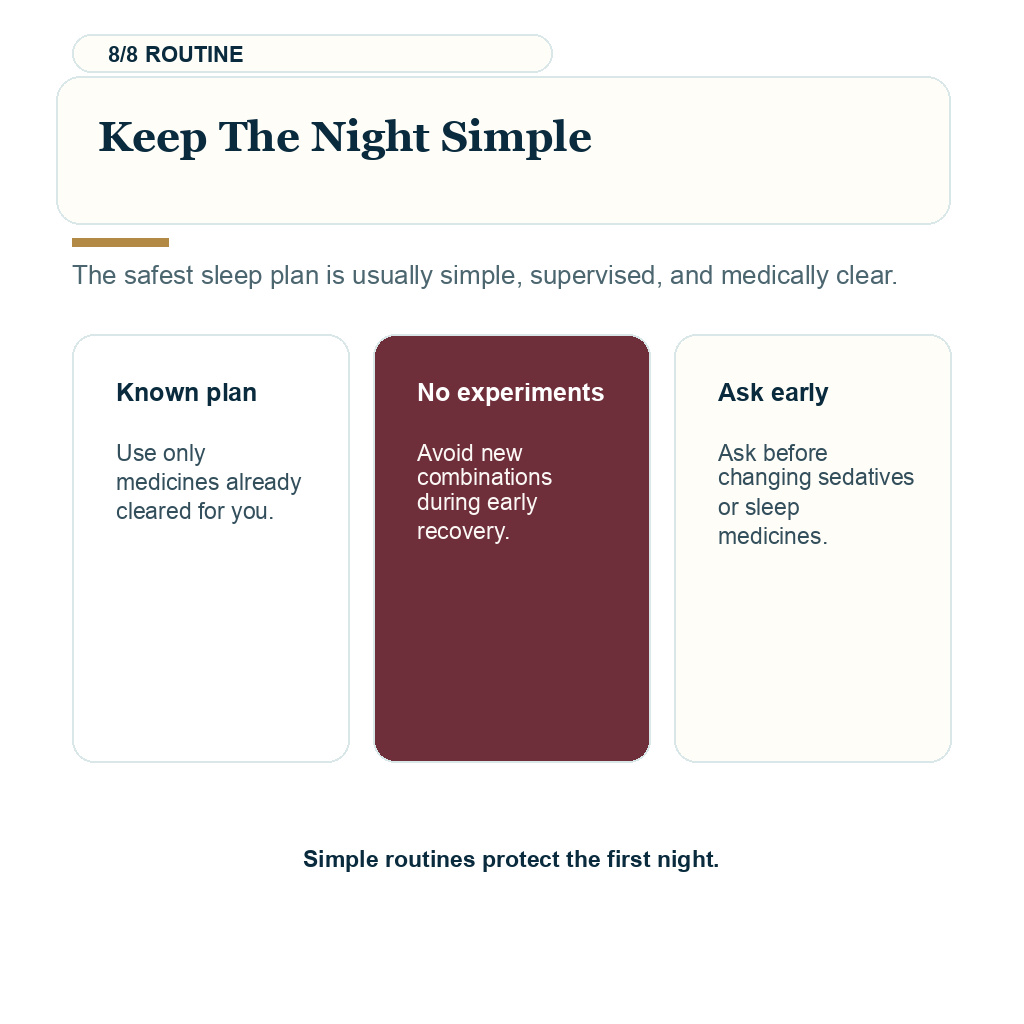
Plan the night before it becomes difficult. Protect the grafts first, keep breathing and alertness safe, and use only a medicine plan that has already been approved.
Before an approved sleep aid makes you drowsy, finish the room setup and keep the clinic instructions within reach. It is easier to follow the plan while you are still fully alert. When you will be alone that night, keep the plan more conservative. A tablet that helps sleep can also make you miss a head bump, fresh bleeding, or unsafe movement. Set the sleep position before the tablet starts working, so drowsiness does not make you adjust the pillow or walk around half awake.
Sleep can be difficult after a hair transplant
The first nights are uncomfortable because the scalp feels tight, the donor area may be sore, swelling can start, and the sleeping position feels unnatural. You may also be afraid of rubbing the grafts or waking up on the wrong side. For broader anxiety on the first night around position stress, graft safety, and warning symptoms, use sleepless nights after FUE before choosing another tablet.
That fear is understandable, but poor sleep should not lead to random medication. If your main worry is rolling or pillow contact, use the practical position rules in sleep after a hair transplant. Here, I focus on whether a medicine will make the first nights safer or less controlled.
I separate these two questions because they need different thinking. A good pillow setup protects the scalp mechanically. A sleep aid changes alertness, balance, breathing, memory, and behavior. Both can affect the first healing period.
If pain is the reason you cannot sleep, the answer may be a better pain plan, not necessarily a stronger sleeping pill. If anxiety is the reason, the answer may be clearer instructions, a photo check, or a calmer recovery plan.
Plan sleep before reaching for a pill
Plan the first night before surgery instead of improvising with a new tablet at 2 a.m. Keep the room cool and dark, avoid late caffeine, use the sleeping position your clinic recommended, take only the pain medicine that was prescribed for you, and keep water close enough that you do not need to bend or search in the dark.
Read this review excerpt
The doctor also spent time with me after my surgery carefully going over what my post-op procedures needed to be, how to sleep, how to wear the pillow he provided, medicines and shampoos, vitamins, etc (also provided).

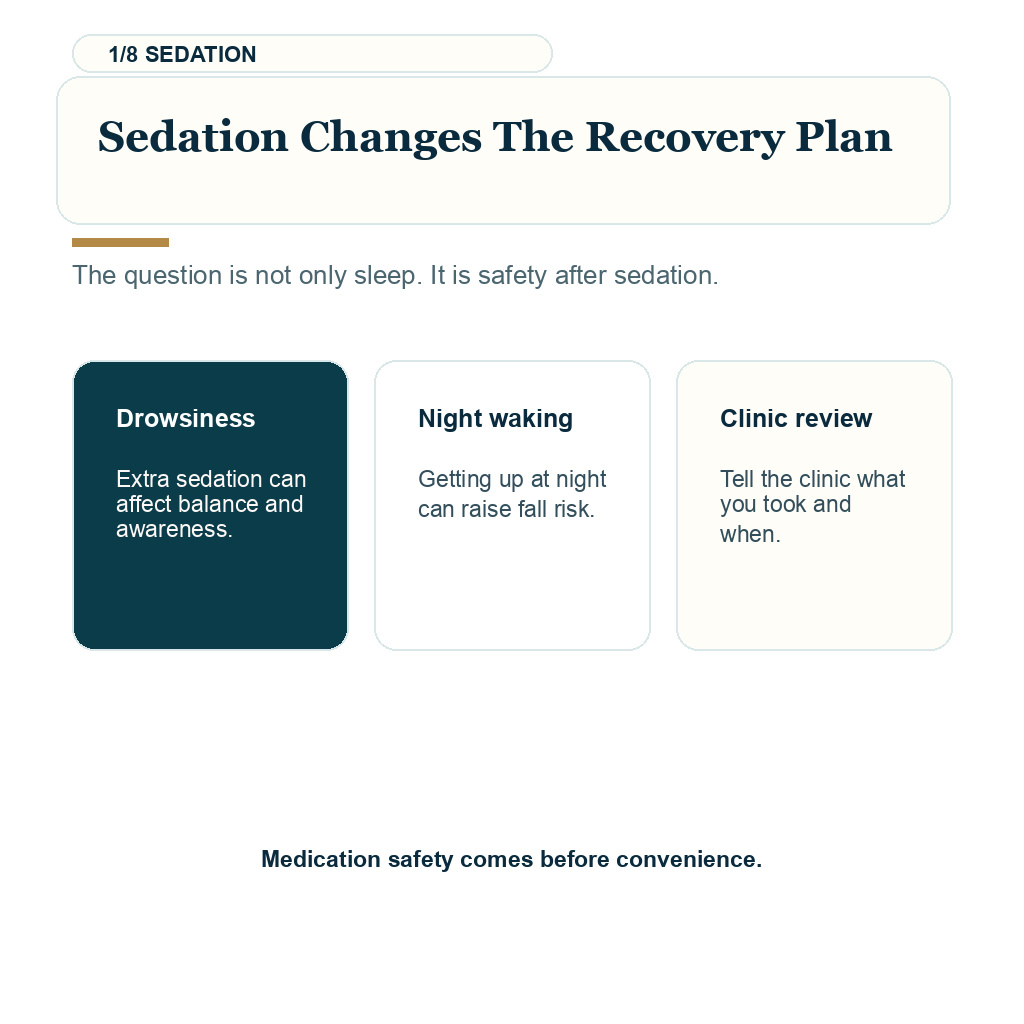
If you already use a prescribed sleep medicine, the question is not whether the medicine is good or bad in general. The question is whether it is safe for your breathing, your other medicines, your alcohol intake, your transport plan, and your ability to protect the grafts while half asleep. A familiar medicine your doctor already knows about is very different from adding a new sedative on the operation night because you are anxious. This is also why sedation during a hair transplant must be discussed carefully, because breathing, judgment, and medication combinations matter.
Sleep advice has to connect with the wider recovery plan. If the real problem is pain, pressure, or anxiety, a sleeping pill may hide the warning sign without solving it. Review your sleeping position, your prescribed painkiller plan, and any alcohol or sedative combination before taking anything extra.
Melatonin is different from a prescription sleeping pill
Melatonin is different from prescription sedative medicines, but different does not mean harmless for every patient. Melatonin may still make some people tired the next day, especially if the dose is too high, the timing is wrong, or it is combined with other sedating products.
Prescription sleep medicines such as zolpidem are stronger decisions because they slow activity in the brain. They may make you sleepy quickly, reduce coordination, affect memory, and leave alertness weaker the next morning than you realize.
Unusual sleep behavior means more than ordinary drowsiness. If a medicine has ever caused sleepwalking, driving while asleep, eating, making calls, taking extra medicine, or doing anything while not fully awake, do not use it after surgery without the prescribing doctor. If it happens after the transplant, stop the medicine until a doctor reviews it and focus first on safety, not graft checking.
Over the counter sleep aids are not safer for the transplant night just because they are sold without prescription. Antihistamine based sleep tablets can still cause next day grogginess, confusion, memory problems, and balance problems, especially when they are taken with other sedating medicines.
When you ask about a tablet, send more than the name. Tell us why you need it, whether you have used it safely before, whether you will be alone, whether you have breathing problems, and whether you are also taking medications after a hair transplant.
If you have never taken a sleep aid before, the first night after surgery is a poor time to experiment. The transplant night is already unusual enough.
Sleep Aid Risk Depends on the Surgery Context
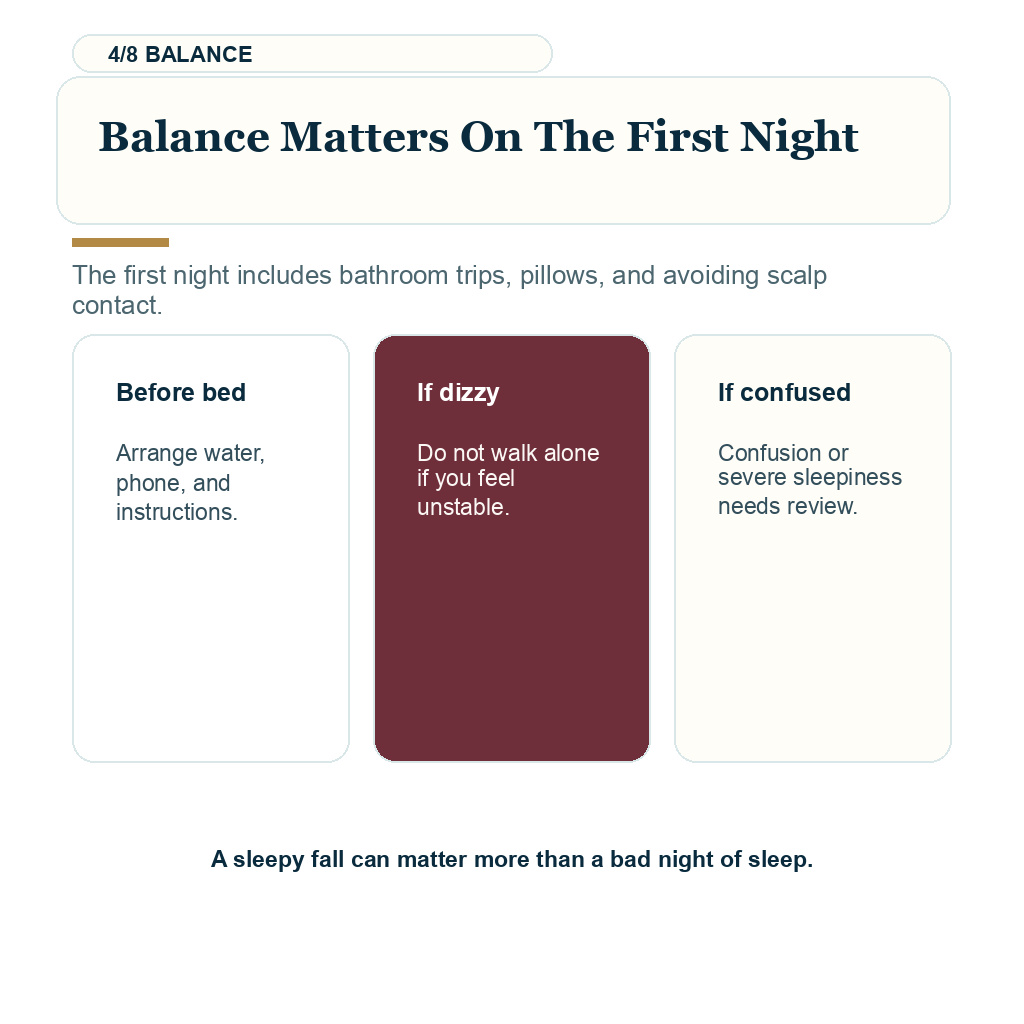
The risk comes from what the medicine can do to your behavior. If you are too sleepy, you may rub the scalp, bump the head, fall when going to the bathroom after a hair transplant, forget the sleeping position, miss a medicine dose, or wake confused and check the grafts too aggressively.
Some sleep medicines also matter medically because they can deepen sleep or make breathing problems harder to notice. If you have heavy snoring, sleep apnea, asthma, lung disease, a history of low oxygen at night, strong obesity related breathing difficulty, or sedative sensitivity, the clinic should know before you take anything that deepens sleep.
Sleep aids should be listed with medication before a hair transplant. A medicine that changes breathing, alertness, or cooperation during recovery is not a small detail.
The dose matters too. A small approved dose that you already tolerate is not the same as doubling a tablet because you are frustrated at 2 a.m. The second decision is where trouble starts.
A number such as 10 mg is not enough to identify the risk. Ten milligrams of melatonin, an antihistamine sleep aid, and a prescription sedative are different products with different effects. The words over the counter are not an ingredient name either. Send a photo of the front label and the active ingredient panel, then follow the advice for that exact product rather than comparing milligram numbers across medicines.
The setting on the first night matters as much as the medicine name. Sleeping alone in a hotel room after travel is different from being at home with someone who understands the aftercare rules. The medicine decision should match the real setting, not only the drug name.

This is not only about whether a pill helps you sleep. I need to know what it does to breathing, judgment, balance, and aftercare.
A sleeping pill can increase graft contact risk
A sleep aid does not usually damage grafts by direct chemical action. The concern is indirect. If it makes you unaware, restless, unsteady, or confused, you may create the kind of pressure or friction that the early sleep rules are designed to avoid.
Grafts are most vulnerable in the early period before they are secure in the skin. The first 7 to 10 nights deserve more discipline. A light accidental touch is different from rubbing the recipient area into the pillow for hours, scratching in sleep, or pressing a tight band against the grafts.
Improve the setup before relying on sedation. Use the right pillow height, keep the room calm, place water nearby, plan bathroom trips, and make sure the phone and charger do not force you to twist or reach during the night.
If you wake and think you harmed the grafts, do not scrape or inspect the area harshly. Look for fresh bleeding, open skin, strong pain, or visible displacement. If those signs appear, ask for clinic review with clear photos.
Waking up worried about rolling onto grafts
Do not scrub, pick, or try to test the grafts with your fingers. Sit up, check for fresh bleeding, new pain, visible opening, or a patch that looks clearly disturbed, and share clear photos with the clinic if something looks different. Panic can make a normal pillow mark feel like damage.
If a sleeping pill made you confused, hard to wake, unsteady, short of breath, or unable to remember the night, do not repeat the dose without medical advice. The issue is no longer only graft contact. It is whether the medicine is safe for the next night.
Sleep apnea or CPAP use
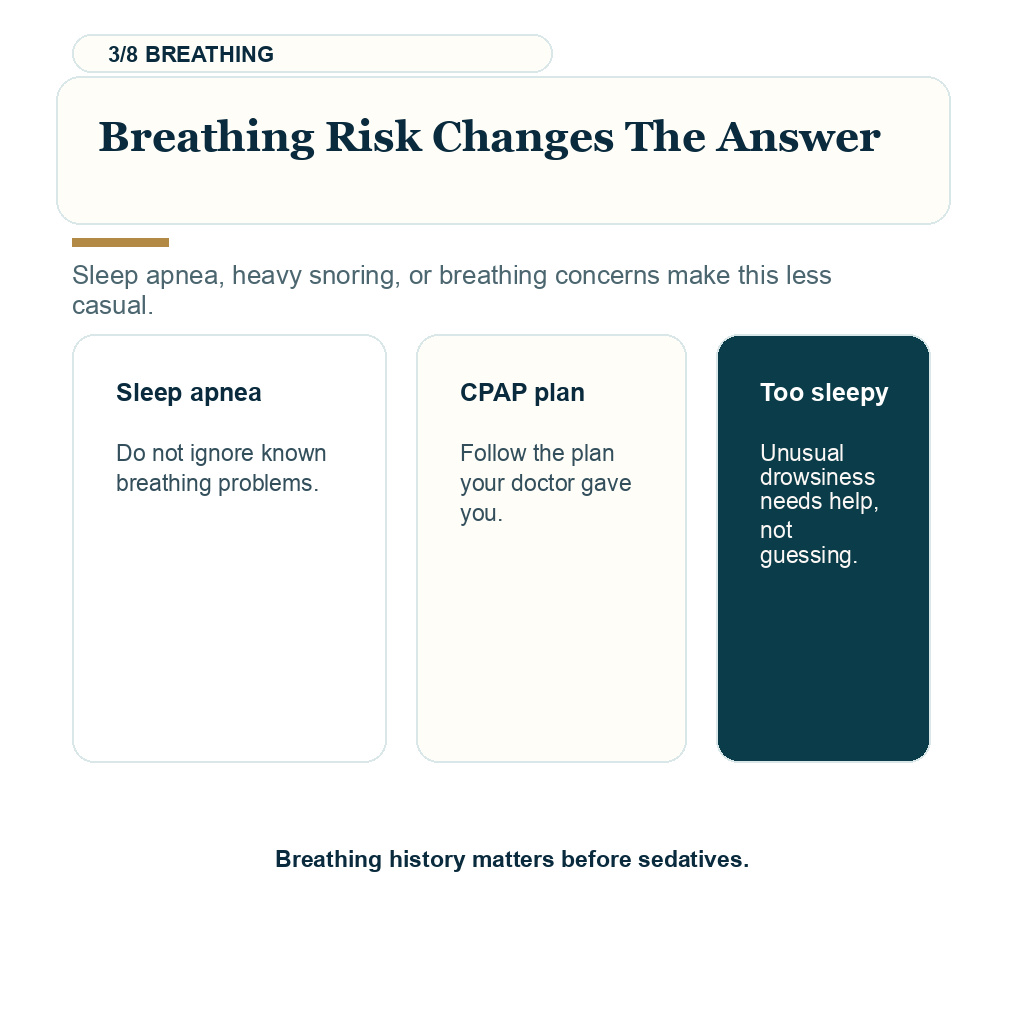
Sleep apnea changes the decision. A sleep aid can make breathing concerns more important in some patients, especially if the sleep apnea is untreated, the CPAP plan is inconsistent, or the mask presses on the scalp.
If you use CPAP, APAP, or BiPAP, review sleep apnea and CPAP after a hair transplant with the clinic’s instructions. This is not only about whether you can sleep. It is whether you can breathe safely while also protecting the recipient area.
Do not leave the choice between oxygen and graft protection for midnight. Discuss that plan before surgery. Sometimes the answer is a modified mask setup, sometimes extra monitoring, and sometimes delaying surgery until the breathing plan is stable.
If you snore heavily, wake gasping, use oxygen, have lung disease, or were told that sedatives are risky for you, do not choose a sleeping pill on your own after the transplant.
Avoid Mixing Sleep Aids With Painkillers or Alcohol
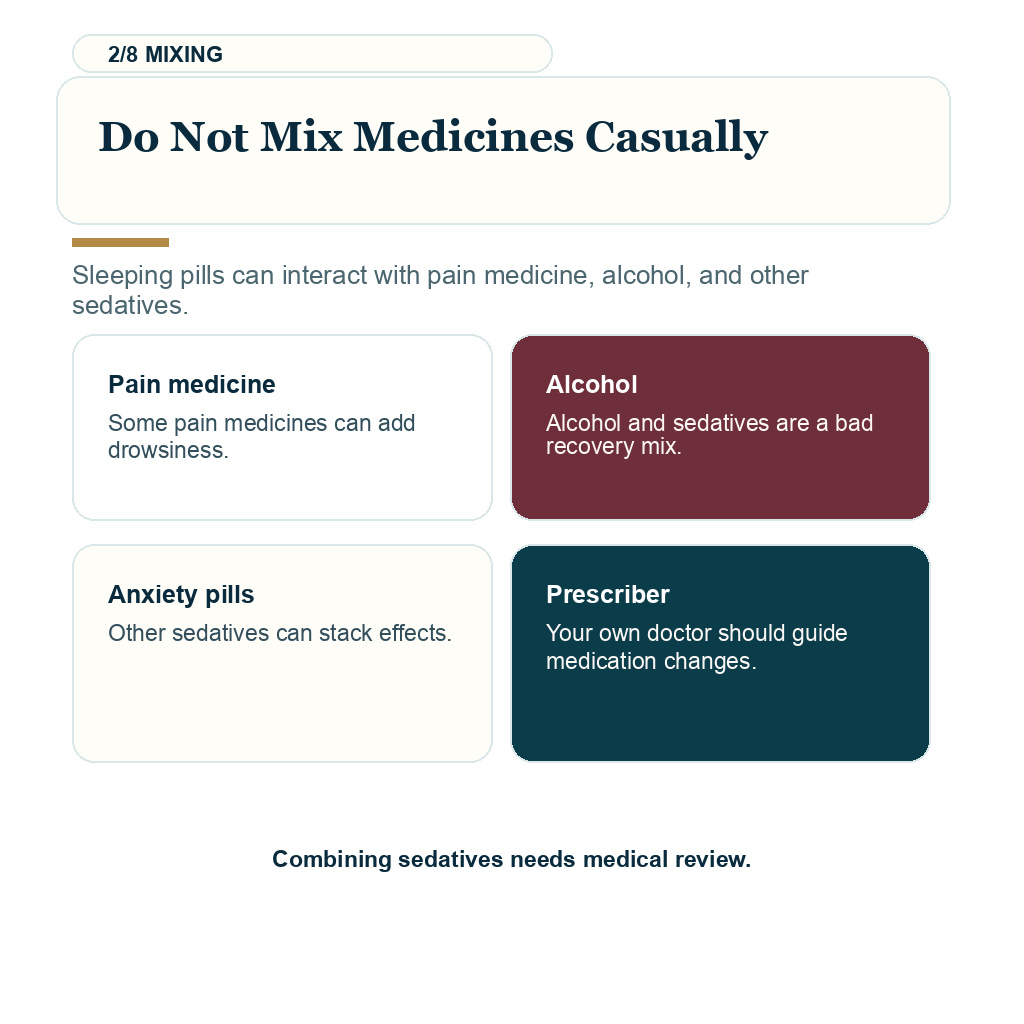
Do not mix a sleep aid with alcohol or unapproved sedating painkillers after a hair transplant. This should be one of the clearest safety rules in the article.
The grafts are only one part of the safety picture. Alcohol, sleeping pills, anxiety tablets, strong painkillers, and some antihistamines can add sedation. In medical terms, several of these are central nervous system depressants, so the combined effect can be stronger than any one tablet alone. That can affect breathing, balance, judgment, nausea, vomiting, and the ability to follow aftercare. If nausea starts after adding a sleep aid, treat the symptom seriously before taking another tablet.
The pages on painkillers after a hair transplant and alcohol after a hair transplant matter here. If the wrong products are combined, the recovery night becomes less predictable.
If you took a sleep aid and then pain becomes severe, do not keep adding tablets to solve the night alone. Increasing pain, fever, pus, spreading hot redness, fresh bleeding, worsening swelling, or severe one sided donor pain needs medical review.
Timing a sleeping pill before or after the operation
Do not take a sleeping pill before surgery unless the clinic and prescribing doctor specifically told you to do so. The operation day requires cooperation, communication, stable vital signs, and clear consent. Arriving sedated can create safety and planning problems.
After surgery, the decision depends on the exact medicine, your history with it, your breathing, whether you are alone, what pain medicine you received, and whether you need to travel or drive the next morning.
If anxiety is the reason you want a sedative before the procedure, read about being anxious before a hair transplant and share that with the clinic early. Anxiety should be managed, but not by hiding medicine from the surgical team.
Some patients also fly soon after surgery. If a sleep aid leaves you groggy, flying after a hair transplant needs more caution because airports, luggage, queues, and fatigue can increase careless bumps.
Driving the next morning after a sleep aid
Do not drive after taking a sleep aid unless you are fully awake, clear, steady, and allowed to drive with that medicine. Some prescription sleep medicines can impair alertness the next morning, even when the patient feels fully awake. This is especially important if the tablet was taken late at night or there was not enough time for a full night of sleep.
After a hair transplant, the driving decision also includes scalp protection. You may be tired, swollen, wearing a loose hat later in recovery, or worried about the donor area touching the headrest.
The road safety part is covered in driving after a hair transplant. A sleep aid can move a patient from maybe ready to not ready, especially after a long procedure or poor sleep.
If you need a transfer, arrange it before surgery. It is better to plan a boring ride than to test your reaction time while tired and medicated.
Only take a sleep aid after the aftercare setup is already finished. Send photos if needed, make the pillows stable, keep water nearby, clear the bathroom path, and place the phone within easy reach. Taking the pill before those steps are done can make the first night less controlled.
If you will be alone overnight, tell the clinic who can be contacted if the medicine leaves you confused, unsteady, or unable to follow instructions.
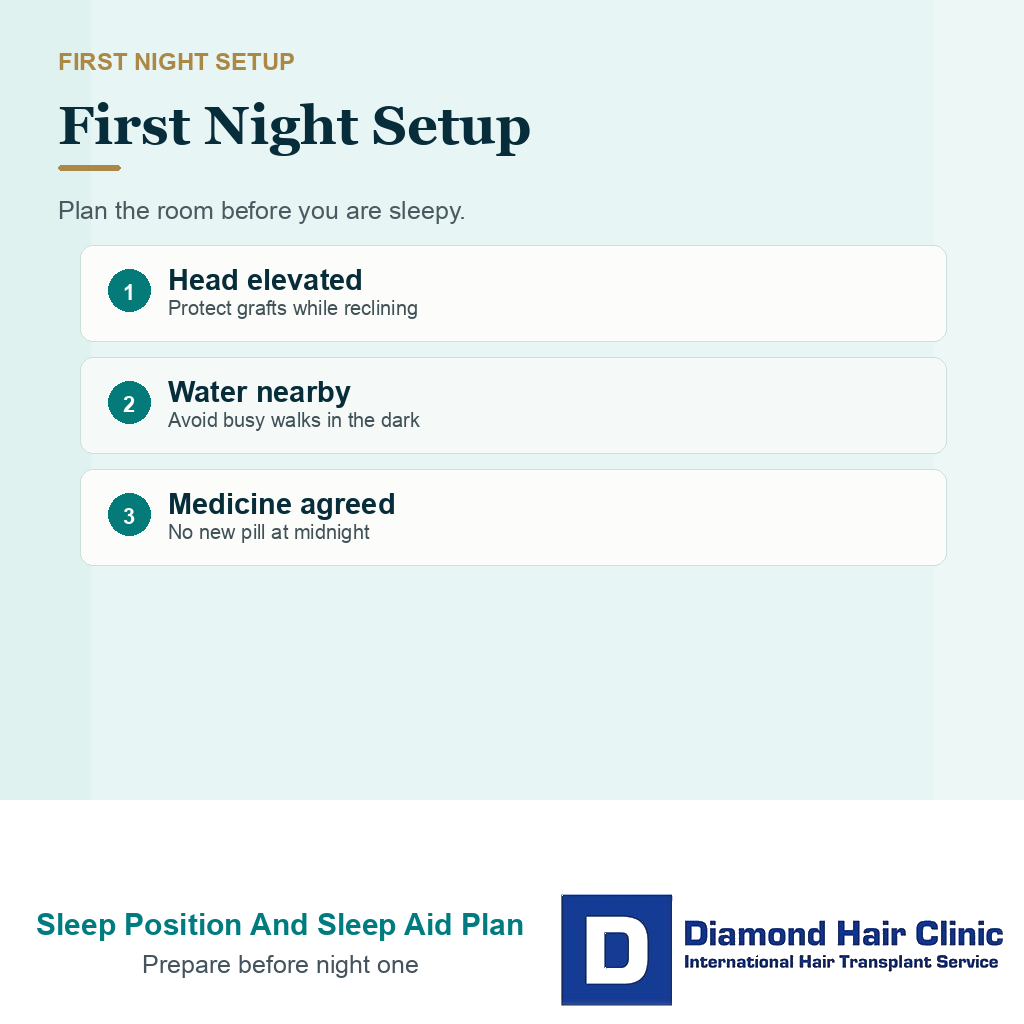
The first nights are easier when the room, pillows, pain plan, and medication decision are prepared before bedtime.
Steps when you cannot sleep at all
First, check why you cannot sleep. Pain, tightness, swelling, caffeine, fear, room temperature, pillow position, jet lag, and checking the grafts every few minutes can all keep you awake. A pill is not always the first fix.
Make the room quiet and cool, keep the head elevated, use the clinic’s approved pain plan, avoid late caffeine, keep the phone away from the scalp, and stop repeatedly inspecting the grafts unless there is a real warning sign.
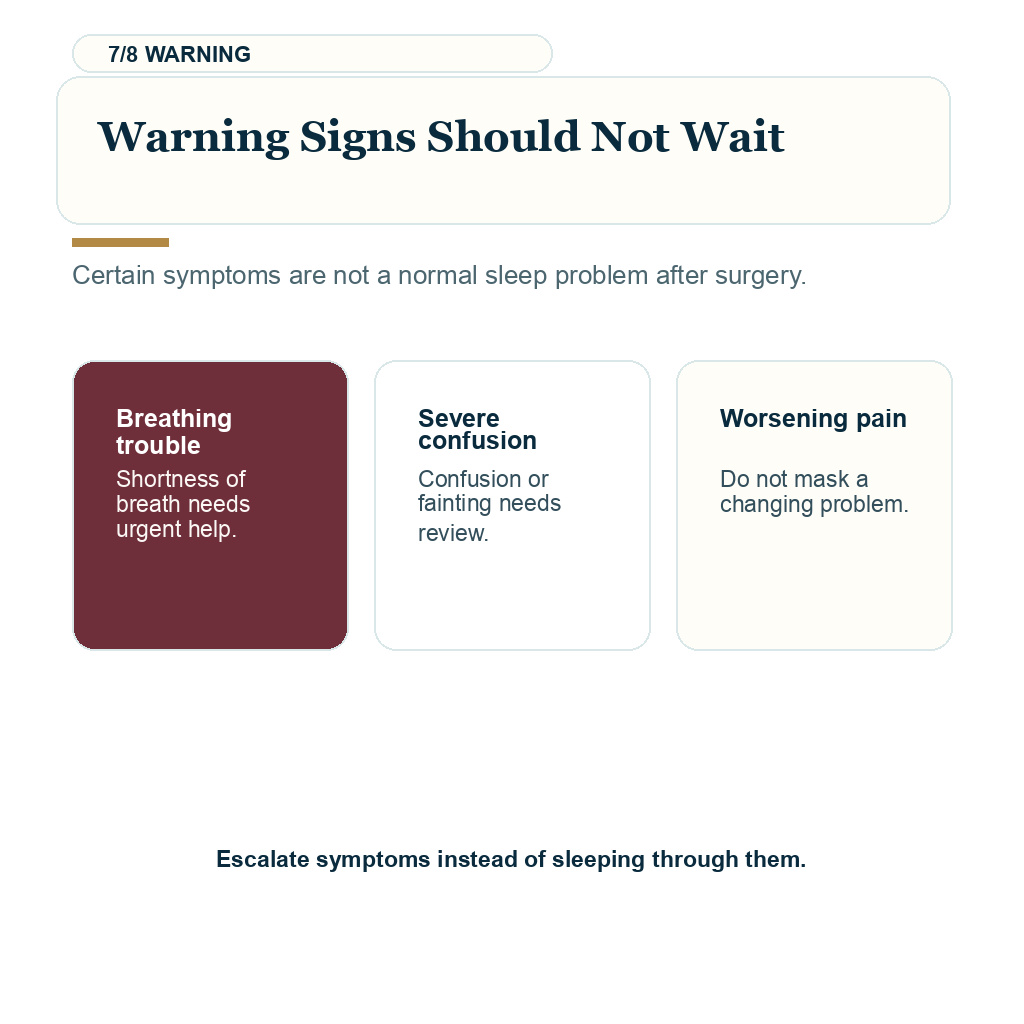
If you have severe pain, fresh bleeding, vomiting, breathing difficulty, confusion, chest pain, fever, pus, spreading redness, or swelling that is getting worse quickly, do not treat the night as only insomnia. Ask for clinic review or seek medical attention based on the symptom.
When fear keeps you awake, send a clear photo and ask a direct question. It is often easier to sleep once you know what you are looking at.
When position is the issue, do not keep rebuilding the whole bed every hour. Make one stable setup, test that the scalp is not rubbing, then leave it alone. Constant adjustment can create more contact than a simple imperfect position.
Use the 8 sleeping pill safety slides below to separate sedation, medicine mixing, breathing risk, balance, driving, prescribing context, warning signs, and first night routine. Swipe sideways, use the arrows, or choose a number below the image.