


Sleep Apnea and CPAP Need Planning Before Surgery
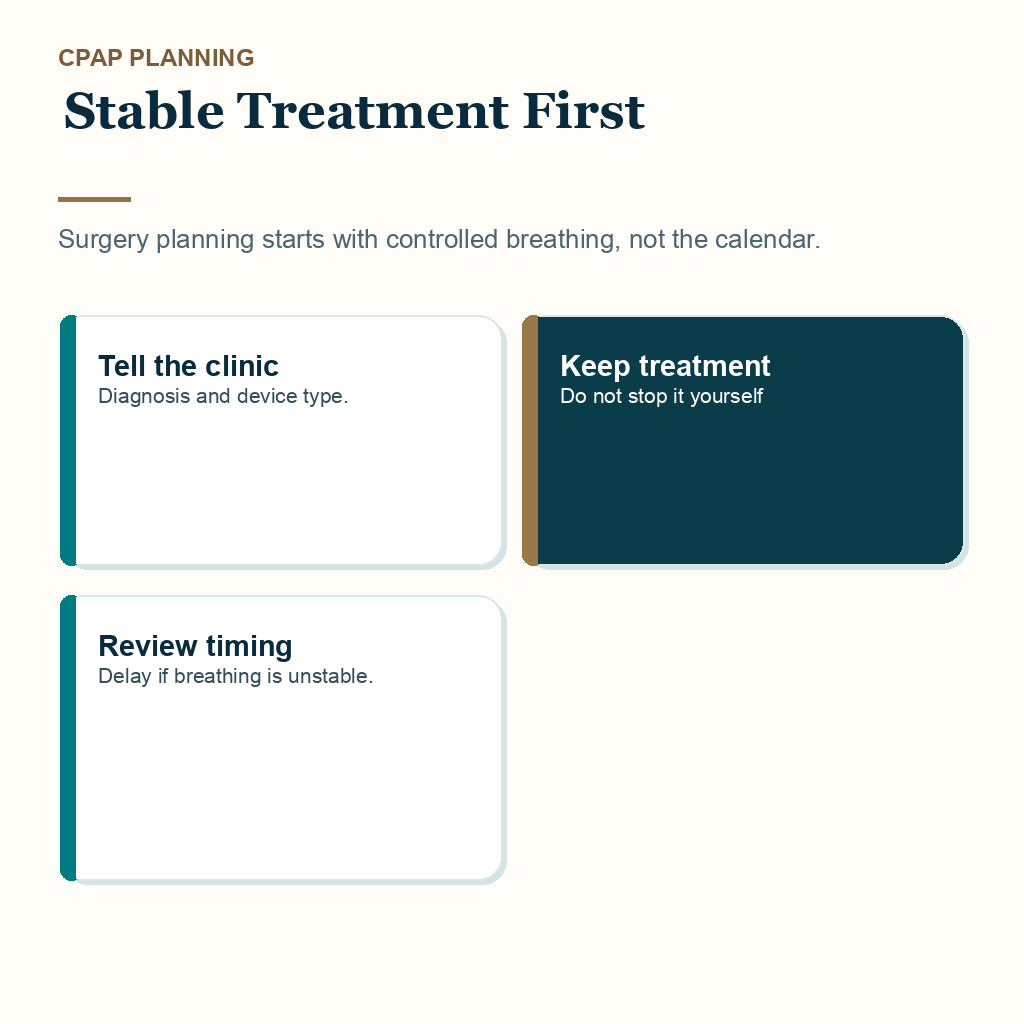
Many patients with sleep apnea can have a hair transplant if the condition is understood, the breathing treatment is stable, and the first healing period can be planned without pressure or rubbing on the grafts. Do not stop CPAP on your own, and do not hide the diagnosis from the clinic.
The deciding issue is breathing control, device pressure, and the first night plan, not the diagnosis label alone. It is whether your breathing is controlled, how your CPAP, APAP, or BiPAP mask sits on the scalp, whether you can sleep safely after surgery, and whether the surgical team plans the day around your real medical situation. Patients with breathing risk should also review sleepless nights after FUE before adding alcohol, cannabis, or a sleep aid to the first nights.
A hair transplant is elective surgery. Sometimes the answer is yes, sometimes yes with a modified plan, and sometimes not yet. Delaying is better than asking a patient to choose between breathing safely and protecting the recipient area.
Before saying yes to surgery
Before surgery is accepted, the breathing diagnosis has to be reviewed as part of the whole medical picture. “I use CPAP” is not enough detail. The concern may be obstructive, central, mixed, or still not properly clarified.
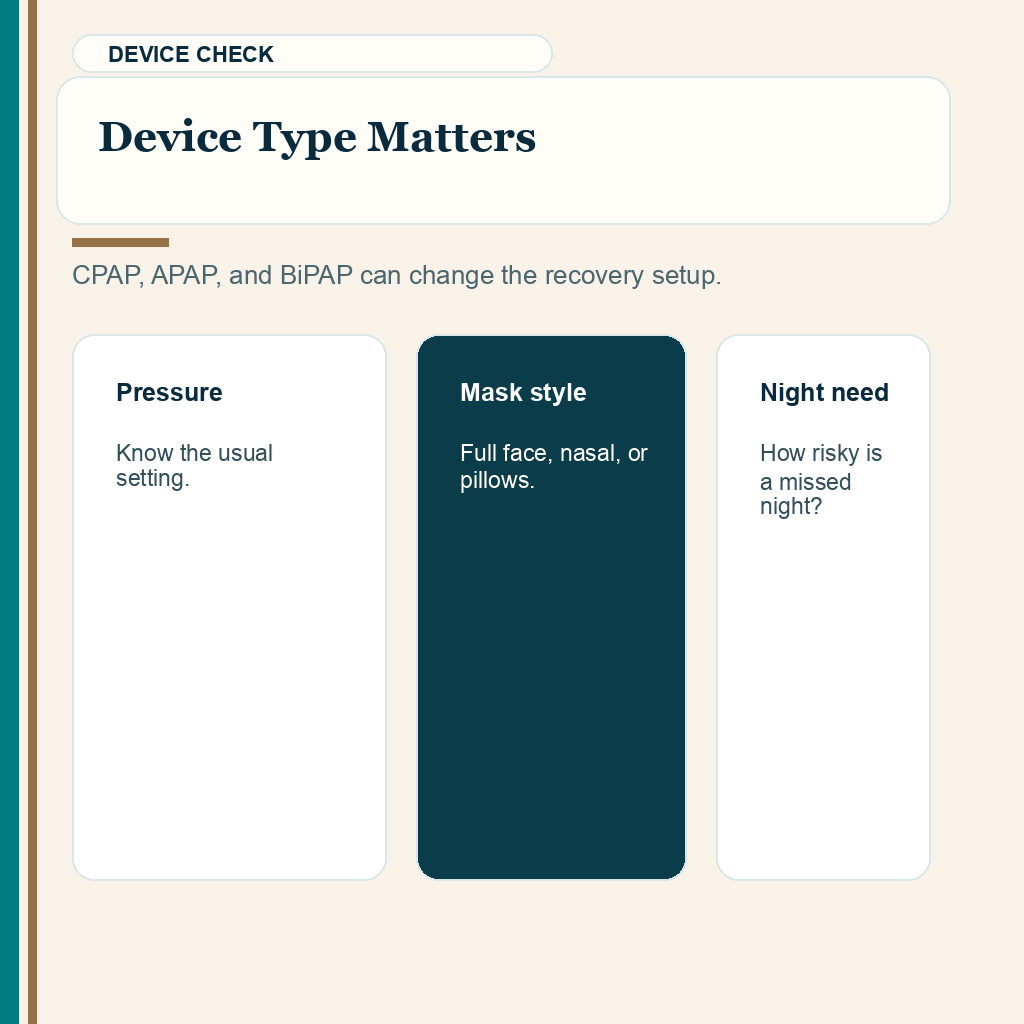
The device also matters. CPAP, APAP, and BiPAP are not identical in daily use. Pressure settings, mask style, tubing, and how dependent the patient is on the machine all change the recovery plan. The hair transplant plan should never force the patient to casually stop a breathing treatment they medically need.
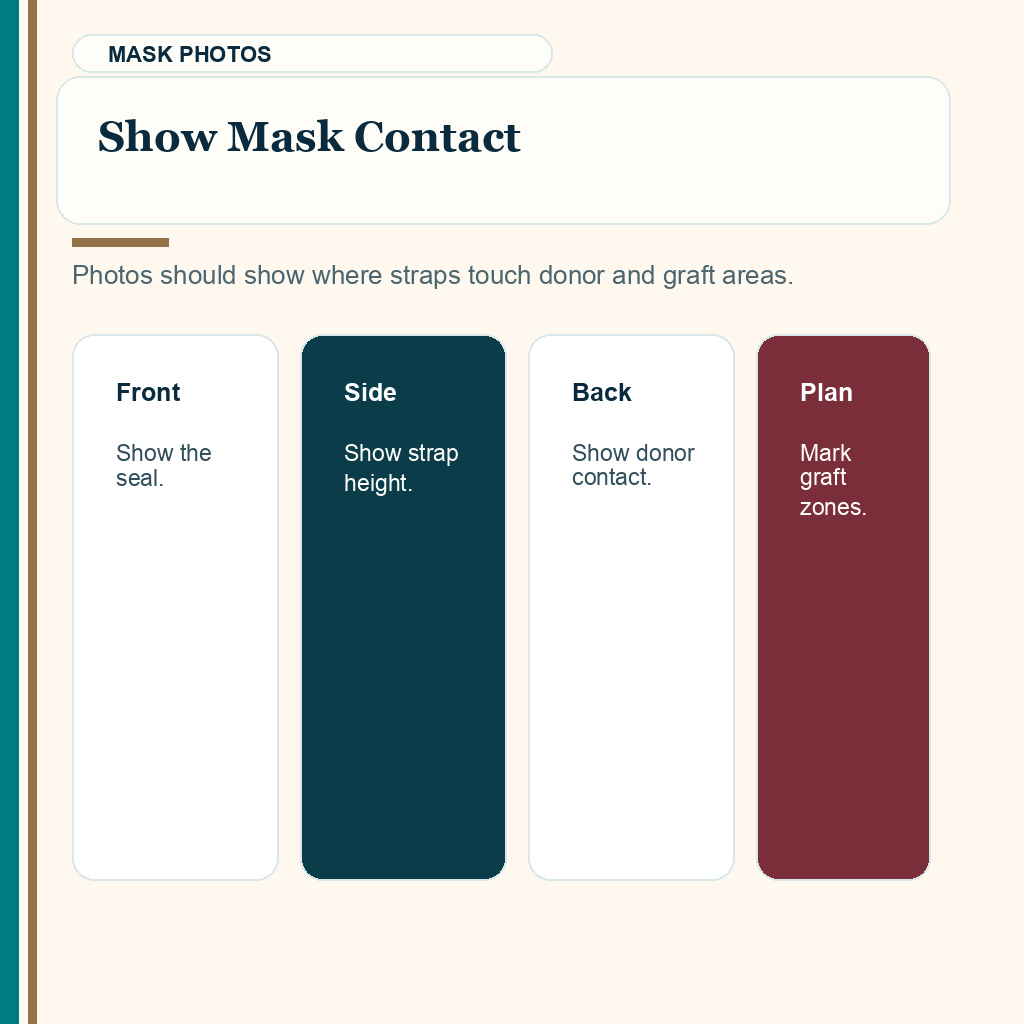
Mask type matters as much as the CPAP habit itself. A full face mask, nasal mask, nasal pillow, or minimal strap design can create very different problems after a hair transplant. Clear photos of the mask while it is worn from the front, both sides, and the back are useful. The strap path matters because the strap may cross the frontal hairline, temples, crown, or donor area.
It also matters whether the mask works only when it is very tight. This is a common practical problem. If the mask leaks unless the patient tightens it strongly, then the early recovery period becomes more difficult. A loose mask may not support breathing properly. A tight mask may irritate the healing scalp. That problem should be solved before surgery, not at midnight after the operation.
Travel with the mask, tubing, cushion, and strap setup you actually use at home. Trying a new mask for the first time on the surgery trip can create leaks, pressure, or a strap path no one planned for.
Pack the mask, hose, and spare straps in carry on luggage, not checked baggage. If the setup is missing after surgery, the first night becomes harder to plan around both breathing and scalp protection.
The wider medical history also matters. High blood pressure, diabetes, asthma, obesity, heart rhythm problems, blood thinner use, smoking, high red blood cell count, sedative use, anxiety medication, alcohol habits, and previous anesthesia problems can all change how I judge the case. For that reason, whether someone is a good candidate for a hair transplant should not be decided only from hairline photos. This is especially important when a patient asks about sedation during a hair transplant, because airway risk must be respected.
If a patient needs additional medical checks, it is better to know that early. A responsible plan may involve reviewing instructions before hair transplant surgery, checking relevant medical history, and sometimes asking for appropriate clearance before confirming the operation. Hair transplantation is a scalp procedure, but the patient is not only a scalp.
Sleep apnea matters before surgery
The condition matters because the patient must tolerate a long surgical day and then sleep carefully during the first healing phase. A person with unstable breathing at night may find ordinary aftercare instructions more difficult than another patient.
Many hair transplant patients are told to sleep on the back with the head elevated in the early nights. For some patients with this condition, that position can be uncomfortable or may worsen breathing. Other patients can sleep well only with their PAP machine, but the mask straps may cross areas that need protection after surgery.
Sleep apnea is not a reason to cancel surgery by itself. It means the plan must be more specific. The patient needs to be able to follow aftercare without creating a breathing problem or a graft protection problem.
The emotional part is also real. A patient who already worries about sleep may become anxious after surgery that every mask movement will touch the grafts or that every protected sleeping position will make breathing worse. Good planning reduces that fear before the operation, not after the first difficult night.
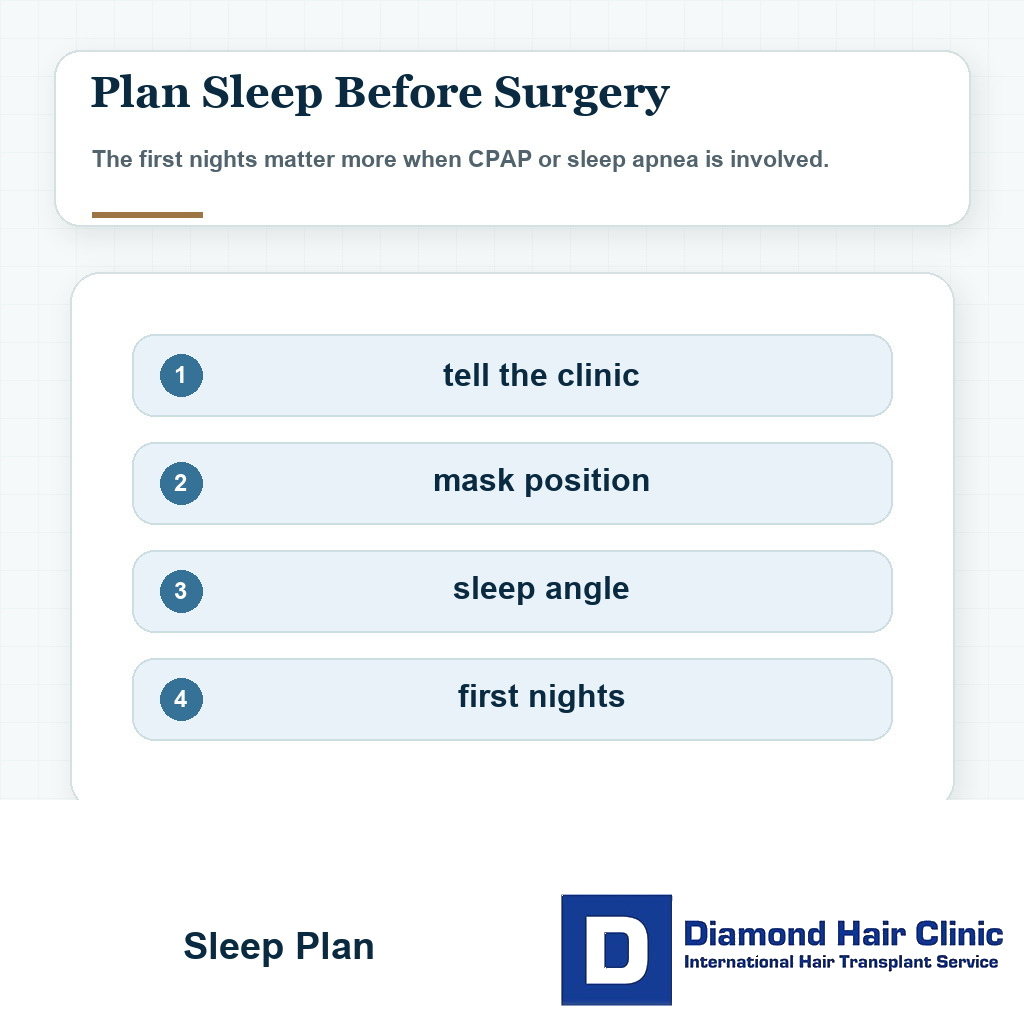
Sleep apnea and hair transplant growth
A controlled breathing diagnosis does not ruin hair transplant growth by itself. The risks I worry about are usually indirect.
If the condition is poorly controlled, the patient may sleep badly, become exhausted, remove the mask without realizing it, wake up repeatedly, touch the scalp more often, or make poor decisions during the first days of recovery. If a patient stops CPAP casually, breathing may become unsafe. If alcohol, sleeping pills or unapproved sedatives are used to get through the first nights, the situation may become medically more complicated.
From a graft point of view, my concern is not oxygen in a general, vague sense. The early healing environment matters because the recipient area needs to stay clean and protected from pressure, rubbing, scratching, and repeated mechanical irritation. A patient who sleeps badly and struggles with the mask is more likely to disturb that environment.
I separate the breathing diagnosis from the recovery behavior. A well controlled breathing problem does not by itself mean poor growth. Poor control, unsafe stopping of treatment, heavy mask friction, exhausted behavior, and careless medication use can make the early recovery period less predictable.
Sleep apnea details the clinic needs
Share the sleep apnea diagnosis before you book travel or reserve surgery. Do not mention it casually on the operation day as if it is a small detail. The clinic should know whether it is mild, moderate, or severe, whether you use CPAP, APAP, BiPAP, or an oral appliance, and whether your treatment is actually working in daily life.
Describe how many hours you usually sleep with the machine. Mention if you remove the mask during sleep, wake up choking, still feel very tired during the day, or recently changed your device settings or mask type. These are practical details, not unnecessary medical questions.
If your CPAP app or machine shows usage hours, mask leak, or residual breathing events, that information can help, but it is not the whole decision. A good number on the screen does not tell me whether the strap crosses fresh grafts, and a mask that avoids the scalp is not enough if breathing is still poorly controlled. I need both sides of the plan to work together.
If possible, send photos of the mask on your head. I need to see whether the headgear crosses the frontal hairline, temples, crown, or donor area. This matters even more if the planned operation includes temple work, crown grafting, or dense frontal hairline work.
Medical details should also be shared early. The clinic should know about high blood pressure and hair transplant planning, diabetes and hair transplant planning, blood thinner use, heart rhythm issues, smoking, and medication use. The wider discussion of medication before a hair transplant explains why these decisions should not be improvised.
Do not simplify your medical history because you fear rejection. A responsible surgeon is not trying to punish you for having a medical condition. The aim is to decide whether the surgery can be done safely, whether the session should be smaller, whether medical clearance is needed, and whether the sleep plan after surgery is realistic.
Using CPAP without harming grafts
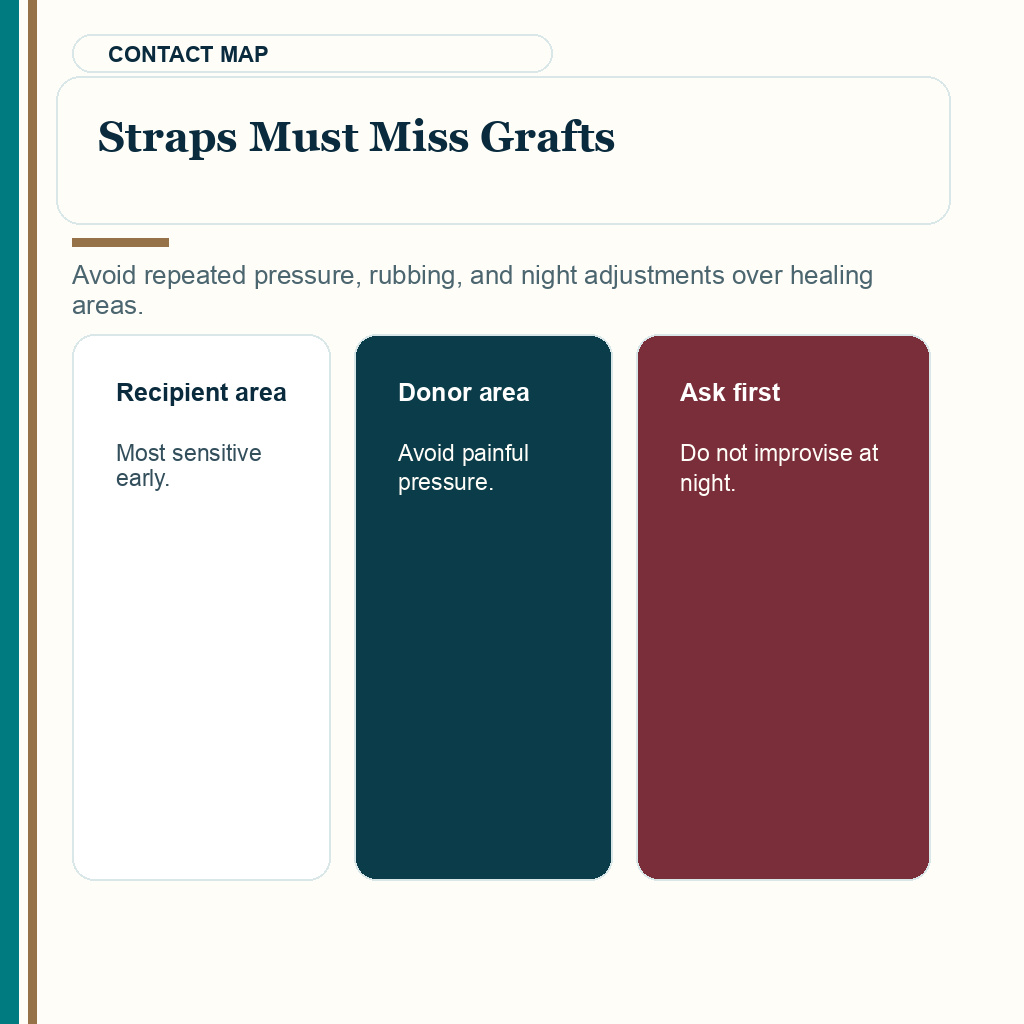
Commonly, CPAP can still be used after a hair transplant, but the mask and straps must not rub, press, or drag across the recipient area in the early healing phase. The airflow from CPAP is not what usually worries me for the grafts. The mechanical contact from the mask, straps, tightening, and repeated adjustment is the practical problem.
If the recipient area is the frontal hairline and the strap crosses the crown or back of the head, the risk may be different than if the temples or crown were grafted. If the donor area is tender, a tight strap across the back of the scalp may not damage grafts in the same way as direct pressure on the recipient area, but it may create pain, friction, irritation, or unnecessary anxiety.
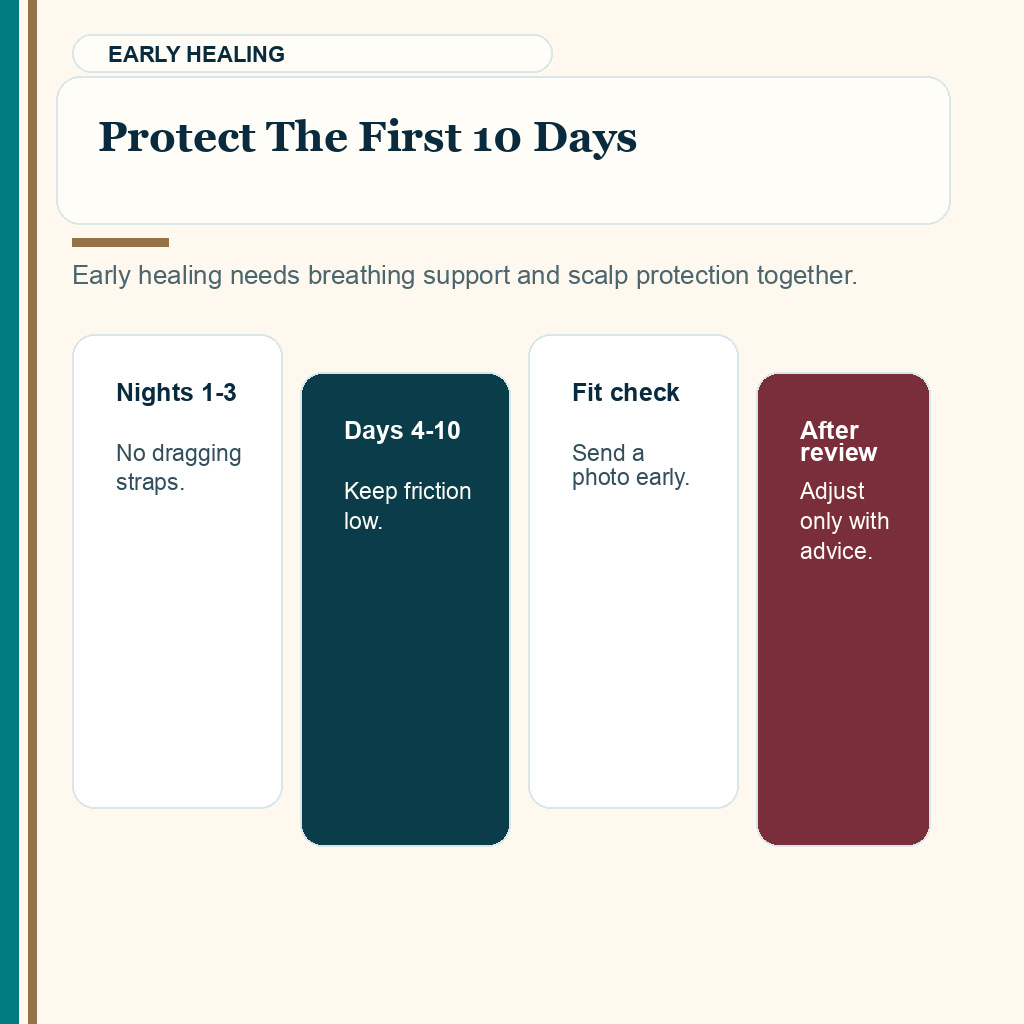
The first 10 days are the period for the most caution with pressure and friction. This matches the recovery timing in when patients can sleep normally after a hair transplant. Patients do not need to fear every light contact. The important risk is repeated pressure and rubbing.
If CPAP is medically necessary, the answer is not to stop breathing treatment casually. The better plan is to keep the airway supported while protecting the scalp. Sometimes that means discussing a temporary mask option with the sleep physician before surgery. Sometimes it means planning the CPAP strap route after FUE around the donor and recipient areas. Sometimes it means delaying surgery until the breathing setup is stable.
Makeshift solutions deserve caution. Padding a strap may help in one area but increase pressure in another. Loosening a mask may protect the scalp but fail to support breathing. Moving a strap away from one grafted area may push it into another. The solution must protect both breathing and grafts. Do not tape a mask to the face or reroute its headgear on your own to keep it off the scalp. A setup that avoids the scalp can still leak or fail to support breathing.
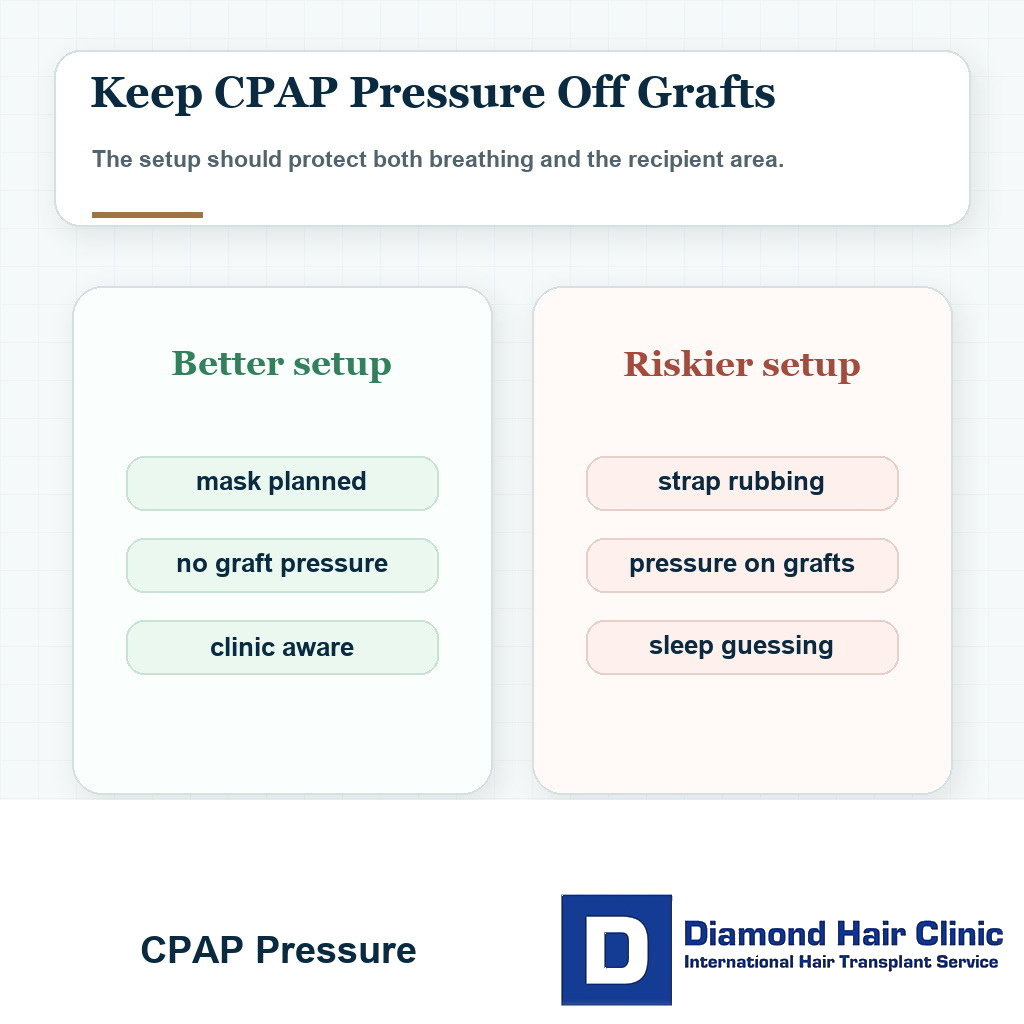
CPAP mask choice after surgery
There is no single CPAP mask that is best for every hair transplant patient. The easiest mask is the one that supports breathing properly while avoiding pressure and rubbing on the treated scalp. That answer depends on the patient, the sleep diagnosis, the surgical map, and the mask design.
In some patients, nasal pillows or minimal strap designs may be easier because they can reduce contact with the upper scalp. In other patients, a nasal pillow may not be enough because of mouth breathing, pressure needs, nasal obstruction, or mask leak. A full face mask may be medically better for one patient but mechanically more difficult for the scalp if the headgear crosses a fresh recipient area.
I do not prescribe CPAP equipment as a hair transplant surgeon. The doctor managing the condition should guide that decision. Have that conversation before surgery if the current mask design creates a problem for the planned transplant area.
If a patient uses an oral appliance instead of PAP therapy, the scalp strap problem may be less relevant. But that does not by itself mean the breathing problem is fully controlled. The practical question remains the same. Can the patient breathe safely, sleep reasonably, and protect the scalp during the first healing phase?
The practical test is whether the patient can use the breathing treatment without tightening straps across the recipient area, without dragging the headgear over fresh grafts, and without waking repeatedly to adjust the mask. If that cannot be achieved, surgery may need to be delayed or modified.
Testing CPAP setup before surgery
Test the sleep setup before surgery, rather than discovering the problem on the first night after surgery. A CPAP plan that looks reasonable during a consultation may feel very different when the patient is tired, swollen, anxious, and trying to sleep with the head elevated.
The test should be practical. Use the same machine, mask, tubing, pillow angle, and sleeping position that you expect to use after the operation. Check whether the strap stays away from the planned recipient area and donor area. Check whether the mask still seals properly when it is not tightened strongly across the scalp.
If you are considering a different mask, do not wait until surgery week to try it for the first time. A new mask can leak, irritate the skin, dry the nose, or fail to support breathing well enough. The sleep doctor or equipment provider should guide that change before the transplant plan depends on it.
The first night after surgery should feel familiar enough that the patient is not repeatedly lifting the mask, dragging straps across grafts, or touching the scalp in panic. Repeated adjustment can create the same risk pattern as touching grafts after a hair transplant.
CPAP straps crossing graft or donor zones
If your CPAP straps cross the transplanted area, the plan needs to slow down. Fresh grafts should not be pressed under a strap. Even if the strap feels soft, repeated movement during sleep can create friction, and friction is the real concern.
If the strap crosses only the donor area, the decision depends on tenderness, extraction pattern, skin healing, and strap tension. A donor area can tolerate ordinary contact earlier than the recipient area, but it can still become sore or irritated. A mask tightened enough to dig into fresh extraction points is not a safe compromise.
A similar pressure and friction rule applies to wearing a hat after a hair transplant. The issue is not only whether an object touches the scalp. The issue is pressure, friction, timing, cleanliness, sweating, and how often the object moves against healing tissue.
Helmets and hard hats are even stricter because they can create stronger pressure and heat. If your recovery involves work equipment, motorcycle use, or protective headgear, the guidance on wearing a helmet after a hair transplant explains why pressure based decisions should be taken more seriously than patients often expect.
The CPAP strap problem should be solved before surgery. If the mask leaks unless the head strap is very tight, that is not a small detail. A loose mask can fail the breathing goal. A tight mask can irritate the scalp. When both options are poor, delaying surgery may be wiser until the sleep setup is improved.
Sleep position planning
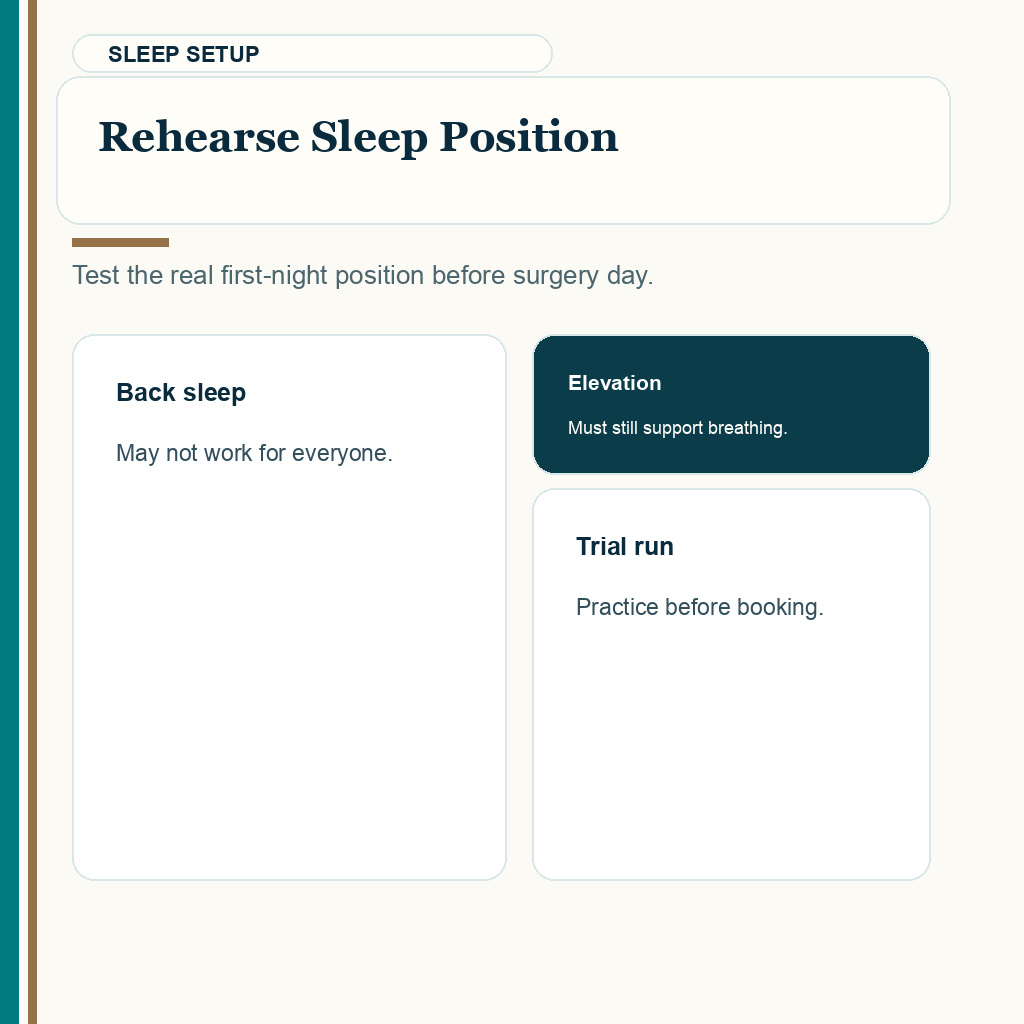
Many hair transplant patients are told to sleep on the back with the head elevated during the early nights. Elevation is especially useful during the first 2 to 5 nights because swelling is more active in that period. But for these patients, that position also needs to be safe and realistic.
Some patients breathe worse on the back. Some cannot stay asleep. Some panic in that position. Some remove the mask without realizing it. In these cases, forcing an ideal hair transplant sleeping position may create a worse medical situation.
Individual planning matters here. If the hairline was treated, carefully supported side sleeping may sometimes be safer than forcing a position that makes the patient choke, panic, or stop CPAP. If the crown was treated, side sleeping may be easier in one way but still needs planning because the crown can contact the pillow if the head is not supported properly.
Do not leave this decision for midnight after surgery. It needs review before the operation as part of hair transplant aftercare. The bed setup, pillow angle, CPAP tubing, mask strap position, and risk of rolling should all be considered before the first night.
Perfect stillness is not realistic. The aim is a setup that reduces avoidable mistakes. A patient who sleeps badly for several nights may become more anxious, touch the scalp more often, and make poor decisions from exhaustion. Good aftercare should protect grafts and protect the patient’s ability to breathe.
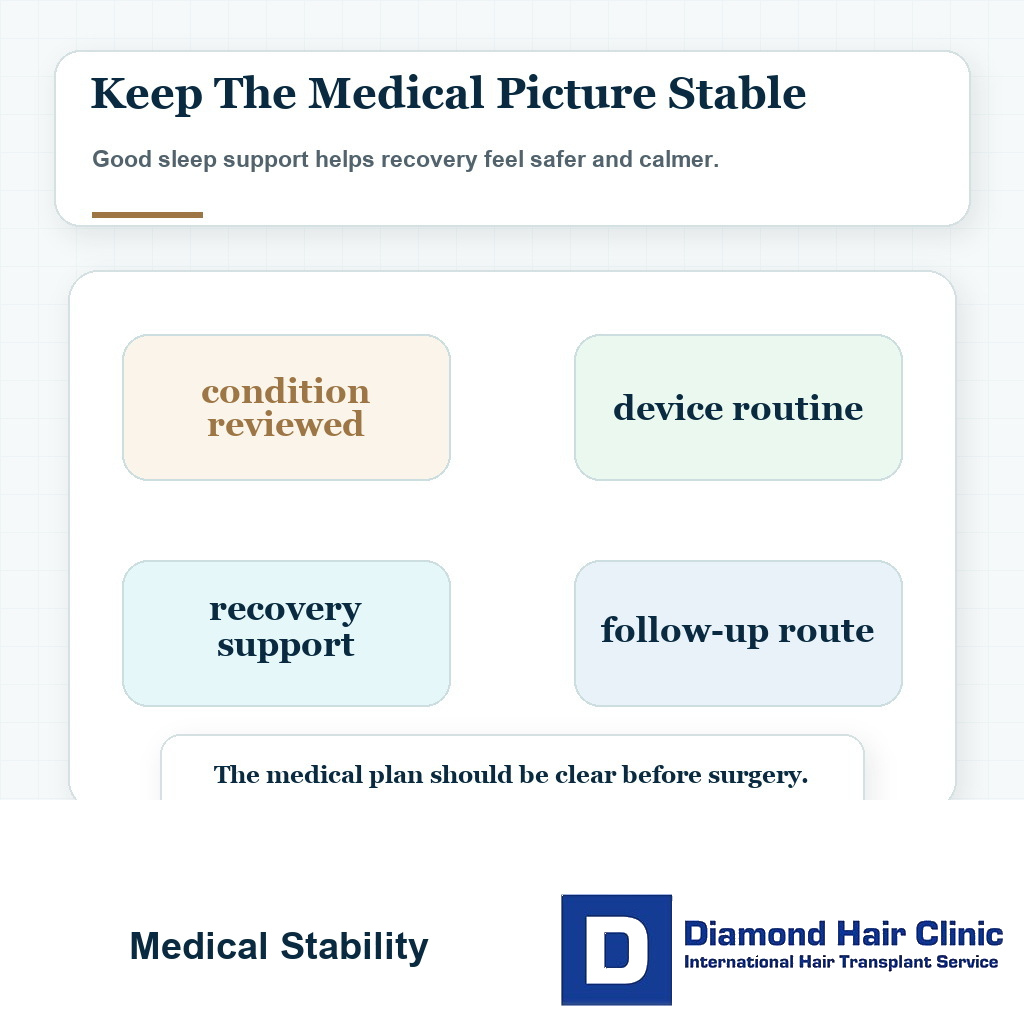
Surgical team monitoring during the operation
A hair transplant is usually performed under local anesthesia, not general anesthesia. Still, the patient may be in the clinic for many hours. Some patients with this condition become sleepy during long procedures. Some snore when they drift off. Some feel more uncomfortable when lying in certain positions. The team should not be surprised by this if the condition was discussed properly before surgery.
Medication that makes the patient sleepy needs extra caution. An anxious patient may want something stronger, but sedation with this condition should not be treated casually. The prescribing doctor, the sleep history, the procedure length, and the monitoring plan all matter.
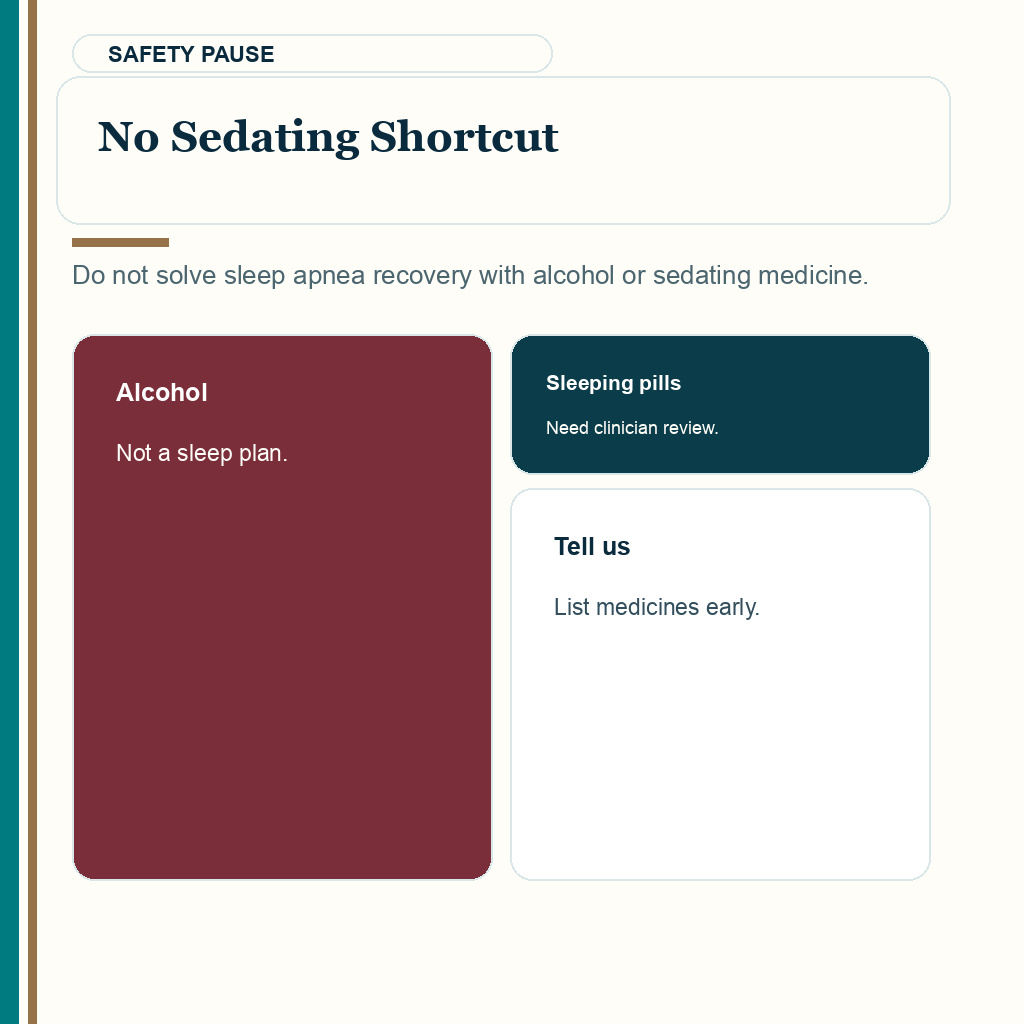
After surgery, sleep aids need special care. Alcohol, sleeping pills, strong sedating pain medicine, or sedatives chosen alone should not be used to force sleep during the first nights. Painkiller planning after a hair transplant should stay conservative during recovery. The wrong choice can worsen breathing and also reduce careful behavior around the grafts.
Local anesthesia also deserves respect. If the patient has heart rhythm issues, uncontrolled blood pressure, panic symptoms, or strong sensitivity to adrenaline, that must be discussed before the day of surgery. Adrenaline in hair transplant anesthesia should match the patient, not only the graft number.
Surgeon involvement matters here. A patient who depends on breathing treatment should not be treated as if the case is simply another scalp in a busy daily schedule. The operation plan, anesthesia plan, position changes, comfort breaks, and instructions after surgery must all make sense together.
Bringing the CPAP machine when traveling
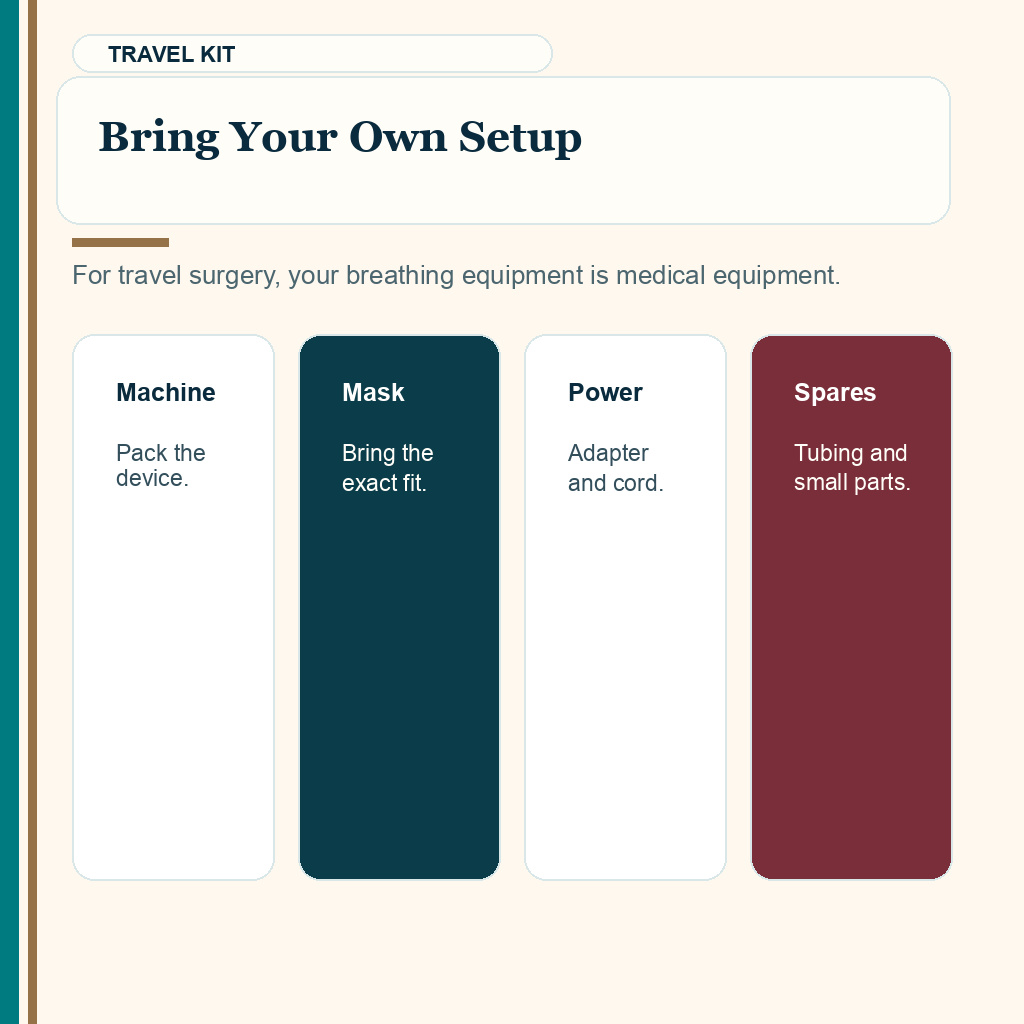
If you normally use CPAP, APAP, or BiPAP, you should travel with your own machine unless your sleep physician has clearly instructed otherwise. Do not assume that the hotel, clinic, or another provider can supply the exact machine, mask, tubing, pressure setup, and accessories you need.

For international patients traveling to Istanbul, this sounds basic, but it matters. Bring the machine, mask, tubing, power supply, plug adapter, and any replacement cushion or strap you may need. If your humidifier chamber is removable, make sure it is packed safely and emptied during travel. If you use a specific water routine at home, think about that before arrival.
Keep medical equipment you rely on with you while traveling instead of placing it deep in checked luggage where it can be delayed or lost. The exact airline and airport rules may vary, so check before flying, but the general principle is direct. If you need the machine to sleep safely, treat it as essential medical equipment.
Medical travel should not be planned only around price, hotel photos, or airport transfers. A patient who uses CPAP or another breathing treatment needs a clinic that asks practical medical questions. If you are comparing clinics, how to choose a hair transplant clinic in Turkey explains why medical communication matters as much as the package itself.
If you are traveling from abroad, you may also find it useful to review how to get a hair transplant in Turkey before making arrangements. The diagnosis does not by itself prevent travel for surgery, but it does mean the trip should be organized more carefully.
Surgery should wait in some cases
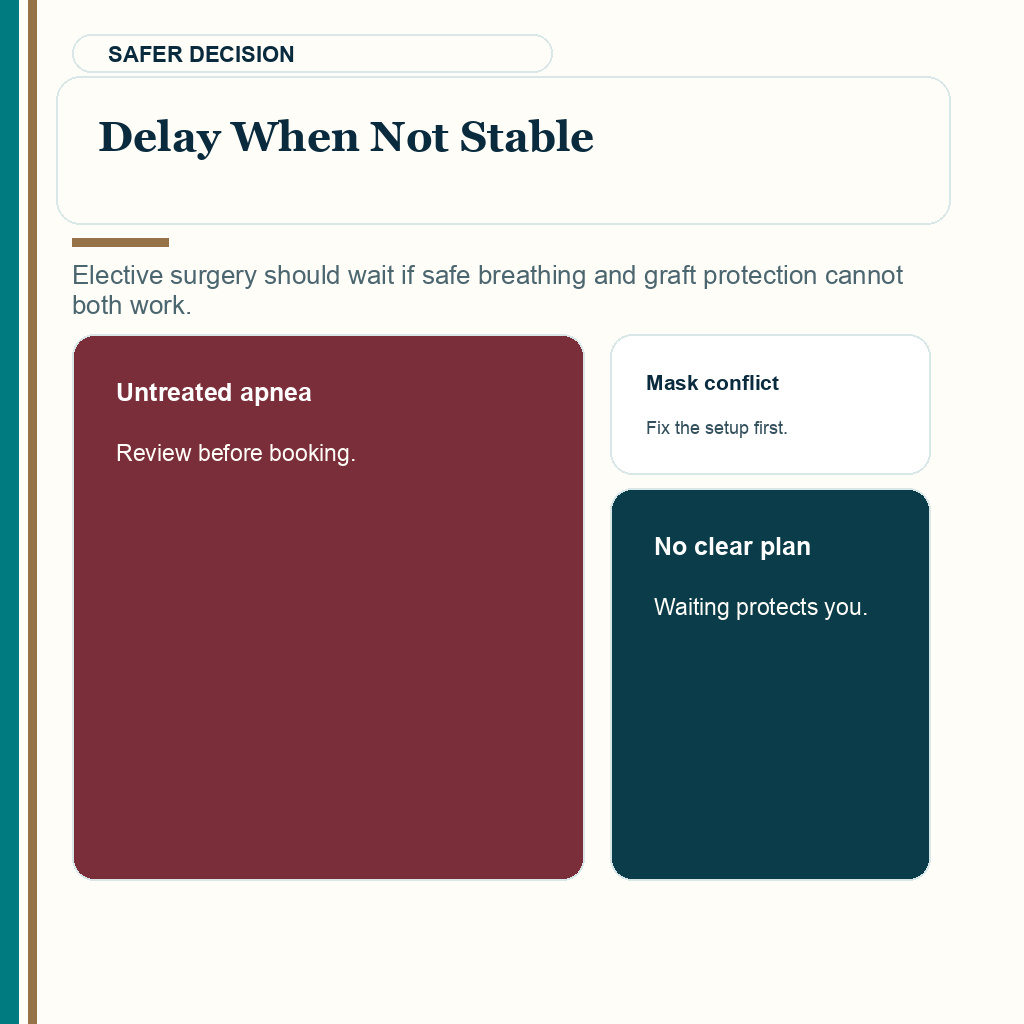
Surgery should wait if the condition is untreated, poorly controlled, recently diagnosed but not yet managed, or severe enough that the patient cannot sleep safely without equipment that presses directly on the planned recipient area.
It should also wait if the patient is not medically cleared for an elective procedure, if the clinic cannot understand the breathing treatment plan, or if the patient plans to stop CPAP for several nights without speaking to the doctor who manages the condition.
That may sound convenient for the grafts, but it may be unsafe for the patient. Hair restoration should not ask the patient to ignore a breathing disorder.
Alcohol, sedatives, strong sleeping pills, or unapproved sleep medication during the first nights can make the situation more complicated. The medication plan should be reviewed carefully, especially if the patient is already taking treatments for anxiety, blood pressure, diabetes, clotting, or sleep.
Waiting is not failure. It may be the decision that protects the result. If a patient improves CPAP tolerance, changes to a safer mask, stabilizes blood pressure, loses weight when medically advised, or gets medical clearance first, the eventual operation can be steadier and more predictable.
Clinic reassurance that needs caution
A rushed clinic may answer too quickly. If the reply is only “no problem” without asking about severity, mask type, medical history, sleeping position, medication, and who will monitor the patient, the answer has little medical value. Quick answers are attractive, but medical planning should not be careless.
Planning begins with the mask details, prescribed treatment, related medical conditions, usual sleep position, and first night recovery setup. Check the planned recipient and donor areas against every strap and cushion contact point before surgery.
This matters even more for international patients. When someone is comparing packages, price and graft numbers can distract from medical communication. It is better to spend time choosing carefully than arrive at a clinic that treats every health history as a small inconvenience.
The responsible answer is not always the fastest answer. It is the answer that explains when the plan needs to adjust. If the breathing problem means the first plan needs to change, a responsible surgeon should say so before the patient is emotionally and financially committed.
First 10 days after surgery
During the first 10 days, protect the recipient area from rubbing, pressure, sweating, careless touching, and sudden mask movement. If CPAP is used, the mask should be positioned so that the breathing treatment works without pressing on grafts.
The clinic’s washing plan also needs to be followed closely. At Diamond Hair Clinic, the second day check and the guided washing routine are part of making recovery clearer. Early recovery should feel supported, not like being left alone with a machine, a mirror, and fear.
If a strap irritates the donor area, do not simply tighten it or move it across the grafted area. Stop and ask the clinic. If breathing is poor, contact the sleep doctor. If both issues happen together, the answer may require both doctors, not a quick internet solution.
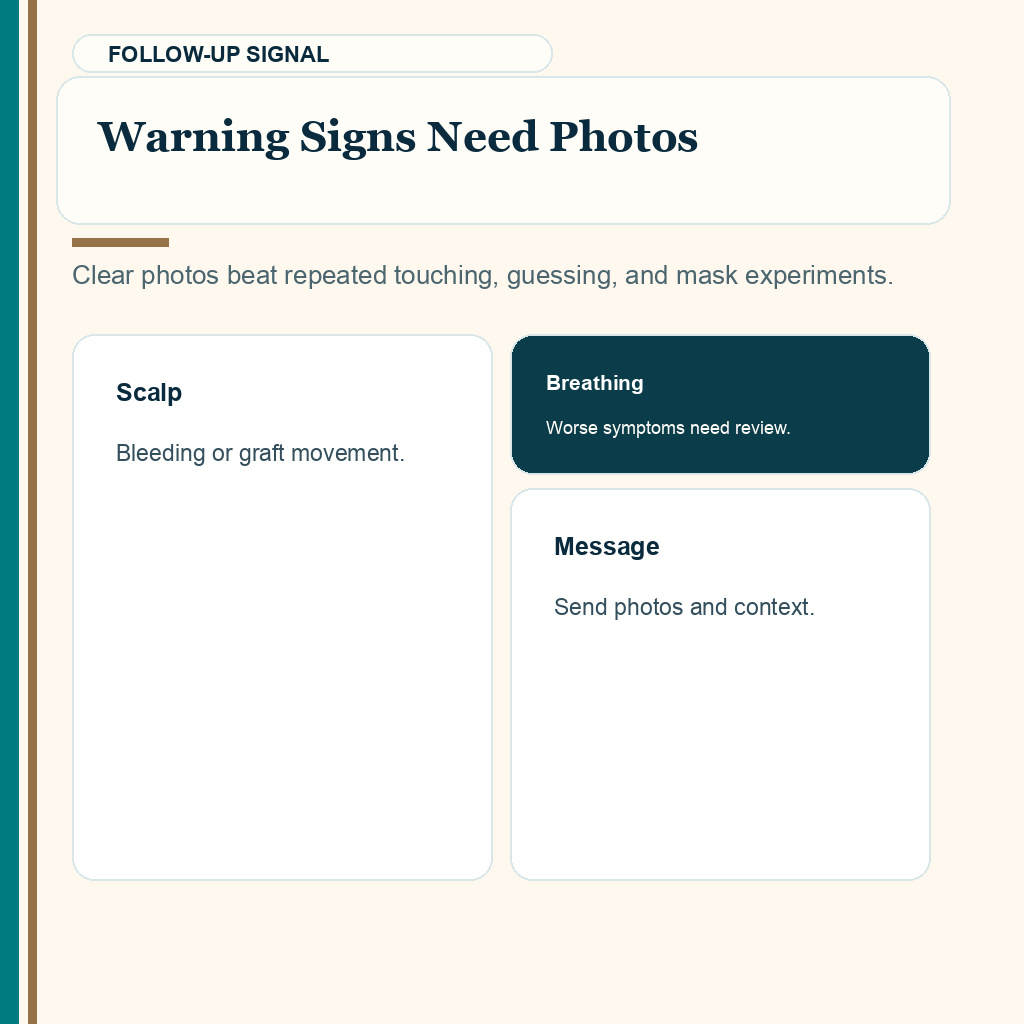
Look for practical warning signs. Bleeding from the recipient area, clear graft displacement, increasing pain, unusual swelling, worsening breathing symptoms, inability to use prescribed breathing support, or repeated mask irritation on the scalp should be reported.
A clear message with photos is better than repeated touching or experimenting at night. In my follow-up routine, clear photos during the early healing period help small concerns get assessed properly rather than guessed at.
These 10 CPAP planning slides split breathing treatment, mask contact, sleep position, travel equipment, and warning signs into one decision at a time. Swipe sideways, use the arrows, or choose a number below the image.
Breathing treatment has to fit recovery
Sleep apnea matters because the first nights after FUE already involve swelling, sleep position, medication timing, and graft protection. CPAP, mask straps, pressure points, and alertness after poor sleep all have to be discussed before the operation.
Do not stop CPAP without medical guidance and do not hide the diagnosis from the clinic. If the mask can be used without graft pressure and the medical history is stable, surgery may be possible. If breathing, anesthesia, or recovery logistics are unclear, waiting is better than forcing the date.
Read this review excerpt
First wash completed and visual instructions given to my daughter.