



Can Sneezing or Coughing Damage FUE Grafts?
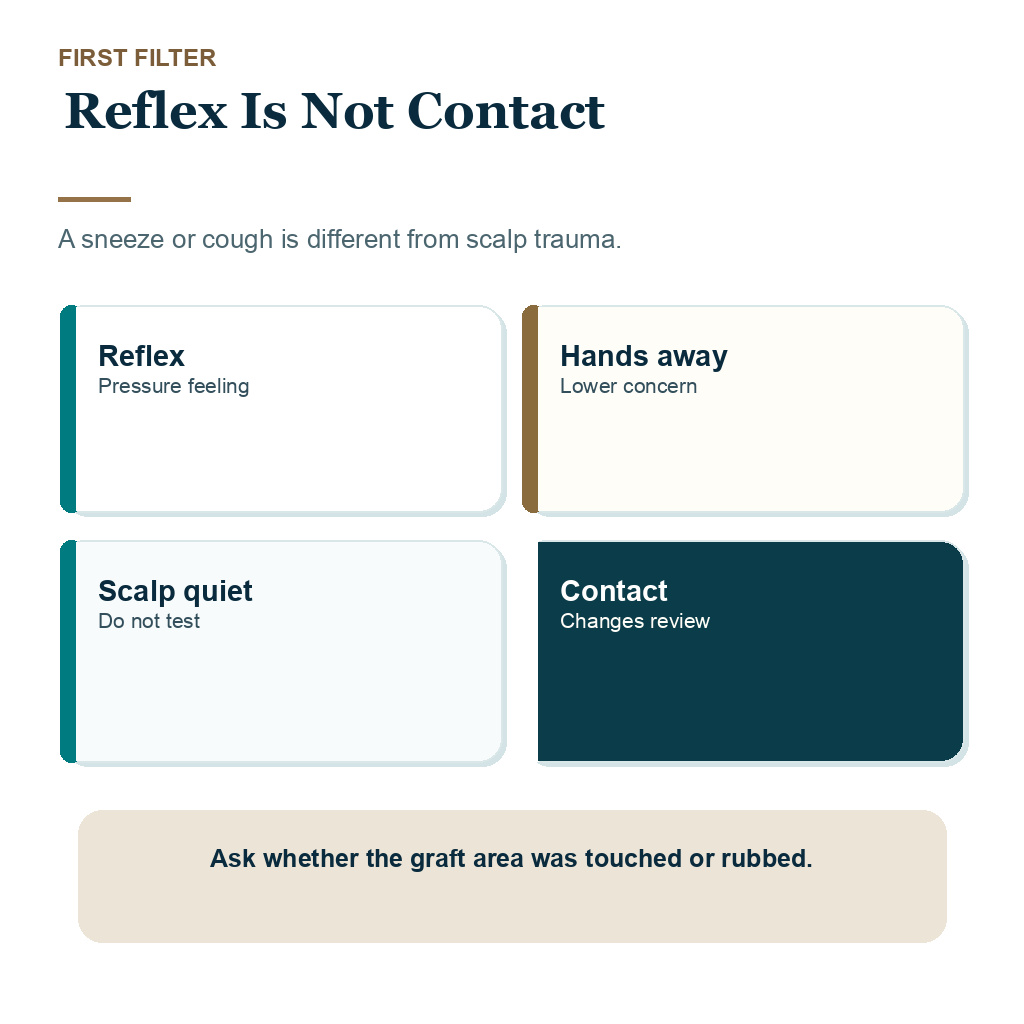
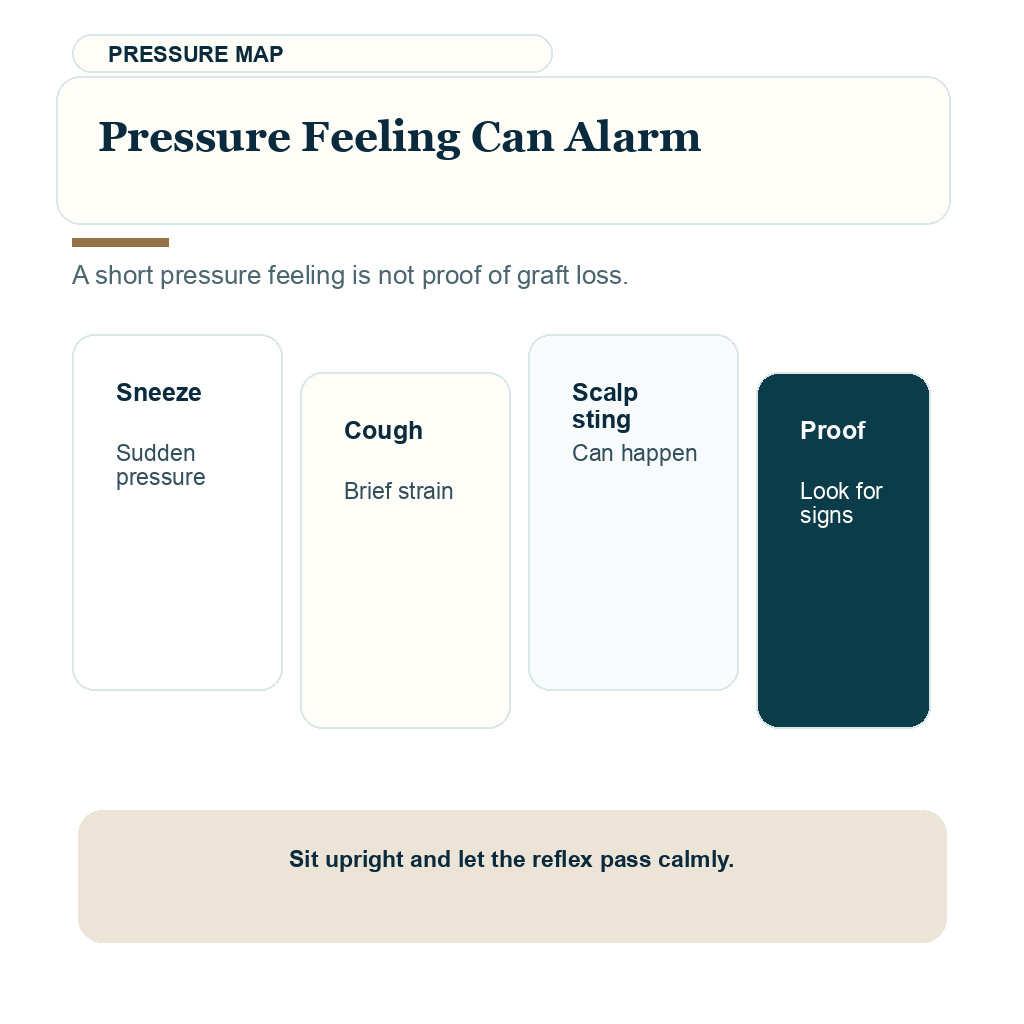
A single normal sneeze or cough usually does not make grafts come out. By itself, that is rarely the problem after a hair transplant. The grafts are most vulnerable in the first days, but the bigger risks are rubbing, scratching, pressing, hitting the scalp, fresh bleeding, or trying to test the recipient area. If you sneezed or coughed without touching the grafts and there is no fresh bleeding, that alone is usually not a sign that grafts were lost.
I still take the timing seriously. The first 10 to 14 days are a protected period, and the recipient area should be handled gently even when the sneeze or cough is harmless. After the reflex passes, leave the scalp quiet. Do not rub the scalp, do not pick scabs, do not urgently clean the area, and do not keep checking the grafts with your fingers.
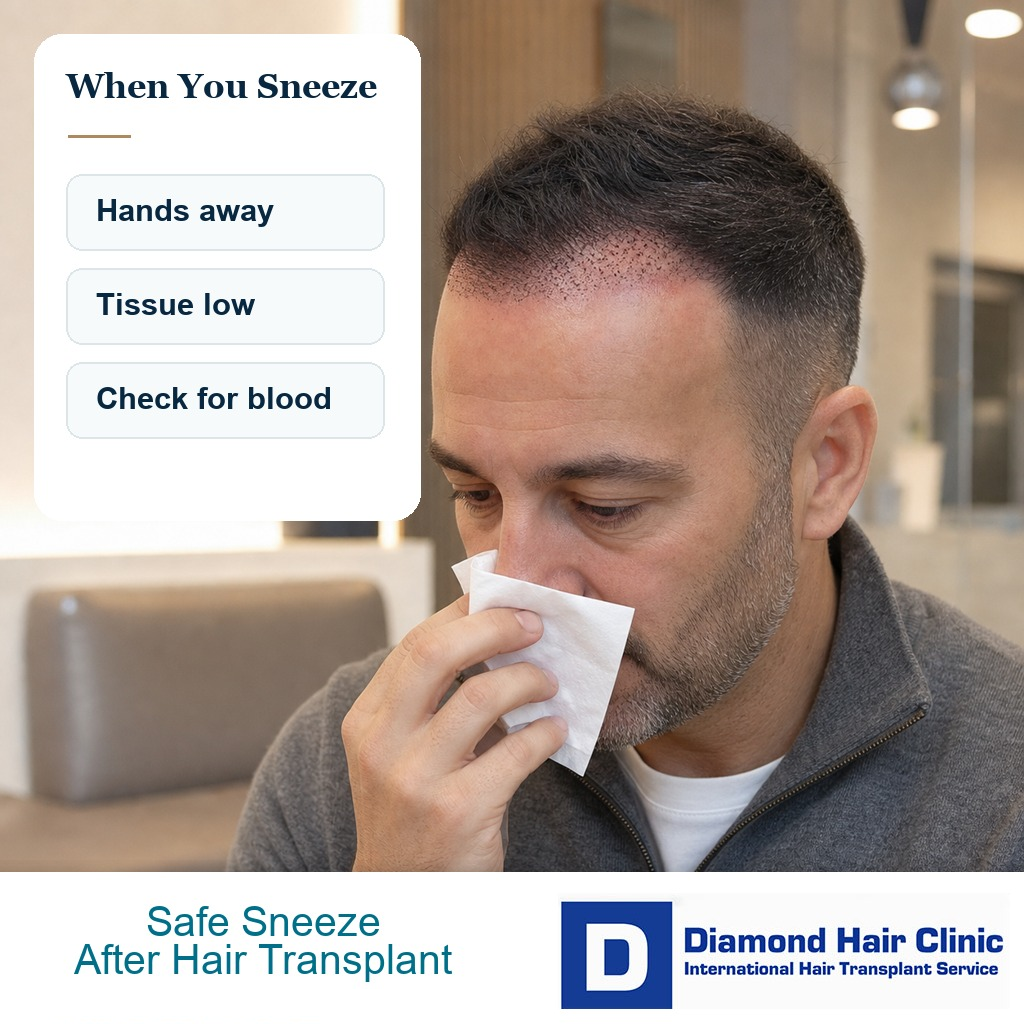
Do not pinch the nose or press a tissue across the hairline to control a sneeze. Let the reflex pass, then check that the recipient area was not rubbed or touched.
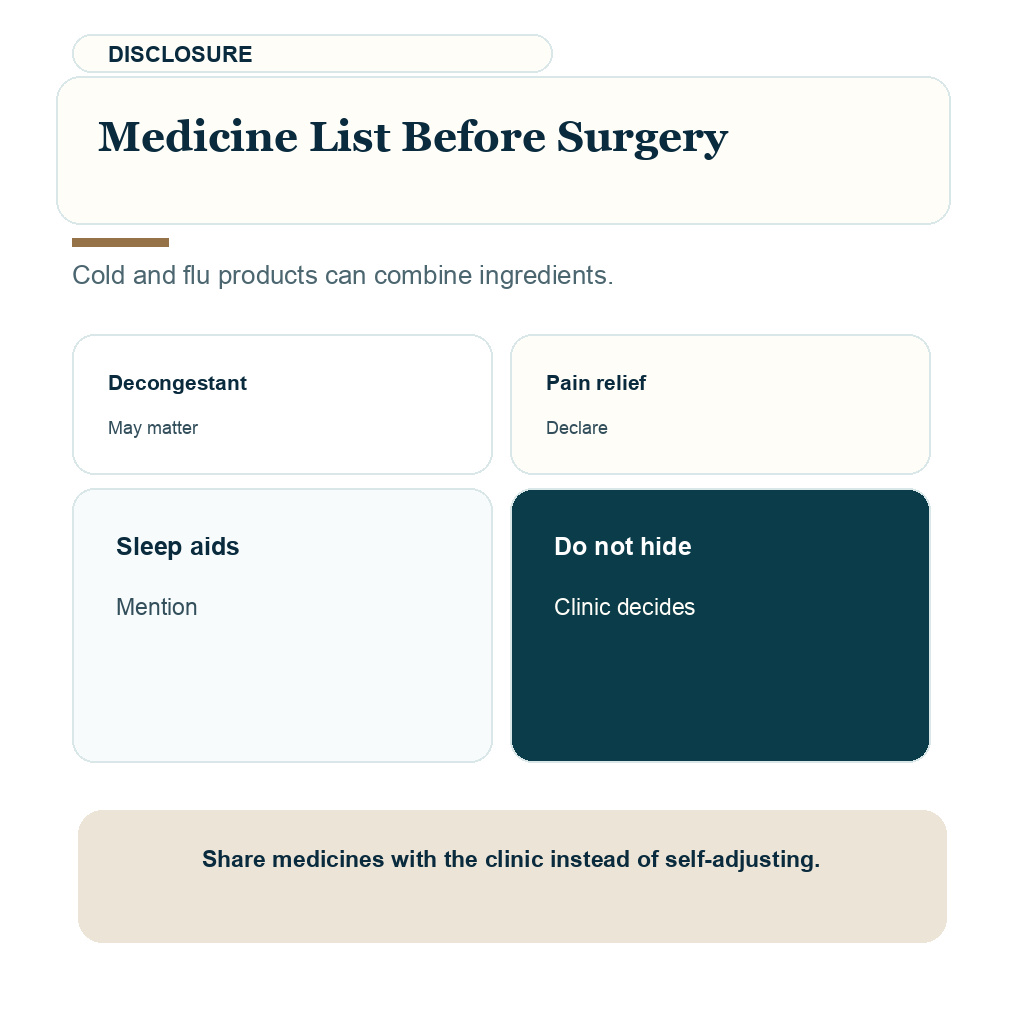
A cold or allergy changes the concern more than one sneeze when coughing is frequent, fever appears, or a new medicine is needed. Tell the clinic what symptoms you have before using cough syrup, decongestants, antihistamines, or tablets that may affect sleep or bleeding.
Cold products, decongestants, antihistamines, pain relievers, herbal flu products, antibiotics, and new prescriptions should be reported with the cough or sneeze history.
Sneezing itself is usually not the danger
Sneezing after hair transplant surgery is common because travel, dry air, clinic cleaning products, allergies, and normal colds can all irritate the nose. A sneeze creates a sudden pressure feeling, so it can worry someone who is already watching every graft closely. But pressure inside the nose is not the same as mechanical trauma to the grafts.
What I focus on is whether the recipient area was physically disturbed. A sneeze that happens while your hands are away from the scalp is different from a forceful scratch, a towel rub, a fingernail, a hat dragging over the grafts, or direct impact. I explain touching grafts after a hair transplant separately because body reflexes and mechanical contact are not the same problem.
You can feel a sting, tightness, or a short pulling sensation in the scalp during a sneeze. That can happen because the skin is healing and sensitive. It does not by itself mean the grafts moved.
The real early risk is contact or trauma
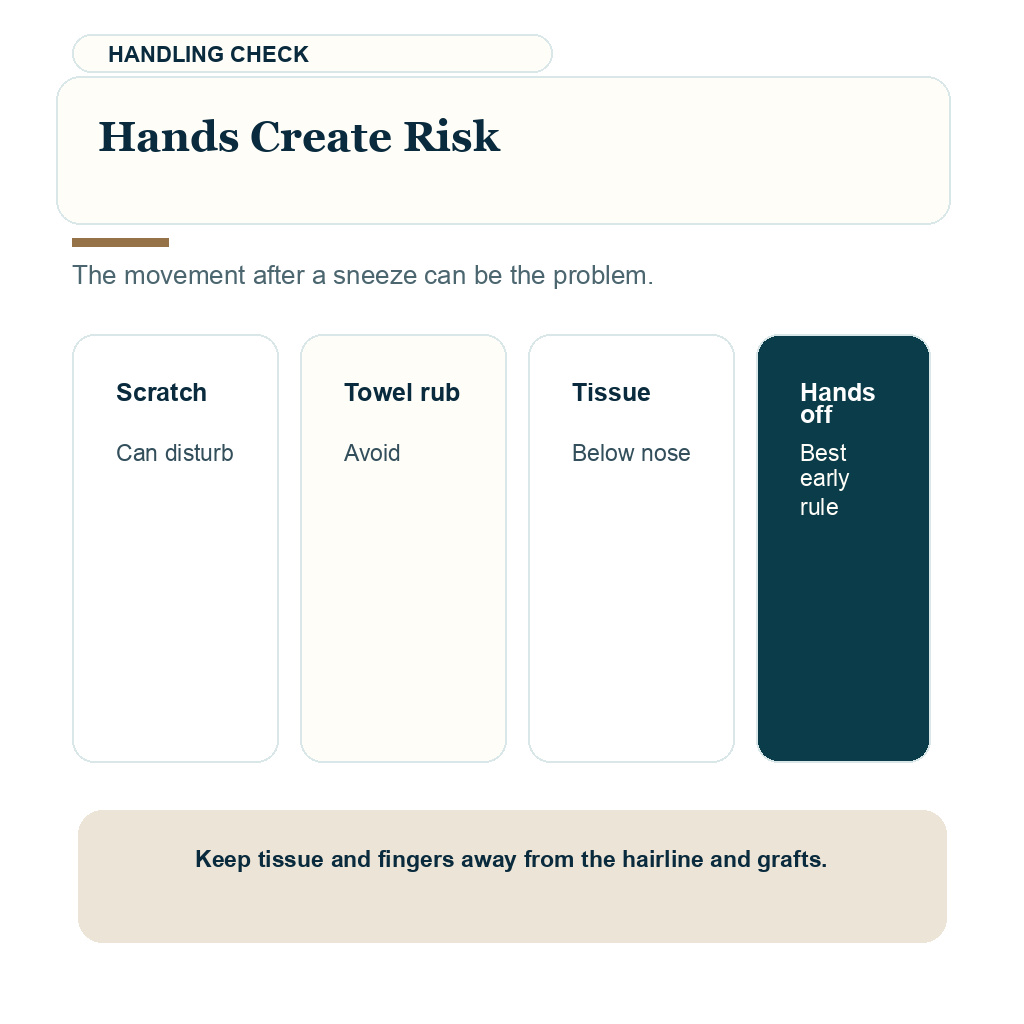
The main danger is mechanical force on the recipient area. Pulling, rubbing, scratching, aggressive washing, catching the scalp on clothing, or knocking the head can move a graft before the skin has settled around it. The cough or sneeze is not usually the problem. The hand movement that follows it can be.
If someone sneezes, grabs the scalp, wipes the forehead roughly, or presses tissue against the transplanted hairline, that becomes a handling issue. If someone coughs hard and then bends forward, rubs the grafts with a towel, or sleeps face down out of exhaustion, the risk comes from contact, pressure, and friction.
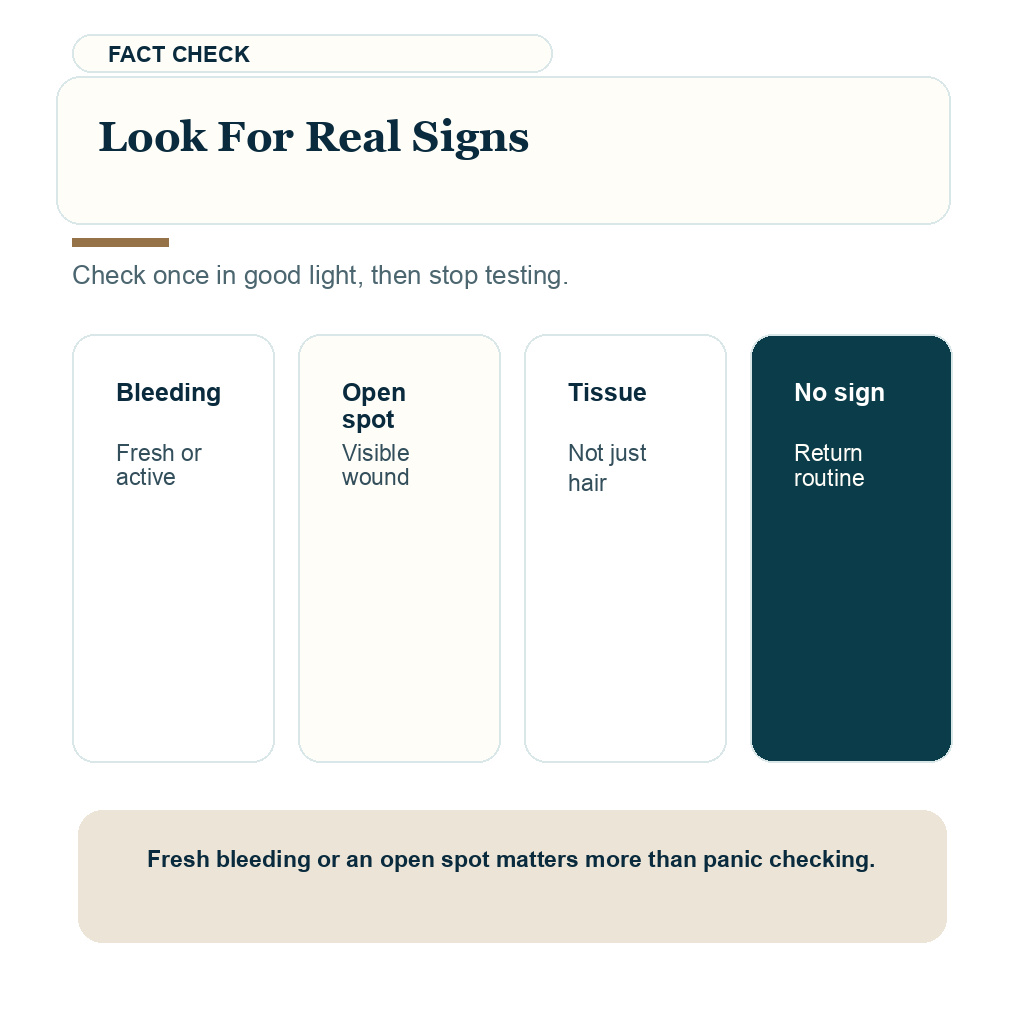
For graft loss worries, I look for a more concrete sign. Fresh bleeding, an open spot, a piece of tissue from the recipient area, increasing pain, or a clear wound matters more than a hair shaft caught in a scab. This is the same distinction I use when people worry about lost grafts when scabs come off.
Immediate steps after a sneeze or cough
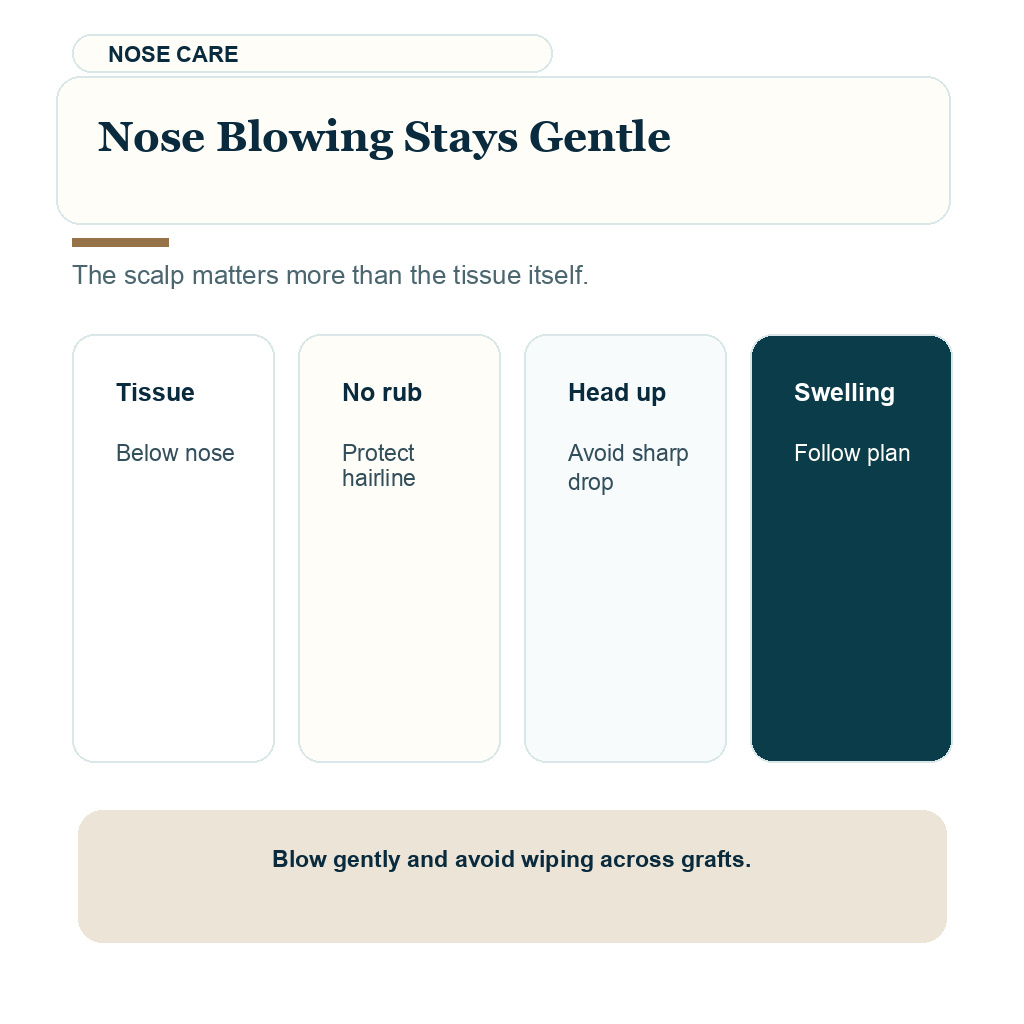
First, keep your hands away from the recipient area. Let the sneeze or cough pass without pressing the scalp. If you feel a sneeze coming, keep your mouth slightly open and keep the tissue below the nose rather than across the hairline or grafted area.
Check once in good light. Do not test whether each graft is fixed. Look for fresh bleeding, an open spot, unusual wetness, or clear trauma. Testing the grafts creates more risk than the sneeze itself.
Then return to the normal aftercare routine. If nothing changed visually and there is no bleeding, do not start extra washing, alcohol wiping, ointment, strong shower pressure, or scratching. Follow your clinic’s plan for hair transplant aftercare rather than inventing a new routine because a reflex made you anxious for a few seconds.
Coughing that needs clinic review
A single cough is not usually a surgical problem. Repeated severe coughing or vomiting after a hair transplant is different because it can make you exhausted, disturb sleep, raise facial pressure, increase swelling tendency, and make you move carelessly. It can also mean you are sick enough that the clinic should know.
Contact the clinic when coughing comes with fever, breathing trouble, bleeding, pus, or increasing pain. Shortness of breath after recent COVID, chest infection symptoms, worsening illness, spreading warmth or redness, or unusual swelling also needs review. Those signs overlap with the warning pattern I discuss in infection after a hair transplant, and they should not be watched silently.
If the cough began before the operation, tell the surgical team before surgery day. A mild throat irritation may allow a different plan than fever, strong chest symptoms, or a contagious illness. The decision should be medical, not based on flight tickets, hotel pressure, or anxiety about losing a deposit.
Gentle nose blowing is different from scalp trauma
Gentle nose blowing is usually less important than how you handle the scalp while doing it. Keep the tissue away from the grafts, avoid bending the head down sharply, and do not wipe the forehead or transplanted hairline. If your nose is blocked, blow gently rather than forcefully.
Strong nose blowing can create a pressure sensation in the face and forehead. That feeling can be uncomfortable after frontal hairline work, especially if you already have swelling. It still does not mean grafts have come out unless the recipient area was physically disturbed or there is bleeding.
When the face feels puffy, keep the head elevated, avoid repeated head down posture, and follow the swelling instructions you were given. I judge this together with swelling after a hair transplant, because swelling pattern, posture, and unnecessary pressure often matter more than the nose blowing moment itself.
Cold or flu symptoms around surgery day
If you become sick before surgery, share that with the clinic early. Do not hide fever, strong cough, chest symptoms, symptoms that could be COVID, or medication use because you are afraid the date may change. A hair transplant is elective surgery, and operating while someone is unwell is not always the wise choice.
Some mild symptoms may not stop surgery, but that decision belongs to the treating medical team after they understand your condition. If you are coughing constantly, you may struggle to stay still during the procedure, rest after surgery, sleep properly, and follow early instructions. The issue is not only graft safety. It is the whole recovery environment.
Cold medicine also needs attention. Some products combine pain relief, decongestants, sleep aids, caffeine, or ingredients that may not fit your medical history. If the illness itself is the bigger question, read my separate guide to cold or flu after a hair transplant. Here, I am mainly separating a sneeze or cough from true graft trauma.
The appointment itself matters too. Someone who arrives exhausted, feverish, coughing through the night, or using several unreported medicines is not starting from a stable position. Sometimes waiting a little longer protects the surgery better than forcing the original date.
These 10 sneeze and cough safety slides separate a normal reflex from scalp contact, bleeding, strong illness symptoms, medicine disclosure, and signs that need clinic review. Swipe sideways, use the arrows one slide at a time, or choose a number below the image.



The first 10 to 14 days still matter
Grafts become more stable as the skin heals around them, but I still ask for careful behavior during the first 10 to 14 days. Mechanical pulling is most risky in the earliest days. By about day 6, pulling on a hair is far less likely to dislodge a graft, and by about day 9 normally healing grafts are much more secure. I still do not turn those dates into permission for careless handling.
Those numbers help, but they do not replace how the scalp looks. Scabs, crusts, washing technique, swelling, skin sensitivity, and behavior all matter. Someone who protects the scalp for 10 to 14 days is in a better position than someone who reads one number online and starts testing the grafts.
At Diamond Hair Clinic, I separate graft security from scalp readiness. The graft may be more secure, but the skin can still be irritated, dry, scabbed, red, or sensitive. Washing your hair normally after a hair transplant comes back gradually, not all at once.

Protecting the recipient area while sick
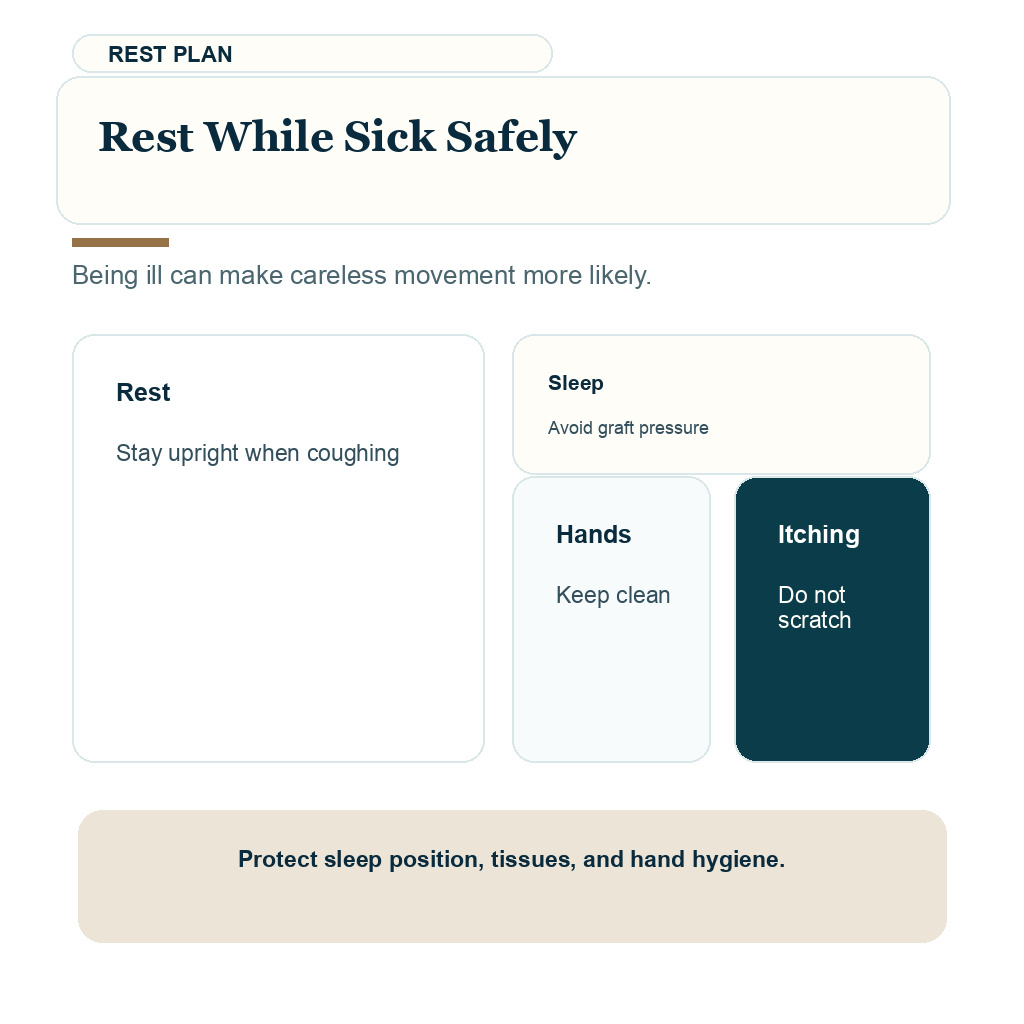
Use the same principles you use during ordinary recovery, but become more deliberate. Keep tissues away from the grafts, wash your hands often, avoid scratching when the scalp feels itchy, and sit upright when coughing or sneezing. If you need to rest, protect your sleeping position so the recipient area does not rub against the pillow.
Good sleep becomes harder when you are congested, but the first nights still need careful positioning. If the nose is blocked, some people turn face down or press the forehead into the pillow without noticing. That is a bigger issue than the sneeze. Protecting how you sleep normally after a hair transplant helps prevent pressure and friction while you recover from both the surgery and the cold.
Avoid heavy effort while you are sick. Forceful coughing, sweating, fever, poor sleep, and physical strain can all make recovery feel more difficult. During early recovery, I separate light walking from true exercise after a hair transplant.
If allergies are the reason for sneezing, discuss which medication fits your surgical plan before using tablets or sprays on your own. Some people also need to avoid dusty rooms, smoke, strong perfume, or very dry air during the first days. These details sound small, but they can reduce repeated sneezing and stop unnecessary touching from irritation.
Head contact while sneezing or coughing
When the head is hit, judge the contact itself. A light brush with no bleeding is usually lower risk than a direct hit, strong pain, or a fresh open point in the recipient area.
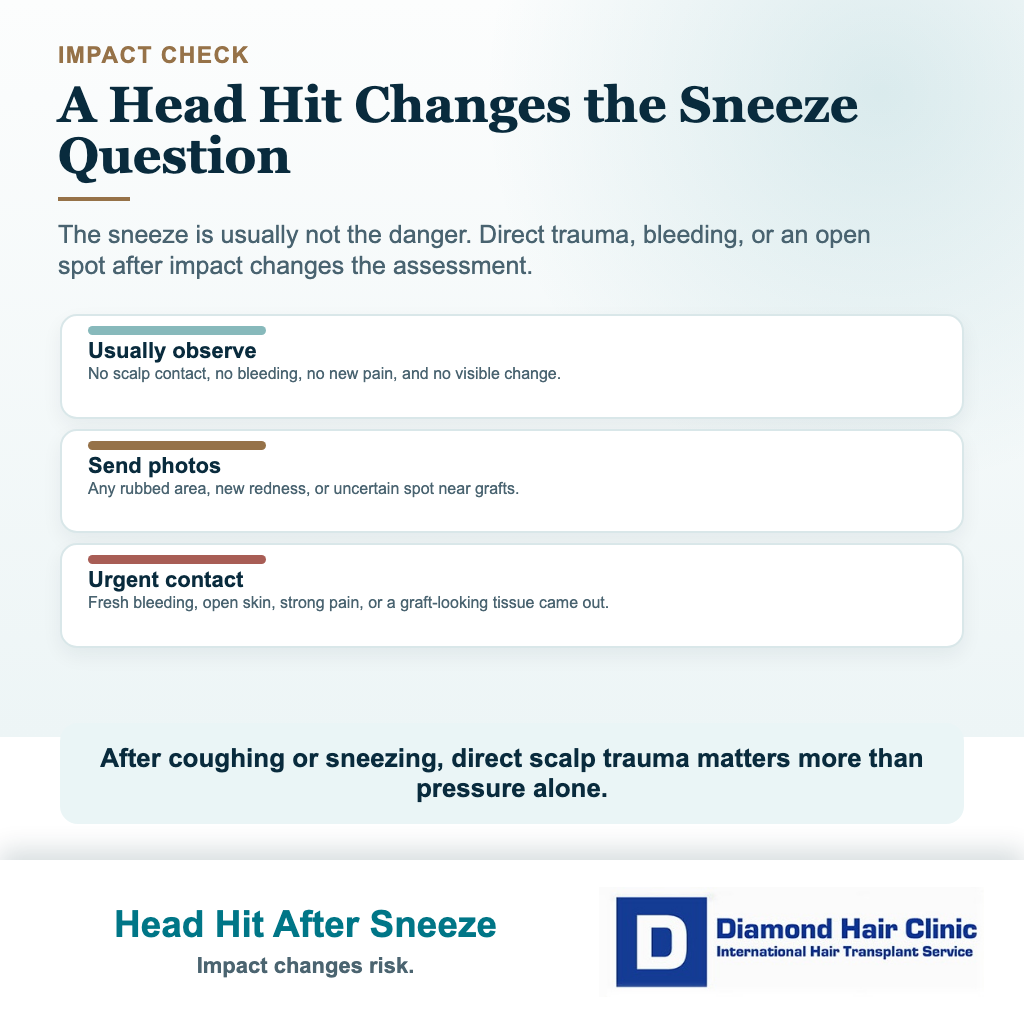
Sit down and stop touching the scalp. If you see bleeding, an open area, strong pain, or anything that looks like tissue, photograph that exact spot in good light and send it to the clinic. Do not press, scrape, or clean aggressively before the surgical team reviews it.
The practical checks from bumping your head after a hair transplant also apply here. Timing, force, bleeding, and the appearance of the skin matter. Anxiety does not help, but visible trauma should be shown to the clinic.
Clinic advice should explain the real mechanism
A useful answer should not turn every small event into panic or dismiss every concern. It should explain timing, contact, bleeding, symptoms, and when to contact the clinic. That kind of answer lowers anxiety because it gives you a way to judge the situation.
If a clinic only says not to sneeze, cough, laugh, bend, move, sleep, or wash without explaining priorities, you are left frightened and confused. The first days need discipline, but they should not feel like superstition. You need clear rules about what protects the grafts and what signs deserve contact with the clinic.
The same applies before surgery. If you are sick, using cold medicine, or worried about allergies, mention it early and follow the instructions before surgery instead of trying to manage the risk quietly on your own.
Relax more as grafts settle
Most people can relax more after the first 10 to 14 days, especially when scabs have cleared, the skin looks settled, washing is easier, and there has been no bleeding or trauma. At that point, ordinary sneezing and coughing should not be treated as a graft loss event.
Even earlier than that, a sneeze or cough without scalp contact is usually not the danger people imagine. The better focus is to protect the recipient area from hands, towels, pillow friction, headwear, impacts, and unnecessary pressure while the skin heals.
If you remember one idea, make it this. A sneeze is not a hand, and a cough is not a fingernail. Protect the grafts from real mechanical trauma, ask for clinic review for true warning signs, and do not let normal body reflexes turn your recovery into constant anxiety.
Recovery should make you careful, not frightened of your own body. People usually do better when they follow the plan steadily and stop repeated checking before it turns into unnecessary contact.

Read this review excerpt
told me the quality of my donor hair and what he could take out and advised me what will the be best outcome with what donor hair I had.
For patients recovering in hay fever season, sneezing is only one part of the risk. The fuller pollen season FUE recovery plan explains how to control nose wiping, eye rubbing, room air, and allergy medicine changes without touching the graft area.