




Signs that the result is still maturing
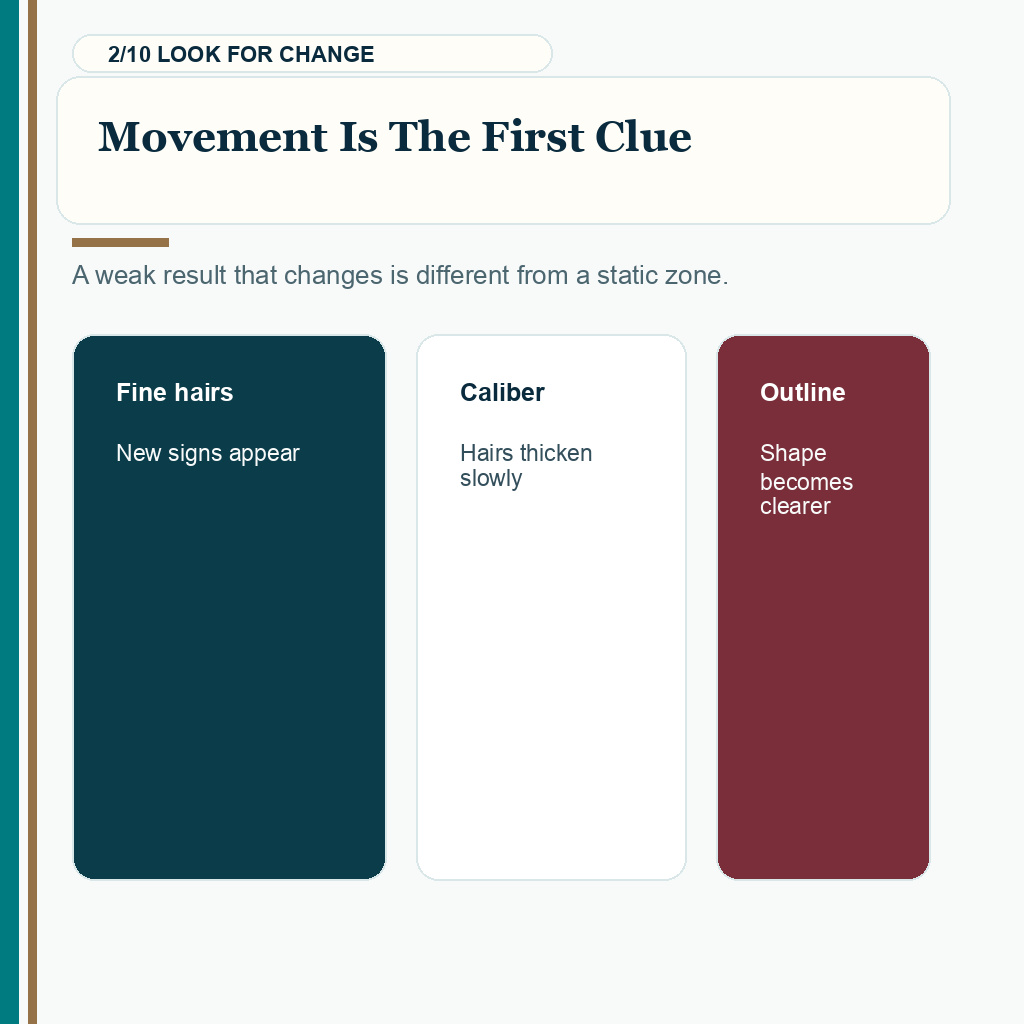
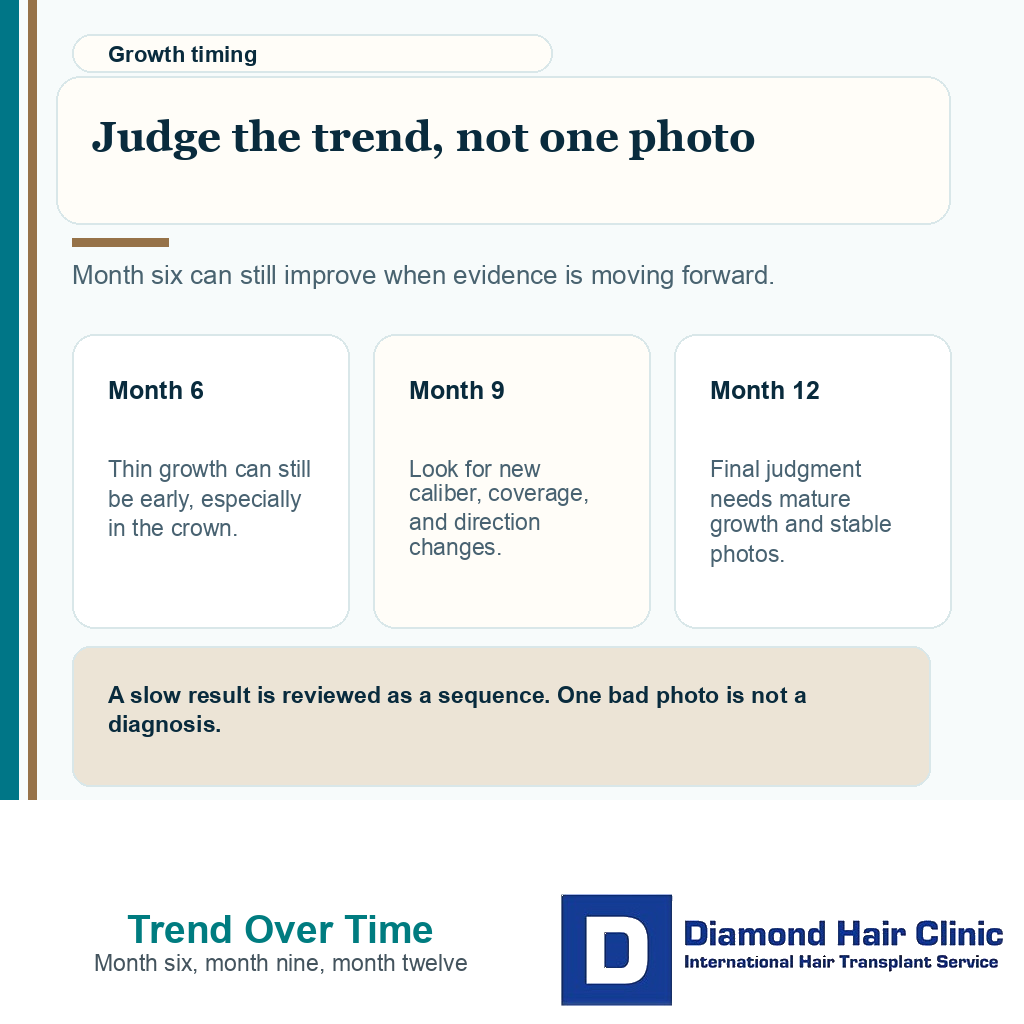
A maturing result usually changes in several small ways. The outline becomes clearer. Short new hairs become easier to see. Thin hairs gain caliber. The same area looks a little less empty than it did one or two months earlier.
One side may improve more slowly than the other. That can happen during normal maturation, especially when growth timing is uneven. If this is your main concern, it helps to separate failure from the timing pattern where one side can grow slower after a hair transplant.
Texture can also mislead you. Early transplanted hair may look wiry, coarse, or irregular before it softens. I separate that from poor survival. Wiry or coarse transplanted hair during maturation is not the same diagnosis as a dead zone with no growth.
Signs that make me worry about a poor result
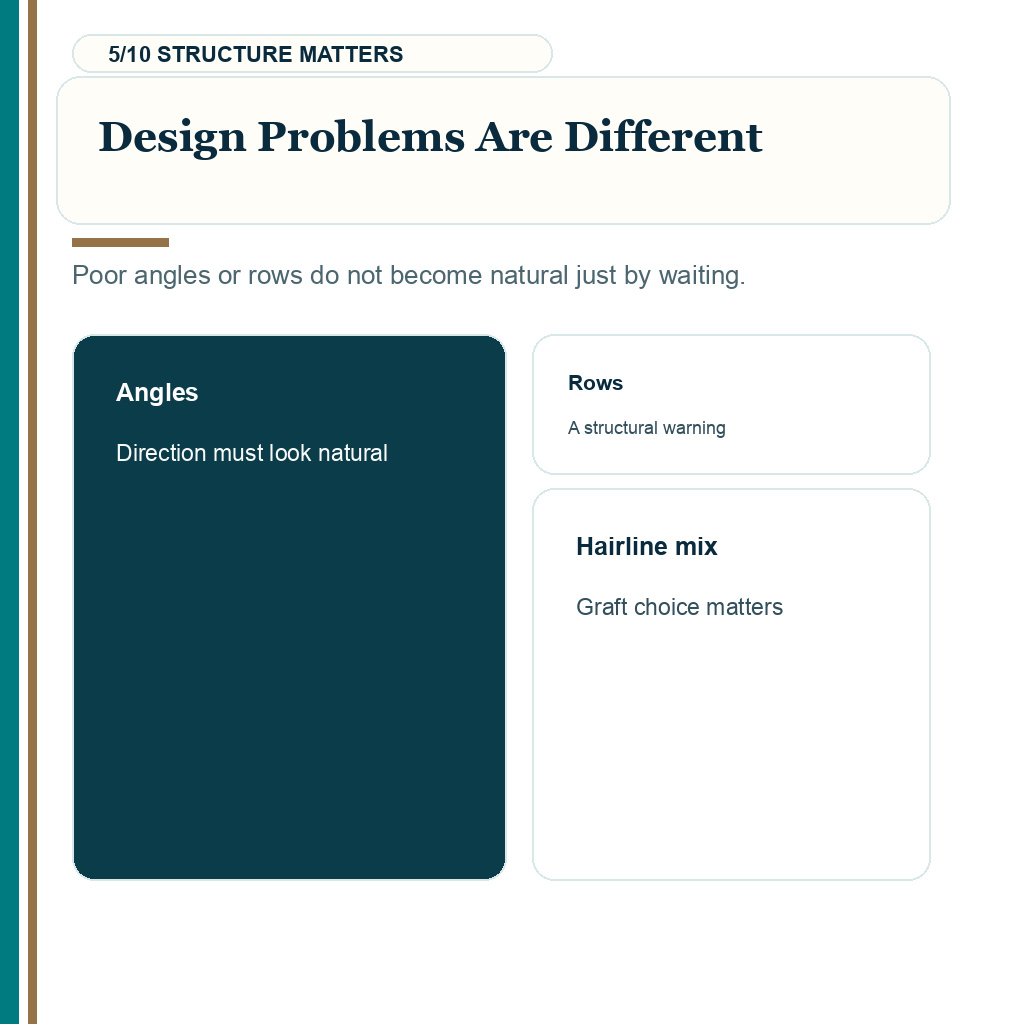
My concern rises when I see a structural issue, not only thinness. Wrong angles, visible rows, badly placed grafts containing more than one hair in the hairline, patchy distribution, poor donor extraction, or a hairline shape that does not suit the face will not become natural simply because more months pass.
Thin immature growth can improve. Poor design usually does not mature into good design. A weak but evenly changing result deserves patience. A pattern that is artificial, badly angled, or planned without donor discipline needs a different conversation.
Natural result standards matter because a transplant is not judged only by the number of hairs that grow. Direction, distribution, hairline design, donor safety, and how the result looks in ordinary light all affect whether repair is really needed.
A thin result is not always a failed result
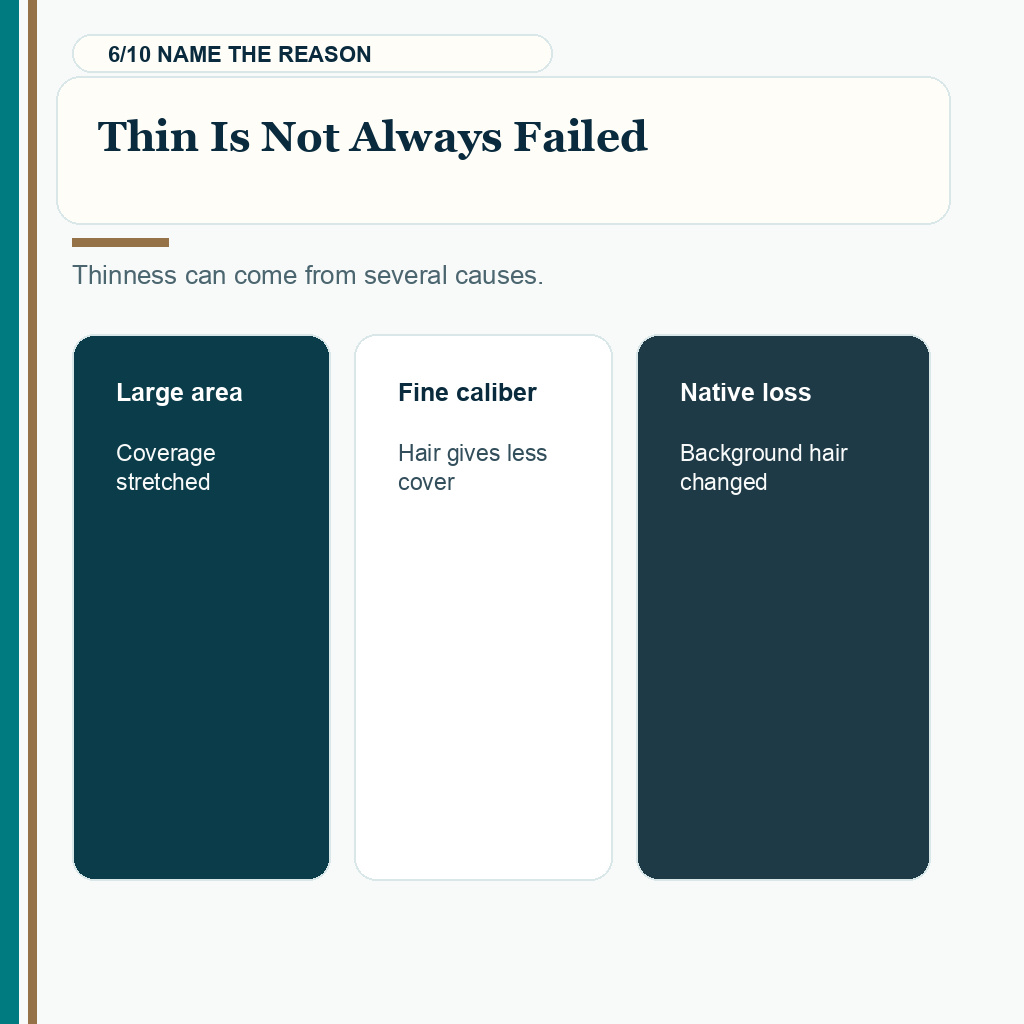
No. A thin result and a failed result are not always the same problem. A result can look thin because the original area was large, the hair caliber is fine, the graft number was limited, the crown was included, native hair continued thinning, or the clinic tried to cover too much in one session.
That can be disappointing, but it is not the same as total graft failure. During review, I separate true failure from the more common reasons some hair transplant results look thin.
A result that looked stable at 12 or 18 months and then seems thinner years later is a different problem from a weak month six result. I treat that as a later change, not ordinary slow growth.
A failed or poorly executed result has a different pattern. The growth may be very weak, the distribution may not match the promised coverage, the donor area may be visibly harmed, or the design may look unnatural even if some hairs survived.
Lighting and native hair loss can distort the verdict
Harsh light, flash, wet hair, short hair, and hair pulled apart can make almost any transplant look thinner. These conditions are useful for inspection, but they should not be the only way you judge daily naturalness.
Native hair loss can be even more confusing. If the native hair around the transplant continues to miniaturize, the result may look worse even though implanted grafts are present. Medication changes can also alter the background hair while the transplant is maturing.
I do not force every patient into the same medication plan, but I do want the risk understood. If you are judging a weak result while also stopping or avoiding medication, the decision around having a hair transplant without finasteride should be part of the review.
Evidence that separates slow growth from poor growth
The case needs to be seen as a sequence, not as one frightening photo. Useful evidence includes the immediate post-op photo, the treated area, graft distribution, donor condition, and monthly images under the same conditions.
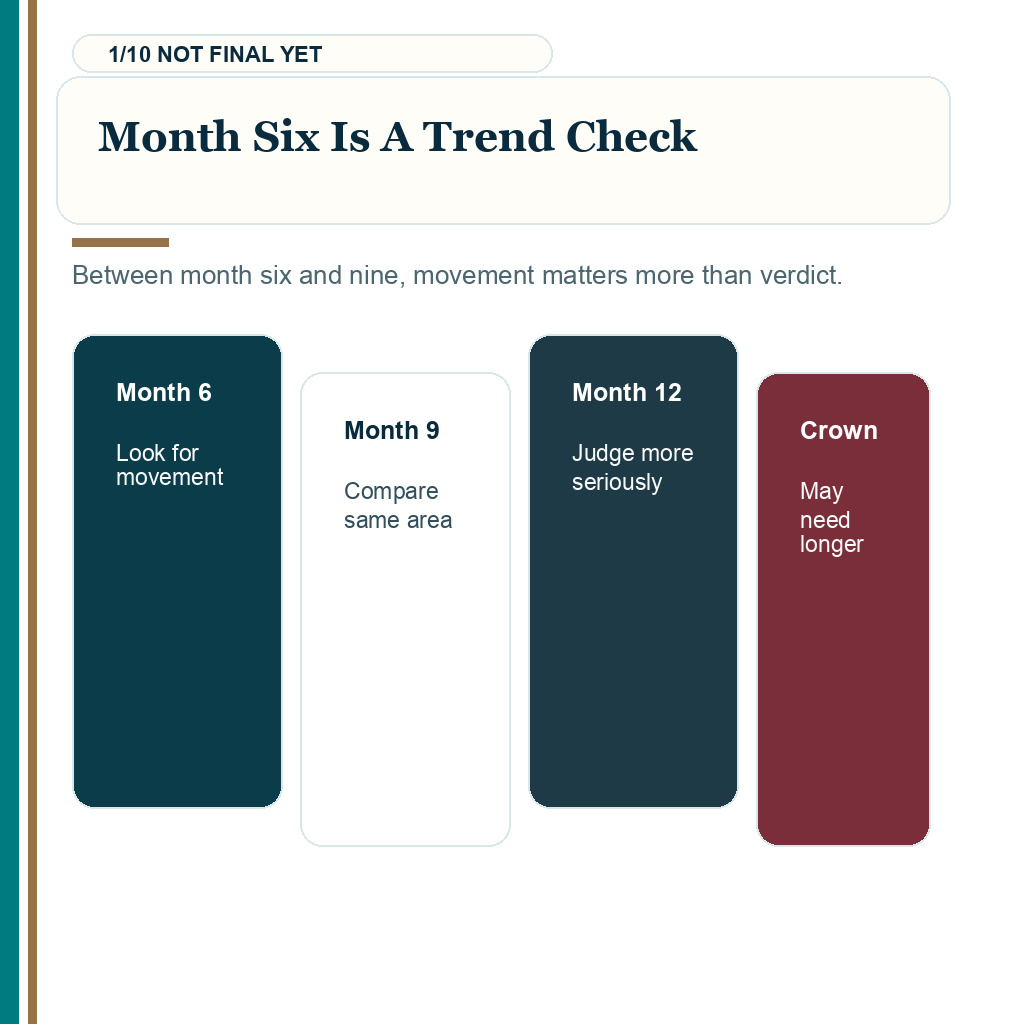
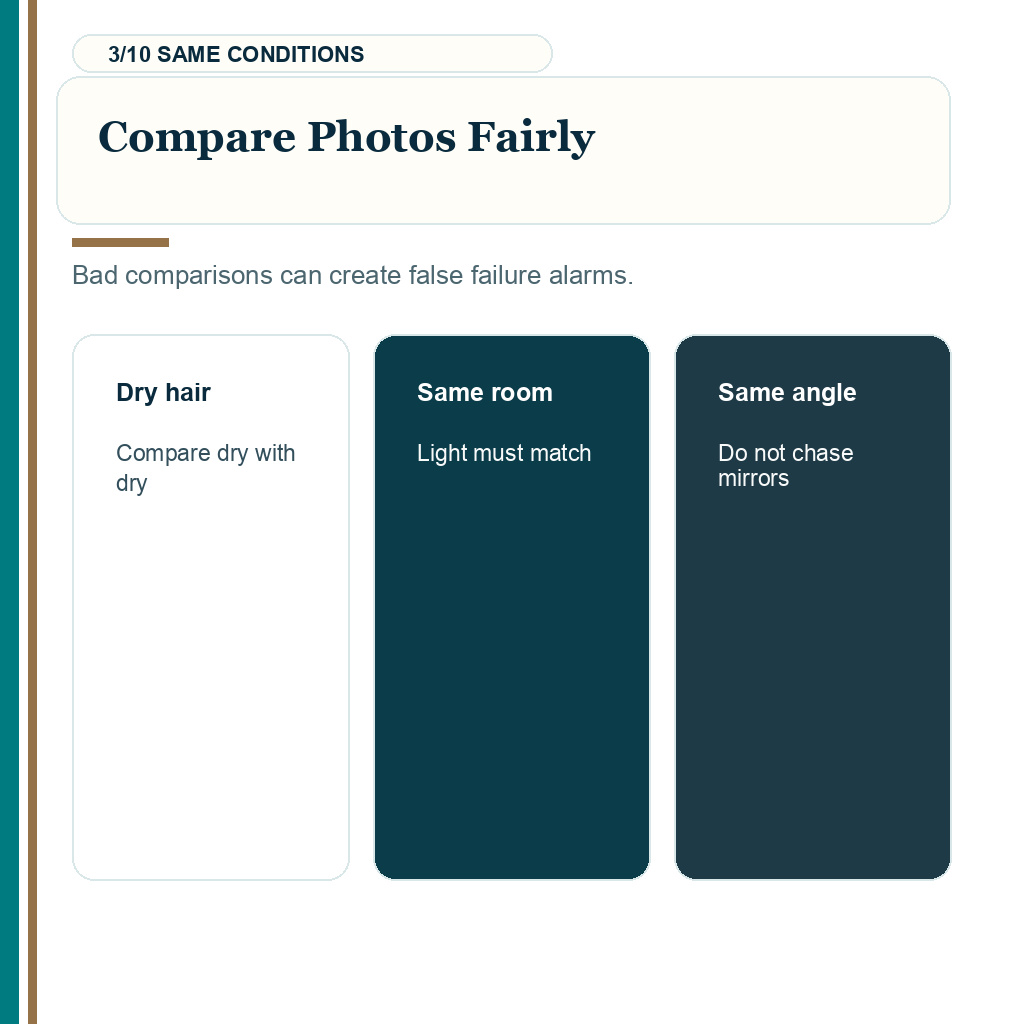
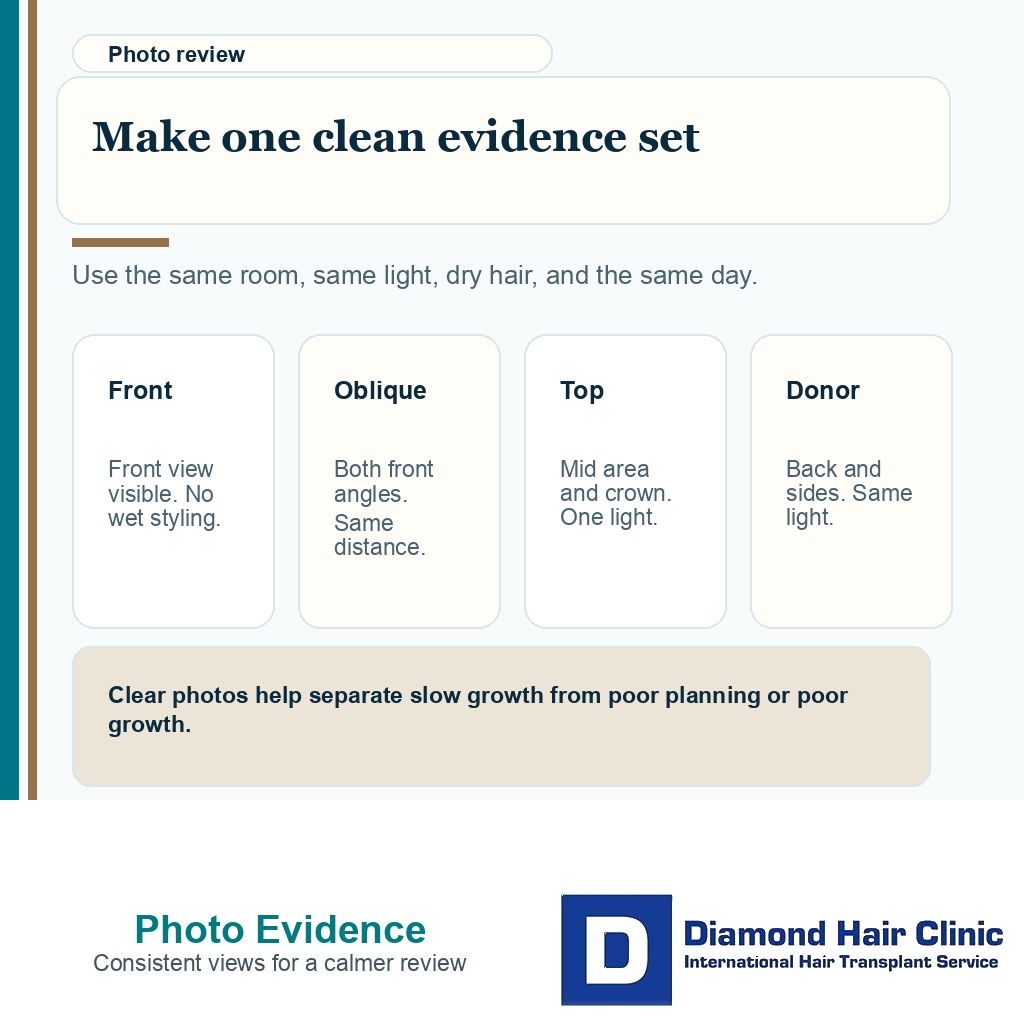
One clean monthly comparison is more useful than ten panic photos in one night. Take the same angles, in the same room, with dry hair and similar length. Then compare month three, month six, month nine, and month 12. This is the practical method I use when patients track hair transplant growth.
If your main fear is that your hair transplant is still thin after 7 months, the key question is whether the same weak zone is changing. Month seven is not the final result, but it should not be used as an excuse to ignore a pattern that is clearly static.
Product explanations should not replace the growth record
When a thin result is being discussed, shampoo, scalp buildup, lifestyle, or genetics may be part of the conversation, but they cannot replace the surgical record. I first separate whether new hairs are present, whether the same weak zone is changing, and whether the original graft placement matched the size of the area treated. A product change may improve comfort or scalp condition in selected cases. It does not settle whether the transplant is simply slow, planned too thin, or truly weak.
A second opinion is useful when the pattern is unclear
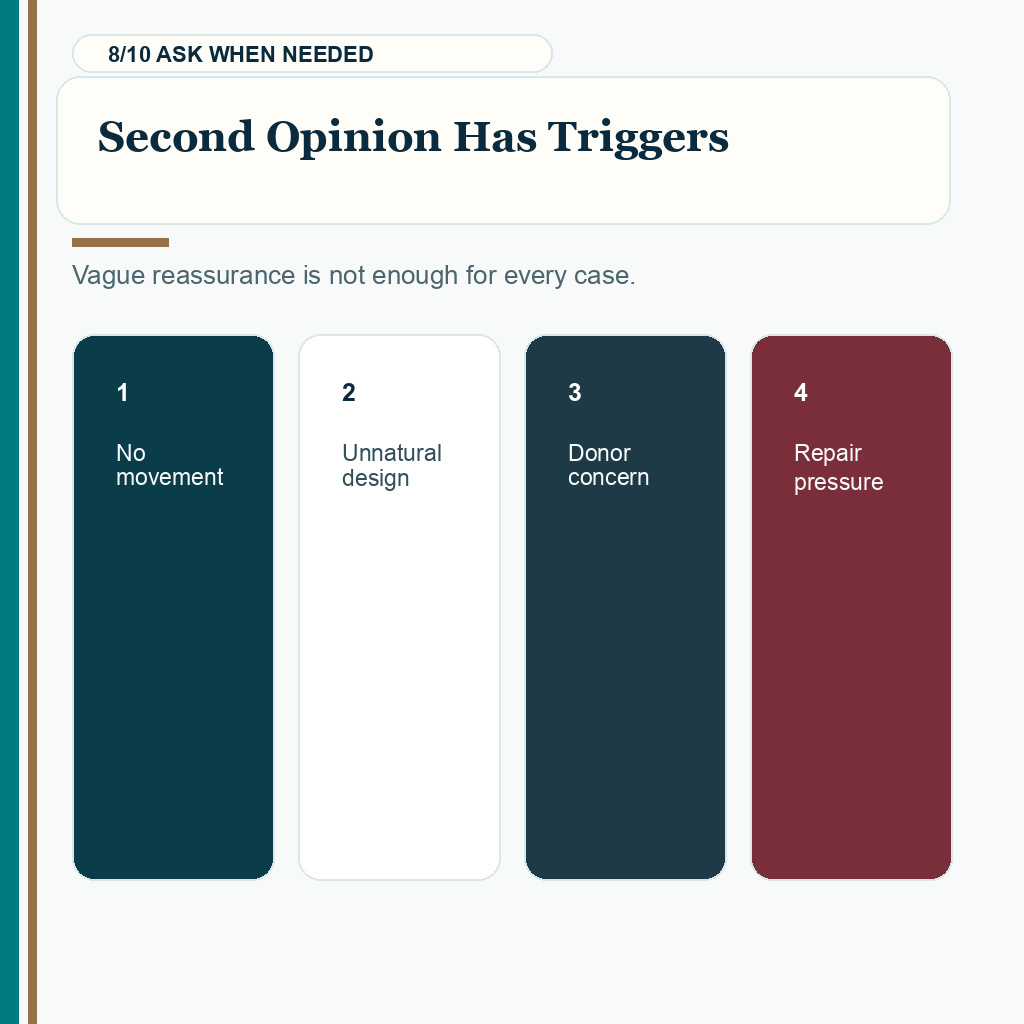
A second opinion is reasonable when the clinic gives only vague reassurance, the photos show no movement over several months, the hairline design looks unnatural, the donor area looks depleted, or you are being pushed into another surgery without a clear diagnosis.
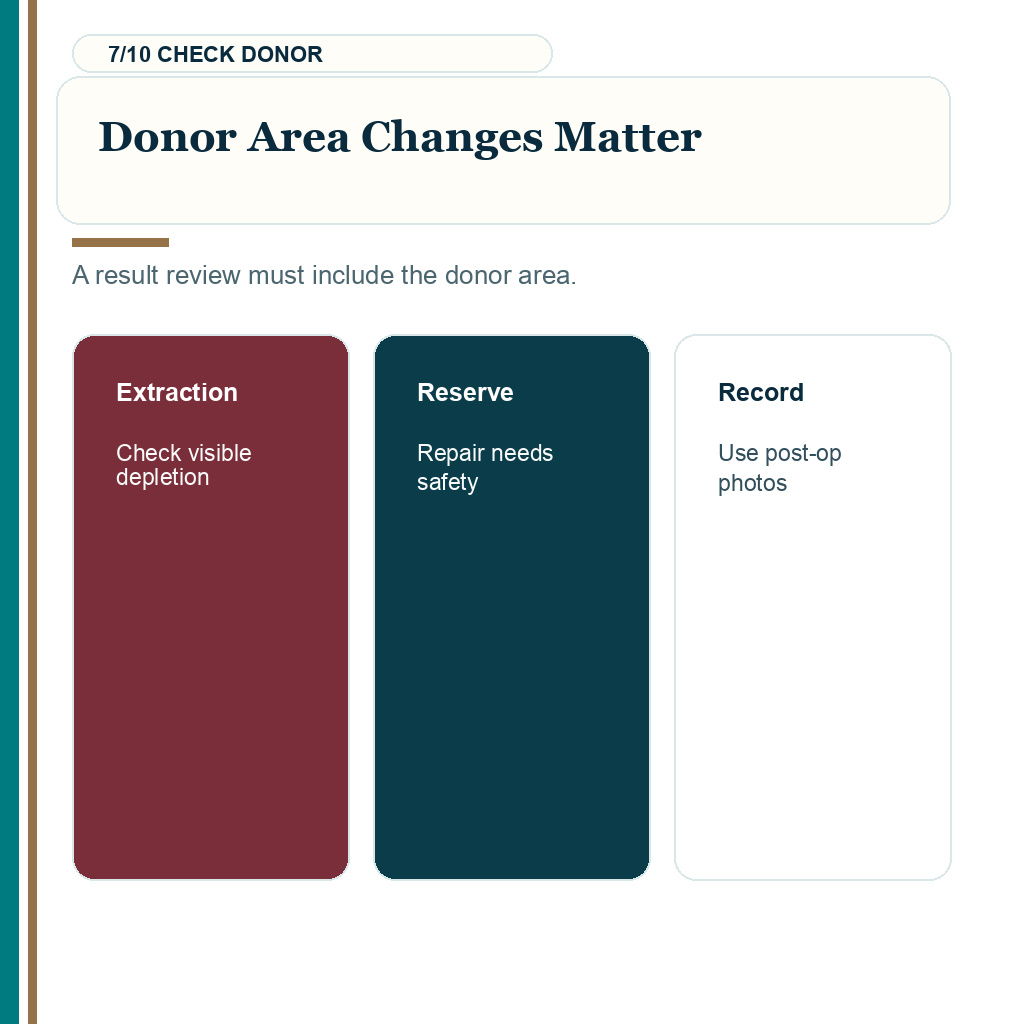
A serious review should cover what was transplanted, where grafts were placed, whether density matches the treated area, whether the donor area is still usable, and whether weak growth, design, donor damage, native hair loss, or unrealistic planning explains the concern.
If the concern is moving toward repair, a hair transplant repair review should come before another operation is promised. Repair planning has to protect the remaining donor reserve, not just add more grafts to hide the first mistake.
What makes me delay repair even when the photos worry the patient?
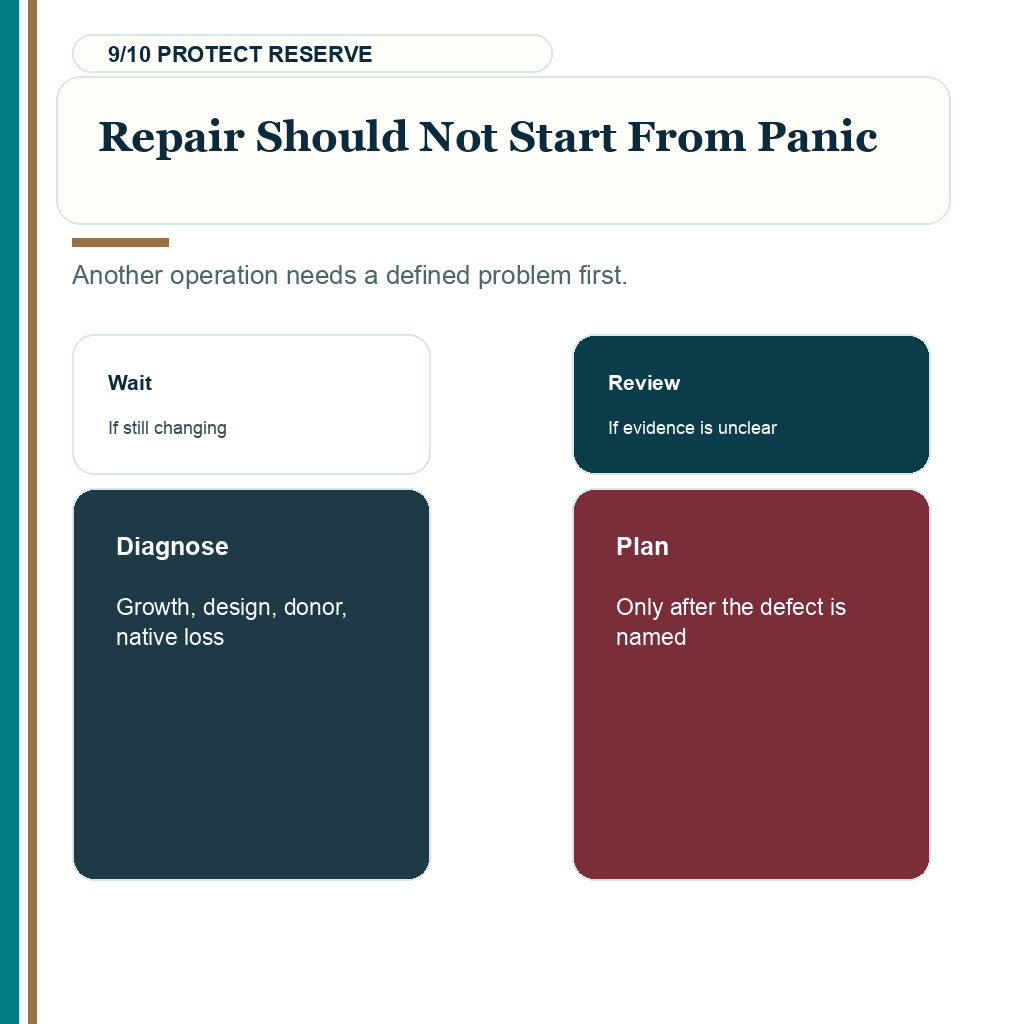
I delay repair planning when the result is still changing, the photos are not comparable, the hair is wet or pulled apart, the native hair is actively thinning, or the donor reserve has not been examined again. Anxiety can be real and still not be enough evidence for another operation.
Before I call a result failed, I want the surgery date, treated areas, graft number, immediate post-op photos, current donor appearance, medication changes, symptoms, and monthly photos under similar light. That sequence tells me whether the concern is timing, growth, design, native hair loss, donor damage, or expectation mismatch.
Repair becomes safer to discuss when the first result is mature enough and the defect is defined. A repair plan that starts from panic can spend donor reserve before the real problem is understood.
The record should be clear before repair pressure starts
Before repair pressure begins, I want the first surgery record to be clear enough to read. The treated zones, graft number, hairline design, crown decision, donor condition, immediate post-op photos, and monthly follow-up photos should all be connected.
If those details are missing, the next operation can become another guess. The patient may still need repair, but the evidence needs to be rebuilt before more donor reserve is spent on a defect that has not been named.
A second transplant needs the right timing
A second transplant can help when enough time has passed, the first result is mature enough to judge, donor reserve is still safe, and the weakness is clearly defined. A small refinement is very different from trying to rescue a poorly understood result.
A second surgery offered too early should raise concern, especially when no one explains why the first result disappointed. More grafts can improve a specific density gap, but they cannot automatically fix wrong direction, poor hairline design, donor depletion, or an unsafe original plan.
Before spending more grafts, I want to know whether a second hair transplant is really worth it in your specific case. Sometimes the correct answer is a careful touch up. Sometimes it is repair. Sometimes I advise the patient not to spend more donor hair.
This week should focus on useful evidence
Stop checking the result in ten different lighting conditions every day. That behavior usually creates more anxiety, not more clarity.
Create one clean evidence set. Take dry hair photos from the front, both oblique angles, both side views, the donor area, and the top view in the same room on the same day. Compare them with month three, month six, month nine, and the immediate post-op photos if you have them.
Write down the facts. Include the month after surgery, graft number, treated area, medication changes, whether one side is improving, whether short new hairs are visible, and whether the donor area looks healthy. Then ask the clinic for a specific explanation, not only reassurance.
The operative record becomes most useful when a result is being assessed. It should show the treated areas, graft number, donor limits, density goal, crown decision, and expected native hair risk. Biology can still vary, but those details help you judge hair transplant results before choosing a clinic against the plan that was actually performed.
A failed transplant review should organize the evidence before more donor hair is used. A disappointing result at month six, seven, or eight may still mature. Poor design, weak growth, depleted donor supply, or an aggressive original plan deserves careful repair assessment before another operation is planned.

Read this review excerpt
Every single one of my questions was answered and they made sure I had all the details I needed to make an informed decision.