


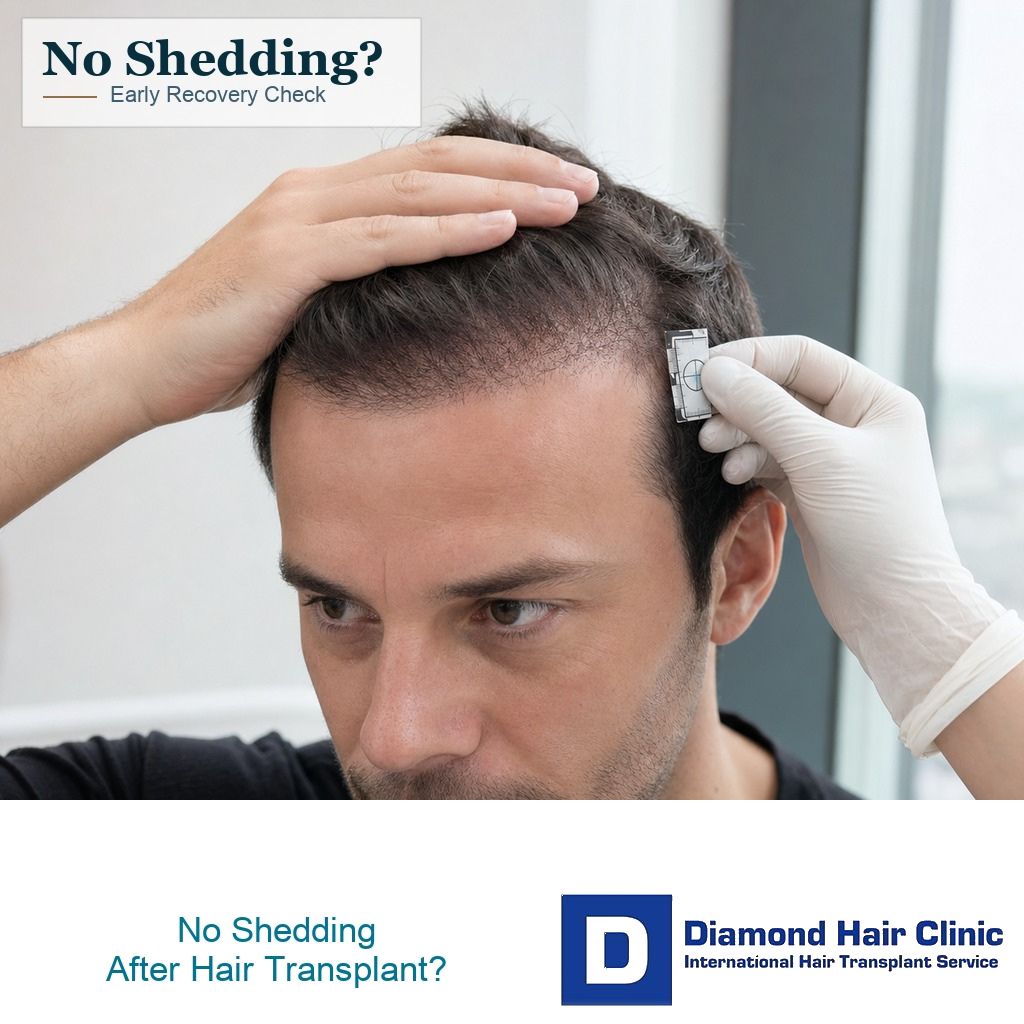
No Shedding Can Still Fit Normal Recovery Timing
Little or no shedding can still be normal when the scalp is calm and the grafts were protected. It does not mean the grafts failed, and it does not prove the result will be better than usual. It also does not mean you can relax the early aftercare rules. The part that matters is not the fallen shaft. It is the follicle under the skin. The real result depends on whether that follicle survives, rests, and then grows in a healthy cycle over the coming months.
If you are around one month and the transplanted hairs still look like they are growing, treat it as an encouraging healing sign, not proof that the shedding phase is over. Some shafts can fall later around weeks six to eight, some may shed lightly, and some may stay visible while the follicle underneath still needs months to mature. A calm scalp, steady photo comparisons, and no warning symptoms make that early growth more reassuring.
No shedding is not a countdown to relaxing the recovery rules. Keep the same photo routine, because the useful sign is steady change over months, not whether every short shaft stayed in place. Do not tug at retained hairs to test whether they are permanent.
I separate those two things clearly. I do not call no shedding a victory, and I do not call later shedding a failure from the date alone. If hair fall appears after a quiet start, I look at the pattern, medication timing, scalp symptoms, and photos before calling month 6 to 8 shedding after FUE a problem. No shedding is easiest to read when you write down what stayed, what later fell, whether the skin stayed quiet, and whether the photos stayed comparable.
Keeping many shafts early does not mean every transplanted follicle will keep the same clock later. Some visible hairs can shed at a different stage, so the result still has to be followed by growth trend rather than by the first shedding pattern. Retained shafts in one area and shedding in another can still belong to the same normal timeline.
Some patients shed most transplanted hairs in the first weeks. Some shed gradually. A smaller group keeps many short transplanted hairs for longer. I judge the operation by much more than whether the hairs fall out. Healing direction, scalp condition, donor management, density planning, and the growth pattern over time matter more than one early visible phase.
No shedding is not proof of a better result
No shedding can feel encouraging because the mirror looks better than expected in the early weeks. That reaction makes sense. After all, nobody enjoys seeing the transplanted hairs fall out after surgery.
But no shedding is not proof of a better result. A patient who sheds heavily can still have an excellent final outcome. A patient who keeps many transplanted hairs can still need time before those hairs mature. The early look can be comforting, but it is not the final result.
The real concern is whether the scalp is healing well and whether the transplanted area begins to show real growth later. If a patient is unsure whether shedding means damage, hair shedding or permanent graft loss separates a shed hair shaft from a lost graft. Those are not the same thing.
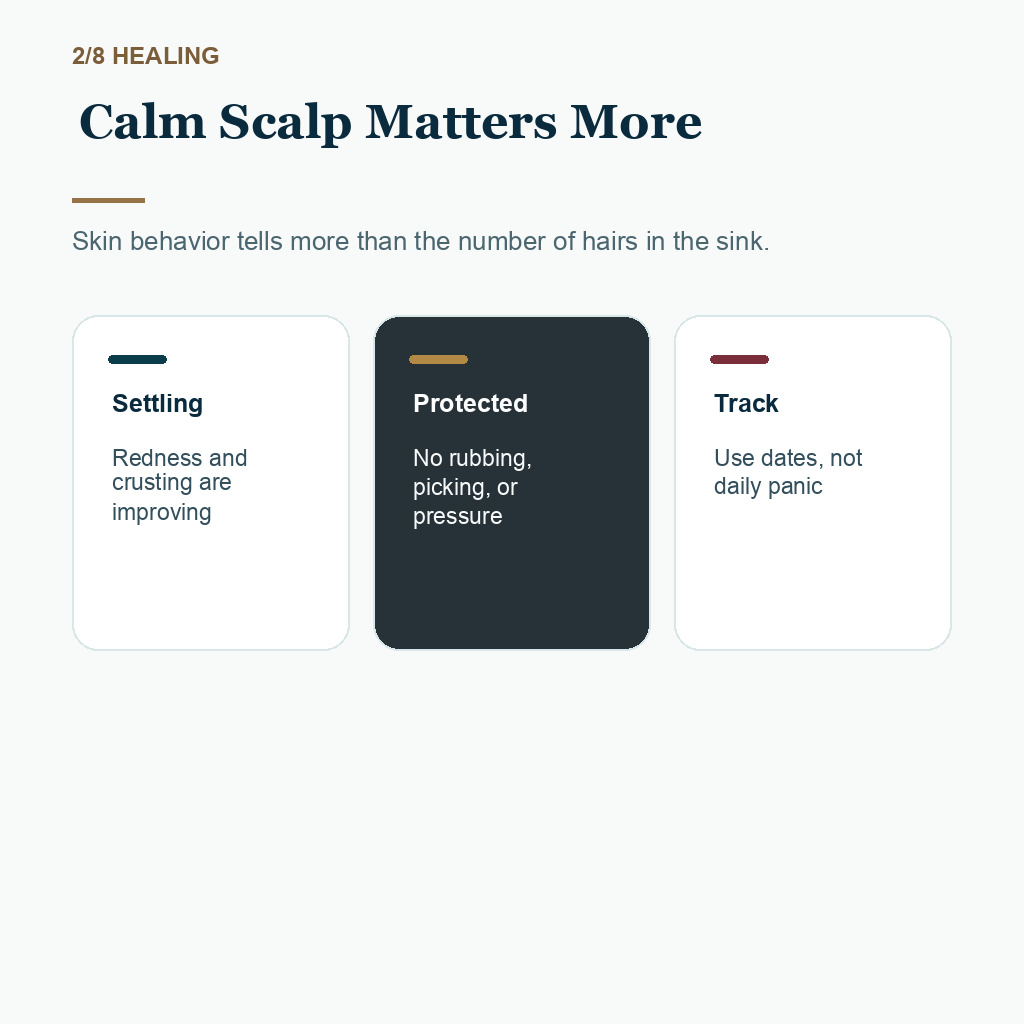
A patient review needs the whole pattern. Are the crusts gone at the right time? Is the scalp settling? Is there unusual pain, infection, or trauma? Was the graft number realistic for the donor area? These details tell me much more than shedding alone.
Aftercare still matters when hairs stay visible
Not safely. Retained hairs can make the transplant look less fragile than it really is. The visible shafts may still be sitting in place, but the skin is healing and the grafts still need protection during the early period.
For the first 10 to 14 days, stay strict about washing, sleeping, touching, sun exposure, sweating, and friction. Do not restart styling products, tight hats, rough towel drying, hard brushing, or barber work just because the hairs did not shed. The broader hair transplant aftercare rules still apply even when the mirror looks reassuring.
No shedding can mislead you at this point. It can create false confidence. A quiet scalp and retained hairs are good signs only if you continue to protect the recipient area while healing finishes.
Some transplanted hairs stay visible because follicles cycle differently
Hair follicles do not all behave in the same rhythm. The scalp hair cycle includes growth, transition, resting, and shedding phases, and not every follicle enters those phases on the same day. After transplantation, many visible shafts are released while the follicle rests under the skin, but some shafts may stay in place longer.

This can happen because of individual biology, lower visible trauma, timing of the hair cycle, hair caliber, graft handling, and the way the transplanted hairs were trimmed. Sometimes a hair looks as if it never shed, when in reality a short shaft shed and a new fine hair began growing close to the same place.
This can be overinterpreted. Retained hairs do not always mean a stronger transplant. A good transplant is judged by survival, natural direction, donor preservation, and long term growth, not by one early phase.
Do not turn a normal pattern into either panic or careless aftercare. If the hairs are still there, protect them. If they fall at six, seven, or eight weeks, do not assume failure. Later shedding can still be part of the same recovery pattern. The follicle under the skin is the part we are waiting on.
Retained shafts can still be followed by slow growth
Some retained transplanted hairs stay short for a while and seem almost frozen. Patients sometimes tell me that the hairs did not fall, but they also did not grow. That can be frustrating because the mirror gives mixed signals.
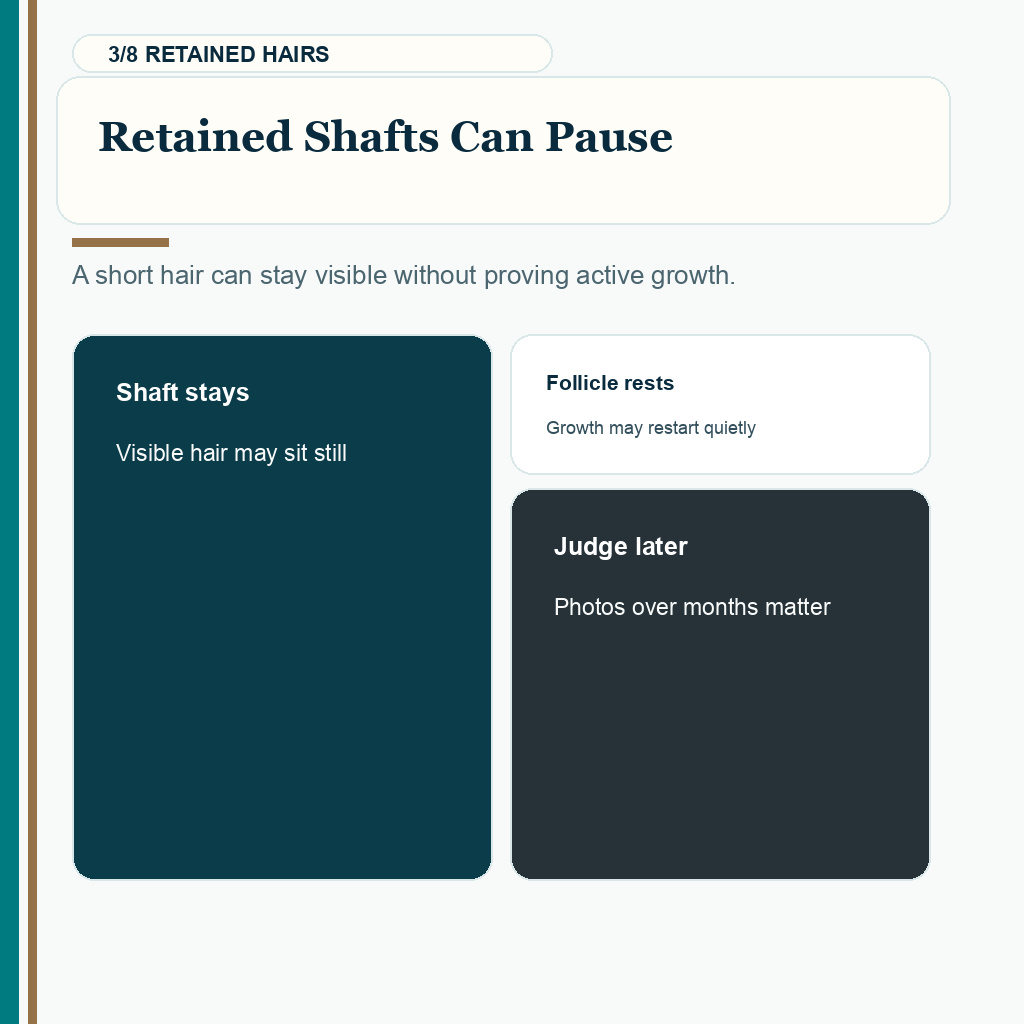
A retained shaft is different from active growth. A short hair that sits there without lengthening is not the same as a new hair growing. It may shed later, or it may be replaced by a finer new hair as the follicle restarts.
Do not judge progress from one close photo or one week of change. Hair growth after a transplant is slow, uneven, and often quiet before it becomes obvious. A better method is to compare consistent photos over months, not daily mirror checks.
Progress is easier to judge when photos are consistent. Tracking hair transplant growth shows why lighting, angle, hair length, and wet hair can mislead patients. Use that discipline when there is no shedding too. Your eye can overread tiny changes.
Think in phases. Early healing is one phase. Shedding or retained shafts are another phase. Real cosmetic growth is a later phase. Maturity, thickness, and texture take longer again.
Can thin transplanted hairs grow at one month without shedding?
Yes, this can happen, but it needs a careful reading. At this stage, a fine hair in the recipient area may be a retained transplanted shaft, a short shaft that is still cycling, or early fine growth close to where a shaft has already shed. It is not proof that the final result is decided, and it is not a reason to pull, rub, or test the hair.
The question I care about is whether the scalp is calm, whether shedding is changing, and whether the area is changing in consistent photos. If there is worsening pain, spreading redness, discharge, bleeding after trauma, or a patch that keeps looking worse, contact the clinic. If the scalp is settling, use the same photo setup and compare the pattern over time. When I review fine hairs after surgery, I use the same distinctions that matter for baby hairs after a hair transplant, including location, direction, timing, and whether the surrounding native hair is weakening.
No shedding and shock loss are different problems
No shedding usually refers to transplanted hairs staying visible. Shock loss usually refers to existing native hair shedding because the scalp has been stressed by surgery, inflammation, anesthesia, dense work, or the underlying weakness of miniaturized hair.
These two issues are often mixed together in the patient’s mind. A patient may keep many transplanted hairs but shed native hairs around them. Another patient may shed transplanted shafts while the surrounding native hair remains stable. The visual result can look similar, but the meaning is different.
Shedding around the transplanted zone is better explained as native hair shock loss after hair transplant. Native shock loss is not the same as transplanted hair shedding, and the treatment conversation may also be different.
In surgical terms, this distinction matters. If the recipient area had weak native hair before surgery, the patient may see more temporary thinning even when the grafts are safe. If the hair loss pattern is still active, medication and long term planning become part of the result, not a side topic.
Retained hairs alone do not mean the grafts are dead
Retained hairs alone do not mean the grafts are dead. A dead graft is not diagnosed because a short hair stayed in place. The concern is different. Take it seriously when there are infection warning signs, necrosis, strong worsening pain, pus, black tissue, repeated picking, or clear loss of grafts during the vulnerable early days.
Patients often see tiny hairs in scabs or in the sink and become afraid that the graft was pulled out. After the early graft anchoring period, most of what patients see is the hair shaft, not the living follicle, including when the hairline looks thinner after the first wash. I make the same separation in more detail when I explain lost grafts after scabs.
If the scalp is clean, closed, and healing normally, retained hairs are usually not a danger sign. They are simply part of the visible recovery pattern. Keep washing correctly, avoid scratching, and avoid aggressive rubbing because good healing still matters even when the mirror looks reassuring.
I also tell patients not to test the hairs. Pulling, rubbing, or trying to see whether a hair is alive gives no useful information and can create irritation. A transplant result is not tested with the fingernails. It is evaluated with time, photos, and medical review when something looks abnormal.
Worry depends on symptoms, timing, and growth pattern
No shedding by itself is not the warning sign. The pattern needs closer review if the scalp is painful, hot, infected, crusted for too long, becoming more red or swollen, or if the patient has picked at the grafts. Retained hairs that look unchanged for months also need a different assessment than retained hairs in the first few weeks.
At six or seven weeks, no shedding or late shedding can still sit inside early recovery. At six to nine months, the question changes. Then I look for whether the area is starting to improve in consistent photos. A retained short hair that never lengthens is not enough by itself. The whole area has to be judged by density, caliber, direction, and the original surgical plan.
The most common mistake is judging too early. At one month, two months, or even three months, many patients are still in an unattractive and confusing phase. A settled scalp with slow progress is very different from a damaged scalp or a poor surgical plan.
If the fear is that the transplant has failed, compare your concern with the timing explained in failed hair transplant or too early. Many patients label a result as failure before the biology has had enough time to declare itself.
The warning signs I take seriously are not simply no shedding. They are worsening symptoms, obvious skin damage, poor healing, a weak original plan, very aggressive density in a limited donor case, or no meaningful growth when the timeline is already far enough to expect change.

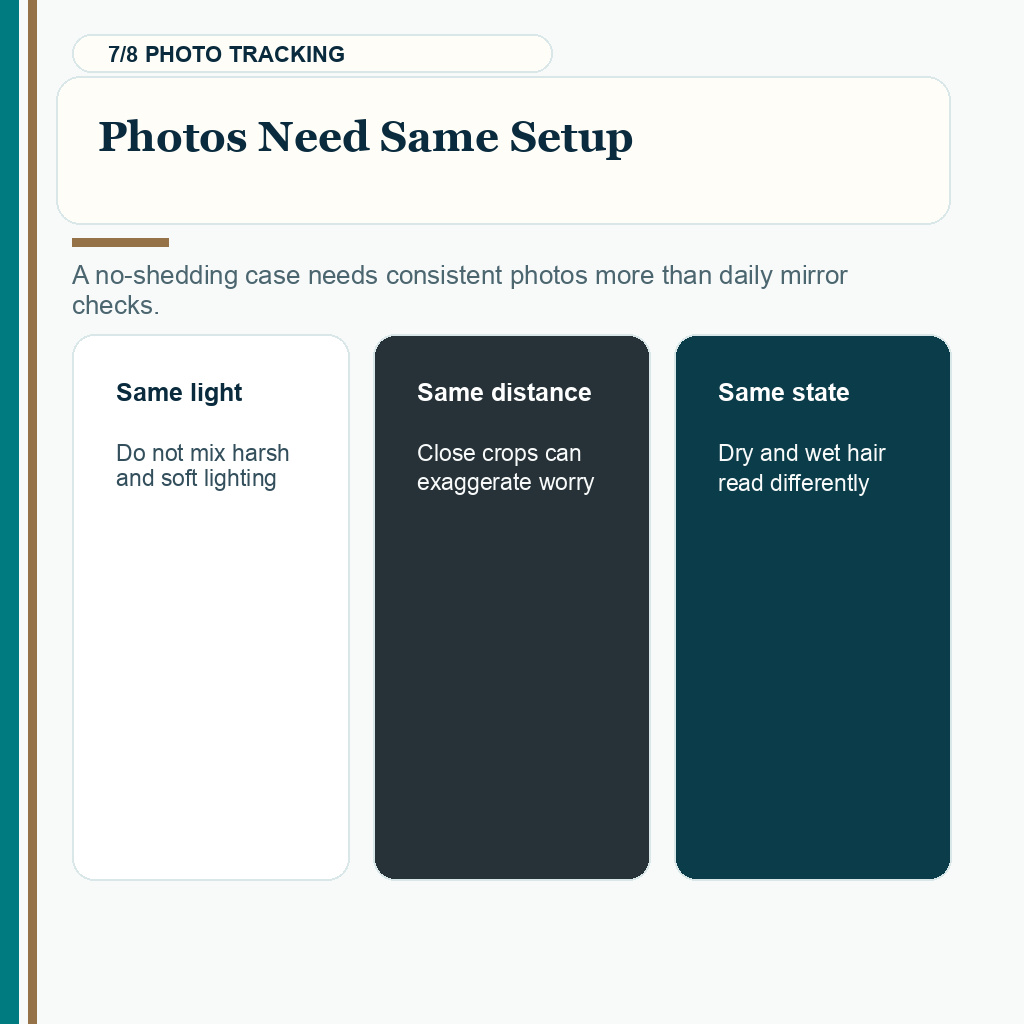
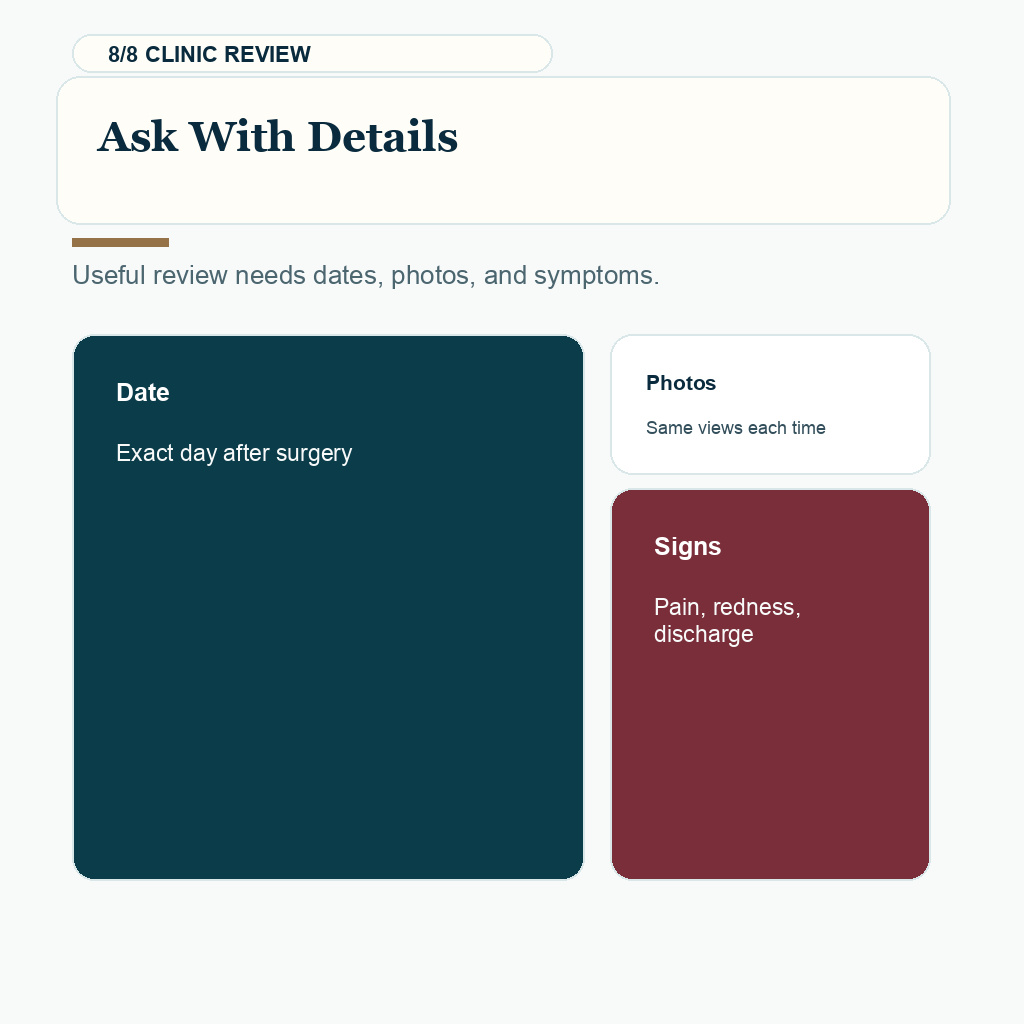
Use the 8 recovery slides below to separate retained hairs, delayed shedding, calm healing, warning signs, side to side differences, medication context, photo tracking, and when to ask the clinic. Swipe the carousel, use the arrows one step at a time, or choose a number below the image to jump to that point.



One side can shed differently from the other
Asymmetry in shedding can happen. One temple may shed earlier. One side may keep more short hairs. The crown or frontal area may behave differently. Do not read this as one side failed.
The pattern still matters. Was one side more densely packed? Was there more native hair there? Did the patient sleep more on one side? Was there more swelling, crusting, or irritation? Was the original hair loss pattern already asymmetric? These details can change the interpretation.
If one side also grows slower later, one side growing slower after hair transplant is a closer match. Shedding asymmetry in the first weeks is usually less important than persistent growth asymmetry after enough time has passed.
In consultation, I assess the two sides together unless there is a reason to separate them. I compare the design, density, angles, donor use, healing, and timeline. Sometimes the slower side catches up. Sometimes it reveals a weaker area that needs longer follow up.
Minoxidil can make shedding harder to interpret
Minoxidil can make the shedding picture harder to read. Some patients start it after surgery and then see more hair in the sink. Others were already using it before surgery and worry because stopping or restarting changes what they see.
Medication timing should be reviewed with the surgeon rather than copied from another patient’s routine. If a patient starts minoxidil and then sheds, the shedding may involve native hairs, transplanted shafts, or hairs already ready to cycle. The meaning depends on timing and the scalp condition.
For patients who are already shedding after a medication change, hair transplant during a minoxidil shed gives important context. For patients deciding whether minoxidil is needed after surgery, minoxidil after hair transplant explains the native hair protection side more clearly.
Do not use medication changes as a way to chase the mirror every week. Medication decisions should support the long term plan. They should not become a reaction to every shed hair or every retained hair.
Track growth with consistent photos instead of daily checking
If you barely shed, tracking becomes even more important because the early appearance can trick you. The area may look fuller than expected at first, then seem unchanged for weeks. That does not tell us enough.
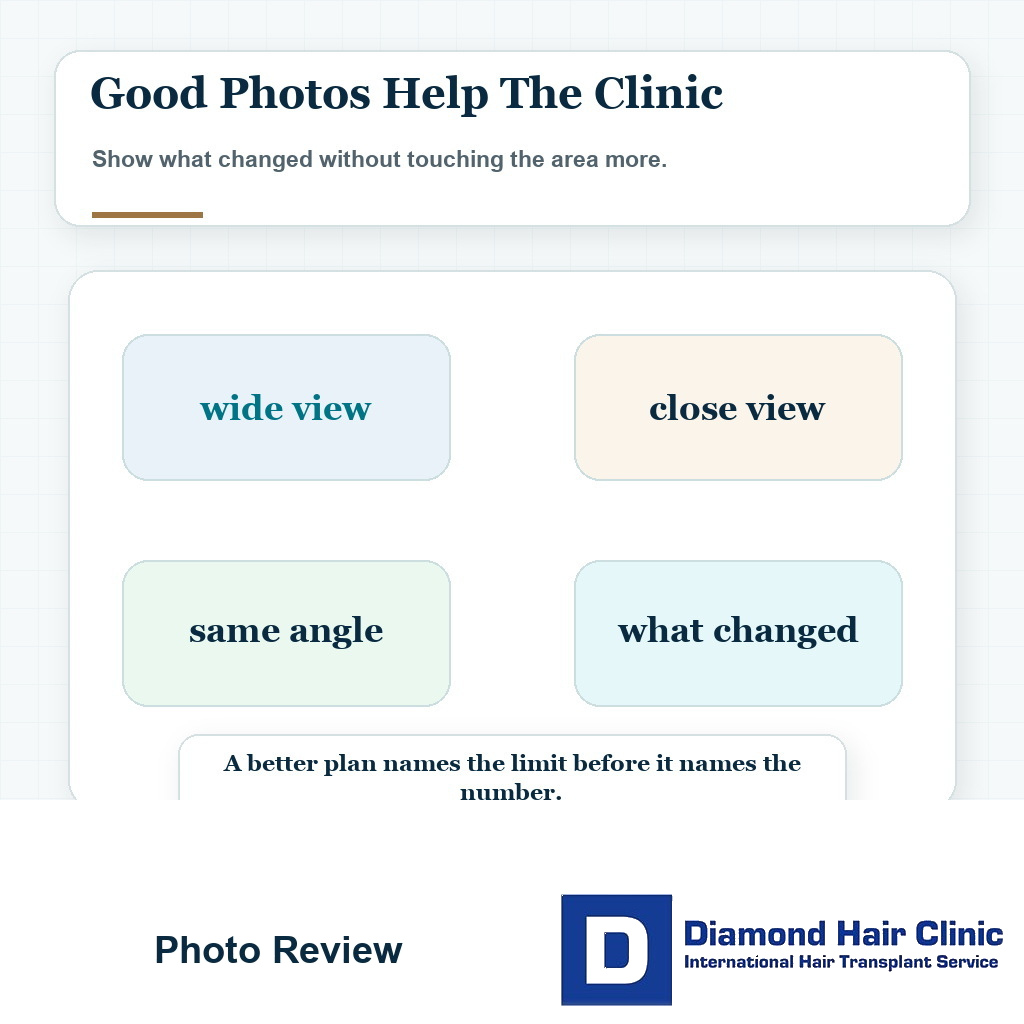
Use the same lighting, same camera distance, same hair length, and same dry or wet condition when you take photos. Do not compare a bright bathroom close photo with a dark hotel mirror photo. Harsh light and wet hair can make even a good result look weak.
If the area still looks thin at four months, do not immediately decide the result has failed. For low density four months after hair transplant, that stage can be too early for final judgment. It is a checkpoint, not a verdict.
Avoid measuring every small hair. When you stare at the hairline every day, normal uneven growth feels like a problem. Monthly photos are usually more useful than daily inspection.
Washing can make later shedding more visible
Washing and scab removal can make shedding more visible. A patient may think no shedding has happened, then see hairs come away during washing after the crusts loosen. This can feel alarming if the patient was expecting the retained hairs to stay.
Correct washing does not mean aggressive scrubbing. The plan should clean the scalp, soften crusts, and protect the grafts while the skin heals. If the timing and technique are correct, seeing shafts come away does not mean the grafts were damaged.
Many patients connect shedding fear with shampooing fear. In reality, washing hair after hair transplant should protect a clean scalp and steady healing, not every visible shaft.
If a hair comes away with a dry scab, a small white sleeve, or a tiny crust, do not panic immediately. The important details are whether there was bleeding, pain, forceful picking, or a clear gap created by trauma. The story matters more than the hair shaft alone.
Ask the clinic about your pattern, not strangers’ photos
Comparing photos with strangers often increases anxiety because every transplant is different. Graft number, hair caliber, skin color, recipient area size, native hair, scab timing, washing routine, and medication use all change the look of the first weeks.
A better way to ask the clinic is whether your healing pattern is acceptable for your operation and your timeline. Share clear photos with the date after surgery. Explain whether there is pain, redness, discharge, swelling, picking, or medication change. That gives the clinic something meaningful to judge.
Also ask what your clinic expects from this point. If the clinic says the scalp is healing well, continue steady follow-up. Protect the area, keep follow up photos, and judge growth at the correct milestones. Do not let a normal variation become a daily crisis.
The clinic should not dismiss every concern, but it should also not turn every early difference into drama. You should leave the conversation clearer about timing, warning signs, and what is still unknowable.
Think of no shedding as a variation, not a verdict
Think of no shedding as a variation, not a guarantee and not a diagnosis. If the scalp is healing normally, retained transplanted hairs are usually not something to fear. They may stay, shed later, grow slowly, or blend into the next growth phase.
The result is not decided by whether you shed in the first month. It is decided by graft survival, scalp healing, surgical planning, donor management, natural direction, and patient follow up over time. The mirror in the early weeks is only one small part of that story.
Protect the grafts, wash as instructed, avoid pulling or testing the hairs, take consistent photos, and contact the clinic if symptoms worsen. If everything is settling normally, no shedding after a hair transplant can simply be one of the ways recovery looks before the real result becomes clear.
Read this review excerpt
First wash completed and visual instructions given to my daughter.