


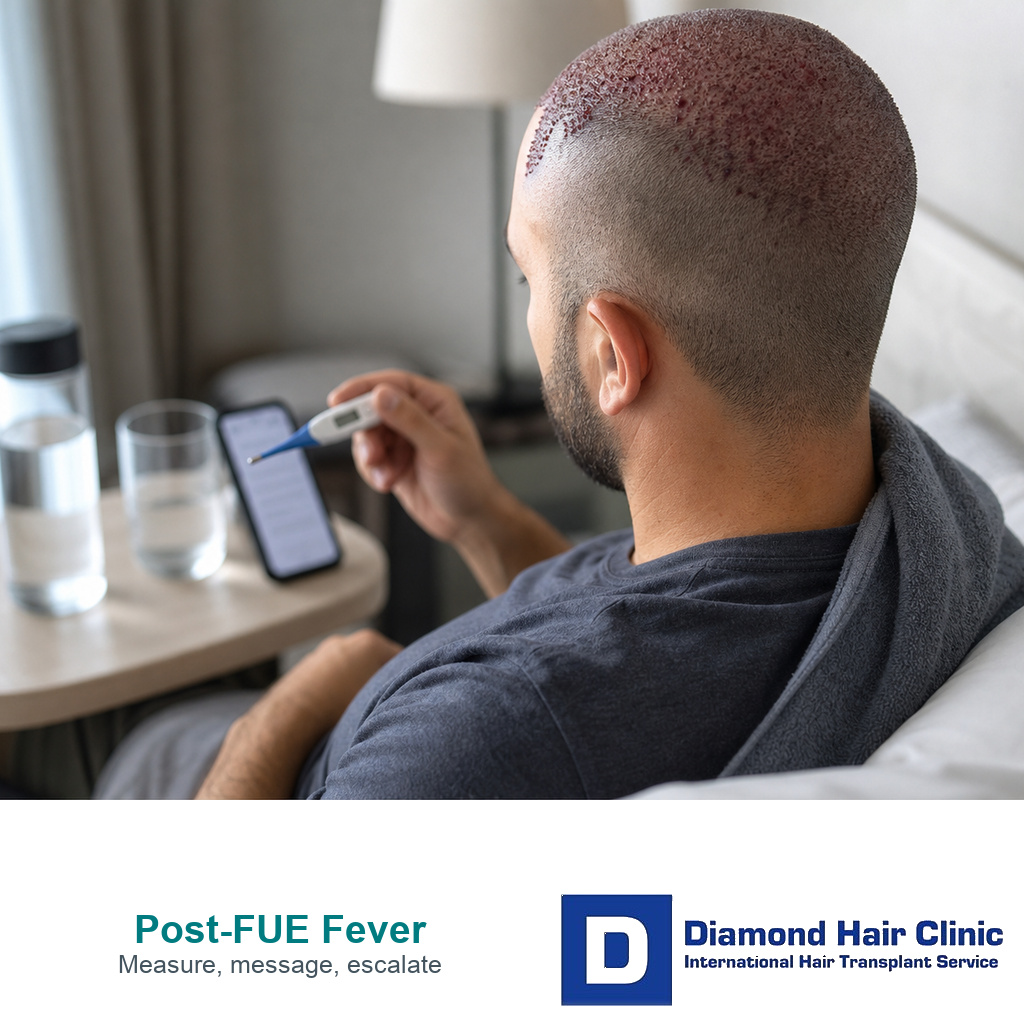
Fever Needs Review When Warning Signs Appear
A measured fever after FUE is not automatic graft loss, but I do not treat it as ordinary recovery either. A reading around 38 C (100.4 F) or higher, especially if it repeats or comes with chills, worsening scalp pain, spreading redness, pus, bad smell, increasing swelling, dehydration, weakness, or feeling seriously unwell, should be reported quickly.
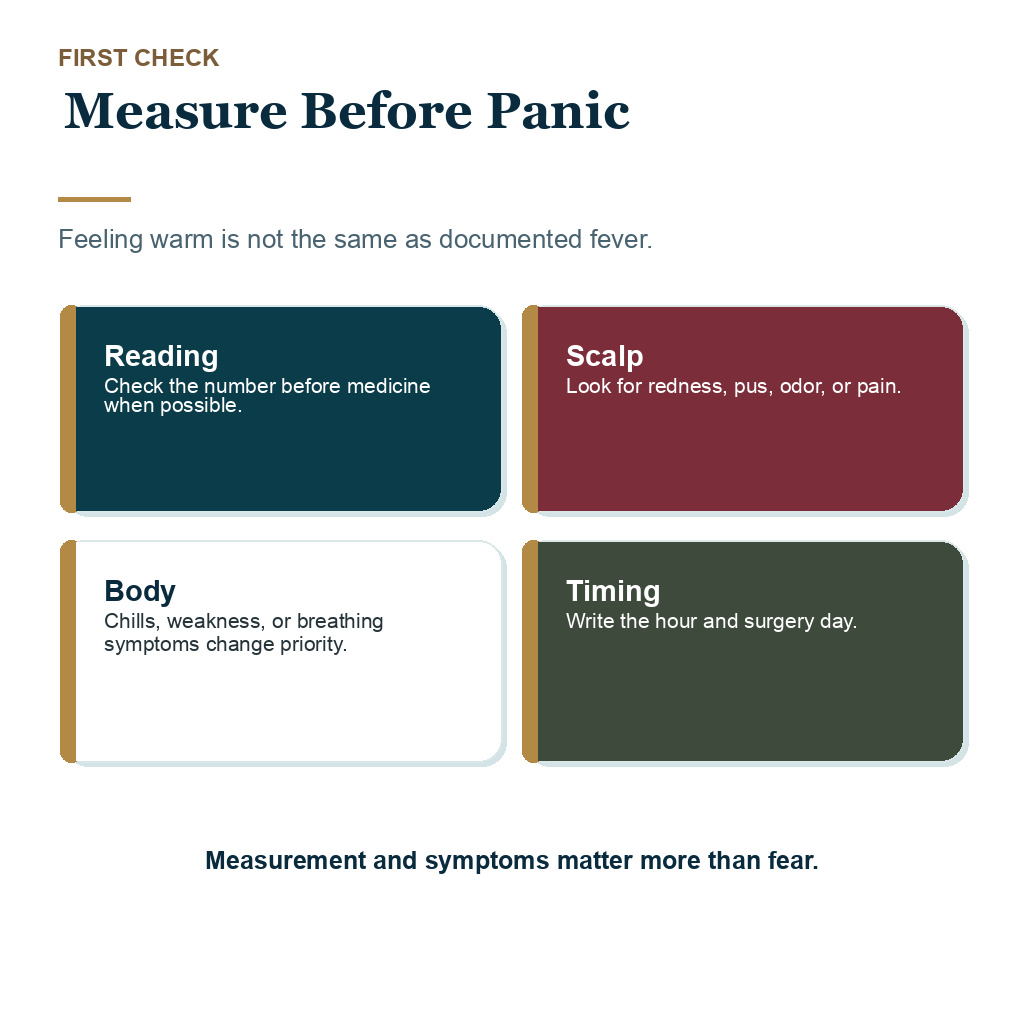
The first practical distinction is simple. A warm or irritated scalp is not the same as a raised body temperature. Measure the temperature, note when it was taken, and record whether fever medicine lowered it and whether it came back. A short temperature trend is more useful than one thermometer photo when it also shows symptoms, fluids, medicines taken, and whether travel is still planned.
The common mistake is to focus only on whether the grafts are damaged. That is not the first question. The first question is safety. Is this a mild travel illness, a medicine or stomach problem, a scalp infection concern, or a situation that needs local medical review while the clinic is also kept informed? If the ticket changes while fever is being checked, flight home changes after FUE keeps the travel question tied to symptom review instead of pressure to board.
Temperature readings that matter after FUE
In adults, fever definitions vary slightly by thermometer type, but after surgery, a measured reading around 38 C (100.4 F) is a practical reporting threshold. Armpit readings can run lower. A borderline reading is more useful when it is repeated after rest with the same thermometer.
I do not use one number as the whole decision. I ask how the temperature was measured, whether it repeated, whether it was checked before or after fever medicine, and whether there are scalp or body warning signs. One borderline reading after a long flight, poor sleep, dehydration, or a warm room is different from repeated fever with chills and worsening scalp pain.
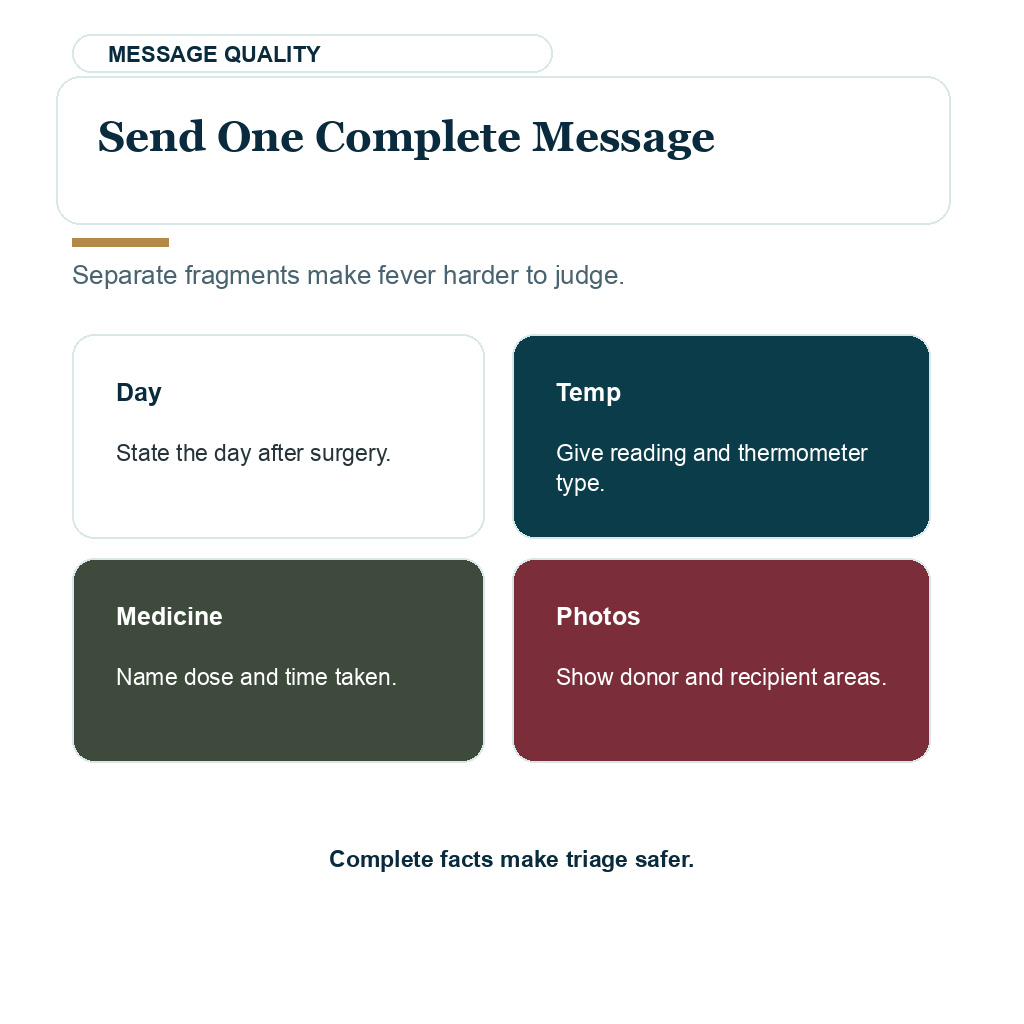
If you write to the clinic, send the exact reading, the thermometer type if you know it, the time it was taken, your surgery day, your medicine list, whether fever medicine lowered the temperature, whether it returned, and clear photos of the donor and recipient areas. If there are no urgent warning signs and you are stable, two readings with the same thermometer are more useful than one anxious check. This helps much more than “I feel hot.”
Fever can happen after a hair transplant
Fever after a hair transplant can come from several different causes. It may be a seasonal virus, a cold or flu caught during travel, dehydration, poor sleep, stomach illness, a medicine reaction, a dental or throat problem, or an infection related to the scalp. The timing matters, but timing alone does not diagnose the cause.
A fever with a clear separate illness, such as a throat or chest infection, still belongs in the same recovery story. The clinic needs the surgery date, temperature pattern, new medicines, and whether the scalp itself has spreading redness, drainage, or worsening pain.
The scalp has thousands of tiny healing points after FUE. Mild tightness, redness, dry scabs, and tenderness can be expected. Fever is different because it tells me the whole body may be reacting. That reaction may still be unrelated to the grafts, but it deserves context.
A clean looking hairline does not cancel a real body fever. If the thermometer is high and you feel unwell, the scalp photo is only one part of the decision.
I connect fever to the wider hair transplant follow up after surgery plan. Follow up is not only for growth photos months later. It is also for the first days when a symptom can look small in a photo but feel significant in the body.
Fever is more concerning with scalp signs
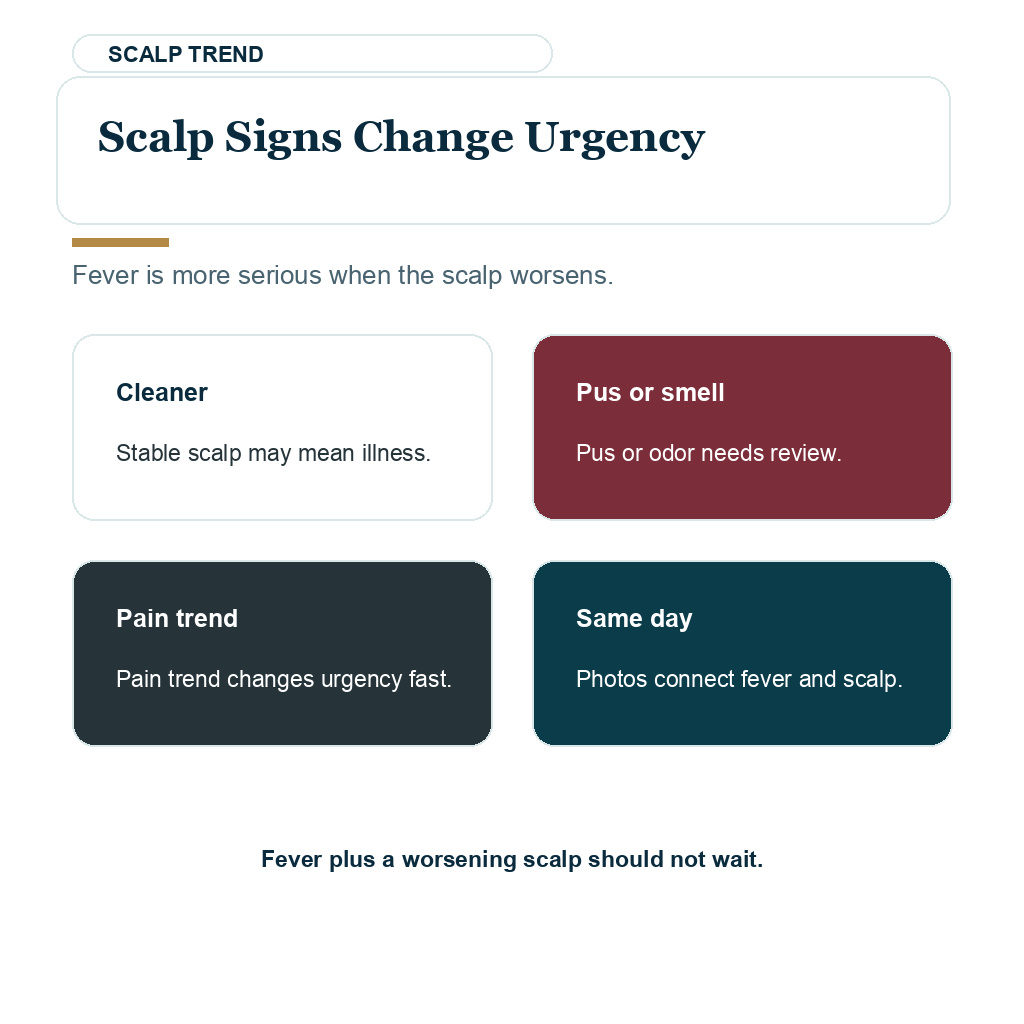
Fever becomes more concerning when it appears with a scalp that is moving in the wrong direction. I worry more about spreading redness, increasing warmth, worsening pain, swelling that is becoming stronger on one side or tense, cloudy yellow or green drainage, a bad smell, a wound that looks open, or tenderness that is increasing instead of settling. I lower the threshold for review with diabetes, immune suppression, serious chronic illness, or a wound healing problem. If bad smell is part of that picture, scalp odor during FUE recovery should be reviewed alongside temperature and drainage.
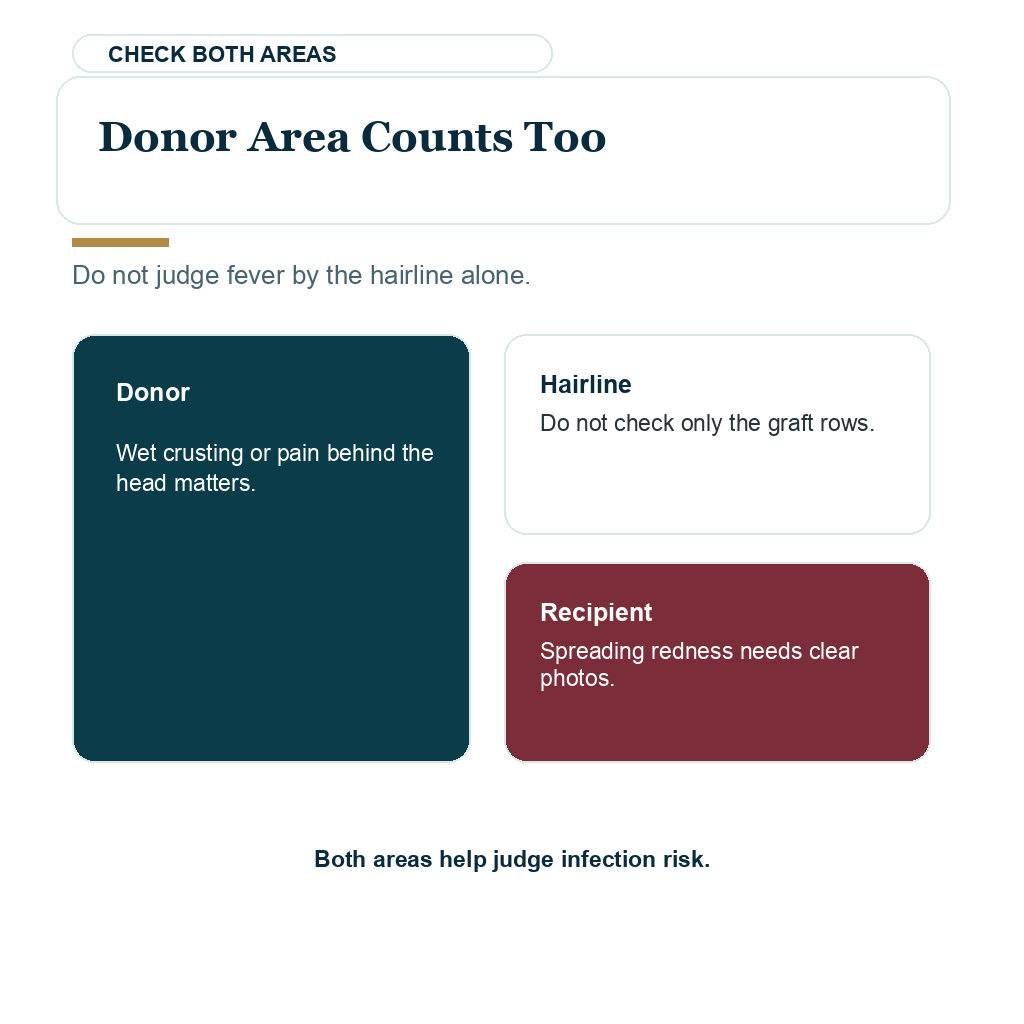
The donor area matters as much as the recipient area. It is easy to stare only at the hairline because graft loss is the fear, but infection, irritation, delayed healing, or wet crusting can also begin behind the head. If the donor area is hotter, more painful, wetter, or more swollen each day, do not judge the case from the recipient area alone.
An infected hair transplant pattern is different from redness, scabs, and pimples after a hair transplant during normal healing. For fever, the useful distinction is a scalp that looks clean with a mild cold versus fever plus pus, spreading redness, bad smell, and worsening pain.
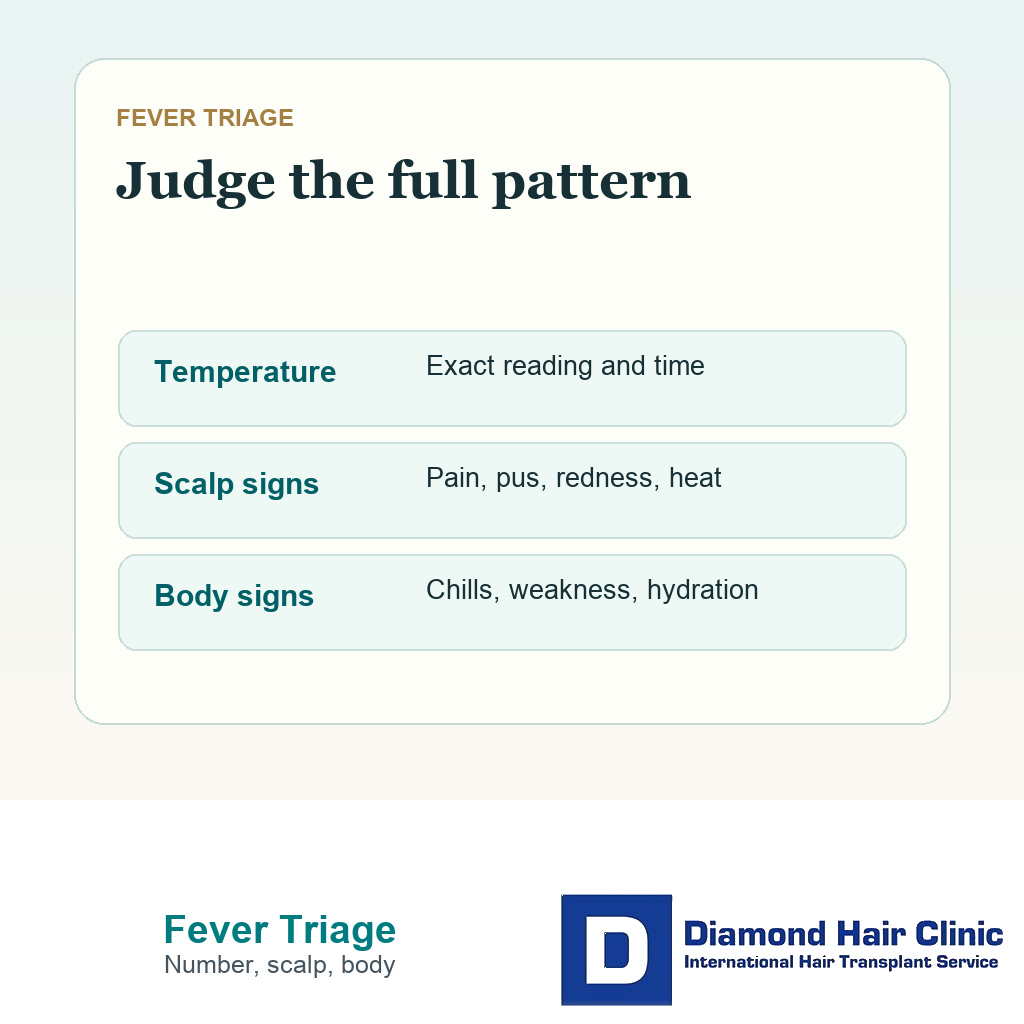
Temperature is only one part of the fever decision after FUE.
These 10 slides sort fever after FUE by measurement, scalp signs, donor area, message details, urgent body symptoms, medicine timing, stomach symptoms, travel safety, graft fear, and the next 12 to 24 hours. Swipe sideways, use the arrows one slide at a time, or choose a number below the image.
Scalp warmth is different from true fever
A scalp can feel hot when it is irritated, tight, exposed to sun, swollen, or checked too often by hand. That is not the same as measured body fever. Scalp warmth can come from inflammation, washing anxiety, a warm room, or repeated touching. Fever means the body temperature is raised.
Swelling after FUE can also confuse the picture. Forehead or eyelid swelling is common in the first days and can look dramatic even when it is following a normal path. The difference is trend and combination. Swelling that is gradually moving and settling is different from swelling that becomes painful, hot, stronger on one side, connected with pus, or connected with fever.
If swelling is the main concern, swelling after a hair transplant is the better comparison. If the temperature is also raised, report both together instead of treating them as separate problems.
Details to send first
A useful message is short but complete. Include the day after surgery, the temperature reading, when it started, whether chills are present, whether you took paracetamol/acetaminophen or another fever medicine and when, whether you are on antibiotics, whether there is cough, sore throat, diarrhea, vomiting, rash, urinary symptoms, or dark urine, and whether the scalp looks worse than yesterday. If nausea is part of that same message, keep vomiting, fluids, and medicine timing in one place instead of sending separate fragments.
Photos should include the hairline, recipient area, donor area, and any specific painful or wet spot. Use normal light. Do not send only a tight close photo. The clinic also needs to see where the area sits on the scalp.
I need timing, photos, medicine details, and body symptoms together. A blurry photo plus “is this normal?” often leads to a weak answer. A clear message helps me judge whether this is likely ordinary recovery, an illness outside the scalp, medicine irritation, or a possible infection that needs local review.
Local medical review should not wait
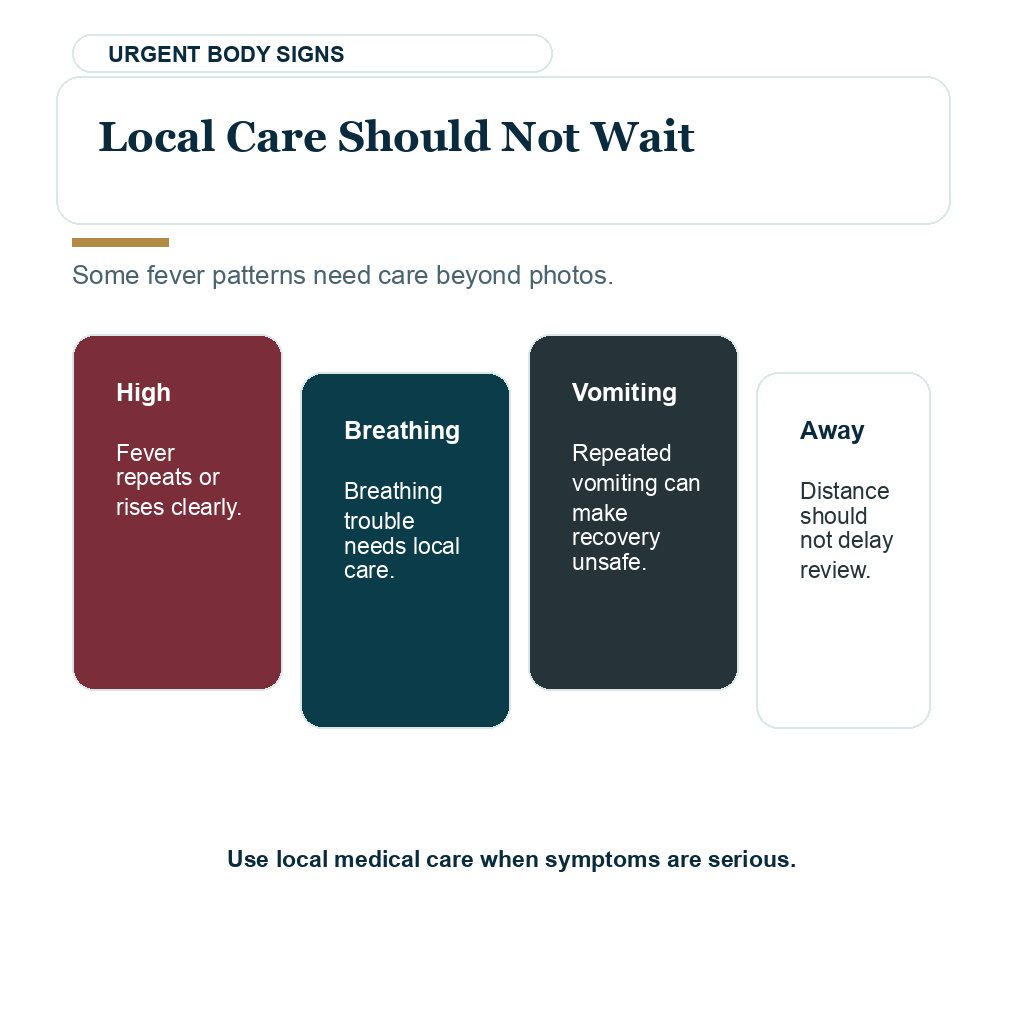
Do not wait only for a remote reply if fever is high, persistent, or combined with strong chills, confusion, faintness, trouble breathing, chest pain, repeated vomiting, inability to drink, very dark urine or little urination, rapidly spreading redness, pus or cloudy drainage, bad smell, severe pain, black or gray tissue, or a wound that is opening. A temperature around 39.4 C (103 F) or higher also deserves prompt local assessment, especially if you feel seriously unwell, the fever keeps rising, or it returns quickly after fever medicine. In those situations, local medical review comes before reassurance.
This matters especially after travel. If you are back in another country, the transplant clinic can still review photos and guide the hair transplant side, but a local doctor may need to examine the body, check vital signs, and decide whether tests or treatment are needed. Distance from the clinic should not delay urgent medical assessment.
When scalp drainage is part of the concern, yellow fluid after a hair transplant has to be separated from dried serum, pus, smell, pain, and fever. Fever changes the urgency because it moves the concern beyond appearance alone.
Medicine changes need review before treating yourself
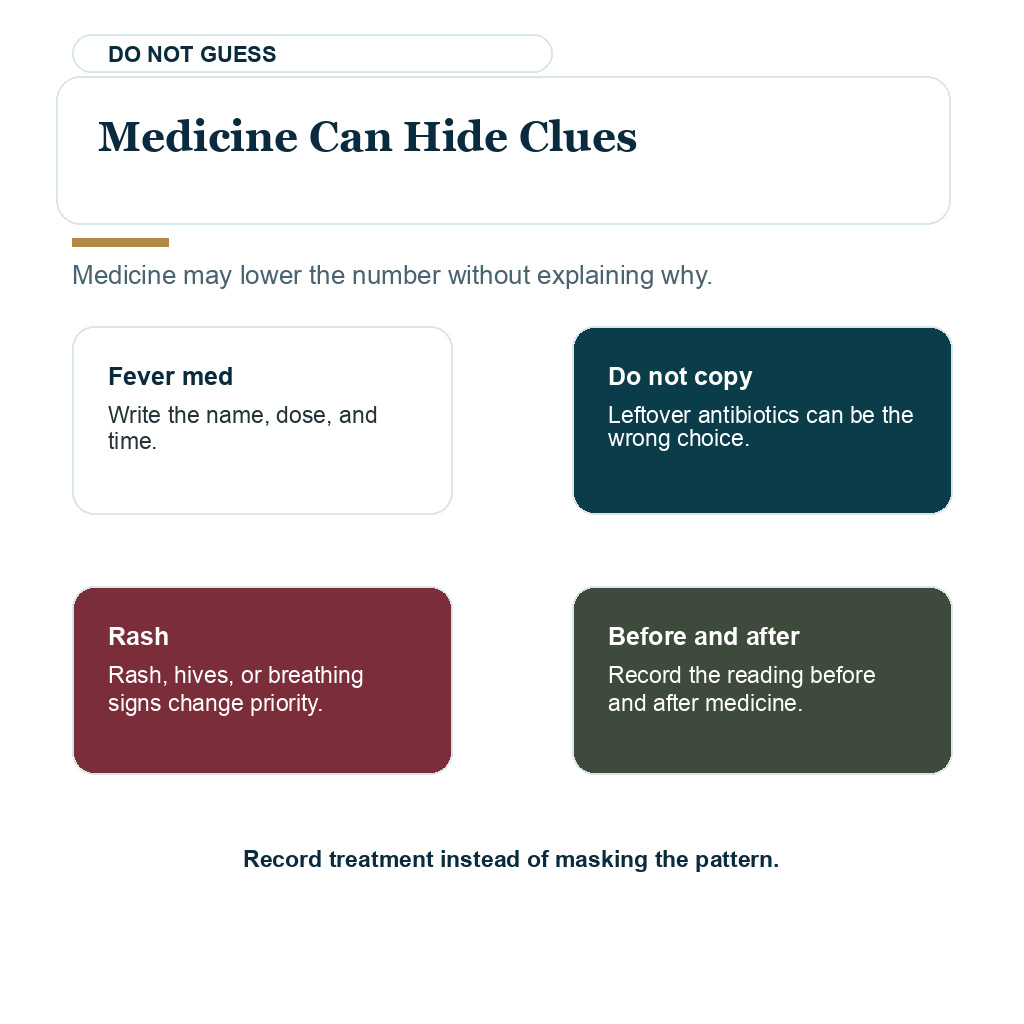
Do not start leftover antibiotics because the scalp feels warm or because another person’s photo looked similar. Antibiotic choice depends on symptoms, allergies, medical history, current medicines, local examination, and the likely source of infection. Taking the wrong antibiotic can hide symptoms, irritate the stomach, trigger allergy, or delay proper review.
If antibiotics were prescribed, take them exactly as instructed unless the clinic or a doctor tells you to change the plan. If you suspect an allergy, severe diarrhea, rash, hives, breathing symptoms, or another medicine reaction, report that rather than quietly stopping or adding tablets.
Fever medicine can make you feel better and lower the reading, but it does not explain the cause. If you take paracetamol/acetaminophen, ibuprofen, or another medication, write down the name, dose, and time. Record the temperature before the dose if possible, and note whether it rises again as the medicine wears off. Do not double up on products that contain paracetamol/acetaminophen, and do not use a medicine your own doctor has told you to avoid. Keep pain relief choices after FUE separate from antibiotic decisions. Antibiotics after a hair transplant should not be copied from another person.
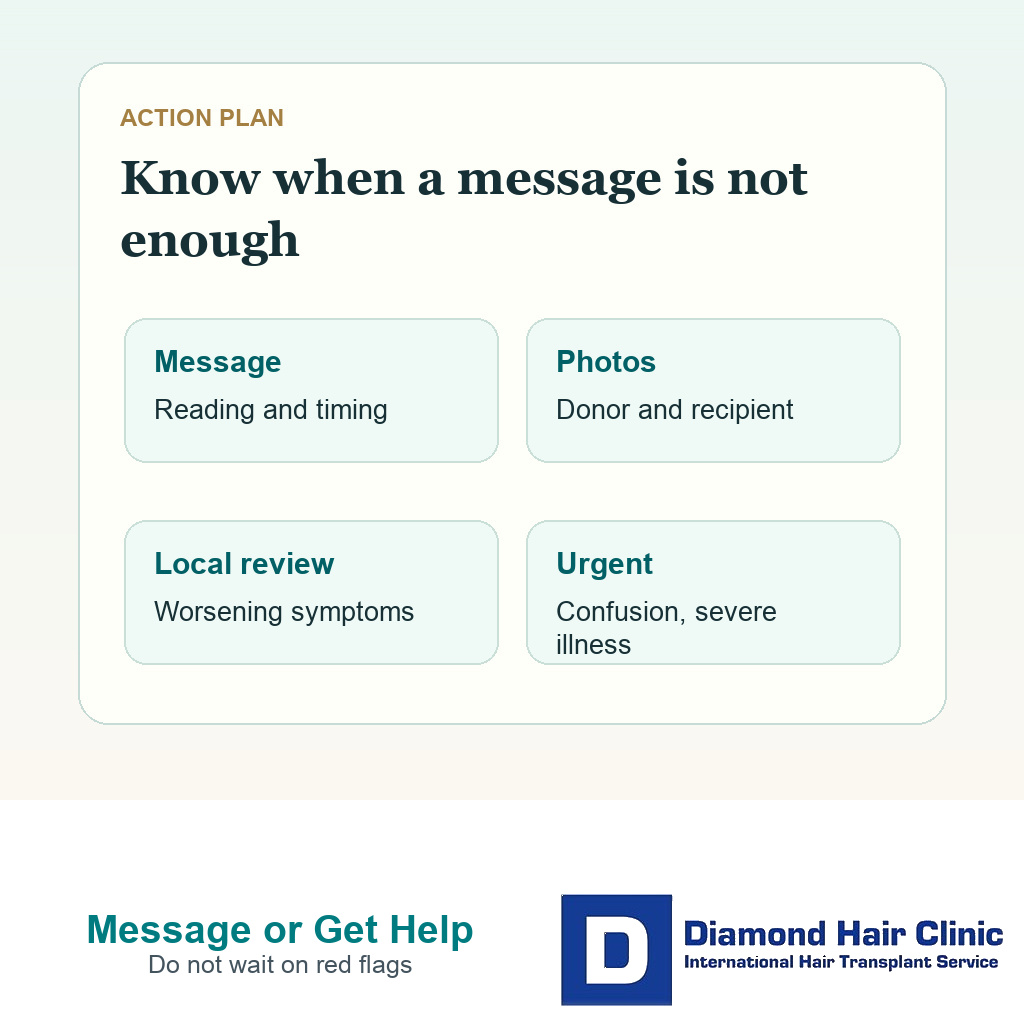
Escalation is based on the full symptom pattern, not panic over one number.
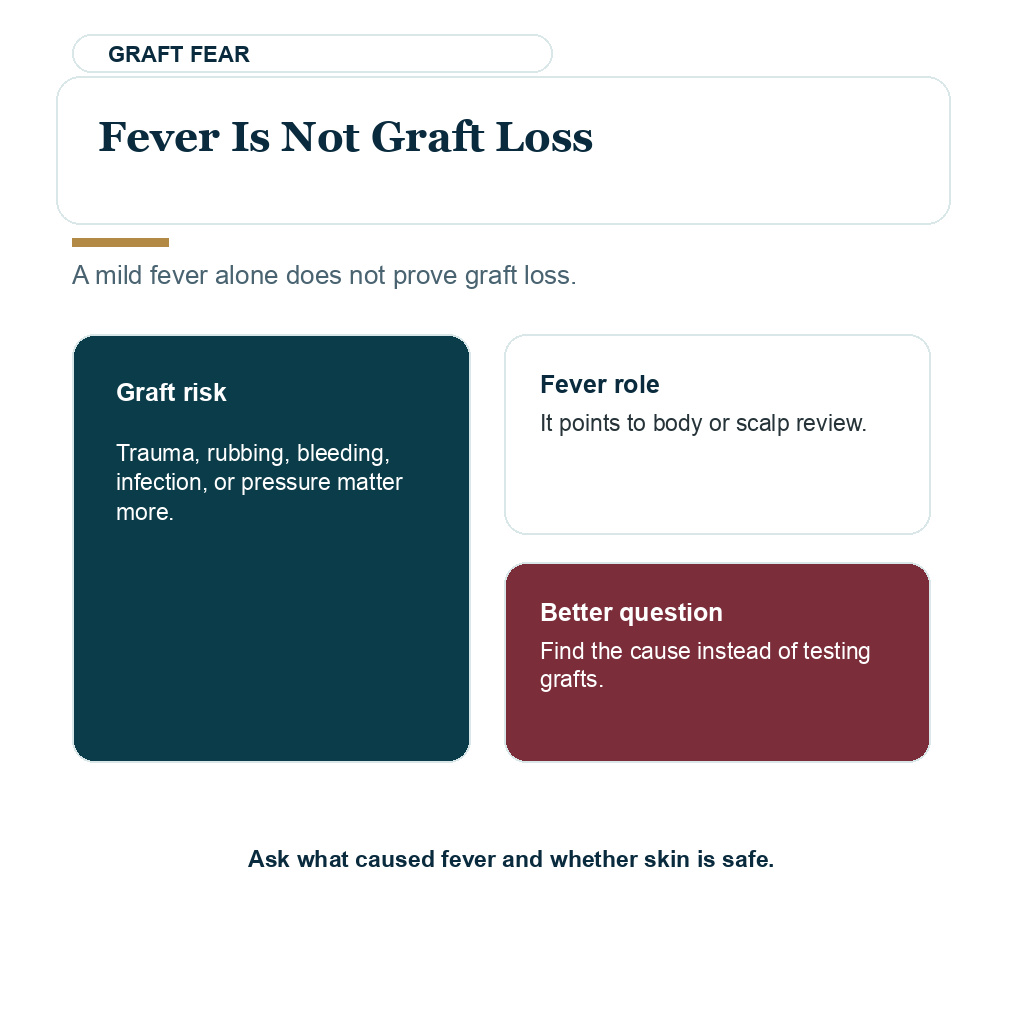
Fever does not mean grafts are lost
A mild fever by itself does not mean the transplanted grafts have been lost. Grafts are mainly disturbed by direct trauma, heavy rubbing, scratching, bleeding, infection, pressure, and poor recovery handling. Fever matters because it may point to infection, dehydration, medicine problems, or a general illness that makes recovery harder.
Do not turn fever into a graft panic while missing the medical problem. If the scalp was not hit, rubbed, scratched, or bleeding, the temperature itself is rarely the event that dislodged grafts. The question is what caused the fever and whether the treated skin is safe.
If fever comes with coughing or sneezing, cold or flu after a hair transplant becomes the wider illness frame. If the scalp is worsening at the same time, think more directly about infection and ask for clinic review without delay.
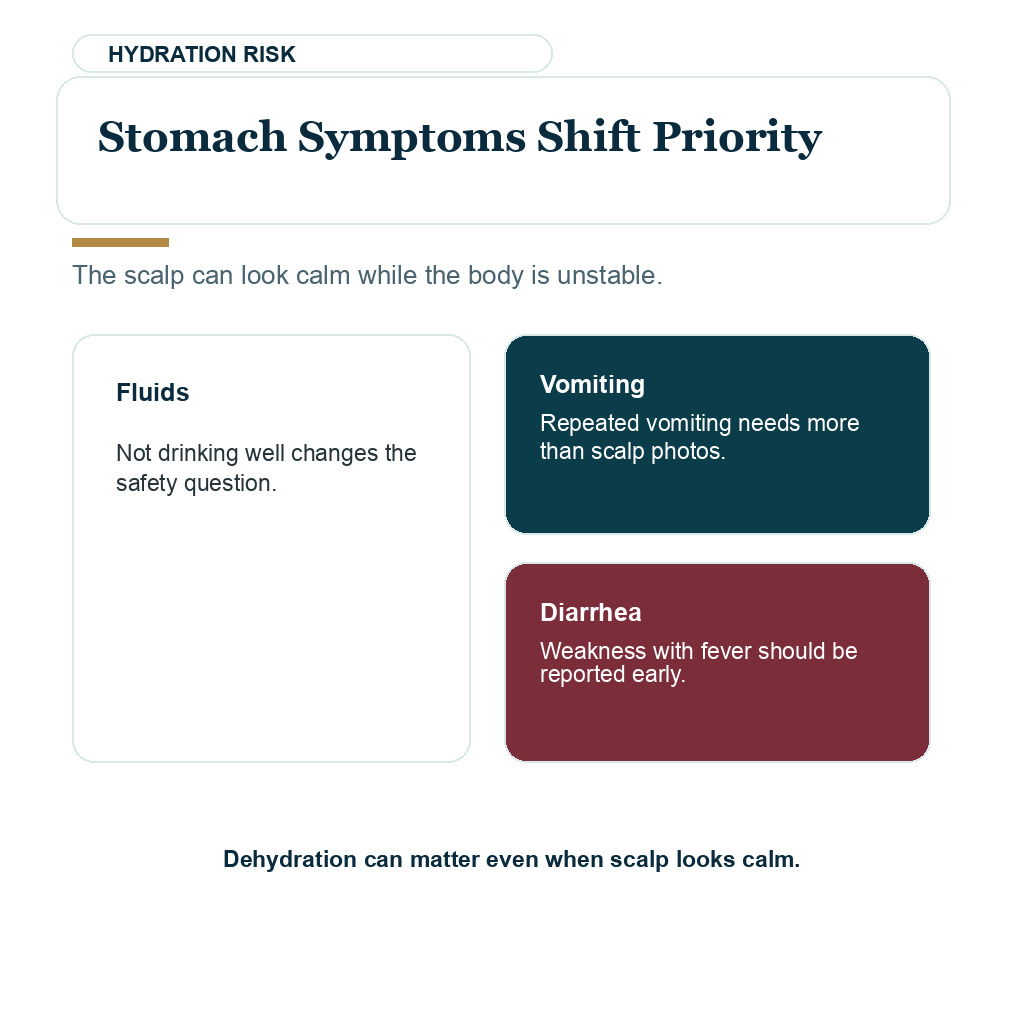
Diarrhea, vomiting, or dehydration change the priority
Digestive symptoms after surgery can come from travel food, antibiotics, pain medication, stress, or a separate infection. One mild stomach upset is different from repeated watery diarrhea, repeated vomiting, weakness, dizziness, fever, abdominal pain, blood in stool, or inability to drink.
In this situation, the scalp may look fine while the body is no longer stable. Hydration, medicine timing, sleep, and safety matter. If fever is combined with repeated vomiting or diarrhea, the clinic should know, and local medical review may be needed depending on severity.
Diarrhea after a hair transplant and vomiting after a hair transplant deserve their own decision instead of being reduced to graft fear.
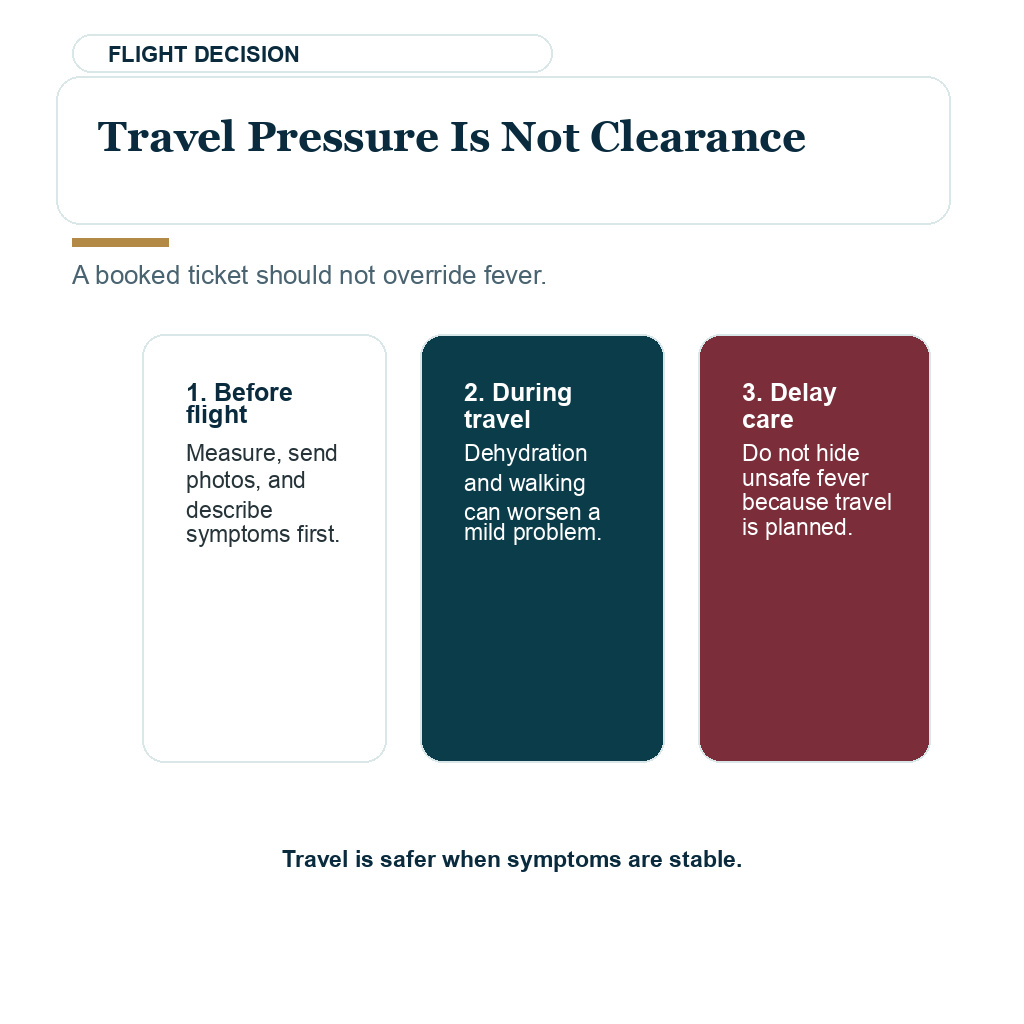
Travel should wait when fever is unsafe
If you feel feverish before flying home, do not hide it because the ticket is booked. Measure the temperature, send photos, and describe the other symptoms before travel pressure takes over. If the fever is high, repeated, or linked with dehydration, breathing symptoms, chest pain, confusion, severe weakness, or a scalp that looks infected, the travel decision needs medical judgment first.
Travel can make a mild problem feel worse because of dehydration, airport walking, poor sleep, stress, and limited access to local medical assessment. If fever is connected with severe illness, breathing symptoms, faintness, uncontrolled vomiting, or a scalp that looks infected, travel may not be the priority until you are assessed.
For routine recovery, the broader hair transplant recovery instructions remain the foundation. Protect the scalp, follow the washing routine, take medicines correctly, avoid unnecessary heat and sweating, and keep communication clear.
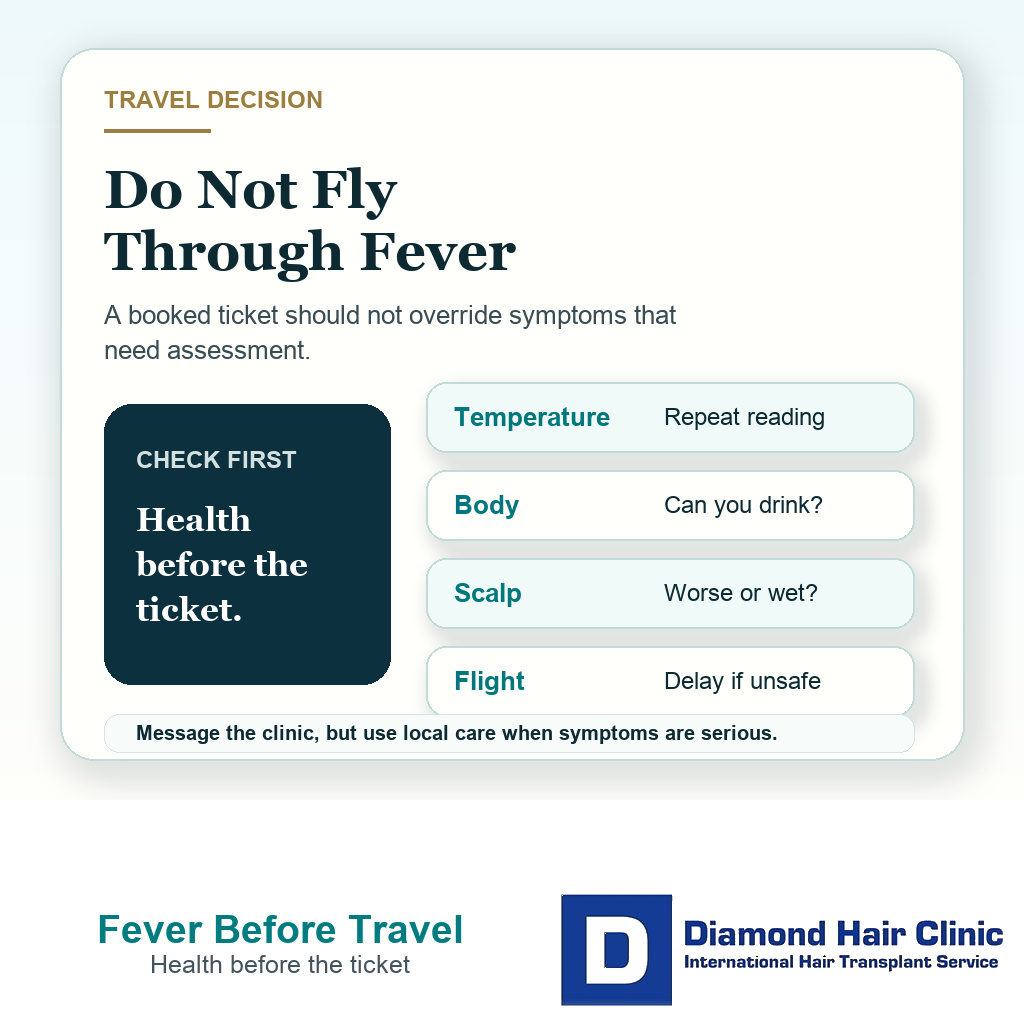
A booked flight should not override fever, dehydration, worsening scalp signs, or symptoms that need local review.
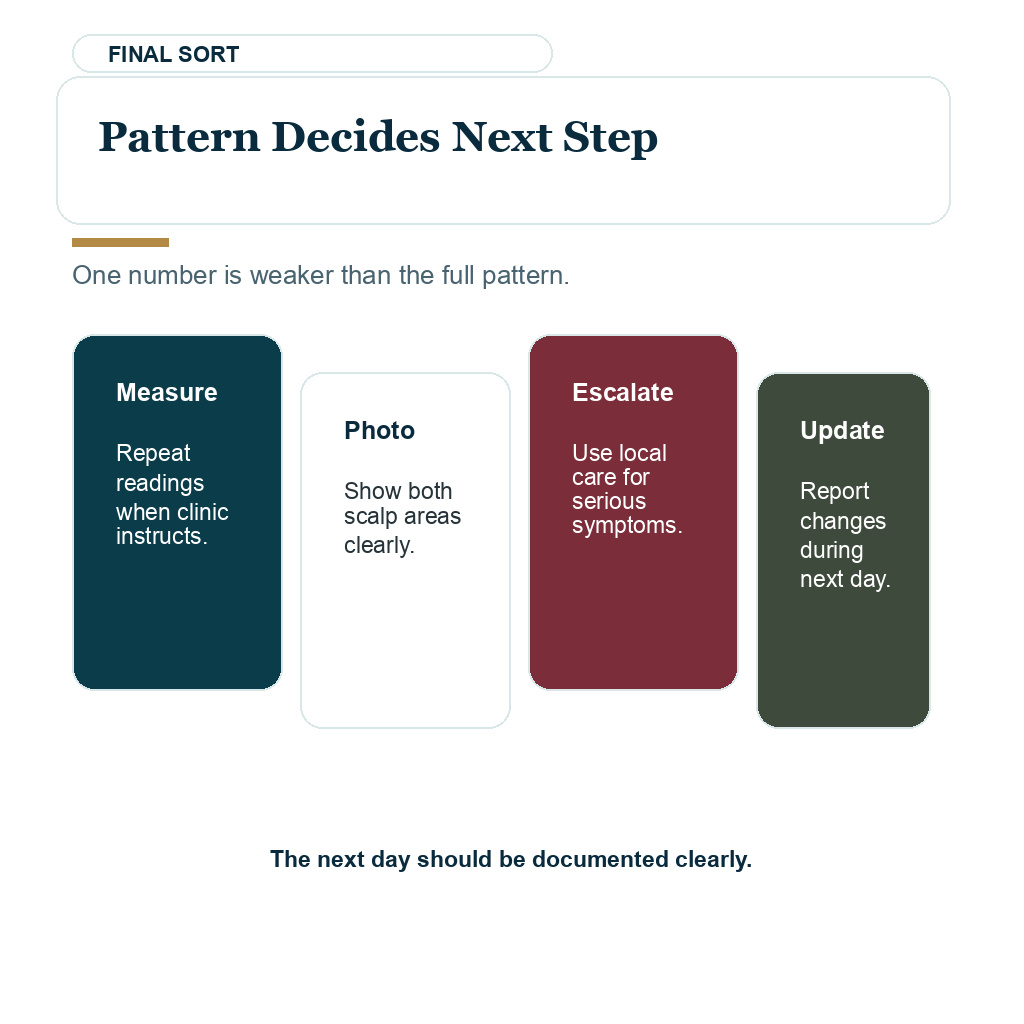
Fever after FUE needs the whole symptom pattern
Do not judge fever only by graft fear. Write down the reading, when it started, what medicine you took, fluids, urine, chills, scalp appearance, and any cough, throat, stomach, urinary, or skin symptoms.
A single mild reading can come from many causes, but fever with spreading redness, pus, bad smell, increasing pain, repeated chills, dehydration, confusion, chest symptoms, or a sick general feeling needs prompt medical review.
The useful update is specific. Share the temperature pattern and show the scalp without trying to diagnose yourself from one number.

Read this review excerpt
Every single one of my questions was answered and they made sure I had all the details I needed to make an informed decision.