


Final Hair Transplant Doubts Can Be a Reason to Pause
Final doubts before a hair transplant deserve attention, but they do not always mean surgery is wrong. I first separate normal nerves from unclear consent. If the hairline, graft range, donor limits, medicines, medical history, and recovery support have all been reviewed clearly, some anxiety is expected. If you feel pushed, cannot explain the plan, are thinking about taking a hidden sedative, or have a new health issue, pause before grafts are removed.
Put the doubt into one plain sentence and name whether it affects the hairline, donor area, medicine, recovery support, or the decision to pause. A design concern, a medical concern, budget pressure, and ordinary fear before surgery do not need the same answer.
A late doubt is useful when it points to a missing fact. It becomes dangerous when it is ignored only because the flight is booked, the deposit is paid, or the surgery day feels too close.
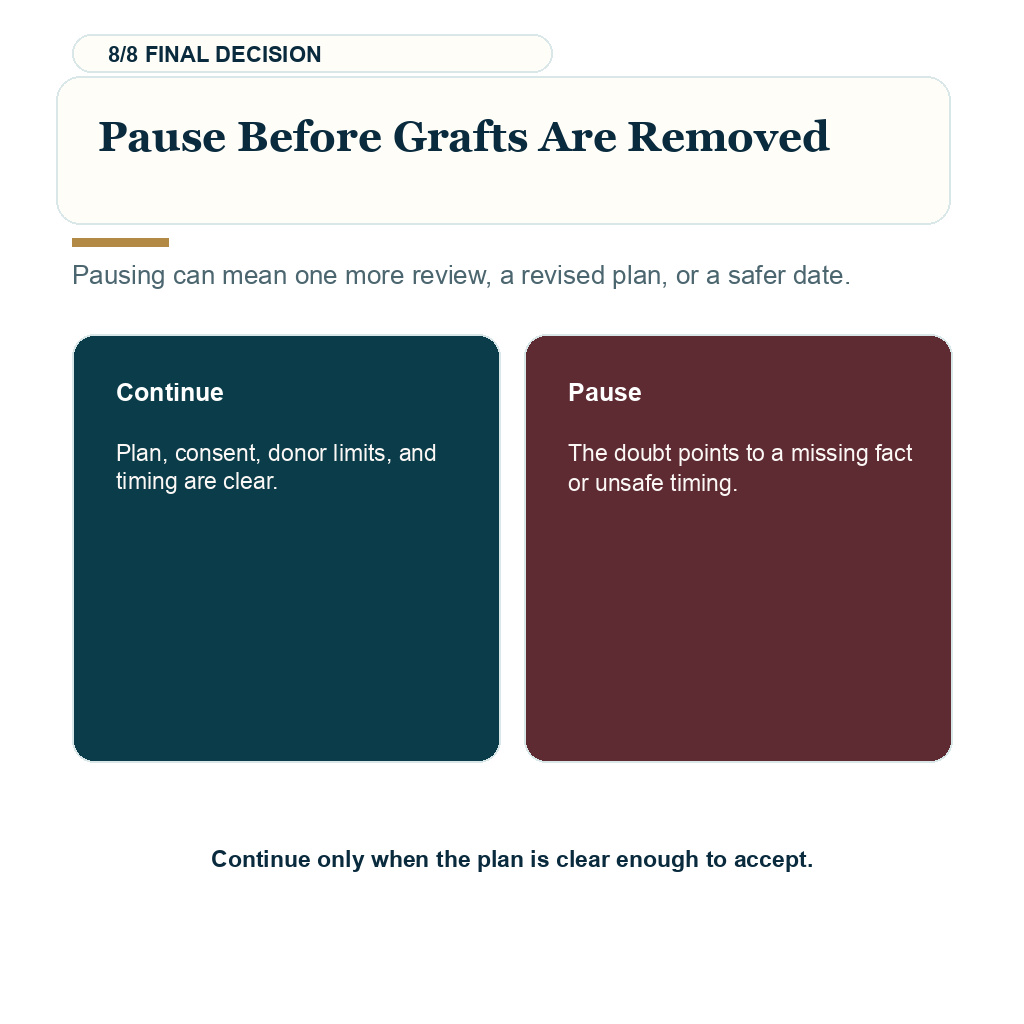
Pausing does not always mean cancelling. It may mean one more surgeon review, clearer photos, a revised hairline, a medication check, or moving the operation to a safer date. The risk is continuing while the plan, consent, or medical situation is still unclear.
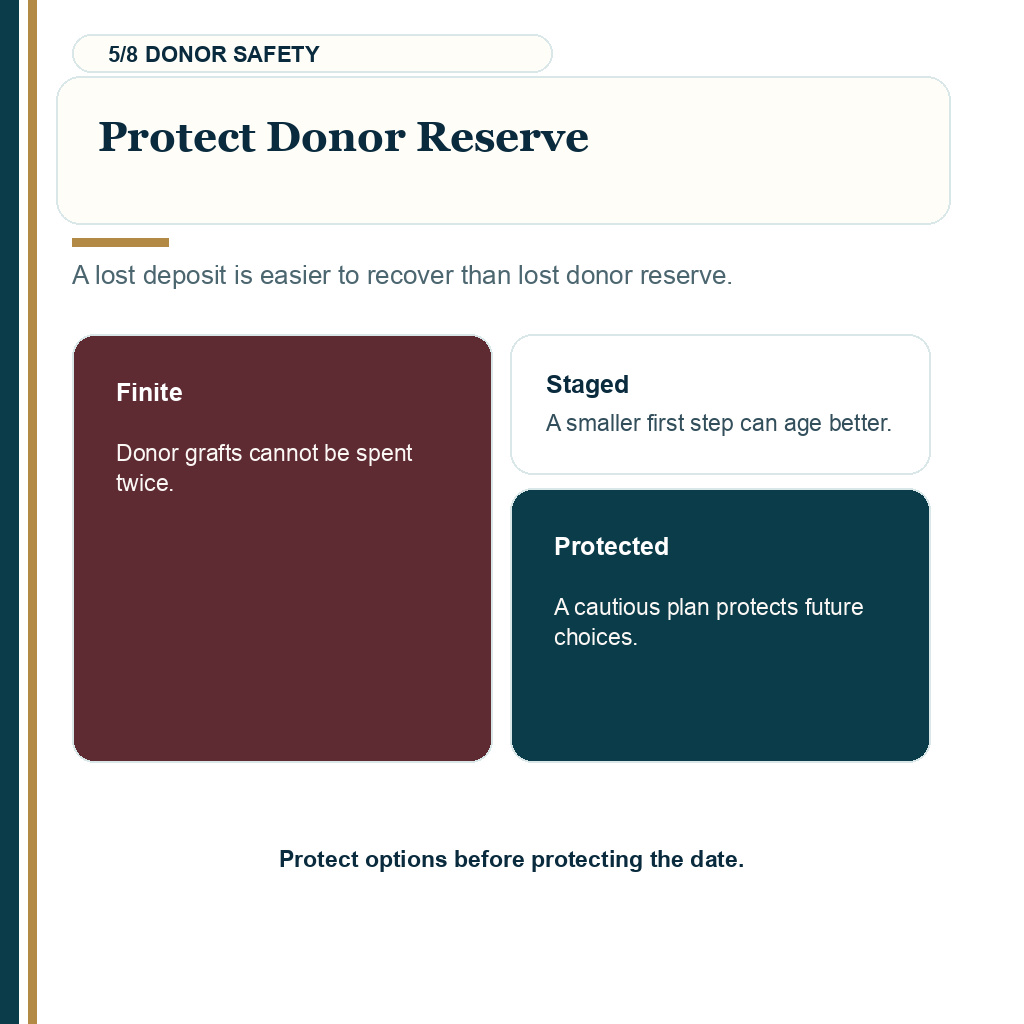
I take late doubt seriously because hair transplant surgery spends a limited donor area. Hair can be styled differently later. Medication can be adjusted later. A hairline can be refined later only if donor supply has been protected. Once grafts are removed and placed into a plan you did not understand, correction becomes harder. A lost deposit is easier to recover from than lost donor reserve.
How do normal nerves and unclear consent feel different?
With normal nerves, you understand the surgical plan but still feel afraid of pain, swelling, shaving, travel, or whether the result will suit you. That kind of anxiety is human. It often settles when the plan is explained again in plain language and you know what will happen in the operating room.
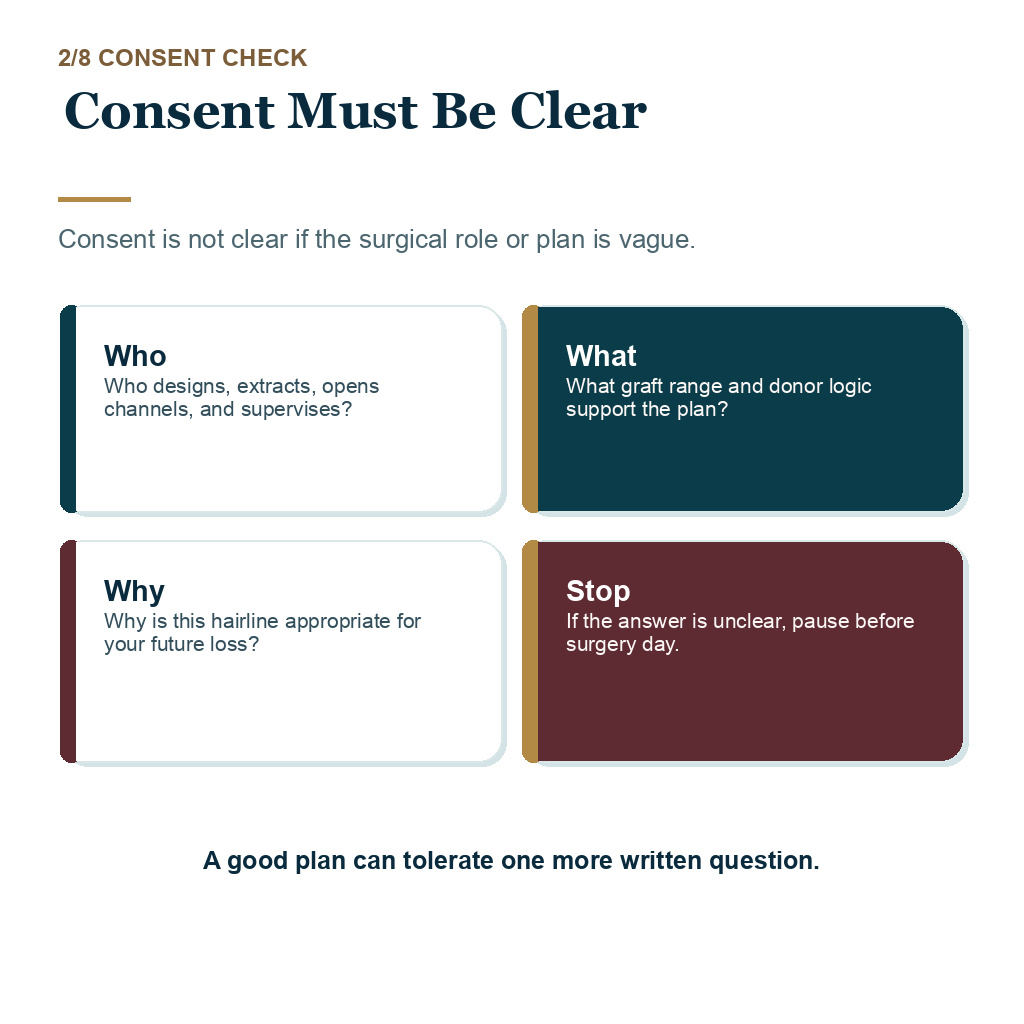
Unclear consent feels different. You may not know who will perform the extraction and implantation steps. You may not know whether the quoted graft number is a range or a promise. You may have accepted a hairline because it was drawn quickly, not because it fits your donor capacity, face, age, and future hair loss. Then the concern is no longer only fear. It is a planning problem.
I separate emotional readiness from surgical readiness before giving a green light. For the broader emotional side, my guide to hair transplant emotional readiness may help. In the final days, I am asking a more practical question. Can you describe the plan in your own words, and can you accept a more conservative plan if your donor area requires it?
Clear consent matters more than momentum. It is better to slow the process before surgery than to discover after surgery that you agreed only because the flight, hotel, deposit, or calendar made it feel too late to think.
What should you recheck before committing?
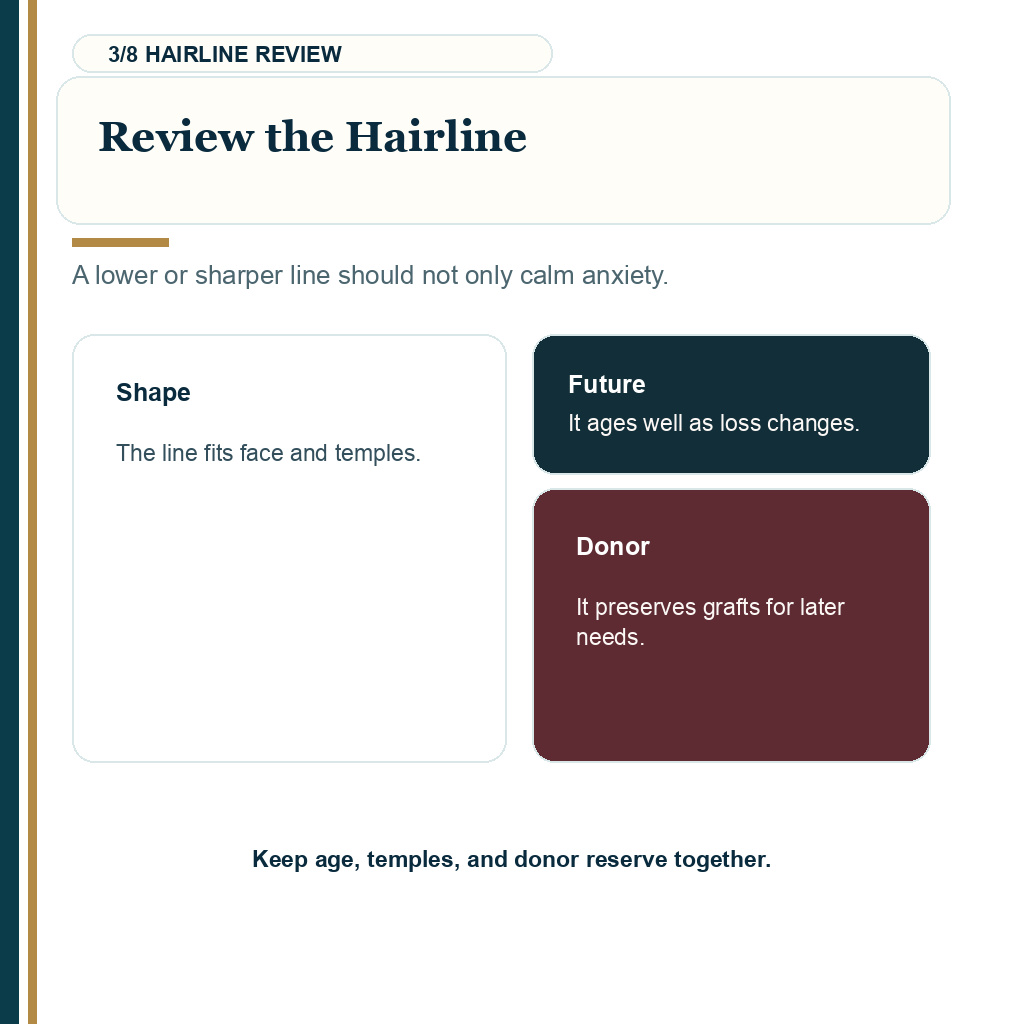
The final hairline drawing can create the strongest emotional reaction. You may arrive feeling ready, then panic when the line is drawn lower, straighter, sharper, or wider than expected. That moment should not be brushed aside. The hairline is not decoration added on surgery morning. It is the visible expression of the donor plan, age plan, and long term hair loss plan.
A natural hairline usually needs discipline and moderation. It should respect forehead shape, existing temple recession, donor density, and future thinning. If a very low hairline is offered mainly to quiet your anxiety, that can create a larger problem later. My guide to hairline design in hair transplant explains why surgeon-led design must protect naturalness, not only satisfy the mirror on the day.
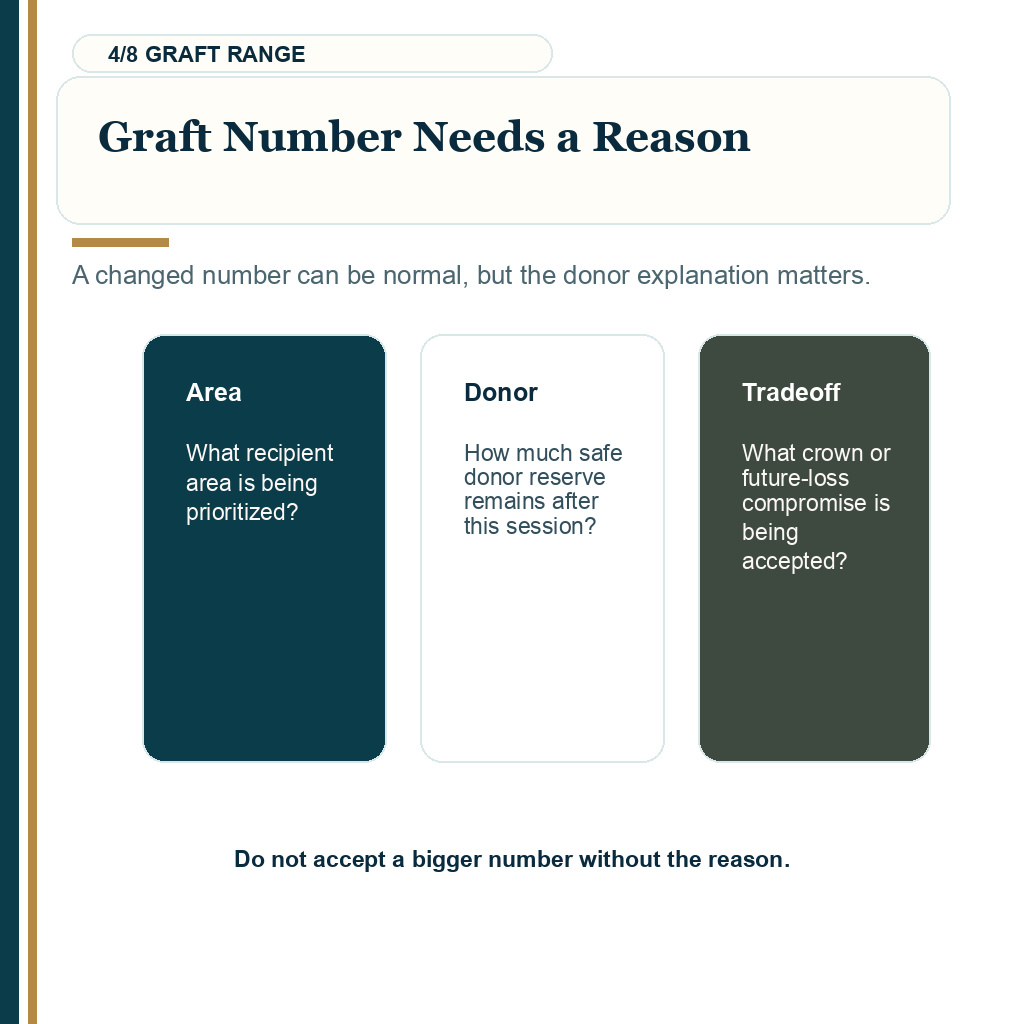
The graft number also needs to make sense. A difference between a photo estimate and an in person assessment can be normal, but the reason should be explained. If the number changes suddenly without a donor area explanation, ask for the logic before surgery starts. My explanation of why hair transplant graft numbers differ covers this in more detail.
In the final review, the trade off needs to be clear. A denser front may leave fewer grafts for the crown. A lower hairline may reduce reserve for future loss. A repair case may need a more cautious approach than a first surgery. The right plan may disappoint a short term wish while protecting the long term result. That is not a failure of planning. It is the point of planning.
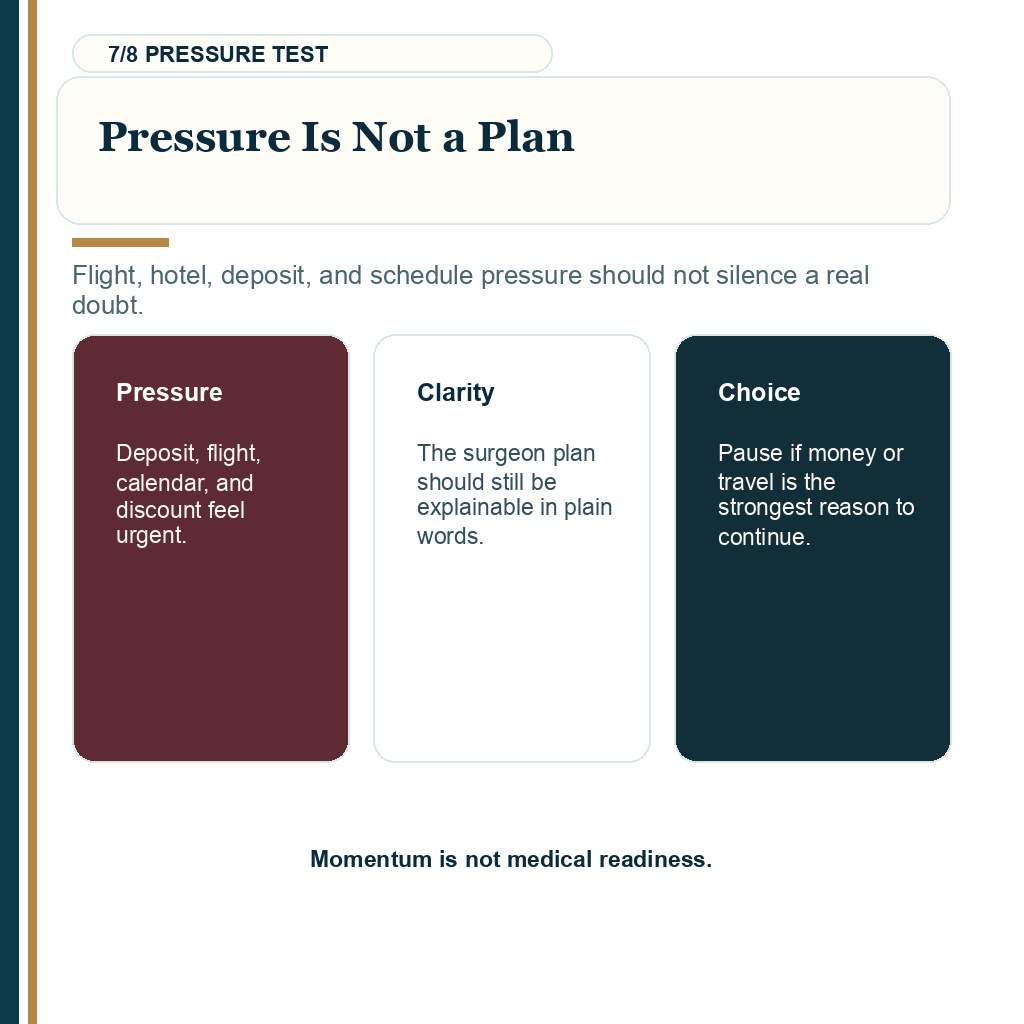
These 8 slides help separate normal final nerves from consent, hairline, graft number, donor, medicine, pressure, and timing concerns that deserve one more review. Swipe sideways, use the arrows one slide at a time, or choose a number below the image.

Read this review excerpt
During my pre-operation consultation Dr.Mehmet Demircioglu drew me a hair line first with a pencil to show me if I liked it and explained why it was a bit curvy to give it a natural look.

Read this review excerpt
Dr Mehmet answered with patiently and confidently. I felt more comfortable after this consultation, and then surgery started.


Pain fears should be handled inside the medical plan
Fear of local anesthetic injections is common in the final days. The first injections can sting, and the idea of being awake during surgery can make the fear feel larger than the procedure itself. Bring this fear into the medical plan instead of handling it secretly with a tablet in the hotel room or airport bathroom.
My explanation of how painful anesthetic injections are in hair transplant describes what the injection phase usually feels like. The pain is normally short, then the area becomes numb. You may still feel pressure, vibration, movement, or touch, but sharp pain should be reported during surgery so the anesthetic can be adjusted.
Sedatives are a separate issue. If you take Xanax, Valium, sleeping pills, alcohol, or another calming medicine without telling the clinic, it can affect consent, blood pressure, breathing, alertness, transport, and monitoring. My article on Xanax and Valium before hair transplant gives a firm message. Do not hide a sedative, alcohol use, or a new medicine.
Sometimes a medication plan can be made safely with the prescribing doctor and surgical team. Sometimes postponing is safer than trying to push through panic. My guide to sedation during hair transplant explains why routine sedation is not the default answer for every anxious person. A hair transplant needs cooperation, stable monitoring, and clear communication throughout the day.
Which new health changes can make waiting safer?
The final days are not the time to hide a fever, infection, new medication, chest symptoms, uncontrolled blood pressure, recent dental infection, skin flare, or a change in blood test results. You may worry that reporting a new issue will cause cancellation and money loss. I understand that fear, especially when travel is arranged. But surgery is not safer because a problem is kept quiet.
New medical information can change timing. It does not always cancel surgery, but it needs review. If antibiotics were started, if a blood thinner changed, if a new supplement was added, if a blood test changed, or if the scalp has redness, scaling, pain, or discharge, the team needs to know before surgery. My guide to medical changes after booking a hair transplant explains why even small updates can matter.
Blood testing is not a formality. It helps identify issues that can affect surgical timing, infection precautions, and general safety. If a test result is abnormal, do not focus on how to pass the appointment. Ask whether the result changes the timing of surgery. My article on blood tests before hair transplant explains this more fully.
When you tell me about a new issue early, we often have time to judge it clearly. When it appears on the morning of surgery, the decision becomes more stressful. Final doubt should include a medical disclosure check. If something has changed in your body, medicines, scalp, or general health, report it before you travel or before you enter the clinic.
Pressure and deposits should not decide the donor area
Deposits, flights, hotels, time off work, and family expectations can make you feel trapped. The appointment has become real. Money may already be committed. You may feel embarrassed to step back. If part of the pressure is keeping the surgery private at home or work, the privacy plan needs the same review before booking. That pressure can become stronger than the clinical facts.
Pressure from a partner, family member, friend, or clinic is a reason to slow down, not a reason to rush. The patient must be able to explain the plan back clearly without borrowing someone else’s urgency.
A deposit should never become the reason to accept a hairline you do not understand. A discount should never become the reason to ignore a weak donor area. A busy travel schedule should never become the reason to hide panic or a new medical issue. My guide to hair transplant deposit before booking explains why the decision should be based on surgeon review before money pressure takes over.
Sales pressure deserves the same pause. If you feel rushed to pay, rushed to choose a package, or rushed to accept a larger graft number, stop and ask for the clinical reasoning. My article on hair transplant booking pressure discusses this pattern. A plan that is medically sound can tolerate questions. A fragile plan often depends on speed.
A late question that can be answered is very different from a plan you still do not understand. Pause before grafts are removed if the only reason you are continuing is that it feels too late to cancel. Losing time and money is painful. Losing donor grafts to a plan you doubted but did not question can affect the rest of your life.

How can a final surgeon review turn doubt into a decision?
Not every doubt needs cancellation. Many people need a final surgeon review, not an abandoned plan. A clear review can turn vague fear into a decision. It can confirm that the hairline is appropriate, that the graft range is realistic, that donor management has been considered, and that you understand what will happen during and after surgery.
Planning from photos is useful before travel, but it is not the same as final in person assessment. My article on hair transplant planning from photos explains what photos can and cannot decide. In the final days, photos, video, medical history, and previous consultation notes should come together. If those pieces conflict, the plan should be reviewed before surgery day.
Direct questions before the operation are appropriate. The plan should show where grafts will be placed, which areas will be left for the future, how the plan changes if donor density is lower than expected, who performs each surgical step, how pain during anesthesia is handled, and which medicines must be stopped, continued, or disclosed. Asking this does not make you difficult. It makes consent real.
There is also an emotional boundary. If you are dealing with obsessive mirror checking, severe distress, or the feeling that surgery must fix self worth immediately, I move slowly. My guide to body dysmorphia and hair transplant explains why surgery should not be used as the only answer to severe appearance distress. In those cases, postponing can protect both mental health and surgical judgment.
Send details that separate fear from real risk
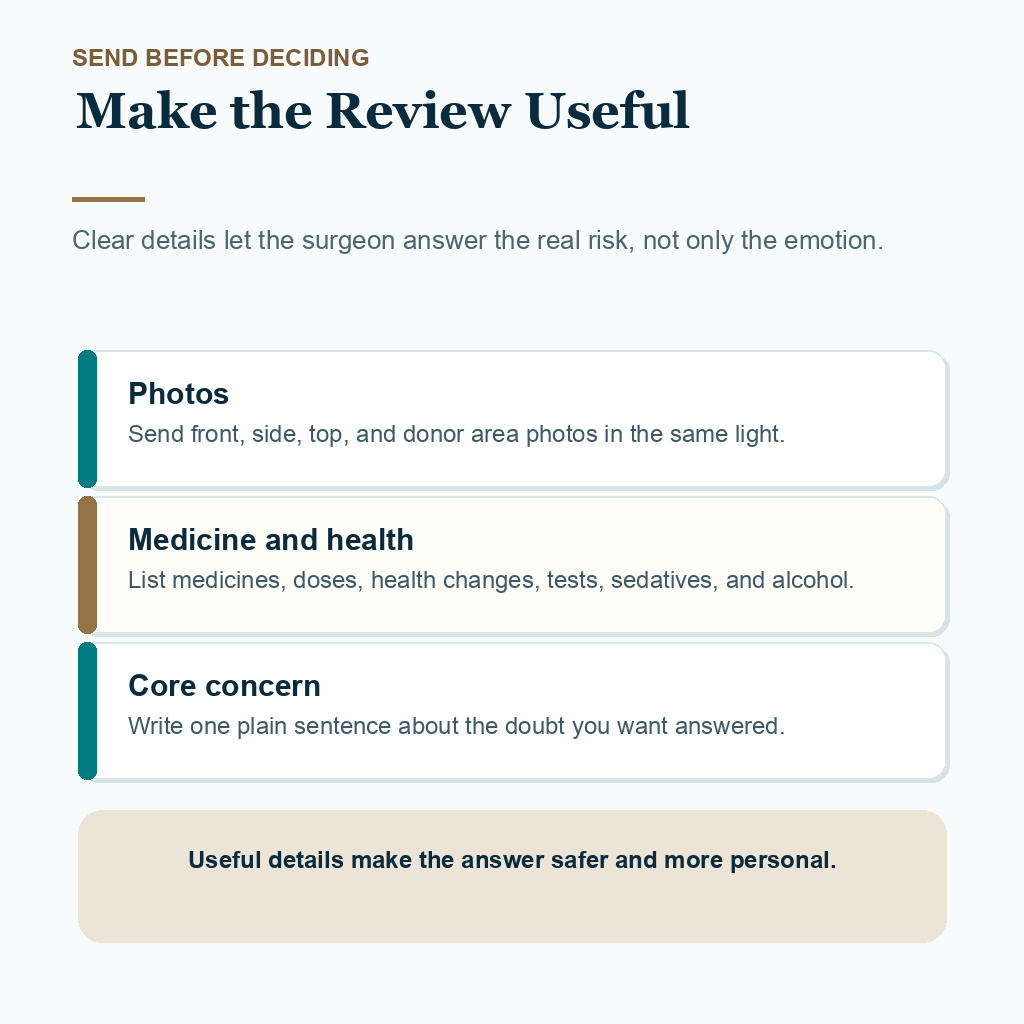
In the final days, send information that helps the surgeon separate fear from a real reason to pause. Do not send only one close photo taken under harsh bathroom light. Send clear front, temple, top, crown, and donor area photos in the same light, with dry hair and no concealer. If possible, send a short video turning slowly from front to both sides and to the back.
Also send a concise update about medicines, supplements, alcohol, recent illness, blood pressure, skin symptoms, and any new blood test result. If you are taking a medication for anxiety, sleep, blood pressure, blood thinning, acne, infection, or another condition, name it clearly. If another doctor told you to stop a medication, say who advised it and when. The clinic cannot judge what it does not know.
For the decision itself, write your concern in one plain sentence. You may be afraid the hairline is too low, that the graft number is too high, that your donor area is weak, that you cannot tolerate pain, or that you are proceeding only because of a deposit. A clear sentence helps the surgeon answer the actual concern instead of giving general reassurance.
If you are traveling alone to Turkey for a hair transplant, include that too. Recovery support, transport after sedating medication, swelling, sleep, and communication can feel harder without a companion. Final doubt sometimes comes from the surgery itself, but sometimes it comes from poor travel support.
Continue or pause based on consent and safety
Continue when the plan is clear, the hairline makes sense, the donor area has been respected, the medical history is current, and you can give clear consent. Pause when you are hiding information, unsure who will perform the surgery, unable to accept the hairline, pressured by money, or using panic as the reason to ignore a planning concern.
Bravery is not the test here. The decision needs to still look responsible after the emotional pressure has passed. Hair transplant surgery should be planned with long term donor protection, natural design, and realistic expectations. Final anxiety can be normal, but final confusion should be reviewed.
A final doubt deserves a final surgeon review before the donor area is used. If that review confirms the plan, you can proceed with a steadier mind. If it reveals a weak plan, unsafe medication issue, new medical concern, or unresolved emotional pressure, postponing protects the result and the patient.

Read this review excerpt
Every single one of my questions was answered and they made sure I had all the details I needed to make an informed decision.
Read this review excerpt
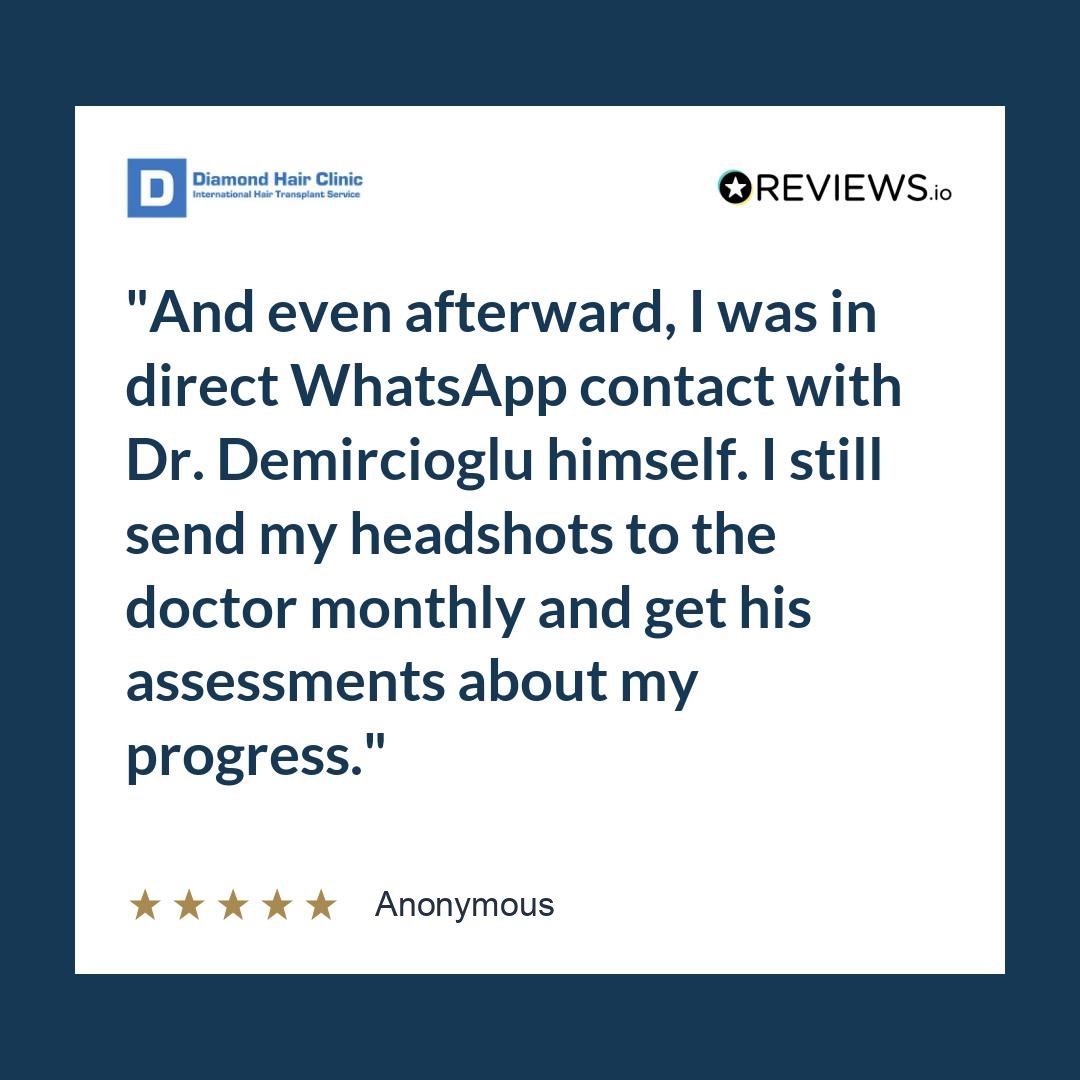
And even afterward, I was in direct WhatsApp contact with Dr. Demircioglu himself. I still send my headshots to the doctor monthly and get his assessments about my progress.