



Sumatriptan Use Needs Migraine and Heart Review
If sumatriptan is already part of your prescribed migraine plan, tell us about it before you need it during recovery. I do not treat it like a normal pain tablet after surgery. It is medicine for migraine attacks, so the decision depends on your usual migraine pattern, blood pressure, heart history, other medicines, the route you use, and what is happening on the scalp.
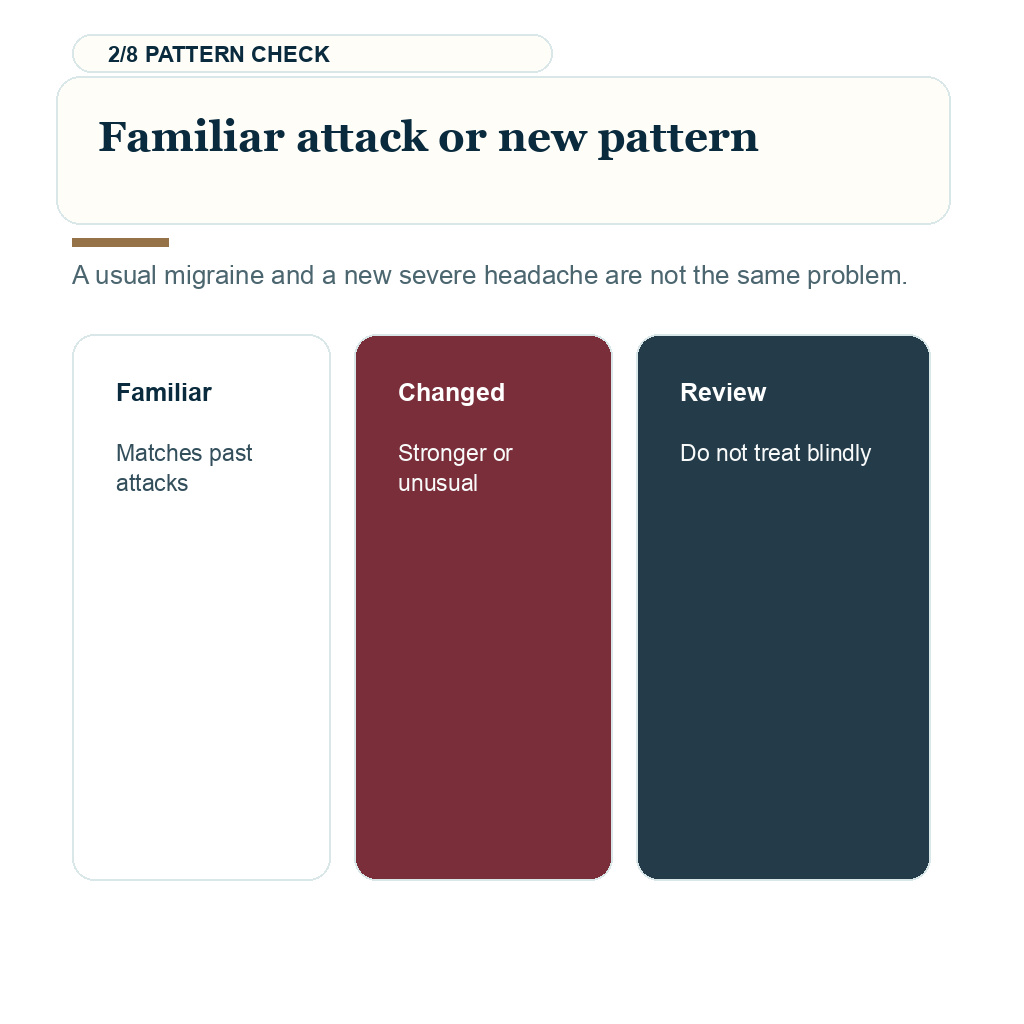
A familiar migraine that matches your normal pattern is one situation. A new severe headache after a hair transplant, repeated vomiting, chest pressure, faintness, fresh bleeding, fever, or neurological symptoms is another situation. If the second pattern appears during the first recovery days, the priority is medical review, not simply another tablet. Usual migraine medicine can still be the wrong shortcut when the headache feels different from your normal pattern.
Do not start sumatriptan for the first time after surgery without the doctor who prescribed it. If it is already part of your usual migraine plan, mention it during medication before a hair transplant, before the problem appears.
Sumatriptan is different from normal painkillers after surgery
Sumatriptan is used for migraine attacks. It is not the same category as paracetamol, ibuprofen, aspirin, or a clinic prescribed after surgery pain tablet. Those medicines are usually discussed under painkillers after a hair transplant. Sumatriptan is part of the migraine plan, so the clinic needs details about the diagnosis, dose, route, side effects, and when you normally use it. A tablet, nasal spray, or injection should not be reduced to one vague migraine medicine in the recovery plan.
Tell me the practical details early. I need the timing, frequency, past side effects such as chest or neck tightness, strong sleepiness, dizziness, or nausea, any medicine combinations, and whether blood pressure or heart history has ever been discussed. One prescribed tablet for an occasional known migraine is different from repeated doses because the attack is not settling.
The scalp is only one part of the migraine medicine decision. A hair transplant is elective surgery. If the migraine is severe, or you are dehydrated, vomiting, or unstable, pause and look at the whole situation instead of treating this as only a medicine question.
Nasal spray or injection routes need separate review
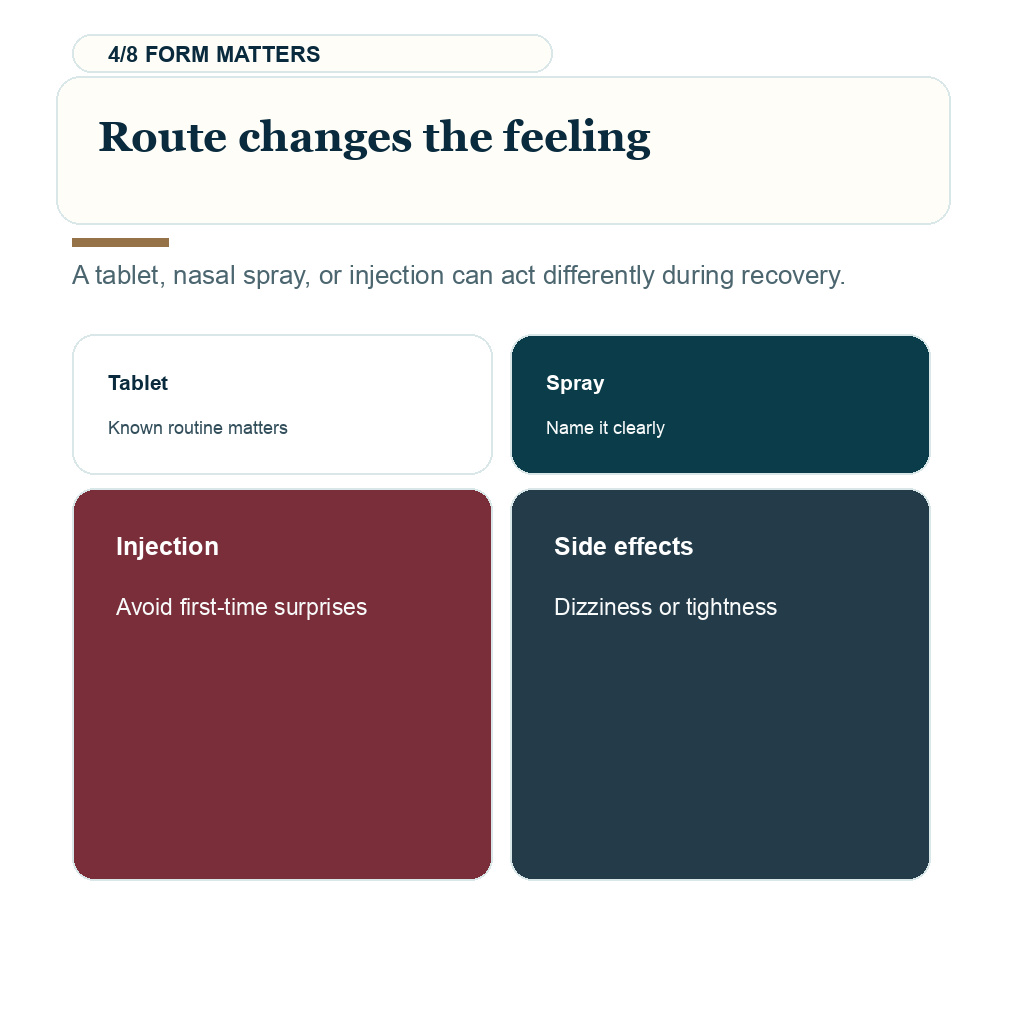
The form matters. A tablet, nasal spray, and injection can feel different, act at different speeds, and create different side effects. During the first recovery days, dizziness, chest or neck tightness, sleepiness, nausea, or a strong local reaction can change how safely you protect the scalp.
The exact form matters too. A tablet, nasal spray, or injection should be named clearly, especially if you have not used that same form before. Do not try a new sumatriptan injection or nasal spray for the first time immediately after surgery unless the prescribing doctor has already planned it for you. Familiar medicine is easier to judge than a new route, a new dose, and a fresh surgical recovery happening on the same day.
Use it only in the way it was prescribed for migraine attacks. Do not take sumatriptan as a prevention tablet because you are afraid a migraine might happen during recovery, and do not repeat a dose earlier than the prescription allows because the first dose did not work quickly enough.
Blood flow worries need the right frame
Some patients worry because sumatriptan works partly through blood vessel effects. After a hair transplant, that can sound as if one dose will deprive the grafts of blood supply. That is not the right way to frame the risk. One prescribed dose is not the same as direct graft damage, but cardiovascular history still matters.
Fresh grafts are most vulnerable to mechanical trauma, poor handling, infection, heavy bleeding, and early rubbing or scratching. Sumatriptan is not a hand touching the grafts. It is not a pillow pressing into the recipient area. It is not proof that grafts have been displaced.
Still, sumatriptan has cardiovascular cautions. If you have uncontrolled blood pressure, chest symptoms, vascular disease, previous stroke, heart disease, or a pattern your prescribing doctor has not reviewed, the medicine question is no longer only about grafts. General safety comes first.
New chest, jaw, neck, throat, shoulder, arm, or back pressure after sumatriptan should not be dismissed as ordinary hair transplant anxiety. Stop guessing, do not take another dose, and contact the doctor or emergency service appropriate for the severity of the symptoms.

The medicine question changes when migraine symptoms come with chest pressure, severe vomiting, blood pressure problems, or a new neurological symptom.
When should I ask before taking migraine medicine?
Contact the clinic before taking migraine medicine if the headache is new for you, much stronger than your usual migraine, linked with fresh scalp bleeding, or paired with repeated vomiting, faintness, chest pressure, severe dizziness, fever, spreading redness, discharge, or swelling that is getting worse.
You should also contact the doctor who prescribed the migraine medicine if you have symptoms that do not fit your usual attack. A hair transplant clinic can judge the scalp and recovery context. Your prescribing doctor may need to judge whether sumatriptan still fits your cardiovascular history and migraine pattern.
If the issue is ordinary soreness from surgery, migraine medicine may not be the right answer. If the issue is increasing donor pain, severe donor area pain after a hair transplant matters more than treating everything as migraine.
Migraine history to share before surgery
Before surgery, share the exact medicine name, the dose written on the prescription, how many days per month you use it, what happens if you delay it, and whether you also use medicine for nausea, anti inflammatory medicine, antidepressants, blood pressure medicine, sleep medicine, or high caffeine products. Do not reduce the history to “migraine tablets.” Before the procedure, use the migraine history plan for FUE surgery day to share the exact rescue medicine, route, side effects, and warning signs instead of deciding under pressure.
Also mention any other triptan, ergot type migraine medicine, MAO inhibitor, SSRI, SNRI, tricyclic antidepressant, or supplement used for mood, sleep, or migraine. Some combinations are not routine details. They can change whether sumatriptan is appropriate at all.
Also explain your migraine pattern. A rare migraine triggered by missed sleep is not the same as frequent attacks with vomiting and light sensitivity. Migraine with aura, unusual neurological symptoms, or a recent change in the pattern deserves more attention before an elective operation.
Frequency matters because repeated acute migraine medicine can create its own headache problem in some patients. The first recovery week should not become a cycle of pain, more tablets, poor sleep, nausea, and anxiety. If attacks are frequent before surgery, the migraine plan should be settled before donor grafts are used.
If you are needing acute migraine medicine on many days each month, tell the prescribing doctor before surgery. A common warning point for triptans is around 10 or more days per month, because frequent use can worsen headache patterns instead of stabilizing them.
This is part of the broader plan for medications after a hair transplant. The clinic should know which medicine is for surgery, which medicine is already part of your life, and which symptom should make you contact the team instead of taking another tablet.
These 8 migraine medicine review slides separate the exact sumatriptan name and route, familiar versus unusual headache patterns, heart and blood pressure history, side effects specific to the route, vomiting and graft safety, unsafe medicine mixing, travel stability, and when medical review comes before another dose. Swipe sideways, use the arrows one slide at a time, or choose a number below the image.



Blood pressure and heart history change the advice
Blood pressure and heart history matter because sumatriptan can be the wrong medicine in some cardiovascular situations. Uncontrolled high blood pressure, chest pain, a previous heart attack, a stent, rhythm symptoms, stroke history, vascular disease, or strong risk factors that have not been reviewed are not small background details.
This also matters when the same patient is receiving local anesthesia and adrenaline in hair transplant surgery. A temporary fast heartbeat from adrenaline, anxiety, caffeine, or medication can be harmless in one person and medically important in another. The preoperative history is what lets the surgeon separate those situations.
When high blood pressure and hair transplant surgery has already been discussed, add migraine medicine to that conversation. If you have heart disease or a coronary stent before hair transplant surgery, do not make any triptan decision without the doctor managing that condition.
A different migraine pattern needs caution
I become more cautious here. A familiar migraine in someone who already uses sumatriptan is one situation. First time sumatriptan use, a new route such as an injection or nasal spray, or a headache that no longer matches your usual migraine pattern needs more caution.
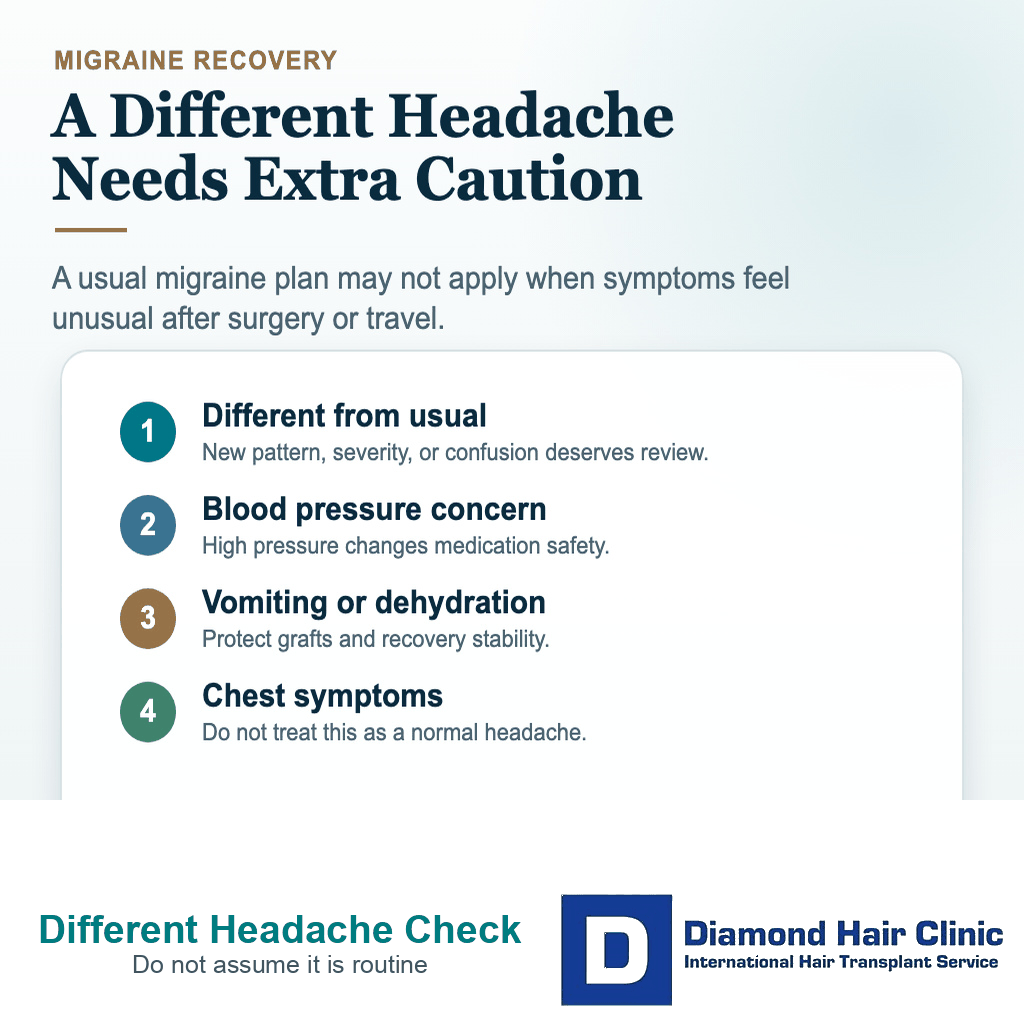
If the headache comes with chest pressure, faintness, weakness, confusion, vision changes that are not normal for you, uncontrolled vomiting, fever, very high blood pressure, or fresh scalp bleeding, do not keep repeating migraine medicine without review. Protect the scalp, sit upright, and avoid rubbing or bending. Depending on the symptoms, the safer step may be the clinic, the prescribing doctor, or urgent medical services. Sumatriptan can be useful for the right migraine patient, but it should not hide a headache pattern that is unusual for you.
Nausea and vomiting can affect graft safety indirectly
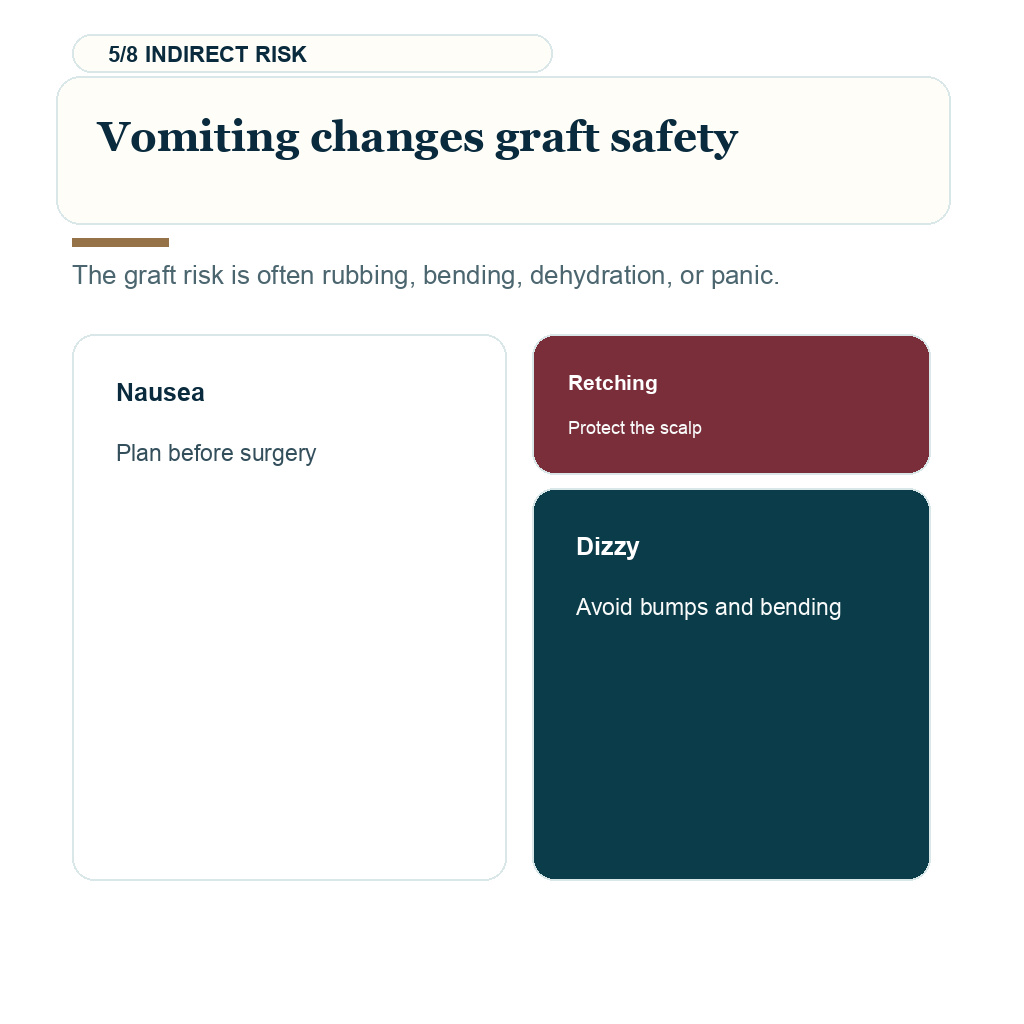
One episode of nausea or vomiting is usually not the same as graft loss. Repeated vomiting becomes a problem because it can make you bend forward, rub the forehead, wipe the scalp, fall, become dehydrated, miss prescribed medicine, or ignore a scalp change because the migraine is taking all attention.
If nausea is part of your usual migraine pattern, plan for it before the operation. Ask which nausea medicine is acceptable for you, what to do if you cannot keep tablets down, and when the clinic wants photos of the scalp. For graft protection, the related issue is vomiting after a hair transplant, because retching, bending, dehydration, or panic can lead to careless contact.
Severe vomiting also changes travel safety. A patient who is dehydrated and dizzy is more likely to bump the head, sleep in a poor position, or make mistakes with washing and medication. Treat that as a recovery problem, not only as a migraine problem.
Avoid mixing medicines without a clear plan
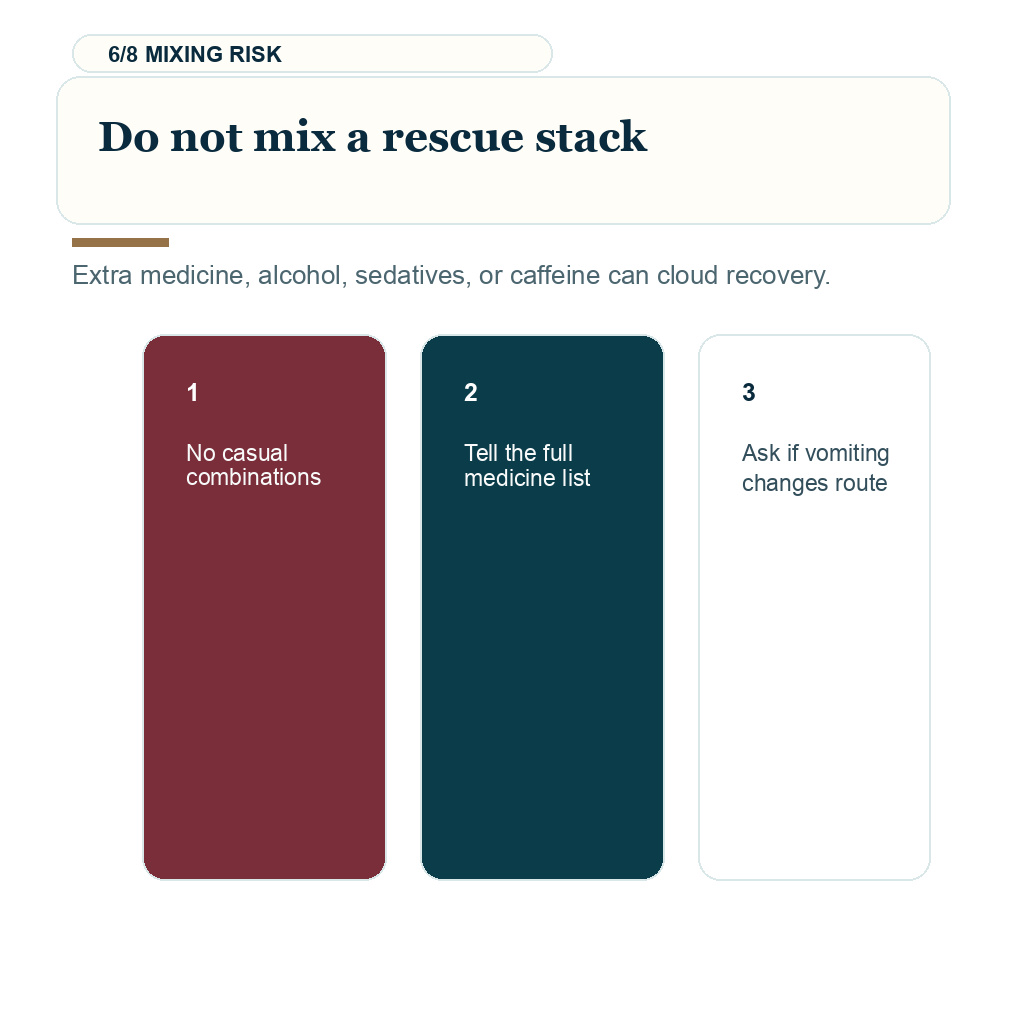
Do not mix medicines casually during the first recovery nights. Sumatriptan may already make some people feel tired, tight in the chest or neck, warm, dizzy, or unusual for a short period. Adding alcohol, sedatives, strong sleep medicine, or heavy caffeine can make recovery less predictable.
Do not combine sumatriptan with another triptan or an ergot type migraine medicine on the same day unless the prescribing doctor has explicitly planned it. If you vomit after a dose, do not improvise extra dosing. Ask the prescribing doctor or clinic what the safe route and timing should be.
Caffeine can help some migraine patients and trigger symptoms in others. Early after surgery, it can also affect sleep, anxiety, pulse, and blood pressure. If caffeine is part of your migraine routine, decide its timing together with the guidance on coffee after a hair transplant instead of treating it as an ordinary habit.
Sleep medicine needs similar caution. A migraine patient may want to sleep through the attack, but a sedated patient may rub grafts, forget instructions, breathe poorly, or wake up confused. With sleeping pills after a hair transplant, approval matters more than the name of the tablet.
Operation related headaches are not always migraine
Not every headache after surgery is migraine. The first days can include scalp tightness, swelling, poor sleep, neck position, caffeine withdrawal, travel fatigue, anxiety, dehydration, donor discomfort, or ordinary after surgery soreness. Treating every headache as migraine can miss the real cause.
A familiar migraine pattern gives useful clues. If the attack has the same side, light sensitivity, nausea pattern, and medicine response as your previous attacks, it may fit your known migraine history. If the headache is new, explosive, connected with neurological symptoms, chest symptoms, fever, or worsening scalp signs, it should be reviewed urgently.
The clinic may ask for clear photos of the donor area and recipient area, plus your temperature, blood pressure if available, medicine list, hydration status, and timing of symptoms. Those details help separate a migraine attack from a surgical or medical complication.
Travel after a migraine needs extra caution
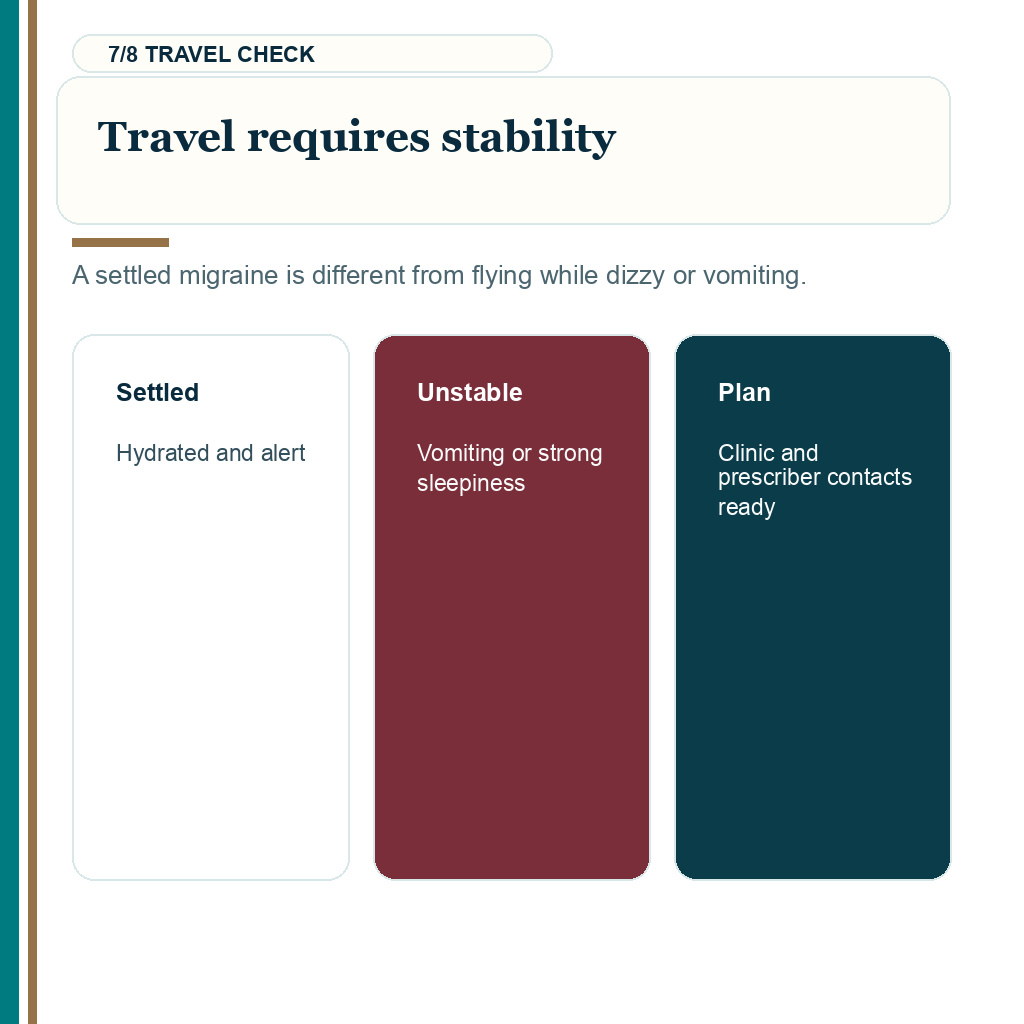
Travel depends on how you are now, not only on whether the procedure is finished. A migraine that has settled, with good hydration, normal alertness, stable scalp appearance, and clear instructions, is very different from an attack that is still causing vomiting, dizziness, strong sleepiness, or confusion.
When you fly after surgery, think about luggage, airport stress, light sensitivity, dehydration, and sleep position. A migraine patient may need more practical planning than someone who feels completely well. Do not rush through transit while impaired just to keep a ticket.
If sumatriptan makes you sleepy or strange, avoid driving and be careful with travel decisions. The medicine may solve the migraine pain and still leave you less sharp for a period of time. Recovery instructions are easier to follow when the first trip home is not chaotic.
Keep the clinic’s emergency contact and your prescribing doctor’s details easy to reach. If the migraine starts in the airport, during a transfer, or alone in a hotel room, you should not be searching through messages while dizzy. A short written plan reduces mistakes when pain and light sensitivity make thinking harder.
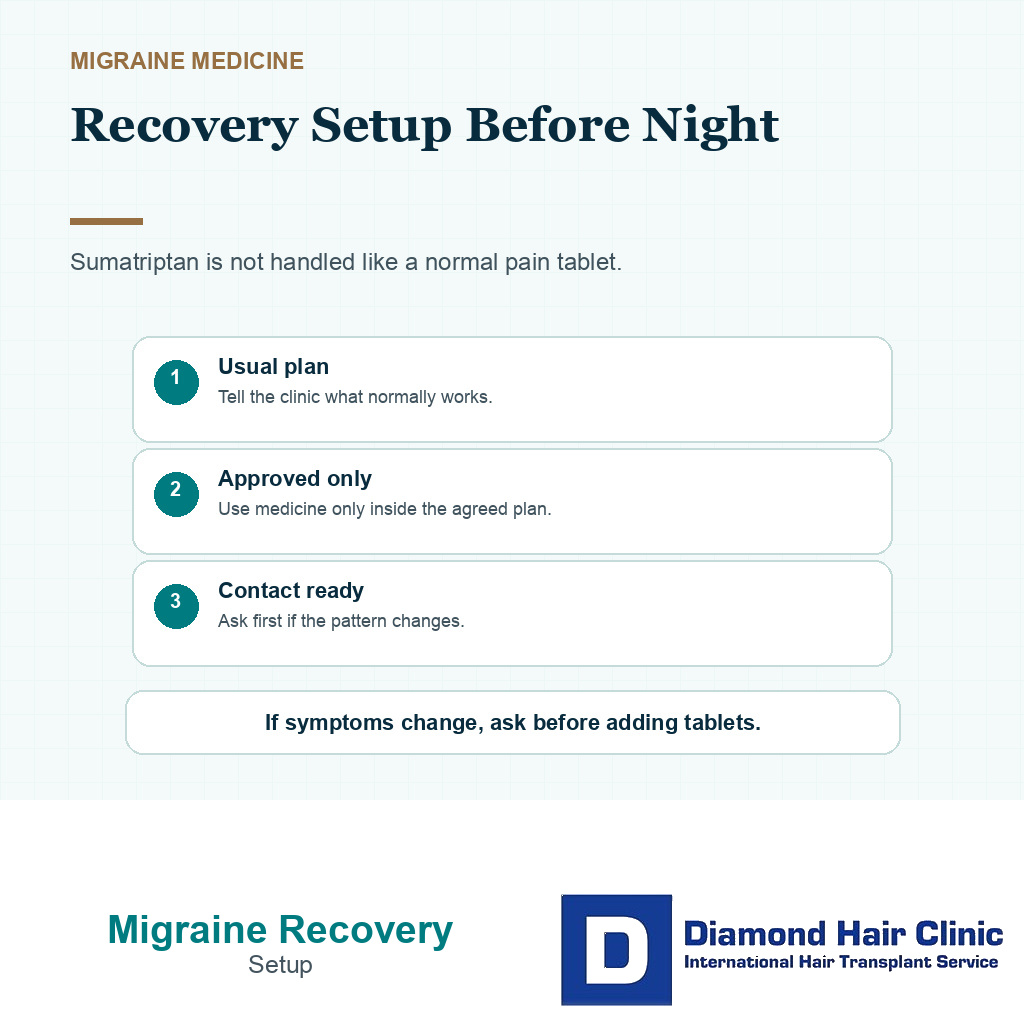
Migraine planning should make the first recovery days more predictable, not hide chest symptoms, faintness, or pain that needs medical review.
First recovery days for migraine patients
Before surgery, write down your migraine medicines, usual triggers, warning symptoms, and the doctor who prescribes the treatment. Bring the medicine in its original package. Tell the clinic if attacks are frequent, if vomiting is common, if you need repeated doses in one day, or if migraine attacks have recently changed.
For travel, keep the migraine medicine and the written plan easy to reach rather than packed away. A familiar attack is easier to handle when you are not searching for tablets, dose instructions, or doctor contact details while light sensitive or nauseated.
After surgery, keep water close, eat enough to tolerate medication, avoid unnecessary caffeine swings, protect sleep, and do not let headache anxiety turn into repeated scalp checking. If you need photos, take them carefully without touching the grafts.
The best migraine plan may be avoiding predictable triggers during the first nights, not adding a new medicine. Poor sleep, missed meals, dehydration, travel stress, alcohol, and aggressive screen exposure can all make a vulnerable patient feel worse.
Migraine behavior matters too if attacks make you rub your forehead, press your temples, lie face down, or sleep unpredictably. Those behaviors matter more for graft safety than the migraine label itself. The plan should protect the recipient area even when the headache is distracting.
If migraine starts during early recovery
If it is your familiar migraine, sumatriptan is already prescribed for you, you have no red flags, and the clinic has your medical history, the medicine may fit your recovery plan. If it is your first time using it, the route or dose is new, or anything feels different, stronger, or medically worrying, check with the clinic or the prescribing doctor before treating it as routine.
The grafts should stay protected while the headache is managed. Sit upright if you feel nauseated. Keep your hands away from the recipient area. Do not press the forehead into a pillow or towel. Do not add random painkillers, alcohol, sleep tablets, or extra caffeine because you are desperate for relief.
Migraine medicine should make recovery more controlled, not hide a problem. When the attack is familiar and the medicine is already approved for you, the plan can stay simple. When the headache is unusual, severe, repeated, or mixed with warning signs, medical review is the correct response, not guessing.

Read this review excerpt
Probably my only concern of the whole trip was when my transport pulled up to a different hotel than I had been told but this was solved instantly and was only due to the Covid situation.