




Stable enzyme rises can still fit surgery
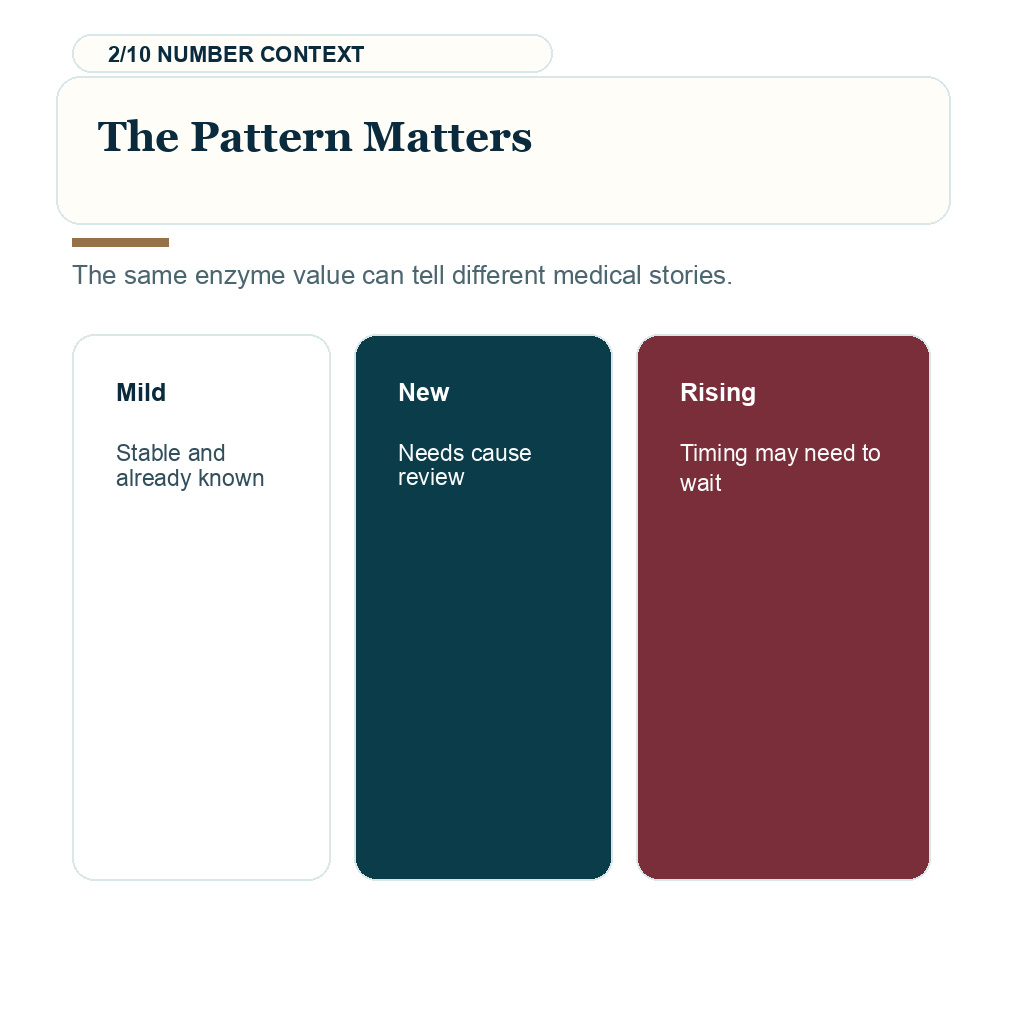
Surgery can sometimes be reasonable when the enzyme rise is mild, stable, explained, and medically followed. For example, a long known fatty liver pattern with no jaundice, acceptable bilirubin, no bleeding history, acceptable platelets, stable general health, and a treating doctor who is not concerned may still fit elective surgery. The result still needs review, but one enzyme value alone does not always cancel the operation.
A temporary result after recent hard exercise, a short illness, a medicine change, or a supplement also needs context. AST, especially, is not only a liver number. Muscle irritation can sometimes affect it. I still need the updated result and the trend after the doctor has reviewed the likely cause. A single screenshot that says ALT is high is not enough. Do not try to make the number look better with a last minute detox, fasting, or supplement change. That can hide the real pattern the doctor needs to interpret.
If hard training, muscle injury, cramps, statin use, or dark urine is part of the story, say that clearly. The doctor may interpret AST and ALT differently when muscle stress is possible. A transplant clinic should not guess from the numbers alone.
Even when surgery remains possible, I keep the medication and recovery plan controlled. Alcohol is avoided, unnecessary medicines are not added, and conditions such as diabetes, high blood pressure, high cholesterol, kidney disease, or immune treatment stay part of the assessment.
Active or unexplained liver changes should wait
I delay surgery when the report suggests active or unstable disease, or when the medical information is incomplete. A new result that is several times above the lab range, a rapidly rising ALT or AST, yellow eyes or skin, dark urine, pale stools, fever, abdominal pain, severe fatigue, unexplained bruising, active hepatitis, heavy recent alcohol use, abnormal clotting, low albumin, or a very low platelet count is not something to rush into an elective hair transplant.
A personal explanation such as “it is only finasteride” or “it is only fatty liver” cannot settle the cause. The doctor who ordered the blood test should review it, with a liver specialist involved when the result or symptoms warrant that level of assessment.
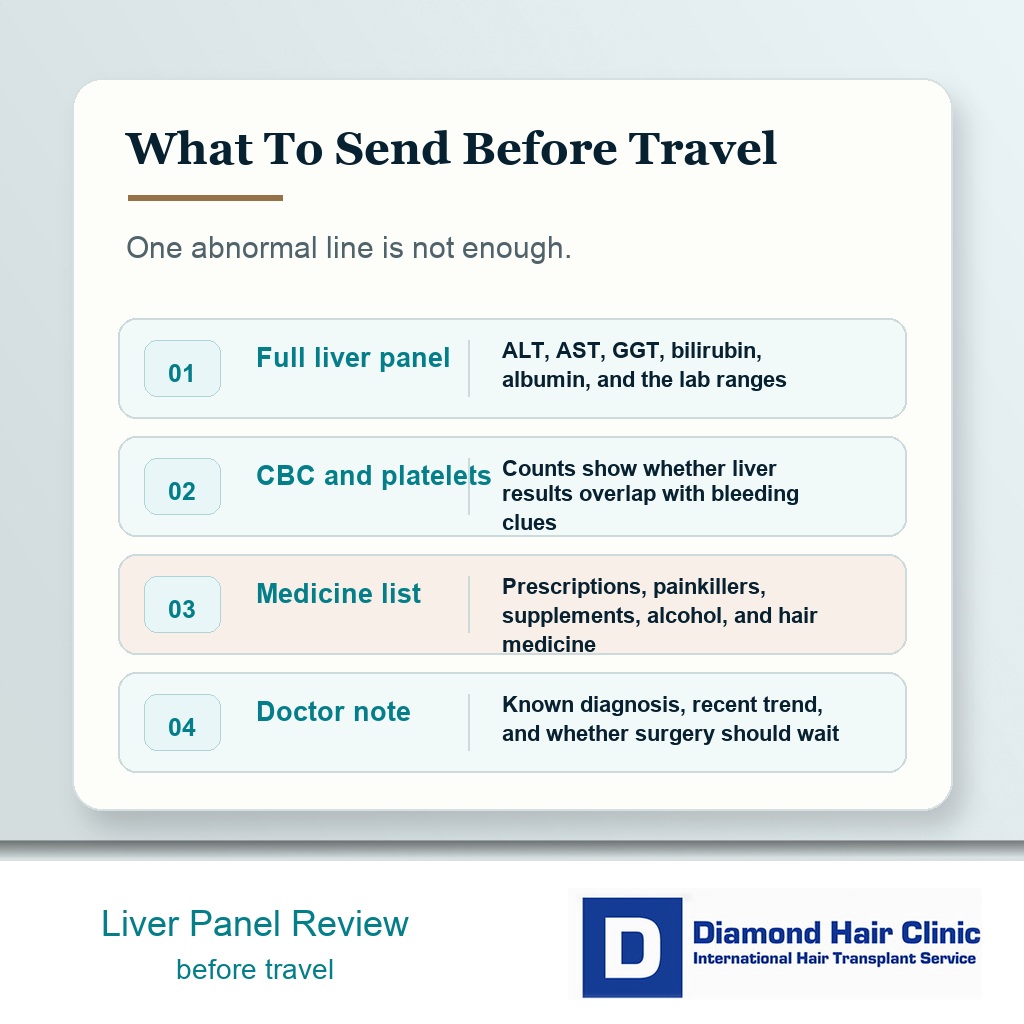
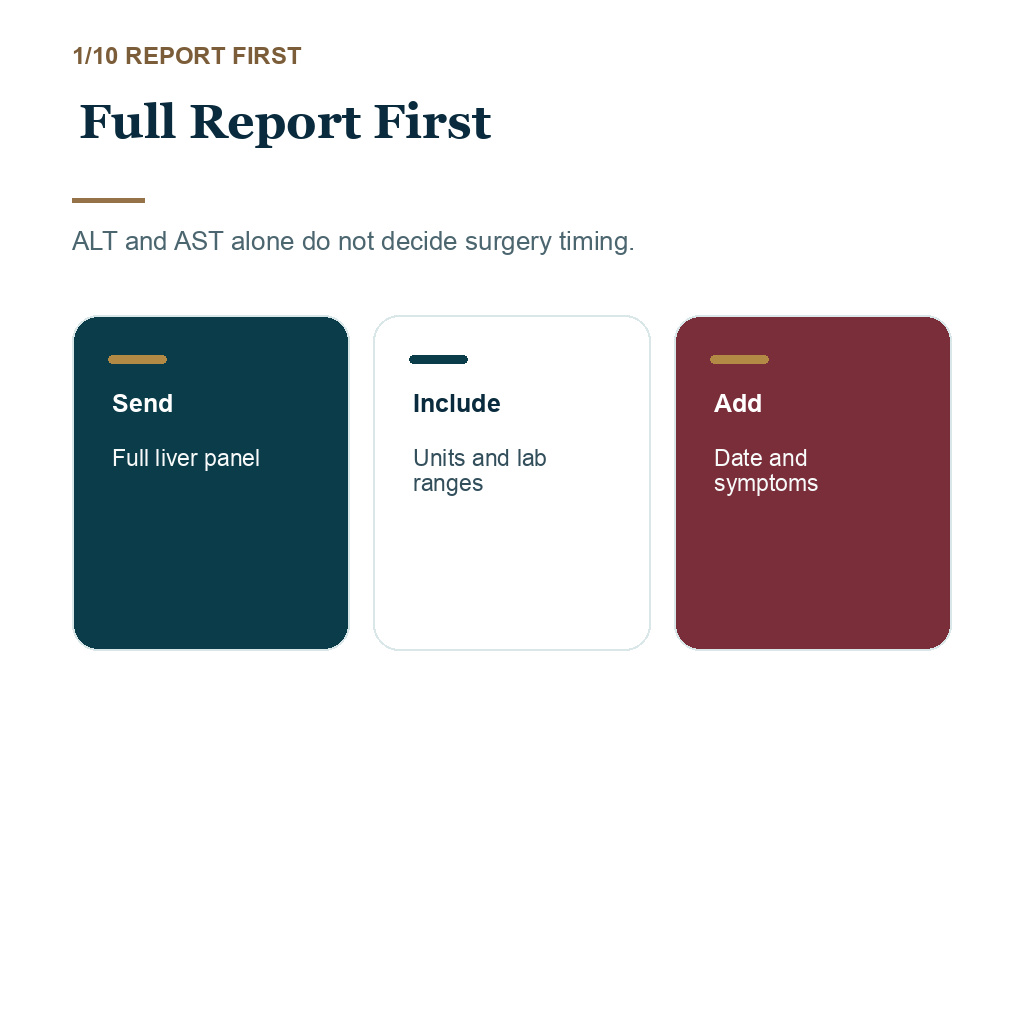
One ALT or AST value cannot replace a complete liver panel review.
An elective hair transplant has one advantage. It is not an emergency. Waiting for repeat blood work, medication review, ultrasound, FibroScan, hepatitis testing, or medical clearance is safer than discovering the problem after you have already flown to Istanbul.
Blood results to send before travelling
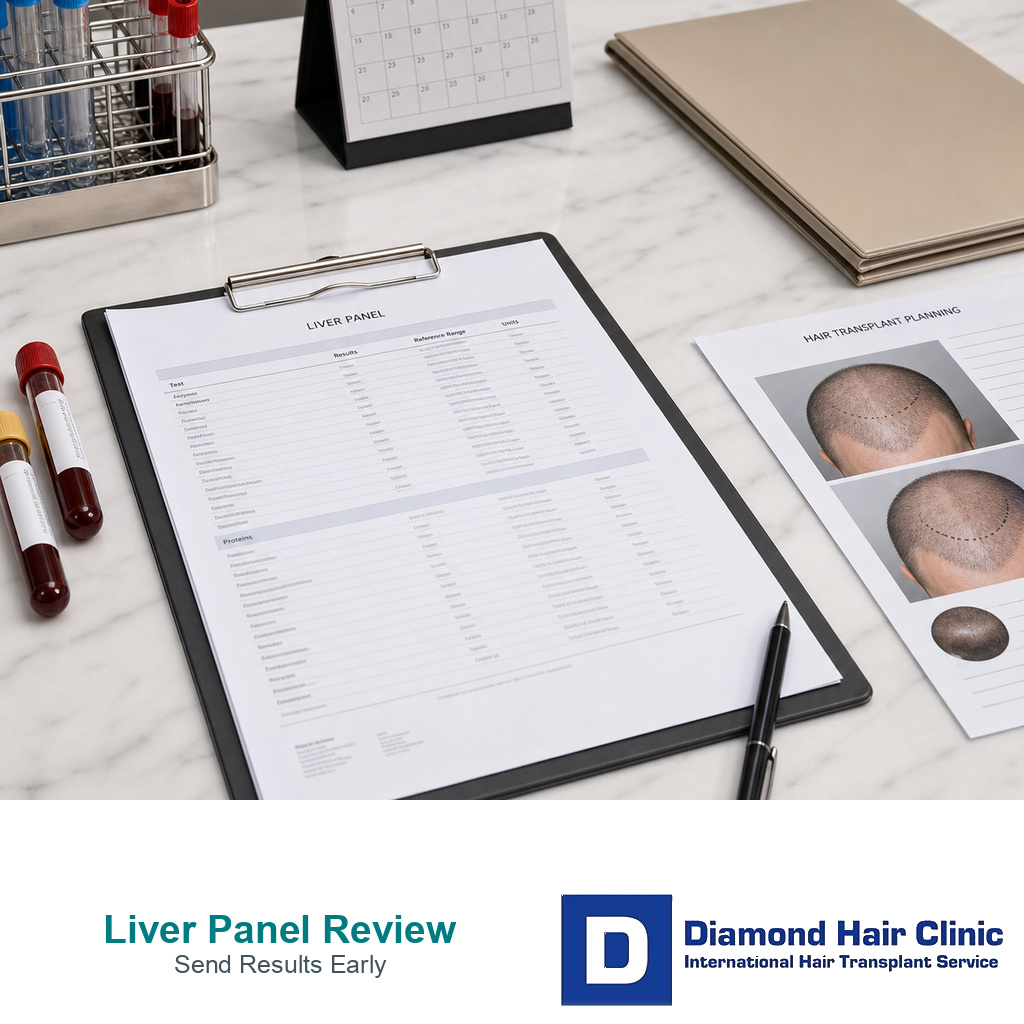
Send the full report, not one cropped line. I need to see ALT, AST, GGT, alkaline phosphatase, bilirubin, albumin, the complete blood count, platelet count, kidney function, blood sugar context when relevant, and any PT, INR, or clotting result if it has been ordered. If hepatitis B or hepatitis C testing has been done, send those results too. If an ultrasound, FibroScan, or specialist letter exists, it helps.
Sending only the abnormal number leaves out findings that may change the answer. The liver panel may show a liver cell pattern, a bile flow pattern, a mixed pattern, or a reason for repeat testing. A complete blood count may also reveal anemia, low platelets before a hair transplant, or another concern relevant to the operation day.
Send a clear list of prescription medicines, hair loss treatments, pain medicines, antibiotics, herbal products, gym supplements, vitamins, and weight loss medication. Do not leave out a supplement because it is sold as natural. It may still affect liver tests or interact with medicines used around surgery.
Include dose, start date, recent dose changes, and whether anything was stopped after the abnormal result. Paracetamol or acetaminophen, cold and flu combinations that contain it, isotretinoin, antifungal medicine, statins, antibiotics, bodybuilding supplements, and weight loss products can all matter in a liver review.
A normal repeat test still needs context
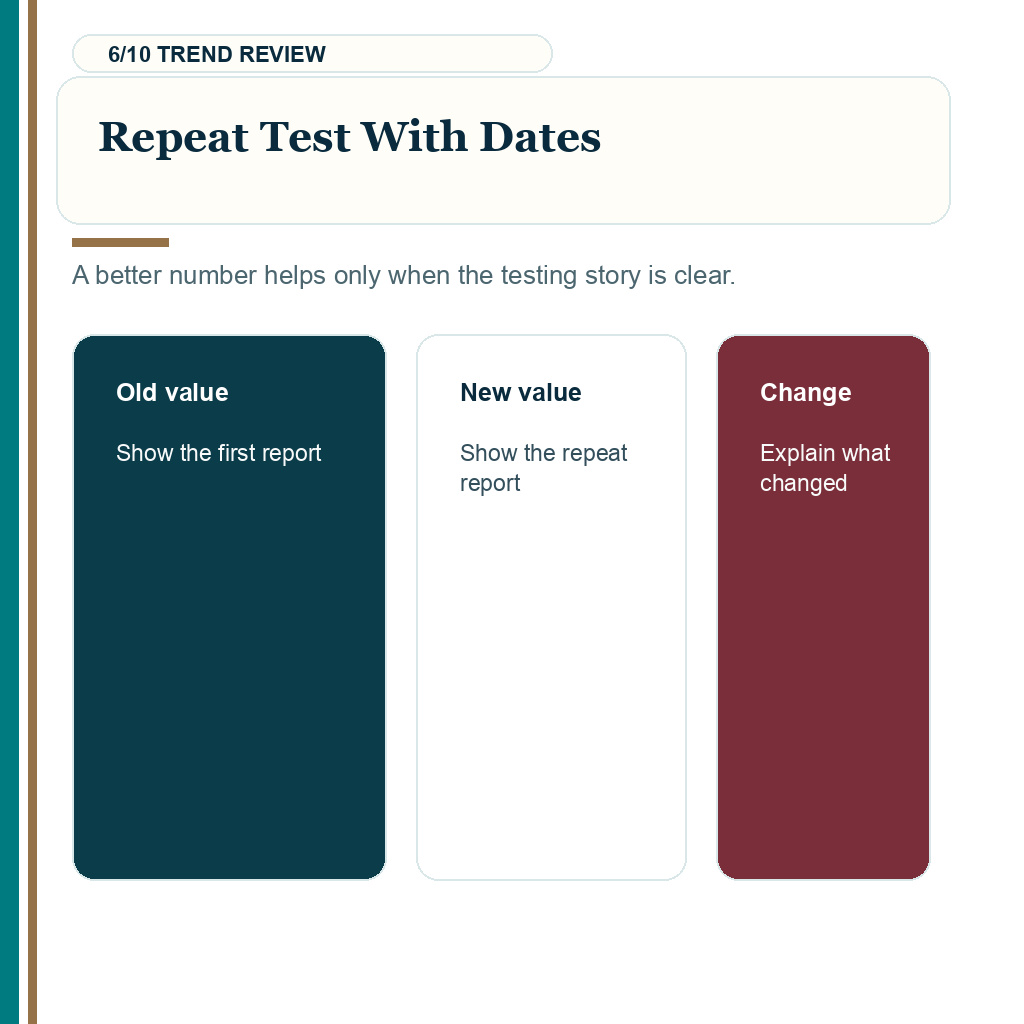
A normal repeat result is reassuring, but I still need to understand why the first result was high. If the first test followed alcohol, heavy exercise, a viral illness, painkillers, antibiotics, gym supplements, or a medication change, send both reports with the dates clearly visible. The trend matters more than a single number.
A better repeat result does not erase the first abnormal test. I compare both results with symptoms, bilirubin, platelet count, clotting history, medicines, and the reason for repeating the test. Once the cause and trend are stable, attention can return to the scalp. Until then, the liver finding takes priority.
A repeat test is most useful when the conditions around it are clear. Tell me whether alcohol, hard exercise, illness, antibiotics, painkillers, supplements, or a medication change happened between the two reports. A normal repeat after a major behavior change is useful, but it still needs explanation.
Do not treat a better repeat test as a reset button if the first abnormal result followed a product, medicine, alcohol change, or heavy exercise that may continue after surgery.
Hepatitis, fatty liver, and alcohol need separate review
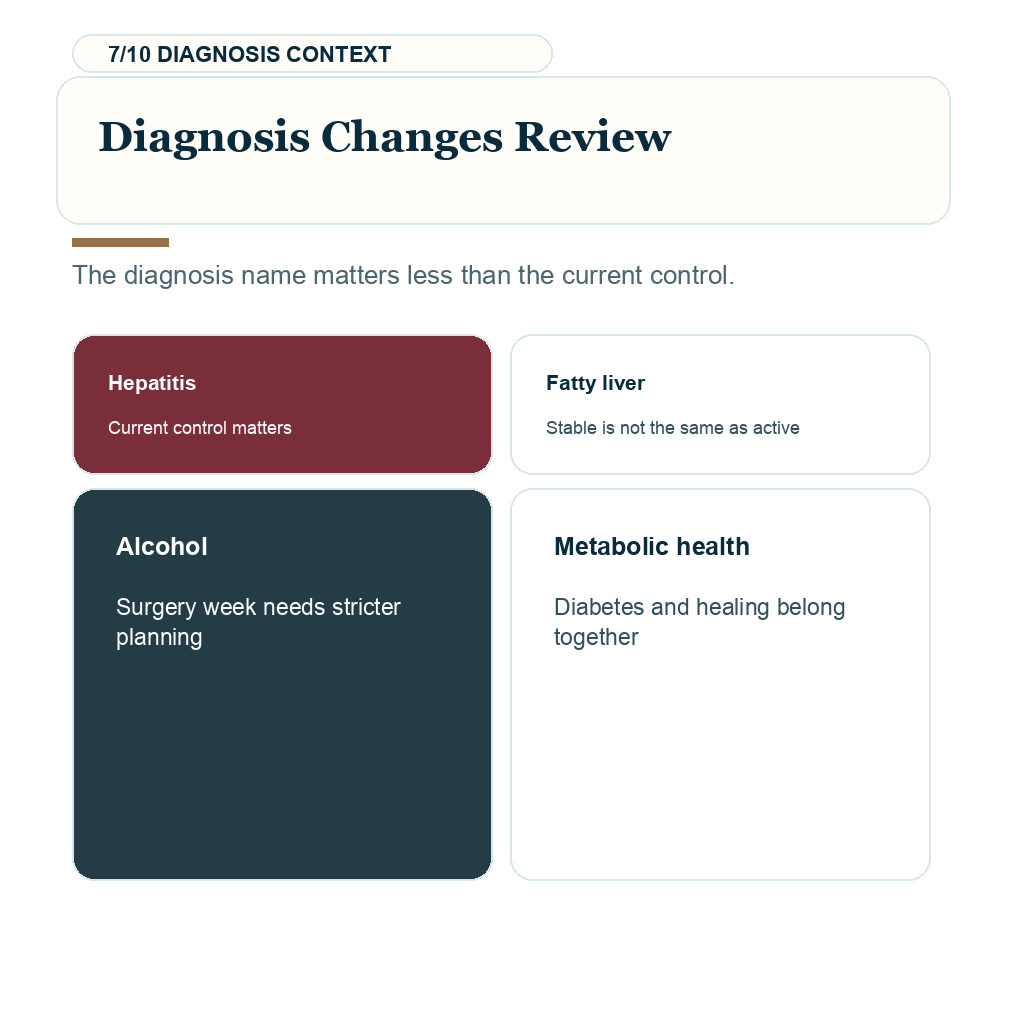
For hepatitis and hair transplant planning, current control matters more than the diagnosis label alone. Stable, managed hepatitis is different from active hepatitis accompanied by jaundice, abnormal clotting, or unexplained symptoms.
Fatty liver also needs context. Simple fatty liver with stable results can be very different from active inflammation, fibrosis, cirrhosis, metabolic syndrome, diabetes, high blood pressure, alcohol contribution, or medication issues that need attention. If diabetes and hair transplant planning are part of the same case, blood sugar control and wound healing become part of the same safety discussion.
Alcohol changes the decision in more than one way. It can contribute to enzyme elevation, raise GGT in some patients, and make the surgical period less predictable through dehydration, poor sleep, medication interaction, bleeding tendency, and poor judgment during early recovery. My standard advice about alcohol after a hair transplant becomes stricter when the liver panel is already abnormal.
Finasteride or dutasteride need a separate medication review
Some people first notice high liver enzymes while using finasteride or dutasteride, and it is reasonable to discuss the timing with the prescribing doctor. The mistake is to decide alone that the medicine is definitely the cause, or definitely harmless. Liver enzymes can rise for many reasons, including fatty liver, alcohol, viral hepatitis, supplements, muscle injury, recent illness, and other medicines. Even when the timeline points toward a medicine, the full liver panel has to be read before the transplant plan is treated as stable.
The hair loss medicine decision needs to be separated from the surgery decision. Finasteride before or after a hair transplant can help protect native hair in the right case, but it is not worth ignoring a medical warning sign. The same applies when dutasteride is part of the plan. Hair maintenance is useful only when general health is respected.
Topical medication is not a complete escape from medical review. If you use topical finasteride before or after a hair transplant, mention the formula, dose, timing, side effects, and blood test history. Do not restart or stop a medicine around surgery without telling the clinic and the prescribing doctor.
Anesthesia and medicine planning may change
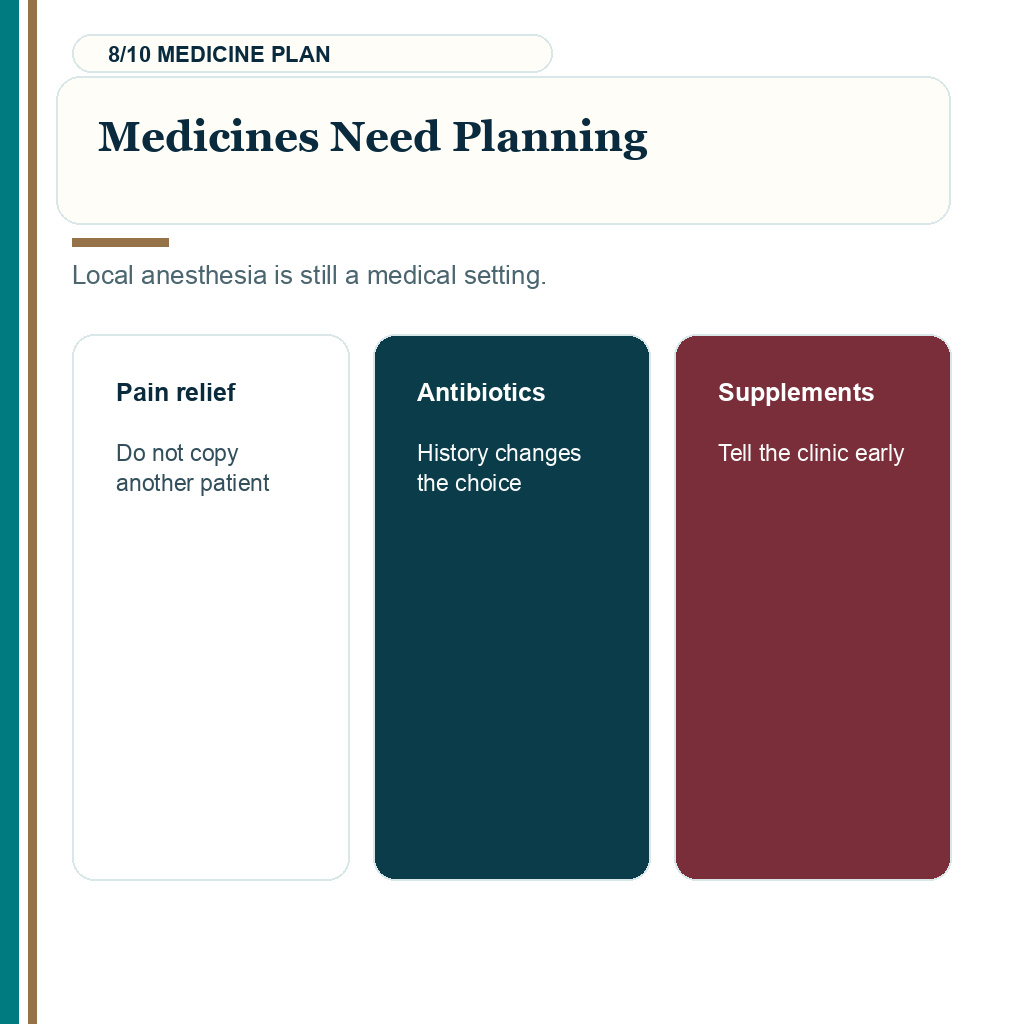
Abnormal liver status can change medication planning even though hair transplantation is performed under local anesthesia. Local anesthetic dose, injection pace, monitoring, swelling control, pain relief, and any selected antibiotics or stomach protection must fit the patient’s medical history.
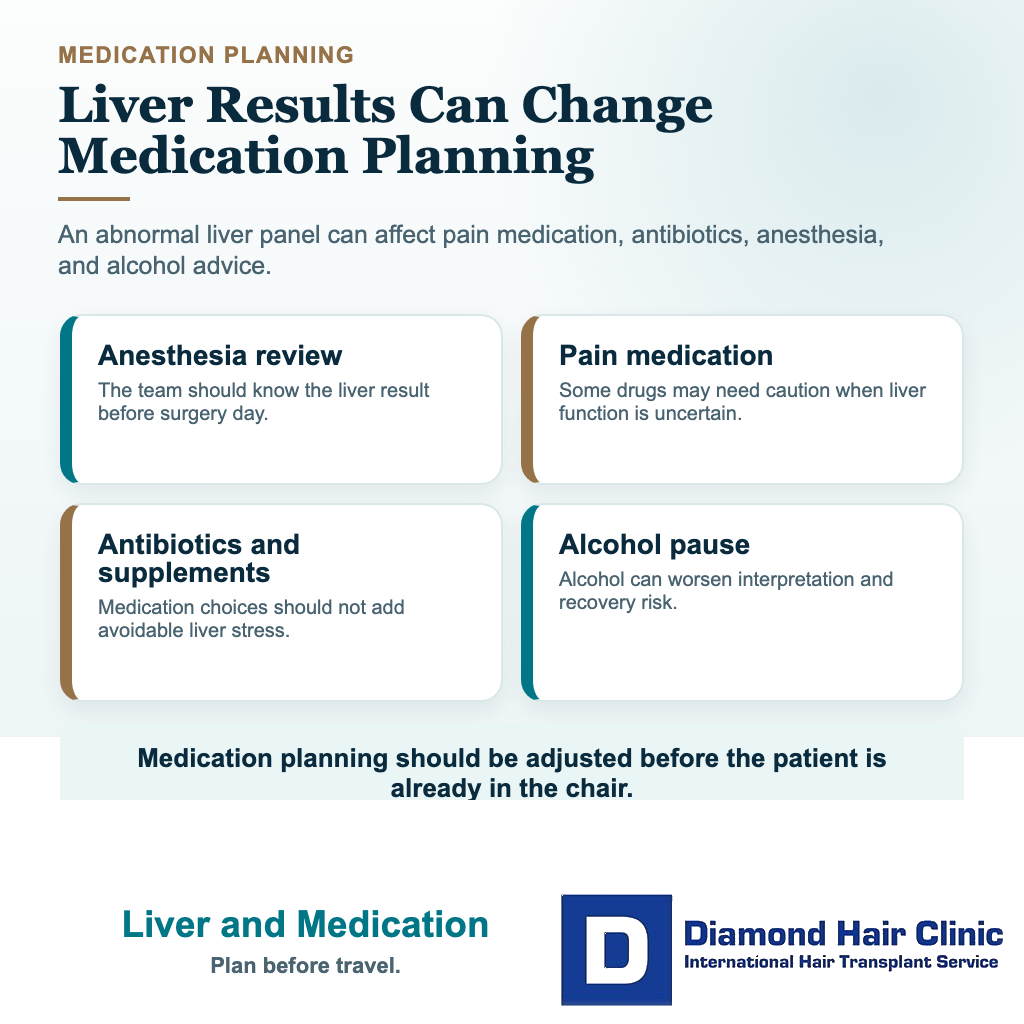
For example, painkillers after a hair transplant cannot be chosen casually when liver concerns, stomach risk, bleeding risk, kidney disease, or alcohol use are part of the history. The same is true for antibiotics after a hair transplant when there is a history of liver problems, bowel disease, allergy, or medication interaction.
The medication plan has to be built from the real medical history. Copying someone else’s tablets after surgery is unsafe even when blood tests are normal. With abnormal liver enzymes, it becomes even less acceptable.
This also applies to ordinary looking products. Paracetamol or acetaminophen, cold medicine with several ingredients, antibiotics, stomach tablets, antifungals, alcohol, and supplements should not be mixed casually after surgery when the liver panel is already under review. A tablet that is simple for one patient may be the wrong choice for another patient with liver concerns.
Bleeding, infection, and healing depend on the wider liver picture
High ALT or AST does not by itself predict poor bleeding control, infection, or healing. Those risks depend on the condition behind the result. Advanced liver disease, active hepatitis, alcohol related inflammation, poor nutrition, low platelets, abnormal clotting, low albumin, uncontrolled diabetes, infection, or kidney disease can all change surgical planning.
The wider liver picture matters because active disease can coincide with low albumin, low platelets, abnormal clotting, poor nutrition, or difficulty choosing medicines safely. A stable, medically reviewed condition may have little effect on the operation. Active or decompensated disease makes elective surgery inappropriate until the medical situation is stabilized.
Recovery instructions also become more individual. Alcohol, unreviewed medicine combinations, poor sleep, or ignored warning signs add avoidable risk when liver tests are already abnormal. I need the reports in advance and direct contact during recovery so any medication limits or new symptoms can be handled promptly.
Low platelets and blood thinners are separate safety questions
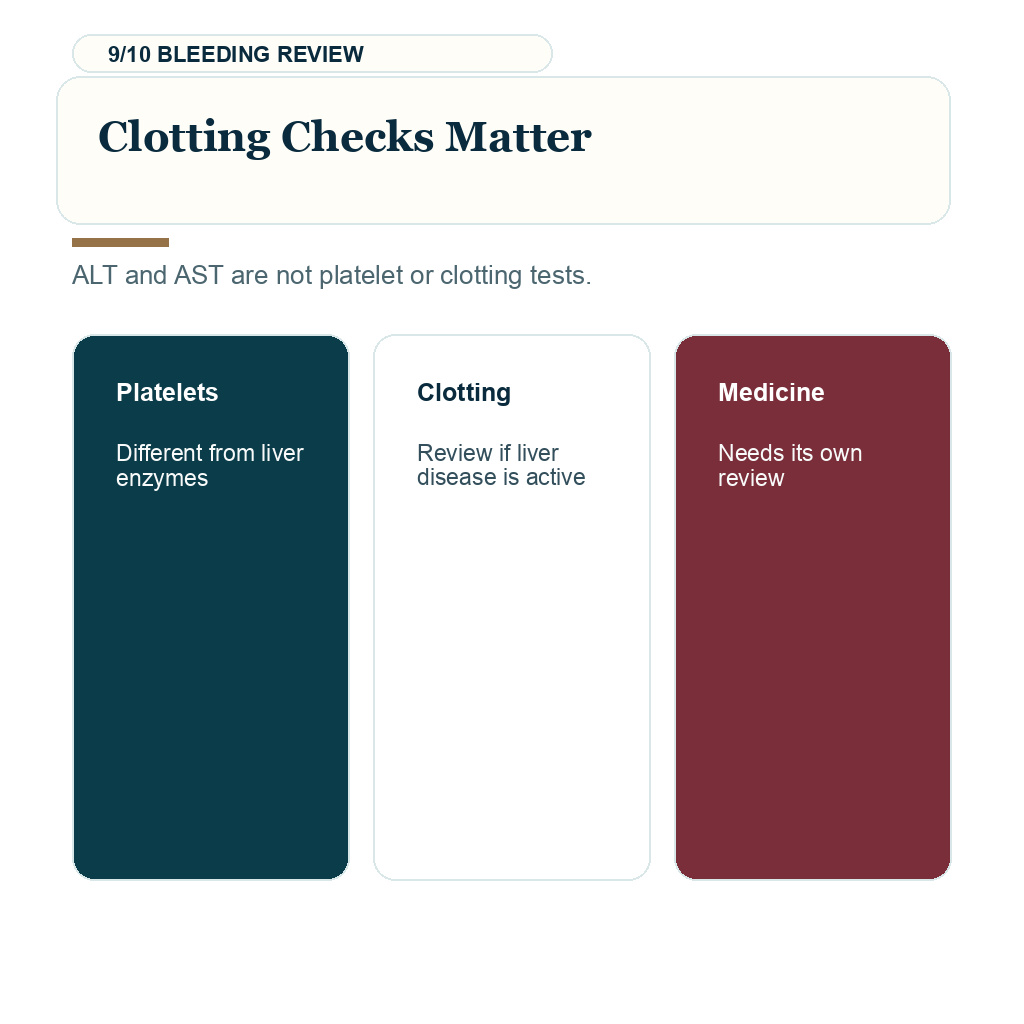
Liver enzymes and platelet count are different tests. ALT and AST point toward liver cell irritation or injury. Platelets are blood cells involved in clot formation. Someone can have high liver enzymes with normal platelets, or low platelets with only mild liver enzyme changes. Sometimes liver disease can affect both, which is why the full report matters.
Anticoagulants or antiplatelet medicines belong to another decision path. Hair transplant while taking blood thinners is about balancing bleeding risk against the reason that medicine was prescribed. High liver enzymes are about understanding whether the liver result changes surgical timing, medication handling, clotting, or general safety.
These issues can overlap. A case involving liver disease, low platelets, and blood thinning medication is not a routine cosmetic case. The plan must be coordinated, and sometimes the correct answer is to wait.
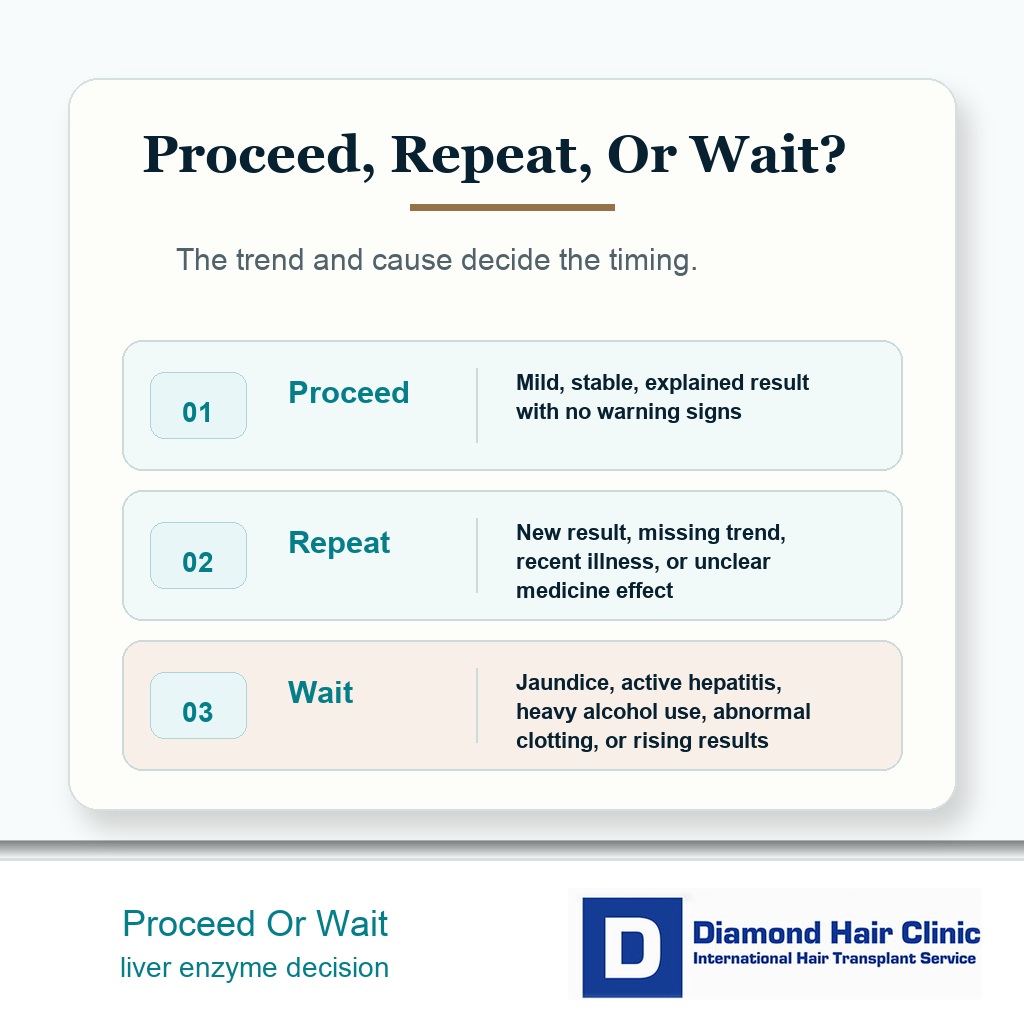
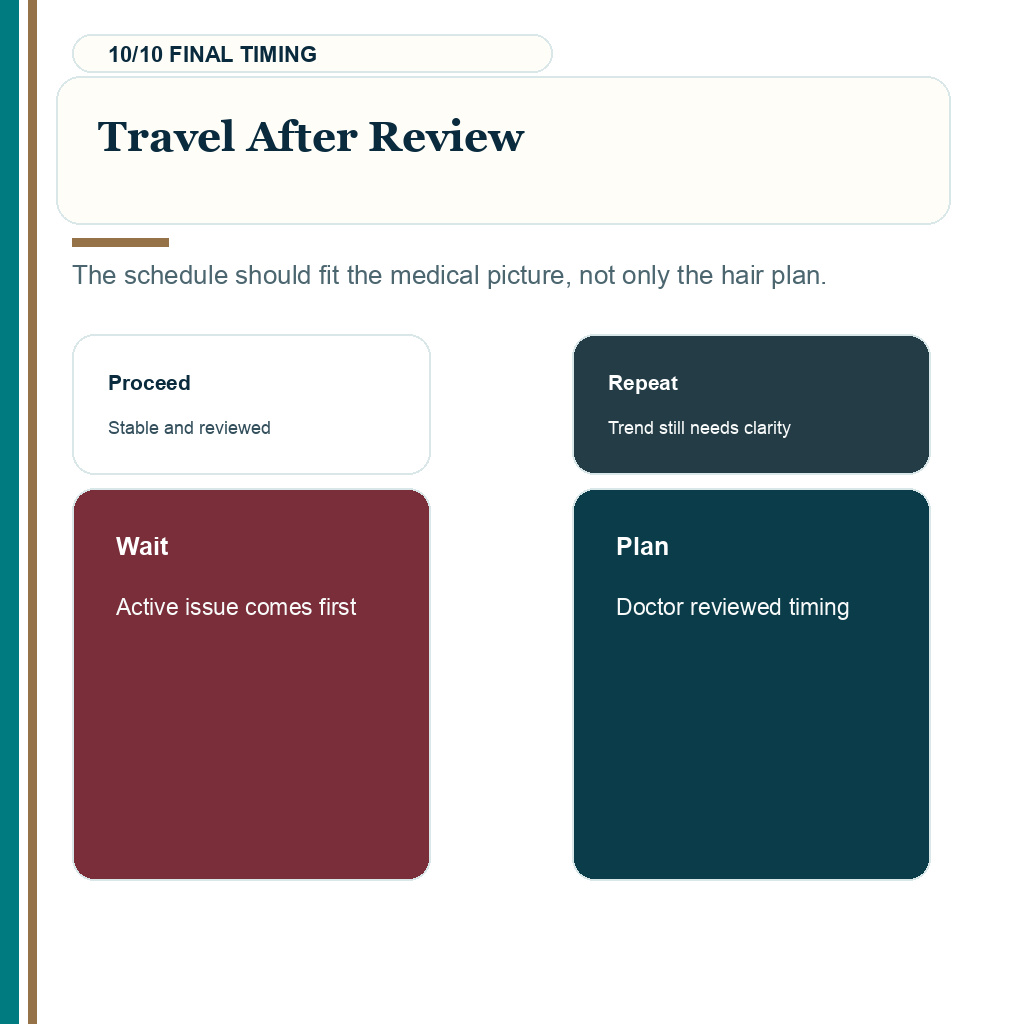
After medical review, the plan may be to proceed, repeat the liver tests, or wait until the abnormal result is understood.
A new abnormal result before travel needs early disclosure
Share the abnormal result before travel or surgery day. Send the full report immediately, including the lab reference ranges and the date of the test. Mention symptoms, alcohol use, recent illness, new medicines, supplements, gym products, painkillers, antibiotics, and any doctor advice you received. If you have older blood tests, send them too because the trend may be more useful than one result.
If the result is new and the cause is still being investigated, do not fly before the medical question is clear, especially if symptoms or major abnormalities are present. Travel pressure should not turn an elective procedure into a rushed safety decision.
If a doctor gives clearance, ask for a specific note rather than a vague sentence. It should say what likely caused the abnormal liver result, whether clotting or platelet concerns exist, whether elective local anesthesia surgery is reasonable, and whether the after surgery medicine plan needs limits.
Trying to push the number down quickly with internet remedies can create a worse medical picture. Prescribed medication should not be stopped suddenly, and extra supplements taken to “cleanse” the liver can confuse the result before surgery. These actions can make the plan less safe.
If the enzyme result is mild and already reviewed, surgery may still stay on the schedule. If the result is new, rising, severe, or linked with symptoms, travel may need to wait. That can be frustrating, but it is better than performing elective surgery while an active medical issue is being missed.
What I need before I confirm surgery
I cannot decide from the label “high liver enzymes.” I need the complete report, the likely cause, medicines and supplements, and any connection with hepatitis, fatty liver, alcohol, metabolic disease, infection, clotting, platelets, or kidney disease. Together, those details show whether elective surgery is medically settled enough to consider.
Kidney disease before a hair transplant, diabetes, immune treatment, or several medicines introduce additional concerns that must be considered together. If the liver result limits the early tablets, I adjust the prescription instead of using the same list of medications after a hair transplant for everyone.
A booked flight or a better looking repeat number cannot settle this on its own. I confirm the date only when the cause, trend, symptoms, and medication limits are clear enough for elective surgery.

Read this review excerpt
Every single one of my questions was answered and they made sure I had all the details I needed to make an informed decision.