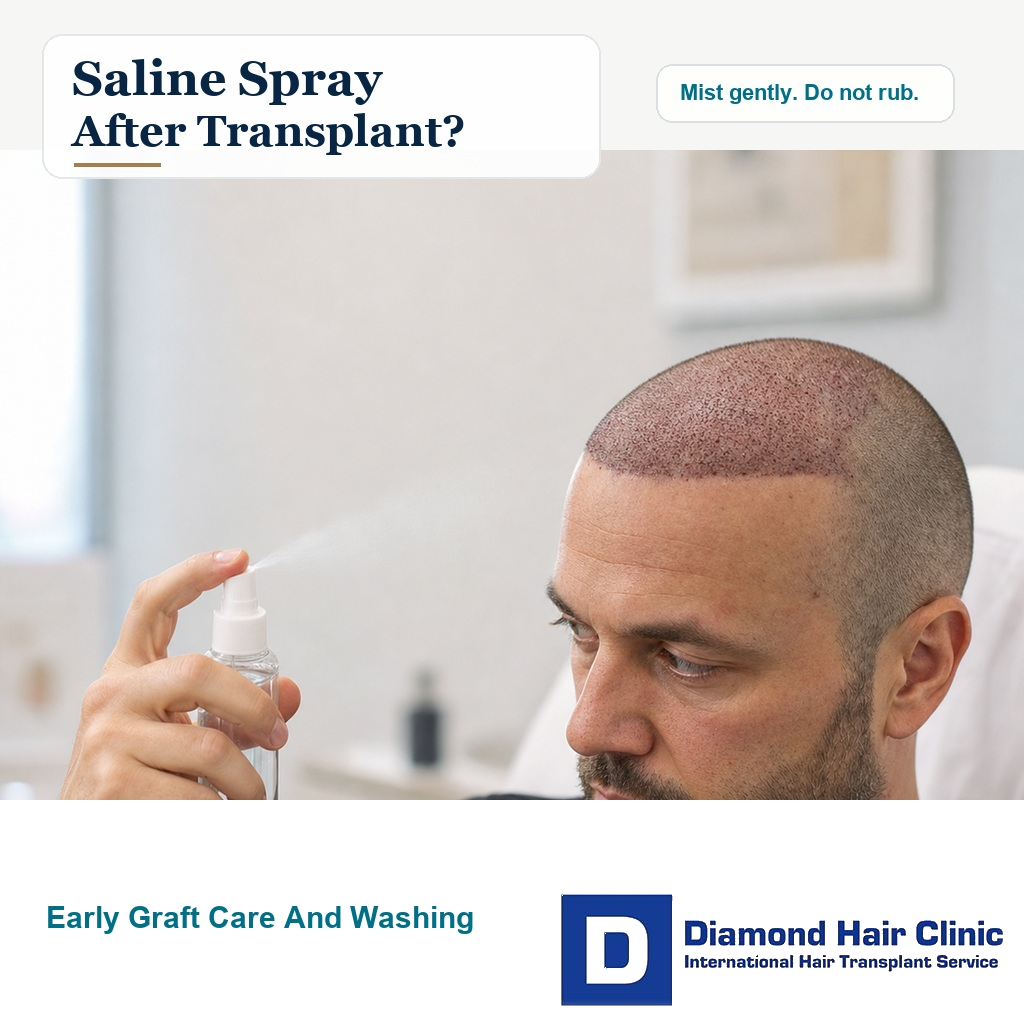
Saline Spray Should Follow Your Clinic Protocol
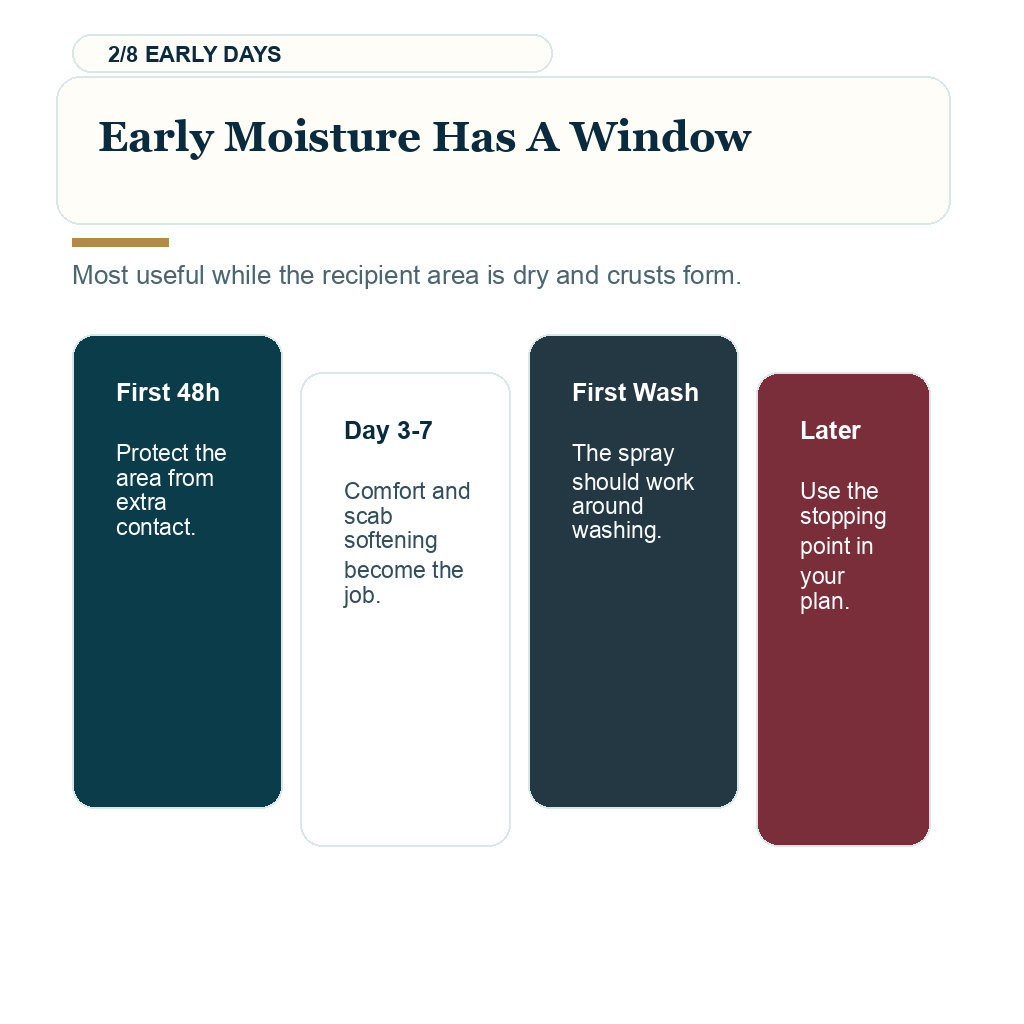
If your clinic tells you to use saline spray after a hair transplant, use it exactly as instructed. It is often most useful during the first 48 hours to 7 days, while the recipient area is dry, tender, and forming scabs. If your clinic did not prescribe it, that alone does not mean your grafts are ruined.
I think of saline spray as a support tool, not as the thing that decides whether the transplant survives. Careful surgery, gentle graft handling, the first wash, and disciplined hair transplant aftercare matter more than spraying more often because you feel worried.
A long flight makes the spray plan practical, not just medical. When spraying would mean bumping grafts, leaning over strangers, or touching the scalp often, the safer travel instruction is a simpler one.
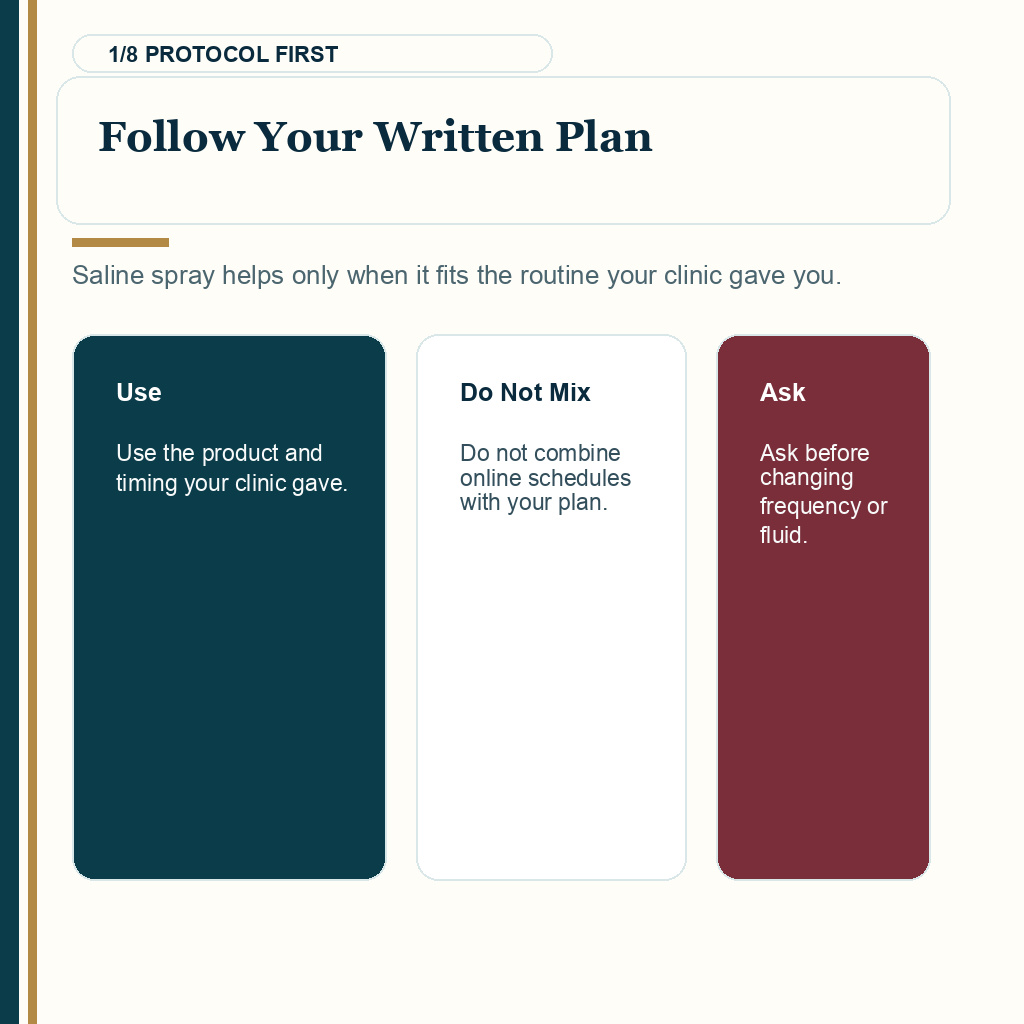
For saline spray, keep the scalp clean and undisturbed, follow the written plan you were given, and avoid rubbing, scratching, strong spray pressure, homemade mixtures, and repeated checking with your fingers. If fan or AC airflow is drying the scalp, adjust the room first instead of spraying every few minutes. If another source gives different aftercare instructions about spray frequency, do not mix protocols until your clinic clarifies the plan for your surgery.
More spray is not better if it makes you touch the grafts all day. The useful plan is the one you can follow gently without turning every dry feeling into another check.
Saline spray can help in the right protocol
Saline spray is mainly used to keep the early recipient area lightly moist and more comfortable while the tiny crusts are forming. It can reduce the dry, tight feeling that makes someone want to touch or scratch the scalp, and it is a safer early conversation than random moisturizer or aloe vera after a hair transplant. It may also help scabs soften gradually before the proper washing routine begins.
That does not make saline spray a magic graft saver. A well placed graft is living tissue inside a small channel, not a loose object sitting on top of the skin. The first days still deserve respect because friction, pressure, scratching, and pulling dry crusts can disturb healing.
The timing matters. During the first two days, I am strict about protecting the recipient area from unnecessary contact. By the end of the first week the grafts are much more stable, but crusts can still create traction if they are picked or scrubbed. The spray, the wash, and the scab plan have to work together.
Clinic protocols do not always require saline spray
Different saline routines can both be reasonable when they match the clinic’s washing and crust plan. The unsafe move is mixing another patient’s spray schedule into your own aftercare because it feels more active. Spray frequency, first wash timing, and scab softening need to work as one routine.
Saline spray is not a universal pass or fail test for the transplant. If the clinic uses a drier protocol, the important point is that washing, crust softening, and warning signs are still written clearly, so the patient does not add products just because another routine sounds more active.
I first look at the written instructions you received and whether the clinic can answer you when you are unsure. If the plan says no spray, follow that plan unless the scalp is becoming painful, unusually dry, or difficult to clean. If the plan says spray every hour, follow that plan without turning it into every 5 minutes.
A fresh recipient area should not become an experiment. Do not mix table salt at home and spray it on the grafts. Do not use nasal spray, perfume mist bottles, antiseptic sprays, alcohol products, or anything with fragrance unless your clinic gave specific permission.
Spray frequency for the recipient area
The answer depends on the clinic instruction. Many plans use frequent misting during the first day or two, then less frequent misting until the first wash period is underway. Other plans use it only for comfort or not at all.
When I judge the instruction, I focus less on copying another person’s schedule and more on whether the instruction is clear, gentle, and realistic. If you were told to spray every 20 to 30 minutes while awake for the first day, you should not feel guilty for sleeping. Healing does not require constant intervention.
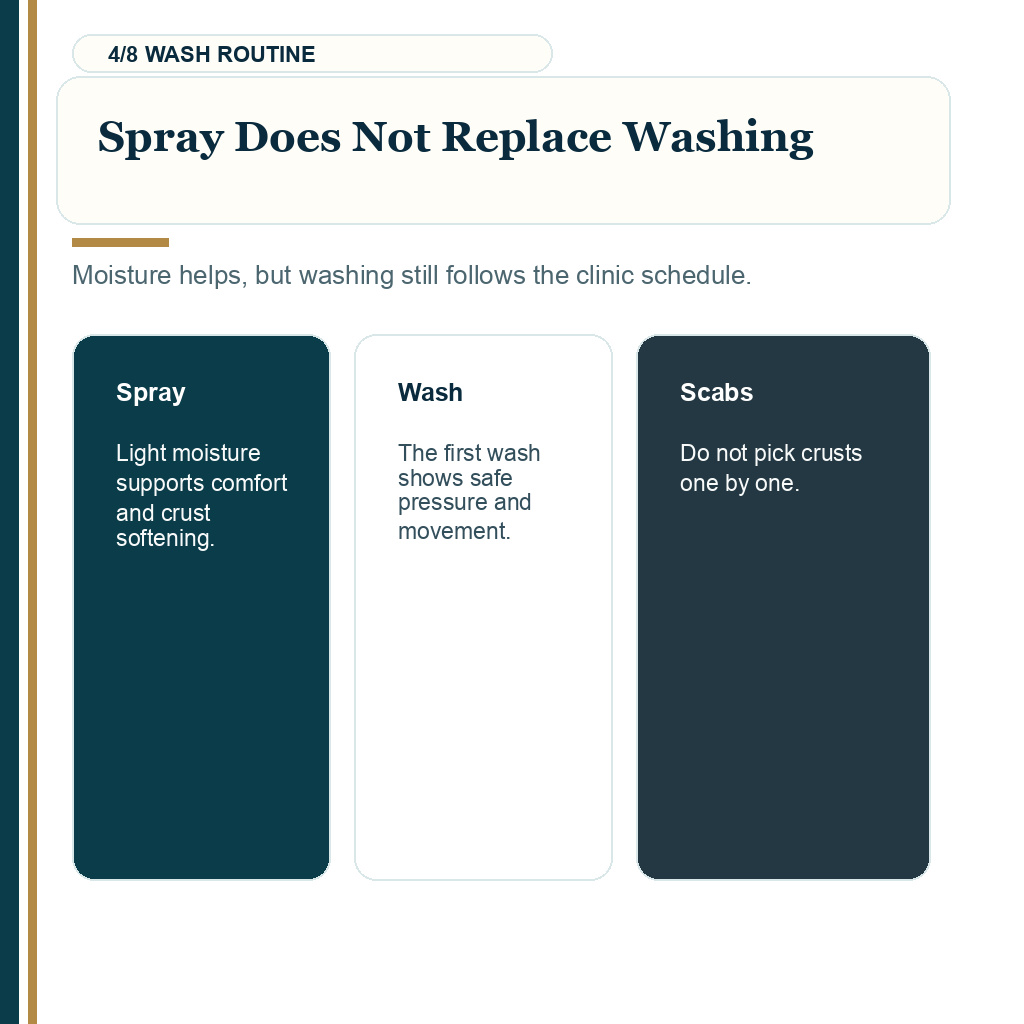
After the first few days, the value becomes more about comfort and scab softening than emergency graft protection. At that stage, the spray should fit around washing after a hair transplant, not replace washing.
Forgetting the spray for a few hours
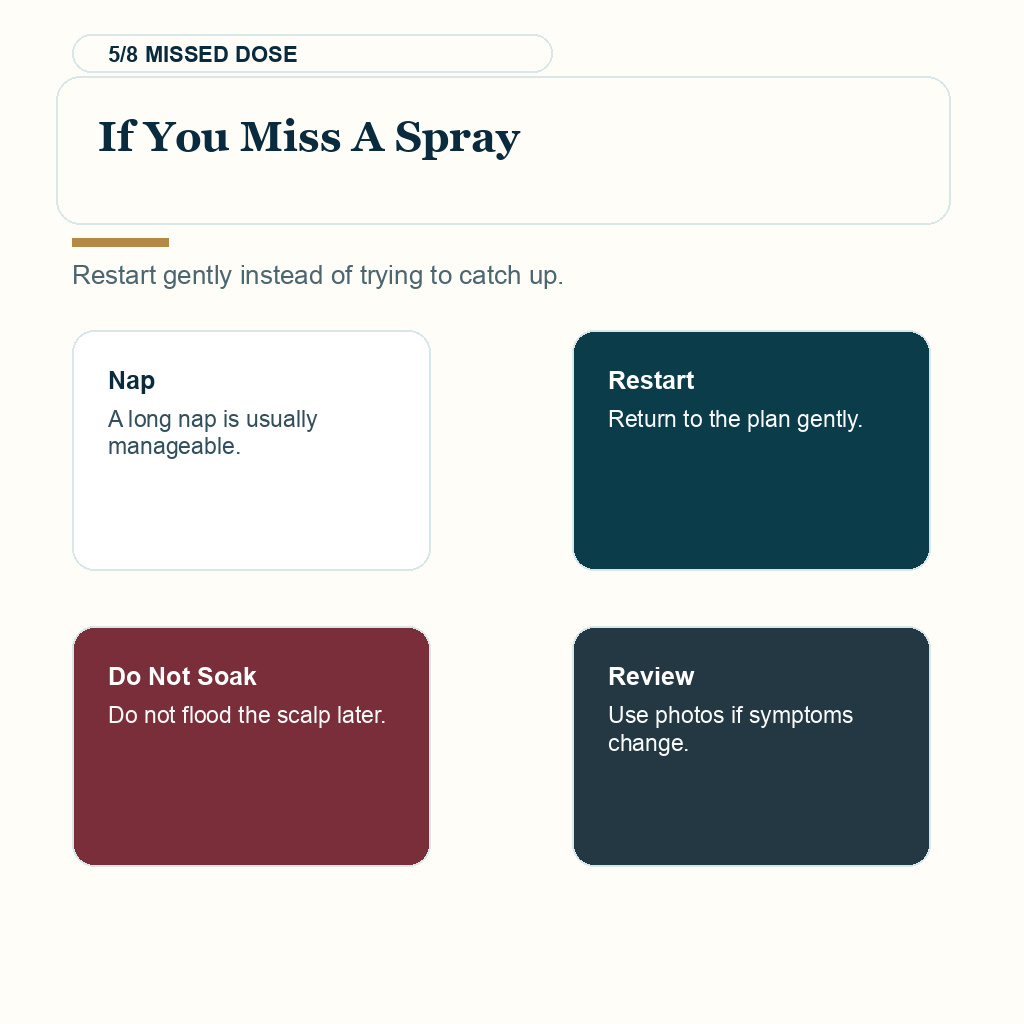
One missed spray, a long nap, or sleeping through the night is usually not a disaster. Restart the routine gently instead of trying to compensate by soaking the recipient area, rubbing dry spots, aiming a strong stream at the grafts, or spraying so often that you keep touching the scalp.
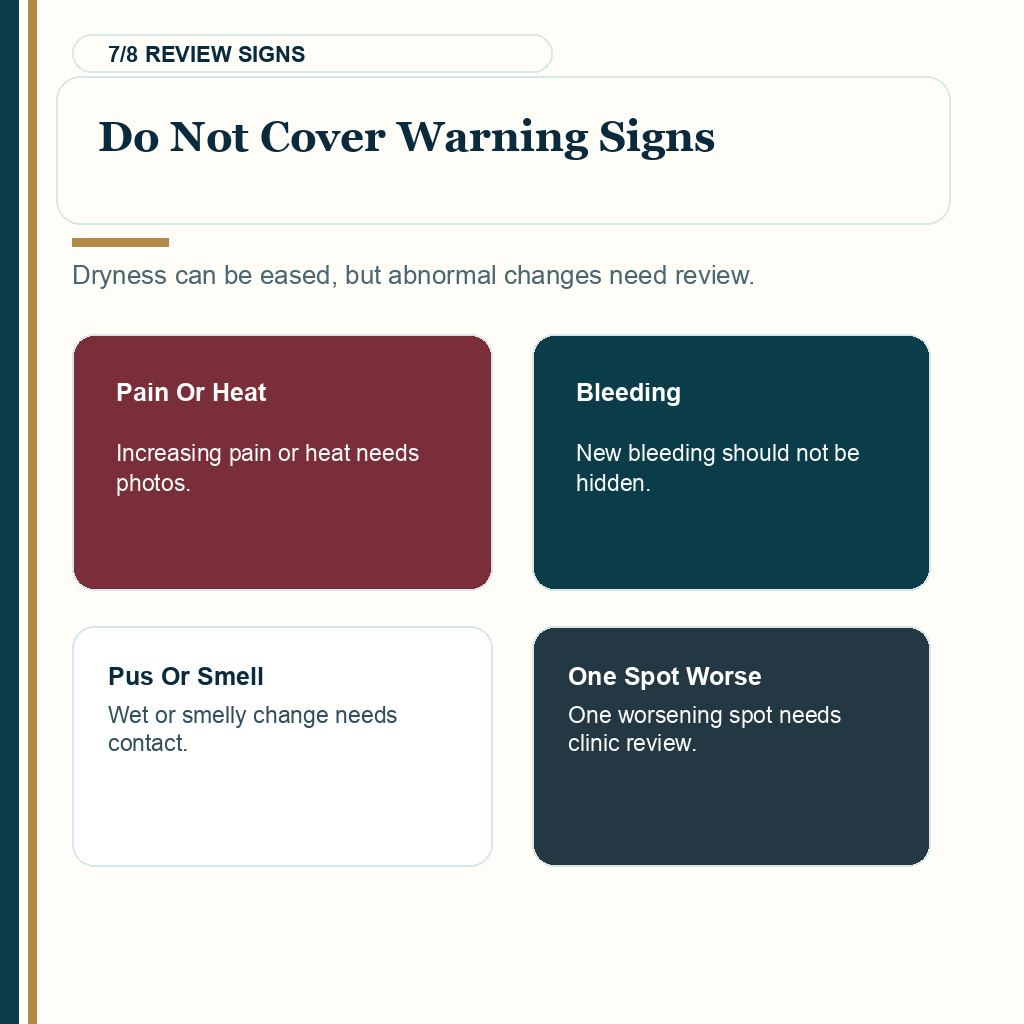
If the scalp feels dry, restart with a gentle mist and continue the written plan. If the skin looks painfully tight, has thick hard crusts very early, starts bleeding, or becomes hotter and more painful in one area, use clear photos for review instead of trying to solve it by spraying more.
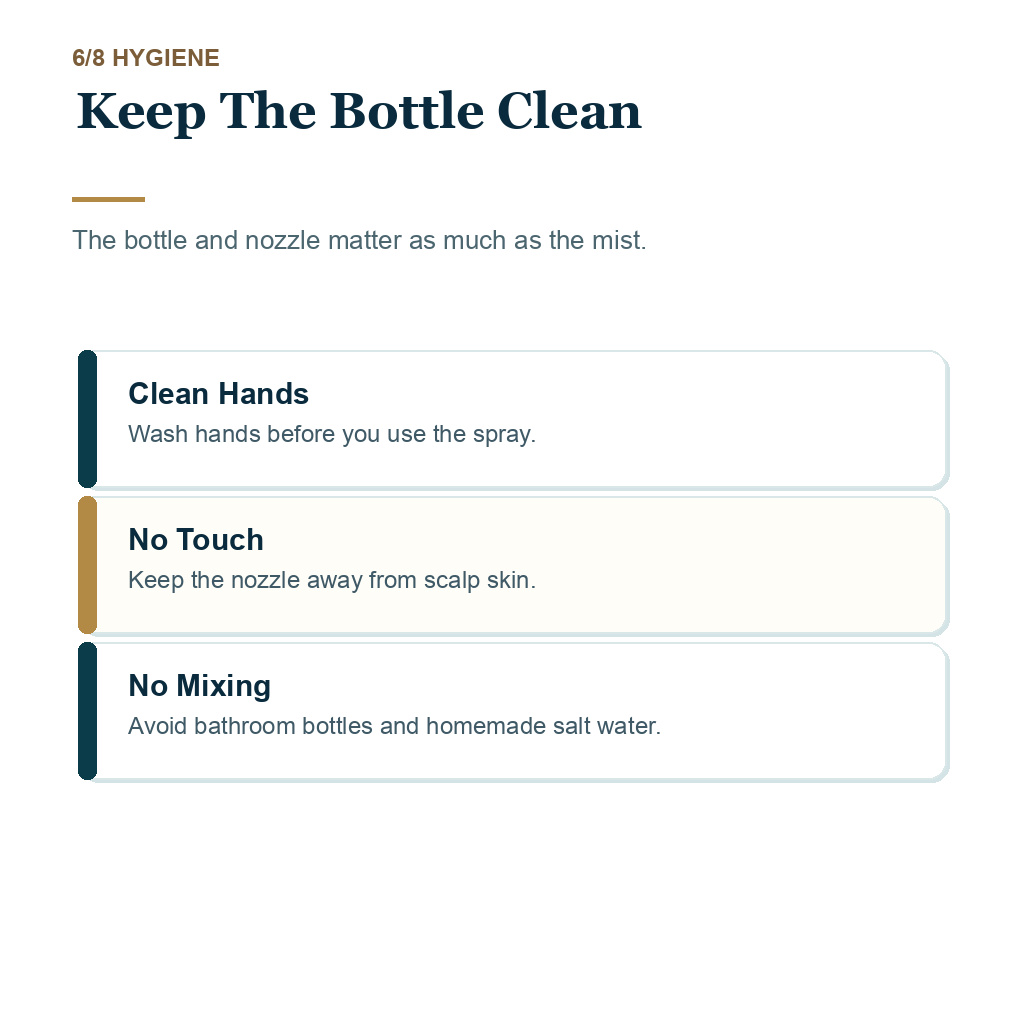
If you are moving between the clinic and hotel, what matters here is cleanliness. Keep the bottle clean, do not let the nozzle touch the scalp, and do not replace a sterile product with a bathroom mixture because you ran out.
Too much spraying can create irritation
The mist itself is rarely the danger. The danger is what happens around it. Strong pressure, wiping the scalp after every spray, touching the grafts to see whether they are wet enough, or repeatedly leaning over the mirror can create more irritation than dryness would have created. Fluid touching the scalp is different from wiping, pressing, or testing the grafts.
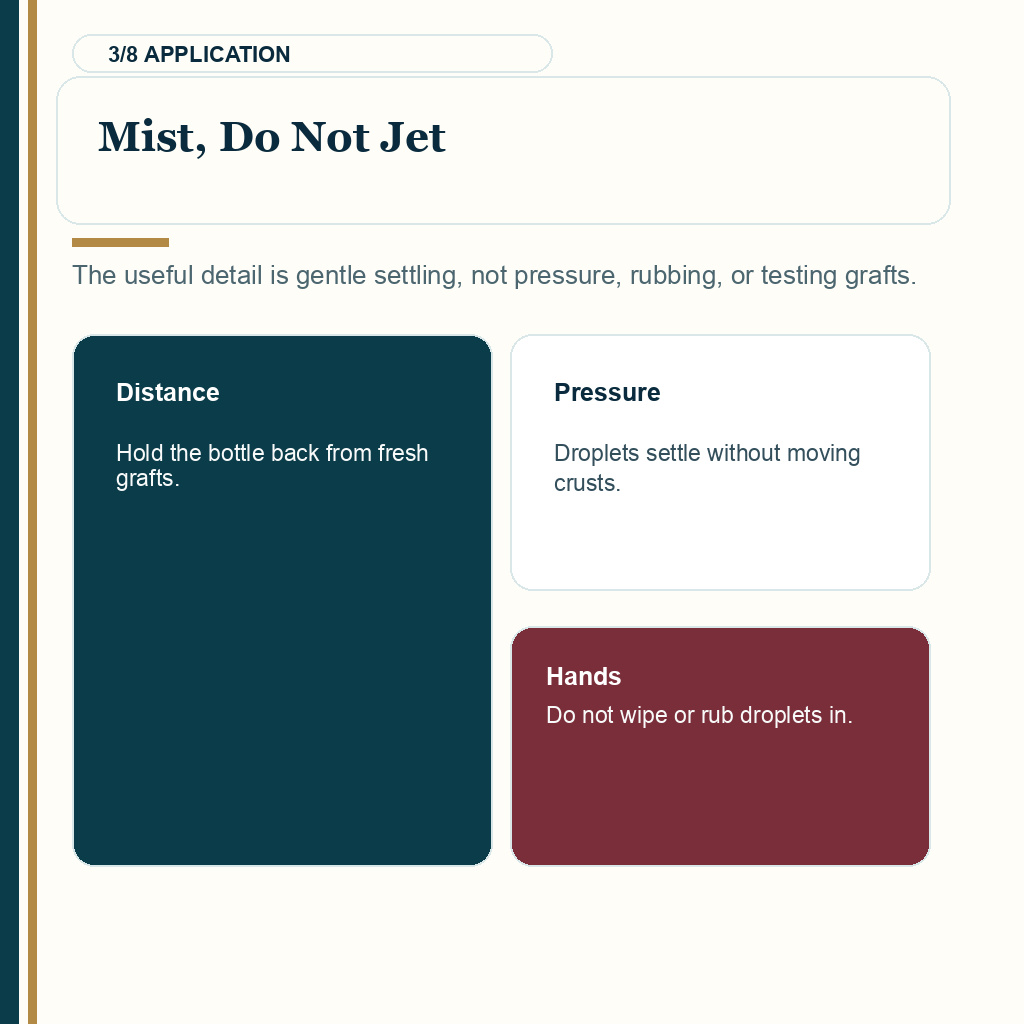
Use a soft mist from a sensible distance. The droplets should settle over the recipient area. They should not hit the scalp like a jet, move scabs, or create bleeding.
If the scalp becomes constantly wet, sticky, or irritated, more spraying is not always better. The skin needs a clean, undisturbed healing environment. A wet scalp that is repeatedly handled can become just another reason to touch the area.
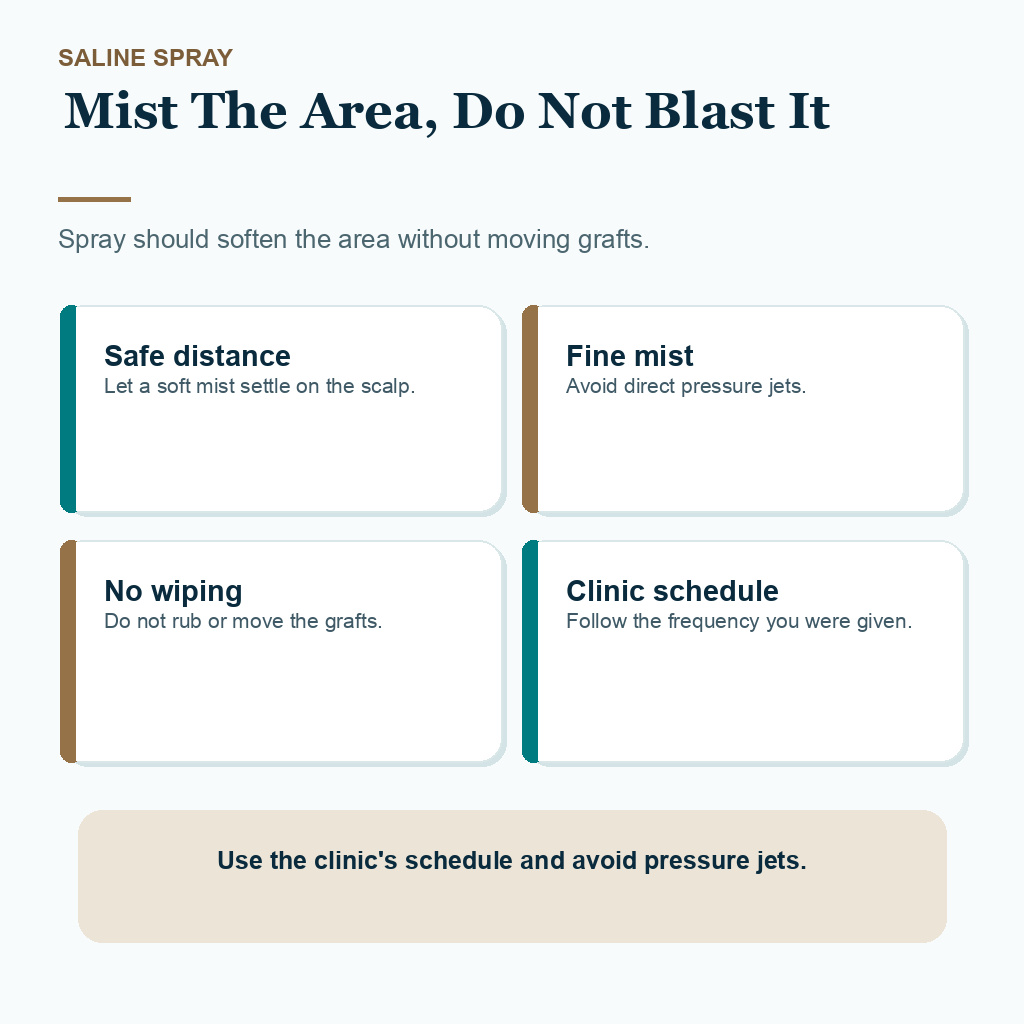
The useful detail is a soft mist, not pressure, rubbing, or wiping.
The right fluid to use
Use what your own clinic prescribed. If the clinic gave sterile saline, use that. If the clinic gave sterile water or told you to use bottled water, follow that instruction. The product choice should not become a contest between online opinions.
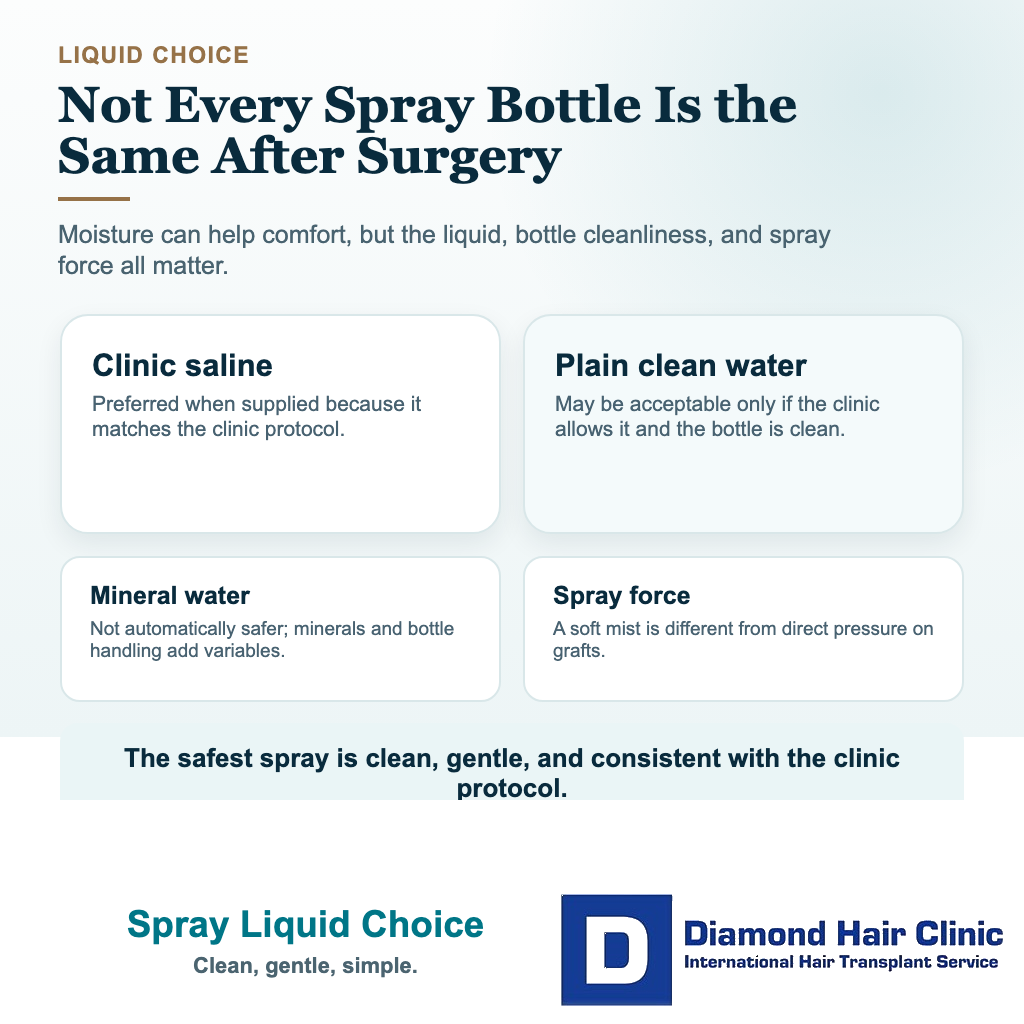
Sterile saline is gentle and commonly used around wounds because it is close to the body’s natural salt concentration. Still, a hair transplant recipient area is not a large dirty wound that needs aggressive irrigation. It is a delicate surgical field that needs controlled handling.
Tap water, bathroom bottles, reused cosmetic bottles, and homemade salt water add avoidable uncertainty in the very early period. If you run out of the clinic spray, use the replacement your own protocol allows rather than improvising.
I also pay attention to the bottle, not only the liquid. A clean fine mist bottle is different from a strong wound wash canister that comes out with pressure. If the product comes out as a jet, do not aim it directly at fresh grafts. Only transfer liquid into another bottle if the clinic allows it and the new bottle is clean.
Unclear technique is usually a distance and nozzle problem, not only a frequency problem. The wrong nozzle can turn a misting routine into pressure or repeated touching.
Spraying without disturbing the grafts
Wash your hands first. Hold the bottle far enough away that the spray lands as a light mist. Keep the bottle clean, avoid touching the nozzle to the scalp, and let the area air dry unless your clinic gave a different instruction.
Do not rub the droplets in. Do not wipe the recipient area with tissue. Do not use your nails to move a scab that looks dry. If a droplet runs down the forehead, dab around the face, not across the grafted zone.
Protecting the grafts and interfering with them are different. Gentle handling protects the recipient area. Repeated checking, pressing, or touching grafts after a hair transplant adds nothing useful.
Rubbing at night is a positioning issue, not a spray issue. If you are worried about rubbing the scalp on the pillow, the solution is better positioning, not more spray. Pressure and friction matter in the first nights. That also matters for sleeping after a hair transplant.
Warning signs that need clinic review
Saline spray can ease dryness, but it cannot diagnose a problem. Get medical review if one area starts bleeding again, becomes increasingly painful, feels hot, develops pus, has spreading redness, smells bad, or looks black or deeply open.
Mild tightness, light dryness, and some itching after a hair transplant can be part of ordinary healing. The pattern matters. Symptoms that are quieter today than yesterday are different from symptoms that are spreading, wet, painful, or changing in one spot.
If you bumped your head after a hair transplant, take clear photos under steady light and explain the surgery day, current day after surgery, spray routine, washing routine, bleeding, pain, and whether the area is improving. A clear message once is more useful than constant worried photos without context.
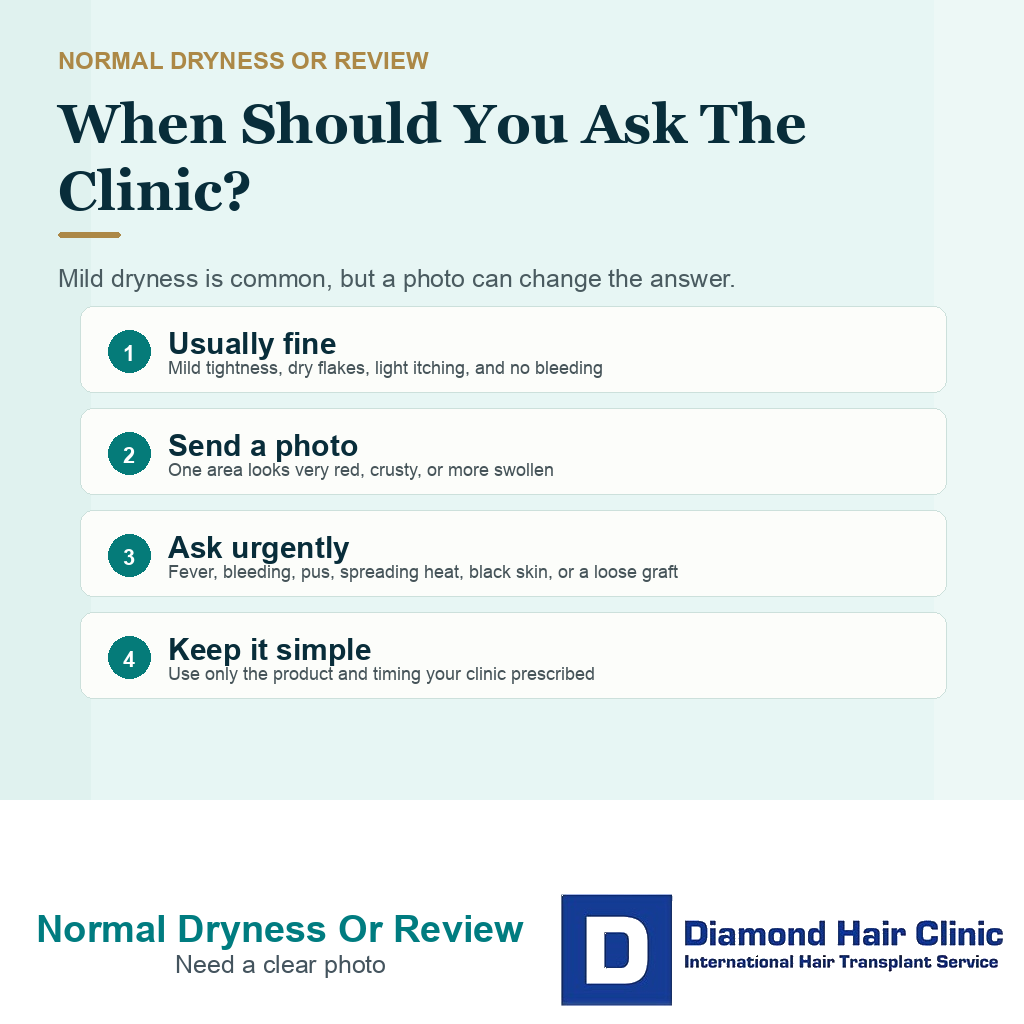
Saline spray can ease dryness, but warning signs still need direct medical review.
Spray, washing, and scab softening work together
Saline spray may help soften dryness, but it does not replace the first wash or the later scab removal plan. At Diamond Hair Clinic, I perform the first wash 2 days after surgery and show the safe pressure and movement. You should not have to guess this alone.
Scabs need time, moisture, and gentle washing to loosen. They should not be picked off one by one. If a short hair appears inside a dry crust, that does not necessarily mean the whole follicle is gone. That concern is covered in lost grafts when scabs come off.
The real mistake is often impatience. Someone sprays, sees a crust stay dry, sprays again, then rubs to test it. Follow the wash schedule, soften crusts gradually, and ask for review if thick scabs are not loosening at the expected stage.
Common saline spray mistakes after reading other routines
Can I use more spray when I feel behind?
More spray is not a reset button. Restart the written routine gently, keep the nozzle away from the scalp, and avoid rubbing droplets into the grafted area. If one spot is bleeding, hot, painful, or wet, treat it as a review issue rather than a spray issue.
Can spray replace washing?
No. Spray may soften dryness, but crusts should release through the washing rhythm your clinic gave you. The related guidance on scab picking after FUE explains why a softened edge is not permission to lift it.
Stopping saline spray
Most people can stop when the clinic instruction ends, the scalp is no longer uncomfortably dry, and washing is working well. Many routines end somewhere between the first few days and the first 7 to 10 days. Some clinics use a shorter or longer plan based on their own method.
By around day 10 to 14, the focus is less about misting and more about whether the scabs have cleared, whether the skin has settled, and whether normal washing can return gradually. At Diamond Hair Clinic, the more active crust cleaning is usually around day 12, which is the 10th wash in my routine.
If the scalp still looks very red, wet, painful, or irritated, do not keep adding products to solve it. Use clear photos for direct guidance instead of adding another product. The guide to redness, scabs, or pimples after surgery is useful when you are unsure whether the skin is simply healing or needs review.
Saline spray cannot replace other aftercare steps
It cannot replace washing, sleeping carefully, avoiding sun, avoiding sweat too early, or staying away from cosmetic products during the fresh healing period. It is only one small part of the early routine.
Some people look for one product that will do all the work. I understand that wish, but graft survival is not decided by one bottle. It depends on surgical planning, graft handling, recipient area creation, the way the grafts were placed, skin response, and disciplined early recovery.
Early styling products should also stay out of the fresh period just because saline spray feels comfortable. Cosmetic residue is a different issue. If you are thinking about dry shampoo after a hair transplant, hair fibers, gels, sprays, or oils, wait until the scalp has settled and your clinic has cleared that step.
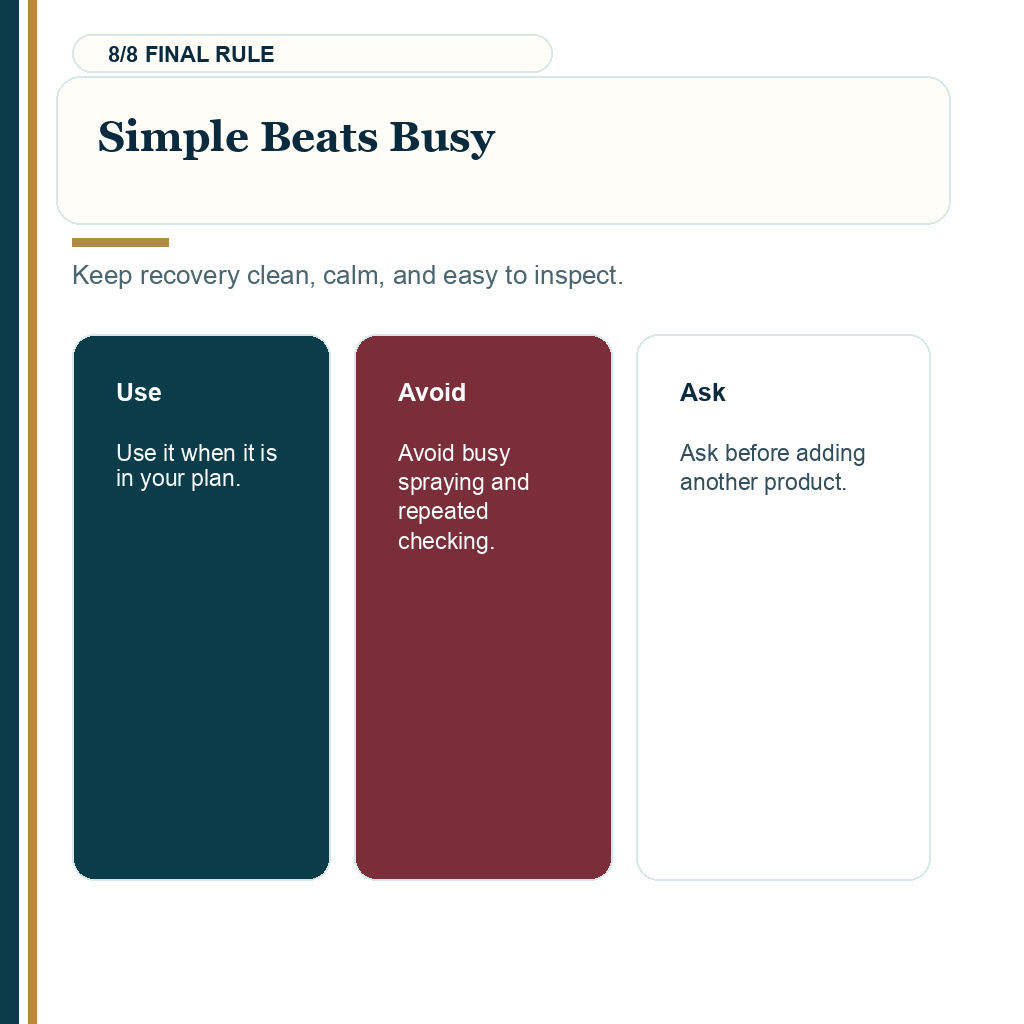
Good recovery is quiet. The scalp is protected, the washing is controlled, and you are not trying to improve the result every hour with another product.
This is also where anxiety can mislead you. Spraying 40 times, checking the mirror 40 times, and touching the area repeatedly may feel more active, but it is not necessarily safer. After surgery, a simple routine protects the scalp better than constant intervention.
That simpler routine also makes follow up easier, because the clinic can judge a clean scalp instead of a scalp irritated by several new products.
Use the 8 saline spray protocol slides below to separate the written plan, first week timing, soft mist technique, washing, missed sprays, bottle hygiene, warning signs, and when to stop. Swipe the carousel, use the arrows one step at a time, or choose a number below the image to jump to that point.