


Sweating During Graft Recovery
Light accidental sweating after a hair transplant usually does not ruin the result, especially if there is no rubbing, bleeding, scratching, or pressure on the grafts. During the first 10 to 14 days, I still ask patients to avoid avoidable sweating from gym training, sex, tight hats, hot weather, and rushed travel. Sauna, steam rooms, hot tubs, swimming, helmets, and hard training need a longer plan because they add more than sweat. Sweat itself is not the same as a lost graft, but the reaction to sweat matters. The concern is what often comes with sweat, especially heat, friction, trapped moisture, swelling, and the temptation to touch or wipe the recipient area before the skin has settled. A sweaty bandana, durag, or bucket hat belongs in the same soft headwear after transplant decision because fabric can trap heat and tempt rubbing.
Light sweat while sleeping, walking slowly, or sitting in a warm room is usually managed with gentle washing guidance and a dry, untouched scalp afterward. Training through heat, wiping with a towel, wearing a tight cap, working under a hairnet or hygiene cap after FUE, or making beach plans after a hair transplant too early creates a different kind of risk. Hot water and aggressive washing can irritate the scalp when sweat is cleaned too early. Cooling the room with air conditioning after hair transplant can help, but strong direct airflow should not become a new irritation trigger.
Handle light sweat by changing the next behavior. Let the scalp settle, avoid wiping with pressure, and make the wash gentle rather than trying to dry the area quickly.
Sweating worries patients
The fear makes sense because sweating feels uncontrolled. You may follow your aftercare carefully and still sweat while sleeping, walking through an airport, sitting in a warm room, or feeling anxious after surgery. That can make you think the result has been damaged before it even has a chance to grow.
I separate accidental sweating from avoidable sweating. Accidental sweating is something that happens despite reasonable caution. Avoidable sweating is choosing gym training, sauna, heavy lifting, hot sun, a tight hat, or a long active day too early. Those are not the same risk. If sweat comes from a dirty, hot, or hard hat job, plan the return around physical work after hair transplant, not only around ordinary exercise advice. When the sweating comes from a bike ride, cycling after hair transplant should be planned separately because the issue is not moisture alone. If the sweat question is before the operation rather than after graft placement, sauna before hair transplant explains the hydration and readiness side of the decision.
If you sweat lightly once and leave the grafts alone, gentle aftercare guidance is usually enough. The risk rises when sweating leads to wiping, scratching, pressing, checking, and rubbing the recipient area. Fear can make the hands more dangerous than the moisture.
Sweat and graft security
Sweat alone does not usually push grafts out of the scalp. Moisture is different from force. A graft is more likely to be harmed by direct trauma, forceful rubbing, scratching, picking scabs, a blow to the head, or pressure that drags across the recipient area. Risk changes when sweating makes you touch the grafts, rub them, or add pressure before the skin has settled.
During the first days, the grafts are still settling. I try to keep the scalp away from heavy heat and moisture because sweat can soften crusts, increase itching, and tempt you to touch the area. When sweat leads to wiping with a towel, rubbing with fingers, wearing a cap that moves over the grafts, or using headphones after a hair transplant during a workout, the risk changes. Football, boxing, basketball, and other contact sports after a hair transplant should not be judged by sweat alone. If sweat, residue, and cautious washing create a smell, scalp odor during FUE recovery explains when washing is enough and when review is safer.
If you notice fresh bleeding, an open spot, or tissue like material after contact, that is different from simple sweat. Photograph the area in good light and contact your clinic instead of wiping or testing it. At that point the question is possible trauma, not sweat.
Avoiding heavy sweating
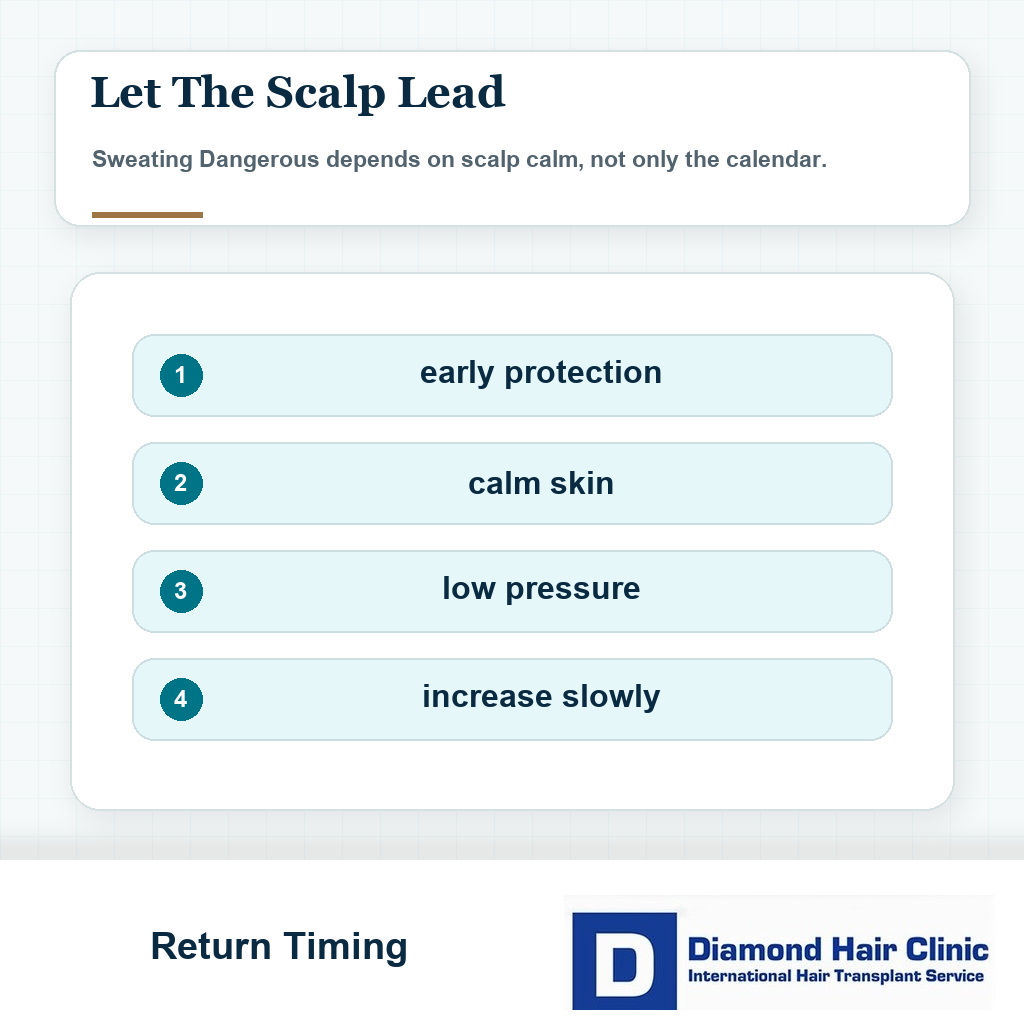
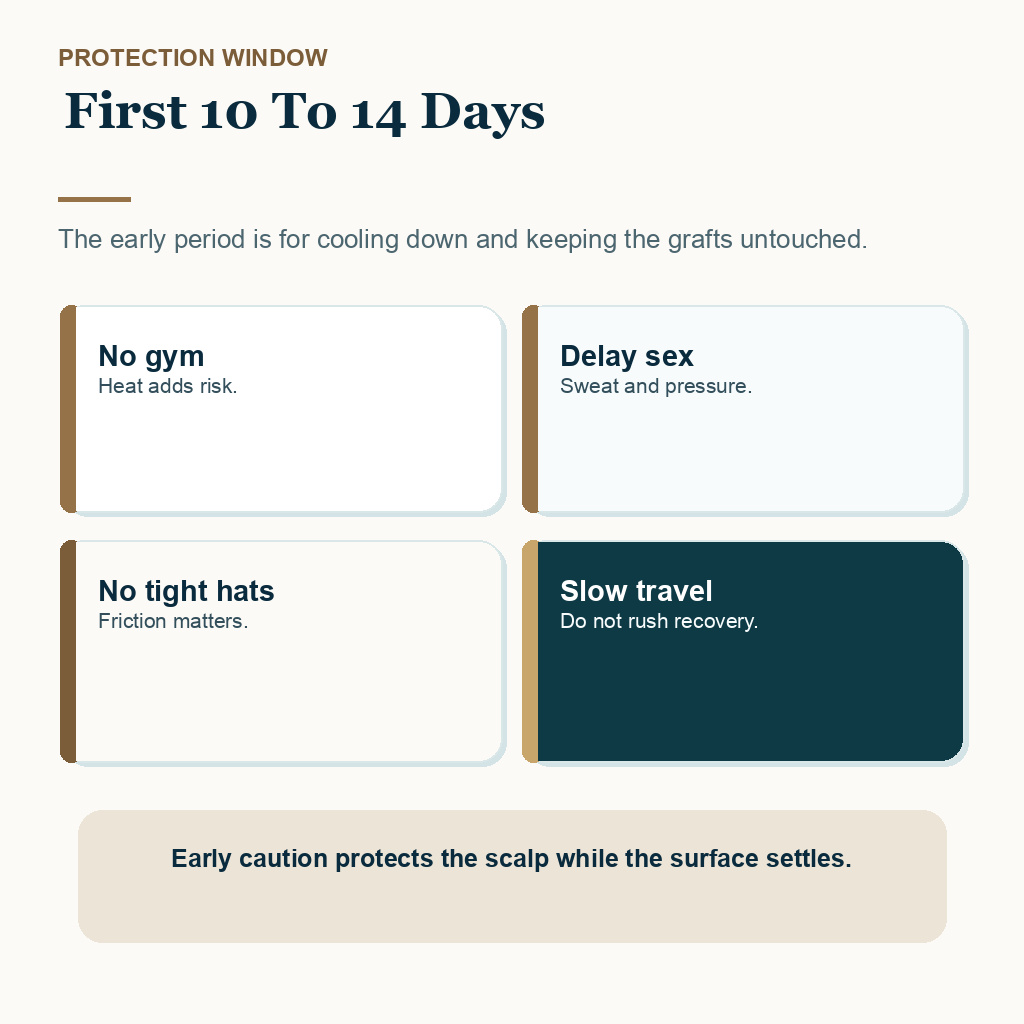
For most patients, the first 10 to 14 days are a protected early window, not a full return to sweat date. During that period, I avoid gym training, running, heavy lifting, intense cardio, sauna, steam rooms, hot tubs, swimming, and long exposure to heat. If the scabs are gone, the skin is settled, and washing is comfortable, ordinary walking and light daily activity can usually increase after that. Harder training, shared water, helmets, and deliberate heat exposure still need more time.
The calendar alone is not enough. A patient at day 12 with settled skin and no crusting is different from a patient at day 12 with persistent scabs, redness, itching, or swelling. Recovery is not only a number of days. The scalp has to look ready.
My approach is close to the way I plan exercise after a hair transplant. Light movement and normal life return earlier. Exercise that makes you sweat heavily comes later. Contact sport, helmets, swimming, sauna, and repeated heat exposure need more caution because they add pressure, friction, hygiene risk, or heat stress. The same timing applies when deciding about pre workout after a hair transplant or protein powder after hair transplant when the shake is tied to training rather than normal nutrition.
Hot yoga deserves extra caution because it is not only light exercise. It can combine heavy sweating, room heat, bending, stretching, mat contact, towel wiping, and pressure from tying hair or covering the scalp. I would treat it closer to deliberate heat exposure than to a simple walk until the scalp has clearly settled and the clinic has cleared that stage.
Can antimicrobial shampoo make early hot yoga safer?
No shampoo makes early hot yoga safe if the scalp is still scabbed, red, itchy, swollen, tender, or hard to wash gently. Antimicrobial or medicated shampoo can irritate healing skin when it is used as a shortcut. Use the clinic washing plan, and only move toward normal shampoo after a hair transplant when the skin is closed, the scabs have gone, and washing feels calm.
If yoga matters to your routine, choose the cool and gentle version first. Avoid hot rooms, deep bending, headstands, tight hair covering, towel wiping, and any session that turns into heavy sweating until your surgeon has cleared that stage.
Some clinics give very short restrictions, and others tell every patient to avoid sweat for a full month. Neither answer is useful if nobody has looked at the scalp. A staged plan is safer. First protect the grafts and the healing skin. Then return to ordinary walking and daily life. Then increase activity only when crusting, redness, and swelling are settling in the right direction.
Large sessions, sensitive skin, slow scab removal, heavy swelling, folliculitis tendency, and hot climates can all make the plan more conservative. A smaller session with settled skin may return to normal routines faster. The rules should make sense to you. If the scalp is still irritated, waiting longer is not punishment. It is simply better judgment.

Work that causes sweating needs a safer return plan
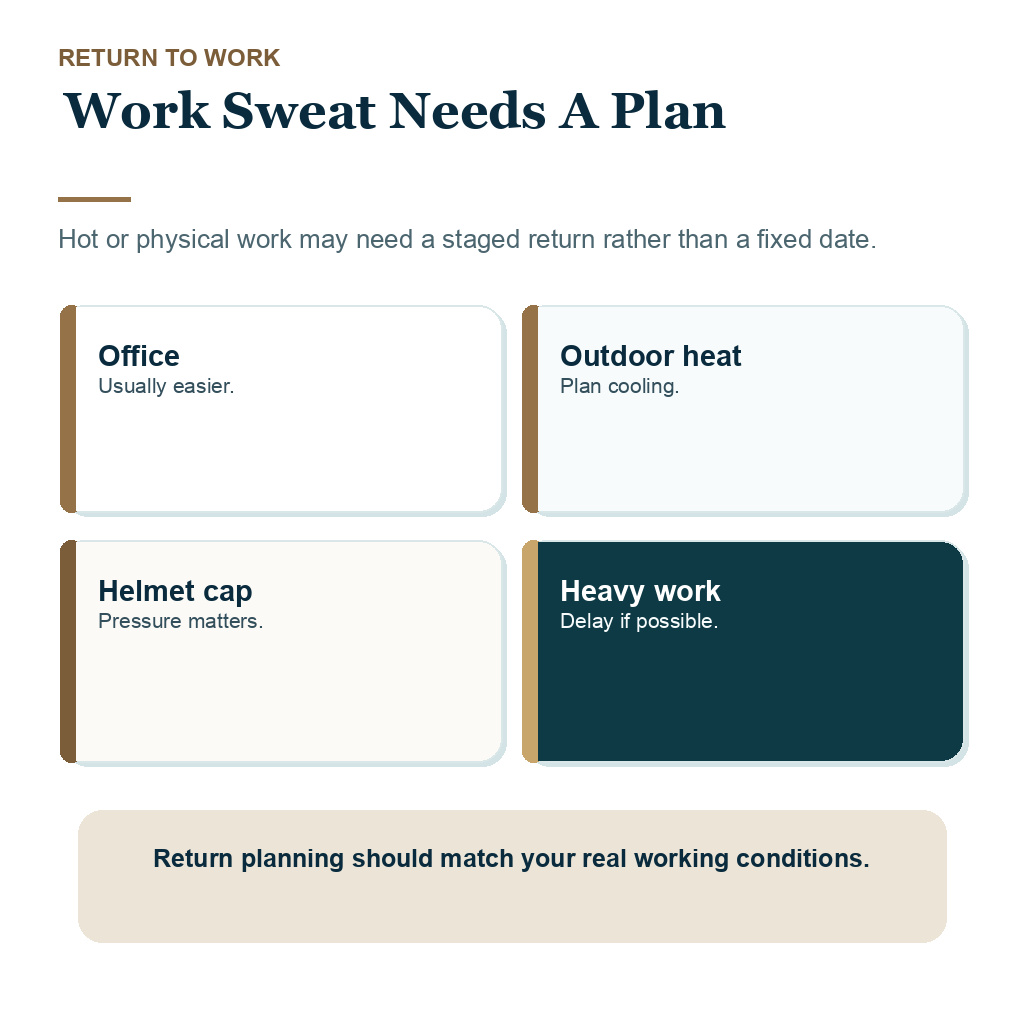
Work sweating needs more planning than accidental sweating at home. A patient who works outdoors, in a kitchen, in a warehouse, in delivery, in construction, or under a helmet may not be able to keep the scalp cool and clean during the early healing period.
Sweat alone is not the only issue. It is sweat combined with heat, dust, bending, lifting, pressure, towel wiping, dirty hands, and tight headwear. If your job creates those conditions, plan modified duties or enough time off work after a hair transplant before surgery rather than hoping you can improvise afterward. Be equally cautious with spicy meals after a hair transplant if they make you hot, sweaty, or keep you wiping the forehead and scalp.
For most patients, the first 10 to 14 days should be protected from heavy sweating and work related friction. A cool office walk with mild perspiration is not the same as eight hours under a hard hat, next to kitchen heat, or outdoors in summer. If your job cannot be adjusted, moving the surgery date is safer than placing grafts and then sending the patient straight back into heat, pressure, and repeated wiping.
Accidental sweating
Do not panic, and do not scrub the scalp. Move to a cooler place, sit down, let the body settle, and follow the washing or spraying instructions your clinic gave you. Do not rush into a hard shower, strong water pressure, or repeated wiping because you want to feel safe quickly. If your clinic has shown you a gentle washing method, use that method instead of inventing a new one because you are anxious.
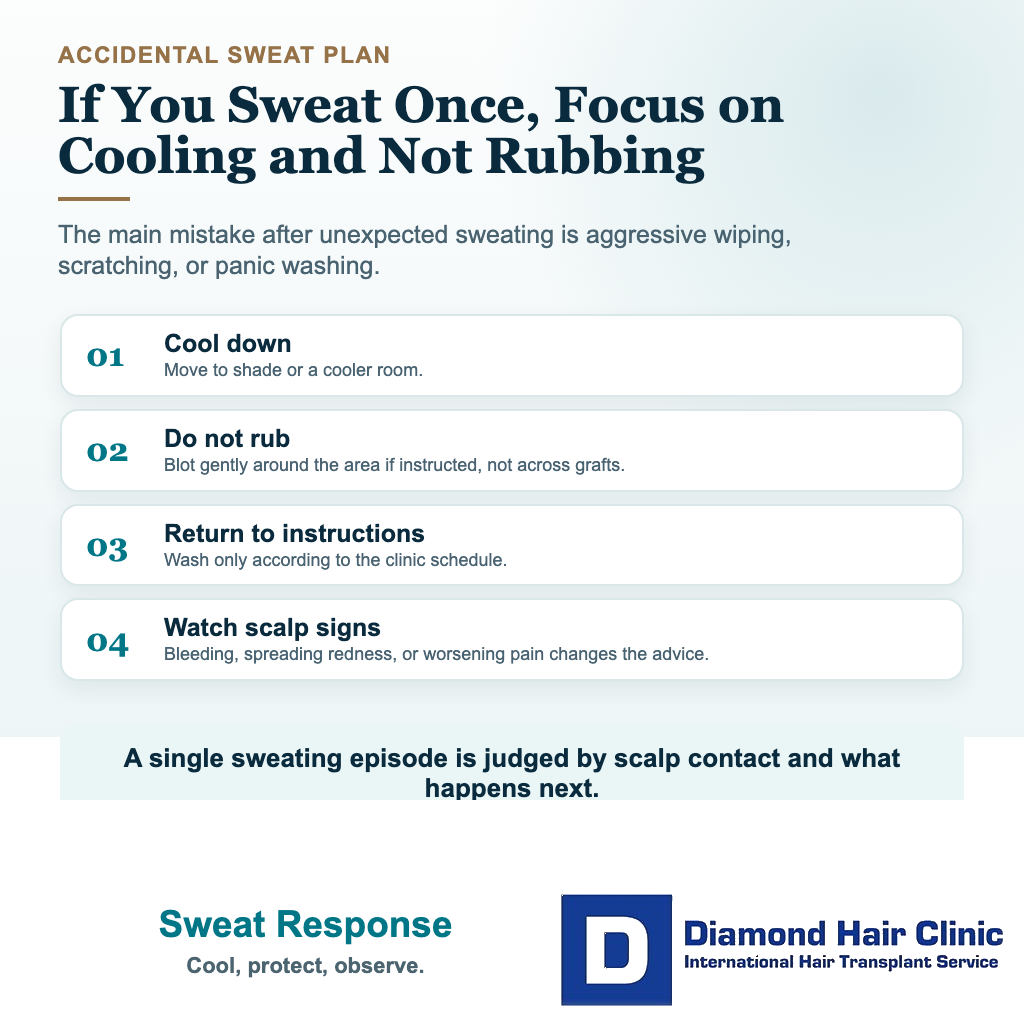
Patting around the area is different from rubbing across the grafts. In the first days, avoid direct towel friction on the recipient area. If moisture needs to be managed, it should be handled gently, without dragging the skin or lifting crusts.
Alcohol, disinfectant, perfume, dry shampoo, or antiperspirant style products do not belong on the recipient area just to feel cleaner. A healing scalp needs the clinic washing routine, not an improvised product test after sweating.
Many mistakes happen after the sweat, not during the sweat. You feel moisture, then check the scalp repeatedly, press a finger into the grafts, or try to remove scabs too early. If you are unsure how much water or pressure is safe, keep washing after a hair transplant gentle and follow the clinic routine instead of testing the grafts.
Night sweating as a warning sign
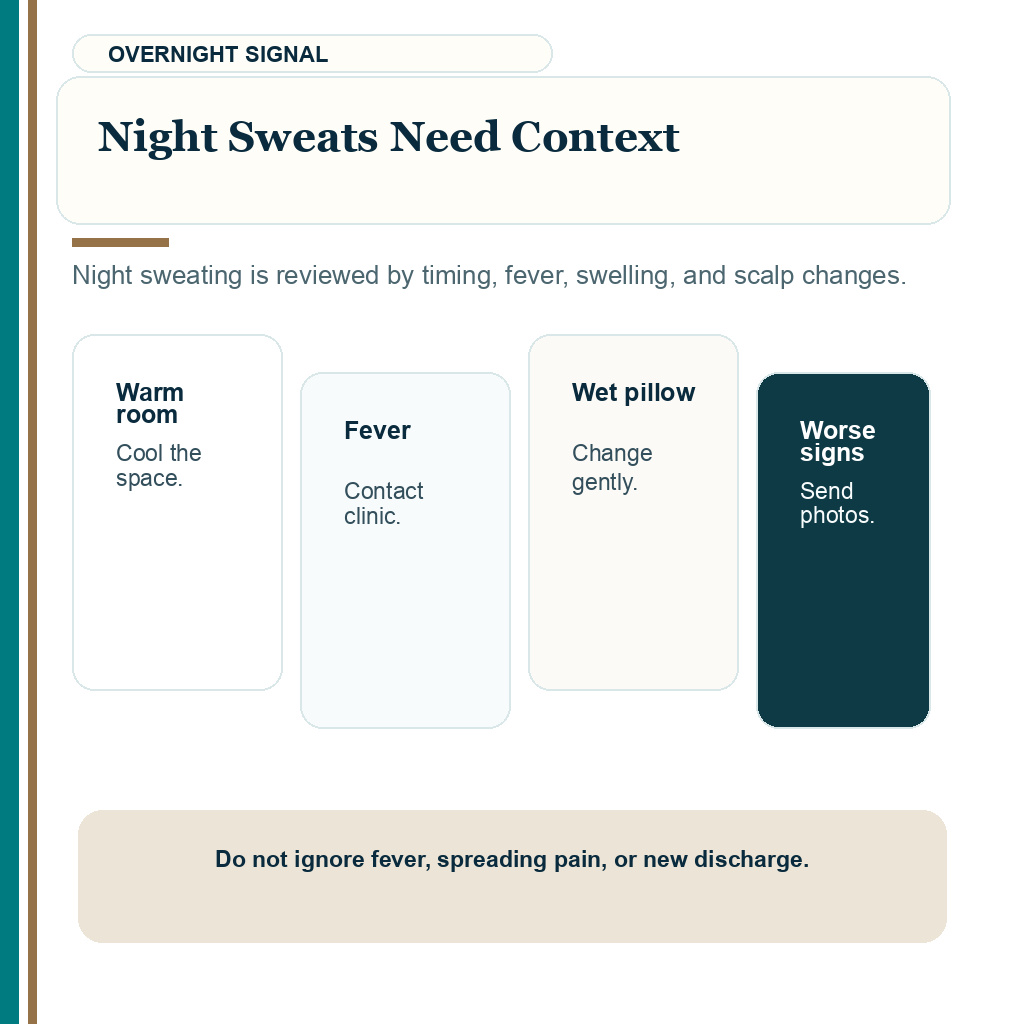
Night sweating can happen because the room is warm, the bedding is heavy, the body is recovering, or you are anxious. A single sweaty night does not mean the grafts failed. I focus more on whether the scalp was rubbed into the pillow, whether there was bleeding, whether you scratched during sleep, and whether swelling or redness is getting worse. If night sweating comes with fever, chills, feeling unwell, worsening pain, or spreading heat in the scalp, I do not treat it as a simple sweat question. That needs medical contact.
The first week is not a good time for heavy blankets, overheated rooms, or sleeping positions that press the recipient area into fabric. Cool air, a clean pillowcase, and a protected head position matter more than obsessing over every drop of moisture.
Swelling also matters here. A warm room and flat sleeping position can make the face feel puffier in the early days. If the forehead or eyelids are already swollen, keep the head elevated and avoid heat. I explain normal timing and warning signs separately in my article about swelling after a hair transplant.
Wearing a hat to control sweat
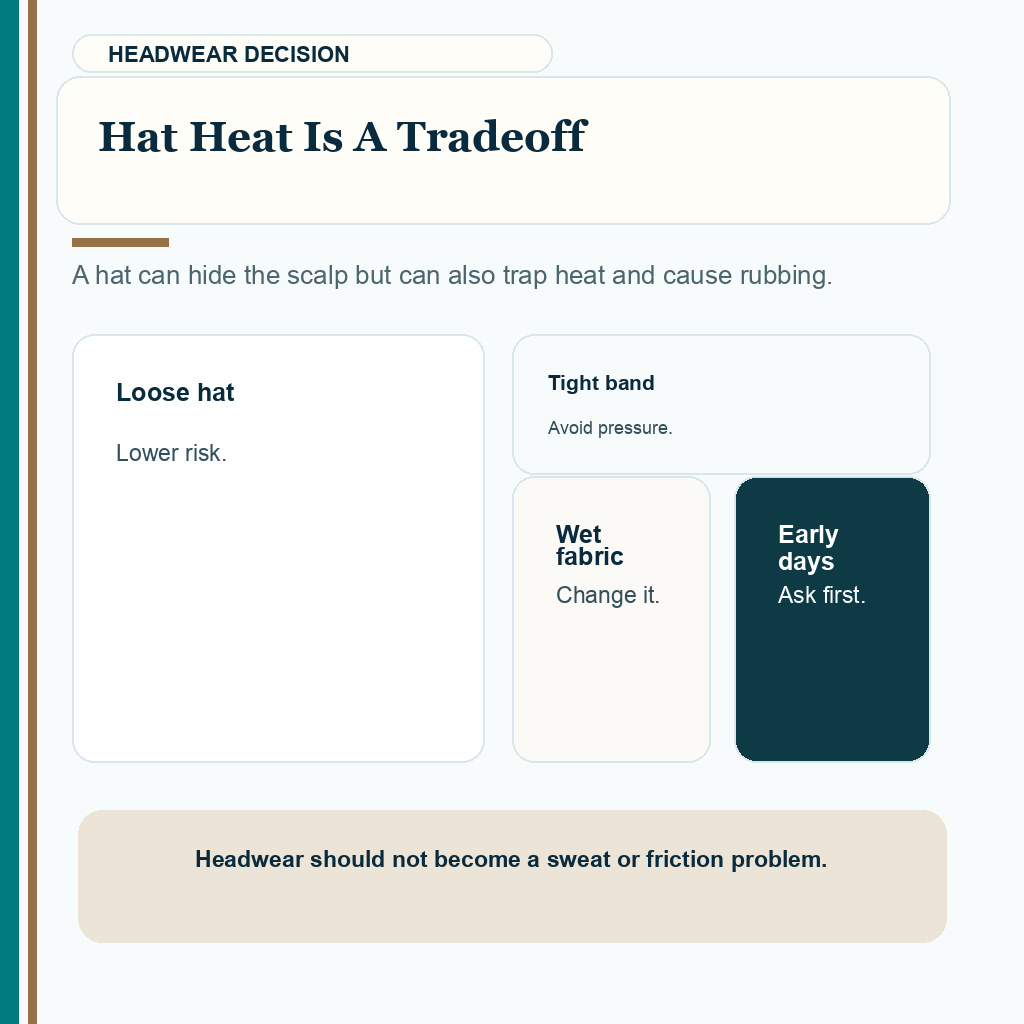
A hat can sometimes protect from sun or dust, but it is not a good tool for trapping sweat against a healing scalp. A tight cap can create friction, heat, pressure, and rubbing. If the hat moves over the recipient area, it can become a mechanical problem rather than a sweat solution.
Early after surgery, choose shade, cool indoor spaces, loose protection approved by the clinic, and less activity. Trying to absorb sweat under a cap can make the scalp warmer and wetter. Fresh incisions heal better when heat and trapped moisture are kept under control.
Hat timing depends on the surgery, healing, scabs, swelling, and the fit of the hat. A loose hat used briefly is not the same as a tight cap worn for hours in heat. The decision about when to wear a hat after a hair transplant should consider sweat, pressure, movement, and whether the hat touches the recipient area.
Sauna, steam rooms, and hot weather
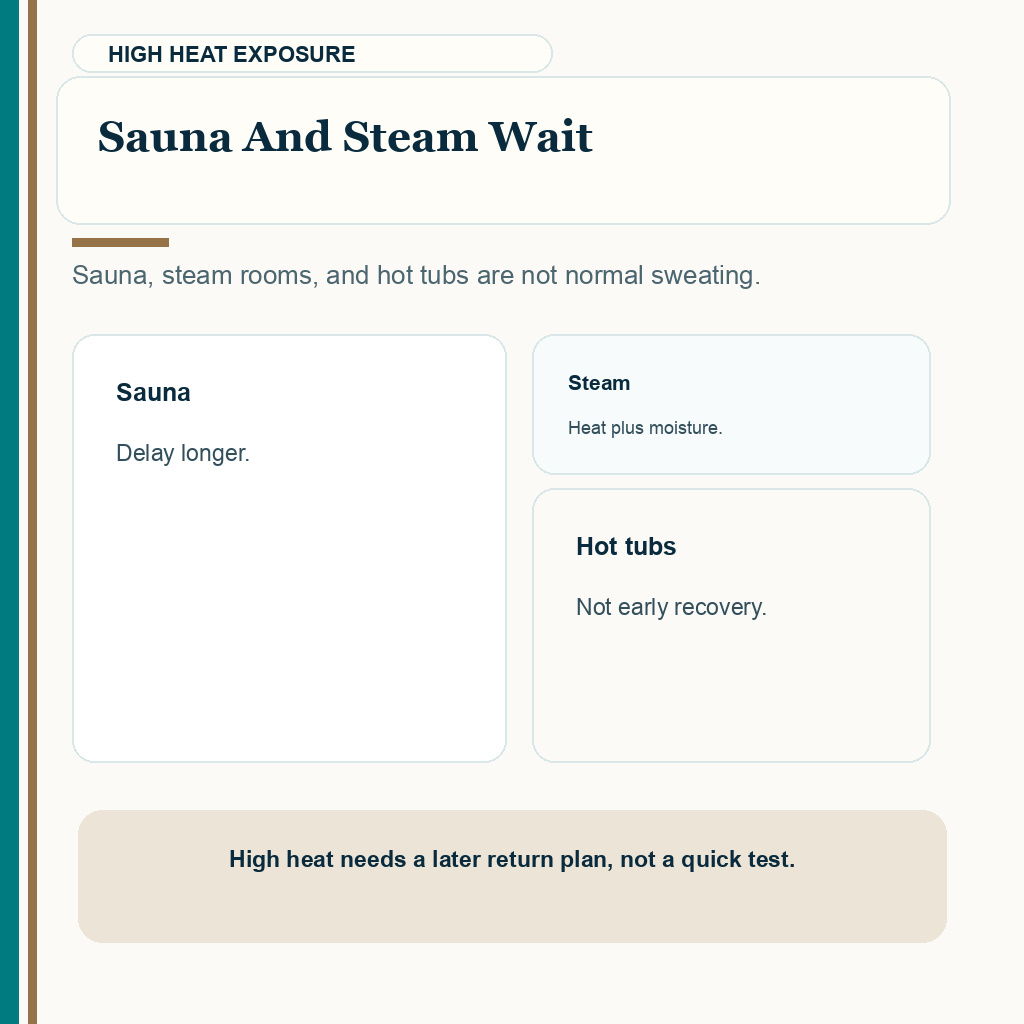
Sauna and steam rooms are not ordinary sweating. They combine heat, moisture, high sweating, softened skin, towel contact, and shared environments. I keep patients away from sauna, steam rooms, hammam, and hot tubs much longer than ordinary daily walking because the scalp is being deliberately stressed.
Hot weather needs practical planning. If you travel after surgery, choose cooler times of day, avoid direct sun, move slowly, drink water, and do not turn the first week into sightseeing. Recovery can be made harder by trying to behave like a tourist too soon after surgery.
For deliberate heat exposure, I use stricter timing. My guidance on when patients can use a sauna after a hair transplant is more conservative than my guidance on light daily movement because the heat and moisture load is much higher.
Sweat, infection risk, and pimples
Sweat can irritate healing skin, especially when it stays on the scalp, mixes with oil, or leads to scratching. It can also make itching and tightness feel more noticeable. Every sweaty moment is not an infection, but a hot, damp, scratched scalp is not a good healing environment.
I pay attention to the direction of healing. Mild redness that improves is one thing. Infection warning signs such as spreading heat, increasing pain, wetness, pus, bad smell, or fever need medical contact. The same applies when pimples become painful or numerous rather than a few small healing bumps.
A few small bumps around hairs can be very different from widespread infection. If a patient is prone to folliculitis after a hair transplant, the scalp should be kept clean and reviewed early if bumps become painful, wet, or numerous. Patients often need help separating ordinary healing from warning signs, which I cover in more detail in the page about redness, scabs, or pimples after surgery.
Sex, exercise, and sweating
Sex can raise heart rate, create sweating, and increase the chance of accidental contact with the scalp. The word sex is less important than the physical intensity, timing, head position, sweating, and whether the recipient area could be touched, pulled, or rubbed.
In the first 10 to 14 days, keep the body quiet and the scalp protected. After that, the decision becomes more individual. Gentle activity after the scalp is settled is different from intense activity in the first week. Masturbation, heavy housework, gym training, and any activity that makes you hot and careless needs judgment through that same recovery lens.
The important detail is the scalp, not embarrassment about the question. If sexual activity happens too early and there is no bleeding, no direct trauma, and no change in the recipient area, panic is usually not helpful. If there was impact, friction, bleeding, or a visible open spot, contact the clinic. I keep the specific timing discussion separate in the existing page on sex after a hair transplant.
Contacting the clinic after sweating
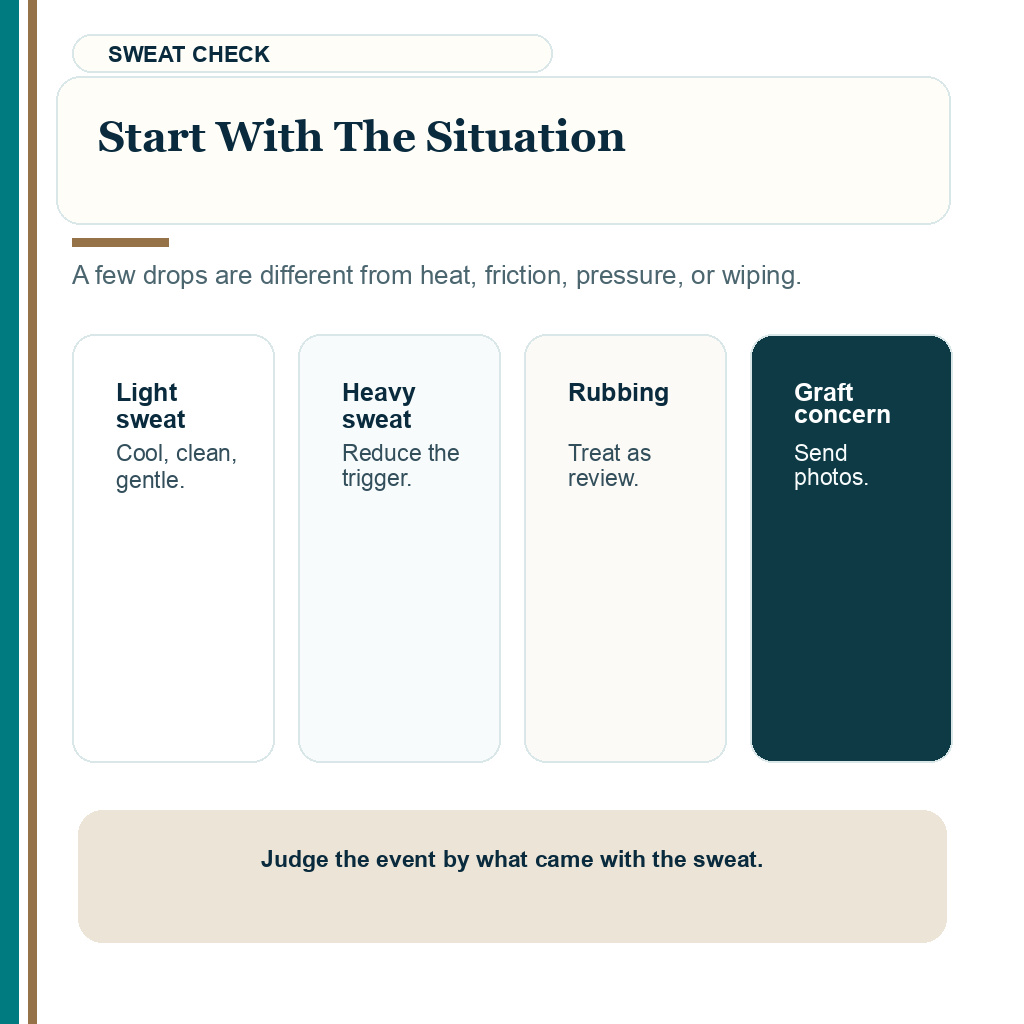
Contact the clinic if sweating is followed by fresh bleeding, strong pain, increasing swelling, spreading hot redness, pus, bad smell, fever, an open wound, or a clear injury to the recipient area. Also contact the clinic if you scratched or rubbed the grafts forcefully and are not sure what happened.
For mild sweating with no trauma and no worsening signs, stay with basic aftercare. Clean the scalp according to the clinic instructions, avoid repeating the trigger, and do not test the grafts. Quiet healing matters more than another mirror check.
My broader hair transplant aftercare guidance is built around the same idea. Protect the recipient area from friction, keep the donor area clean, avoid heat and unnecessary pressure, and let healing move in the right direction.
These 10 sweating recovery slides separate accidental moisture, heavy heat, friction, work exposure, night sweats, hats, sauna, warning signs, and a gradual return. Swipe sideways, use the arrows one slide at a time, or choose a number below the image.



Sweat control matters most in the early days
Plan the first two weeks like a protection period, not a test of how quickly you can return to everything. Stay cool, walk gently, sleep carefully, wash as instructed, avoid tight headwear, and leave the grafts alone. Doing less in the first days often gives the scalp a cleaner chance to heal.
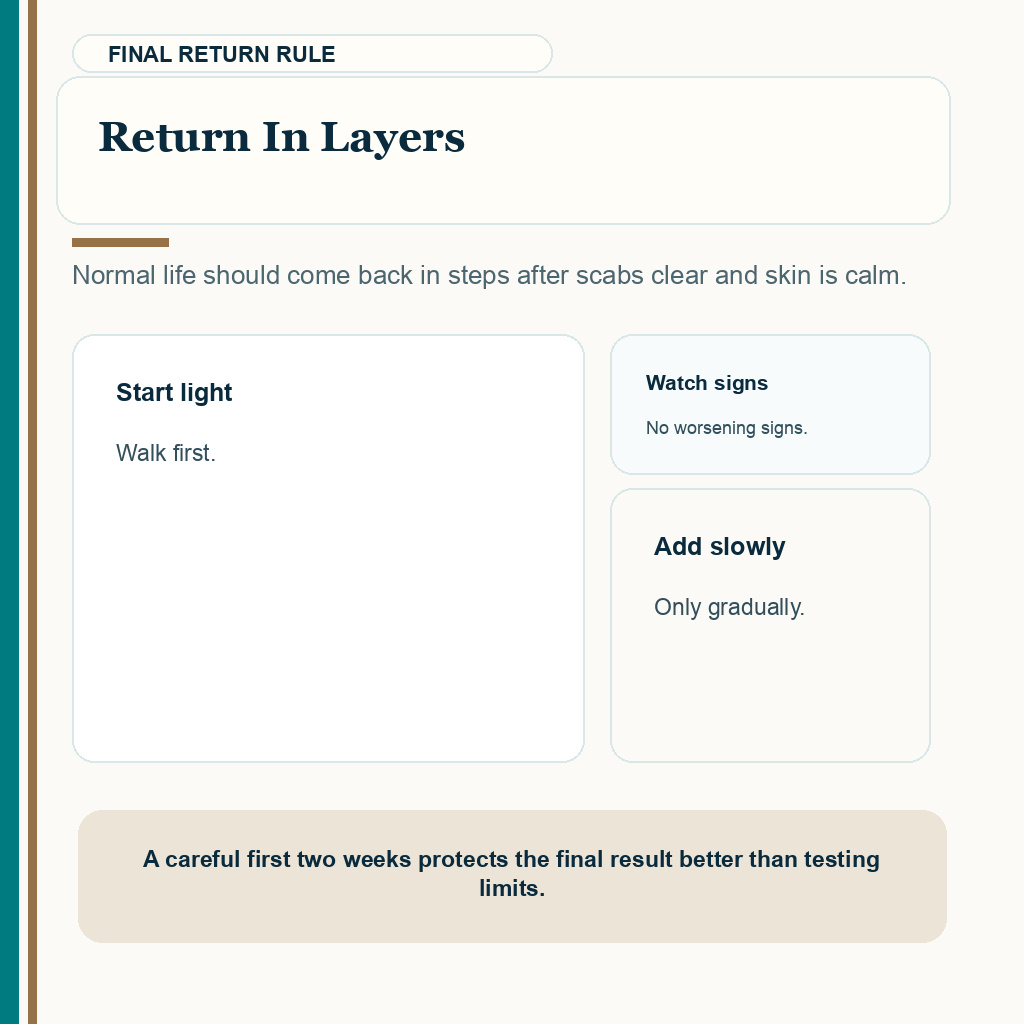
After day 10 to 14, if the scabs have cleared and the scalp is settled, normal life can begin returning in layers. Start with light activity. Delay heavy sweat, heat, friction, and pressure until the skin is ready. If healing is slower, wait longer rather than forcing the schedule.
Sweating after a hair transplant is rarely the single event that ruins a result. The bigger risk is treating early recovery casually, then adding heat, rubbing, scratching, caps, intense exercise, or poor hygiene before the scalp is ready. A good result is protected by a careful first two weeks and sensible judgment afterward.
Sweat becomes more concerning when it combines with dust, heat, wiping, or dirty headwear. The environmental exposure after FUE guide gives the broader dust, wind, and pollution frame.
Read this review excerpt
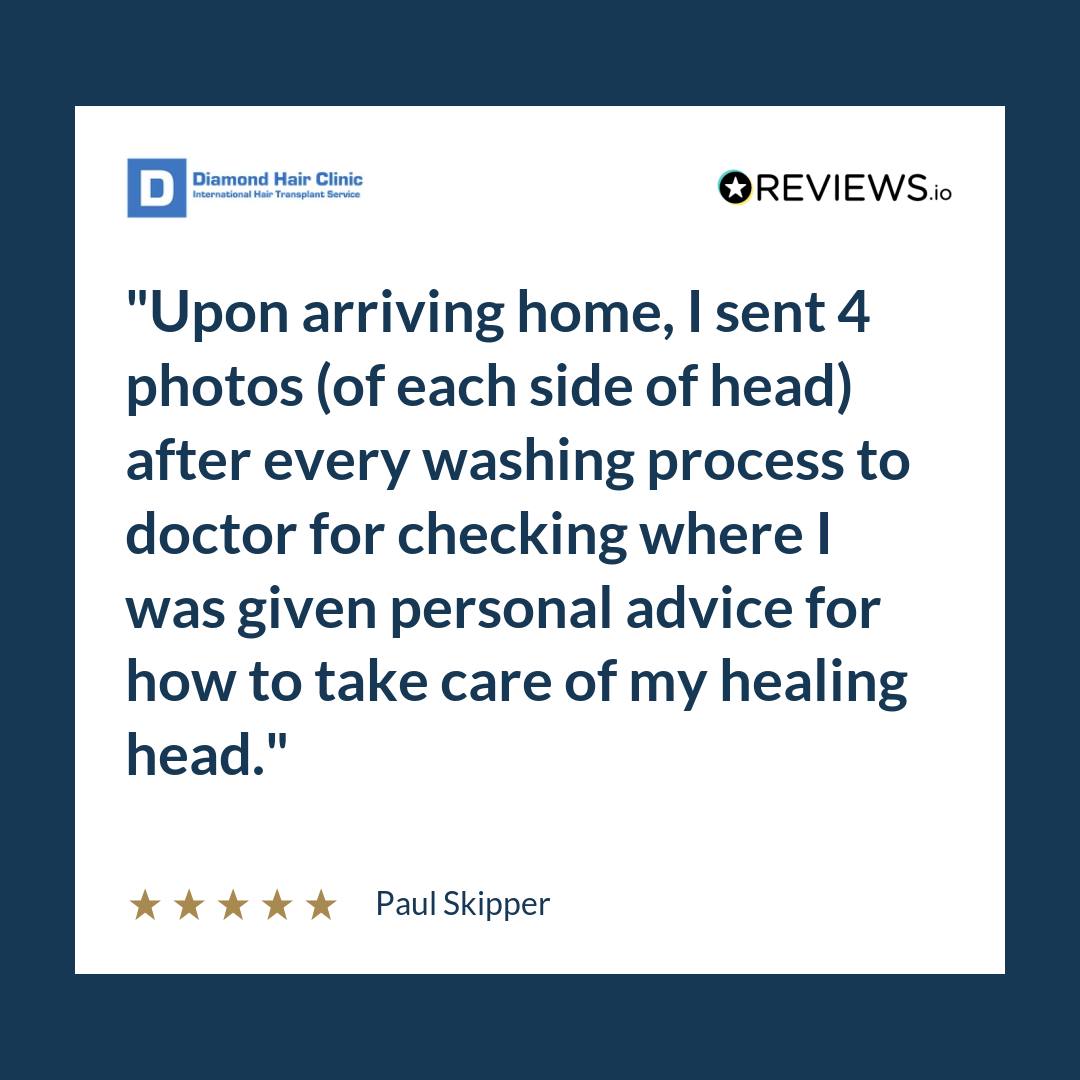
Upon arriving home, I sent 4 photos (of each side of head) after every washing process to doctor for checking where I was given personal advice for how to take care of my healing head.